





Enter your VAT number here and click Verify:
Your details have been verified. VAT number registered to:
,
.
Your order will now be zero rated for VAT purposes. We reserve the right to verify these details after your order request has been made and reinstate VAT if required.
Your VAT details were not recognised or were invalid. Your VAT number must be matched to your Billing Country as specified above. This is currently specified as . You do not need to enter the country code part of your VAT number as this has already been selected in your billing address details above.
The VAT number checking service is currently offline. Please supply your VAT details within the comments or special instructions field below and we will apply a VAT discount after placing your order request.
Bosch

Bosch for Porsche
Bosch parts for Porsche models from Design911, focusing on ignition, engine electrical, and key service items that help keep your car starting, running, and driving as it should
A Quick Look at Bosch
Bosch information on this page is based on details supplied by the manufacturer or distributor, plus any OE references provided with the parts.
Choosing the Right Fit for Your Porsche
Where Bosch is listed for Porsche, use the supplied model coverage and OE references to confirm suitability. Check details that commonly affect fitment such as model year, side/position, and connector type where relevant.
- Typical reasons to choose Bosch include improving reliability of sensors, ignition parts, and service components so that warning lights, hard starting, and poor running are less likely to reappear after repair.
- Common symptoms that lead to replacement include misfires, rough idle, hard starting, poor fuel economy, and intermittent or persistent sensor-related fault codes.
- Before replacing a part again, it is sensible to check battery voltage, wiring, connectors, and for vacuum or air leaks, as these often cause repeat issues even with new components.
- Where available, using live diagnostic data and carefully inspecting connectors helps confirm faults before you fit Bosch parts, reducing guesswork and unnecessary replacements.
Browse by Category
If you already know the area you are working on, start with the category and then filter by Porsche model. Where real-world symptoms and typical reasons to replace are provided, use them to keep the wording grounded.
Engine Electrical — Engine electrical parts cover starting, charging, ignition, and many of the sensors and control components that keep your Porsche running smoothly; they are often replaced when diagnosing no-starts, misfires, charging issues, and warning lights, and Bosch is frequently chosen for known-quality engine management parts where listed.
- Check battery condition, grounds, and connector corrosion before condemning multiple components.
- Use fault codes as a guide but confirm with testing rather than replacing parts blindly.
Distributor Cap — Distributor caps are a wear item in older Porsche ignition systems; they are changed when chasing misfires, rough idle, damp-weather starting problems, or visible corrosion and tracking, and Bosch caps can be a suitable choice where specified for consistent spark distribution.
- Inspect inside the cap for dark tracking lines, cracks, and terminal corrosion if you notice misfires, especially in wet conditions.
- Consider replacing the cap together with the rotor so that both wear items are refreshed at the same time.
Ignition Coil — A single ignition coil is typically replaced when there are misfires under load, rough running as the engine warms up, or visible damage and leakage, and selecting a Bosch coil where applicable helps restore strong, consistent spark energy.
- Heat-related failures may only show when the engine is hot, so test and observe symptoms at full operating temperature.
- Check plugs and leads as part of diagnosis, as excessive resistance can overload coils and lead to repeat failures.
Service Parts — Service parts such as filters, plugs, and ignition items are renewed as routine maintenance to maintain performance, economy, and reliability; Bosch components are often used where their specification matches Porsche requirements.
- Regular servicing with quality parts can resolve multiple overlapping issues like hard starting, poor economy, and rough idle in one step.
- Keeping a dated service record helps future diagnostics and supports the car’s long-term value.
Ignition Coils — Sets or kits of ignition coils are fitted when misfires are present across cylinders, when the history is unknown, or as a reliability refresh, and Bosch coils can be an option where listed to match or complement Porsche ignition strategies.
- If one old coil has failed and others are the same age, renewing them together can reduce repeat misfire call-backs.
- Inspect coil boots and connectors carefully for cracks and tracking, and confirm spark plug specification before fitting new coils.
Explore Bosch at Design911
View the current Bosch range for Porsche at Design911, then filter by model and category to narrow down to the right parts.
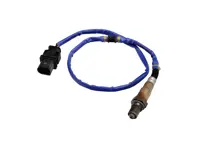
Sold each - 2 per car. These are positioned before the catalytic converters

Fits:
Porsche Boxster 987 2.7ltr >>2007 (BEFORE catalytic converter)
Porsche Boxster S 987 3.2ltr >>2007 (BEFORE catalytic converter)
Porsche 997 GT3 2007-09 (BEFORE catalytic converter)
Function:
The Oxygen Sensor (also known as Lambda Sensor) is located in the exhaust manifold and measures the amount of unburned oxygen in your engine's exhaust. Based on the amount of oxygen, it sends a signal to your engine computer which then adjusts the air/fuel mixture for optimum engine performance and emission control.
Failure Symptoms:
• Excessive fuel consumption, a faulty oxygen sensor can waste 30% of your fuel.
• Driveability problems, such as engine surging or hesitation.
• High hydrocarbon emissions, failing an emissions inspection.
• The engine warning light may be on or service flag displayed.
• The ecu/computer stores a mixture-related fault code.
• When the oxygen sensor has stopped functioning completely, the catalytic converter may overheat and fail
Maintenance / Service:
• Test and/or replace every 30,000 miles.
• Perform periodic emission checks.
• Watch for service light.
• Vehicle manufacturers recommend periodic inspection and replacement of oxygen sensor.
Related reference numbers
Related, superseded, cross reference or alternative numbers for comparison.
98760612304
The product you are viewing cross references to these numbers
- Porsche Boxster 987 2.7L 2005-08/08
- Porsche Boxster 987 S 3.2/3.4L 2005-08/08
- Porsche 997 MK1 GT3 2007-09
 Shop Securely
 12 Month Warranty
 Worldwide Delivery
 Express Delivery
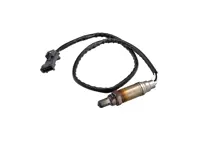
Fits:
Porsche 996 2000-02 (AFTER catalytic converter)
*Cars with M661 stricter emission control concept
Function:
The Oxygen Sensor (also known as Lambda Sensor) is located in the exhaust manifold and measures the amount of unburned oxygen in your engine's exhaust. Based on the amount of oxygen, it sends a signal to your engine computer which then adjusts the air/fuel mixture for optimum engine performance and emission control.
Failure Symptoms:
• Excessive fuel consumption, a faulty oxygen sensor can waste 30% of your fuel.
• Driveability problems, such as engine surging or hesitation.
• High hydrocarbon emissions, failing an emissions inspection.
• The engine warning light may be on or service flag displayed.
• The ecu/computer stores a mixture-related fault code.
• When the oxygen sensor has stopped functioning completely, the catalytic converter may overheat and fail
Maintenance / Service:
• Test and/or replace every 30,000 miles.
• Perform periodic emission checks.
• Watch for service light.
• Vehicle manufacturers recommend periodic inspection and replacement of oxygen sensor.
Related reference numbers
Related, superseded, cross reference or alternative numbers for comparison.
99360611801
The product you are viewing cross references to these numbers
- Porsche 996 C2 3.4L 1997-08/01
- Porsche 996 C4 3.4L 1997-08/01
- Porsche 996 C2 3.6L 09/01-2005
- Porsche 996 C4 3.6L 09/01-2005
- Porsche 996 C4S 3.6L 09/01-2005
Shop Securely
12 Month Warranty
Worldwide Delivery
Express Delivery

Fits:
Porsche 993 Turbo (AFTER catalytic converter)
Function:
The Oxygen Sensor (also known as Lambda Sensor) is located in the exhaust manifold and measures the amount of unburned oxygen in your engine's exhaust. Based on the amount of oxygen, it sends a signal to your engine computer which then adjusts the air/fuel mixture for optimum engine performance and emission control.
Failure Symptoms:
• Excessive fuel consumption, a faulty oxygen sensor can waste 30% of your fuel.
• Driveability problems, such as engine surging or hesitation.
• High hydrocarbon emissions, failing an emissions inspection.
• The engine warning light may be on or service flag displayed.
• The ecu/computer stores a mixture-related fault code.
• When the oxygen sensor has stopped functioning completely, the catalytic converter may overheat and fail
Maintenance / Service:
• Test and/or replace every 30,000 miles.
• Perform periodic emission checks.
• Watch for service light.
• Vehicle manufacturers recommend periodic inspection and replacement of oxygen sensor.
Related reference numbers
Related, superseded, cross reference or alternative numbers for comparison.
99360612701
The product you are viewing cross references to these numbers
- Porsche 993 (911) TURBO 1994-96
- Porsche 993 (911) TURBO S 1994-97
Shop Securely
12 Month Warranty
Worldwide Delivery
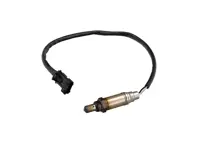
Fits:
Porsche 993 Turbo (BEFORE catalytic converter)
Porsche 996 C2/4 >>01 (BEFORE catalytic converter)
Porsche 996 GT3 >>03 (BEFORE catalytic converter)
Function:
The Oxygen Sensor (also known as Lambda Sensor) is located in the exhaust manifold and measures the amount of unburned oxygen in your engine's exhaust. Based on the amount of oxygen, it sends a signal to your engine computer which then adjusts the air/fuel mixture for optimum engine performance and emission control.
Failure Symptoms:
• Excessive fuel consumption, a faulty oxygen sensor can waste 30% of your fuel.
• Driveability problems, such as engine surging or hesitation.
• High hydrocarbon emissions, failing an emissions inspection.
• The engine warning light may be on or service flag displayed.
• The ecu/computer stores a mixture-related fault code.
• When the oxygen sensor has stopped functioning completely, the catalytic converter may overheat and fail
Maintenance / Service:
• Test and/or replace every 30,000 miles.
• Perform periodic emission checks.
• Watch for service light.
• Vehicle manufacturers recommend periodic inspection and replacement of oxygen sensor.
Related reference numbers
Related, superseded, cross reference or alternative numbers for comparison.
99360612801
The product you are viewing cross references to these numbers
- Porsche 993 (911) TURBO 1994-96
- Porsche 993 (911) GT2 1994-97
- Porsche 993 (911) TURBO S 1994-97
- Porsche 996 C2 3.4L 1997-08/01
- Porsche 996 C4 3.4L 1997-08/01
- Porsche 996 GT3 MKI 1999-02
Shop Securely
12 Month Warranty
Worldwide Delivery
Express Delivery

The Oxygen Sensor (also known as Lambda Sensor) is located in the exhaust manifold and measures the amount of unburned oxygen in your engine's exhaust. Based on the amount of oxygen, it sends a signal to your engine computer which then adjusts the air/fuel mixture for optimum engine performance and emission control.
Fits:
Porsche 996 Turbo (BEFORE Catalytic converter)
Failure Symptoms:
• Excessive fuel consumption, a faulty oxygen sensor can waste 30% of your fuel.
• Driveability problems, such as engine surging or hesitation.
• High hydrocarbon emissions, failing an emissions inspection.
• The engine warning light may be on or service flag displayed.
• The ecu/computer stores a mixture-related fault code.
• When the oxygen sensor has stopped functioning completely, the catalytic converter may overheat and fail
Maintenance / Service:
• Test and/or replace every 30,000 miles.
• Perform periodic emission checks.
• Watch for service light.
• Vehicle manufacturers recommend periodic inspection and replacement of oxygen sensor.
- Porsche 996 TURBO 2000-05
Shop Securely
12 Month Warranty
Worldwide Delivery
Express Delivery
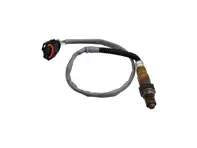
Fits:
Porsche 996 Turbo (AFTER Catalytic converter)
Function:
The Oxygen Sensor (also known as Lambda Sensor) is located in the exhaust manifold and measures the amount of unburned oxygen in your engine's exhaust. Based on the amount of oxygen, it sends a signal to your engine computer which then adjusts the air/fuel mixture for optimum engine performance and emission control.
Failure Symptoms:
• Excessive fuel consumption, a faulty oxygen sensor can waste 30% of your fuel.
• Driveability problems, such as engine surging or hesitation.
• High hydrocarbon emissions, failing an emissions inspection.
• The engine warning light may be on or service flag displayed.
• The ecu/computer stores a mixture-related fault code.
• When the oxygen sensor has stopped functioning completely, the catalytic converter may overheat and fail
Maintenance / Service:
• Test and/or replace every 30,000 miles.
• Perform periodic emission checks.
• Watch for service light.
• Vehicle manufacturers recommend periodic inspection and replacement of oxygen sensor.
Related reference numbers
Related, superseded, cross reference or alternative numbers for comparison.
99660613801
The product you are viewing cross references to these numbers
- Porsche 996 TURBO 2000-05
Shop Securely
12 Month Warranty
Worldwide Delivery
Express Delivery
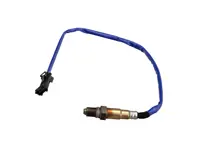
Fits:
Porsche 996 C2/4 02>> (BEFORE catalytic converter)
*Cars with M661 stricter emission control concept
Porsche 997 C2/4 >>05 (BEFORE catalytic converter)
Porsche 996 GT3 MKII 04>> (BEFORE catalytic converter)
Function:
The Oxygen Sensor (also known as Lambda Sensor) is located in the exhaust manifold and measures the amount of unburned oxygen in your engine's exhaust. Based on the amount of oxygen, it sends a signal to your engine computer which then adjusts the air/fuel mixture for optimum engine performance and emission control.
Failure Symptoms:
• Excessive fuel consumption, a faulty oxygen sensor can waste 30% of your fuel.
• Driveability problems, such as engine surging or hesitation.
• High hydrocarbon emissions, failing an emissions inspection.
• The engine warning light may be on or service flag displayed.
• The ecu/computer stores a mixture-related fault code.
• When the oxygen sensor has stopped functioning completely, the catalytic converter may overheat and fail
Maintenance / Service:
• Test and/or replace every 30,000 miles.
• Perform periodic emission checks.
• Watch for service light.
• Vehicle manufacturers recommend periodic inspection and replacement of oxygen sensor.
Related reference numbers
Related, superseded, cross reference or alternative numbers for comparison.
99660616801
The product you are viewing cross references to these numbers
- Porsche 996 C2 3.6L 09/01-2005
- Porsche 996 C4 3.6L 09/01-2005
- Porsche 996 C4S 3.6L 09/01-2005
- Porsche 996 GT3 MKII 2003>>
- Porsche 996 GT3 RS 2003-04
- Porsche 997 MK1 Carrera 2 3.6L 2005-08
- Porsche 997 MK1 Carrera 2S 3.8L 2005-08
- Porsche 997 MK1 Carrera 4 3.6L 2005-08
- Porsche 997 MK1 Carrera 4S 3.8L 2005-08
Shop Securely
12 Month Warranty
Worldwide Delivery
Express Delivery
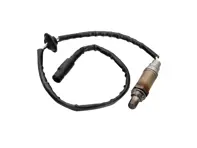
Fits:
Porsche 911 1986-89
Porsche 964 1989-94
Porsche 964 Turbo 3.3 08/90-09/93
Function:
The Oxygen Sensor (also known as Lambda Sensor) is located in the exhaust manifold and measures the amount of unburned oxygen in your engine's exhaust. Based on the amount of oxygen, it sends a signal to your engine computer which then adjusts the air/fuel mixture for optimum engine performance and emission control.
Failure Symptoms:
• Excessive fuel consumption, a faulty oxygen sensor can waste 30% of your fuel.
• Driveability problems, such as engine surging or hesitation.
• High hydrocarbon emissions, failing an emissions inspection.
• The engine warning light may be on or service flag displayed.
• The ecu/computer stores a mixture-related fault code.
• When the oxygen sensor has stopped functioning completely, the catalytic converter may overheat and fail
Maintenance / Service:
• Test and/or replace every 30,000 miles.
• Perform periodic emission checks.
• Watch for service light.
• Vehicle manufacturers recommend periodic inspection and replacement of oxygen sensor.
Related reference numbers
Related, superseded, cross reference or alternative numbers for comparison.
96560612601
The product you are viewing cross references to these numbers
- Porsche 911 1984-1986 3.2L
- Porsche 911 1987-1989 3.2L G50
- Porsche 964 (911) C2 1989-93
- Porsche 964 (911) C4 1989-93
- Porsche 964 (911) RS 3.6L 1991-93
- Porsche 964 (911) RS 3.8L 1991-93
- Porsche 964 (911) TURBO 3.3L 1991-93
- Porsche 964 (911) TURBO 3.6L 1991-93
Shop Securely
12 Month Warranty
Worldwide Delivery
Express Delivery
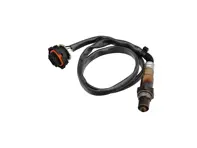
Fits:
Porsche 958 Cayenne 8cyl. 4.8L 2011-17 (AFTER catalytic converter)
Porsche 958 Cayenne Turbo 8cyl. 4.8L 2011-17 (AFTER catalytic converter)
Function:
The Oxygen Sensor (also known as Lambda Sensor) is located in the exhaust manifold and measures the amount of unburned oxygen in your engine's exhaust. Based on the amount of oxygen, it sends a signal to your engine computer which then adjusts the air/fuel mixture for optimum engine performance and emission control.
Failure Symptoms:
• Excessive fuel consumption, a faulty oxygen sensor can waste 30% of your fuel.
• Driveability problems, such as engine surging or hesitation.
• High hydrocarbon emissions, failing an emissions inspection.
• The engine warning light may be on or service flag displayed.
• The ecu/computer stores a mixture-related fault code.
• When the oxygen sensor has stopped functioning completely, the catalytic converter may overheat and fail
Maintenance / Service:
• Test and/or replace every 30,000 miles.
• Perform periodic emission checks.
• Watch for service light.
• Vehicle manufacturers recommend periodic inspection and replacement of oxygen sensor.
Related reference numbers
Related, superseded, cross reference or alternative numbers for comparison.
95860617200
The product you are viewing cross references to these numbers
- Porsche 958 Cayenne S V8 4.8L Petrol (400Hp) 2010-17
- Porsche 958 Cayenne GTS V8 4.8L Petrol (400Hp) 2010-17
- Porsche 958 Cayenne Turbo V8 4.8L Petrol (500Hp) 2010-17
Shop Securely
12 Month Warranty
Worldwide Delivery
Express Delivery
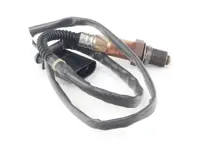
Fits:
Porsche Cayenne 955 V8 (AFTER Catalytic converter)
Porsche Cayenne 955 Turbo (AFTER Catalytic converter)
Function:
The Oxygen Sensor (also known as Lambda Sensor) is located in the exhaust manifold and measures the amount of unburned oxygen in your engine's exhaust. Based on the amount of oxygen, it sends a signal to your engine computer which then adjusts the air/fuel mixture for optimum engine performance and emission control.
Failure Symptoms:
• Excessive fuel consumption, a faulty oxygen sensor can waste 30% of your fuel.
• Driveability problems, such as engine surging or hesitation.
• High hydrocarbon emissions, failing an emissions inspection.
• The engine warning light may be on or service flag displayed.
• The ecu/computer stores a mixture-related fault code.
• When the oxygen sensor has stopped functioning completely, the catalytic converter may overheat and fail
Maintenance / Service:
• Test and/or replace every 30,000 miles.
• Perform periodic emission checks.
• Watch for service light.
• Vehicle manufacturers recommend periodic inspection and replacement of oxygen sensor.
Related reference numbers
Related, superseded, cross reference or alternative numbers for comparison.
95560613601
The product you are viewing cross references to these numbers
- Porsche 955 Cayenne S 4.5L V8 2003-06
- Porsche 955 Cayenne Turbo 4.5L 2003-06
- Porsche 955 Cayenne Turbo S 4.5L 2006>>
Shop Securely
12 Month Warranty
Worldwide Delivery
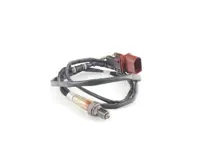
Fits:
Porsche Cayenne 955 Turbo (BEFORE Catalytic converter)
Function:
The Oxygen Sensor (also known as Lambda Sensor) is located in the exhaust manifold and measures the amount of unburned oxygen in your engine's exhaust. Based on the amount of oxygen, it sends a signal to your engine computer which then adjusts the air/fuel mixture for optimum engine performance and emission control.
Failure Symptoms:
• Excessive fuel consumption, a faulty oxygen sensor can waste 30% of your fuel.
• Driveability problems, such as engine surging or hesitation.
• High hydrocarbon emissions, failing an emissions inspection.
• The engine warning light may be on or service flag displayed.
• The ecu/computer stores a mixture-related fault code.
• When the oxygen sensor has stopped functioning completely, the catalytic converter may overheat and fail
Maintenance / Service:
• Test and/or replace every 30,000 miles.
• Perform periodic emission checks.
• Watch for service light.
• Vehicle manufacturers recommend periodic inspection and replacement of oxygen sensor.
Related reference numbers
Related, superseded, cross reference or alternative numbers for comparison.
95560612602
The product you are viewing cross references to these numbers
- Porsche 955 Cayenne Turbo 4.5L 2003-06
- Porsche 955 Cayenne Turbo S 4.5L 2006>>
Shop Securely
12 Month Warranty
Worldwide Delivery
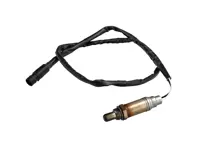
Fits:
Porsche 924S 1986-88
Porsche 944 1985-91
Porsche 968 1992-95
Function:
The Oxygen Sensor (also known as Lambda Sensor) is located in the exhaust manifold and measures the amount of unburned oxygen in your engine's exhaust. Based on the amount of oxygen, it sends a signal to your engine computer which then adjusts the air/fuel mixture for optimum engine performance and emission control.
Failure Symptoms:
• Excessive fuel consumption, a faulty oxygen sensor can waste 30% of your fuel.
• Driveability problems, such as engine surging or hesitation.
• High hydrocarbon emissions, failing an emissions inspection.
• The engine warning light may be on or service flag displayed.
• The ecu/computer stores a mixture-related fault code.
• When the oxygen sensor has stopped functioning completely, the catalytic converter may overheat and fail
Maintenance / Service:
• Test and/or replace every 30,000 miles.
• Perform periodic emission checks.
• Watch for service light.
• Vehicle manufacturers recommend periodic inspection and replacement of oxygen sensor.
Related reference numbers
Related, superseded, cross reference or alternative numbers for comparison.
94460613502
The product you are viewing cross references to these numbers
- Porsche 924S 2.5L 1986-87
- Porsche 924S 2.5L 1988
- Porsche 944 2.5L 8V 1982-87
- Porsche 944 2.7L 8V 1988-89
- Porsche 944S 2.5L 16V 1987-88
- Porsche 944S2 3.0L 16V 1989-91
- Porsche 968 3.0L 1992-94
- Porsche 968 Sport 3.0L 1994-95
- Porsche 968 CS 3.0L 1993-95
- Porsche 968 Turbo S 3.0L 1993-94
Shop Securely
12 Month Warranty
Worldwide Delivery
Express Delivery
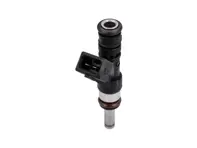
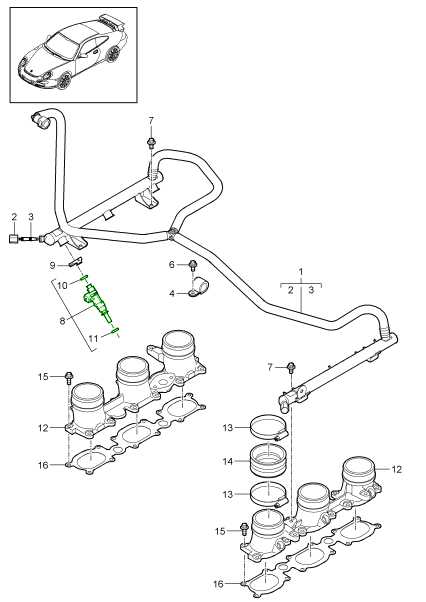
Fits:
Porsche 997 GT3 / GT3 RS 2010-11
Porsche 997 GT3 RS 4.0 2011
Click 'Zoom in' for large parts diagram.
Diagram ref no 8
Related reference numbers
Related, superseded, cross reference or alternative numbers for comparison.
99760513292
The product you are viewing cross references to these numbers
- Porsche 997 MK1 GT3 2007-09
- Porsche 997 MKII GT3 2010-11
Shop Securely
12 Month Warranty
Worldwide Delivery

Fits:
Porsche 997 Turbo 2007-09 (After catalytic converter)
Porsche 997 GT2 2008-09 (After catalytic converter)
Function:
The Oxygen Sensor (also known as Lambda Sensor) is located in the exhaust manifold and measures the amount of unburned oxygen in your engine's exhaust. Based on the amount of oxygen, it sends a signal to your engine computer which then adjusts the air/fuel mixture for optimum engine performance and emission control.
Failure Symptoms:
• Excessive fuel consumption, a faulty oxygen sensor can waste 30% of your fuel.
• Driveability problems, such as engine surging or hesitation.
• High hydrocarbon emissions, failing an emissions inspection.
• The engine warning light may be on or service flag displayed.
• The ecu/computer stores a mixture-related fault code.
• When the oxygen sensor has stopped functioning completely, the catalytic converter may overheat and fail
Maintenance / Service:
• Test and/or replace every 30,000 miles.
• Perform periodic emission checks.
• Watch for service light.
• Vehicle manufacturers recommend periodic inspection and replacement of oxygen sensor.
Related reference numbers
Related, superseded, cross reference or alternative numbers for comparison.
99760613803
The product you are viewing cross references to these numbers
- Porsche 997 MK1 TURBO 2007-09
Shop Securely
12 Month Warranty
Worldwide Delivery
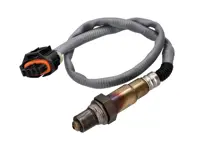
Fits:
Porsche 997 C2/4 2006>> (BEFORE Catalytic converter)
Function:
The Oxygen Sensor (also known as Lambda Sensor) is located in the exhaust manifold and measures the amount of unburned oxygen in your engine's exhaust. Based on the amount of oxygen, it sends a signal to your engine computer which then adjusts the air/fuel mixture for optimum engine performance and emission control.
Failure Symptoms:
• Excessive fuel consumption, a faulty oxygen sensor can waste 30% of your fuel.
• Driveability problems, such as engine surging or hesitation.
• High hydrocarbon emissions, failing an emissions inspection.
• The engine warning light may be on or service flag displayed.
• The ecu/computer stores a mixture-related fault code.
When the oxygen sensor has stopped functioning completely, the catalytic converter may overheat and fail
Maintenance/Service:
• Test and/or replace every 30,000 miles.
• Perform periodic emission checks.
• Watch for service light.
• Vehicle manufacturers recommend periodic inspection and replacement of oxygen sensor.
Related reference numbers
Related, superseded, cross reference or alternative numbers for comparison.
99760617601
The product you are viewing cross references to these numbers
- Porsche 997 MK1 Carrera 2 3.6L 2005-08
- Porsche 997 MK1 Carrera 2S 3.8L 2005-08
- Porsche 997 MK1 Carrera 4 3.6L 2005-08
- Porsche 997 MK1 Carrera 4S 3.8L 2005-08
Shop Securely
12 Month Warranty
Worldwide Delivery
Express Delivery
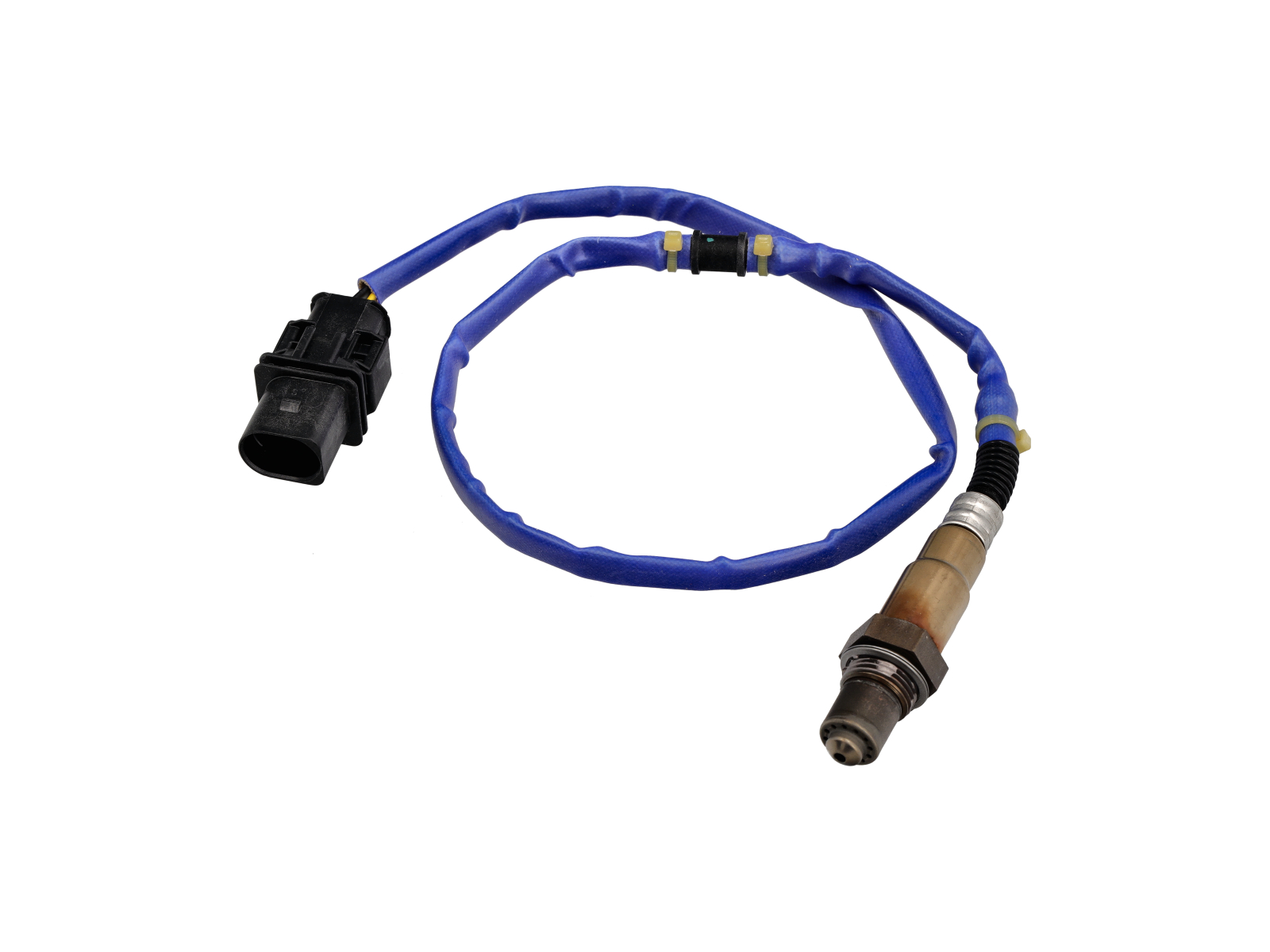
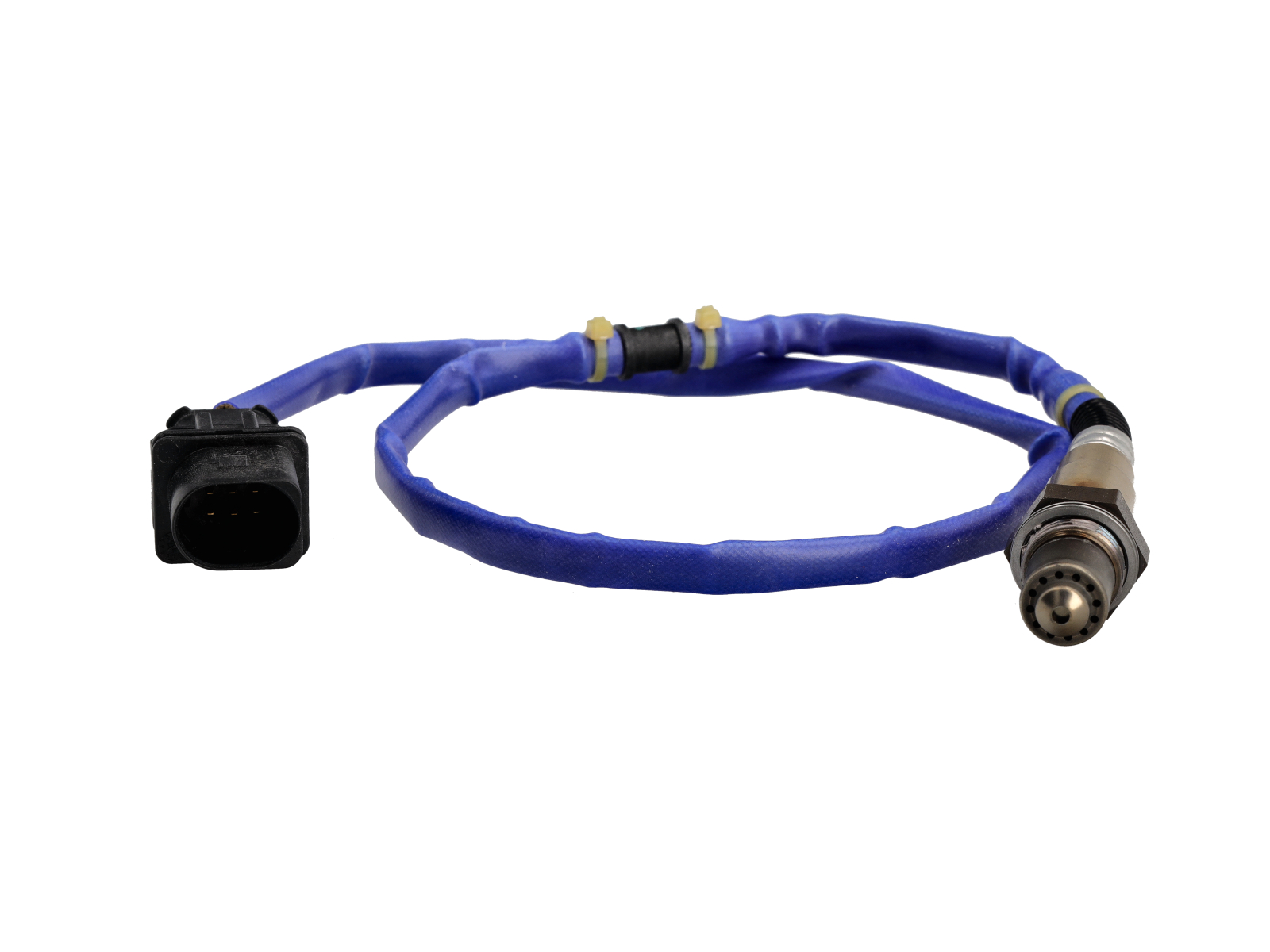
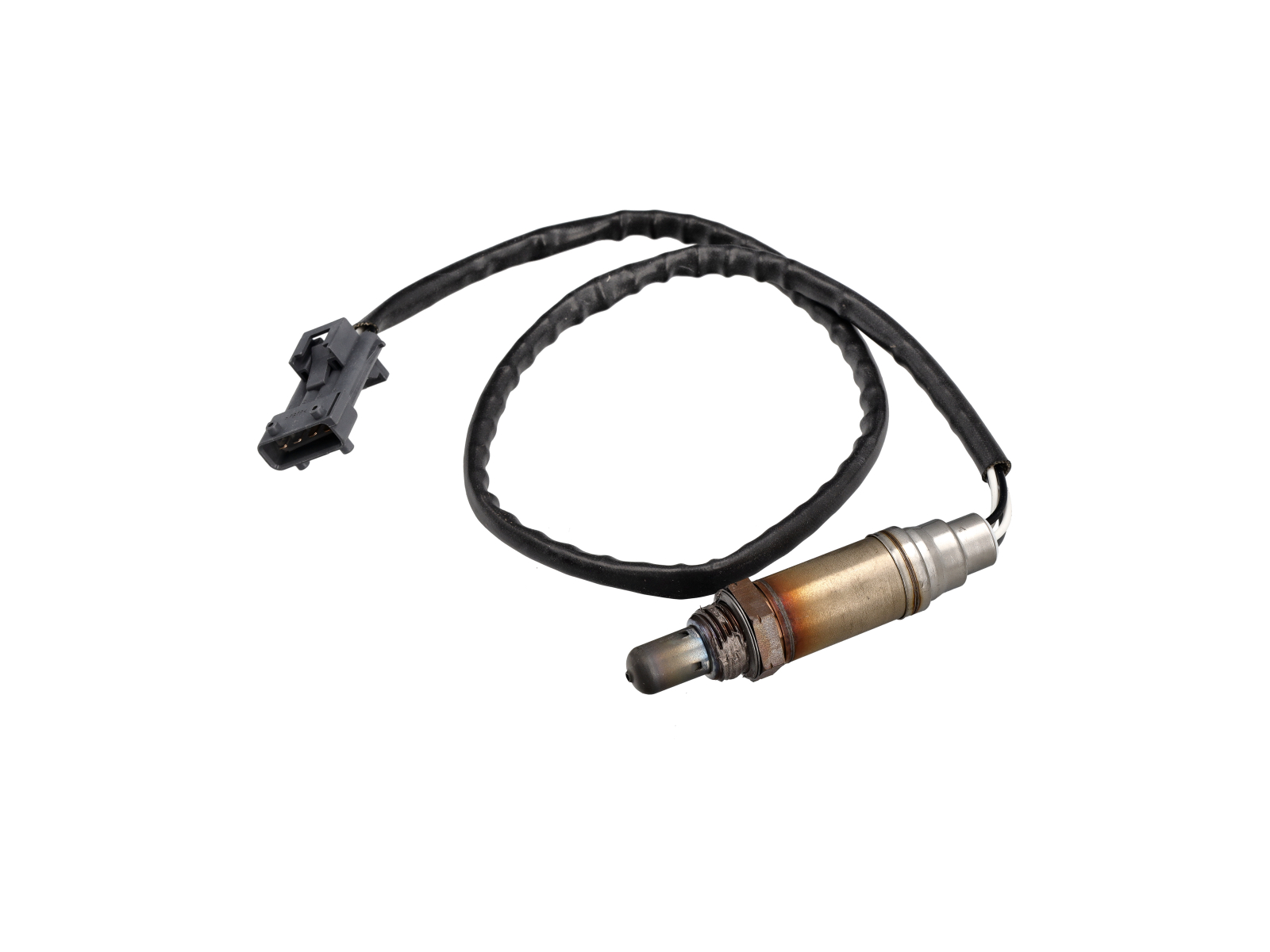
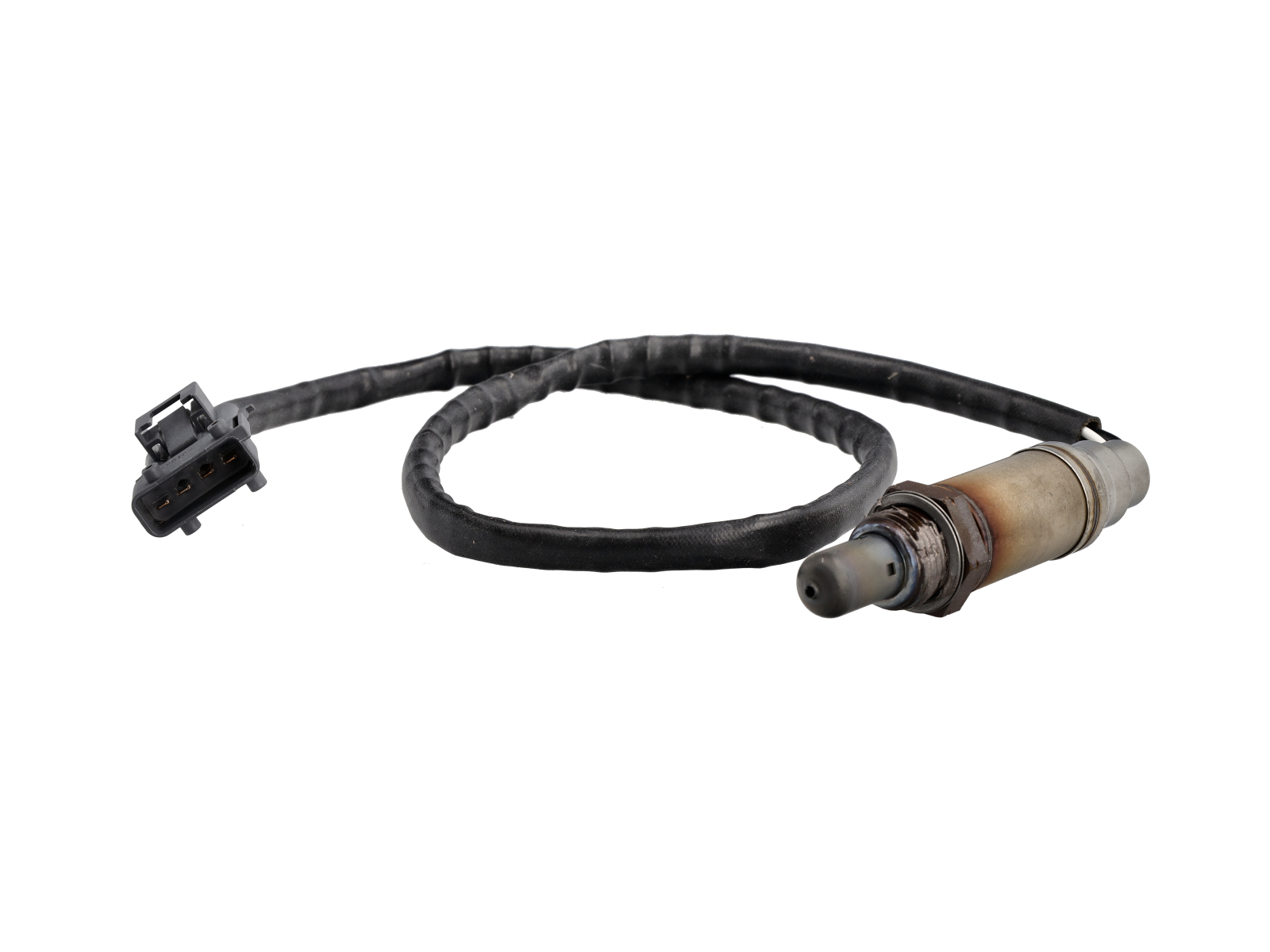
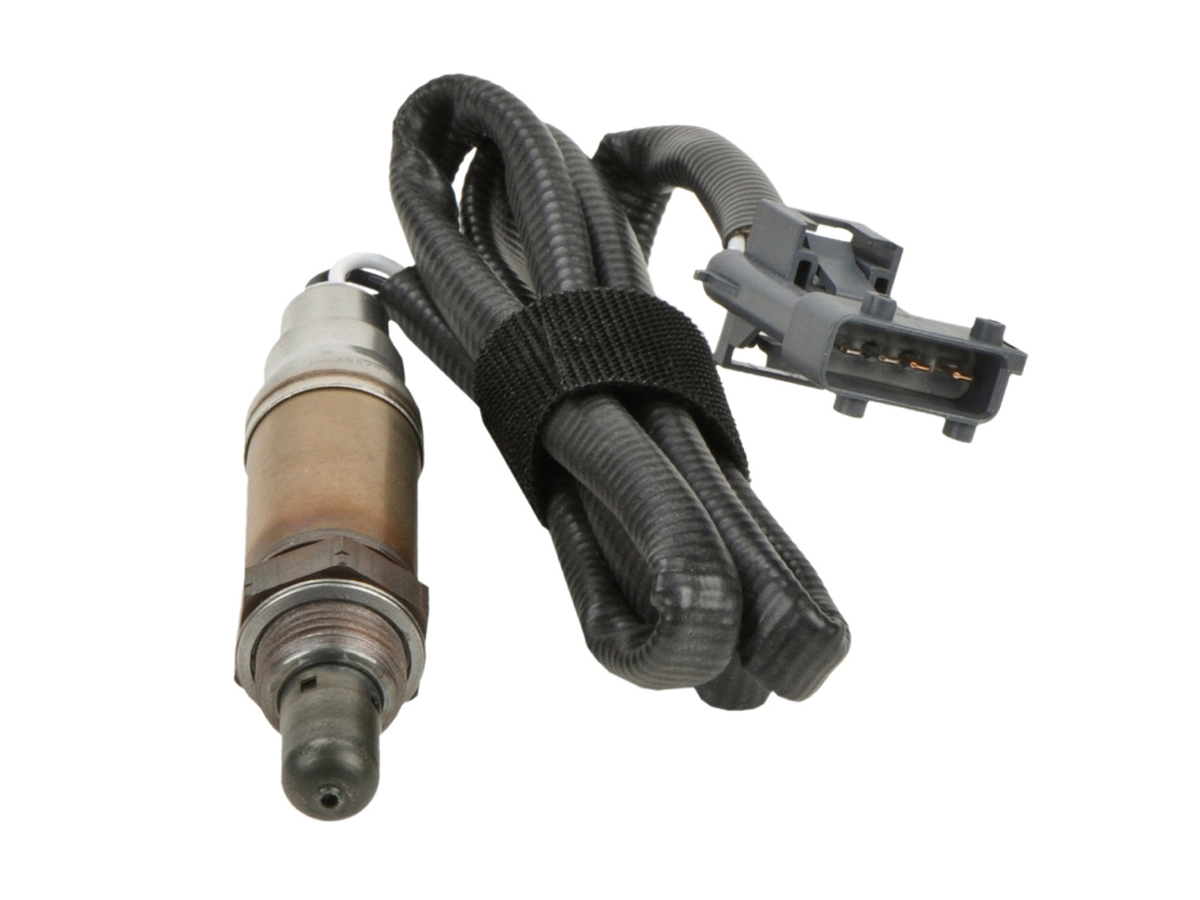
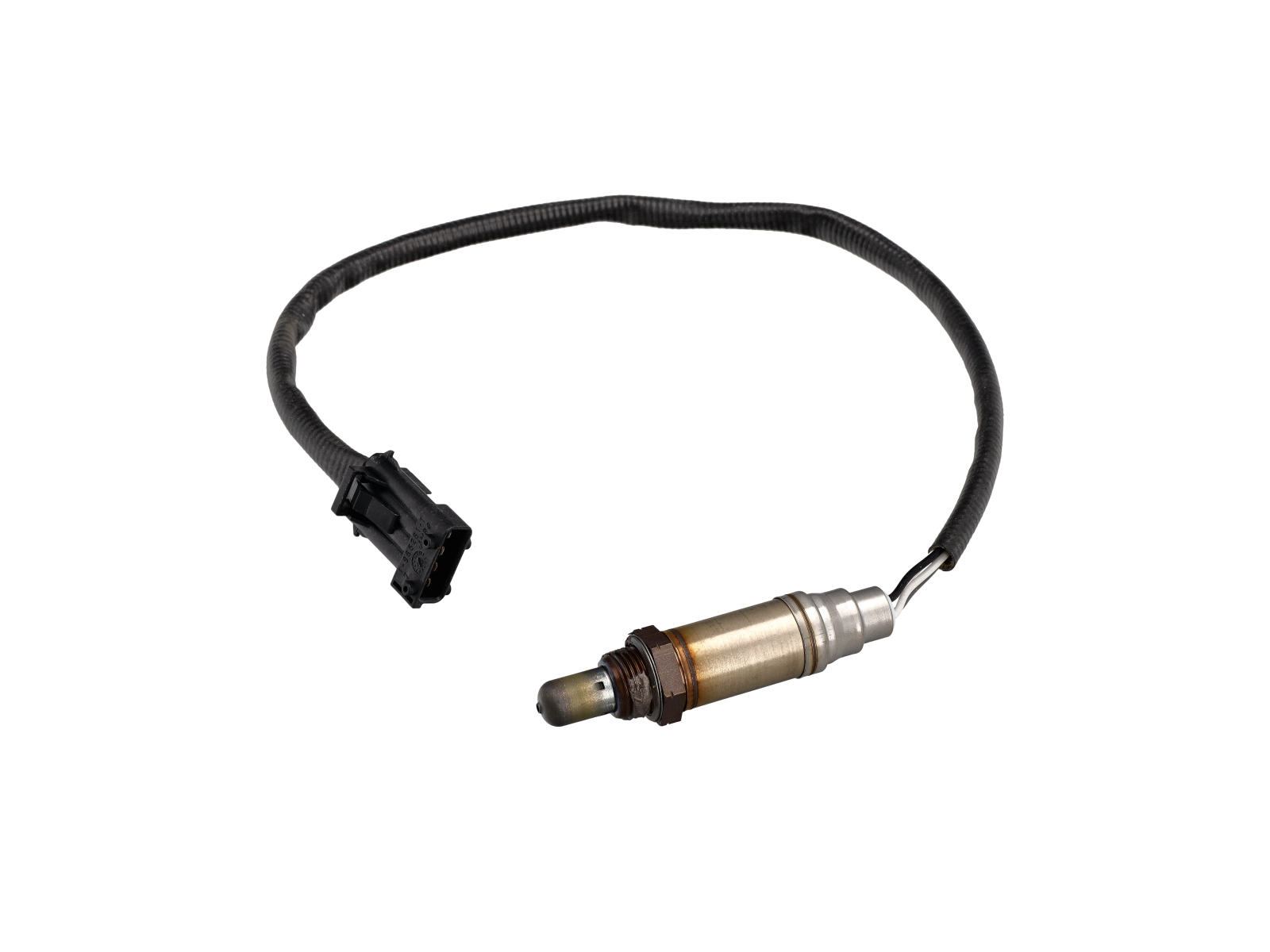
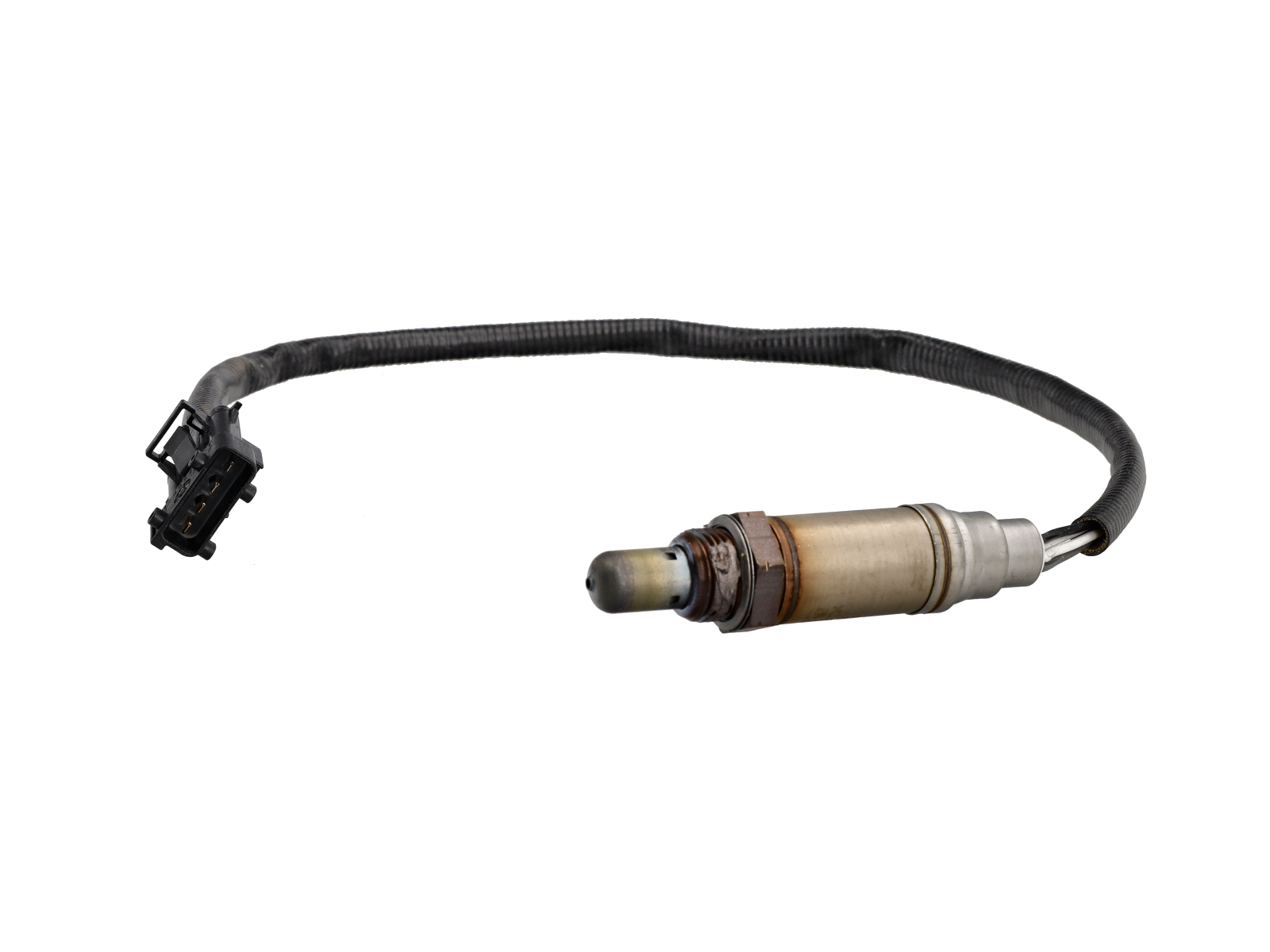
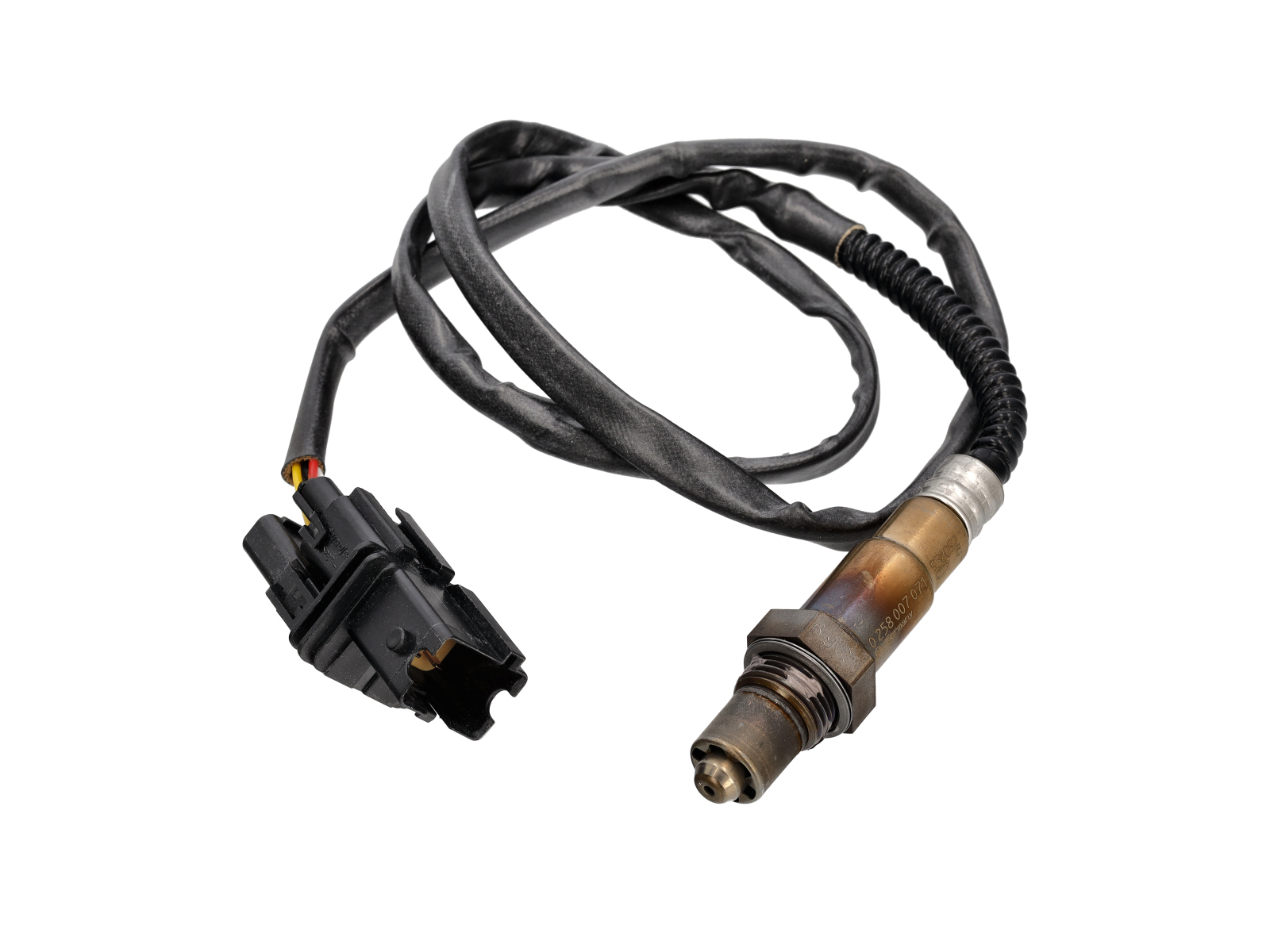
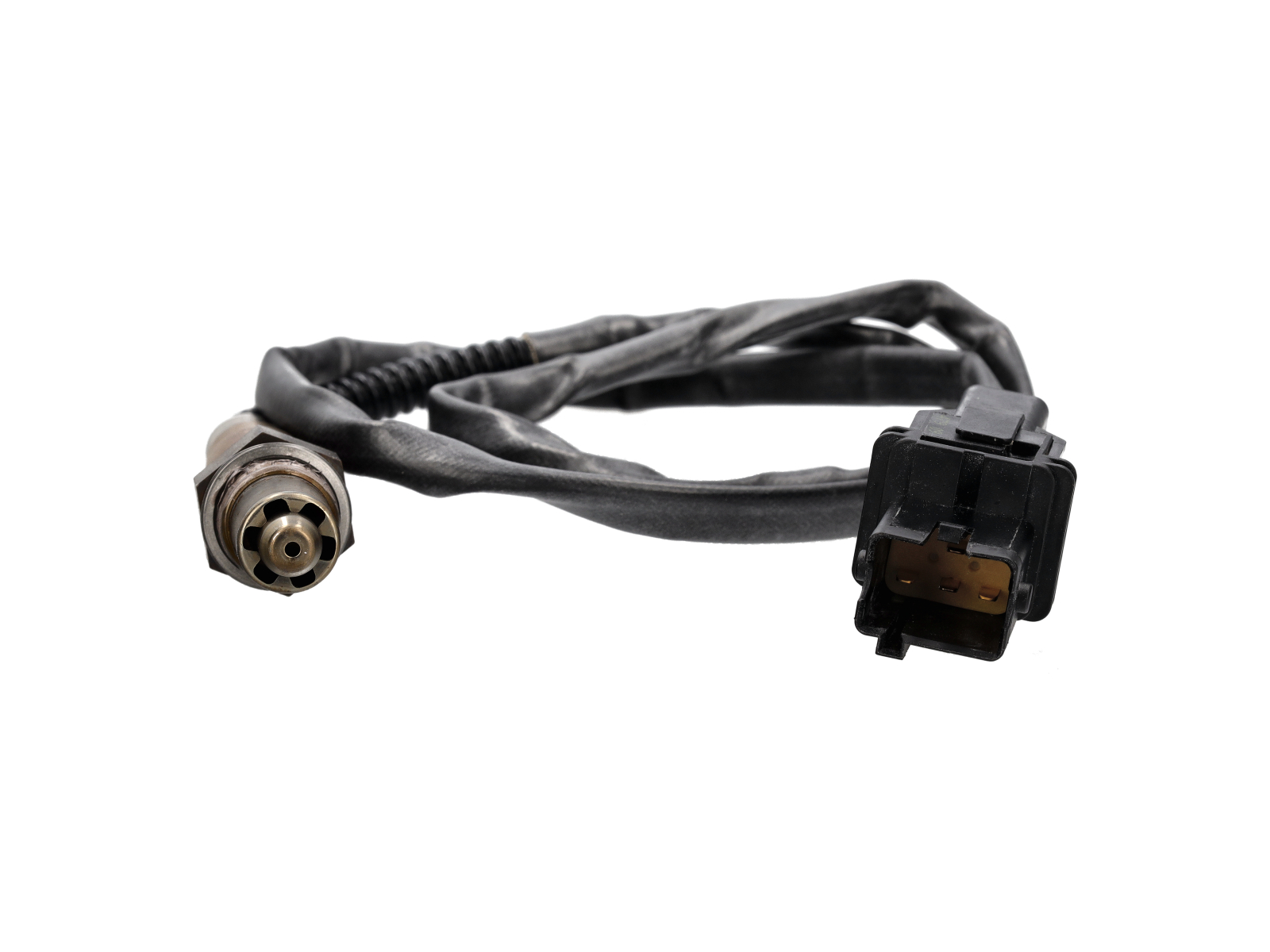
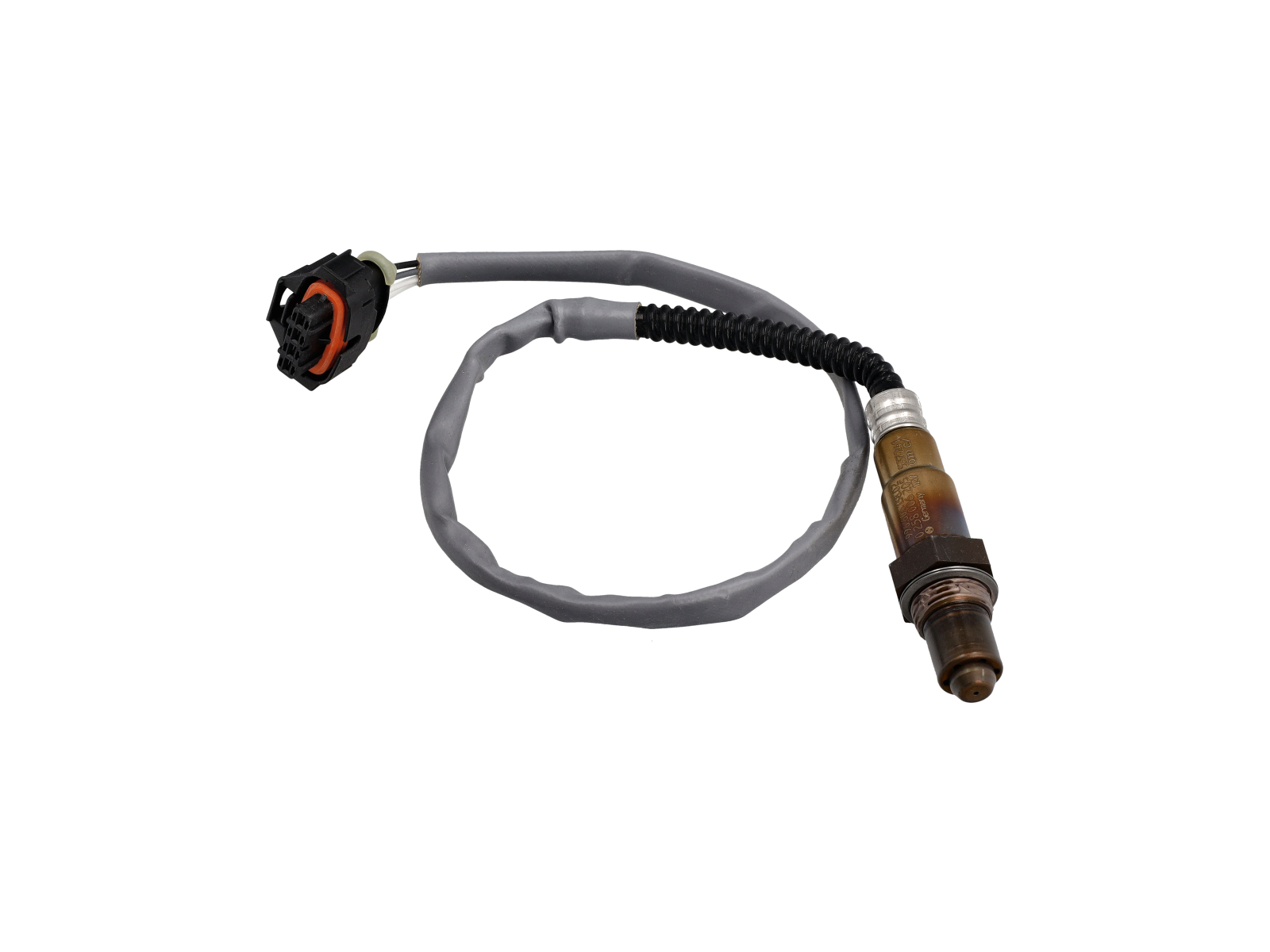
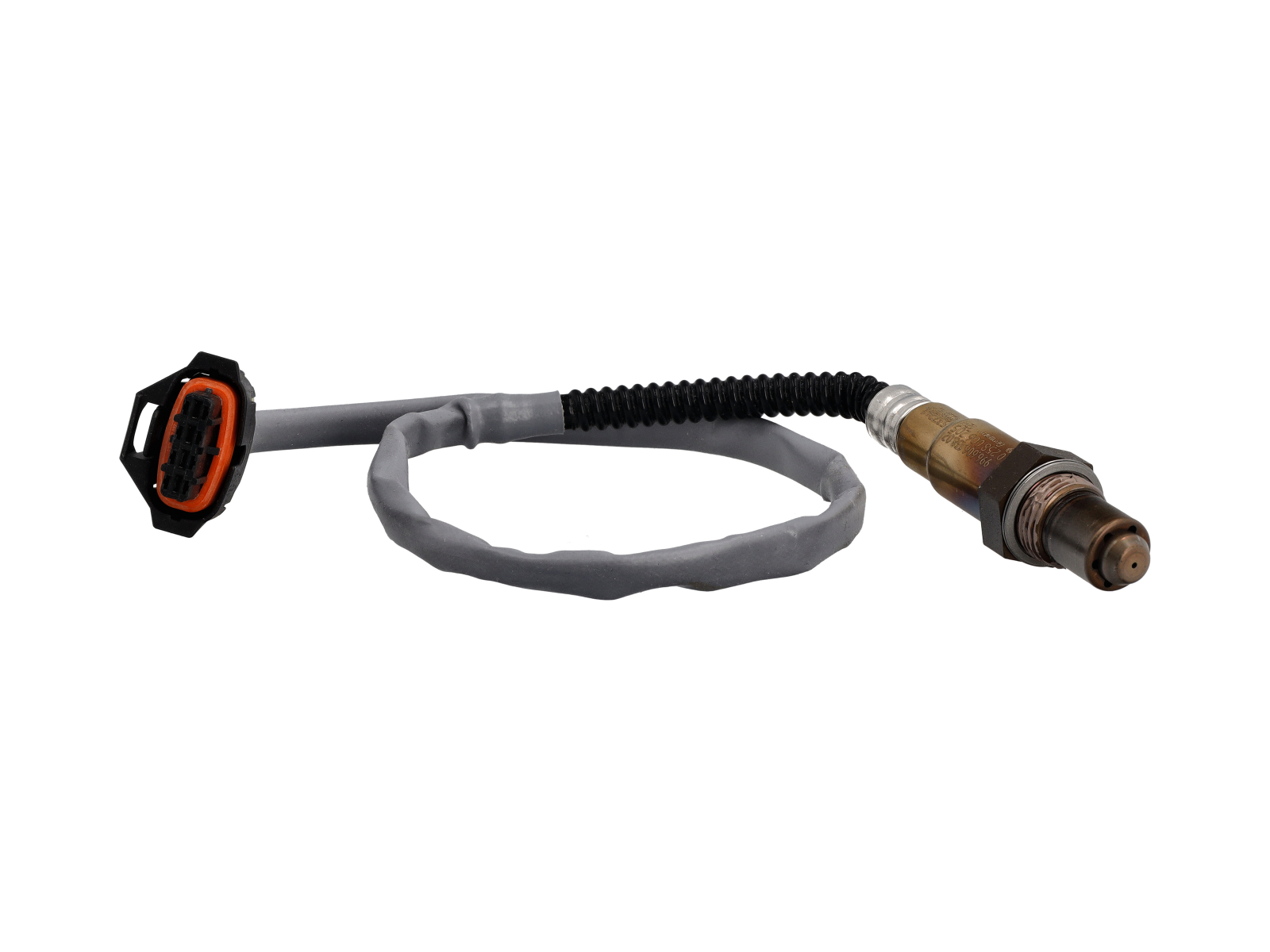
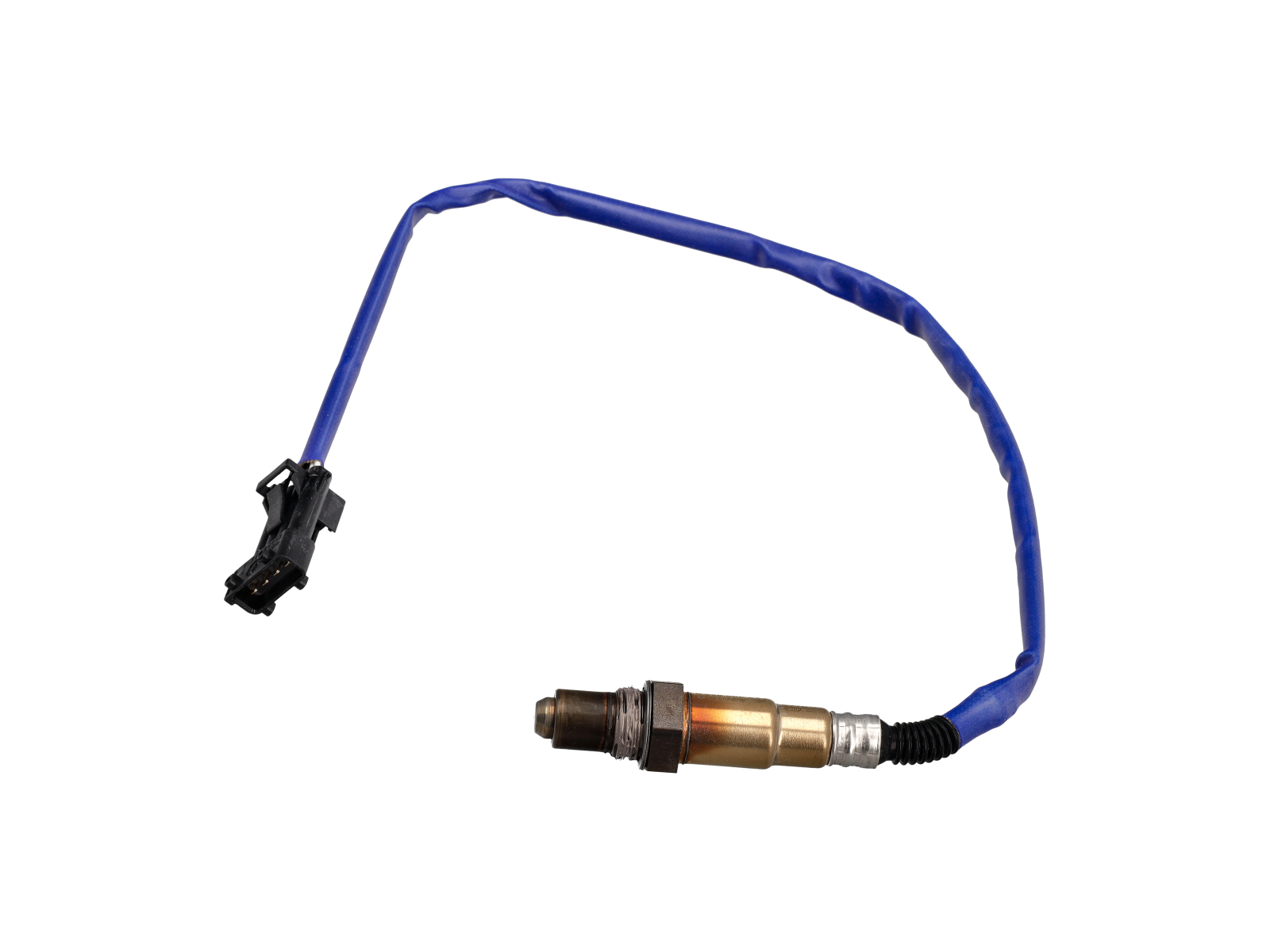
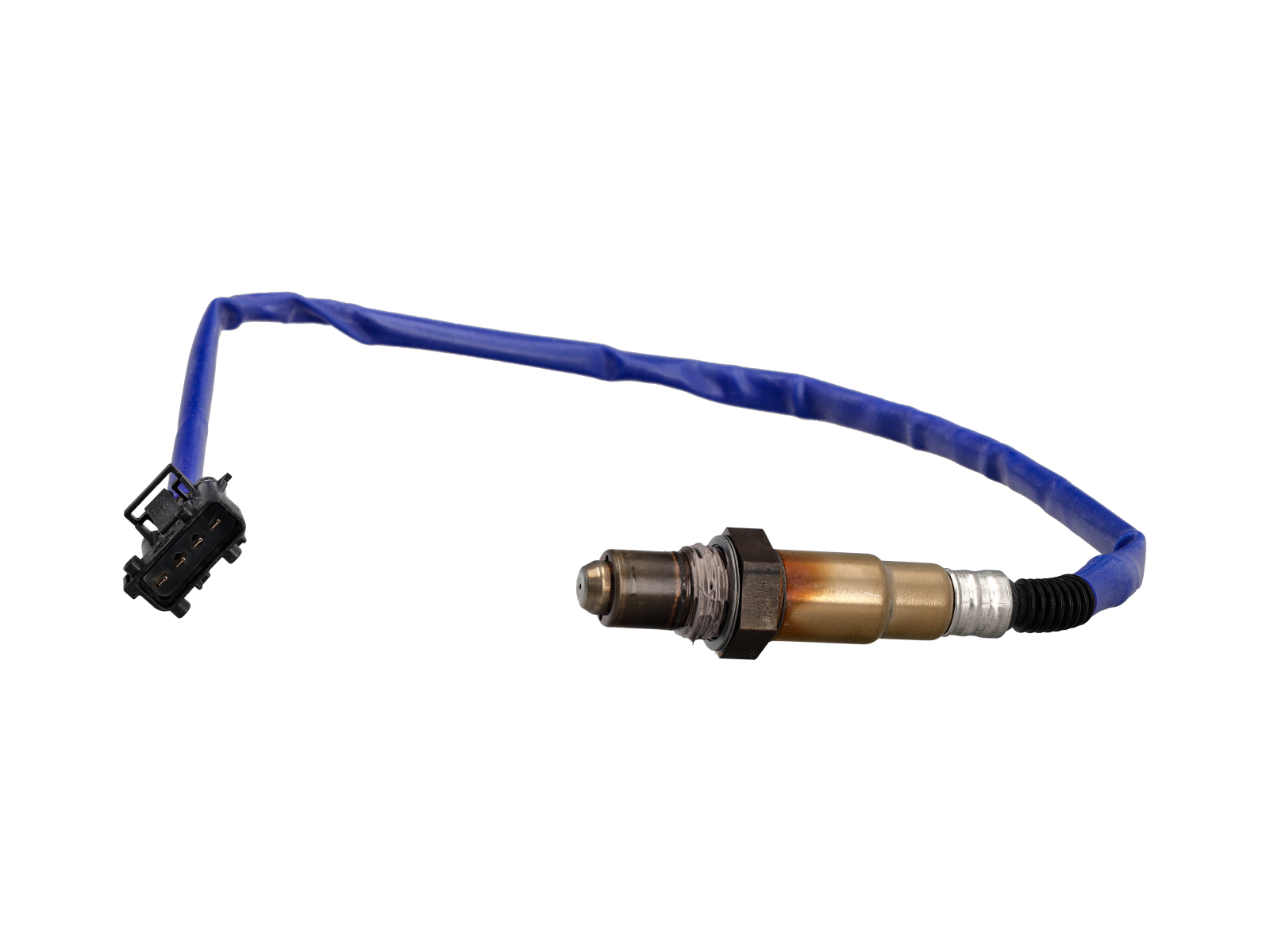
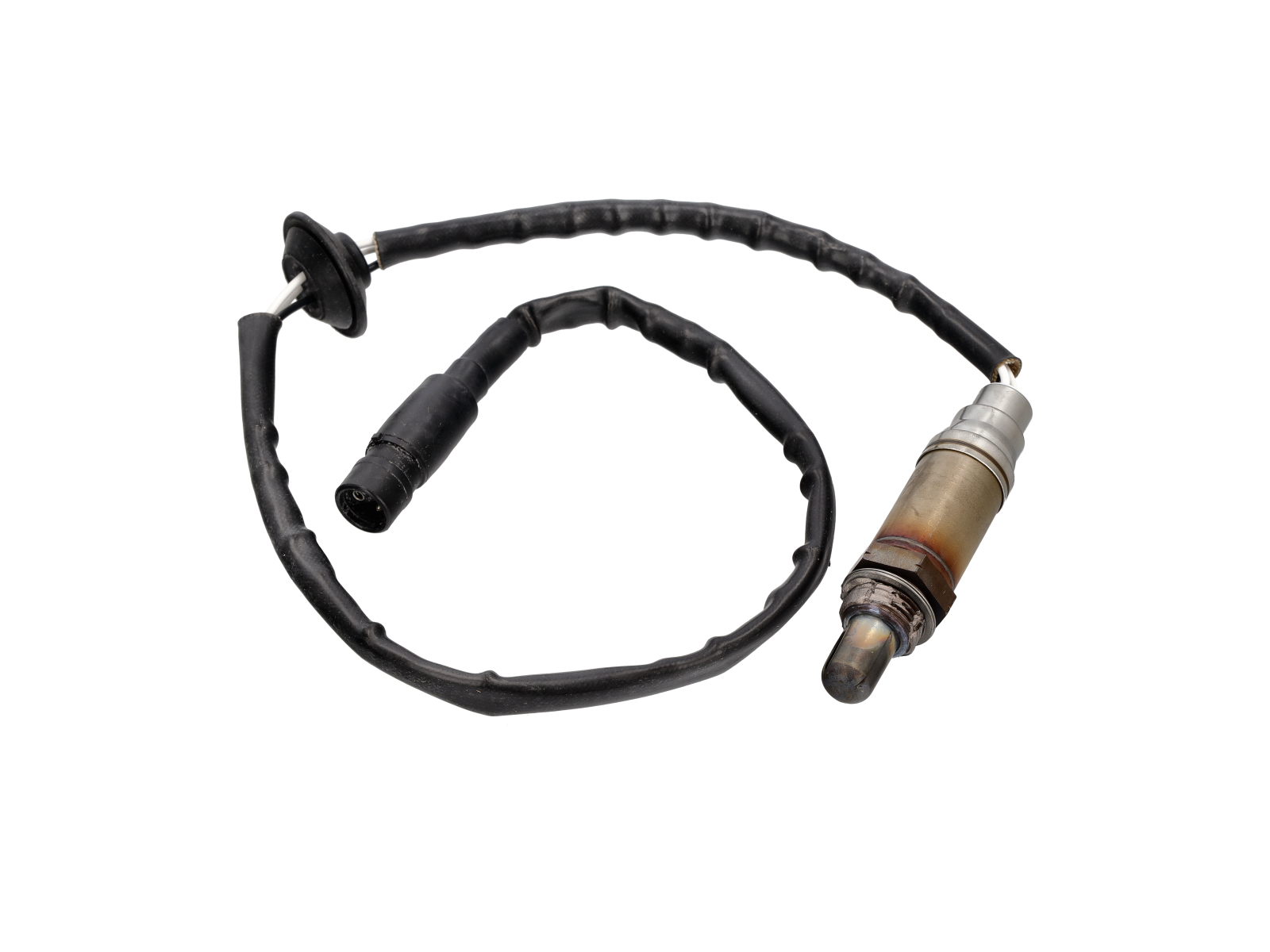
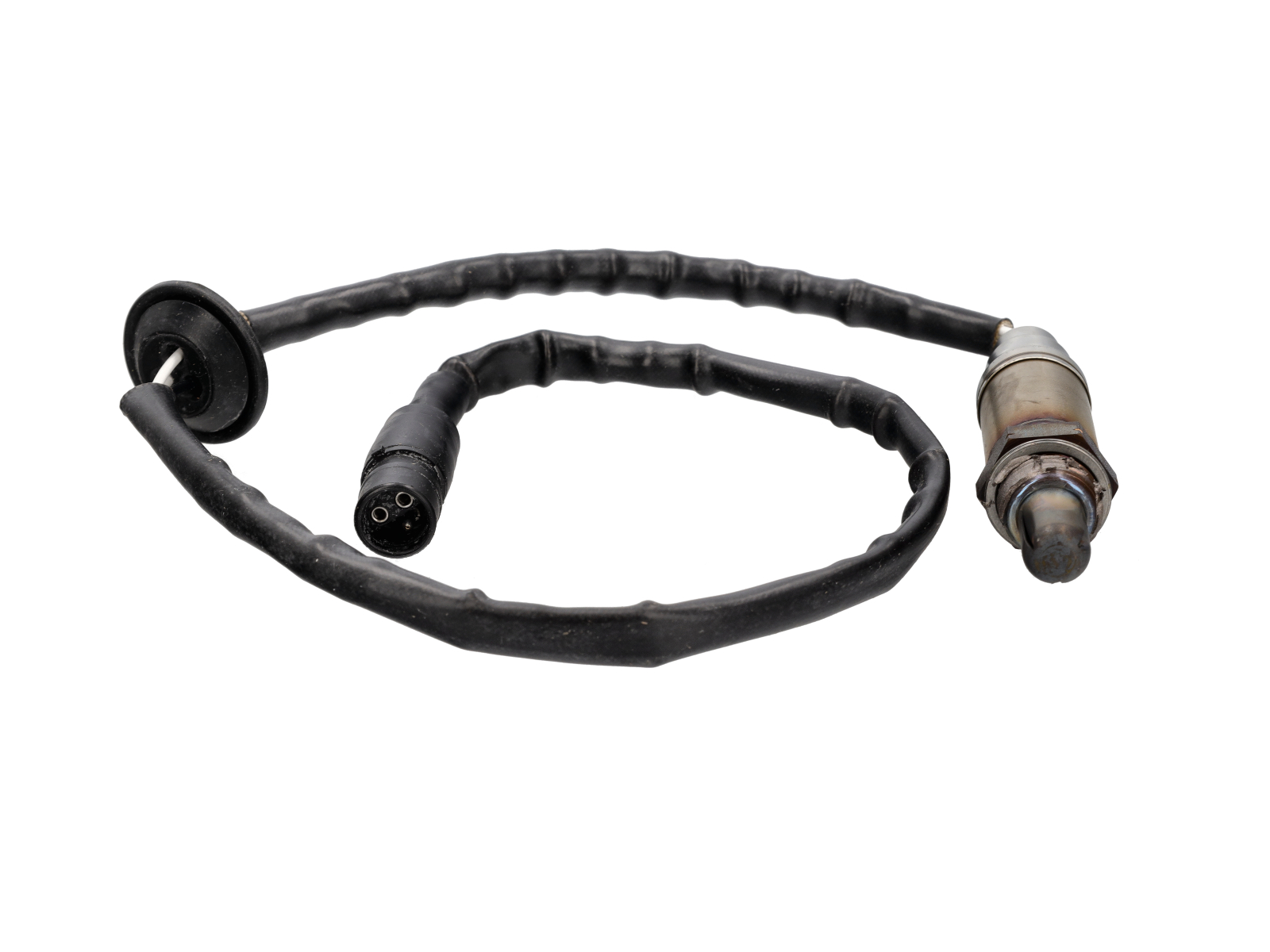
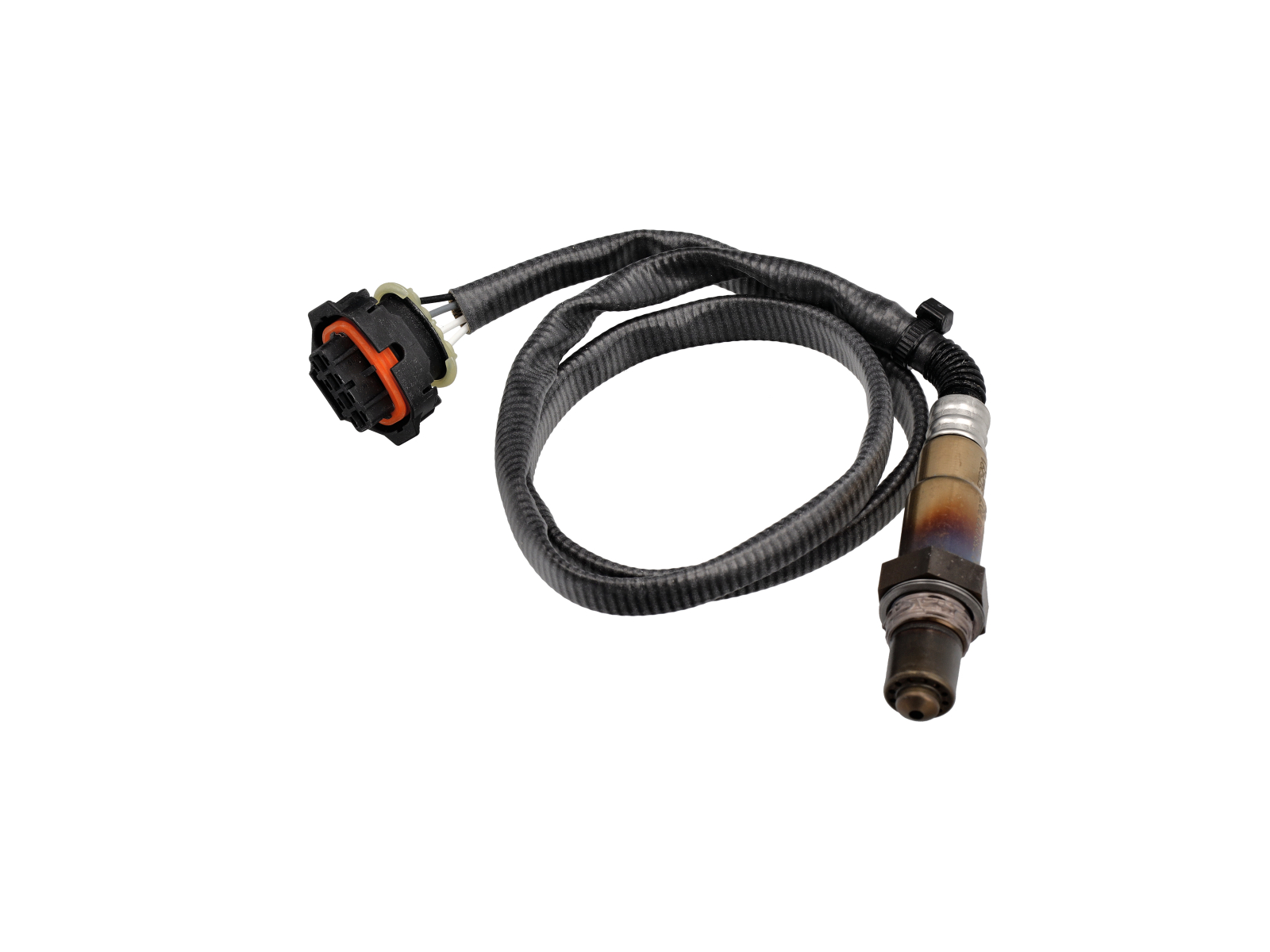
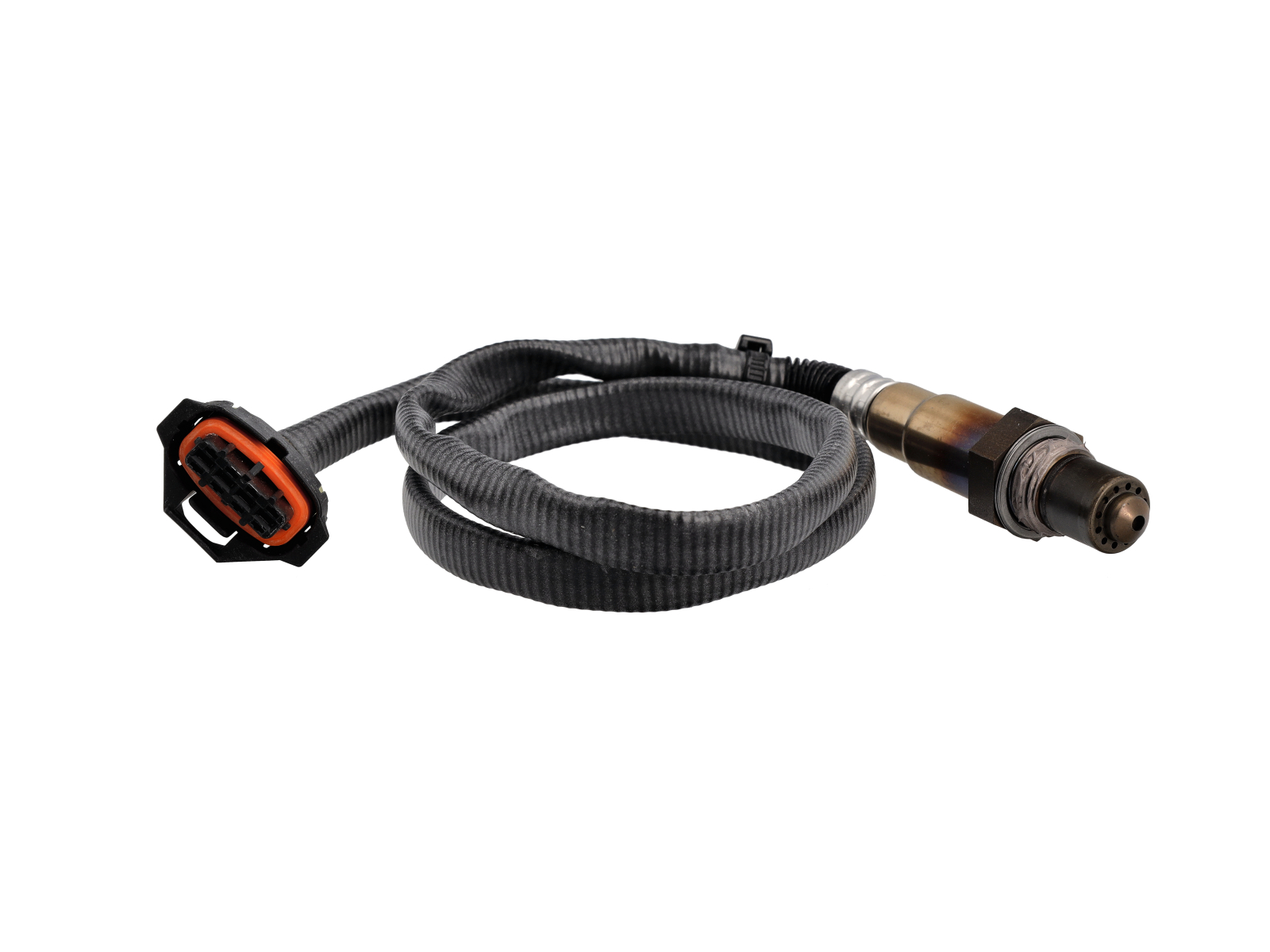
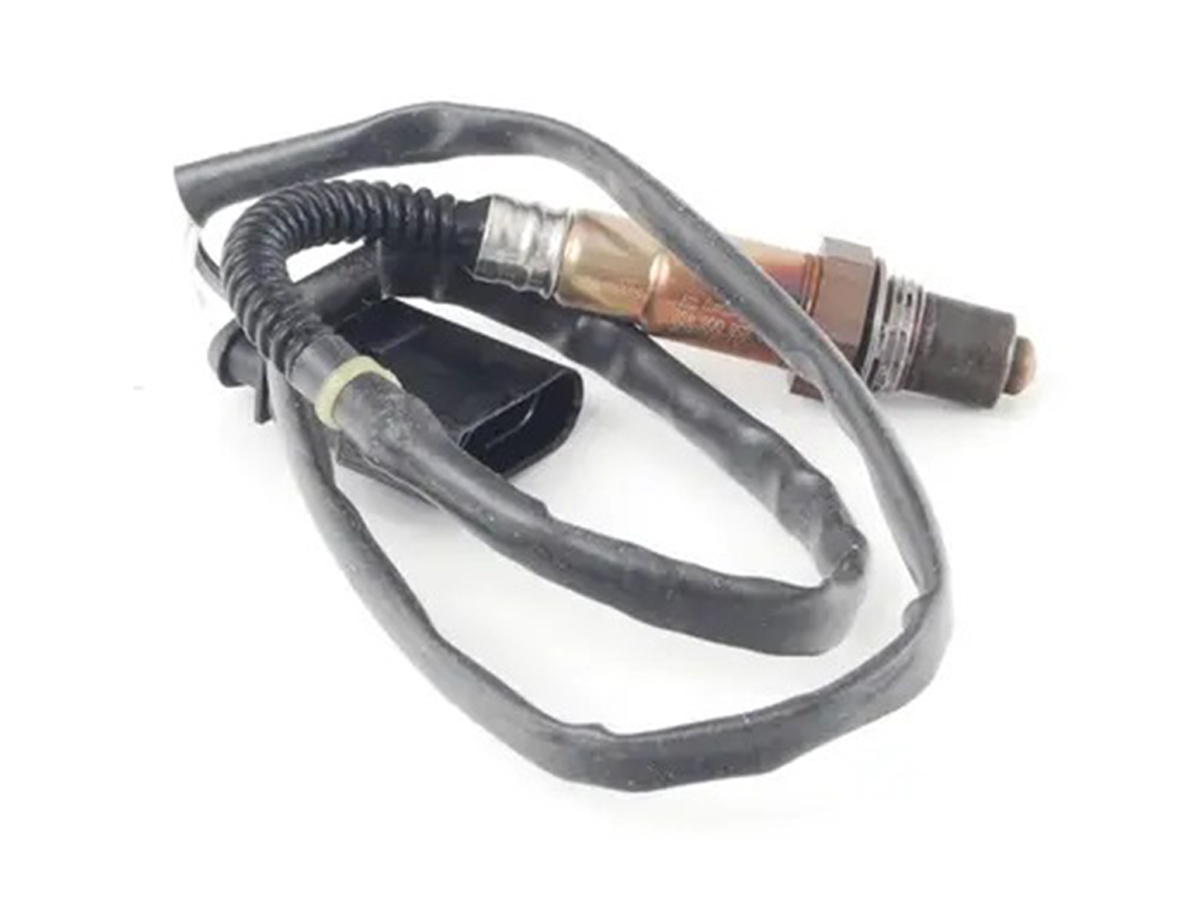


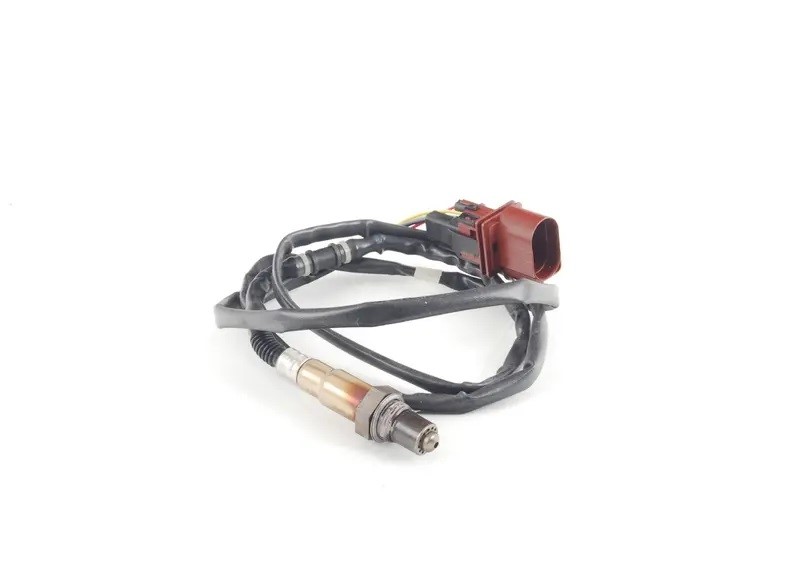

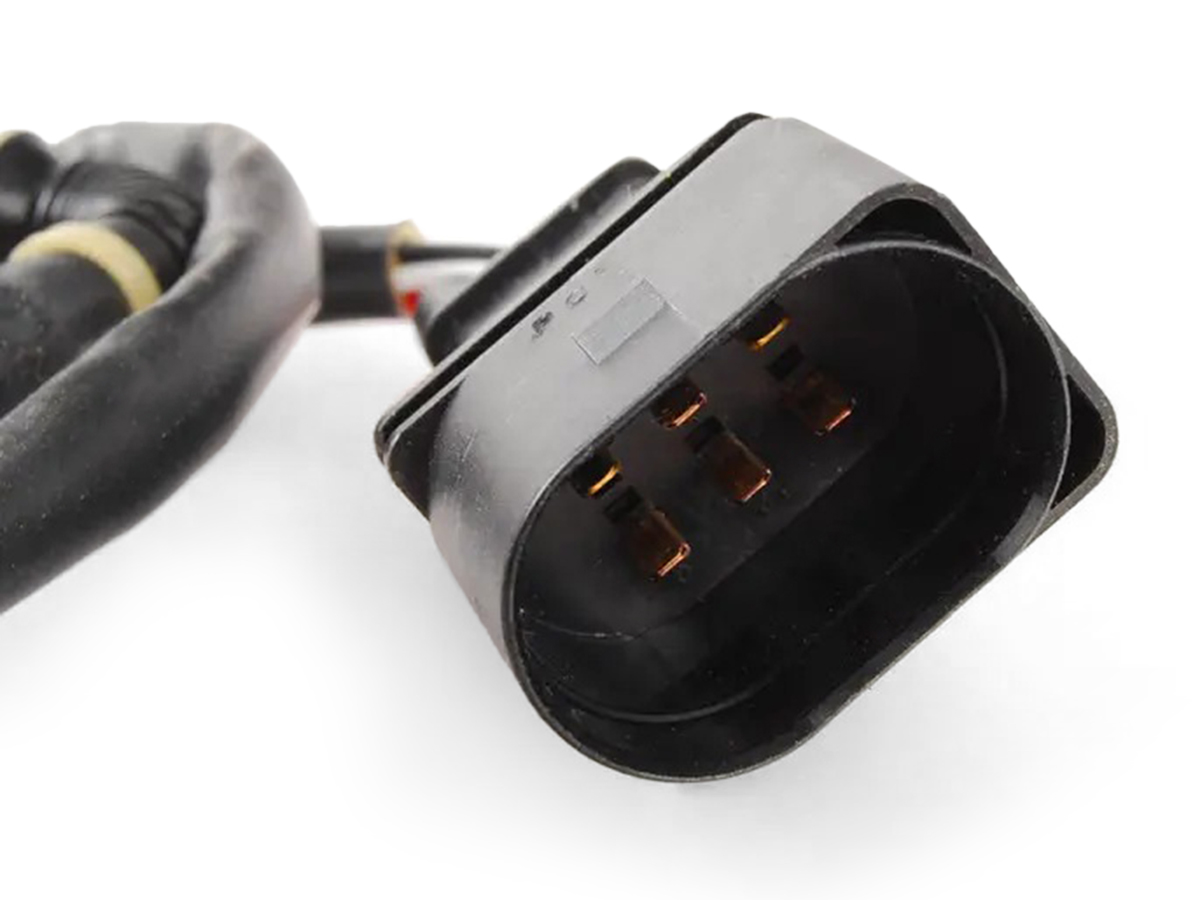
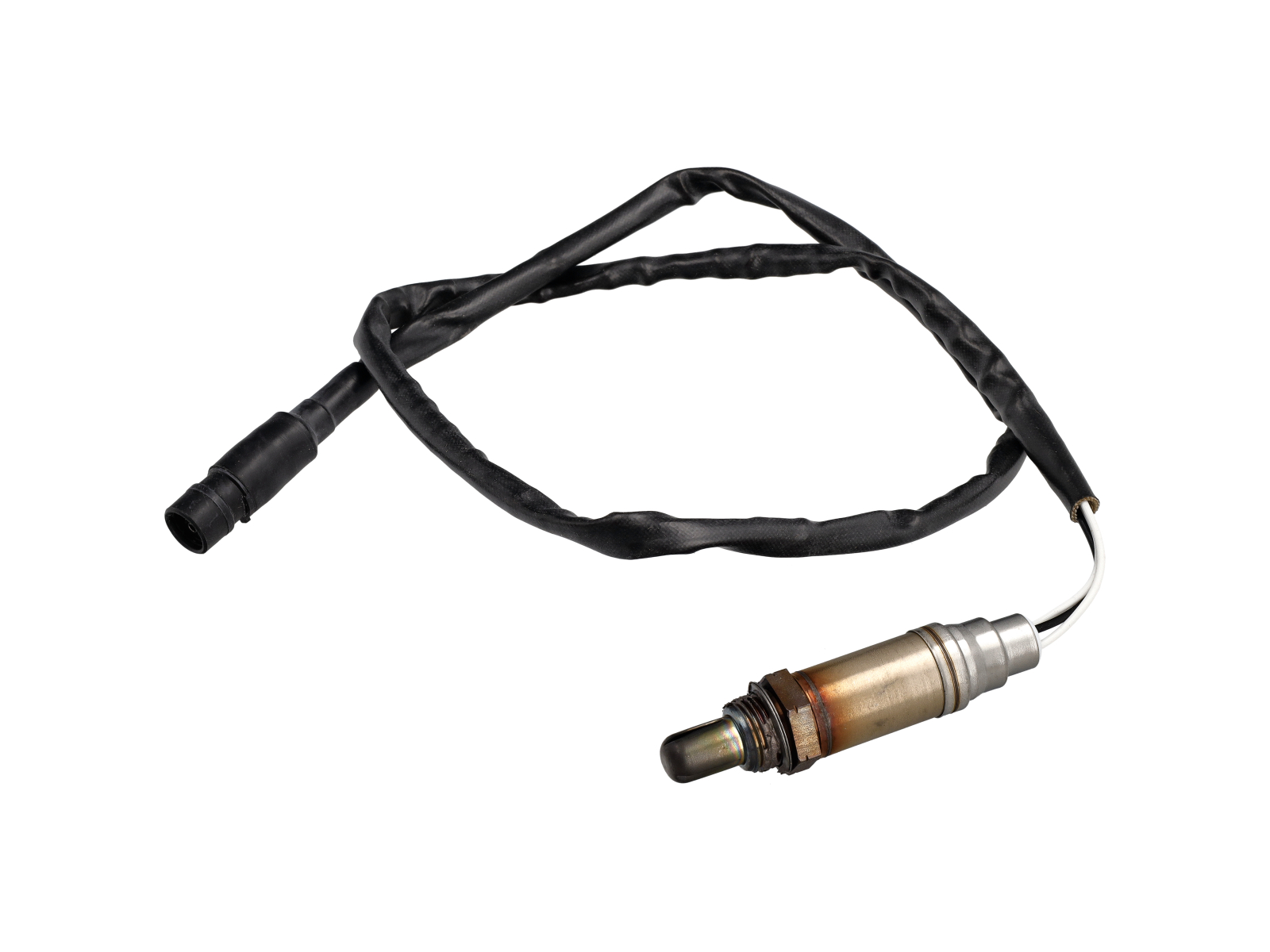
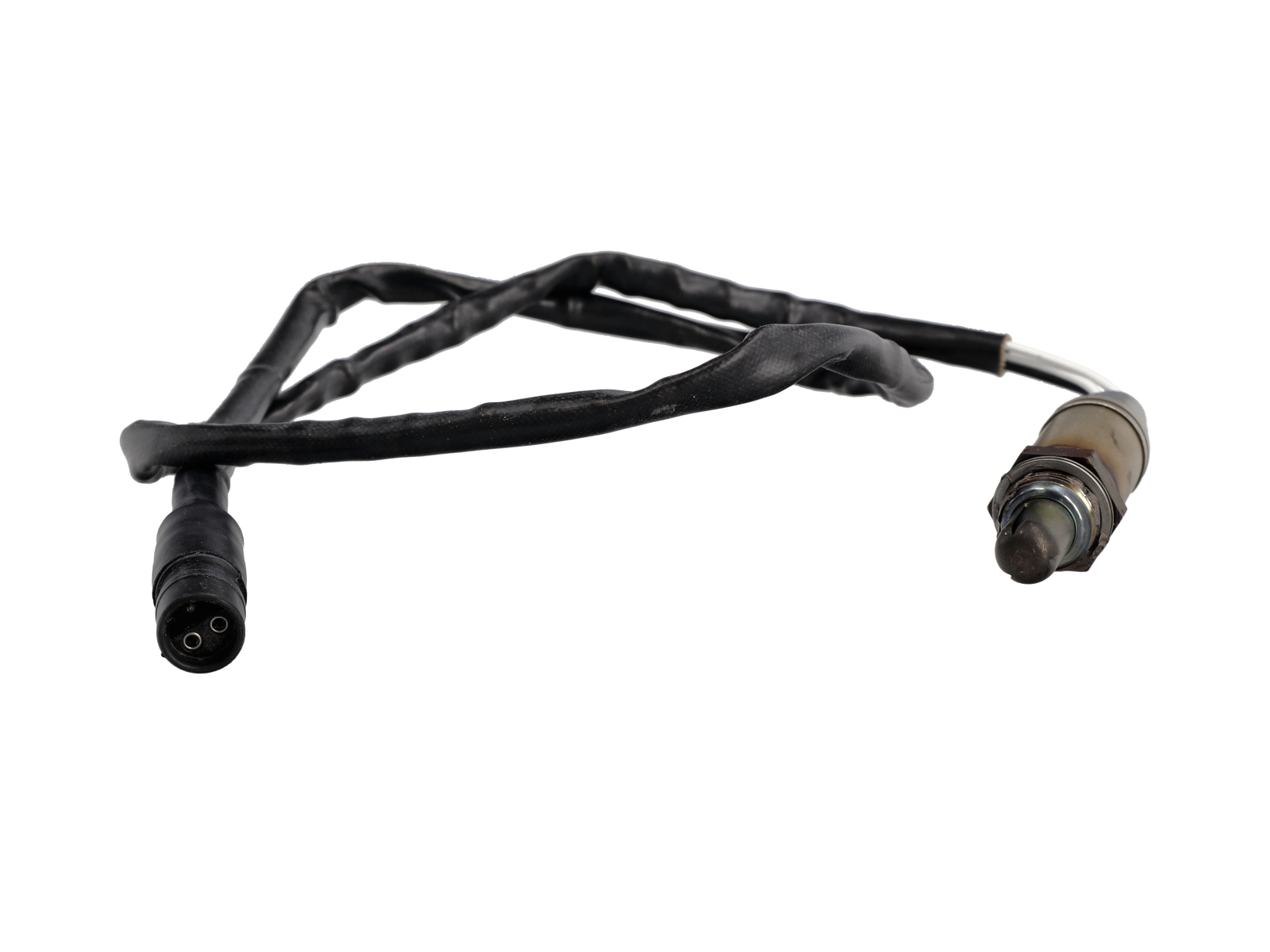



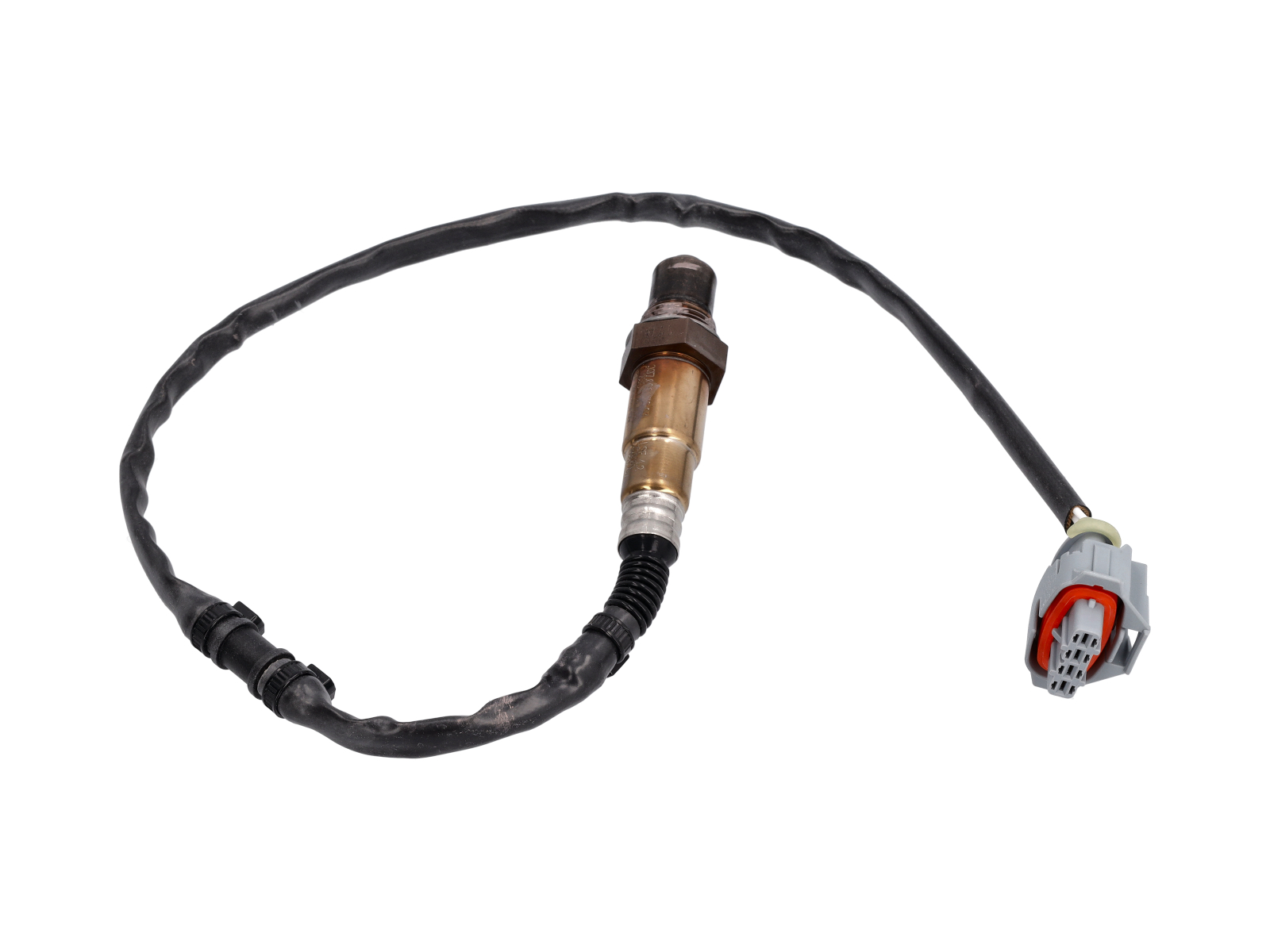
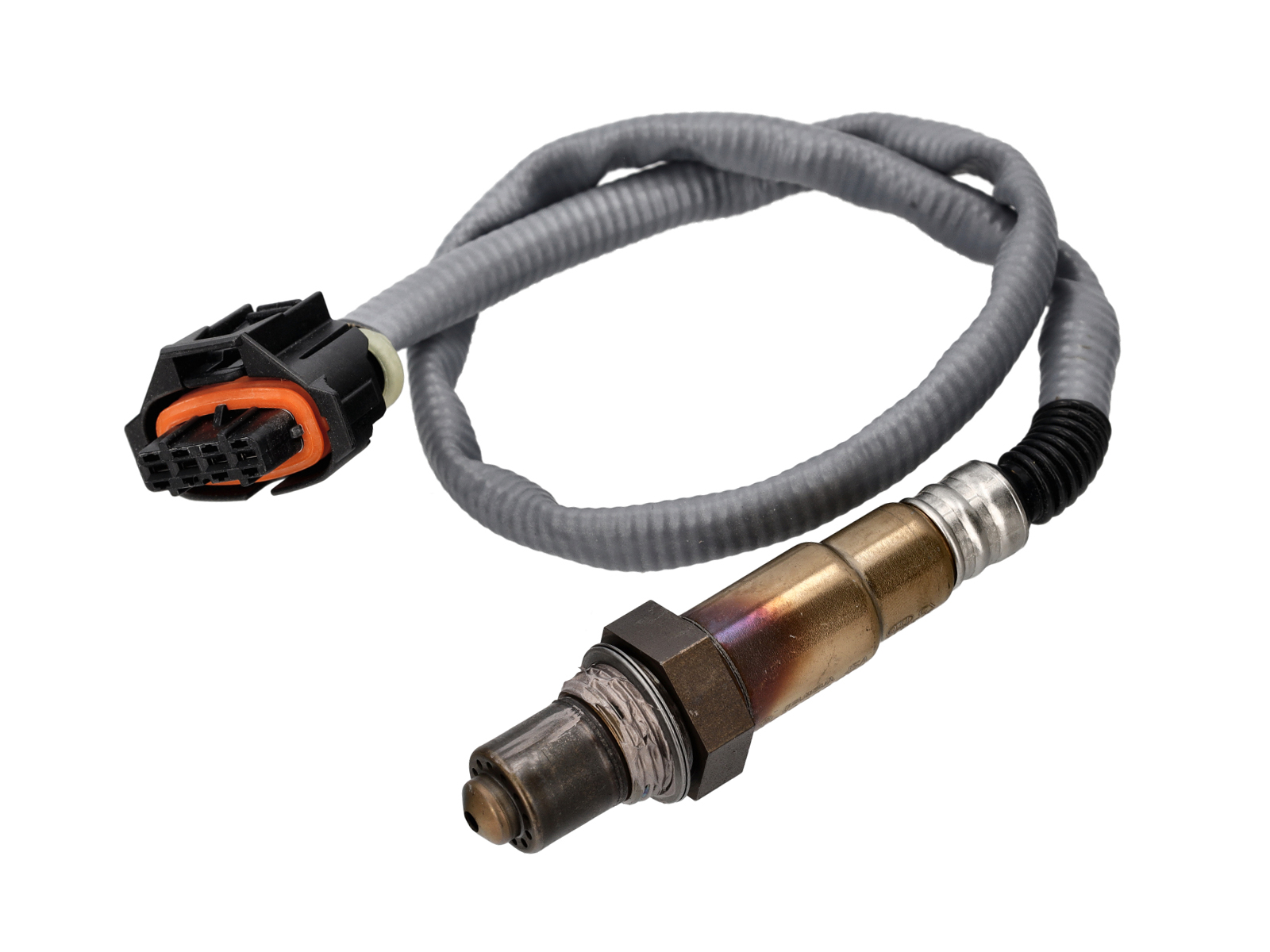
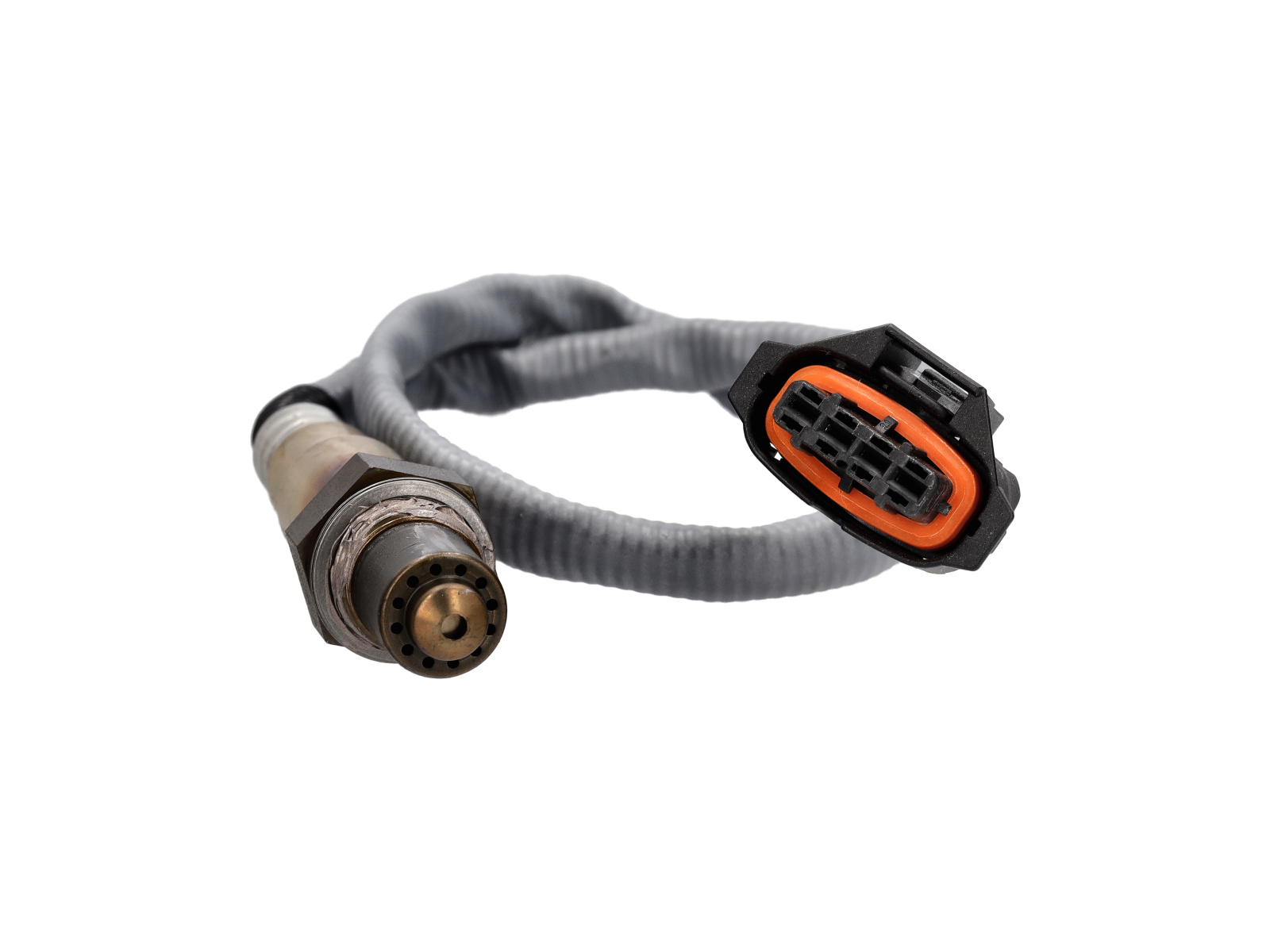
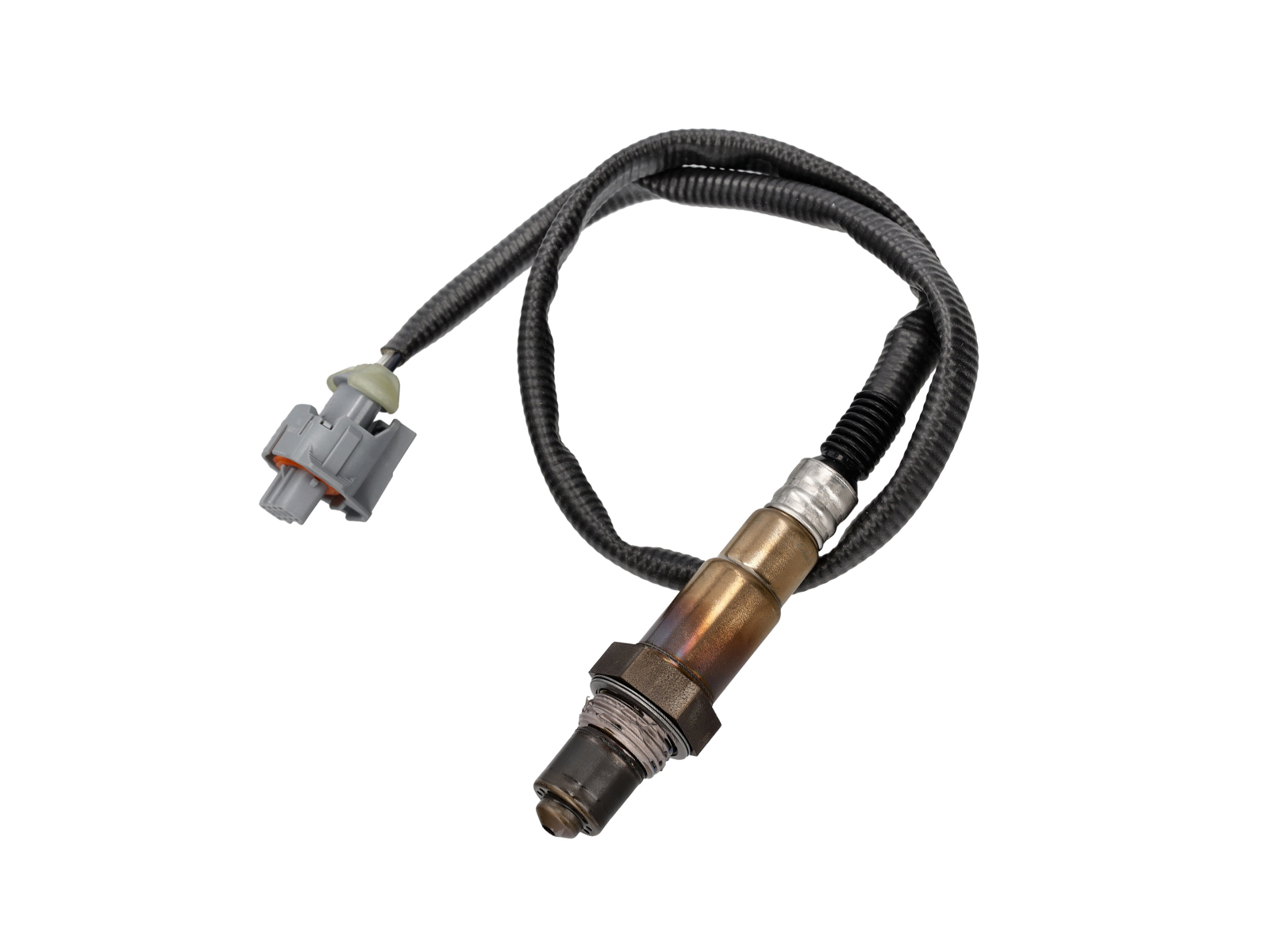
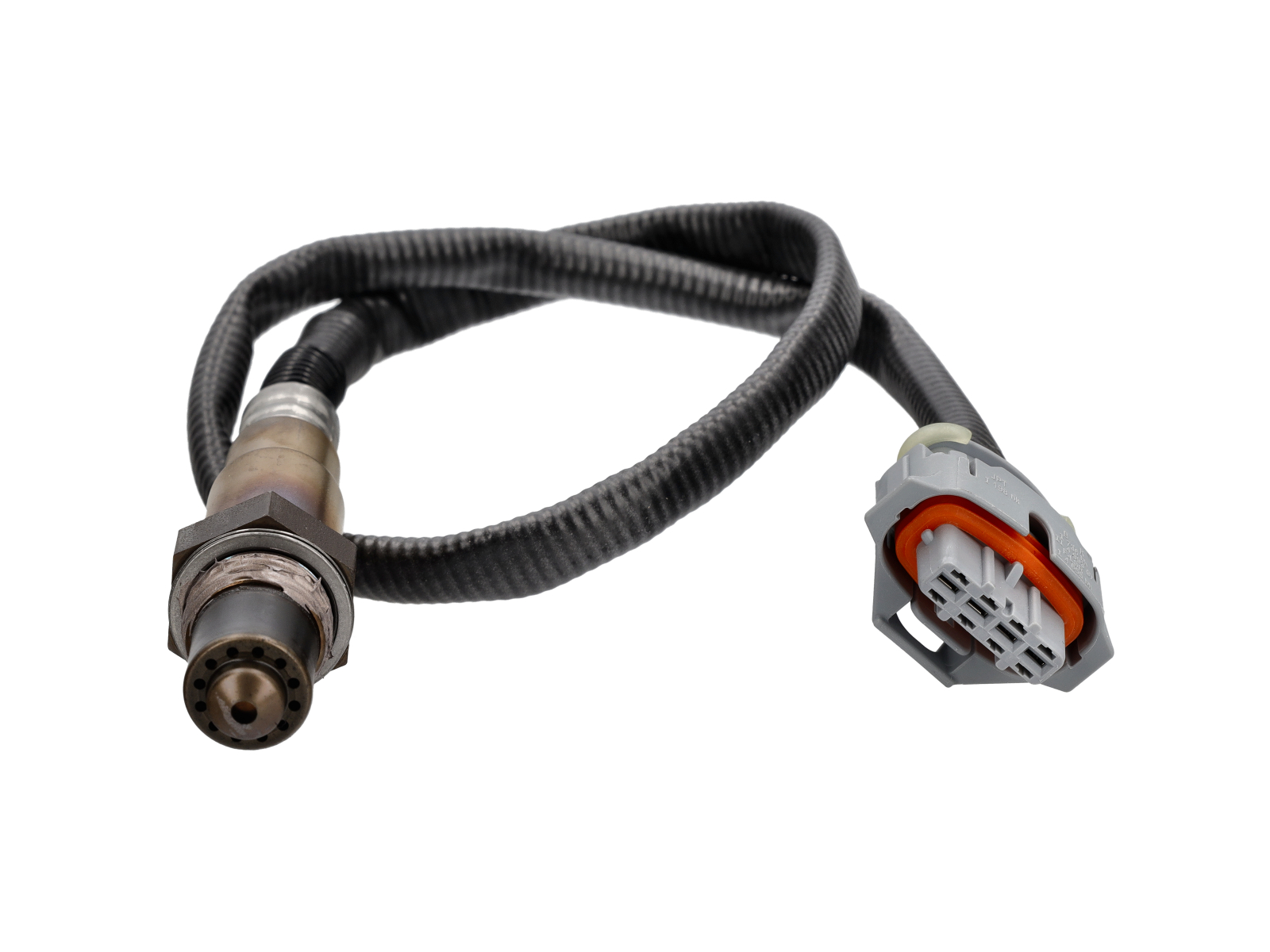
Fits
Porsche 997 C2/4 2006>> (AFTER Catalytic converter)
Function:
The Oxygen Sensor (also known as Lambda Sensor) is located in the exhaust manifold and measures the amount of unburned oxygen in your engine's exhaust. Based on the amount of oxygen, it sends a signal to your engine computer which then adjusts the air/fuel mixture for optimum engine performance and emission control.
Failure Symptoms:
• Excessive fuel consumption, a faulty oxygen sensor can waste 30% of your fuel.
• Driveability problems, such as engine surging or hesitation.
• High hydrocarbon emissions, failing an emissions inspection.
• The engine warning light may be on or service flag displayed.
• The ecu/computer stores a mixture-related fault code.
• When the oxygen sensor has stopped functioning completely, the catalytic converter may overheat and fail
Maintenance / Service:
• Test and/or replace every 30,000 miles.
• Perform periodic emission checks.
• Watch for service light.
• Vehicle manufacturers recommend periodic inspection and replacement of oxygen sensor.
Related reference numbers
Related, superseded, cross reference or alternative numbers for comparison.
99760617701
The product you are viewing cross references to these numbers
- Porsche 997 MK1 Carrera 2 3.6L 2005-08
- Porsche 997 MK1 Carrera 2S 3.8L 2005-08
- Porsche 997 MK1 Carrera 4 3.6L 2005-08
- Porsche 997 MK1 Carrera 4S 3.8L 2005-08
Shop Securely
12 Month Warranty
Worldwide Delivery
Express Delivery

Monday-Friday: 8.30am - 5.30pm (GMT)
Saturday: Closed
Sunday: Closed