





Enter your VAT number here and click Verify:
Your details have been verified. VAT number registered to:
,
.
Your order will now be zero rated for VAT purposes. We reserve the right to verify these details after your order request has been made and reinstate VAT if required.
Your VAT details were not recognised or were invalid. Your VAT number must be matched to your Billing Country as specified above. This is currently specified as . You do not need to enter the country code part of your VAT number as this has already been selected in your billing address details above.
The VAT number checking service is currently offline. Please supply your VAT details within the comments or special instructions field below and we will apply a VAT discount after placing your order request.
INA

INA for Porsche
INA Automotive Products deliver advanced, high-precision Porsche components engineered to meet the demanding requirements of today’s automotive engines and drivetrains. As part of the Schaeffler Group, INA is a trusted OEM supplier, working closely with vehicle manufacturers worldwide to develop innovative solutions that improve efficiency, reliability, and performance. For Porsche owners and workshops, INA offers engine and powertrain parts designed for durable, repeatable results in everyday use and specialist environments
A Quick Look at INA
INA information on this page is based on details supplied by the manufacturer or distributor, plus any OE references provided with the parts.
Choosing the Right Fit for Your Porsche
Where INA is listed for Porsche, use the supplied model coverage and OE references to confirm suitability. Check details that commonly affect fitment such as model year, engine code, side/position, and connector or mounting type where relevant.
- Typical reasons to replace these parts include internal engine wear, timing component fatigue, fuel delivery issues, and age-related deterioration of moving parts and seals discovered during inspection or rebuild work.
- Common symptoms can range from oil leaks, smoke, low compression and abnormal noises to hard starting, hesitation, fuel smells, belt noise, and valvetrain ticking that persists after routine servicing.
- Before major work, simple checks such as compression and leak-down testing, borescope inspection, fuel-pressure checks, and listening for abnormal belt or valvetrain noise can help confirm whether component replacement is required.
- When renewing critical systems, many specialists replace related wear items together (for example, belts with rollers and tensioners, or fuel lines with filters and key seals) to reduce the chance of repeat strip-downs.
- Persistent fuel smells, visible leaks, or noises from rotating components should be treated as urgent issues, as they can affect both safety and the long-term health of your Porsche engine.
- During top-end or timing work, it is common practice to inspect and, where needed, replace associated parts such as sprockets, fixings, and valvetrain components to maintain accurate timing and reliable operation.
Browse by Category
If you already know the area you are working on, start with the category and then filter by Porsche model. Where real-world symptoms and typical reasons to replace are provided, use them to keep the wording grounded.
Engine Rebuild Parts — Engine rebuild parts are typically changed during a planned rebuild or when symptoms point to wear inside the engine, such as loss of compression, excessive oil use, persistent leaks, abnormal noises, or contamination found during inspection. Many Porsche owners choose to renew bearings, chains, guides, seals, fasteners, and gaskets while the engine is apart to improve post-rebuild reliability and avoid repeat labour.
- Before committing to a rebuild, carry out compression and leak-down tests, inspect bores with a scope, and check the oil/filter for metallic debris.
- When the engine is out, consider replacing hard-to-access wear items (chains, guides, tensioners, key seals and gaskets) at the same time.
Fuel System Parts — Fuel-system parts are replaced to restore correct fuel delivery (pressure, flow, and atomisation), improve starting and idle quality, and prevent leaks that can create safety or MOT/emissions issues. On older or stored Porsche models, owners often refresh pumps, lines, filters, injectors, and key seals to resolve hard starting, hesitation, poor economy, or fuel smells.
- Treat fuel smells or visible damp areas around lines, tanks, or injectors as urgent, as vapour and liquid leaks are a fire risk.
- Where the system has aged, replacing components in logical groups (for example lines plus filter and seals) can reduce repeat failures.
Belts / Tensioners / Rollers — Belts, tensioners, and rollers are routine wear items that directly affect engine reliability and timing accuracy. Aged belts can crack or shed material, while tired tensioners and rollers may become noisy or seize, risking belt loss and related damage. Porsche owners typically renew these during scheduled maintenance, engine bay refreshes, or ahead of demanding use.
- Do not rely solely on visual belt condition; internal ageing and bearing wear in rollers or tensioners can exist without obvious external signs.
- Replacing rollers and tensioners at the same time as belts is often recommended, as their bearings are common noise and failure points.
Rocker Arms & Tappets — Rocker arms and tappets are replaced when wear leads to persistent valvetrain noise, poor valve motion accuracy, or risk of cam and valve damage. During Porsche top-end work or performance builds, refreshing these components helps maintain consistent valve timing and lift, supporting smooth running and longevity.
- Investigate ticking that worsens, localises to one bank, or does not improve with fresh oil or correct clearance settings.
- Always inspect cam lobes when rocker or tappet wear is found, as related components often wear together.
Camshaft gears / sprockets and fixings — Camshaft gears, sprockets, and fixings are critical to Porsche timing accuracy. They are replaced when wear, tooth damage, or fastening concerns could allow timing drift, noise, or—in severe cases—internal engine damage. Many rebuilders renew these parts preventatively when carrying out timing-chain or belt work.
- Follow Porsche or part-manufacturer guidance on single-use bolts and fixings, especially where torque-to-yield fasteners are specified.
- When updating sprockets, also assess chains, guides, and tensioners and verify timing during reassembly.
Explore INA at Design911
View the current INA range for Porsche at Design911, then filter by model and category to narrow down to the right parts.
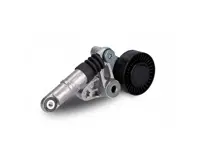
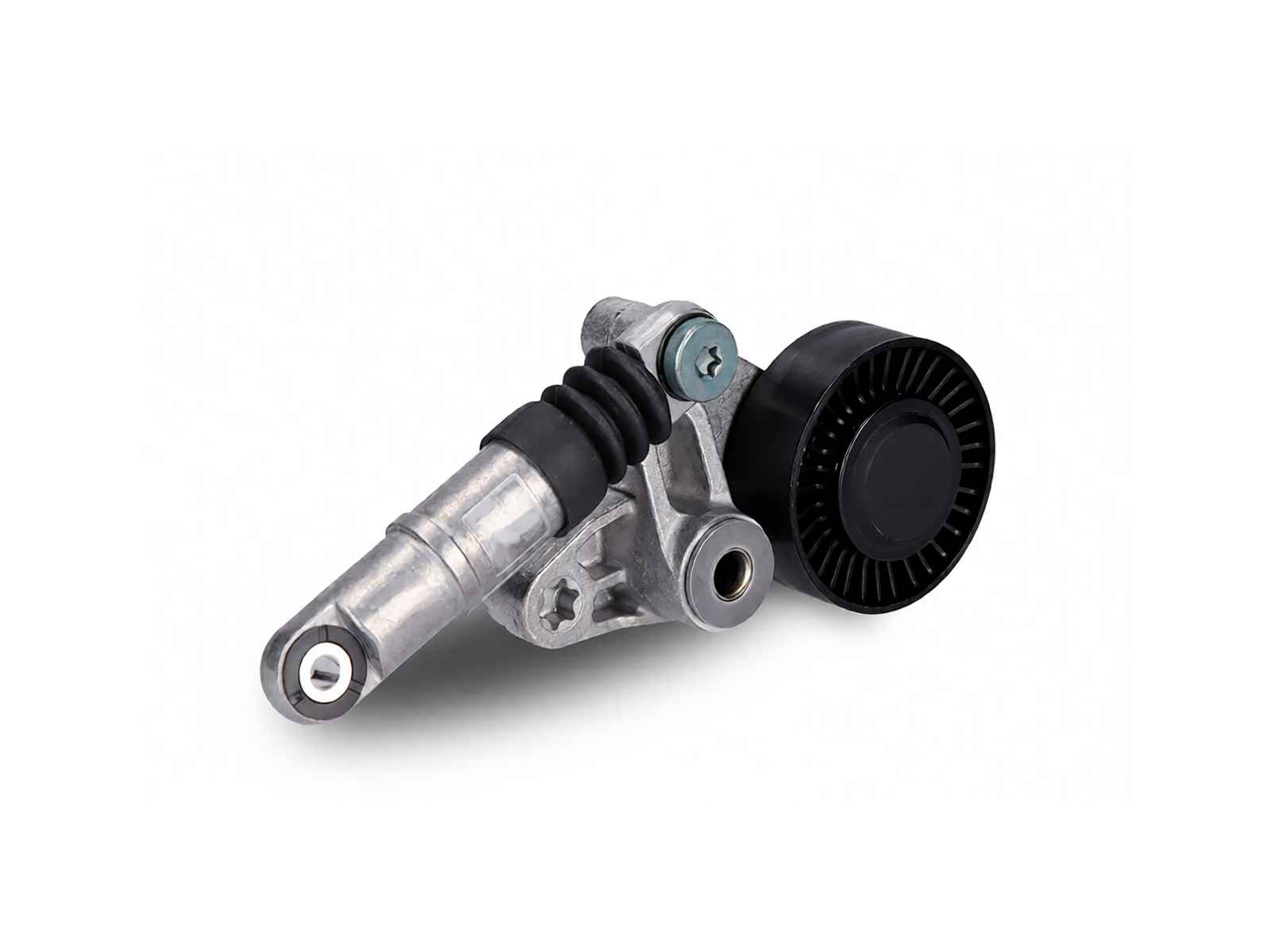
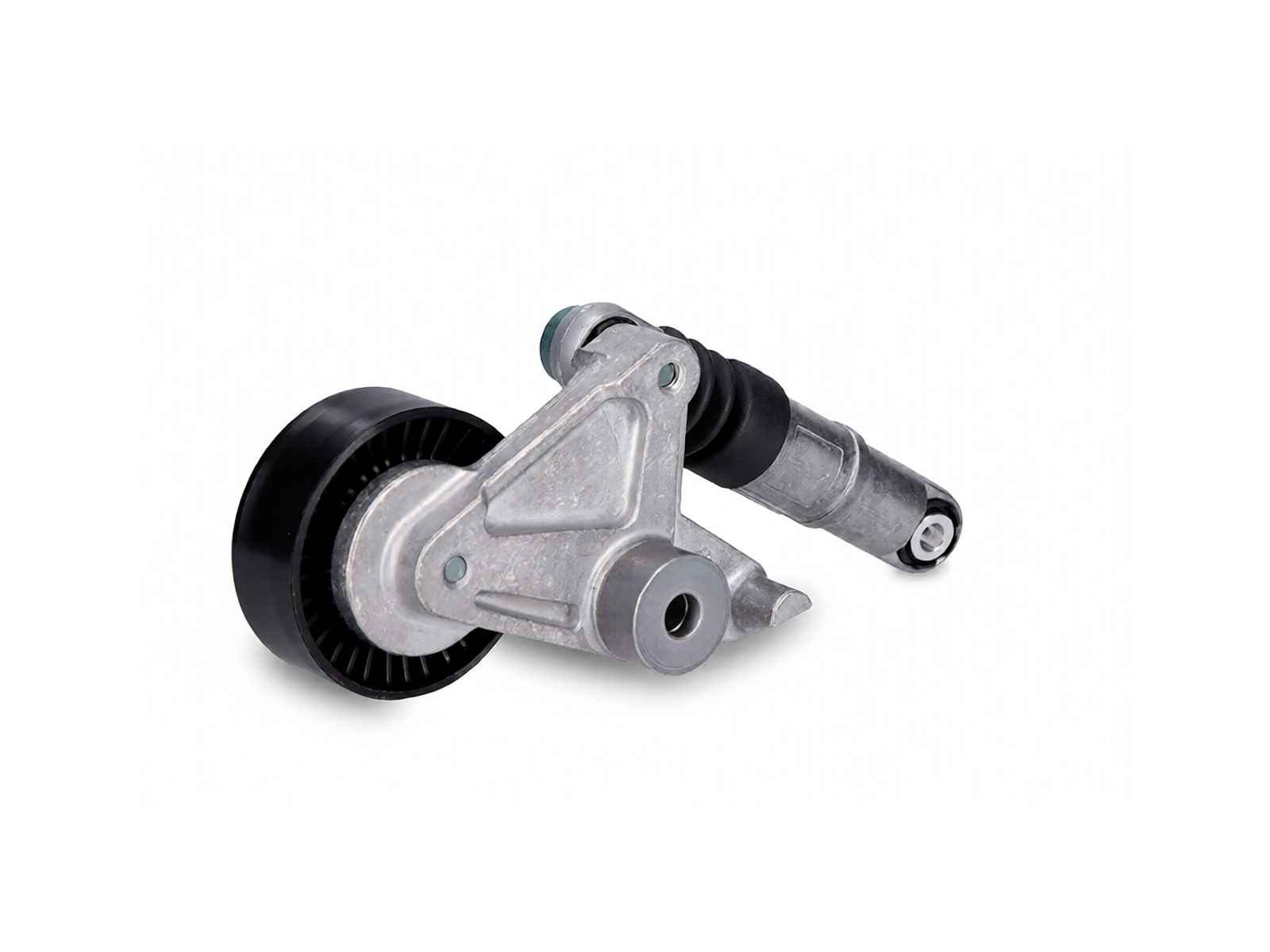
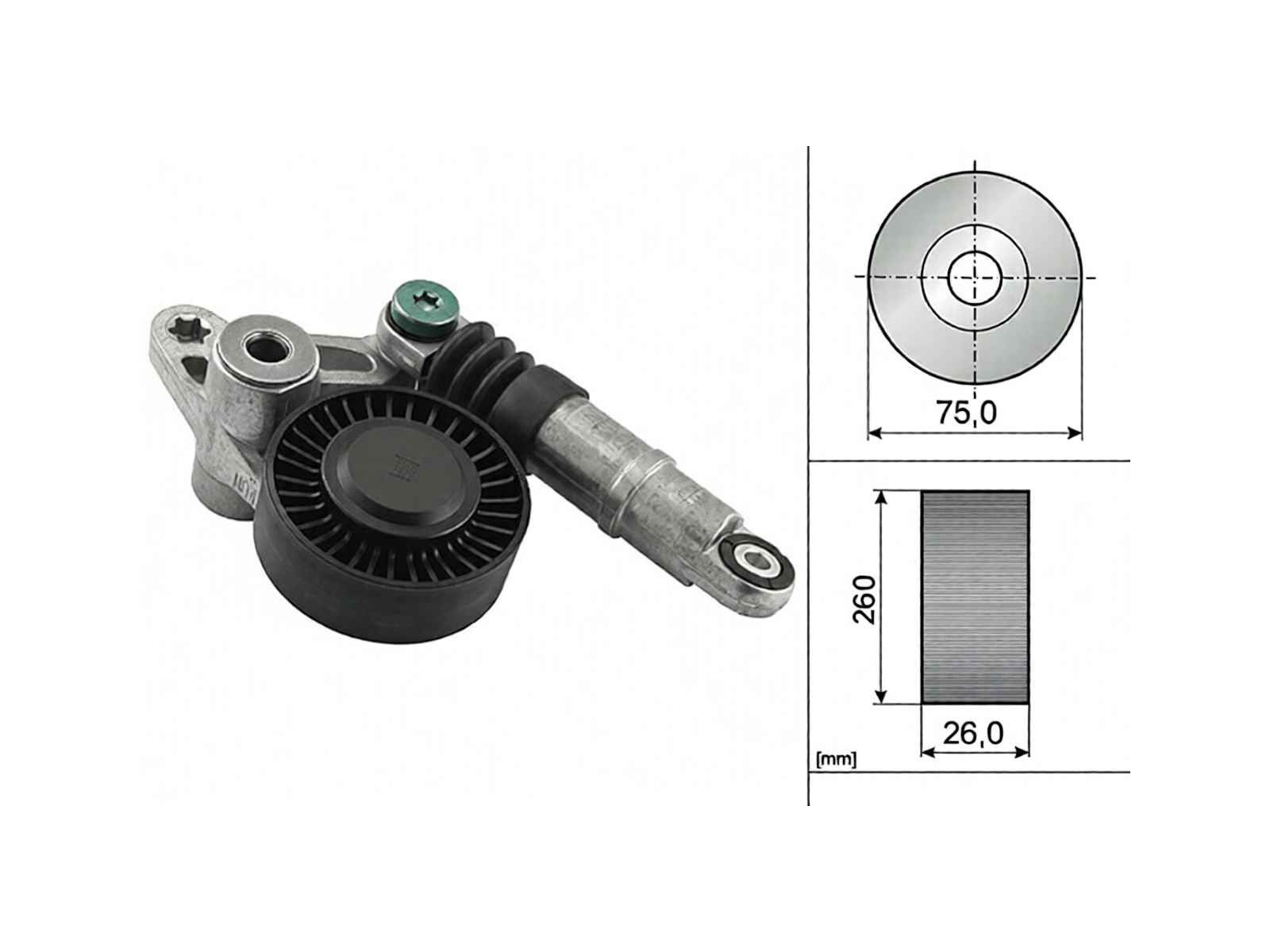
Belt Tensioner Roller & Damper
The belt tensioner roller and damper is a crucial
part of the auxiliary drive system on the Porsche 957 Cayenne Diesel.
Working together, these components maintain correct belt tension while
absorbing vibration caused by engine load changes, ensuring smooth and reliable
operation of belt-driven accessories such as the alternator, power steering
pump and air conditioning compressor.
Fits:
- Porsche 957 Cayenne 3.0L Diesel 2007-10
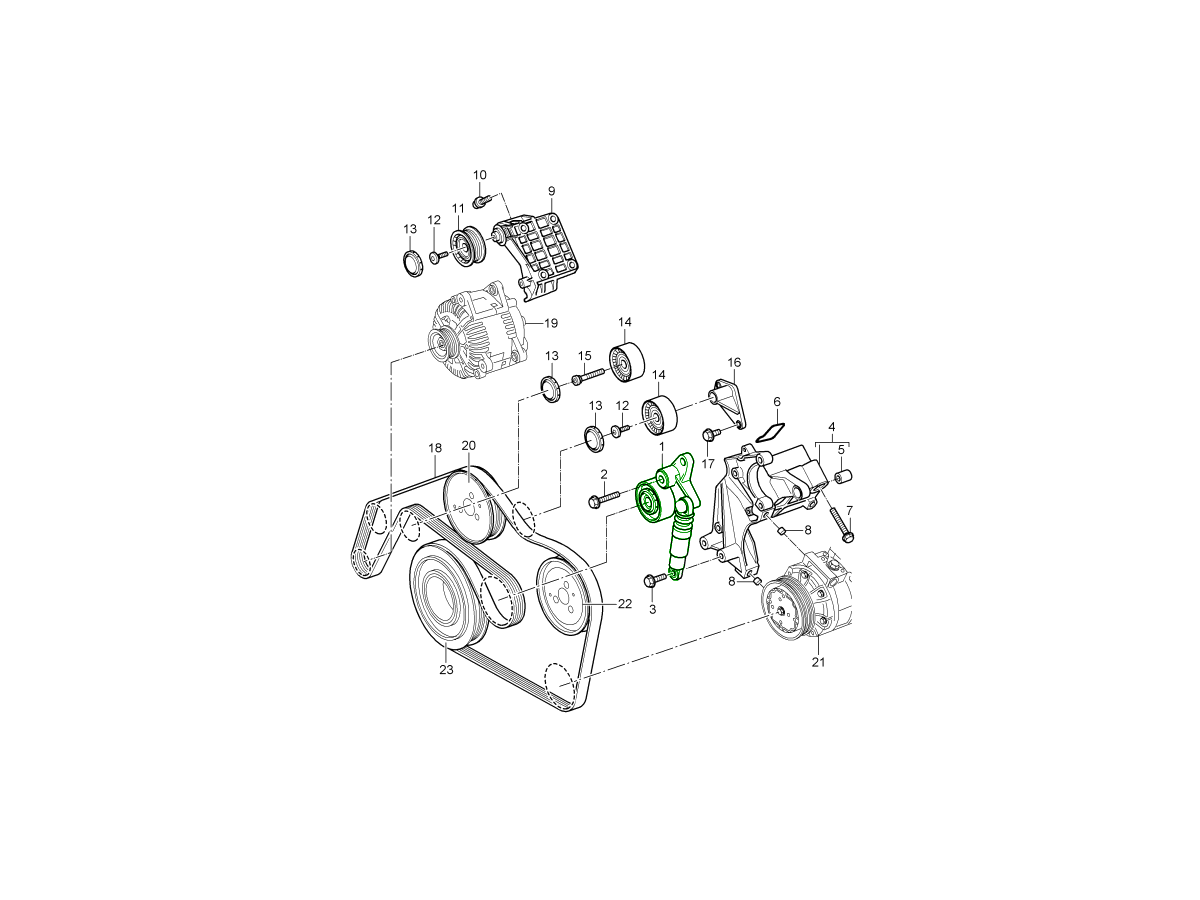
Diagram ref no 1
Given the high torque output of Porsche diesel engines, effective belt tension and vibration control are essential for durability and quiet operation.
What Do the Belt Tensioner Roller & Damper Do?
The tensioner roller guides the auxiliary belt and maintains
consistent contact across pulleys, while the damper controls sudden movements
and oscillations within the belt system. Together, they:
- Maintain correct belt tension under all operating conditions
- Reduce belt vibration and noise
- Protect auxiliary components from shock loads
- Ensure smooth and efficient belt tracking
This coordinated function helps extend the lifespan of the belt and surrounding components.
Why Do Belt Tensioner Rollers & Dampers Fail?
Over time, these components are exposed to constant rotation, heat cycles and environmental contamination. Common causes of failure include:
Bearing wear in the tensioner roller Loss of damping efficiency due to internal wear Heat-related material fatigue Contamination from dust, water or oilTypical symptoms of failure include:
- Squealing or chirping noises
- Visible belt vibration
- Premature auxiliary belt wear
- Increased load on alternator and accessories
Why Replace the Belt Tensioner Roller & Damper?
Replacing worn components helps restore:
- Stable and quiet belt operation
- Correct belt alignment and tension
- Reduced stress on auxiliary drive components
- Improved overall engine refinement
Ignoring worn tensioner or damper components can lead to belt failure or damage to expensive accessories, increasing repair costs.
Related reference numbers
Related, superseded, cross reference or alternative numbers for comparison.
95510236110
The product you are viewing cross references to these numbers
- Porsche 957 Cayenne 3.0L Diesel 2007-10
 Shop Securely
 12 Month Warranty
 Worldwide Delivery
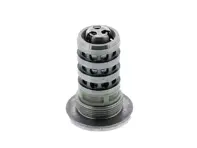
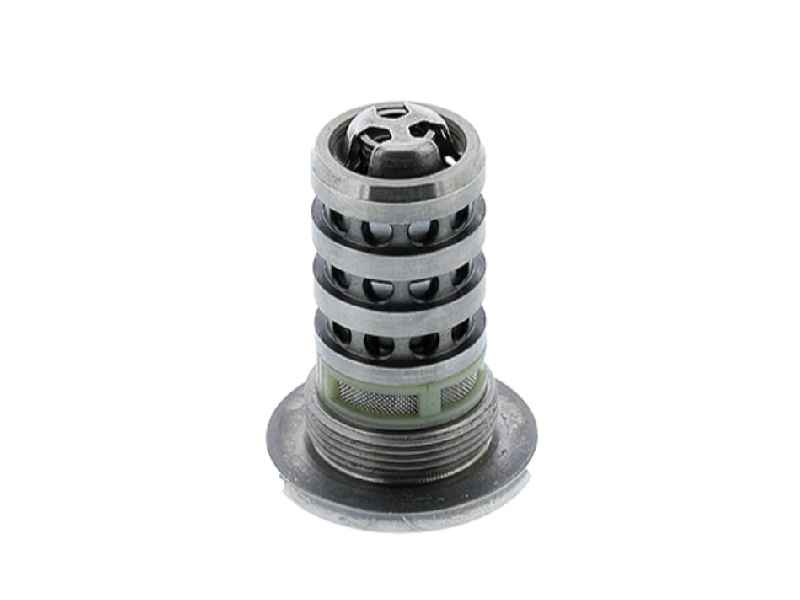
Throttle Control Element for Camshaft Timing
The throttle control element for camshaft timing is a
critical engine management component used in the Porsche 95B.1 Macan 2.0ltr
engine. It regulates the flow of engine oil to the camshaft timing system,
allowing the engine control unit to precisely adjust valve timing in response
to engine load, speed and driving conditions.
Fits:
- Porsche 95B.1 Macan Petrol 2.0L 237Bhp 2014 - 01/06/2016
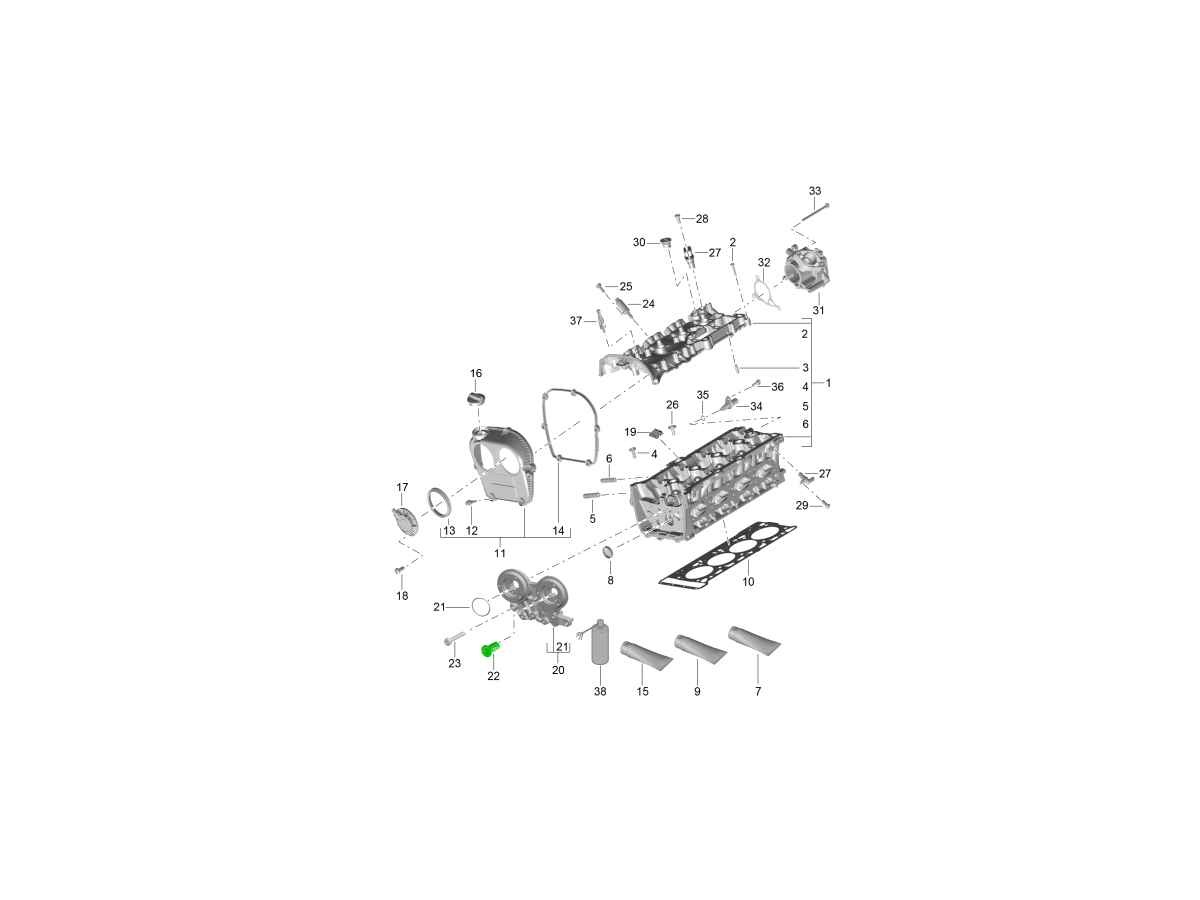
Diagram ref no 22
Accurate camshaft timing is essential for performance, fuel efficiency and emissions control—making this component a vital part of the Macan’s modern variable valve timing system.
What Does the Throttle Control Element Do?
The throttle control element acts as a finely controlled
valve within the camshaft timing circuit. By regulating oil pressure to the
camshaft adjusters, it allows the engine to:
- Optimise valve timing across the rev range
- Improve low-speed torque and high-speed power
- Enhance throttle response and drivability
- Reduce fuel consumption and emissions
This precise control ensures the engine operates efficiently and smoothly under all driving conditions.
Why Do Throttle Control Elements Fail?
Throttle control elements operate in a high-temperature
environment and rely on clean, correctly pressurised engine oil. Common causes
of failure include:
Oil
contamination or sludge build-up
Typical symptoms of failure may include:
- Engine warning lights or fault codes
- Poor throttle response Loss of power or uneven acceleration
- Rough idle or reduced fuel efficiency
Why Replace the Camshaft Timing Throttle Control Element?
Replacing a faulty throttle control element helps restore:
- Accurate camshaft timing adjustment
- Smooth power delivery
- Improved engine efficiency
- Reduced risk of further timing system damage
Continued operation with a failing control element can place excess strain on camshaft adjusters and internal engine components, leading to increased repair costs.
Related reference numbers
Related, superseded, cross reference or alternative numbers for comparison.
95810925700
The product you are viewing cross references to these numbers
- Porsche 95B.1 Macan Petrol 2.0L (237Bhp) 2014-18
Shop Securely
12 Month Warranty
Worldwide Delivery
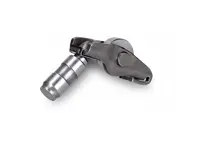
Hydraulic Tappet & Inlet Cam Lever Assembly
Sold each – 8 required per car
The hydraulic tappet and cam lever assembly for the inlet
valve is a precision-engineered valvetrain component used in Porsche Macan
2.0-litre engines. Working together, the hydraulic tappet and cam lever convert
camshaft motion into controlled inlet valve operation while automatically
maintaining correct valve clearance using engine oil pressure.
Fits:
Diagram ref no 7
This assembly plays a vital role in ensuring smooth engine performance, quiet operation and efficient air intake—particularly important in turbocharged Porsche petrol engines.
What Does the Hydraulic Tappet & Inlet Cam Lever Assembly Do?
The camshaft acts on the cam lever, which in turn presses
against the hydraulic tappet to open the inlet valve at precisely the correct
time. The hydraulic tappet uses oil pressure to compensate for thermal
expansion and wear, ensuring:
- Accurate inlet valve timing and lift
- Smooth idle and throttle response
- Reduced valvetrain noise
- Consistent air intake for efficient combustion
This system allows the engine to operate efficiently across all load and speed conditions without the need for manual valve adjustment.
Why Do Hydraulic Tappet & Cam Lever Assemblies Fail?
These components operate under constant mechanical load,
high temperatures and reliance on clean engine oil. Common causes of
failure include:
- Oil contamination or sludge build-up
- Extended oil change intervals
- Wear to cam lever contact surfaces
- Internal tappet pressure loss
- Insufficient lubrication at cold start
Symptoms of wear or failure may include:
- Ticking or tapping noises from the cylinder head
- Rough idle or hesitation
- Reduced engine efficiency
- Accelerated camshaft or valve wear
Why Replace the Inlet Tappet & Cam Lever Assembly?
Replacing worn components helps restore:
- Quiet, refined engine operation
- Correct inlet valve timing Improved drivability and throttle response
- Protection against further valvetrain damage
Ignoring tappet or cam lever wear can lead to costly damage to the camshaft, valves or cylinder head, particularly on high-revving turbocharged engines.
Related reference numbers
Related, superseded, cross reference or alternative numbers for comparison.
95810941710
The product you are viewing cross references to these numbers
- Porsche 95B.1 Macan Petrol 2.0L (237Bhp) 2014-18
- Porsche 95B.2 Macan Petrol 2.0L (245Bhp) 2019-21
Shop Securely
12 Month Warranty
Worldwide Delivery
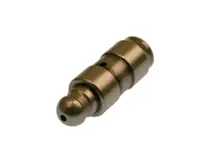
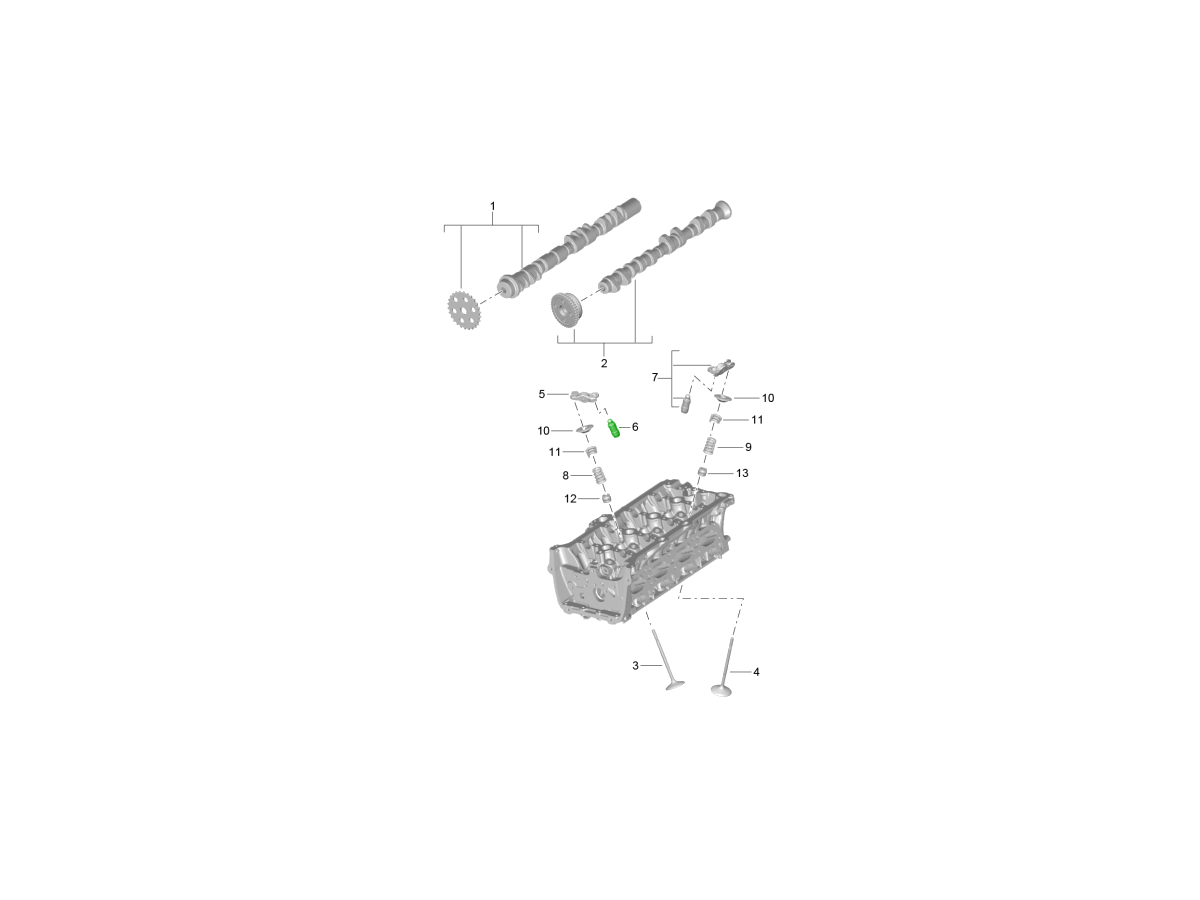
Hydraulic Tappet / Valve Lifter
Sold each
The hydraulic tappet / valve lifter is a precision
valvetrain component used in Porsche Macan 2.0ltr, Cayenne S Hybrid and
Panamera S Hybrid engines to automatically maintain correct valve clearance. By
using engine oil pressure, the tappet ensures smooth valve actuation, quiet
engine operation and consistent performance under all driving conditions.
Fits:
Diagram ref no 6
In advanced Porsche petrol and hybrid powertrains, accurate valve control is essential for efficiency, refinement and long-term engine durability—making hydraulic tappets a critical service component.
What Does a Hydraulic Tappet / Valve Lifter Do?
Hydraulic tappets sit between the camshaft and the valves,
using pressurised engine oil to compensate for thermal expansion and component
wear. This allows the valvetrain to operate with:
- Correct valve timing and lift
- Reduced mechanical noise
- Smooth idle and throttle response
- Improved combustion efficiency
By eliminating the need for manual valve clearance adjustment, hydraulic tappets help maintain optimal engine performance throughout the engine’s service life.
Why Do Hydraulic Tappets Fail?
Hydraulic tappets operate in high-temperature, high-load
environments and rely heavily on clean, correctly pressurised oil. Common
causes of failure include:
- Oil contamination or sludge build-up
- Extended oil change intervals
- Internal wear of the tappet mechanism
- Loss of oil pressure retention
- Incorrect oil specification
Typical symptoms of failing tappets include:
- Ticking or tapping noises from the cylinder head
- Rough idle or hesitation
- Reduced engine efficiency
- Accelerated wear to camshafts and valves
Why Replace Worn Valve Lifters?
Replacing worn hydraulic tappets helps restore:
- Quiet, refined engine operation
- Accurate valve timing Improved drivability and efficiency
- Protection against further valvetrain damage
Ignoring tappet wear can result in costly repairs to camshafts, valves and cylinder heads—especially in hybrid engines where smooth operation is critical.
Related reference numbers
Related, superseded, cross reference or alternative numbers for comparison.
95810542320
The product you are viewing cross references to these numbers
- Porsche 958 Cayenne S V6 3.0L Hybrid (380Hp) 2010-17
- Porsche 970.1 Panamera S Hybrid V6 3.0L 2011-13
- Porsche 970.2 Panamera S E-Hybrid V6 3.0L (416Hp) 2014-16
- Porsche 95B.1 Macan Petrol 2.0L (237Bhp) 2014-18
- Porsche 95B.2 Macan Petrol 2.0L (245Bhp) 2019-21
Shop Securely
12 Month Warranty
Worldwide Delivery
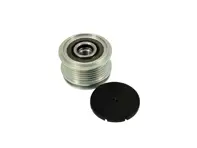
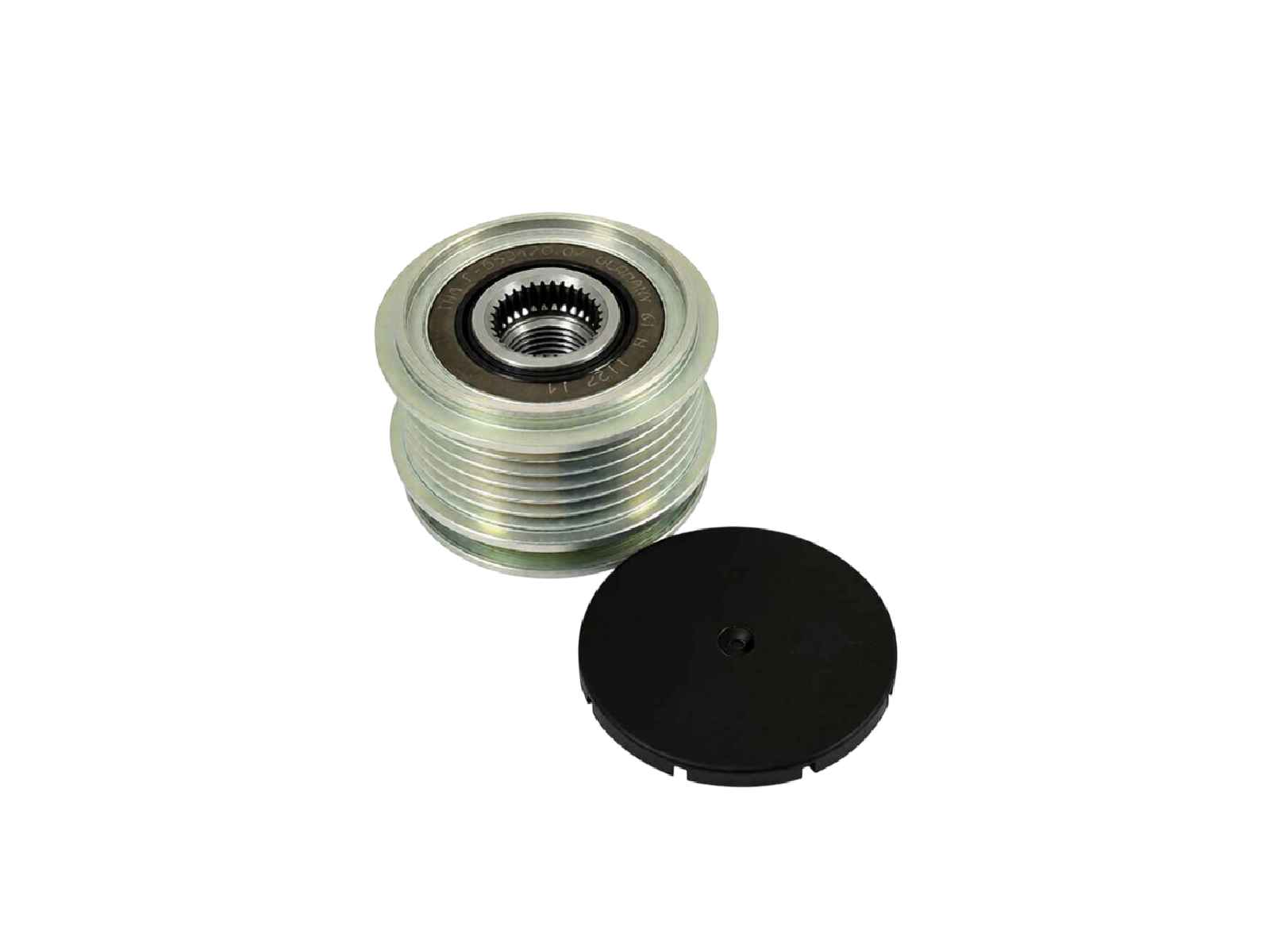
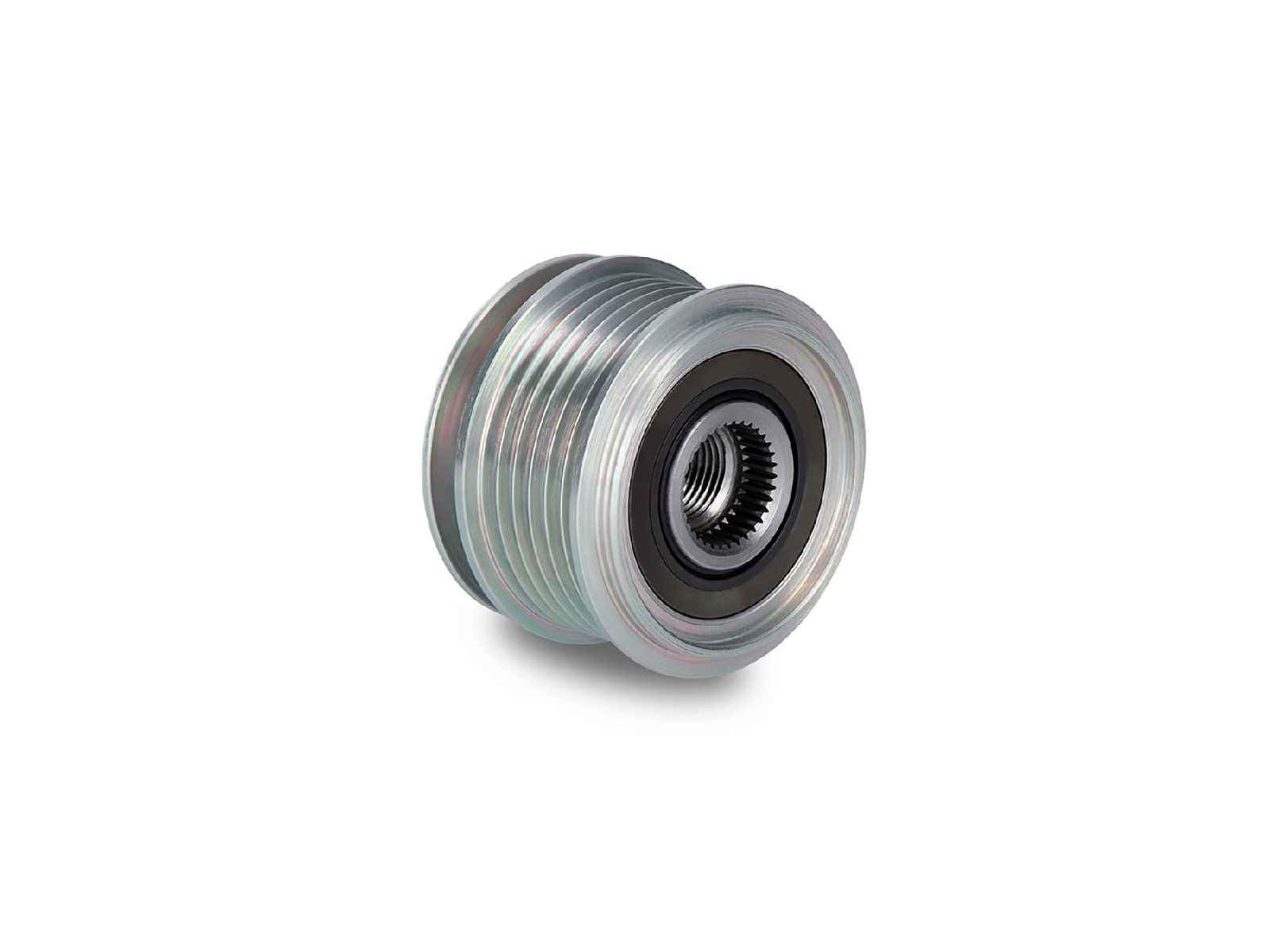
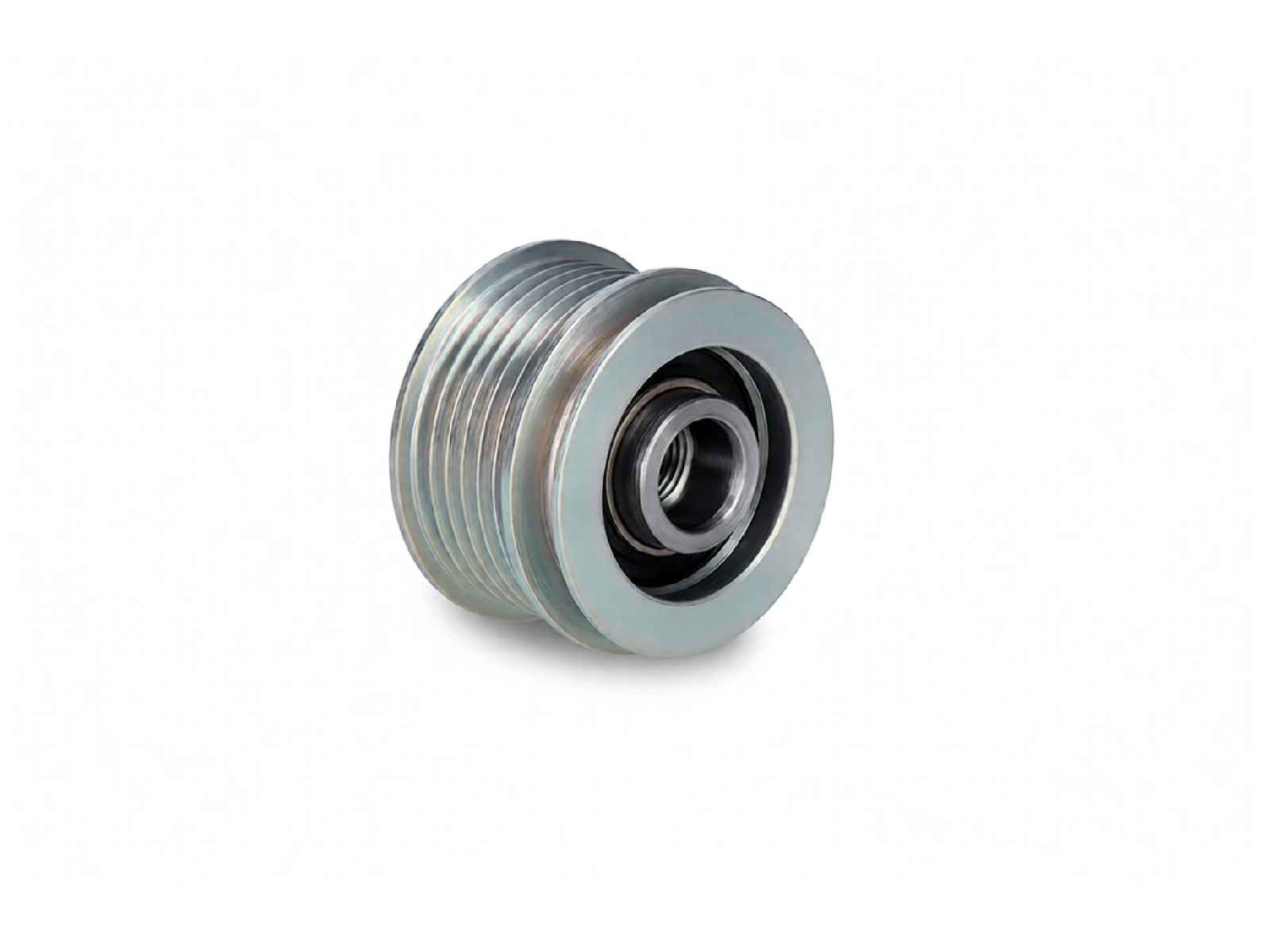
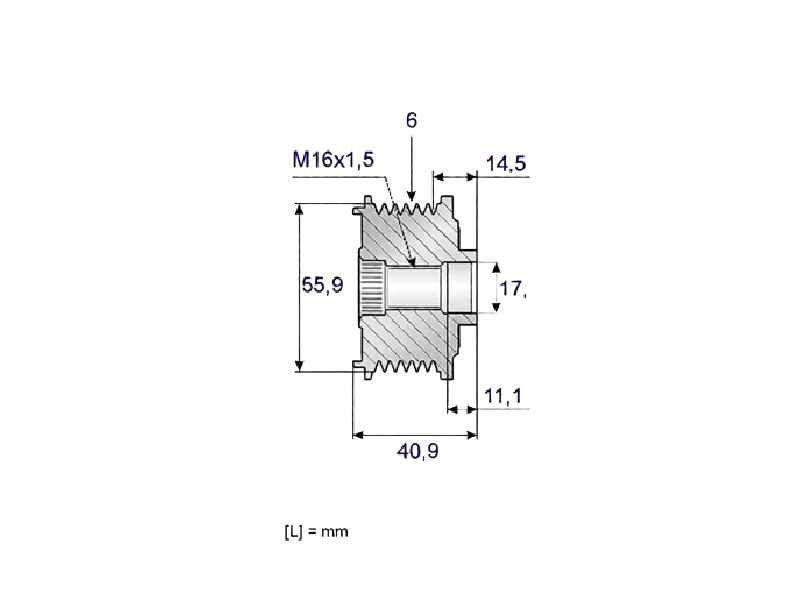
Alternator Freewheel Clutch
The alternator freewheel clutch is a key component in
the auxiliary drive system of the Porsche 971 Panamera Diesel. Designed
to decouple the alternator from sudden engine speed fluctuations, it allows the
alternator to freewheel when required, reducing vibration and load on the
auxiliary belt system.
Fits:
- Porsche 971.1 Panamera 4S Diesel V8 4.0L 4WD (422 Hp) 2017-18
- Porsche 971.1 Panamera 4S Diesel 4.0L Twin-Turbo V8 Sport Turismo 2017-18
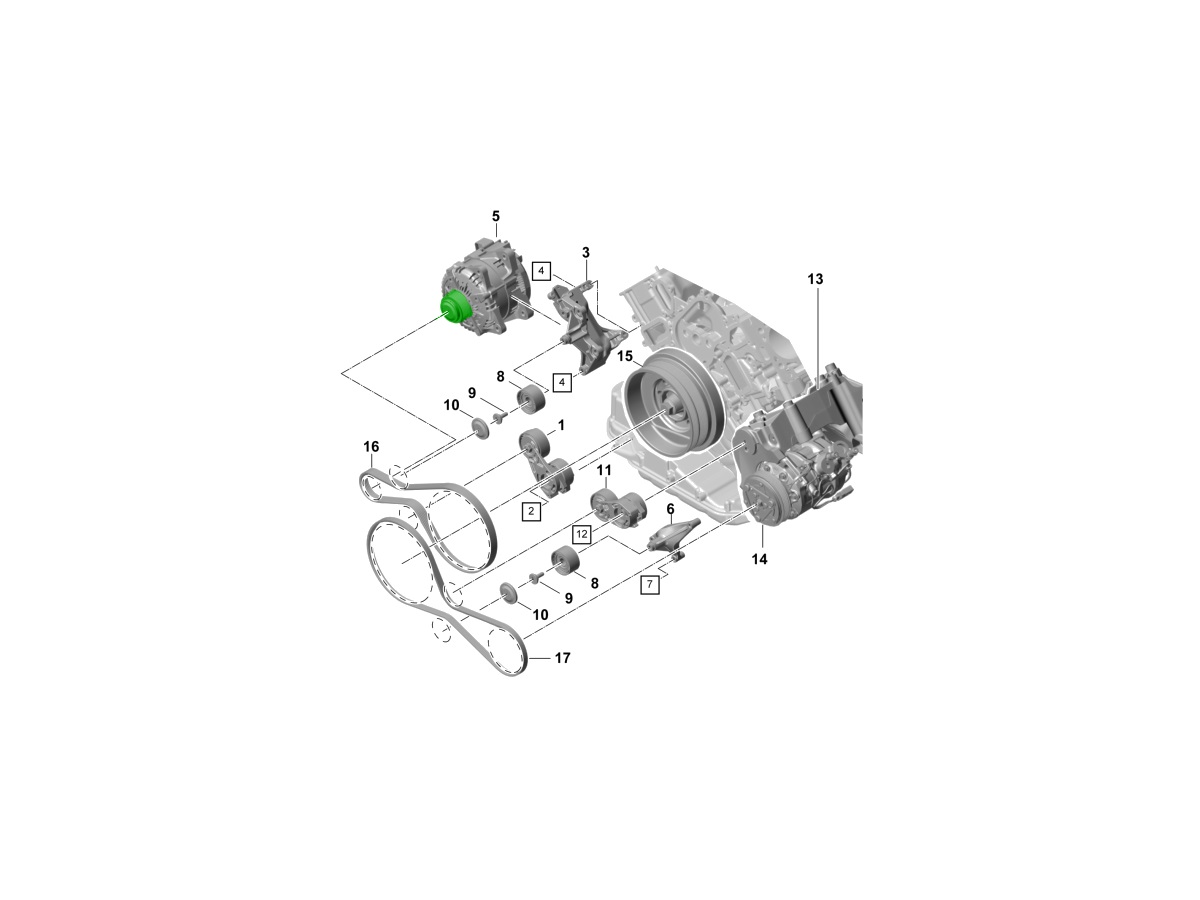
Pulley for diagram ref no 5
On high-torque Porsche diesel engines, the alternator freewheel clutch plays an essential role in maintaining smooth engine operation, protecting belt-driven components and ensuring reliable electrical charging.
What Does an Alternator Freewheel Clutch Do?
The alternator freewheel clutch allows the alternator rotor
to rotate independently during deceleration or rapid changes in engine speed.
This function:
- Reduces stress on the auxiliary drive belt
- Minimises belt vibration and noise
- Protects the alternator and tensioner
- Improves overall drivetrain refinement
By absorbing torsional oscillations, the clutch helps extend the service life of the belt system and related components.
Why Do Alternator Freewheel Clutches Fail?
Over time, freewheel clutches are exposed to heat,
contamination and continuous mechanical loading. Common failure causes
include:
- Internal bearing wear or seizure
- Loss of one-way clutch function
- Contamination from dust or oil
- Age-related material fatigue
Typical symptoms of failure include:
- Belt chirping or squealing noises
- Excessive belt vibration
- Premature belt or tensioner wear
- Charging system irregularities
Why Replace a Worn Alternator Freewheel Clutch?
Replacing a faulty alternator freewheel clutch helps
restore:
- Smooth auxiliary belt operation
- Reduced noise and vibration
- Correct alternator charging behaviour
- Protection for belt tensioners and pulleys
Ignoring a failing clutch can lead to belt failure or damage to expensive auxiliary components, increasing repair costs.
Related reference numbers
Related, superseded, cross reference or alternative numbers for comparison.
535001210
The product you are viewing cross references to these numbers
- Porsche 971.1 Panamera 4S Diesel V8 4.0L 4WD (422 Hp) 2017-18
- Porsche 971.1 Panamera 4S Diesel 4.0L Twin-Turbo V8 Sport Turismo 2017-18
Shop Securely
12 Month Warranty
Worldwide Delivery
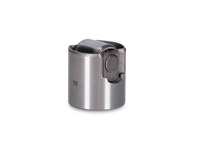
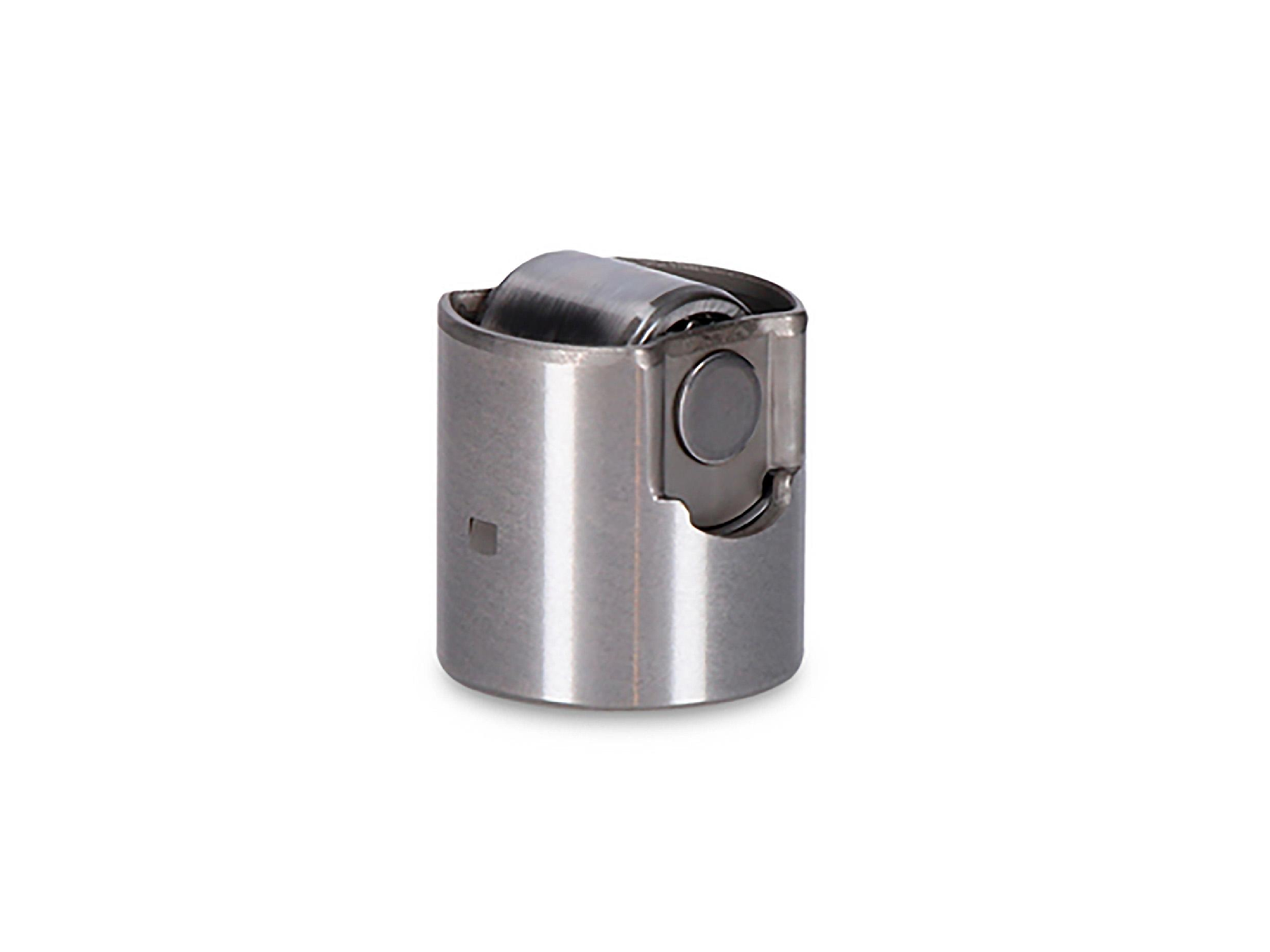
High Pressure
Fuel Pump Tappet
Sold each - 2 required per car
The high pressure fuel pump tappet is a
precision-engineered component used in the direct-injection fuel system of Porsche
976 Panamera 4.0-litre models and 9YA.2 Cayenne 4.0-litre models.
Positioned between the camshaft and the high-pressure fuel pump, this tappet
transfers camshaft motion to drive the pump and generate the fuel pressure
required for efficient combustion.
Fits:
- Porsche 9YA.2 Cayenne S Coupe V8 4.0L 474Hp 2023>>
- Porsche 9YA.2 Cayenne Turbo E-Hybrid V8 4.0L 739Hp 2023>>
- Porsche 9YA.2 Cayenne Turbo E-Hybrid Coupe V8 4.0L 739Hp 2023>>
- Porsche 9YA.2 Cayenne Turbo E-Hybrid Coupe with GT Package V8 4.0 739Hp 2023>>
- Porsche 976 Panamera GTS V8 4.0L 2023>>
- Porsche 976 Panamera Turbo E-Hybrid V8 4.0L 2023>>
- Porsche 976 Panamera Turbo S E-Hybrid V8 4.0L 2023>>
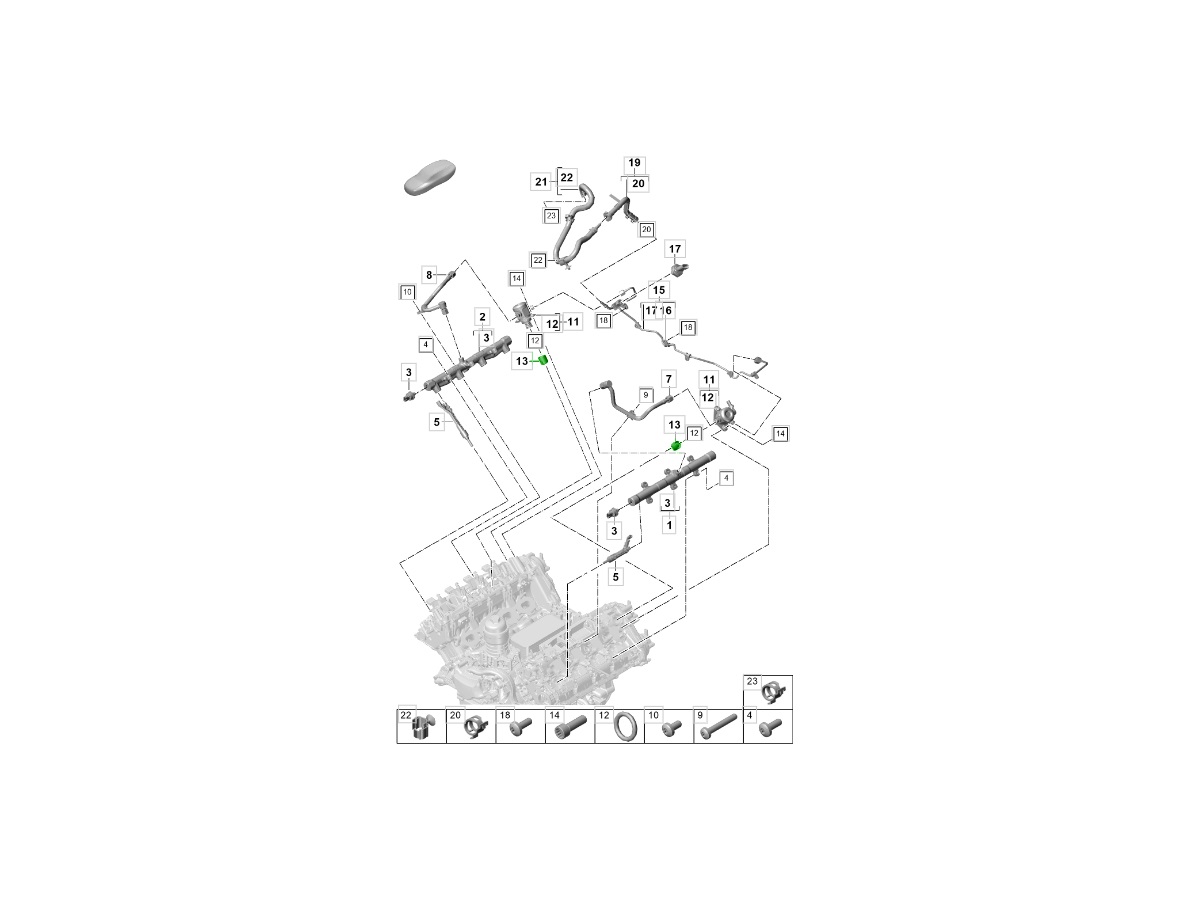
Diagram ref no 13
In high-output Porsche V8 engines, accurate fuel pressure delivery is essential for performance, emissions control and long-term engine reliability—making this tappet a critical service part.
What Does a High Pressure Fuel Pump Tappet Do?
The tappet converts the rotating motion of the camshaft into
linear movement that actuates the high-pressure fuel pump. This process allows
the fuel system to:
Maintain
precise high fuel pressure
- Support direct fuel injection under load
- Ensure stable engine performance across the rev range
- Optimise combustion efficiency and emissions
Without a properly functioning tappet, the fuel pump cannot operate correctly, leading to drivability and performance issues.
Why Do High Pressure Fuel Pump Tappets Fail?
Due to their location and function, fuel pump tappets are
exposed to continuous mechanical contact, high loads and insufficient
lubrication risk. Common causes of failure include:
- Surface wear from camshaft contact
- Breakdown of protective coatings
- Oil contamination or reduced oil flow
- Extended service intervals
Typical symptoms of tappet wear or failure include:
- Loss of engine performance
- Fuel pressure fault codes
- Rough running or hesitation
- Increased wear to the camshaft or fuel pump
Why Replace the Fuel Pump Tappet?
Replacing a worn tappet helps:
- Restore correct fuel pressure delivery
- Protect the camshaft and fuel pump from damage
- Maintain smooth, consistent engine performance
- Prevent costly fuel system or valvetrain repairs
Early replacement is particularly important on high-performance 4.0-litre Porsche engines where component wear can escalate quickly if ignored.6
Related reference numbers
Related, superseded, cross reference or alternative numbers for comparison.
PAC109311
The product you are viewing cross references to these numbers
- Porsche 9YA.2 Cayenne S Coupe V8 4.0L (474Hp) 2023>>
- Porsche 9YA.2 Cayenne Turbo E-Hybrid V8 4.0L (739Hp) 2023>>
- Porsche 9YA.2 Cayenne Turbo E-Hybrid Coupe V8 4.0L (739Hp) 2023>>
- Porsche 9YA.2 Cayenne Turbo E-Hybrid Coupe with GT Package V8 4.0 (739Hp) 2023>>
- Porsche 976 Panamera GTS V8 4.0L 2023>>
- Porsche 976 Panamera Turbo E-Hybrid V8 4.0L 2023>>
- Porsche 976 Panamera Turbo S E-Hybrid V8 4.0L 2023>>
Shop Securely
12 Month Warranty
Worldwide Delivery
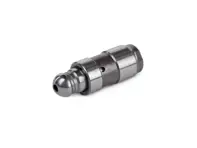
Diesel Engine Hydraulic Tappet / Valve Lifter
Sold each
This engine hydraulic tappet (also known as a hydraulic valve
lifter) is a precision component used in Porsche diesel engines to
maintain correct valve clearance automatically. By using engine oil pressure,
the tappet ensures smooth valve operation, quiet running and consistent
performance across all driving conditions.
Fits:
- Porsche 957 Cayenne 3.0L Diesel 2007-10
- Porsche 958 Cayenne V6 3.0L Diesel 245HP 2010-17
- Porsche 958 Cayenne S V8 4.2L Diesel 382HP 2010-17
- Porsche 970.1 Panamera Diesel V6 3.0L 2011-13
- Porsche 970.2 Panamera Diesel V6 3.0L (250Hp) 2014-16
- Porsche 971.1 Panamera 4S Diesel V8 4.0L 4WD (422 Hp) 2017-18
- Porsche 971.1 Panamera 4S Diesel 4.0L Twin-Turbo V8 Sport Turismo 2017-18
- Porsche 95B.1 Macan S Diesel 3.0L V6 258Bhp 2014-18
Diagram ref no 11
In modern Porsche diesel engines, hydraulic tappets play a crucial role in durability, refinement and emissions control—making them an essential service and repair component.
What Does an Engine Hydraulic Tappet Do?
Hydraulic tappets sit between the camshaft and valves, using oil
pressure to compensate for thermal expansion and component wear. This allows
the valve train to operate with:
- Correct valve timing and lift
- Reduced mechanical noise
- Improved combustion efficiency
- Lower internal engine wear
By automatically adjusting clearance, hydraulic tappets eliminate the need for manual valve adjustment and help maintain optimal engine performance throughout the rev range.
Why Do Hydraulic Tappets Fail on Porsche Diesel Engines?
Over time, hydraulic tappets are subject to heat, oil contamination
and mechanical stress, particularly in high-torque diesel engines.
Common
causes of failure include:
- Oil sludge or poor lubrication
- Wear to internal check valves
- Loss of hydraulic pressure retention
- Extended oil change intervals
- Contaminated or incorrect oil grades
Symptoms of worn or failing tappets may include:
Ticking or tapping noises from the cylinder head Rough idle or misfiring Reduced engine efficiency Increased valve train wearWhy Replace Worn Hydraulic Tappets?
Replacing worn hydraulic tappets restores:
- Quiet and smooth engine operation
- Correct valve timing and combustion
- Reduced wear on camshafts and valves
- Long-term engine reliability
Ignoring tappet wear can lead to accelerated damage to the camshaft and valve train, resulting in significantly higher repair costs.
Related reference numbers
Related, superseded, cross reference or alternative numbers for comparison.
958109521
The product you are viewing cross references to these numbers
- Porsche 957 Cayenne 3.0L Diesel 2007-10
- Porsche 958 Cayenne V6 3.0L Diesel (245Hp) 2010-17
- Porsche 958 Cayenne S V8 4.2L Diesel (382Hp) 2010-17
- Porsche 970.1 Panamera Diesel V6 3.0L 2011-13
- Porsche 970.2 Panamera Diesel V6 3.0L (250Hp) 2014-16
- Porsche 971.1 Panamera 4S Diesel V8 4.0L 4WD (422 Hp) 2017-18
- Porsche 971.1 Panamera 4S Diesel 4.0L Twin-Turbo V8 Sport Turismo 2017-18
- Porsche 95B.1 Macan S Diesel 3.0L V6 (258Bhp) 2014-18
Shop Securely
12 Month Warranty
Worldwide Delivery
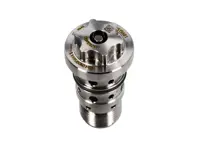
Sold each.
Fits:
Porsche 95B.2 Macan 2.9L / 3.0L 2019 - 2024
Porsche 971.1 Panamera 2.9L / 3.0L 2017 - 2021
Porsche 971.1 Panamera 4.0L turbo equipment 2017 - 2021
Porsche 971.1 Panamera 4.0L GTS version 2017 - 2021
Porsche 971.2 Panamera 4.0L V8 2021 - 2024
Porsche 971.2 Panamera 2.9L V6 2021 - 2024
Porsche 976 Panamera 4.0L V8 2024 >> (TB5)
Porsche 9YA.1 Cayenne E3 4.0L / 3.0L / 2.9L 2018 - 2024
Porsche 9YA.2 Cayenne E3 PA 3.0L / 4.0L 2024>>
Diagram ref no 8
Related reference numbers
Related, superseded, cross reference or alternative numbers for comparison.
PAC109257A
The product you are viewing cross references to these numbers
- Porsche 9YA Cayenne V6 3.0L Petrol (340Hp) 2018-23
- Porsche 9YA Cayenne Coupe V6 3.0L Petrol (340Hp) 2019-23
- Porsche 9YA Cayenne E-Hybrid V6 3.0L V6 (340Hp) 2018-23
- Porsche 9YA Cayenne Coupe E-Hybrid V6 3.0L (340Hp) 2020-23
- Porsche 9YA Cayenne S V6 2.9L Petrol (440Hp) 2018-23
- Porsche 9YA Cayenne Coupe S V6 2.9L Petrol (440Hp) 2019-23
- Porsche 9YA Cayenne GTS V8 4.0L Petrol (460Hp) 2020-23
- Porsche 9YA Cayenne Coupe GTS V8 4.0L Petrol (460Hp) 2021-23
- Porsche 9YA Cayenne Turbo V8 4.0L Petrol (550Hp) 2020-23
- Porsche 9YA Cayenne Coupe Turbo V8 4.0L Petrol (550Hp) 2019-23
- Porsche 9YA Cayenne Turbo S E-Hybrid V8 4.0L (550Hp) 2019-23
- Porsche 9YA Cayenne Coupe Turbo S E-Hybrid V8 4.0L (550Hp) 2020-23
- Porsche 9YA Cayenne Coupe Turbo GT V8 4.0L (640Hp) 2021-23
- Porsche 9YA.2 Cayenne V6 3.0L Petrol (353Hp) 2023>>
- Porsche 9YA.2 Cayenne Coupe V6 3.0L (353Hp) 2023>>
- Porsche 9YA.2 Cayenne E-Hybrid V6 3.0L (470Hp) 2023>>
- Porsche 9YA.2 Cayenne E-Hybrid Coupe V6 3.0L (470Hp) 2023>>
- Porsche 9YA.2 Cayenne S V8 4.0L Petrol (474Hp) 2023>>
- Porsche 9YA.2 Cayenne S Coupe V8 4.0L (474Hp) 2023>>
- Porsche 9YA.2 Cayenne S E-Hybrid V6 3.0L (519Hp) 2023>>
- Porsche 9YA.2 Cayenne S E-Hybrid Coupe V6 3.0L (519Hp) 2023>>
- Porsche 9YA.2 Cayenne Turbo E-Hybrid V8 4.0L (739Hp) 2023>>
- Porsche 9YA.2 Cayenne Turbo E-Hybrid Coupe V8 4.0L (739Hp) 2023>>
- Porsche 9YA.2 Cayenne Turbo E-Hybrid Coupe with GT Package V8 4.0 (739Hp) 2023>>
- Porsche 971.1 Panamera V6 3.0L 2WD (330 Hp) 2017-20
- Porsche 971.1 Panamera 4 V6 3.0L 4WD (330 Hp) 2017-20
- Porsche 971.1 Panamera 4 V6 3.0L 4WD Executive 2017-20
- Porsche 971.1 Panamera 4 3.0L Turbocharged V6 Sport Turismo 2017-20
- Porsche 971.1 Panamera 4S V6 3.0L 4WD (440 Hp) 2017-20
- Porsche 971.1 Panamera 4S V6 3.0L 4WD Executive 2017-20
- Porsche 971.1 Panamera 4S 2.9L Twin-Turbo V6 Sport Turismo 2017-20
- Porsche 971.1 Panamera 4S Diesel V8 4.0L 4WD (422 Hp) 2017-18
- Porsche 971.1 Panamera 4S Diesel 4.0L Twin-Turbo V8 Sport Turismo 2017-18
- Porsche 971.1 Panamera 4 E-Hybrid V6 2.9L 4WD 2017-20
- Porsche 971.1 Panamera 4 E-Hybrid V6 2.9L 4WD Executive 2017-20
- Porsche 971.1 Panamera 4 E-Hybrid 2.9L Twin-Turbo V6 Sport Turismo 2017-20
- Porsche 971.1 Panamera Turbo V8 4.0L 4WD (550 Hp) 2017-20
- Porsche 971.1 Panamera Turbo V8 4.0L 4WD Executive 2017-20
- Porsche 971.1 Panamera Turbo 4.0L Twin-Turbo V8 Sport Turismo 2017-20
- Porsche 971.1 Panamera Turbo S E-Hybrid V8 4.0L 4WD 2017-20
- Porsche 971.1 Panamera Turbo S E-Hybrid V8 4.0L 4WD Executive 2017-20
- Porsche 971.2 Panamera 2.9L V6 2021-23
- Porsche 971.2 Panamera 4 2.9L V6 2021-23
- Porsche 971.2 Panamera 4 Sport Turismo 2.9L V6 2021-23
- Porsche 971.2 Panamera 4S 2.9L V6 2021-23
- Porsche 971.2 Panamera 4S Sport Turismo 2.9L V6 2021-23
- Porsche 971.2 Panamera 4 E-Hybrid 2.9L V6 2021-23
- Porsche 971.2 Panamera 4 E-Hybrid Sport Turismo 2.9L V6 2021-23
- Porsche 971.2 Panamera 4S E-Hybrid 2.9L V6 2021-23
- Porsche 971.2 Panamera 4S E-Hybrid Sport Turismo 2.9L V6 2021-23
- Porsche 971.2 Panamera GTS 4.0L V8 2021-23
- Porsche 971.2 Panamera GTS Sport Turismo 4.0L V8 2021-23
- Porsche 971.2 Panamera Turbo S 4.0L V8 2021-23
- Porsche 971.2 Panamera Turbo S Sport Turismo 4.0L V8 2021-23
- Porsche 971.2 Panamera Turbo S E-Hybrid 4.0L V8 2021-23
- Porsche 971.2 Panamera Turbo S E-Hybrid Sport Turismo 4.0L V8 2021-23
- Porsche 976 Panamera GTS V8 4.0L 2023>>
- Porsche 976 Panamera Turbo E-Hybrid V8 4.0L 2023>>
- Porsche 976 Panamera Turbo S E-Hybrid V8 4.0L 2023>>
- Porsche 95B.2 Macan S Petrol 3.0L V6 (354Bhp) 2019-21
- Porsche 95B.2 Macan GTS Petrol 2.9L V6 (380Bhp) 2019-21
- Porsche 95B.2 Macan Turbo 2.9L V6 (440Bhp) 2019-21
- Porsche 95B.3 Macan S Petrol 2.9L V6 (380Bhp) 2022>>
- Porsche 95B.3 Macan GTS Petrol 2.9L V6 (440Bhp) 2022>>
Shop Securely
12 Month Warranty
Worldwide Delivery
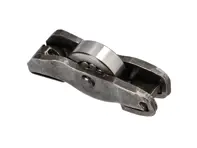
Sold individually; x24 required for V6 models and x32 for V8 models.
Fits:
Porsche 95B-2 Macan S 3.0L V6 2019-21
Porsche 95B-2 Macan GTS 2.9L V6 2019-21
Porsche 95B-2 Macan Turbo 2.9L V6 2019-21
Porsche 95B-3 Macan S 2.9L V6 2022>>
Porsche 95B-3 Macan GTS 2.9L V6 2022>>
Porsche 971-1 Panamera 3.0L V6 2017-21
Porsche 971-1 Panamera 4 3.0L V6 2017-21
Porsche 971-1 Panamera 4 E-Hybrid 2.9L V6 2017-21
Porsche 971-1 Panamera 4S 2.9L V6 2017-21
Porsche 971-1 Panamera GTS 4.0L V8 2017-21
Porsche 971-1 Panamera Turbo 4.0L V8 2017-21
Porsche 971-1 Panamera Turbo S E-Hybrid 4.0L V8 2017-21
Porsche 971-2 Panamera 2.9L V6 2021-24
Porsche 971-2 Panamera 4 2.9L V6 2021-24
Porsche 971-2 Panamera 4S E-Hybrid 2.9L V6 2021-24
Porsche 971-2 Panamera GTS 4.0L V8 2021-24*
Porsche 971-2 Panamera Turbo S 4.0L V8 2021-24*
Porsche 971-2 Panamera Turbo S E-Hybrid 4.0L V8 2021-24*
Porsche 976 Panamera 2.9L V6 2024>>
Porsche 976 Panamera 4 2.9L V6 2024>>
Porsche 9YA-1 Cayenne 3.0L V6 2018-24
Porsche 9YA-1 Cayenne E-Hybrid 3.0L V6 2018-24
Porsche 9YA-1 Cayenne S 2.9L V6 2018-24
Porsche 9YA-1 Cayenne GTS 4.0L V8 2018-24*
Porsche 9YA-1 Cayenne Turbo 4.0L V8 2018-24*
Porsche 9YA-1 Cayenne Turbo S E-Hybrid 4.0L V8 2018-24*
Porsche 9YA-1 Cayenne Turbo GT 4.0L V8 2018-24*
Porsche 9YA-2 Cayenne 3.0L V6 2023>>
Porsche 9YA-2 Cayenne E-Hybrid 3.0L V6 2023>>
Porsche 9YA-2 Cayenne S E-Hybrid 3.0L V6 2023>>
Diagram ref. 11.
NOTE: For models marked with an asterisk (*), this part is only compatible with vehicles manufactured on or before October 25, 2022. If your vehicle was built on or after October 26, 2022, a different part number is required.
Related reference numbers
Related, superseded, cross reference or alternative numbers for comparison.
9A710941700
The product you are viewing cross references to these numbers
- Porsche 9YA Cayenne V6 3.0L Petrol (340Hp) 2018-23
- Porsche 9YA Cayenne Coupe V6 3.0L Petrol (340Hp) 2019-23
- Porsche 9YA Cayenne E-Hybrid V6 3.0L V6 (340Hp) 2018-23
- Porsche 9YA Cayenne Coupe E-Hybrid V6 3.0L (340Hp) 2020-23
- Porsche 9YA Cayenne S V6 2.9L Petrol (440Hp) 2018-23
- Porsche 9YA Cayenne Coupe S V6 2.9L Petrol (440Hp) 2019-23
- Porsche 9YA Cayenne GTS V8 4.0L Petrol (460Hp) 2020-23
- Porsche 9YA Cayenne Coupe GTS V8 4.0L Petrol (460Hp) 2021-23
- Porsche 9YA Cayenne Turbo V8 4.0L Petrol (550Hp) 2020-23
- Porsche 9YA Cayenne Coupe Turbo V8 4.0L Petrol (550Hp) 2019-23
- Porsche 9YA Cayenne Turbo S E-Hybrid V8 4.0L (550Hp) 2019-23
- Porsche 9YA Cayenne Coupe Turbo S E-Hybrid V8 4.0L (550Hp) 2020-23
- Porsche 9YA Cayenne Coupe Turbo GT V8 4.0L (640Hp) 2021-23
- Porsche 9YA.2 Cayenne V6 3.0L Petrol (353Hp) 2023>>
- Porsche 9YA.2 Cayenne Coupe V6 3.0L (353Hp) 2023>>
- Porsche 9YA.2 Cayenne E-Hybrid V6 3.0L (470Hp) 2023>>
- Porsche 9YA.2 Cayenne E-Hybrid Coupe V6 3.0L (470Hp) 2023>>
- Porsche 9YA.2 Cayenne S E-Hybrid V6 3.0L (519Hp) 2023>>
- Porsche 9YA.2 Cayenne S E-Hybrid Coupe V6 3.0L (519Hp) 2023>>
- Porsche 971.1 Panamera V6 3.0L 2WD (330 Hp) 2017-20
- Porsche 971.1 Panamera 4 V6 3.0L 4WD (330 Hp) 2017-20
- Porsche 971.1 Panamera 4 V6 3.0L 4WD Executive 2017-20
- Porsche 971.1 Panamera 4 3.0L Turbocharged V6 Sport Turismo 2017-20
- Porsche 971.1 Panamera 4S V6 3.0L 4WD (440 Hp) 2017-20
- Porsche 971.1 Panamera 4S V6 3.0L 4WD Executive 2017-20
- Porsche 971.1 Panamera 4S 2.9L Twin-Turbo V6 Sport Turismo 2017-20
- Porsche 971.1 Panamera 4S Diesel V8 4.0L 4WD (422 Hp) 2017-18
- Porsche 971.1 Panamera 4S Diesel 4.0L Twin-Turbo V8 Sport Turismo 2017-18
- Porsche 971.1 Panamera 4 E-Hybrid V6 2.9L 4WD 2017-20
- Porsche 971.1 Panamera 4 E-Hybrid V6 2.9L 4WD Executive 2017-20
- Porsche 971.1 Panamera 4 E-Hybrid 2.9L Twin-Turbo V6 Sport Turismo 2017-20
- Porsche 971.1 Panamera Turbo V8 4.0L 4WD (550 Hp) 2017-20
- Porsche 971.1 Panamera Turbo V8 4.0L 4WD Executive 2017-20
- Porsche 971.1 Panamera Turbo 4.0L Twin-Turbo V8 Sport Turismo 2017-20
- Porsche 971.1 Panamera Turbo S E-Hybrid V8 4.0L 4WD 2017-20
- Porsche 971.1 Panamera Turbo S E-Hybrid V8 4.0L 4WD Executive 2017-20
- Porsche 971.2 Panamera 2.9L V6 2021-23
- Porsche 971.2 Panamera 4 2.9L V6 2021-23
- Porsche 971.2 Panamera 4 Sport Turismo 2.9L V6 2021-23
- Porsche 971.2 Panamera 4S 2.9L V6 2021-23
- Porsche 971.2 Panamera 4S Sport Turismo 2.9L V6 2021-23
- Porsche 971.2 Panamera 4 E-Hybrid 2.9L V6 2021-23
- Porsche 971.2 Panamera 4 E-Hybrid Sport Turismo 2.9L V6 2021-23
- Porsche 971.2 Panamera 4S E-Hybrid 2.9L V6 2021-23
- Porsche 971.2 Panamera 4S E-Hybrid Sport Turismo 2.9L V6 2021-23
- Porsche 971.2 Panamera GTS 4.0L V8 2021-23
- Porsche 971.2 Panamera GTS Sport Turismo 4.0L V8 2021-23
- Porsche 971.2 Panamera Turbo S 4.0L V8 2021-23
- Porsche 971.2 Panamera Turbo S Sport Turismo 4.0L V8 2021-23
- Porsche 971.2 Panamera Turbo S E-Hybrid 4.0L V8 2021-23
- Porsche 971.2 Panamera Turbo S E-Hybrid Sport Turismo 4.0L V8 2021-23
- Porsche 976 Panamera V6 2.9L 2023>>
- Porsche 976 Panamera 4 V6 2.9L 2023>>
- Porsche 95B.2 Macan S Petrol 3.0L V6 (354Bhp) 2019-21
- Porsche 95B.2 Macan GTS Petrol 2.9L V6 (380Bhp) 2019-21
- Porsche 95B.2 Macan Turbo 2.9L V6 (440Bhp) 2019-21
- Porsche 95B.3 Macan S Petrol 2.9L V6 (380Bhp) 2022>>
- Porsche 95B.3 Macan GTS Petrol 2.9L V6 (440Bhp) 2022>>
Shop Securely
12 Month Warranty
Worldwide Delivery
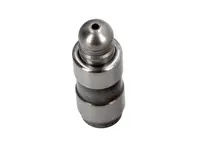
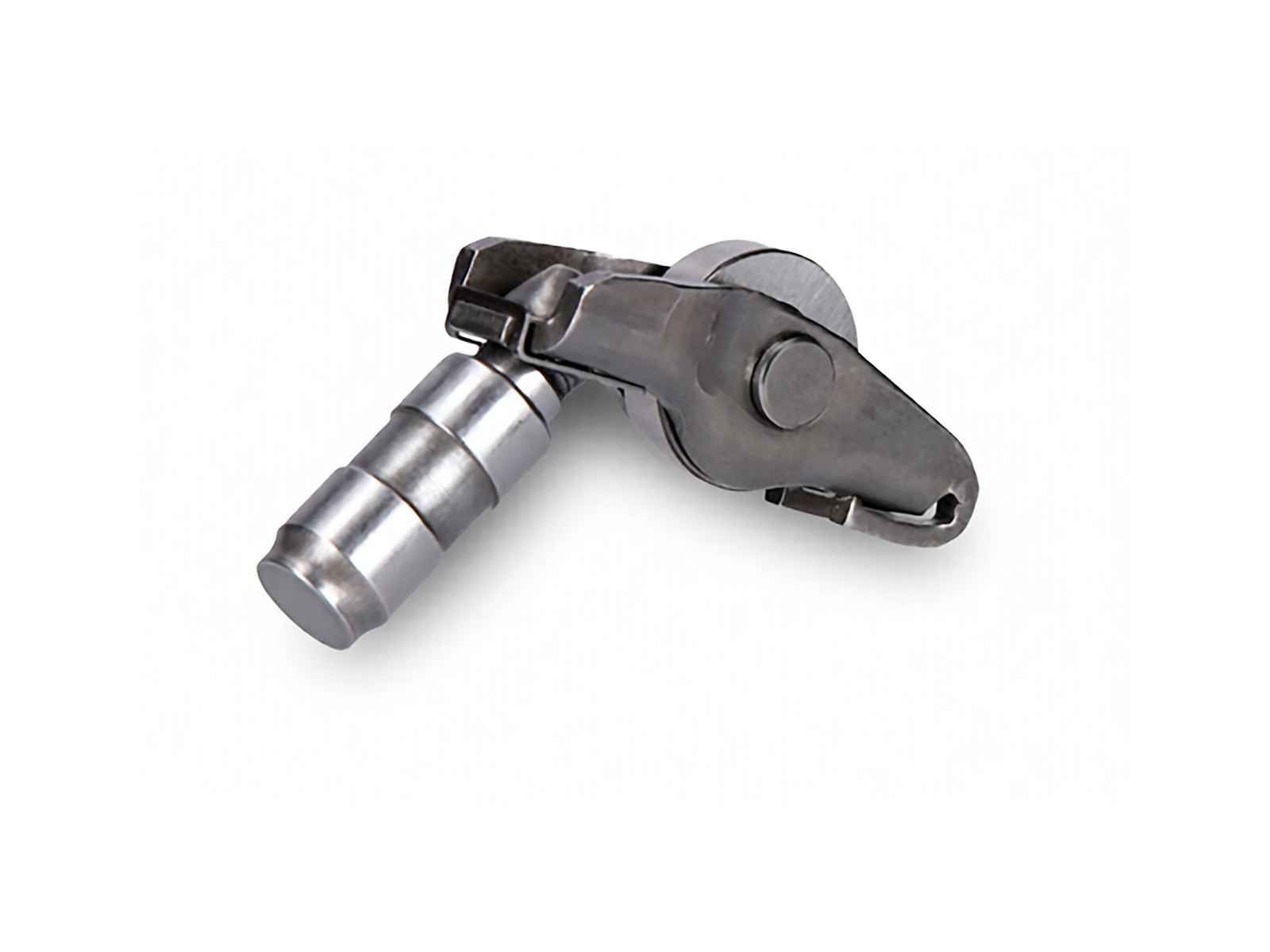
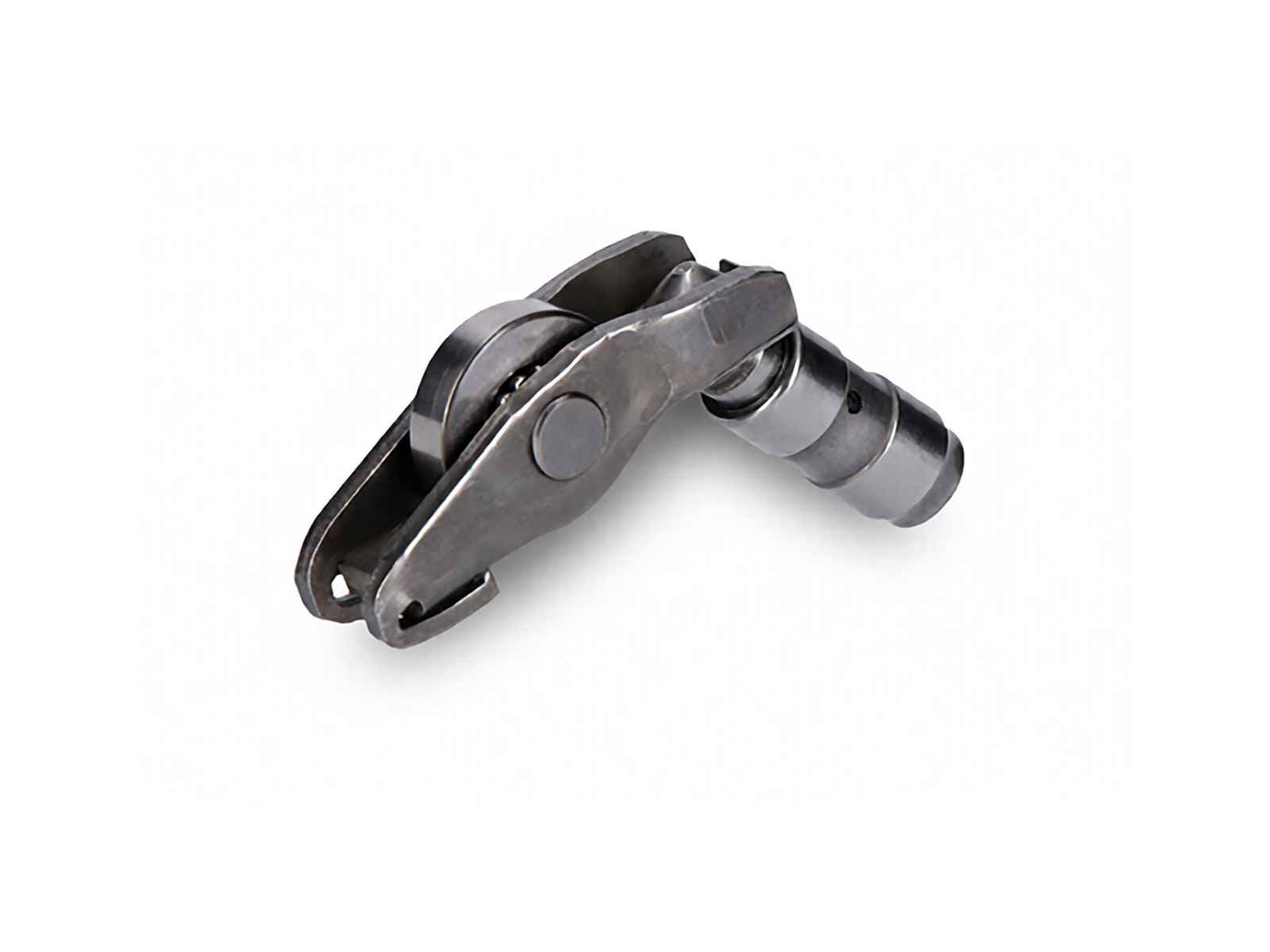
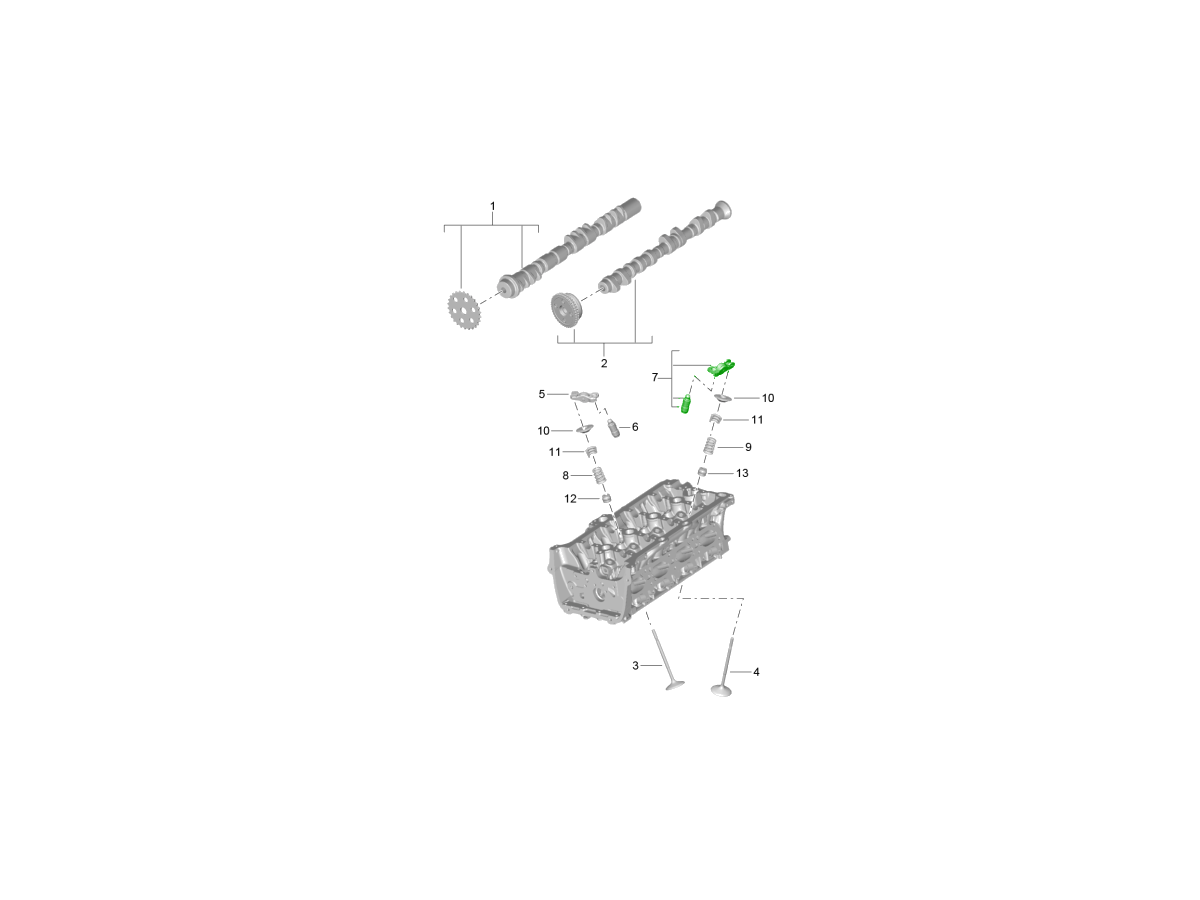
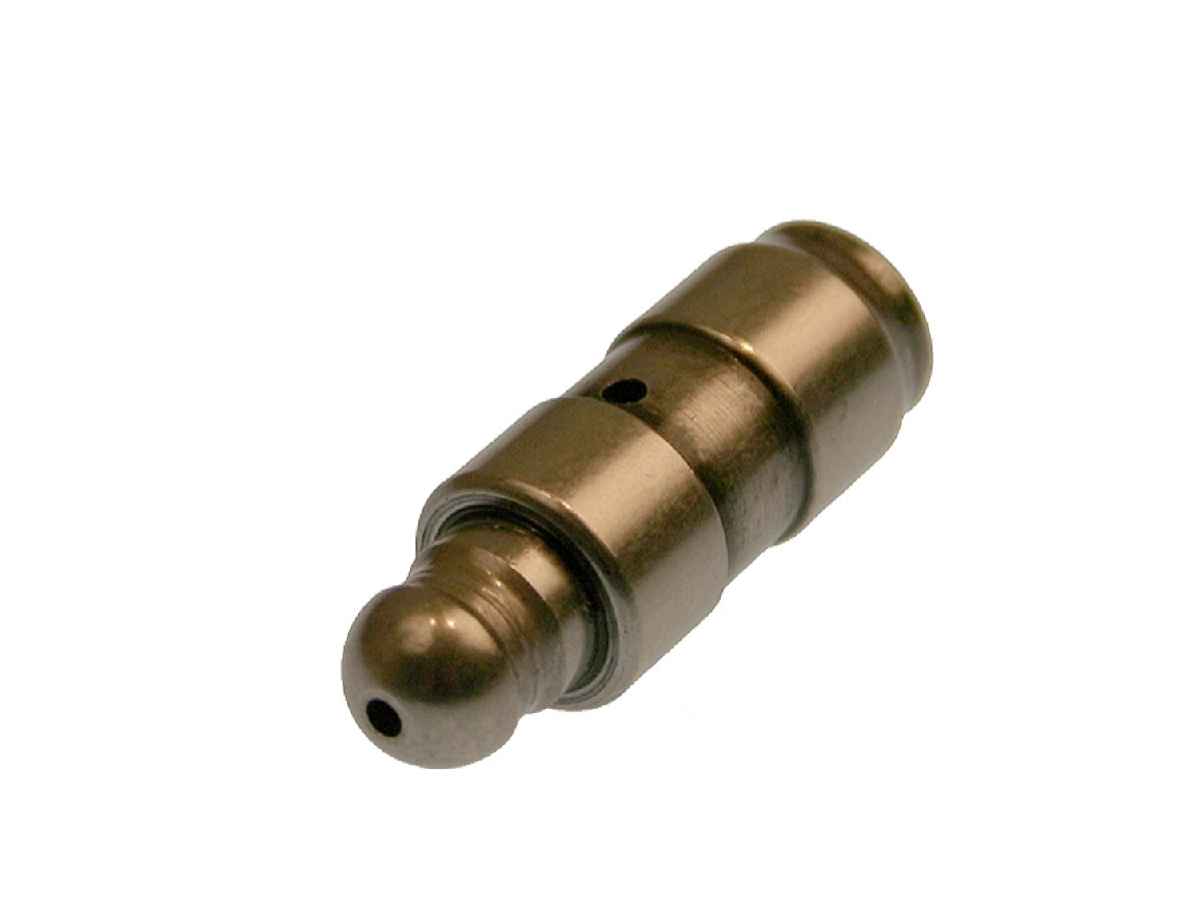


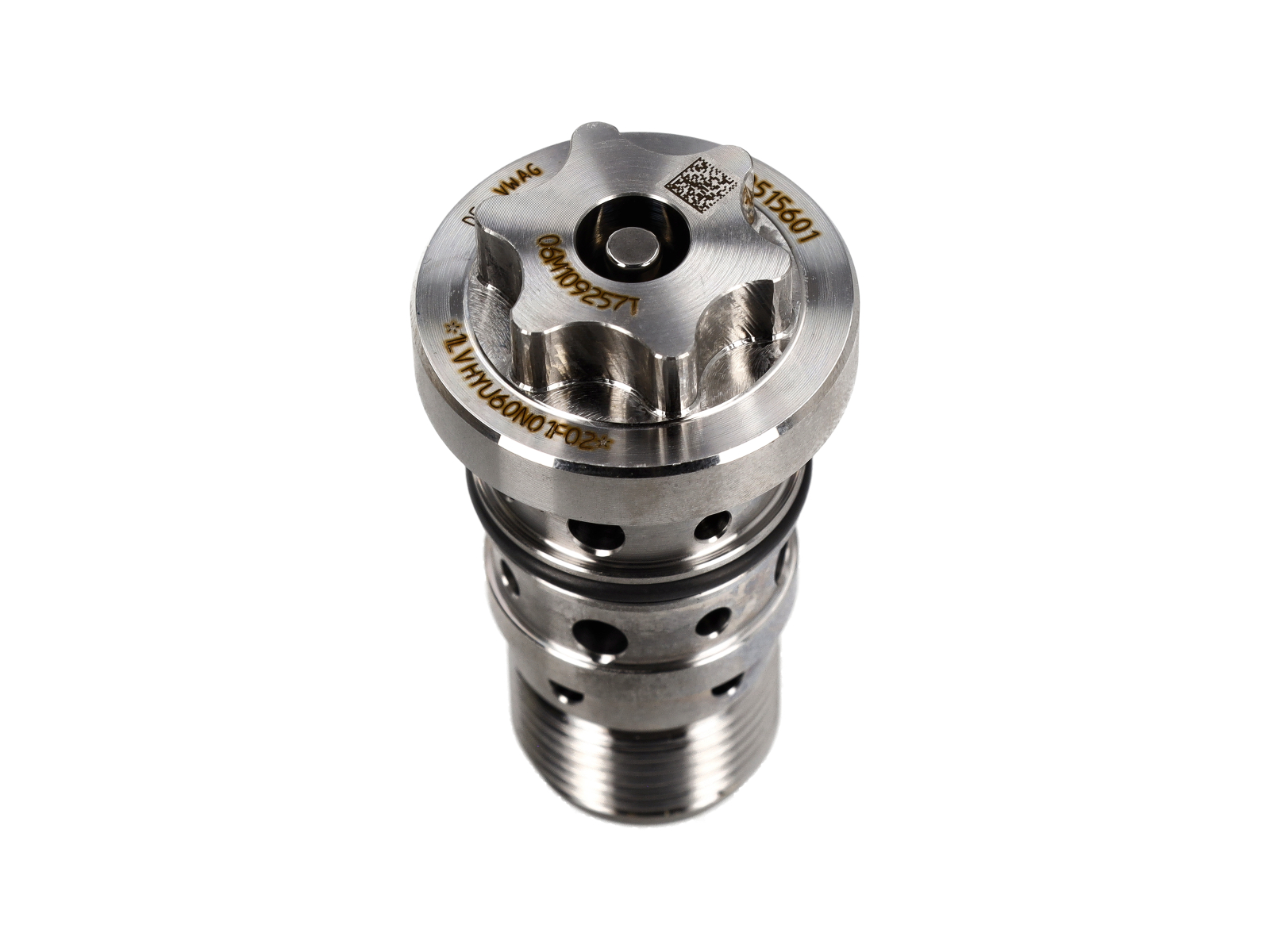
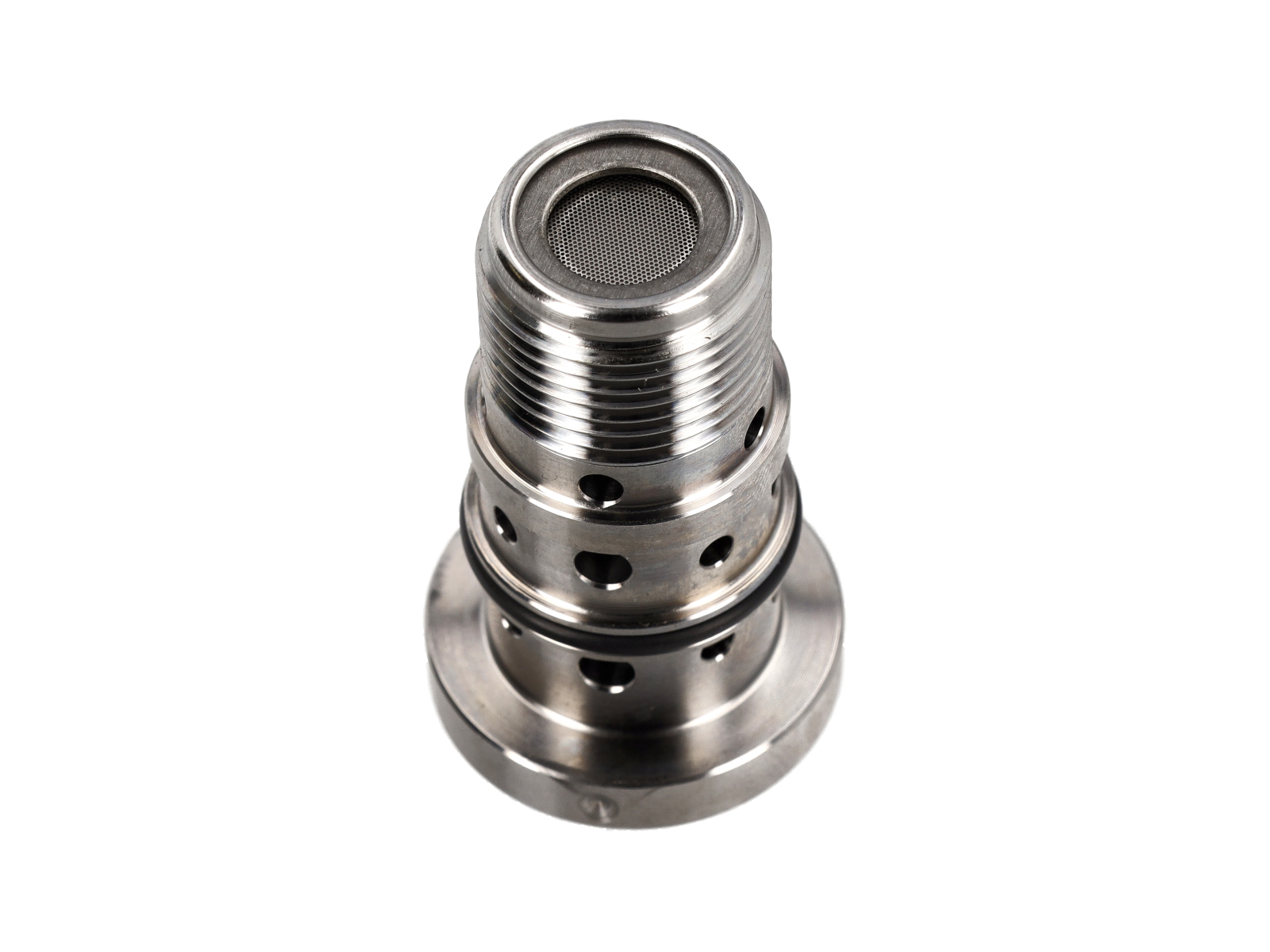
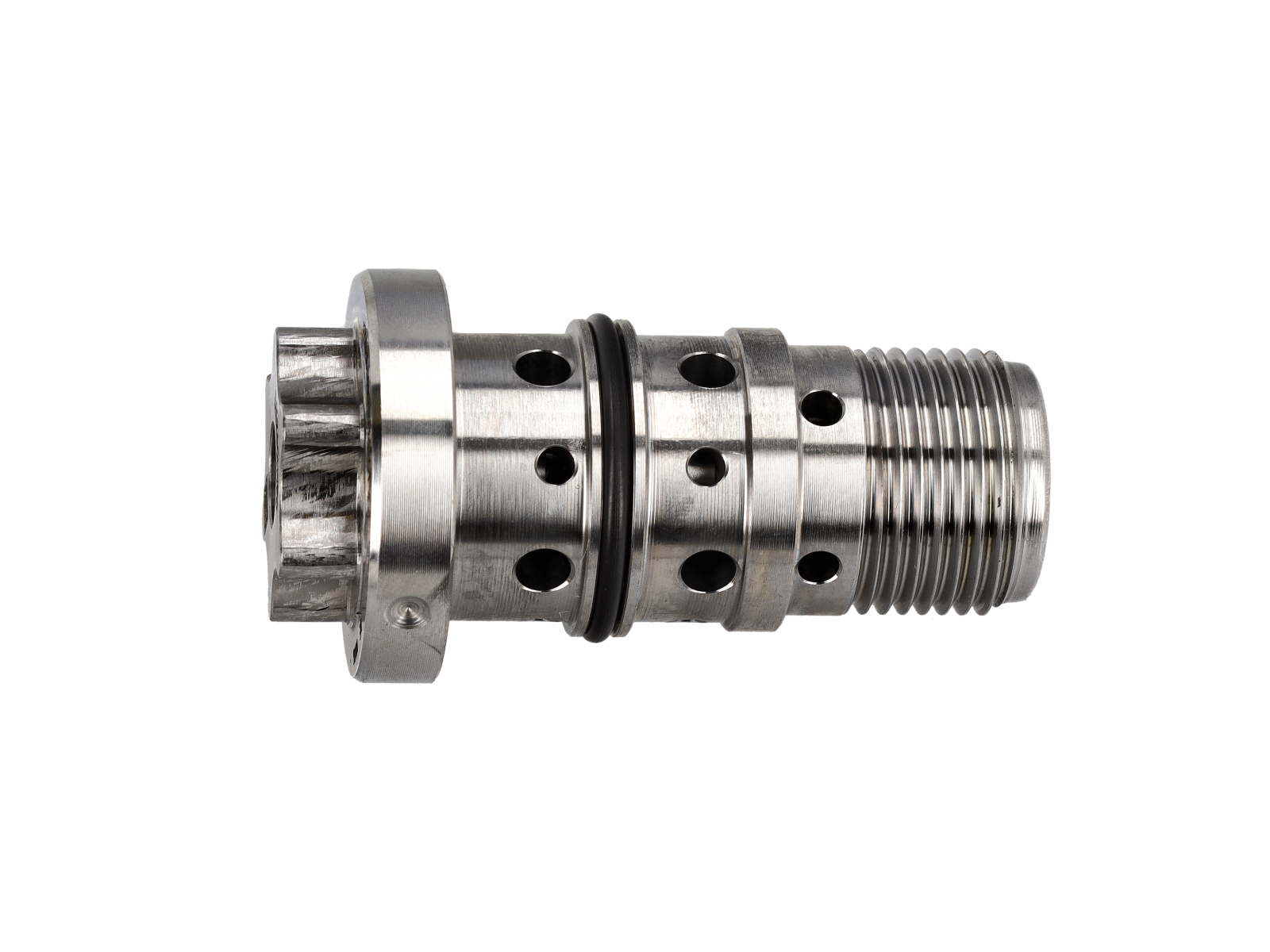

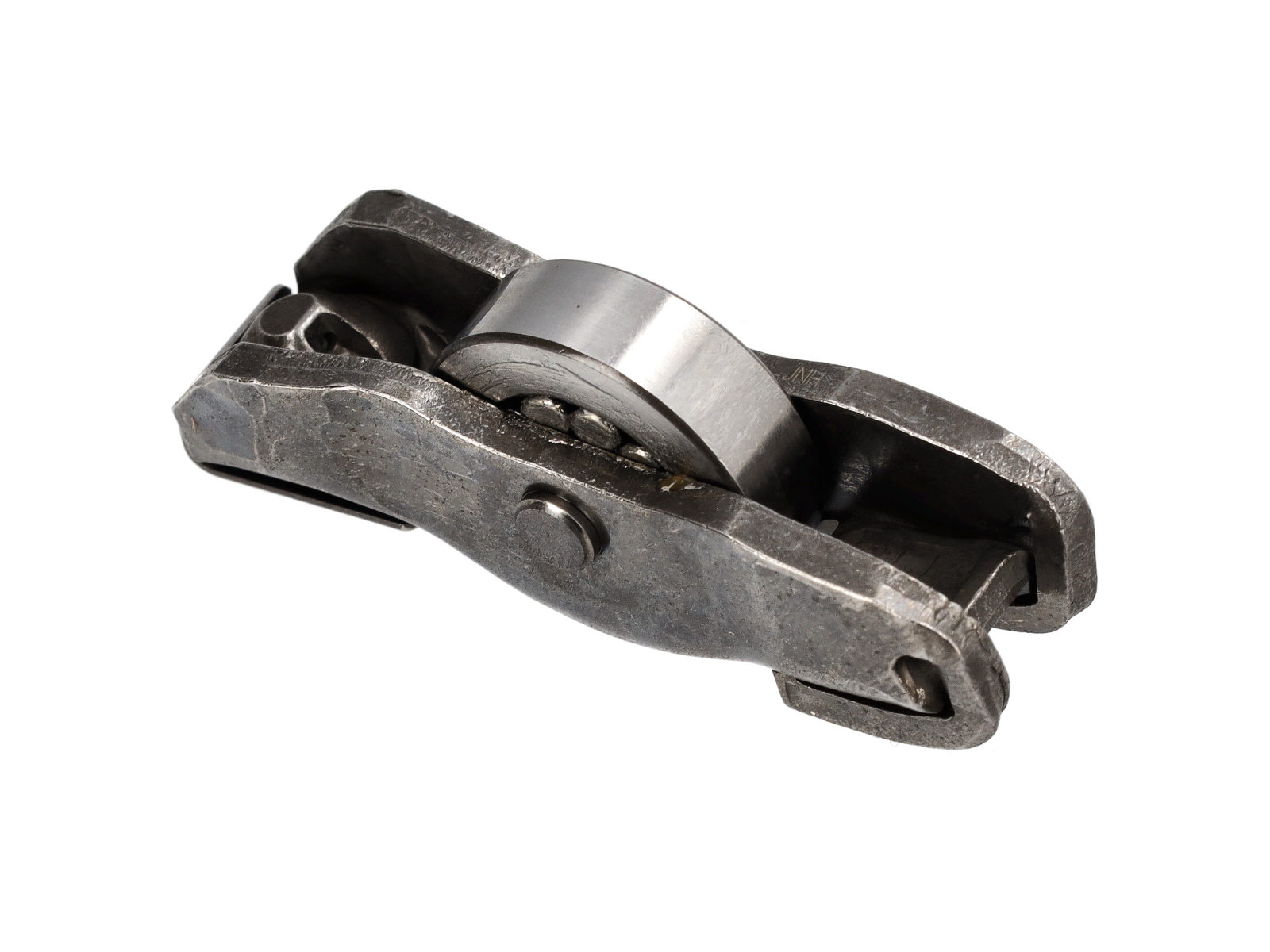
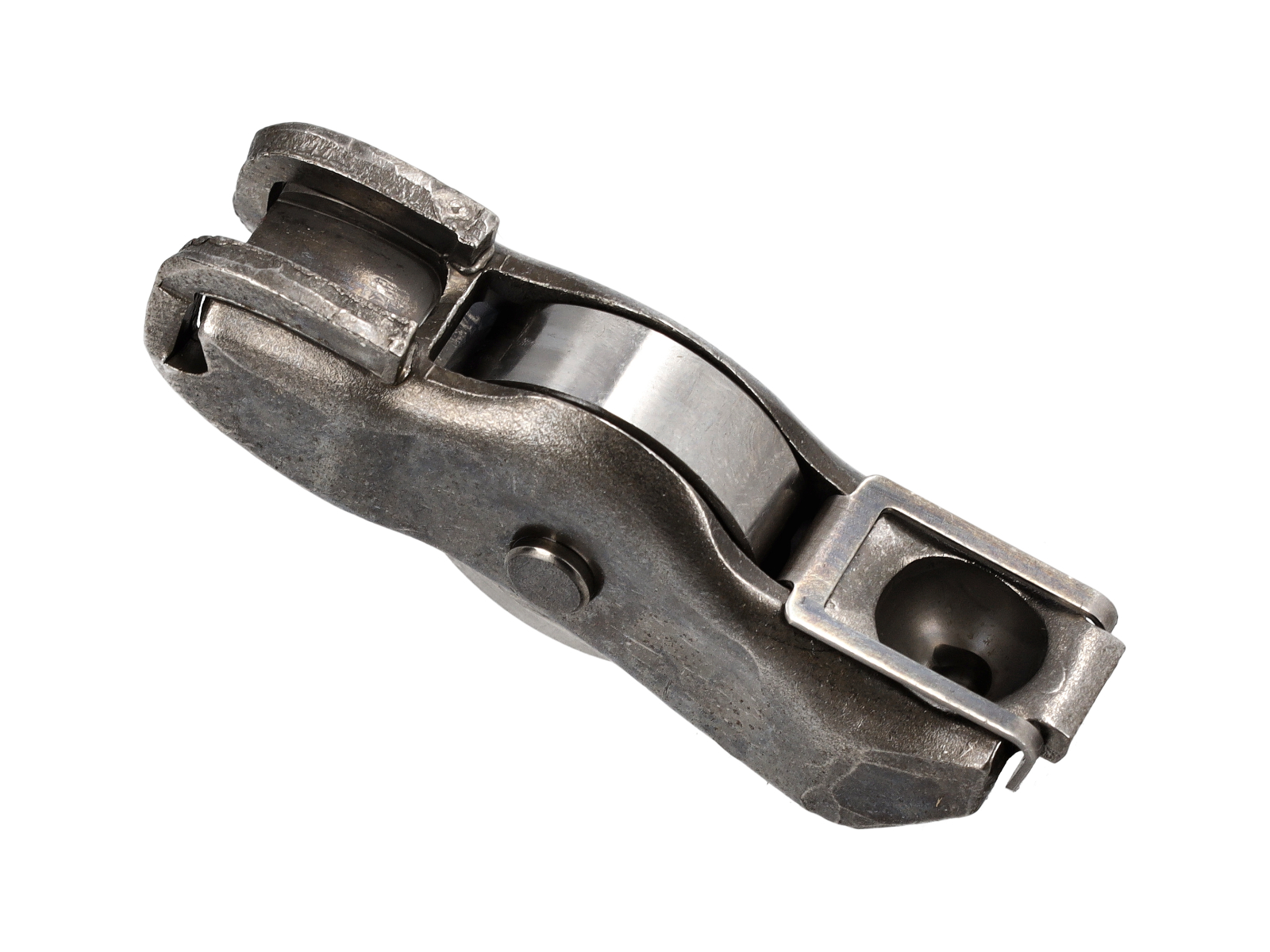
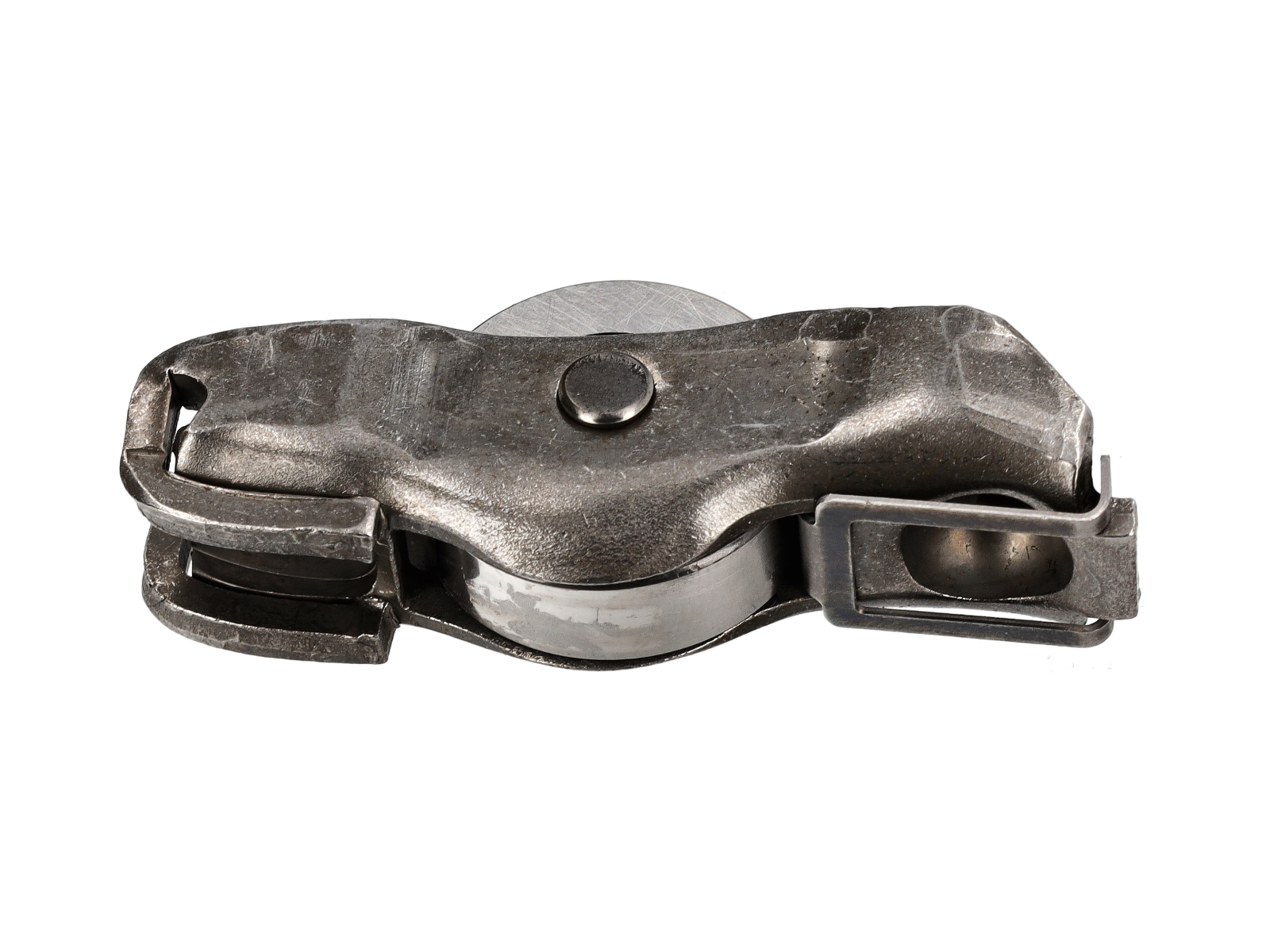
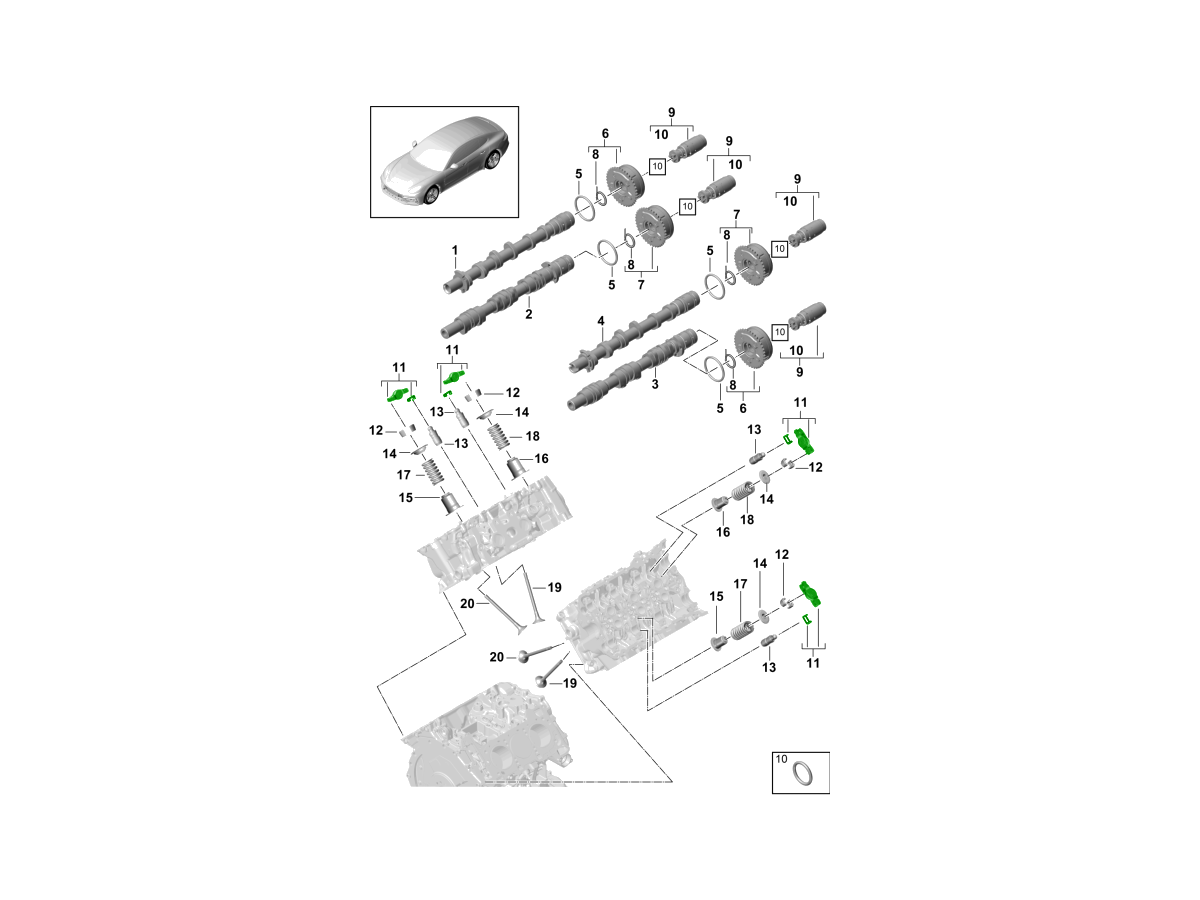
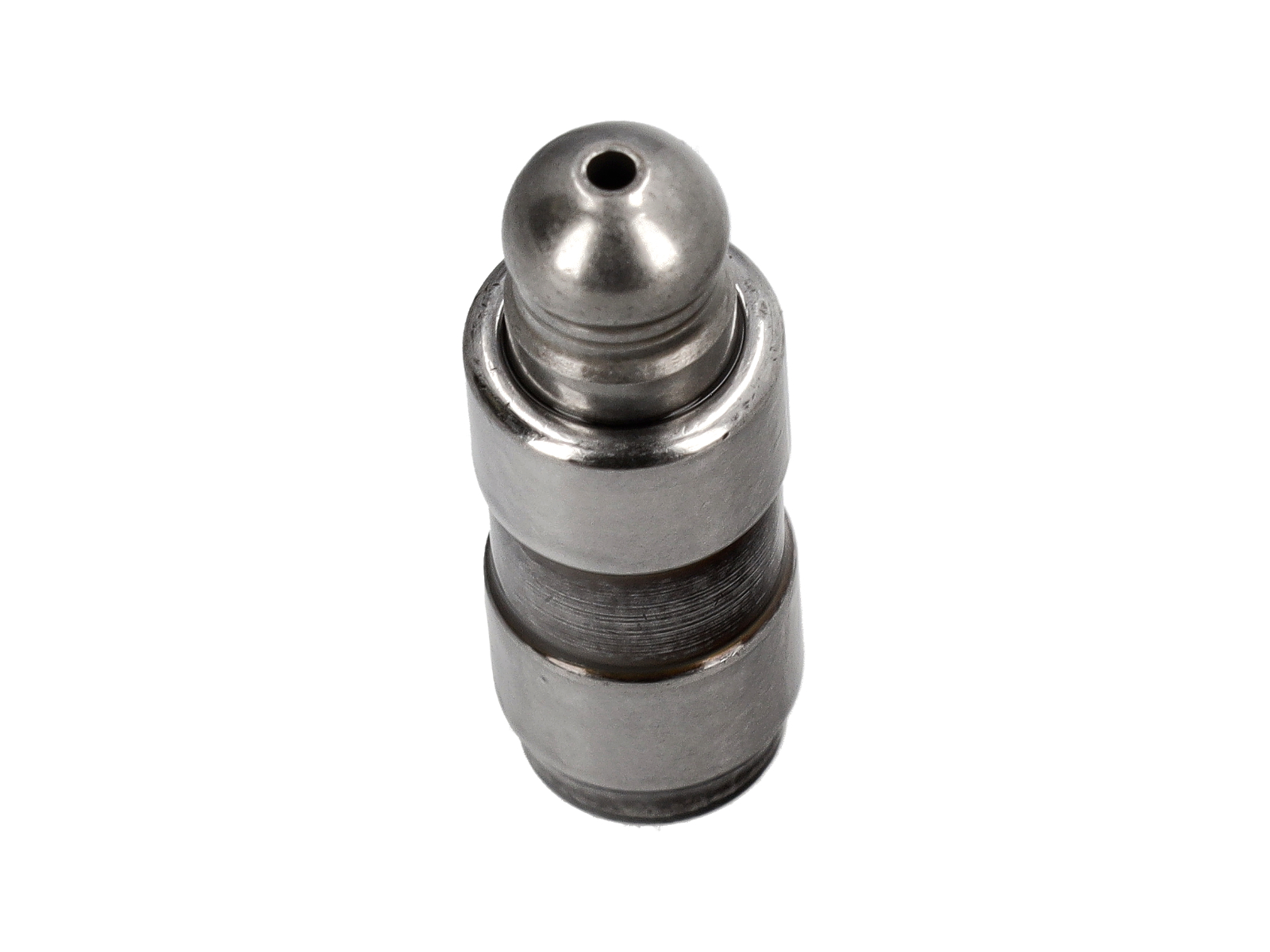
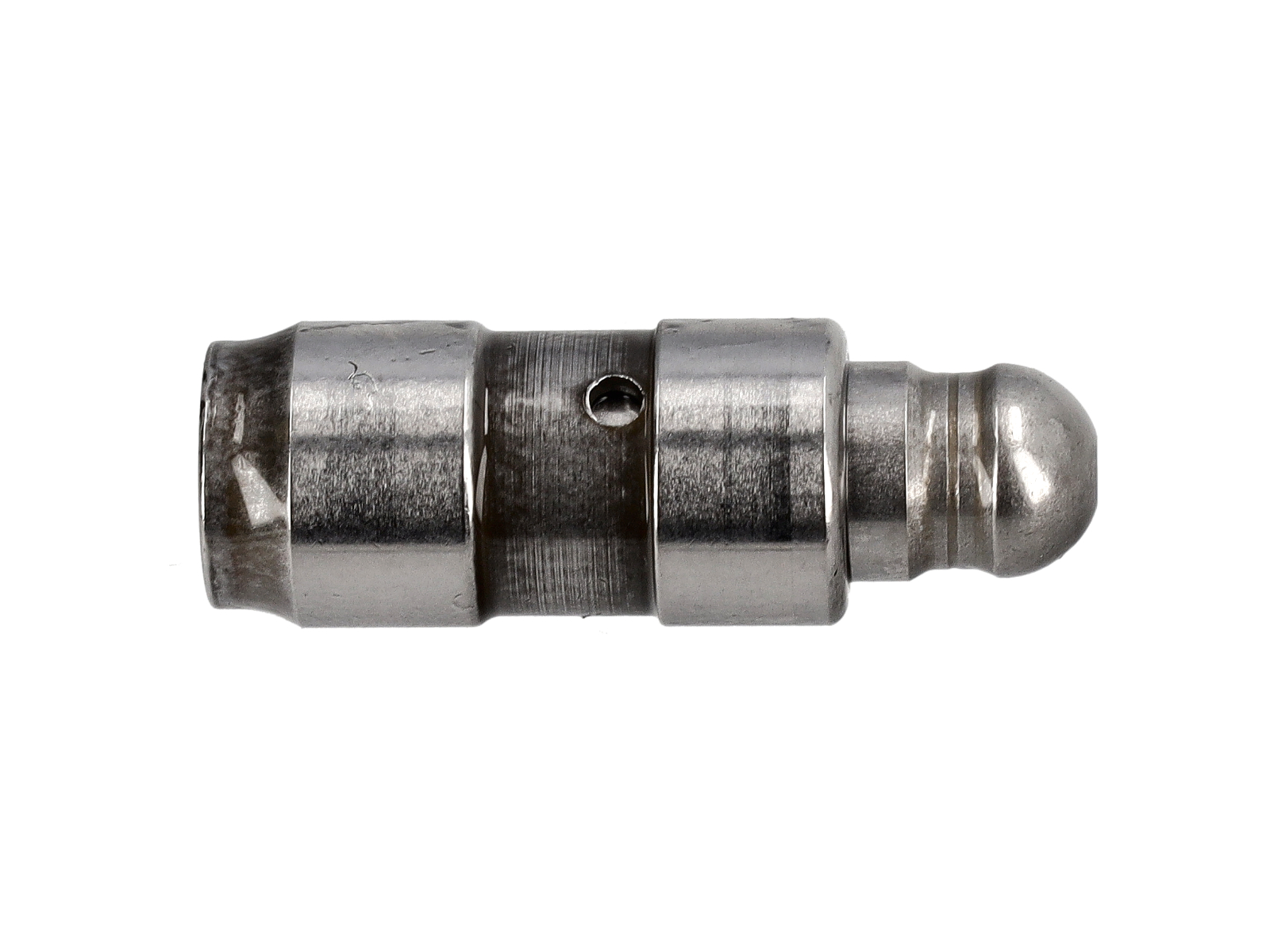
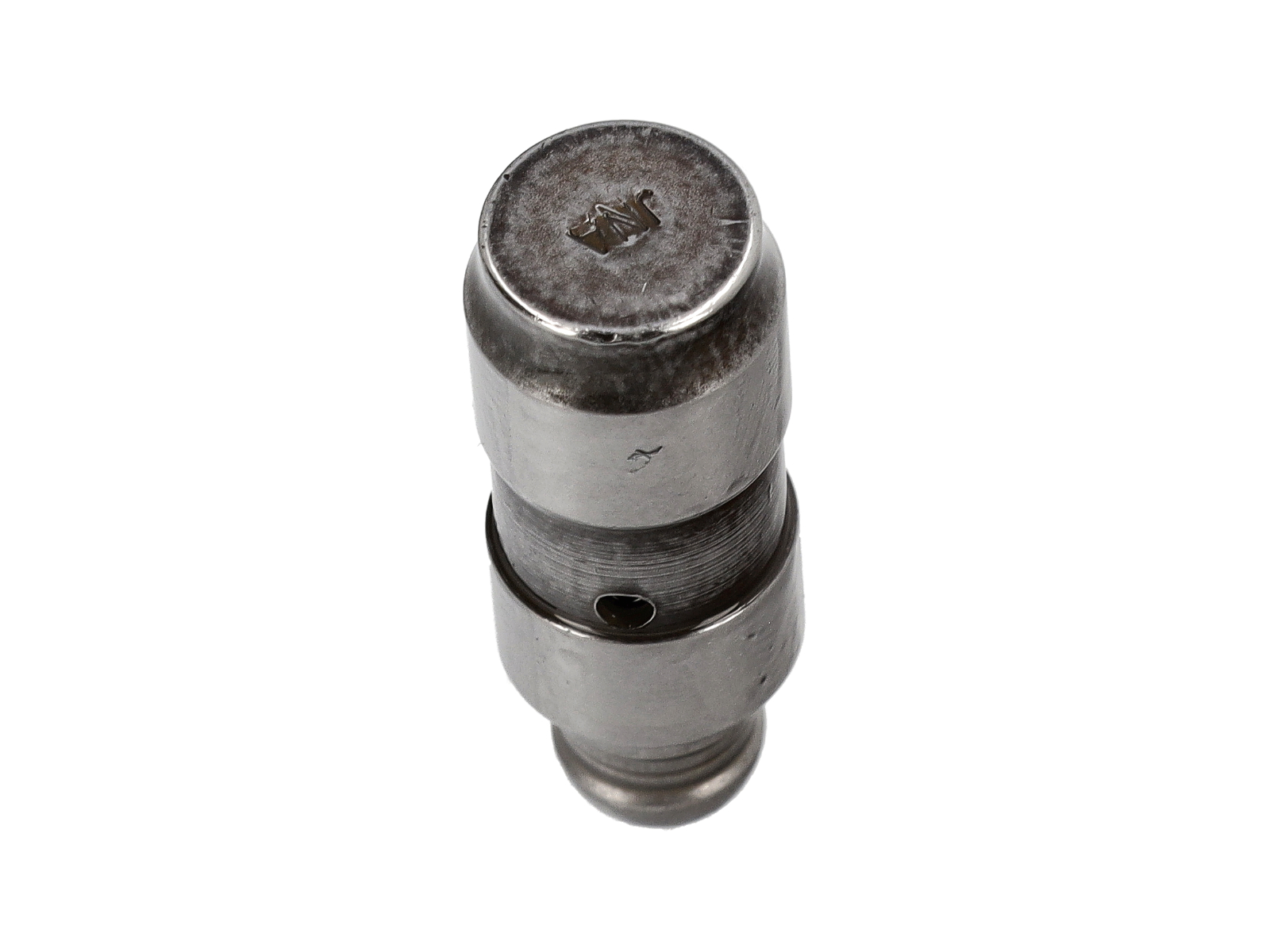
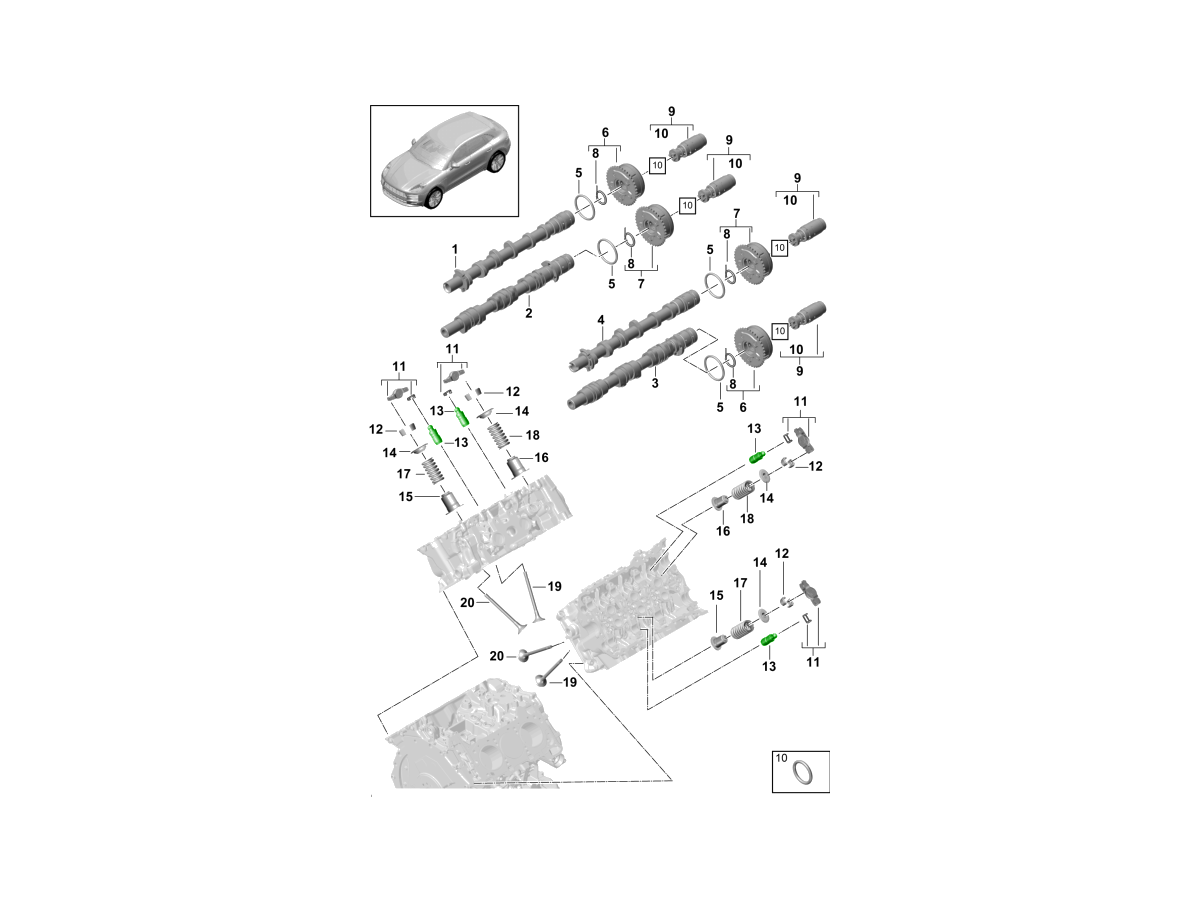
Sold individually; x24 required for V6 models and x32 for V8 models.
Fits:
Porsche 95B-2 Macan S 3.0L V6 2019-21
Porsche 95B-2 Macan GTS 2.9L V6 2019-21
Porsche 95B-2 Macan Turbo 2.9L V6 2019-21
Porsche 95B-3 Macan S 2.9L V6 2022>>
Porsche 95B-3 Macan GTS 2.9L V6 2022>>
Porsche 971-1 Panamera 3.0L V6 2017-21
Porsche 971-1 Panamera 4 3.0L V6 2017-21
Porsche 971-1 Panamera 4 E-Hybrid 2.9L V6 2017-21
Porsche 971-1 Panamera 4S 2.9L V6 2017-21
Porsche 971-1 Panamera GTS 4.0L V8 2017-21
Porsche 971-1 Panamera Turbo 4.0L V8 2017-21
Porsche 971-1 Panamera Turbo S E-Hybrid 4.0L V8 2017-21
Porsche 971-2 Panamera 2.9L V6 2021-24
Porsche 971-2 Panamera 4 2.9L V6 2021-24
Porsche 971-2 Panamera 4S E-Hybrid 2.9L V6 2021-24
Porsche 971-2 Panamera GTS 4.0L V8 2021-24
Porsche 971-2 Panamera Turbo S 4.0L V8 2021-24
Porsche 971-2 Panamera Turbo S E-Hybrid 4.0L V8 2021-24
Porsche 976 Panamera 2.9L V6 2024>>
Porsche 976 Panamera 4 2.9L V6 2024>>
Porsche 976 Panamera Turbo E-Hybrid 4.0L V8 2024>>
Porsche 9YA-1 Cayenne 3.0L V6 2018-24
Porsche 9YA-1 Cayenne E-Hybrid 3.0L V6 2018-24
Porsche 9YA-1 Cayenne S 2.9L V6 2018-24
Porsche 9YA-1 Cayenne GTS 4.0L V8 2018-24
Porsche 9YA-1 Cayenne Turbo 4.0L V8 2018-24
Porsche 9YA-1 Cayenne Turbo S E-Hybrid 4.0L V8 2018-24
Porsche 9YA-1 Cayenne Turbo GT 4.0L V8 2018-24
Porsche 9YA-2 Cayenne 3.0L V6 2023>>
Porsche 9YA-2 Cayenne E-Hybrid 3.0L V6 2023>>
Porsche 9YA-2 Cayenne S 4.0L V8 2023>>
Porsche 9YA-2 Cayenne S E-Hybrid 3.0L V6 2023>>
Porsche 9YA-2 Cayenne GTS 4.0L V8 2023>>
Porsche 9YA-2 Cayenne Turbo E-Hybrid 4.0L V8 2023>>
Porsche 9YA-2 Cayenne Turbo GT 4.0L V8 2023>>
Diagram ref. 13.
Related reference numbers
Related, superseded, cross reference or alternative numbers for comparison.
PAB109423
The product you are viewing cross references to these numbers
- Porsche 9YA Cayenne V6 3.0L Petrol (340Hp) 2018-23
- Porsche 9YA Cayenne Coupe V6 3.0L Petrol (340Hp) 2019-23
- Porsche 9YA Cayenne E-Hybrid V6 3.0L V6 (340Hp) 2018-23
- Porsche 9YA Cayenne Coupe E-Hybrid V6 3.0L (340Hp) 2020-23
- Porsche 9YA Cayenne S V6 2.9L Petrol (440Hp) 2018-23
- Porsche 9YA Cayenne Coupe S V6 2.9L Petrol (440Hp) 2019-23
- Porsche 9YA Cayenne GTS V8 4.0L Petrol (460Hp) 2020-23
- Porsche 9YA Cayenne Coupe GTS V8 4.0L Petrol (460Hp) 2021-23
- Porsche 9YA Cayenne Turbo V8 4.0L Petrol (550Hp) 2020-23
- Porsche 9YA Cayenne Coupe Turbo V8 4.0L Petrol (550Hp) 2019-23
- Porsche 9YA Cayenne Turbo S E-Hybrid V8 4.0L (550Hp) 2019-23
- Porsche 9YA Cayenne Coupe Turbo S E-Hybrid V8 4.0L (550Hp) 2020-23
- Porsche 9YA Cayenne Coupe Turbo GT V8 4.0L (640Hp) 2021-23
- Porsche 9YA.2 Cayenne V6 3.0L Petrol (353Hp) 2023>>
- Porsche 9YA.2 Cayenne Coupe V6 3.0L (353Hp) 2023>>
- Porsche 9YA.2 Cayenne E-Hybrid V6 3.0L (470Hp) 2023>>
- Porsche 9YA.2 Cayenne E-Hybrid Coupe V6 3.0L (470Hp) 2023>>
- Porsche 9YA.2 Cayenne S V8 4.0L Petrol (474Hp) 2023>>
- Porsche 9YA.2 Cayenne S Coupe V8 4.0L (474Hp) 2023>>
- Porsche 9YA.2 Cayenne S E-Hybrid V6 3.0L (519Hp) 2023>>
- Porsche 9YA.2 Cayenne S E-Hybrid Coupe V6 3.0L (519Hp) 2023>>
- Porsche 9YA.2 Cayenne Turbo E-Hybrid V8 4.0L (739Hp) 2023>>
- Porsche 9YA.2 Cayenne Turbo E-Hybrid Coupe V8 4.0L (739Hp) 2023>>
- Porsche 9YA.2 Cayenne Turbo E-Hybrid Coupe with GT Package V8 4.0 (739Hp) 2023>>
- Porsche 971.1 Panamera V6 3.0L 2WD (330 Hp) 2017-20
- Porsche 971.1 Panamera 4 V6 3.0L 4WD (330 Hp) 2017-20
- Porsche 971.1 Panamera 4 V6 3.0L 4WD Executive 2017-20
- Porsche 971.1 Panamera 4 3.0L Turbocharged V6 Sport Turismo 2017-20
- Porsche 971.1 Panamera 4S V6 3.0L 4WD (440 Hp) 2017-20
- Porsche 971.1 Panamera 4S V6 3.0L 4WD Executive 2017-20
- Porsche 971.1 Panamera 4S 2.9L Twin-Turbo V6 Sport Turismo 2017-20
- Porsche 971.1 Panamera 4S Diesel V8 4.0L 4WD (422 Hp) 2017-18
- Porsche 971.1 Panamera 4S Diesel 4.0L Twin-Turbo V8 Sport Turismo 2017-18
- Porsche 971.1 Panamera 4 E-Hybrid V6 2.9L 4WD 2017-20
- Porsche 971.1 Panamera 4 E-Hybrid V6 2.9L 4WD Executive 2017-20
- Porsche 971.1 Panamera 4 E-Hybrid 2.9L Twin-Turbo V6 Sport Turismo 2017-20
- Porsche 971.1 Panamera Turbo V8 4.0L 4WD (550 Hp) 2017-20
- Porsche 971.1 Panamera Turbo V8 4.0L 4WD Executive 2017-20
- Porsche 971.1 Panamera Turbo 4.0L Twin-Turbo V8 Sport Turismo 2017-20
- Porsche 971.1 Panamera Turbo S E-Hybrid V8 4.0L 4WD 2017-20
- Porsche 971.1 Panamera Turbo S E-Hybrid V8 4.0L 4WD Executive 2017-20
- Porsche 971.2 Panamera 2.9L V6 2021-23
- Porsche 971.2 Panamera 4 2.9L V6 2021-23
- Porsche 971.2 Panamera 4 Sport Turismo 2.9L V6 2021-23
- Porsche 971.2 Panamera 4S 2.9L V6 2021-23
- Porsche 971.2 Panamera 4S Sport Turismo 2.9L V6 2021-23
- Porsche 971.2 Panamera 4 E-Hybrid 2.9L V6 2021-23
- Porsche 971.2 Panamera 4 E-Hybrid Sport Turismo 2.9L V6 2021-23
- Porsche 971.2 Panamera 4S E-Hybrid 2.9L V6 2021-23
- Porsche 971.2 Panamera 4S E-Hybrid Sport Turismo 2.9L V6 2021-23
- Porsche 971.2 Panamera GTS 4.0L V8 2021-23
- Porsche 971.2 Panamera GTS Sport Turismo 4.0L V8 2021-23
- Porsche 971.2 Panamera Turbo S 4.0L V8 2021-23
- Porsche 971.2 Panamera Turbo S Sport Turismo 4.0L V8 2021-23
- Porsche 971.2 Panamera Turbo S E-Hybrid 4.0L V8 2021-23
- Porsche 971.2 Panamera Turbo S E-Hybrid Sport Turismo 4.0L V8 2021-23
- Porsche 976 Panamera V6 2.9L 2023>>
- Porsche 976 Panamera 4 V6 2.9L 2023>>
- Porsche 976 Panamera 4 E-Hybrid V6 2.9L 2023>>
- Porsche 976 Panamera 4S E-Hybrid V6 2.9L 2023>>
- Porsche 976 Panamera GTS V8 4.0L 2023>>
- Porsche 976 Panamera Turbo E-Hybrid V8 4.0L 2023>>
- Porsche 976 Panamera Turbo S E-Hybrid V8 4.0L 2023>>
- Porsche 95B.2 Macan S Petrol 3.0L V6 (354Bhp) 2019-21
- Porsche 95B.2 Macan GTS Petrol 2.9L V6 (380Bhp) 2019-21
- Porsche 95B.2 Macan Turbo 2.9L V6 (440Bhp) 2019-21
- Porsche 95B.3 Macan S Petrol 2.9L V6 (380Bhp) 2022>>
- Porsche 95B.3 Macan GTS Petrol 2.9L V6 (440Bhp) 2022>>
Shop Securely
12 Month Warranty
Worldwide Delivery

Monday-Friday: 8.30am - 5.30pm (GMT)
Saturday: Closed
Sunday: Closed