





Enter your VAT number here and click Verify:
Your details have been verified. VAT number registered to:
,
.
Your order will now be zero rated for VAT purposes. We reserve the right to verify these details after your order request has been made and reinstate VAT if required.
Your VAT details were not recognised or were invalid. Your VAT number must be matched to your Billing Country as specified above. This is currently specified as . You do not need to enter the country code part of your VAT number as this has already been selected in your billing address details above.
The VAT number checking service is currently offline. Please supply your VAT details within the comments or special instructions field below and we will apply a VAT discount after placing your order request.

- Accessories
- Brakes
- Chassis / Bodywork
- Clothing & Gifts
- Electrical & Relays
- Engine Cooling
- Engine Electrical
- Engine Rebuild Parts
- Engine Tuning
- Exhausts
- Exterior Styling / Spoilers
- Gearbox / Transmission
- Heating / Air Conditioning
- Hydraulics
- Incar / Multimedia
- Interior & Accessories
- Lighting
- Mats & Carpets
- Motorsport and Off-Road
- Parts for Other Cars
- Pedal Cluster
- Rubber Seals
- Seats & Seat Belts
- Service Parts
- Special Offer Parts
- Steering Parts
- Suspension & Axle
- Suspension Upgrades
- Tyres
- Wheel Accessories
- Wheels
Prekom

Prekom for Porsche
Prekom is a family-run business specialising in steering and suspension parts renovation and manufacturing, with a strong focus on Porsche applications. Their range covers stock replacement steering and suspension components for Porsche models, supplied through Design911
A Quick Look at Prekom
The Prekom family passion has always been cars, technology and aiming to do things that they like the most. This spark led to the start of production and renovation of steering and suspension car parts in 1978, and the second generation is now running the business. Over time they have focused on manufacturing and industrial renovation of aftermarket suspension and steering parts. After initially working across a wide variety of car brands, including steering parts for buses, transportation and construction vehicles, they have for the last two decades specialised in stock replacement steering and suspension parts for Porsche, Ferrari, Maserati and Lamborghini vehicles. Prekom are also OEM to several Porsche parts. Information on this page is based on details supplied by the manufacturer or distributor, plus any OE references provided with the parts.
Choosing the Right Fit for Your Porsche
Where Prekom parts are listed for Porsche, use the supplied model coverage and OE references on the product pages to confirm suitability. Pay close attention to details that commonly affect fitment such as model year, body variant, steering layout, side/position, and any notes about bushes, joints, or mounting style.
- Typical reasons people replace these parts include wear in steering and suspension components, restoring precise handling and safety, and choosing stock replacement options that match original characteristics.
- Common symptoms before replacement can include knocking over bumps, vague steering, wandering, uneven tyre wear, vibration through the wheel, and clunks when turning or braking.
- Practical tips include planning for a professional wheel alignment after steering or suspension work, inspecting related bushes and joints at the same time, and replacing parts in axle pairs where sensible for balanced behaviour.
Browse by Category
If you already know the area you are working on, start with the category and then filter by Porsche model. Where real-world symptoms and typical reasons to replace are provided, use them to keep the diagnosis and parts choice grounded.
Steering Parts — Steering components from Prekom are used to restore precise control and feedback in Porsche models where listed. They are typically chosen when addressing play, knocking, or vague steering, and when you want stock replacement parts that work with the original system design.
Track Rods — Track rods (tie rods) connect the steering rack to the hubs; Prekom replacements, where available for Porsche, are used to remove play, improve alignment control, and bring back a direct steering feel during routine maintenance or front-end refresh work.
Suspension & Axle — In this area, Prekom suspension and axle parts for Porsche are aimed at bringing ride, stability and braking behaviour back to how it should be when original components have worn, with a focus on stock-style geometry and fitment.
Track Control Arms FRONT — Front track control arms from Prekom, where listed for Porsche, are selected to correct geometry, reduce unwanted movement and restore steering precision when original arms, bushes or ball joints have degraded.
Suspension Upgrades — Where Prekom components appear within suspension upgrade packages for Porsche, they are generally used to renew key wear items as part of a wider upgrade, helping keep geometry consistent while other performance parts are fitted.
Explore Prekom at Design911
View the current Prekom range for Porsche at Design911, then filter by model and category to narrow down to the right parts. Always cross-check product notes, OE references and fitment information before ordering, and consider professional installation and alignment for steering and suspension work.
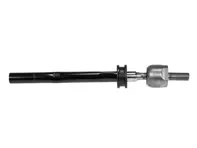

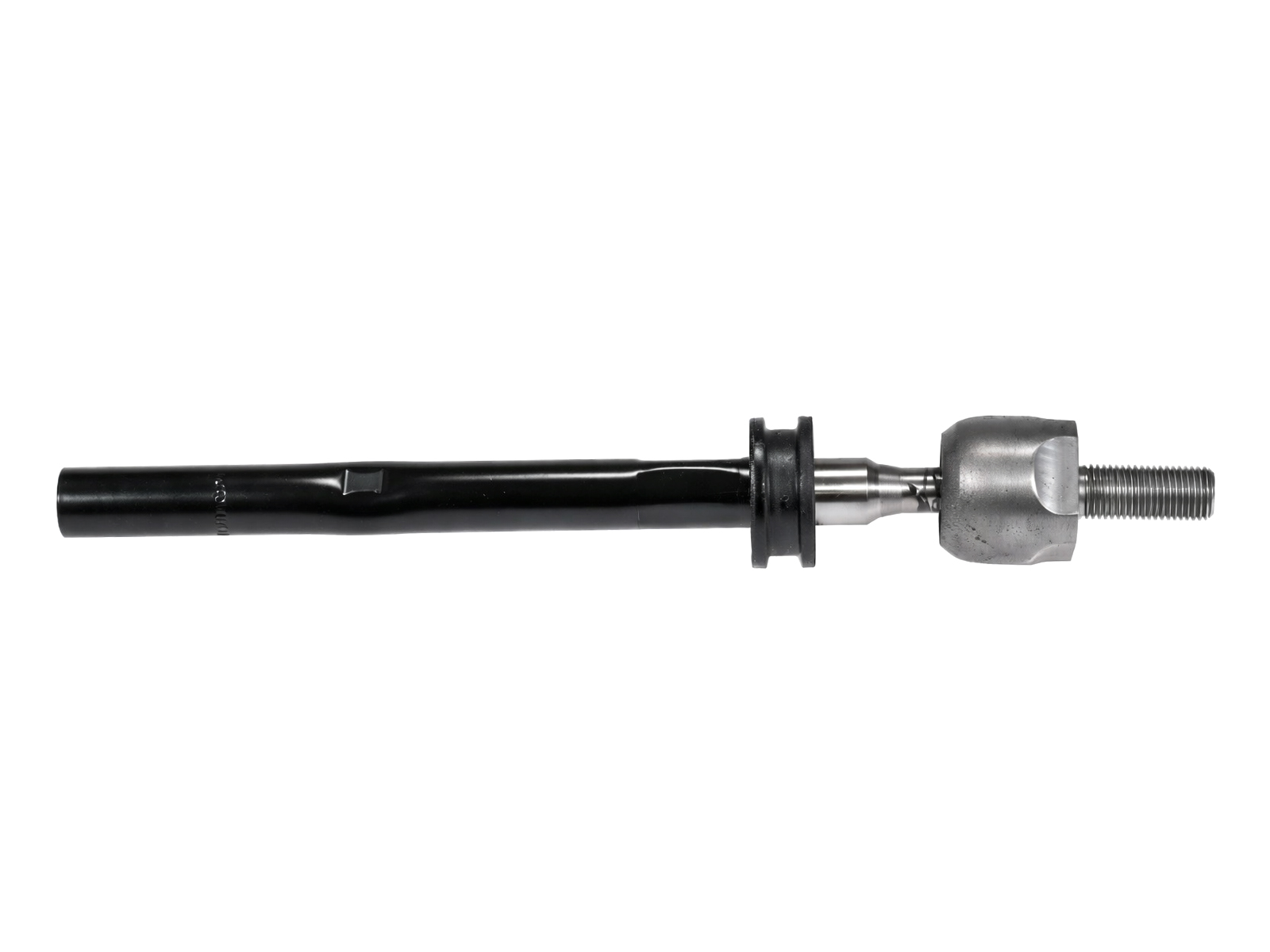
Renew your Porsche 964’s front steering linkage with this genuine inner track rod joint. Designed for the 964 C2 (1989-93) and Turbo 3.3/3.6L (1991-93), this joint provides the crucial connection between the steering rack and the track rod’s inner end, ensuring precise direction input and maintaining proper steering geometry. Whether you’re restoring, upgrading, or maintaining your 964, this joint is a direct-fit component that restores confidence in the front end.
Sold Each. x2 Required Per Car.
Fits:
- Porsche 964 (911) C2 1989-93
- Porsche 964 (911) TURBO 3.3L 1991-93
- Porsche 964 (911) TURBO 3.6L 1991-93
What This Product Does:
- The track-rod assembly transmits steering input from the steering rack/column to the wheels. The inner joint is a critical pivot point enabling the rod to align with changing suspension and steering geometry.
- This inner joint ensures that the steering rack’s motion is translated precisely to the front wheels, without unwanted play or slack in the linkage.
- Because the joint allows articulation yet must resist lateral movement and play, it contributes to steering precision, directness of input, and accurate response of the front wheels.
- A properly functioning inner joint means the front wheels respond accurately to the driver’s steering input and hold correct alignment/tie-rod geometry under load (braking, cornering).
Signs Of Wear Or Failure:
- Steering play or vague steering feel — the front end lacks sharpness, there may be a slight dead-zone or loose feeling at the steering wheel.
- Clunking, knocking or clicking noises from the front end when going over bumps or when turning the steering wheel, indicating excessive movement in the joint.
- Uneven or rapid tyre wear on the front wheels — because the tie-rod geometry is compromised, alignment may drift under load.
- Delayed or imprecise steering response — the car may feel less direct or “mushy” when steering.
- On inspection: visible play in the joint, torn rubber boots, corrosion or visible wear in the fork end.
Why Replacement / Upgrade Matters:
- A worn inner joint undermines the entire steering chain: even if other components (outer rod ends, rack) are new, a weak inner joint will allow slack, reduce precision and degrade response.
- On a Porsche 964, which is performance-oriented and often driven spiritedly, steering feel and precision are key. Replacing this joint ensures the driver retains direct feedback and control.
- Replacement improves safety and long-term reliability: worn joints can lead to much worse outcomes (mis-steering, alignment issues).
- It also maintains value: correctly replacing steering components is important for older collect- and performance cars — a well-maintained steering linkage is viewed positively.
- If the vehicle has been modified (wider tyres, lower suspension, track use), ensuring this inner joint is in good order is essential to getting maximum benefit from those upgrades.
Related reference numbers
Related, superseded, cross reference or alternative numbers for comparison.
96434705805
The product you are viewing cross references to these numbers
- Porsche 964 (911) C2 1989-93
- Porsche 964 (911) TURBO 3.3L 1991-93
- Porsche 964 (911) TURBO 3.6L 1991-93
 Shop Securely
 12 Month Warranty
 Worldwide Delivery
 Express Delivery
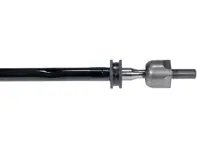
Track Rod Inner Joint.
Upgrade or refresh the front steering linkage of your Porsche 964 with this inner track rod joint. Designed for the Carrera 4 and RS models from 1989 to 1994, this precision joint sits at the inner end of the tie rod, ensuring precise steering geometry and eliminating play. Whether you’re restoring a 964 or improving the performance of a track-prepared example, this component restores sharp, dependable steering feel and correct front-end alignment.
Sold Each.
x2 Required Per Car.
Fits:
What This Product Does:
Symptoms Of Wear Or Failure:
- Steering play or slop — a vague or loose feeling in the steering, particularly around straight-ahead or under small inputs.
- Knocking or clicking noise from the front end, especially when going over bumps or during steering movements, indicating the joint is moving where it shouldn’t.
- Front alignment drifting or uneven tyre wear — because the rod end is no longer maintaining correct alignment under load.
- Delayed or imprecise steering response — the front wheels might not change direction as promptly because the linkage has movement built in.
- Inspection shows visible wear or looseness — The joint may have excessive play when physically moved, or the boot might be torn or missing, exposing the internals to dirt or contamination.
- A worn or loose inner track rod joint undermines your front-end suspension geometry and steering accuracy. Replacing with a new correct part ensures the steering system functions as intended, renewing precision and responsiveness.
- On a Porsche 964 (especially C4 or RS models) where handling and driver feedback are key, a tight inner joint helps maintain the connection between driver input and front-wheel behaviour — critical for both everyday driving and spirited use.
- It also reduces the risk of secondary wear: when one joint in the system is loose, other components (tie rods, rack ends, knuckles) may suffer increased stress or wear.
- From a safety and inspection viewpoint, worn rod ends are common failure items during vehicle exams — replacing the inner joint is part of good maintenance.
- If modifications (wider tyres, stiffer suspension, track use) are in place, ensuring all steering joints are in top order preserves the benefit of those upgrades and avoids a “weak link” in the steering chain.
Related reference numbers
Related, superseded, cross reference or alternative numbers for comparison.
96434705804
The product you are viewing cross references to these numbers
- Porsche 964 (911) C4 1989-93
- Porsche 964 (911) RS 3.6L 1991-93
- Porsche 964 (911) RS 3.8L 1991-93
Shop Securely
12 Month Warranty
Worldwide Delivery
Express Delivery
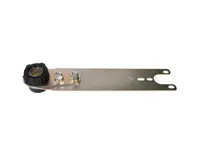
Renew the rear torsion-bar mounting on your Porsche 356 C with this premium adjustable spring plate. Finished in corrosion-resistant zinc plating and featuring an open design, this spring plate offers both durability and flexibility. The adjustable indexing mechanism allows accurate control of ride height and corner balance, making it ideal for restoration, performance upgrades or precision chassis setup. Equipped to accept standard torsion bars and bushes, this unit provides direct fitment and restores the integrity of your rear suspension mounting system.
Sold Each.
x2 Required Per Car.
Fits:
- Porsche 356C 1963-65
What This Product Does:
- In a torsion-bar rear suspension setup, the torsion bar acts as the spring. The spring plate is the component that anchors the torsion bar end, holds it in position, and transmits spring loads into the chassis or subframe.
- The adjustable plate allows the torsion bar mounting point’s position or preload to be varied, giving control over ride height and corner balancing without needing major suspension changes.
- Because this version is zinc-plated, it offers improved corrosion resistance compared to untreated plates—helpful given the age of many 356-series cars.
- The “opened type” design, while more exposed, may simplify access for inspection or adjustment, and may reduce the weight or complexity of the cover.
- Overall, the spring plate ensures correct geometry of the rear suspension, maintains consistent ride height, and ensures the torsion bar works within its intended range.
Symptoms & Signs It Might Need Replacement/Upgrade:
- Rear ride height is low, uneven, or difficult to set accurately; the car sits differently on one side or the rear sags.
- Clunking or knocking noises from the rear when going over bumps, especially if the torsion-bar end is shifting in its mount.
- Rear suspension geometry drifting under load — tyres showing unusual wear, or rear end feeling less stable in corners.
- Visible corrosion, fatigue, deformation or play in the spring plate or its mountings; the zinc plating may be pitted, or the plate may be weakened.
- If you’re restoring the car, or have modified the suspension (lowering ride height, wider tyres, upgraded rails), you might need the adjustable feature of the new plate for proper setup.
Why Replacement / Upgrade Matters:
- Given the age of many Porsche 356 C cars, original spring plates may have corrosion, fatigue, or mis-alignment — replacing with a high-quality zinc-plated adjustable type helps restore structural integrity.
- The adjustable function gives flexibility for ride-height tuning and corner balancing, which is especially beneficial when restoring, upgrading, or converting to performance use.
- The zinc-plated finish improves resistance to rust and environmental wear, which contributes to longevity and maintenance-free performance.
- Using a correctly specified spring plate ensures the torsion bar mount behaves as intended, keeps geometry intact, and allows the rear suspension to function with precision. This means better handling, consistent ride height, fewer alignment issues, and longer lasting components.
- In summary, upgrading this small but essential part is a foundational move in a restoration or performance refresh of a classic Porsche torsion-bar rear suspension.
Related reference numbers
Related, superseded, cross reference or alternative numbers for comparison.
69533301300
The product you are viewing cross references to these numbers

- Porsche 356C 1963-65
Shop Securely
12 Month Warranty
Worldwide Delivery
Express Delivery
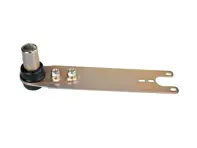
Renew the rear torsion-bar mount on your classic Porsche 356 with this premium adjustable, zinc-plated, closed-type spring plate. Designed for models from the Pre-A era through 356 A and 356 B. The plated finish ensures long-term corrosion resistance, while the closed-type design offers improved durability and cleaner appearance. With its adjustable indexing feature, you can set ride height or corner balance precisely — ideal for restoration, spirited driving or show-quality builds.
Sold Each.
x2 Required Per Car.
Fits:
- Porsche 356 1950-55
- Porsche 356A 1955-59
- Porsche 356B 1959-63
What This Product Does:
- In a torsion bar suspension, the torsion bars provide springing by twisting under load, and the spring plate is the mount that anchors and supports the torsion bar end, controls ride height, and maintains alignment of the bar mounting.
- An adjustable spring plate allows for ride-height or corner-balancing changes by indexing or re-positioning the torsion bar mount. The “closed type” design improves durability and sealing of the mounting area.
- The zinc plating adds rust/corrosion protection, especially important in older cars with exposed suspension components.
- By maintaining correct mount geometry, the spring plate ensures that the torsion bar works within its intended range, the rear axle remains located correctly, and the chassis retains its handling characteristics.
Symptoms & Signs Of Wear Or Needing Replacement:
- Ride height is inconsistent or cannot be set accurately — e.g., rear is lower or higher than specification, even after index adjustment.
- Rear axle movement, clunks or knocks from the rear suspension when the car is driven over bumps — indicating play in the torsion bar mount or plate.
- The torsion bar mount area shows visible corrosion, fatigue, or deformation of the plate or its mountings.
- Suspension geometry (camber, toe) drifting under load or cornering — because the torsion bar mounting is loose or shifting.
- Difficulty in re-indexing torsion bars or keeping ride height consistent. The adjustable feature may be worn or seized.
Why Replacement / Upgrade Matters:
- On early 356 cars these parts are old and often have corrosion, fatigue, or alignment issues from decades of use and environmental exposure. Replacing the spring plate restores structural integrity.
- An Adjustable + Zinc-Plated + Closed type unit offers several advantages:
- Adjustable for ride height or corner balancing if you’re restoring or modifying the car.
- Zinc plating for corrosion protection extends lifespan.
- Closed type design better seals the mount area, prevents debris ingress and offers improved durability.
- Correct ride height and suspension geometry are critical for handling and tyre lifespan — a compromised spring plate undermines these.
- For restoration projects, retaining or improving original design intent with quality parts is essential for driving feel and value.
Related reference numbers
Related, superseded, cross reference or alternative numbers for comparison.
64434105
The product you are viewing cross references to these numbers
- Porsche 356 1950-55
- Porsche 356A 1955-59
- Porsche 356B 1959-63
Shop Securely
12 Month Warranty
Worldwide Delivery
Express Delivery
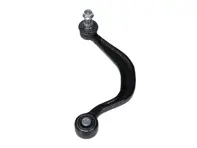
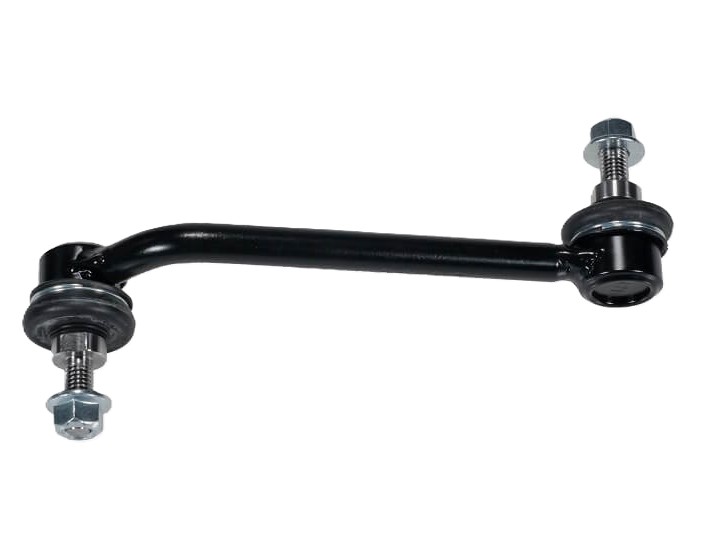
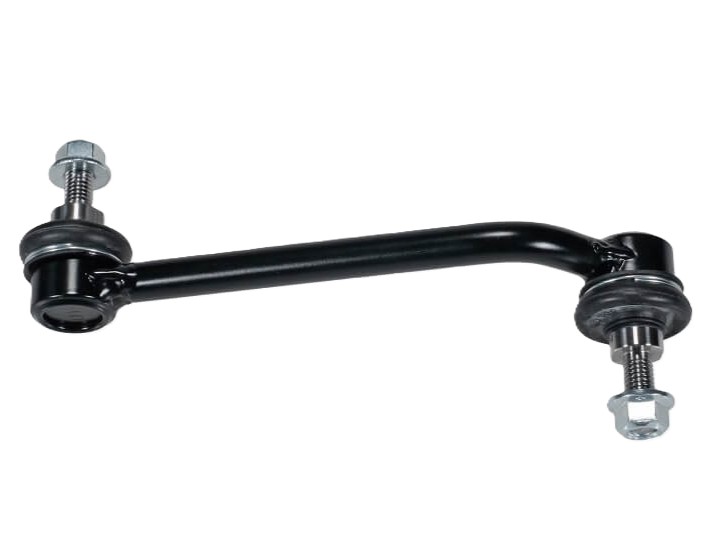
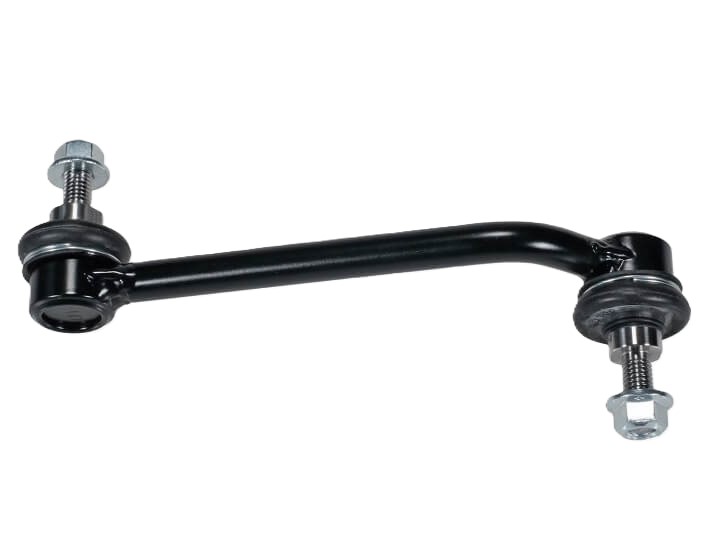
Upgrade the front stabiliser system of your Porsche 993 with these high-performance drop links. Engineered for 1994-1997 911 Turbo / C4 / C4S models with sport suspension, these links incorporate a firmer 85 Shore-rated joint to ensure direct load transfer, reduced body-roll, and sharper front-end handling. Whether you’re restoring, tuning or preparing for track use, these drop links provide a direct-fit, performance-grade solution to improve stabiliser bar engagement and overall chassis response.
Fits:
- Porsche 993 (911) C4 1994-97
- Porsche 993 (911) C4S 1994-97
- Porsche 993 (911) TURBO 1994-96
- Porsche 993 (911) TURBO S 1994-97
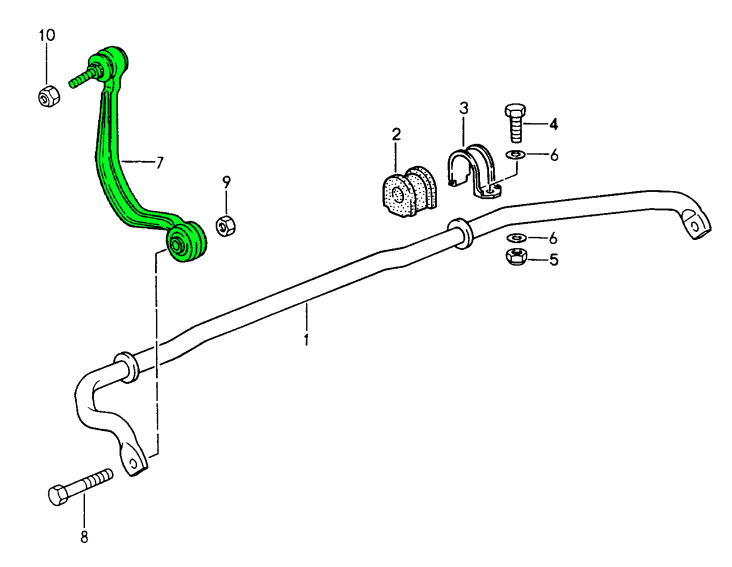
Diagram Ref No 7
What This Product Does:
- The front drop link connects the front anti-roll bar (stabiliser bar) to the suspension (typically via a control arm or strut leg). Its function is to transmit roll forces from the wheel/suspension movement into the bar so the bar resists body-roll.
- By upgrading to a drop link with a stiffer (85 Shore) rating, the mount allows less flex and compliance in the drop link’s joints/bushings. That means the stabiliser bar is engaged more directly, the front end stays better controlled under cornering, and the roll-balance between left/right is tighter.
- The result: sharper front-end response, reduced body-roll, improved feedback, and more consistent handling — particularly beneficial for high-performance or track-driven vehicles.
Symptoms & Signs Of Wear / Need For Upgrade:
- Clunking or knocking noises from the front end when going over bumps or quick direction changes — indicative of worn link joints/bushings.
- Excessive body roll or vague front-end response — when the drop link allows too much compliance, the stabiliser bar effect is muted and the car may feel less sharp.
- Imbalance in left/right behaviour — one side might feel “softer” than the other, or the car behaves differently when turning left vs right.
- Visual play or degraded bushings — inspection may reveal torn boots, degraded rubber/urethane, or loose link motion.
- You have a modified suspension (e.g., lowered, stiffer springs, bigger tyres) where the factory link/bushings may no longer be sufficient — the upgrade to 85 Shore helps maintain control given the higher loads.
- For performance-oriented use (street+track) the front stabiliser system is critical to controlling body-roll and keeping the chassis balanced. A firm drop link enhances that system.
- The stiffer “85 Shore” version means less unwanted movement, more direct load transfer, and ultimately more predictable handling — the benefit is tangible in spirited driving or track contexts.
- Even for regular road use, replacing worn or softened links improves chassis response, removes front-end vagueness, and helps ensure the suspension behaves as intended by design.
- Upgrading ensures the rest of your suspension upgrades (springs, ARBs, bushes) don’t get held back by a weak link (literally) in the stabiliser system.
- Good maintenance: worn links can prematurely wear adjacent components (bushes, bearings) due to unwanted motion; upgrading pays off in longevity too.
Related reference numbers
Related, superseded, cross reference or alternative numbers for comparison.
9933430
The product you are viewing cross references to these numbers
- Porsche 993 (911) C4 1994-97
- Porsche 993 (911) C4S 1994-97
- Porsche 993 (911) TURBO 1994-96
- Porsche 993 (911) TURBO S 1994-97
Shop Securely
12 Month Warranty
Worldwide Delivery
Express Delivery
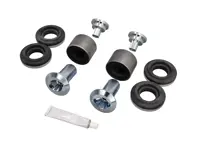
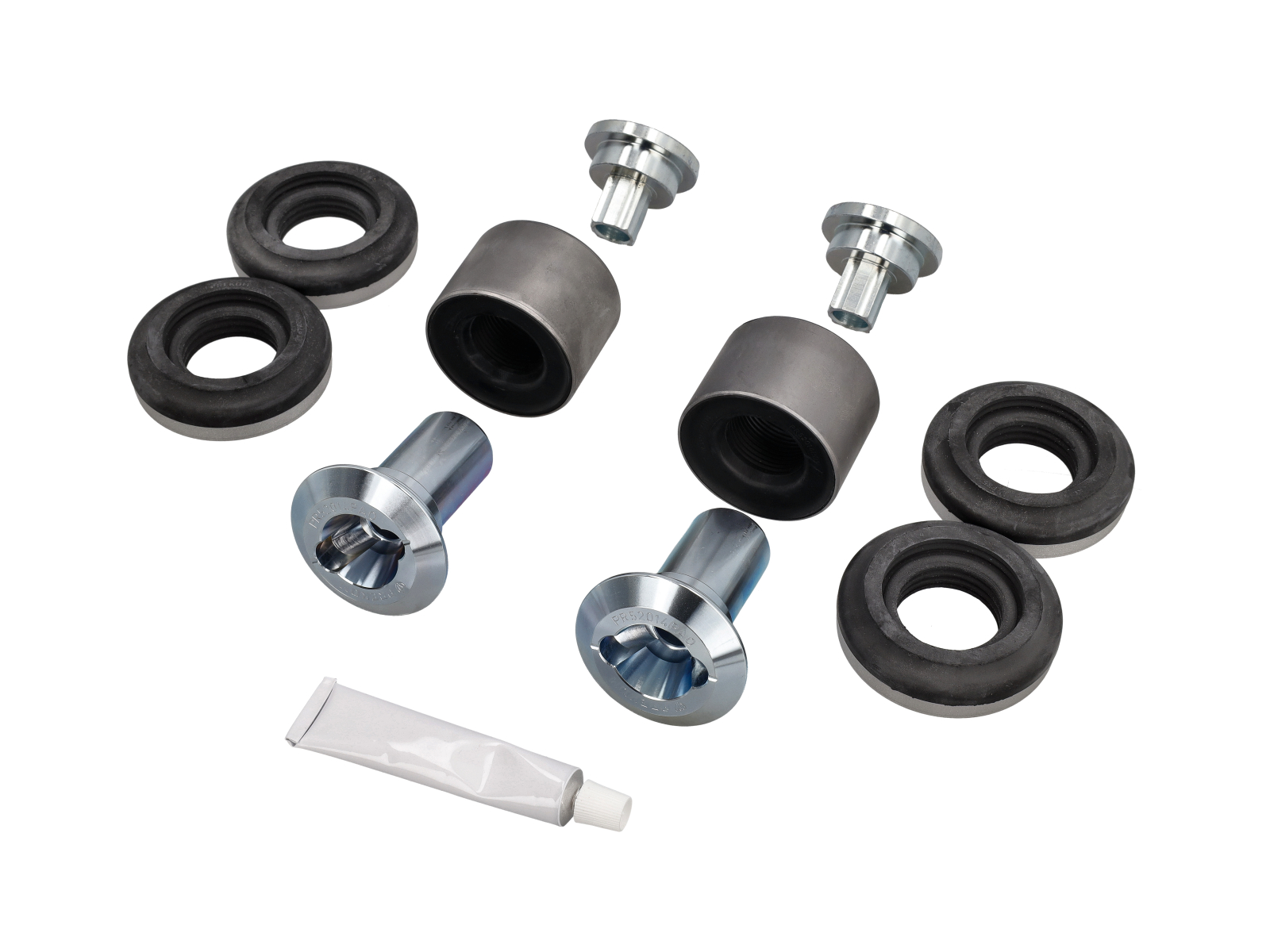
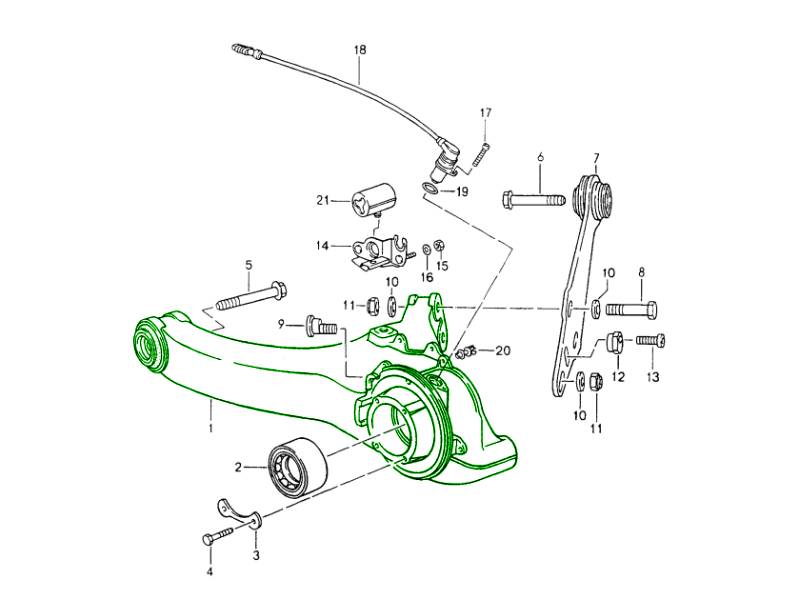
Re-establish the precision and integrity of your Porsche 964’s rear suspension with this premium High-Density Complete Trailing Arm Bushing Kit.
Engineered for both street performance and track readiness, the kit includes high-density rubber bushings, aluminium insert centres, specialised press tools and installation lubricant. By upgrading from standard rubber, you’ll achieve significantly reduced arm deflection (≈ 25% stiffer than OEM), restored alignment stability, improved rear-end control and sharper handling. A complete set per car, this kit is indispensable when you’re refreshing your rear suspension or upgrading to performance-level behaviour.
Fits:
- Porsche 964 (911) C2 1989-93
- Porsche 964 (911) C4 1989-93
- Porsche 964 (911) RS 3.6L 1991-93
- Porsche 964 (911) RS 3.8L 1991-93
- Porsche 964 (911) TURBO 3.3L 1991-93
- Porsche 964 (911) TURBO 3.6L 1991-93
What This Product Does:
- The rear trailing arms are essential suspension components that locate the rear axle/wheel assembly longitudinally and laterally under acceleration, braking and cornering. The bushings at the arms' mounts provide pivotal or semi-rigid interfaces with the chassis/subframe.
- Over time, OEM rubber bushings compress, soften, degrade or allow flex, which leads to movement in the trailing arms. That movement can cause instability, alignment changes, tyre wear, and a loss of rear-end precision.
- By installing this HD kit, you tighten up that mounting — the arms stay located exactly where they should under load, geometry is more consistent, compliance is reduced, and the car’s rear suspension behaves more precisely.
- In short: less “slop,” more control. The kit helps maintain proper alignment (camber, toe) under dynamic conditions, improves handling, enhances driver confidence and extends life of related components.
Symptoms & When You Might Need It:
- Clunks or knocking noises from the rear when going over bumps or accelerating — the trailing arm mount may be moving.
- Rear-end instability or “wandering” in corners — the suspension doesn’t feel crisp, the rear moves more than it used to.
- Uneven or accelerated tyre wear on the rear wheels, particularly inner/outer edge — geometry is shifting under load.
- You’ve modified your car (lowering ride height, installing stiffer springs/ARBs, bigger tyres) and the factory bushes are now too soft to maintain control.
- On inspection you notice visible wear/deformation: rubber bushings cracked, compressed, arms have play in their mount.
- Ageing bushings compromise alignment, handling and safety. By upgrading you restore rear suspension behaviour to (or above) the original specification.
- The HD kit ensures the trailing arms remain properly located under load — this means your tyres stay planted, your rear geometry remains correct, and your car remains stable at speed.
- Using superior materials (denser rubber / aluminium centres) helps prevent further deflection, reduces stress on adjacent parts (arms, mounts, subframe) and improves longevity.
- Especially important for performance, track use or modified vehicles: these cars demand tighter suspension behaviour, so upgrading bushings is foundational to making the rest of the system work properly.
- Even for standard road use, replacing worn trailing arm bushes is a high-value maintenance item: better ride quality, fewer odd noises, improved resale value.
Related reference numbers
Related, superseded, cross reference or alternative numbers for comparison.
96433102100
The product you are viewing cross references to these numbers
- Porsche 964 (911) C2 1989-93
- Porsche 964 (911) C4 1989-93
- Porsche 964 (911) RS 3.6L 1991-93
- Porsche 964 (911) RS 3.8L 1991-93
- Porsche 964 (911) TURBO 3.3L 1991-93
- Porsche 964 (911) TURBO 3.6L 1991-93
Shop Securely
12 Month Warranty
Worldwide Delivery
Express Delivery
 Free delivery
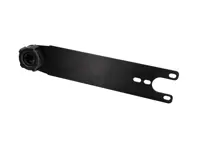
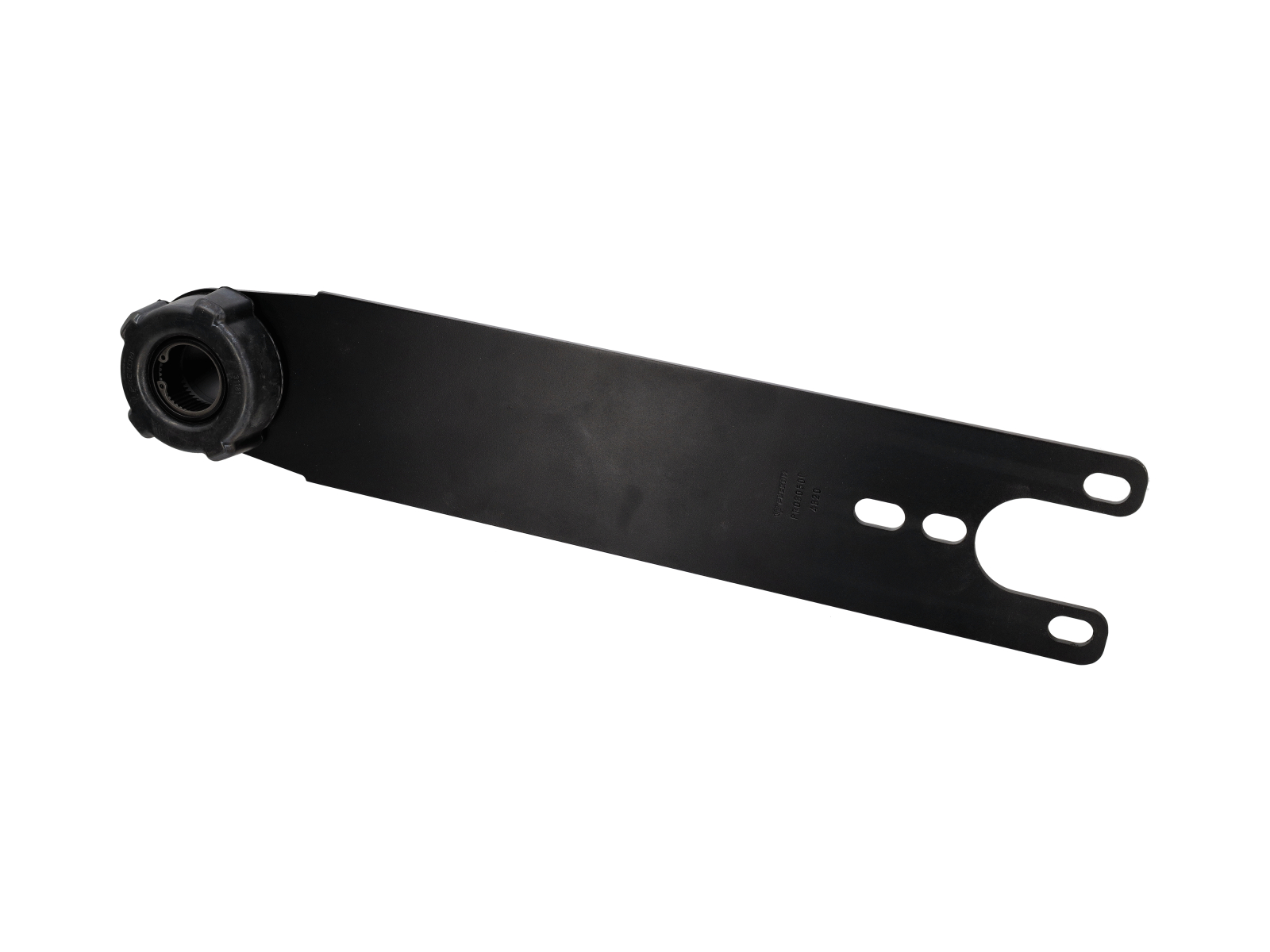
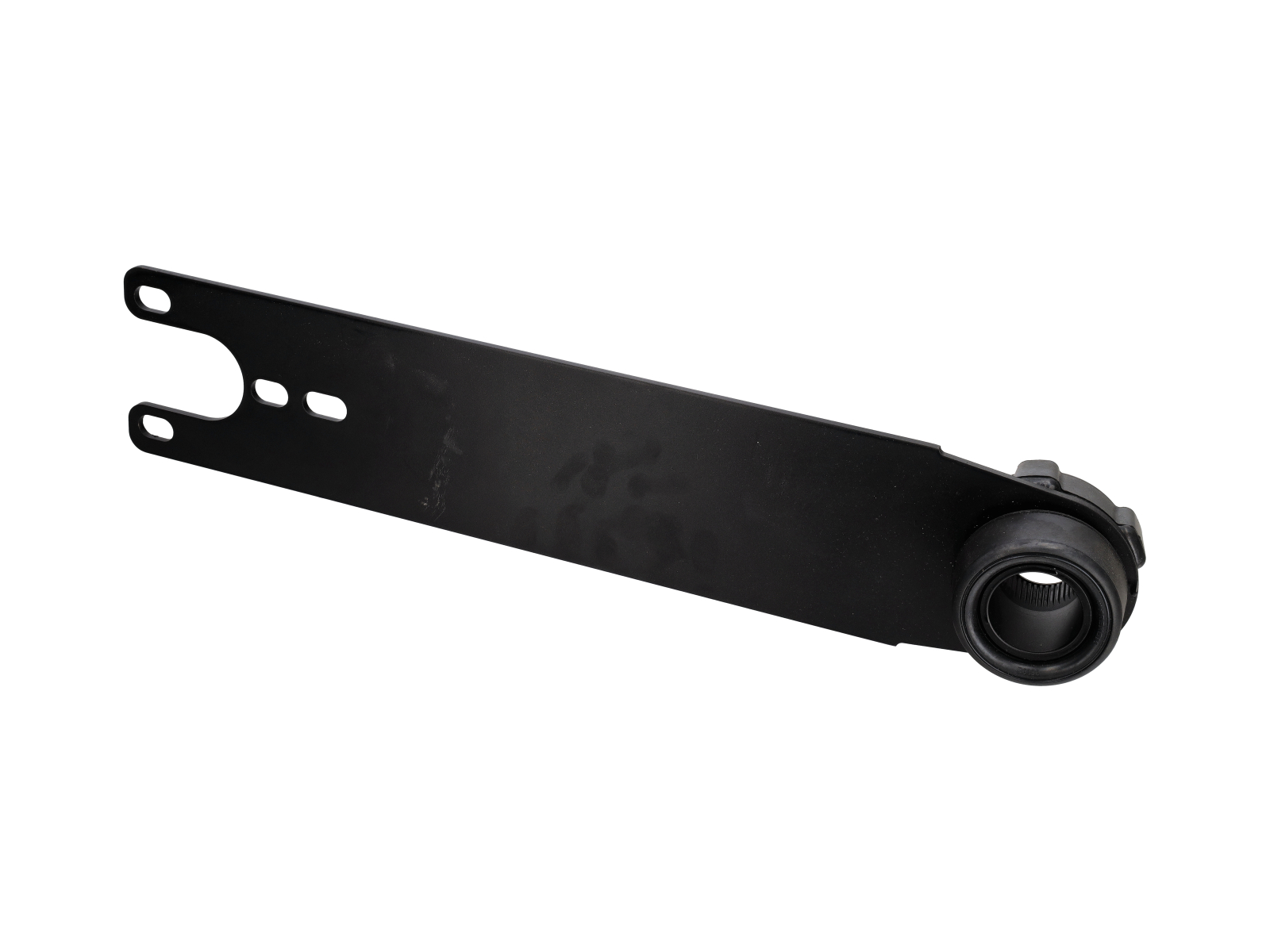
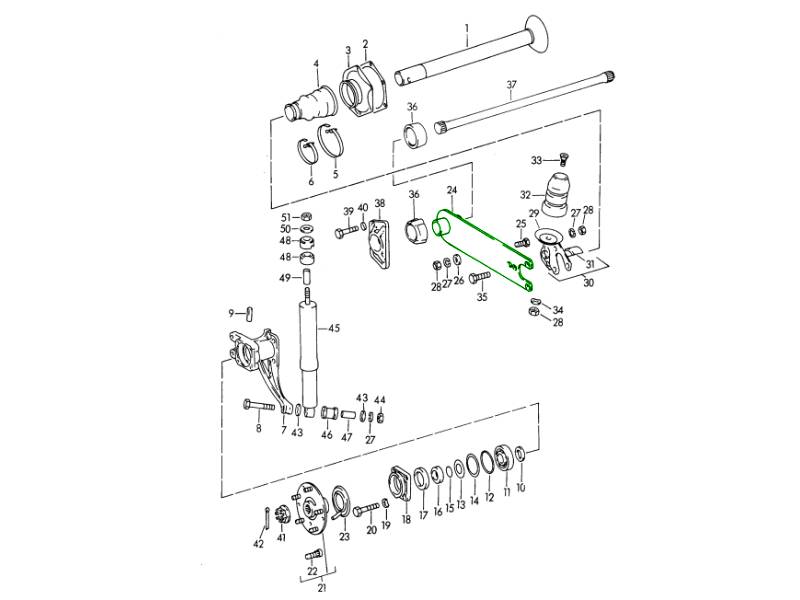
Restore the rear torsion‐bar mounting on your Porsche 356 C with this high‐quality spring plate, finished in black and of the “opened” type design. It ensures the torsion bar end is securely mounted, aligned and protected against corrosion, maintaining correct ride height, geometry and rear suspension integrity. Ideal for restoration projects or performance refreshes on 356 C models.
Sold Each.
x2 Required Per Car.
Fits:
- Porsche 356C 1963-65
Diagram Ref No 24
What This Product Does:
- In the torsion-bar suspension setup of the Porsche 356 C, the spring plate is the mounting interface for the torsion bar (usually at the rear axle). It holds the torsion bar end and its bushings, and anchors it to the chassis or subframe.
- The “opened type” plate may allow easier access for maintenance or re-indexing of the torsion bars (for ride‐height adjustment) or visual inspection.
- A properly manufactured spring plate ensures that the torsion bar is secured, aligned and able to transmit spring loads correctly, maintaining ride height, axle alignment and consistent geometry under load.
- Because the plate is finished black (coated) and designed for direct fit, it also contributes to long life and corrosion resistance — important on older cars which may suffer from rust or fatigue in suspension parts.
Symptoms & Signs Of Wear / When Replacement Is Advisable:
- Visible corrosion or fatigue: On a 356 C many years old, the spring plates may be rusted, the mounting bolts corroded, or the plate weakened.
- Ride height irregularities or sagging: If the torsion bar end mount is compromised, the effective spring length or preload may change, causing uneven ride height.
- Poor rear axle location or alignment shifts under load: A failing plate may allow movement, which can lead to axle or alignment issues, excessive tire wear, or vague handling.
- Noisy rear suspension or clunks: If the bushings or torsion bar end shift within the plate, you may hear knocking over bumps.
- Difficulty adjusting torsion bars/riding height: If the plate is damaged or seized, re‐indexing or maintenance becomes harder.
- Maintaining chassis integrity: On a classic 356, the rear torsion bar and spring plate form part of the suspension’s backbone. A compromised plate undermines everything else.
- Restores original ride and handling behaviour: With a correct spring plate, the torsion bar mount is secure and geometry remains stable.
- Supports further modifications or restoration: If you’re restoring the car, refreshing the spring plates ensures the setup is built on a solid foundation.
- Improves longevity and resale value: Using correct or upgraded parts (like correct close tolerances, correct finish) is viewed positively in restoration circles.
- Corrosion protection: The “black / opened type” finish may provide better protection compared to untreated plates—important for longevity.
Related reference numbers
Related, superseded, cross reference or alternative numbers for comparison.
69533301300
The product you are viewing cross references to these numbers
- Porsche 356C 1963-65
Shop Securely
12 Month Warranty
Worldwide Delivery
Express Delivery
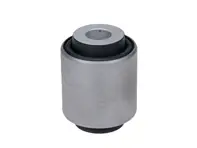
Upgrade your Porsche 997’s rear suspension precision with this high-performance 85 Shore wheel carrier bush, designed for the rear wheel carrier mountings of Carrera MK I & MK II models (2005–10). This firmer bushing compound significantly reduces flex at the carrier mount, maintaining correct wheel alignment, improving rear-end stability, and enhancing tyre contact under load. Ideal for spirited driving, track use or any performance-oriented setup, it offers a direct-fit, high-quality solution for improved handling response and control.
Sold Each.
x2 Required Per Car.
Fits:
- Porsche 997 MK1 Carrera 2 3.6L 2005-08
- Porsche 997 MK1 Carrera 2S 3.8L 2005-08
- Porsche 997 MK1 Carrera 2S 3.8L 2005-08
- Porsche 997 MK1 Carrera 2S 3.8L 2005-08
- Porsche 997 MK1 TURBO 2007-09
- Porsche 997 MK1 GT3 2007-09
- Porsche 997 MK1 GT2 2007-09
- Porsche 997 MKII Carrera C2 3.6L 2009-12
- Porsche 997 MKII Carrera C4 3.6L 2009-12
- Porsche 997 MKII Carrera C2S 3.8L 2009-12
- Porsche 997 MKII Carrera C4S 3.8L 2009-12
- Porsche 997 MKII GT3 2010-11
- Porsche 997 MKII Turbo 2010-13
- Porsche 997 MKII GT2 RS 2011-13
What This Product Does:
- The wheel carrier bush is installed at the interface between the wheel carrier / hub carrier assembly and the vehicle’s rear suspension or subframe mount. Its role is to control movement, absorb some vibrations/loads, and provide a stable mounting point for the carrier.
- By using a stiffer compound (85 Shore vs standard 65 Shore), the mount allows less compliance, meaning the wheel carrier remains more tightly located under loads (cornering, acceleration, braking), which in turn helps maintain alignment (camber, toe, etc.) and improves handling precision.
- In effect: it helps keep the rear wheels more accurately positioned relative to the chassis during dynamic driving rather than letting the carrier mount deflect under load, which can degrade handling or tyre wear.
Symptoms & Signs Of Wear Or Need For Upgrade:
- Clunks, knocks or banging noises from the rear suspension or wheel carrier area, especially when going over bumps or during heavy cornering.
- Rear-end instability or vague handling, such as the rear stepping out, feeling loose or less composed when pushed hard.
- Uneven or accelerated tyre wear on the rear tyres, especially on the shoulder or edge, due to alignment shifting under load.
- Suspension modifications: If the car has been lowered, fitted with stiffer springs/anti-roll bars, or used in performance/track settings, the standard 65 Shore bush may be too soft — you might see more deflection than ideal. The 85 Shore version offers firmer control.
- Visible deterioration of the original bush: cracked or collapsing rubber, looseness of the bush in its bracket, or excessive movement of the carrier when tested.
- Upgrading to the 85 Shore version helps restore or improve rear suspension precision, especially for performance or track-oriented driving.
- It reduces unwanted movement of the wheel carrier under dynamic loads, which results in better alignment retention, sharper handling, and longer tyre life.
- For vehicles still using the softer 65 Shore bushing, if they are used aggressively or have upgraded suspension components, the softer bush might compromise handling by allowing too much flex; hence the firmer 85 Shore version is a smart step.
- It supports the rest of your suspension upgrades: if you’ve improved springs, bushings, sway bars etc., using a firmer bush at the carrier mount ensures nothing is held back by a soft mounting point.
- Even for road use, replacing worn bushes prevents drift in alignment settings, reduces rear-end noise/vibration, and helps maintain the driving experience.
Related reference numbers
Related, superseded, cross reference or alternative numbers for comparison.
997331111130
The product you are viewing cross references to these numbers
- Porsche 997 MK1 Carrera 2 3.6L 2005-08
- Porsche 997 MK1 Carrera 2S 3.8L 2005-08
- Porsche 997 MK1 Carrera 4 3.6L 2005-08
- Porsche 997 MK1 Carrera 4S 3.8L 2005-08
- Porsche 997 MK1 TURBO 2007-09
- Porsche 997 MK1 GT3 2007-09
- Porsche 997 MK1 GT2 2007-09
- Porsche 997 MKII Carrera C2 3.6L 2009-12
- Porsche 997 MKII Carrera C4 3.6L 2009-12
- Porsche 997 MKII Carrera C2S 3.8L 2009-12
- Porsche 997 MKII Carrera C4S 3.8L 2009-12
- Porsche 997 MKII GT3 2010-11
- Porsche 997 MKII Turbo 2010-13
- Porsche 997 MKII GT2 RS 2011-13
Shop Securely
12 Month Warranty
Worldwide Delivery
Express Delivery
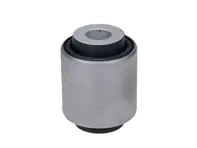
Restore rear suspension precision with this wheel carrier bush for the Porsche 997 (2005-10, Carrera MKI & MKII, Coupé/Targa/Cabrio). With a hardness of 65 Shore, this bush provides the ideal fusion of compliance and firmness — helping to maintain correct carrier alignment, reduce rear noise/vibration, and preserve tyre wear. Whether you’re renewing worn components or refreshing the rear chassis mounts, this bush ensures the wheel carrier mount behaves exactly as intended.
Sold Each.
x2 Required Per Car.
Fits:
- Porsche 997 MK1 Carrera 2 3.6L 2005-08
- Porsche 997 MK1 Carrera 2S 3.8L 2005-08
- Porsche 997 MK1 Carrera 4 3.6L 2005-08
- Porsche 997 MK1 Carrera 4S 3.8L 2005-08
- Porsche 997 MK1 TURBO 2007-09
- Porsche 997 MK1 GT3 2007-09
- Porsche 997 MK1 GT2 2007-09
- Porsche 997 MKII Carrera C2 3.6L 2009-12
- Porsche 997 MKII Carrera C4 3.6L 2009-12
- Porsche 997 MKII Carrera C2S 3.8L 2009-12
- Porsche 997 MKII Carrera C4S 3.8L 2009-12
- Porsche 997 MKII GT3 2010-11
- Porsche 997 MKII Turbo 2010-13
- Porsche 997 MKII GT2 RS 2011-13
What This Product Does:
- In the rear suspension of the 997, the wheel carrier/hub assembly is mounted to the suspension linkages / knuckle, and the bush or bushing at the mounting point provides isolation and alignment.
- The wheel carrier bush acts as the mounting interface, helping absorb road shocks, reduce noise/vibration, and maintain correct geometry of the wheel carrier relative to the vehicle’s chassis/subframe.
- With a correct hardness (65 Shore in this case), the bush gives the proper balance between compliant behaviour (for comfort and longevity) and firmness (for alignment stability and handling precision).
- Replacing a degraded bush ensures the wheel carrier remains correctly located and aligned, avoiding excess movement under load which can degrade handling, alignment, or tyre wear.
Symptoms & Signs Of Wear/Need For Replacement:
- Clunking or knocking noises from the rear when going over bumps, especially from the area of the wheel carrier/hub.
- Rear instability or vague handling: the rear may feel loose, or alignment may shift unexpectedly under load (cornering, acceleration, braking).
- Uneven or accelerated tyre wear on the rear wheels — particularly inner or outer edge wear — due to geometry shift caused by excessive carrier movement.
- Vibration or poor noise/vibration/harshness levels at the rear, especially after installation of new tyres, alignment, or suspension components.
- Visible deterioration of the bushing: cracks, splits, collapse, or the rubber is soft/loopy when compared to new; or the bushing may be loose in its housing/unseated.
- Replacing worn wheel carrier bushes helps restore the correct behaviour of the rear suspension: the carrier remains securely located, alignment remains stable, and the car handles as it should.
- Because the 65 Shore rating matches the OEM street compound, you maintain the intended balance between comfort and performance. If the bushing is too soft (worn or degraded), you lose alignment stability; if one upgrades to a much stiffer bush without considering other suspension components, you may introduce unwanted harshness.
- For owners of the 997 especially with upgraded suspension, stronger tyres, or high-performance use, making sure the wheel carrier bushes are in good condition is foundational — worn bushes can compromise the benefit of other suspension upgrades.
- Good bushing condition contributes to longer tyre life, better alignment retention, reduced rear suspension noise, and more confident handling under all conditions.
- For a car of that age (2005-10 era), rubber parts will naturally age, degrade, and a proactive replacement is good maintenance rather than waiting for failure.
Related reference numbers
Related, superseded, cross reference or alternative numbers for comparison.
997331111120
The product you are viewing cross references to these numbers
- Porsche 997 MK1 Carrera 2 3.6L 2005-08
- Porsche 997 MK1 Carrera 2S 3.8L 2005-08
- Porsche 997 MK1 Carrera 4 3.6L 2005-08
- Porsche 997 MK1 Carrera 4S 3.8L 2005-08
- Porsche 997 MK1 TURBO 2007-09
- Porsche 997 MK1 GT3 2007-09
- Porsche 997 MK1 GT2 2007-09
- Porsche 997 MKII Carrera C2 3.6L 2009-12
- Porsche 997 MKII Carrera C4 3.6L 2009-12
- Porsche 997 MKII Carrera C2S 3.8L 2009-12
- Porsche 997 MKII Carrera C4S 3.8L 2009-12
- Porsche 997 MKII GT3 2010-11
- Porsche 997 MKII Turbo 2010-13
- Porsche 997 MKII GT2 RS 2011-13
Shop Securely
12 Month Warranty
Worldwide Delivery
Express Delivery
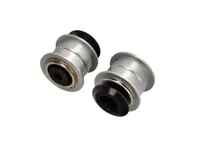
Upgrade your Porsche 964’s rear suspension with this high-performance monoball trailing arm bushing kit. Designed specifically for the rear trailing arms of the 964, this kit replaces traditional rubber bushings with precision spherical bearings, delivering exceptional rigidity, improved feedback and sharper handling response. Ideal for track days, spirited driving or comprehensive chassis refreshes.
Sold As A Set.
Fits:
- Porsche 964 (911) C2 1989-93
- Porsche 964 (911) C4 1989-93
- Porsche 964 (911) RS 3.6L 1991-93
- Porsche 964 (911) RS 3.8L 1991-93
- Porsche 964 (911) TURBO 3.3L 1991-93
- Porsche 964 (911) TURBO 3.6L 1991-93
Fits On To Diagram Ref No 1
What This Product Does:
- The rear trailing arms are crucial suspension links that control the longitudinal and lateral movement of the wheel and axle under acceleration, braking and cornering. The bushing kit equips those arms with a firmer mount point.
- By replacing softer, compliant bushings with high-density or monoball bearings, the kit significantly reduces unwanted flex, thus helping keep alignment (camber, toe) and suspension geometry more consistent under load.
- The monoball design also offers sharper feedback and quicker response because there’s less rubber compliance absorbing movement or introducing play.
Symptoms & Signs You Might Need This Kit:
- Rear end feels loose or vague during hard cornering — you might sense the rear “shifts” or the car doesn’t hold as well as you remember.
- Uneven tyre wear on the rear, particularly inner or outer edge, from geometry changing under load.
- You hear clunks, knocks or feel unusual movement from the rear suspension over bumps.
- The car has been modified (widened tyres, lowered ride height, stiffer springs) and the stock bushings seem too soft or have excessive deflection.
- Upon inspection the original bushings are greatly worn, cracked, or collapsed — especially if you’re using the car for more than just gentle street use.
Why Replacement / Upgrade Matters:
- Using this race-version monoball kit restores control and precision in the rear suspension — especially important for performance or track-oriented use.
- It helps the trailing arms maintain their designed position and geometry, thus improving stability, cornering behaviour and driver confidence.
- Because the monoball is so much firmer than rubber, it reduces suspension “slop” and ensures components behave consistently under dynamic loads.
- Even for non-track use, replacing worn bushings with a higher quality solution can rejuvenate the handling of the car and make it feel fresher.
- For a 964 that’s been modified or simply aging, this kit is a foundational improvement to let the rest of the suspension upgrades work as intended.
Related reference numbers
Related, superseded, cross reference or alternative numbers for comparison.
96433102100
The product you are viewing cross references to these numbers
- Porsche 964 (911) C2 1989-93
- Porsche 964 (911) C4 1989-93
- Porsche 964 (911) RS 3.6L 1991-93
- Porsche 964 (911) RS 3.8L 1991-93
- Porsche 964 (911) TURBO 3.3L 1991-93
- Porsche 964 (911) TURBO 3.6L 1991-93
Shop Securely
12 Month Warranty
Worldwide Delivery
Express Delivery
Free delivery
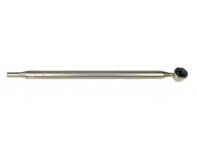
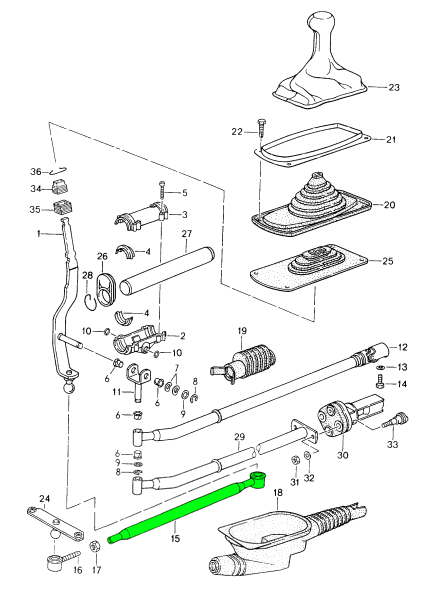
Restore smooth, precise shifting in your Porsche with this guide tube for the 964 and 993 manual gearbox models. This guide tube is a direct replacement for the factory original, providing correct alignment and support for the shift rod assembly between the gear lever and gearbox. Built to exacting standards, it helps eliminate play, noise and ambiguous gear changes—bringing back the crisp manual-shifting feel your Porsche was designed for.
Fits:
- Porsche 964 (911) C4 1989-93
- Porsche 993 (911) C2 1994-97
- Porsche 993 (911) C4 1994-97
- Porsche 993 (911) RS 1994-97
- Porsche 993 (911) C2S 1994-97
- Porsche 993 (911) C4S 1994-97
- Porsche 993 (911) TURBO 1994-96
- Porsche 993 (911) GT2 1994-97
- Porsche 993 (911) TURBO S 1994-97
Diagram Ref No 15
What This Product Does:
- The guide tube keeps the shift rod / linkage properly aligned, housed, and supported as it transmits motion from the driver’s shift lever to the gearbox internals.
- It prevents the shift rod from bending, mis-aligning or vibrating excessively, which can degrade shift feel or cause mis-engagements.
- A well-fitting guide tube ensures smooth, precise gear changes with minimal slack or bind, contributing to the crisp manual-gearbox feel that many Porsche enthusiasts seek.
Symptoms & Signs Of Wear / Failure:
- Gear shifts feel sloppy or misaligned — the lever has excessive travel or ambiguous engagement.
- Shift linkage noise, rattles or vibration coming from the tunnel / gearbox area due to looseness in the tube or linkage.
- Harder or imprecise gear changes, especially under load or rapid shifts, because the linkage path isn’t firm.
- Visual signs: the tube may be bent, the mountings worn, bushings or bearings inside the tube may be degraded.
Why Replacement Matters:
- Replacing with a new unit ensures the shift linkage remains tight, delivering the precise feel and reliability associated with Porsche manual gearboxes.
- Especially in older vehicles or those modified for performance, the original tube may have suffered from play or wear; replacing it prevents-related issues like sloppy shifts, mis-alignment and accelerated linkage wear.
- The shift-feel of a Porsche manual transmission is part of the driving experience—ensuring the path of shift motion is clean, direct and stable helps retain that.
- Prevents additional wear on the shift rod, guide bearings, bracket or gearbox selector mechanism—if the tube is loose or misaligned, other parts may wear prematurely.
Related reference numbers
Related, superseded, cross reference or alternative numbers for comparison.
96442401102
The product you are viewing cross references to these numbers
- Porsche 964 (911) C4 1989-93
- Porsche 993 (911) C2 1994-97
- Porsche 993 (911) C4 1994-97
- Porsche 993 (911) RS 1994-97
- Porsche 993 (911) C2S 1994-97
- Porsche 993 (911) C4S 1994-97
- Porsche 993 (911) TURBO 1994-96
- Porsche 993 (911) GT2 1994-97
- Porsche 993 (911) TURBO S 1994-97
Shop Securely
12 Month Warranty
Worldwide Delivery
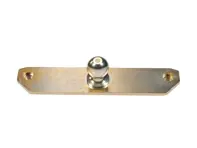
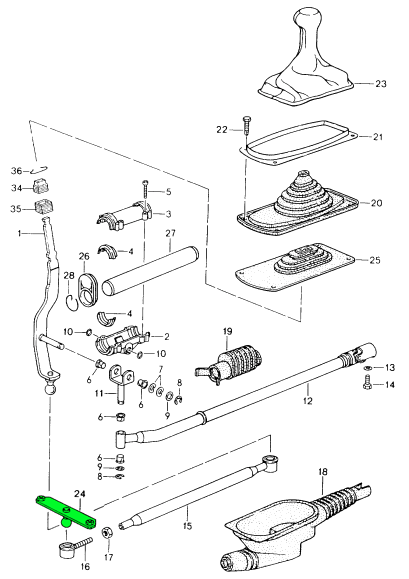
Restore smooth, precise shifting in your classic Porsche with this bearing plate/bracket designed for the guide tube / shift rod assembly. This direct-fit component is compatible with Porsche 964 (1989-94) Carrera 2 and selected 993 (1995-98) manual models.
Engineered to maintain correct alignment and support of the shift linkage, this bearing plate ensures your gear changes remain crisp, reliable and free of slack. A must-have for high-mileage cars, performance upgrades or full restorations.
Fits:
- Porsche 964 (911) C2 1989-93
- Porsche 993 (911) C2 1994-97
- Porsche 993 (911) C4 1994-97
- Porsche 993 (911) RS 1994-97
- Porsche 993 (911) C2S 1994-97
- Porsche 993 (911) C4S 1994-97
- Porsche 993 (911) TURBO 1994-96
- Porsche 993 (911) GT2 1994-97
- Porsche 993 (911) TURBO S 1994-97
Diagram Ref No 24
What This Product Does:
- The guide tube/shift rod assembly transfers your shift lever inputs through a rod or tube to the gearbox selector shaft. The bearing plate/bracket serves as a structural support or mounting interface for that assembly. It ensures the guide tube is located correctly, held securely, and rotates or slides cleanly.
- It helps maintain the correct geometry and alignment of the shift linkage: by keeping the rods/tubes aligned and secured, the transmission engages gears smoothly, with minimal slack or mis-alignment.
- Because shifting precision depends on how the linkage is held, a good bracket helps ensure crisp gear changes, correct engagement and minimal wear on adjoining components.
Symptoms Of Wear Or Failure:
- Gear shifter feels sloppy or has excessive movement before engaging a gear — the linkage might flex or mis-align.
- Hard or imprecise gear changes — because the guide-tube/rod path is mis-aligned or the bracket is loose, the shift becomes less consistent.
- Noise or rattle around the shift linkage tunnel or transmission area — the bracket may be loose or the bearing surface worn.
- Reduced shift feel especially noticeable in manual gearbox models — less crispness, possible missed engagements or longer travel.
- Visual wear: The mounting holes of the bracket may be elongated, bolts loose, or the bearing surface has scoring, wear, or play.
Why Replacement Or Upgrade Matters:
- Ensures the gearbox linkage works as intended. For high-mileage vehicles or cars used for performance driving, the shift linkage components often endure a lot of movement, and any play in the bracket reduces feel and precision. Replacing the bracket restores the linkage’s structural integrity.
- Improves shifting feel & reliability: Especially in classic Porsche manual models (964/993), having tight, well-aligned shift mechanisms contributes strongly to the driving experience. A worn bracket reduces that feel.
- Minimizes secondary wear: If the bracket is loose or misaligned, the shift rod/guide tube may wear more quickly, cause mis-engagements or place additional load on the gearbox. A fresh bracket can help prevent those downstream issues.
- Important for restoration or performance builds: If you’re restoring a 964/993 to better than original or upgrading the gearbox/shift kit, replacing supporting components like this bracket ensures the new components work at their best.
Related reference numbers
Related, superseded, cross reference or alternative numbers for comparison.
96442405500
The product you are viewing cross references to these numbers
- Porsche 964 (911) C2 1989-93
- Porsche 993 (911) C2 1994-97
- Porsche 993 (911) C4 1994-97
- Porsche 993 (911) RS 1994-97
- Porsche 993 (911) C2S 1994-97
- Porsche 993 (911) C4S 1994-97
- Porsche 993 (911) TURBO 1994-96
- Porsche 993 (911) GT2 1994-97
- Porsche 993 (911) TURBO S 1994-97
Shop Securely
12 Month Warranty
Worldwide Delivery
Express Delivery
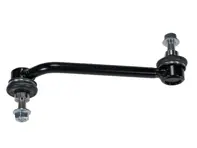
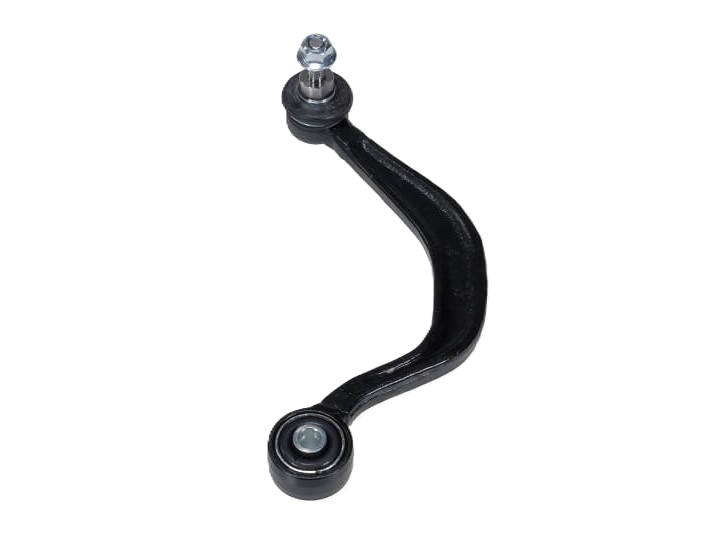
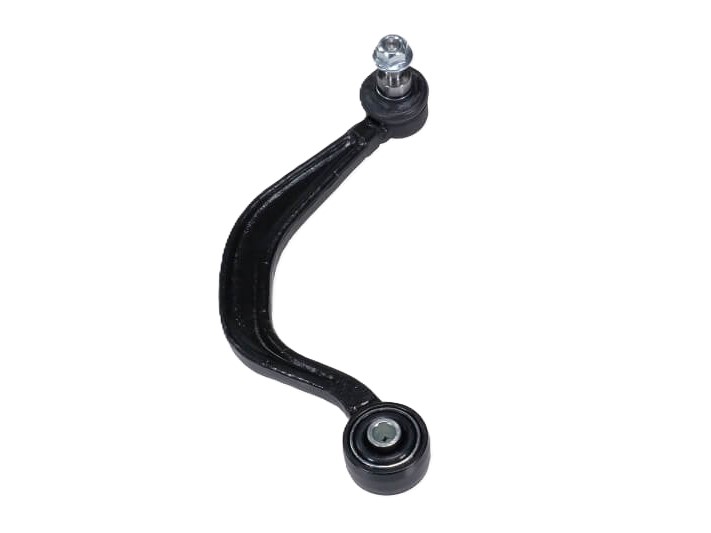
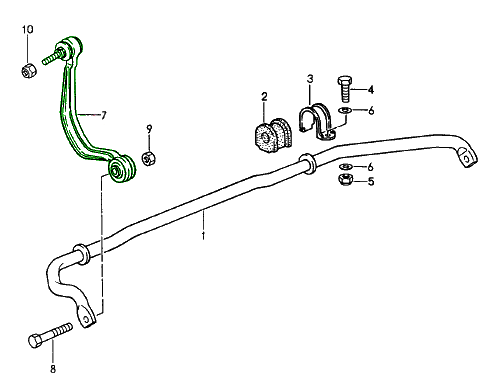
Restore the precision and performance of your Porsche 964’s front suspension with these front drop links. Engineered for the RS models. These links connect the front anti-roll bar to the suspension upright or arm, ensuring that body roll is effectively controlled and the front end remains taut and responsive. Ideal for performance driving, restoration, or as a critical maintenance item, each link offers factory-spec fitment and durability.
Fits:
- Porsche 964 (911) RS 3.6L 1991-93
- Porsche 964 (911) RS 3.8L 1991-93
Diagram Ref No 7
What This Product Does:
- The front drop link connects the front anti-roll bar (sway bar) to the suspension upright or control arm assembly.
- As the car corners and the suspension moves, the drop link transmits motion into the roll bar, allowing it to resist body roll and keep the car flatter in turns.
- When the drop link is correctly functioning, it ensures the roll bar is properly engaged, steering response stays crisp, and the front end remains stable under dynamic loads (cornering, braking, etc.). — This helps maintain contact patch and overall suspension balance.
Symptoms Of Wear Or Failure:
- Clunking or knocking noises from the front when hitting bumps or during quick steering inputs.
- Increased body roll or loose front end — the car may lean more in corners, and responses may feel vague.
- Uneven handling between left and right turns — one side might feel different due to asymmetry in link condition or geometry.
- Visual play or damage — the rod end, bushings, or links may show wear, cracking, or play on inspection.
- Degraded rollover control — the sway bar may not be fully engaged because the link is not transferring the loads effectively.
- Better handling & stability: Replacing worn drop links restores the proper transfer of roll bar loads, which improves front-end stability and sharper responses.
- Maintains geometry & balance: Worn links may allow movement that disturbs alignment or suspension behaviour; new links help keep everything precise.
- Protects other components: If the link isn’t operating correctly, the load may shift to other parts (bushings, arms, joints) prematurely.
- Especially important for performance or track use: On an RS model or any car used hard, the drop links become even more critical because the suspension is under more stress.
- Safe and predictable feel: A properly functioning drop link contributes to confidence in front-end behaviour during spirited driving.
Related reference numbers
Related, superseded, cross reference or alternative numbers for comparison.
96434307
The product you are viewing cross references to these numbers
- Porsche 964 (911) RS 3.6L 1991-93
- Porsche 964 (911) RS 3.8L 1991-93
Shop Securely
12 Month Warranty
Worldwide Delivery
Express Delivery
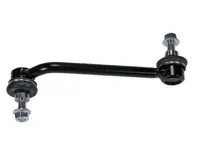
Restore full roll bar functionality on your Porsche 993 RS with these front drop links. These pivotal connections link the front anti-roll bar to the suspension, transferring roll forces precisely and eliminating slack or compliance.
Designed for the 1994-1997 Porsche 993 RS, these links help sharpen turn-in, reduce front body roll, and restore confident handling. Whether you’re replacing worn originals or refreshing suspension, fitment is direct and performance gains noticeable.
Fits:
- Porsche 993 (911) RS 1994-97
Diagram Ref No 7
What This Product Does:
- The anti-roll bar (sway bar) helps control body roll in corners by linking left and right suspension movements.
- The drop link is a pivotal connection between the bar and the suspension component — as the wheel moves up/down, the drop link transmits that motion into the roll bar.
- Good drop links ensure the roll bar works effectively with minimal compliance or unwanted movement. They maintain correct link length and geometry so the roll bar engages at the correct time.
- Particularly on high-performance models (like the RS) or with upgraded suspension, the drop link helps ensure the roll bar is correctly loaded and the front end remains stable and balanced.
Symptoms Of Worn Or Faulty Drop Links:
- Clunking or knocking noises at the front when going over bumps or during cornering — a common sign of worn link joints or degraded bushings.
- Excessive body roll or unstable front end — if the drop link isn’t properly transferring loads into the roll bar, you may feel more lean in corners or a vague front end.
- Uneven handling between left/right turns — because the bar/link geometry might be inconsistent, one side may feel different to the other.
- Excessive play or visual wear — on inspection you might see movement at the link joints, cracked rubber boots, or bushings that have decomposed.
- Mis-behaviour under braking or turn-in — the front end may dive or tilt unexpectedly if the drop link fails to control roll bar engagement.
- On a performance car like the 993 RS, precise suspension and anti-roll bar behaviour is critical. Worn drop links degrade the roll bar’s ability to control body roll and handle loads, which impacts suspension balance and driver confidence.
- Replacing worn links restores firm, predictable front roll bar connection, ensuring the bar is engaged fully and at the right time. That means sharper turn-in, less body movement and more balanced cornering.
- A new drop link helps maintain correct geometry, prevents secondary wear on other suspension components (since the roll bar and links aren’t operating sub-optimally), and reduces unwanted noise or hitching.
Related reference numbers
Related, superseded, cross reference or alternative numbers for comparison.
9933430
The product you are viewing cross references to these numbers
- Porsche 993 (911) RS 1994-97
Shop Securely
12 Month Warranty
Worldwide Delivery
Express Delivery
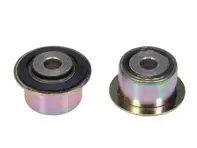
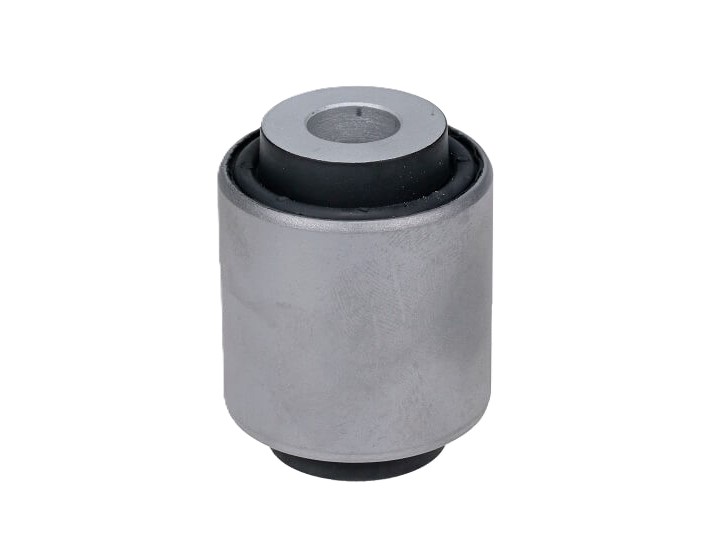
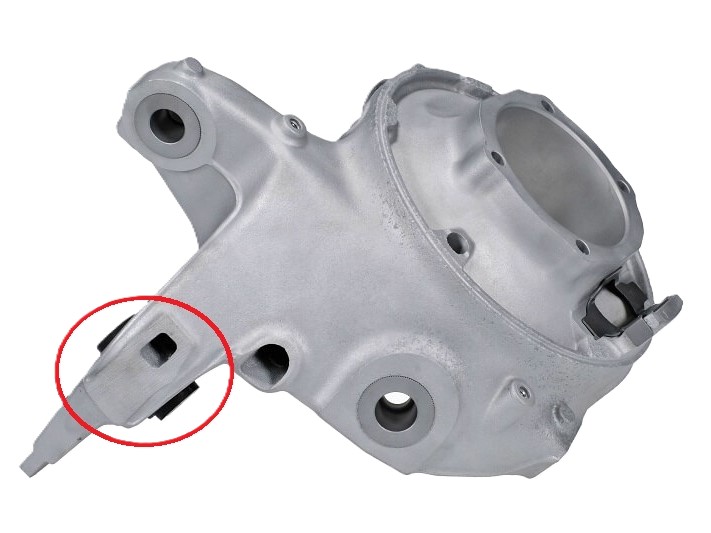
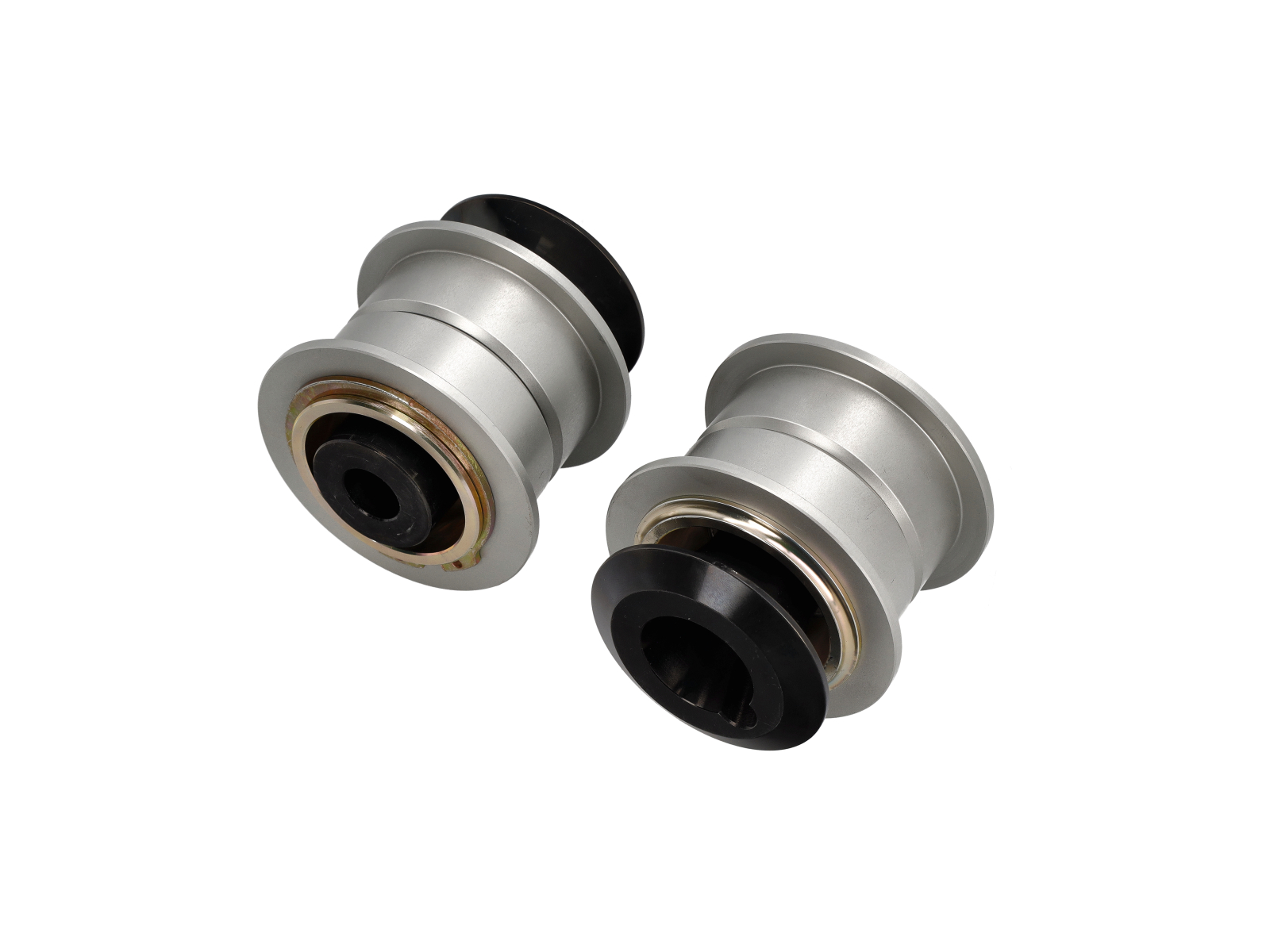
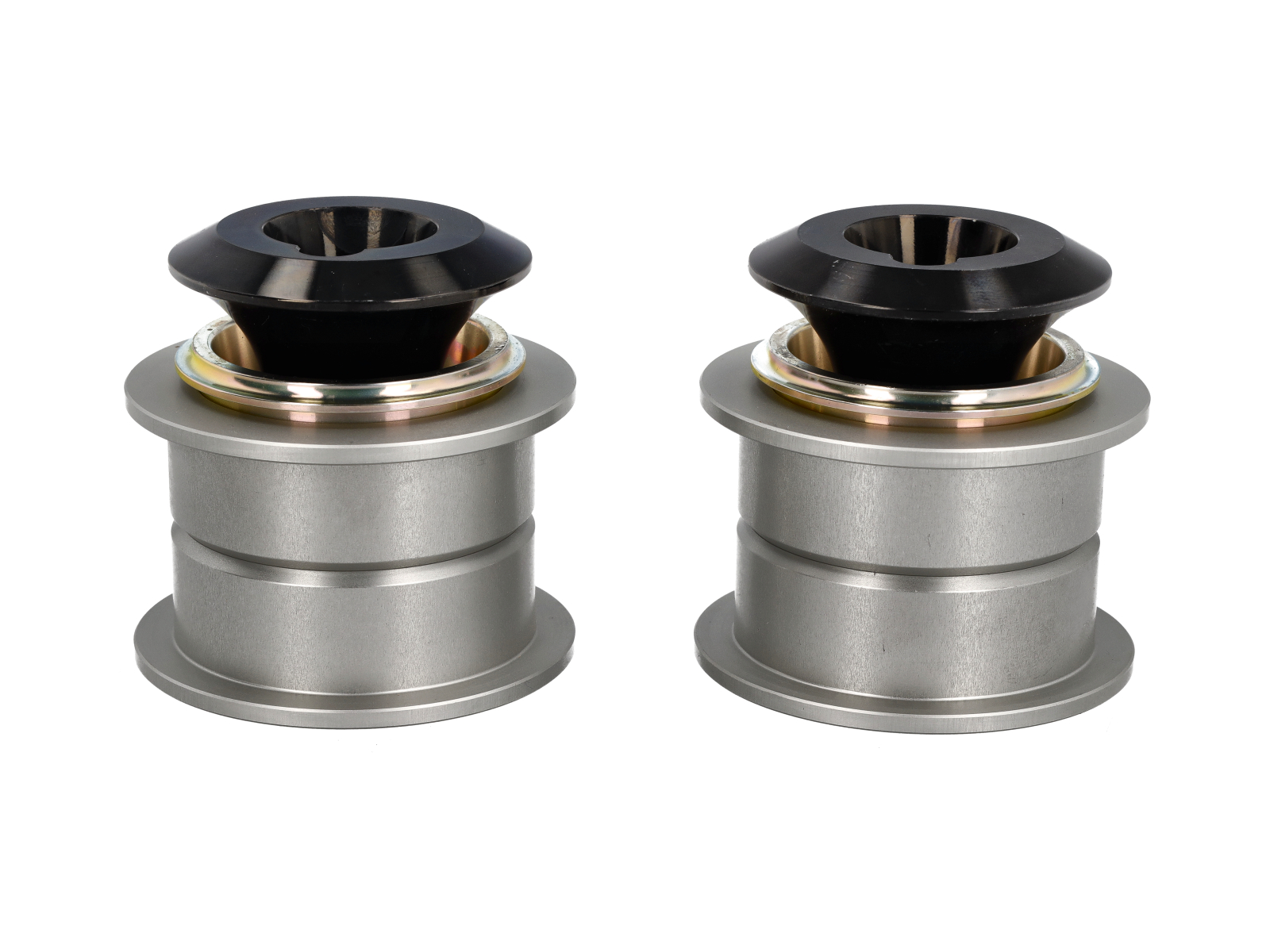
Upgrade the stability and precision of your Porsche’s front suspension with this high-density solid bushing for the lower control arm rear mount. Designed for the Porsche 996 and Boxster 986, this bushing replaces the standard rubber insert with a firmer compound that minimises unwanted movement and preserves suspension geometry under load. Ideal for both street and track use, it keeps your front suspension aligned, reactive, and crisp.
Sold As A Set.
x2 Sets Required Per Car.
Fits:
- Porsche Boxster 986 2.5L 1997-99
- Porsche Boxster 986 2.7L 1999-02
- Porsche Boxster S 986 3.2L 1999-02
- Porsche Boxster 986 2.7L 2003-04
- Porsche Boxster S 986 3.2L 2003-04
- Porsche 996 C2 3.4L 1997-08/01
- Porsche 996 C4 3.4L 1997-08/01
- Porsche 996 C2 3.6L 09/01-2005
- Porsche 996 C4 3.6L 09/01-2005
- Porsche 996 C4S 3.6L 09/01-2005
- Porsche 996 TURBO 2000-05
- Porsche 996 GT2 2001-05
- Porsche 996 GT3 MKII 2003>>
- Porsche 996 GT3 MKII 2003>>
- Porsche 996 GT3 RS 2003-04
Fits On To Diagram Ref No 6
What This Product Does:
- The lower control arm rear bushing sits at the pivot or mount of the control arm on the front suspension. Its job is to allow controlled articulation of the arm while also restraining unwanted movement.
- By using a solid or high-density material instead of a standard soft rubber, the bushing significantly reduces unwanted flex or compliance. As a result, the suspension geometry (camber, toe, alignment) remains more stable under load (cornering, acceleration, braking).
- Less compliance in this mount means the front suspension reacts more precisely to driver input and chassis motion, improving handling stability, especially in modified or performance-oriented setups.
Symptoms & When To Need It:
- Front end feeling loose or vague in corners; the car may “step out” or have inconsistent behavior under heavy load.
- Uneven or accelerated tyre wear on the front due to alignment changing under load.
- The front suspension feels soft or sloppy, especially if the car has been lowered or has stiffer springs/anti-roll bars installed.
- The original rubber bushing shows signs of wear: cracking, splitting, excessive compression, or visible deformation.
- You’re upgrading the suspension and wish to reduce deflection in the pivot area to maximise benefits of other upgrades.
Why Replacement / Upgrade Matters:
- Over time the factory rubber bushings soften, deteriorate, or lose their design stiffness. This can degrade suspension accuracy and handling feel.
- Upgrading to a solid or high-density bushing restores the mount’s rigidity, keeps geometry more consistent, and enhances control — especially useful in performance, track, or modified cars.
- Better control arm mounting means less unwanted movement in the front suspension, which helps maintain alignment and improves driver confidence.
- For anyone restoring their Porsche or refreshing the chassis, upgrading key bushings like this one is a foundational step to ensure the car handles as well as it looks.
Related reference numbers
Related, superseded, cross reference or alternative numbers for comparison.
99634105319
The product you are viewing cross references to these numbers
- Porsche Boxster 986 2.5L 1997-99
- Porsche Boxster 986 2.7L 1999-02
- Porsche Boxster S 986 3.2L 1999-02
- Porsche Boxster 986 2.7L 2003-04
- Porsche Boxster S 986 3.2L 2003-04
- Porsche 996 C2 3.4L 1997-08/01
- Porsche 996 C4 3.4L 1997-08/01
- Porsche 996 C2 3.6L 09/01-2005
- Porsche 996 C4 3.6L 09/01-2005
- Porsche 996 C4S 3.6L 09/01-2005
- Porsche 996 TURBO 2000-05
- Porsche 996 GT2 2001-05
- Porsche 996 GT3 MKI 1999-02
- Porsche 996 GT3 MKII 2003>>
- Porsche 996 GT3 RS 2003-04
Shop Securely
12 Month Warranty
Worldwide Delivery
Express Delivery




.jpg)




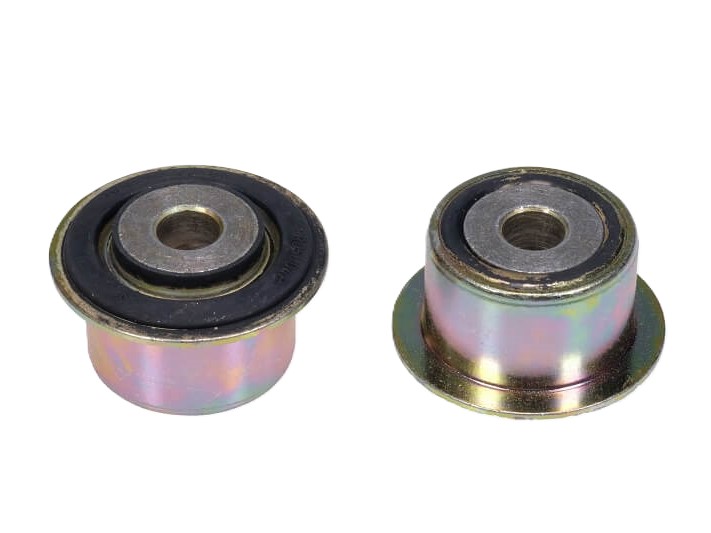
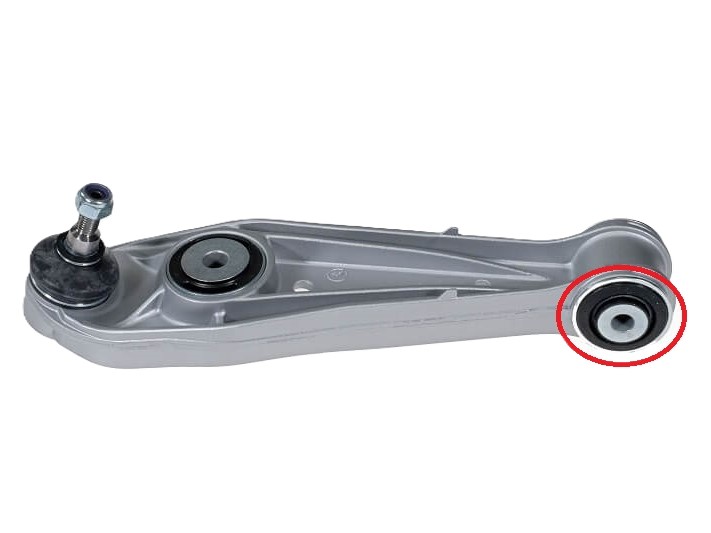
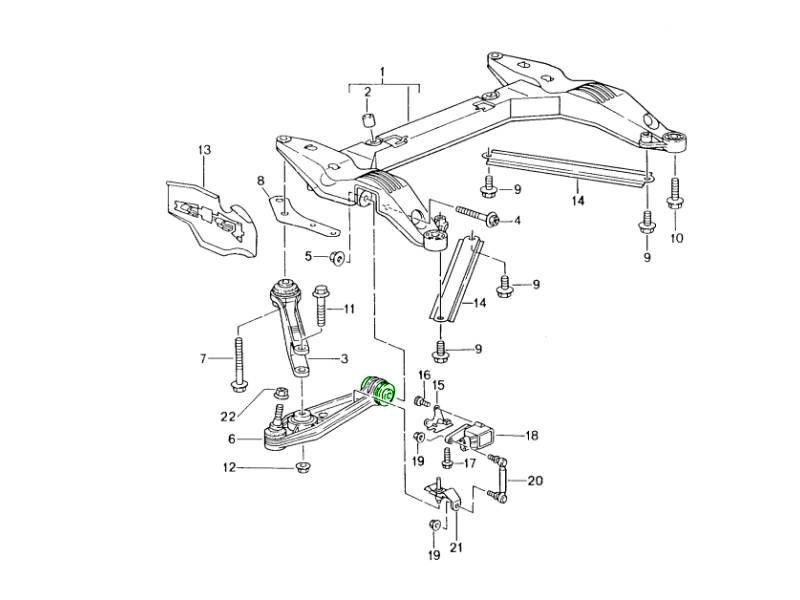


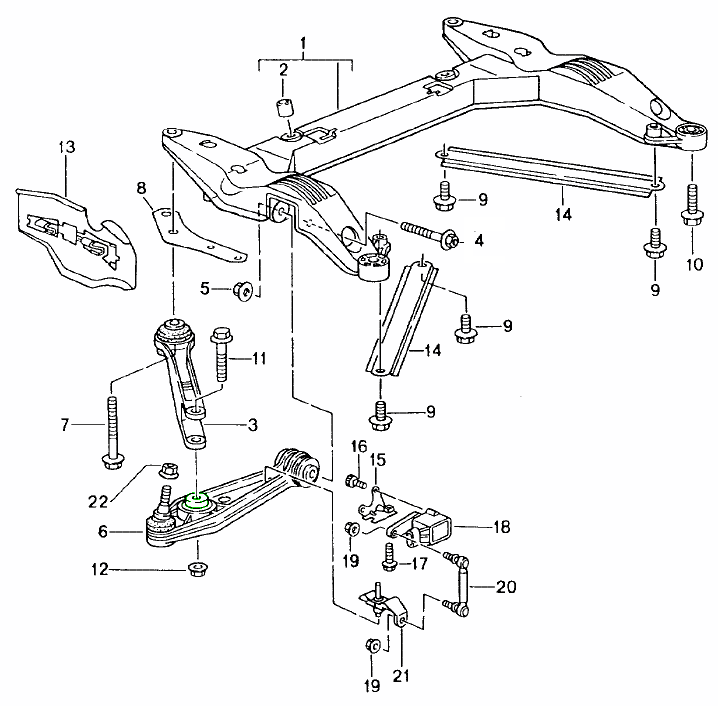
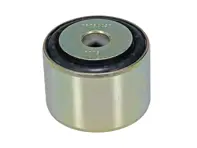
Enhance the front suspension precision of your Porsche with this high-performance centre solid bushing for the lower control arm. Specifically designed for the Porsche 996 and Boxster 986 models, this upgrade replaces the original rubber pivot insert with a hardened, high-density unit that dramatically reduces deflection and unwanted movement. With less compliance in the control arm pivot, the suspension geometry remains consistent under cornering, braking and load — giving you sharper steering feel, more accurate turn-in, and better overall handling. Ideal for performance upgrades, spirited road driving, or chassis refreshes, this component helps your Porsche deliver the crisp response and alignment stability it was built for.
Sold Each.
x2 Required Per Car.
Fits:
- Porsche Boxster 986 2.5L 1997-99
- Porsche Boxster 986 2.7L 1999-02
- Porsche Boxster S 986 3.2L 1999-02
- Porsche Boxster 986 2.7L 2003-04
- Porsche Boxster S 986 3.2L 2003-04
- Porsche 996 C2 3.4L 1997-08/01
- Porsche 996 C4 3.4L 1997-08/01
- Porsche 996 C2 3.6L 09/01-2005
- Porsche 996 C4 3.6L 09/01-2005
- Porsche 996 C4S 3.6L 09/01-2005
- Porsche 996 TURBO 2000-05
- Porsche 996 GT2 2001-05
- Porsche 996 GT3 MKI 1999-02
- Porsche 996 GT3 MKII 2003>>
- Porsche 996 GT3 RS 2003-04
Fits On To Diagram Ref No 6
What This Product Does:
- By replacing a flexible rubber insert with a solid or high-density material, this bushing significantly reduces unwanted deflection or compliance at the control arm pivot.
- With less pivot movement, suspension geometry (such as camber and toe) is held more consistently under cornering, braking, or load. That means better steering responsiveness and reduced unwanted change in alignment when the car is pushed.
- The result is a sharper, more precise front end feel, better turn-in, improved handling stability, and the ability to extract more from your tyres and suspension setup.
- Vague or soft steering feel — the front end may not seem as sharp as it used to be.
- Alignment shifting under load — camber or toe might move when cornering or braking.
- Uneven or accelerated tyre wear (especially inner/outer edges) due to geometry changes.
- Control arm bushings creaking, clunking or showing visible degradation.
- The front end may feel less stable or responsive, especially in a performance/setup car.
Why Replacement Or Upgrade Matters:
- Upgrading to a solid-insert bushing restores a firm, fixed pivot point for the control arm — this means the front suspension works as tightly as possible, which is especially important when you’ve upgraded springs, anti-roll bars, tyres, or you’re driving spiritedly or on track.
- It reduces unwanted movement in the front suspension system, which helps maintain factory alignment specs and avoids geometry compromises under load.
- The improved rigidity enhances feel, control, and driver confidence — the car will respond more directly to your inputs.
- It also prevents ongoing secondary wear — when a pivot is soft, other components (bushings, tyres, arms) are forced to compensate and may wear faster.
- For restoration builds, daily drivers with upgrades, or performance cars, this is a relatively modest investment that yields real handling improvement.
Related reference numbers
Related, superseded, cross reference or alternative numbers for comparison.
99634105319
The product you are viewing cross references to these numbers
- Porsche Boxster 986 2.5L 1997-99
- Porsche Boxster 986 2.7L 1999-02
- Porsche Boxster S 986 3.2L 1999-02
- Porsche Boxster 986 2.7L 2003-04
- Porsche Boxster S 986 3.2L 2003-04
- Porsche 996 C2 3.4L 1997-08/01
- Porsche 996 C4 3.4L 1997-08/01
- Porsche 996 C2 3.6L 09/01-2005
- Porsche 996 C4 3.6L 09/01-2005
- Porsche 996 C4S 3.6L 09/01-2005
- Porsche 996 TURBO 2000-05
- Porsche 996 GT2 2001-05
- Porsche 996 GT3 MKI 1999-02
- Porsche 996 GT3 MKII 2003>>
- Porsche 996 GT3 RS 2003-04
Shop Securely
12 Month Warranty
Worldwide Delivery
Express Delivery

Monday-Friday: 8.30am - 5.30pm (GMT)
Saturday: Closed
Sunday: Closed