





Enter your VAT number here and click Verify:
Your details have been verified. VAT number registered to:
,
.
Your order will now be zero rated for VAT purposes. We reserve the right to verify these details after your order request has been made and reinstate VAT if required.
Your VAT details were not recognised or were invalid. Your VAT number must be matched to your Billing Country as specified above. This is currently specified as . You do not need to enter the country code part of your VAT number as this has already been selected in your billing address details above.
The VAT number checking service is currently offline. Please supply your VAT details within the comments or special instructions field below and we will apply a VAT discount after placing your order request.

- Accessories
- Brakes
- Chassis / Bodywork
- Clothing & Gifts
- Electrical & Relays
- Engine Cooling
- Engine Electrical
- Engine Rebuild Parts
- Engine Tuning
- Exhausts
- Exterior Styling / Spoilers
- Gearbox / Transmission
- Heating / Air Conditioning
- Hydraulics
- Incar / Multimedia
- Interior & Accessories
- Lighting
- Mats & Carpets
- Motorsport and Off-Road
- Parts for Other Cars
- Pedal Cluster
- Rubber Seals
- Seats & Seat Belts
- Service Parts
- Special Offer Parts
- Steering Parts
- Suspension & Axle
- Suspension Upgrades
- Tyres
- Wheel Accessories
- Wheels
Prekom

Prekom for Porsche
Prekom is a family-run business specialising in steering and suspension parts renovation and manufacturing, with a strong focus on Porsche applications. Their range covers stock replacement steering and suspension components for Porsche models, supplied through Design911
A Quick Look at Prekom
The Prekom family passion has always been cars, technology and aiming to do things that they like the most. This spark led to the start of production and renovation of steering and suspension car parts in 1978, and the second generation is now running the business. Over time they have focused on manufacturing and industrial renovation of aftermarket suspension and steering parts. After initially working across a wide variety of car brands, including steering parts for buses, transportation and construction vehicles, they have for the last two decades specialised in stock replacement steering and suspension parts for Porsche, Ferrari, Maserati and Lamborghini vehicles. Prekom are also OEM to several Porsche parts. Information on this page is based on details supplied by the manufacturer or distributor, plus any OE references provided with the parts.
Choosing the Right Fit for Your Porsche
Where Prekom parts are listed for Porsche, use the supplied model coverage and OE references on the product pages to confirm suitability. Pay close attention to details that commonly affect fitment such as model year, body variant, steering layout, side/position, and any notes about bushes, joints, or mounting style.
- Typical reasons people replace these parts include wear in steering and suspension components, restoring precise handling and safety, and choosing stock replacement options that match original characteristics.
- Common symptoms before replacement can include knocking over bumps, vague steering, wandering, uneven tyre wear, vibration through the wheel, and clunks when turning or braking.
- Practical tips include planning for a professional wheel alignment after steering or suspension work, inspecting related bushes and joints at the same time, and replacing parts in axle pairs where sensible for balanced behaviour.
Browse by Category
If you already know the area you are working on, start with the category and then filter by Porsche model. Where real-world symptoms and typical reasons to replace are provided, use them to keep the diagnosis and parts choice grounded.
Steering Parts — Steering components from Prekom are used to restore precise control and feedback in Porsche models where listed. They are typically chosen when addressing play, knocking, or vague steering, and when you want stock replacement parts that work with the original system design.
Track Rods — Track rods (tie rods) connect the steering rack to the hubs; Prekom replacements, where available for Porsche, are used to remove play, improve alignment control, and bring back a direct steering feel during routine maintenance or front-end refresh work.
Suspension & Axle — In this area, Prekom suspension and axle parts for Porsche are aimed at bringing ride, stability and braking behaviour back to how it should be when original components have worn, with a focus on stock-style geometry and fitment.
Track Control Arms FRONT — Front track control arms from Prekom, where listed for Porsche, are selected to correct geometry, reduce unwanted movement and restore steering precision when original arms, bushes or ball joints have degraded.
Suspension Upgrades — Where Prekom components appear within suspension upgrade packages for Porsche, they are generally used to renew key wear items as part of a wider upgrade, helping keep geometry consistent while other performance parts are fitted.
Explore Prekom at Design911
View the current Prekom range for Porsche at Design911, then filter by model and category to narrow down to the right parts. Always cross-check product notes, OE references and fitment information before ordering, and consider professional installation and alignment for steering and suspension work.
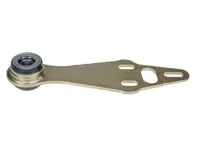

Restore the handling precision and stability of your Porsche 964 with this direct-fit rear axle strut spring plate. This component serves as the mounting interface for the rear suspension strut/torsion bar assembly, designed to manage rear load transfer and geometry under cornering, acceleration and braking. This plate helps hold alignment, minimise unwanted movement and preserve the integrity of your rear suspension. Ideal for restoration, performance upgrades, or any chassis refresh where rear-end precision is paramount.
Sold Each.
Fits:
- Porsche 964 (911) C2 1989-93
- Porsche 964 (911) C4 1989-93
- Porsche 964 (911) RS 3.6L 1991-93
- Porsche 964 (911) RS 3.8L 1991-93
Diagram Ref No 7
What This Product Does:
- As the rear axle strut spring plate, it functions as a pivot and mounting point for the rear suspension strut or torsion bar system. It carries and distributes loads from the suspension into the chassis.
- The “spring plate” terminology signifies that this plate has some built-in flex or mount compliance (often via rubber bushings, spherical bearings or polyurethane supports) to allow controlled articulation while maintaining alignment.
- It helps maintain correct rear suspension geometry (camber, toe, ride height) under dynamic loads (cornering, acceleration, braking). Worn or deformed plates allow unwanted movement, which degrades handling precision.
- In performance or upgraded setups, improved spring plates offer stiffer bearings or spherical joints to reduce unwanted deflection and maintain sharper handling.
Symptoms & Signs Of Wear Or Failure:
- Rear end feels loose or imprecise in corners — the axle may shift slightly or alignment may alter under load.
- Clunking or knocking noises from the rear suspension when hitting bumps or during load transitions, as the plate or its bushings allow movement.
- Uneven tire wear on the rear tyres due to geometry shifting.
- The car may have difficulty holding correct ride height or alignment settings after suspension work.
- Increased vibration or harshness as the original flexible mount wears out and transfers more shock into the chassis.
- Visible deterioration: cracked rubber bushings, fatigue in the plate, corrosion, or play in the mount. Many aftermarket sites note that “original steel spring plates can oxidise … bushings and bearings degrade … lead to unpredictable and imprecise handling.
Why Replacement Matters:
- Over time, the original suspension mount plates and bushings are subject to fatigue, corrosion, rubber deterioration and wear. For a car that’s decades old, the mounting points may no longer behave as designed.
- Replacing these spring plate/axle strut mounts restores factory-level stability and alignment integrity — critical for handling, especially in performance driving.
- Upgraded versions allow for less deflection, more precise geometry, and better feedback — beneficial if you’ve modified suspension, lowered the car, added wider tyres, or use the car for spirited driving or track work.
- A new plate helps maintain reliable load transfer, prevents unwanted movement in the suspension, and protects against secondary wear in other components (arms, bearings, bushings) due to misalignment.
- In short, it’s a foundational part of the rear suspension that if neglected, undermines the rest of your chassis and alignment effort.
Related reference numbers
Related, superseded, cross reference or alternative numbers for comparison.
9643310
The product you are viewing cross references to these numbers

- Porsche 964 (911) C2 1989-93
- Porsche 964 (911) C4 1989-93
- Porsche 964 (911) RS 3.6L 1991-93
- Porsche 964 (911) RS 3.8L 1991-93
 Shop Securely
 12 Month Warranty
 Worldwide Delivery
 Express Delivery
 Free delivery
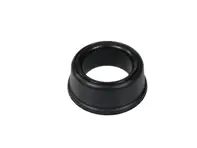
Ensure your classic Porsche’s torsion-bar suspension remains quiet, stable and correctly aligned with this rubber sleeve. Designed for Porsche models such as the 356 A/B, this sleeve features a seating rim for precise positioning and helps isolate torsional loads while maintaining correct mount geometry. A critical yet often overlooked component in torsion-bar systems, this replacement sleeve restores proper bar support, reduces noise and ensures ride height and suspension behavior.
Sold Each.
x2 Required Per Car.
Fits:
- Porsche 356A 1955-59
- Porsche 356B 1959-63
Diagram Ref No 36
What This Product Does:
- The sleeve cushions the torsion bar where it passes through or mounts to the chassis or spring plate. Because torsion-bars twist under load, this sleeve helps reduce metal-to-metal contact, absorb vibrations or harshness, and maintain correct bar location and alignment.
- The “with rim” detail likely means it has a flange or rim that seats against a plate or bracket, ensuring correct fit and preventing movement of the sleeve out of position.
- By keeping the torsion bar isolated and aligned, the sleeve helps maintain correct ride height, suspension behavior, and prevents unwanted noise, wear, or alignment shifts due to a loose or worn bar mount.
Symptoms & Signs Of Wear Or Failure:
- Clunks or knocks from the rear (or whichever end the torsion bar is mounted) when going over bumps, indicating the torsion bar is moving within its mount.
- Loss of ride height or inconsistent ride height, because the torsion bar may not be seating properly.
- Increased vibration or harshness being transmitted from the torsion bar area into the chassis or cabin.
- Suspension geometry changes / alignment drift, because the torsion bar may shift or twist out of its correct location.
- Visible rubber degradation — cracking, splitting, flattening, or the rim/seating portion being damaged. On inspection you may see the sleeve has collapsed or the rim no longer seats properly.
- Over time, rubber components like this sleeve degrade from age, heat, load, UV exposure and the twisting action of the torsion bar. A worn sleeve compromises the mount of the torsion bar and therefore the overall behavior of the suspension.
- Especially in older vehicles or restorations, replacing such small components is critical to preserving the integrity of the suspension system rather than just chasing obvious wear points.
- For classic Porsche owners maintaining these older torsion-bar systems, ensuring these sleeves are in good condition means you’ll keep ride height correct, less unwanted movement, better durability, and fewer secondary failures (e.g., as the bar shifts it may overload other bearings or mounts).
Related reference numbers
Related, superseded, cross reference or alternative numbers for comparison.
64433313100
The product you are viewing cross references to these numbers
- Porsche 356A 1955-59
- Porsche 356B 1959-63
Shop Securely
12 Month Warranty
Worldwide Delivery
Express Delivery
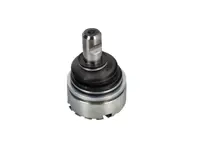
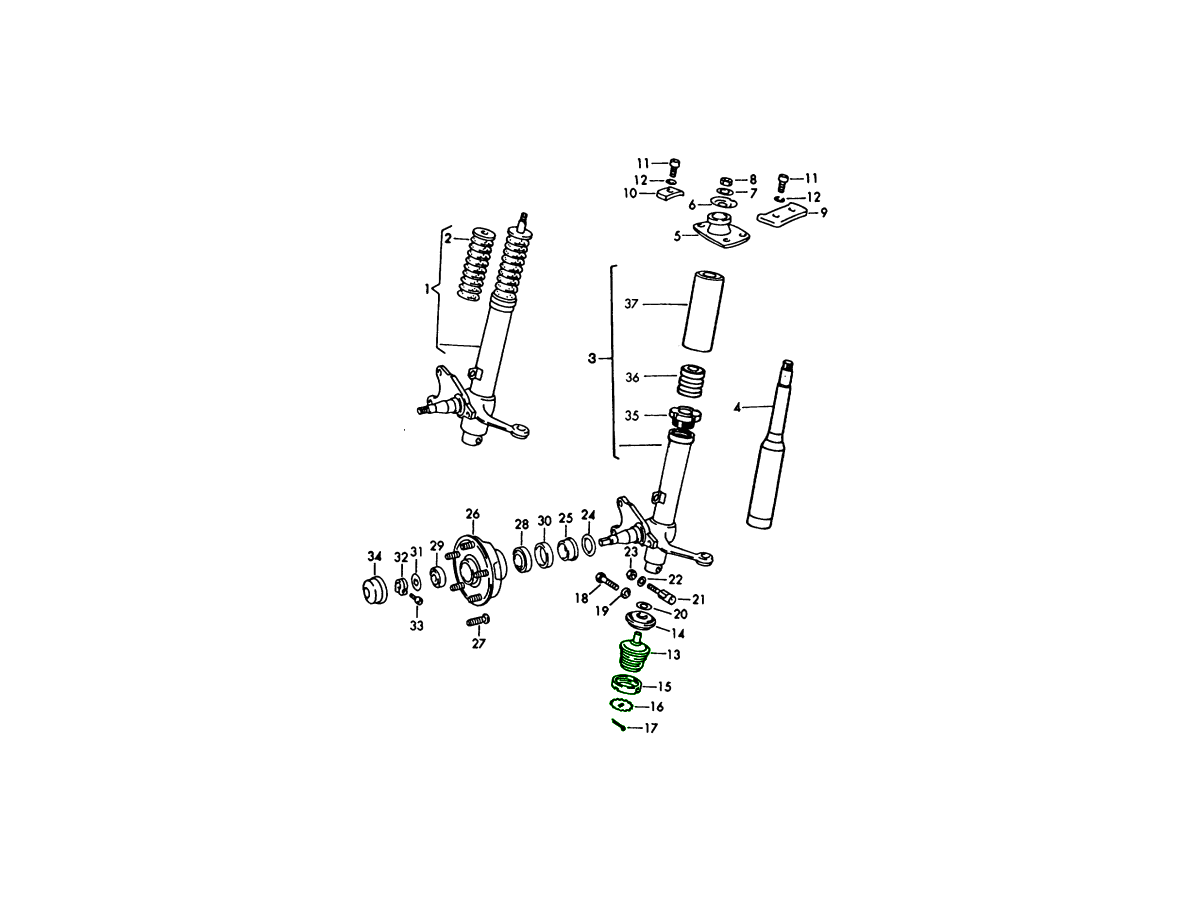
Upgrade your front suspension precision with this de-cambered ball joint, designed for early Porsche 911 and 914 models (1968-72) using the FI16 suspension system. This ball joint features an offset mounting position, delivering approx 3 mm additional negative camber per side, improving front end grip and cornering response.
Sold Each.
x2 Required Per Car.
Fits:
- Porsche 911 1968-1973 2.2L / 2.4L / 2.7L RS LWB (F)
- Porsche 914 (1970-1976)
Diagram Ref No 13, 15, 16, 17
What This Product Does:
- By offsetting the ball joint mounting location, the bottom of the strut / control arm is moved slightly outward, thereby increasing the negative camber angle of the front wheels (camber meaning the top of the tire tilts inward). This helps maintain better contact patch under cornering or when the car is loaded laterally.
- Improves front end grip and handling when cornering heavily by limiting camber loss under load.
- Because it uses upgraded hardware, it ensures the A-arm to spindle connection remains precise, reducing deflection or unwanted movement compared to worn standard joints.
Symptoms & When You Might Need It:
- If you’ve lowered the front of the car, added stiffer springs or anti-roll bars, you may find the standard camber spec is insufficient — tires may roll onto the outer edge when cornering. This de-cambered joint helps adjust for that.
- Worn or loose ball joints can cause front end play, knocking noises when the steering is turned or when hitting bumps, and uneven tire wear (especially on the inner or outer shoulder). The upgrade version helps eliminate play and adjust geometry.
- Loss of front negative camber under lateral load: you might notice less cornering grip, front tires scrub or overheat on the outer edge, or the car understeers more than normal.
- Visible wear: when inspecting, you might find the original ball joint housing is worn, the stud loosened, rubber boots torn, or excessive play when lifting the wheel and wiggling the control arm.
Why This Upgrade Matters:
- For enthusiasts, track-day users or cars modified with lowered suspension and stiffer springs, the factory ball joint may no longer allow optimal camber and geometry settings. This de-cambered version gives a relatively easy bolt-in method to move the geometry in the right direction without major suspension redesign.
- It offers both improved handling (by more negative camber) and also improved front end stability and precision (by replacing worn or standard joints with a stronger, correctly designed part).
- Considering the age of 911/914 front suspension components, renewing joints such as this one is a worthwhile investment in safety, longevity and driving feel.
Related reference numbers
Related, superseded, cross reference or alternative numbers for comparison.
90134104904
The product you are viewing cross references to these numbers
- Porsche 911 1968-1973 2.2L / 2.4L / 2.7L RS LWB (F)
- Porsche 914 (1970-1976)
Shop Securely
12 Month Warranty
Worldwide Delivery
Express Delivery
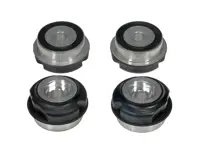
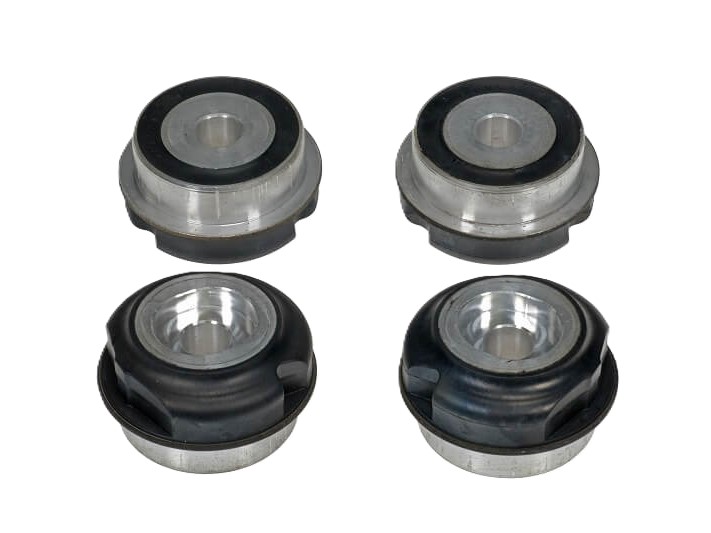
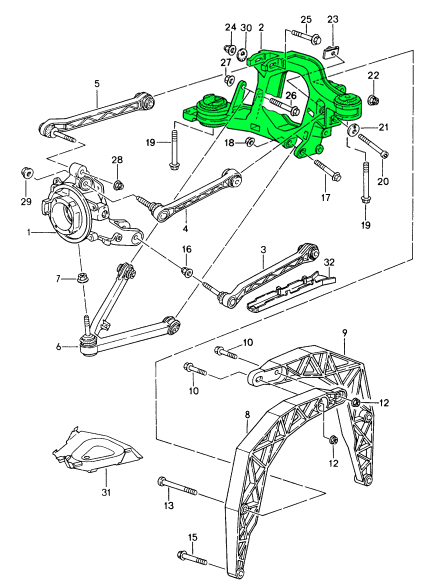
Restore the precision and stability of your Porsche 993 with this Rear Subframe Bushing Set. These bushings mount the rear subframe to the chassis, isolating road vibrations while maintaining accurate suspension alignment and geometry.
Sold As A Set Of 4.
x2 Required Per Car.
Fits:
- Porsche 993 (911) C2 1994-97
- Porsche 993 (911) C4 1994-97
- Porsche 993 (911) RS 1994-97
- Porsche 993 (911) C2S 1994-97
- Porsche 993 (911) C4S 1994-97
- Porsche 993 (911) TURBO 1994-96
- Porsche 993 (911) GT2 1994-97
- Porsche 993 (911) TURBO S 1994-97
Fits On To Diagram Ref No 2
What This Product Does:
- Isolate Vibration & Noise - They provide a cushioning interface between the rigid subframe and the softer body shell, helping absorb road vibrations, shock, and noise.
- Locate the Subframe Precisely - The bushings restrict movement of the subframe in certain directions, maintaining alignment and preventing unwanted shifts under load (acceleration, braking, cornering).
- Allow Controlled Flexibility - While they restrain gross motion, they permit some small movement / compliance to avoid excessive stress on the chassis or suspension components, especially as the car moves over bumps or under torque loads.
- Support Rear-End Stability & Handling - Because the subframe holds rear suspension geometry (arms, links, differential, etc.), worn or soft bushings allow variation in alignment under load, reducing precision and stability.
- Clunks, knocks, or bangs from the rear over bumps, especially during acceleration or deceleration.
- Loose or imprecise handling / rear-end movement under cornering or sudden load change.
- Rear stability issues such as traction irregularities or feeling the car “wander” or “step out” when pushing hard.
- Poor alignment retention — alignment specs (camber, toe) may shift after driving or under load, requiring frequent re-adjustment.
- Vibration or harshness through the chassis, especially at the rear, more transmitted through the body.
- Visible deterioration like cracks, splits or deformation in the rubber, excessive flex / play when the car is raised, or separation between inner and outer portions of the bushing.
- Restores rear-end precision — new bushings ensure the subframe is held firmly and accurately, improving handling and chassis response.
- Better alignment stability — new bushings keep suspension settings stable, reducing need for frequent alignment checks or changes.
Related reference numbers
Related, superseded, cross reference or alternative numbers for comparison.
99333105100
The product you are viewing cross references to these numbers
- Porsche 993 (911) C2 1994-97
- Porsche 993 (911) C4 1994-97
- Porsche 993 (911) RS 1994-97
- Porsche 993 (911) C2S 1994-97
- Porsche 993 (911) C4S 1994-97
- Porsche 993 (911) TURBO 1994-96
- Porsche 993 (911) GT2 1994-97
- Porsche 993 (911) TURBO S 1994-97
Shop Securely
12 Month Warranty
Worldwide Delivery
Express Delivery
Free delivery
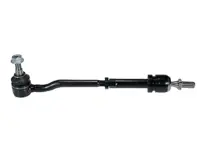
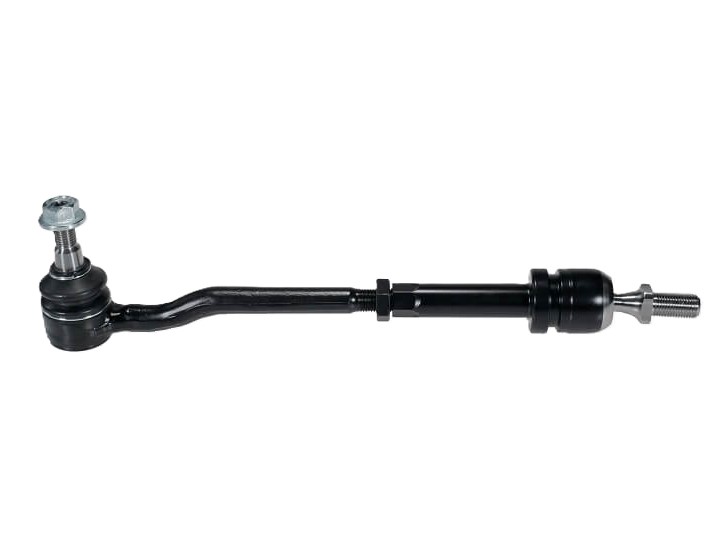
Upgrade your Porsche 993’s front-end steering with this track rod with integrated ball joint. Designed for high-performance or RS-spec front assemblies, this tie rod helps maintain correct steering geometry—even under lowered or modified suspension setups.
Sold Each.
x2 Required Per Car.
Fits:
- Porsche 993 (911) RS 1994-97
Diagram Ref No 4, 6, 14
What This Product Does:
- The track rod connects the steering rack to the steering knuckle, transmitting the lateral motion that turns your wheels. The ball joint portion allows the rod to articulate smoothly over vertical suspension travel.
- In RS / high-performance or lowered setups, stock tie rods may introduce bump steer (unwanted steering input as suspension moves). This track rod is designed to maintain proper steering geometry under altered suspension conditions, minimizing bump steer.
- Because it uses a ball joint, it provides reliable articulation with less unwanted flex or play than older or worn rubber-jointed rods.
- Steering play or looseness — especially in the front end, sometimes felt as vague or sloppy steering.
- Clunks or knocks from the front end when driving over bumps or during steering changes.
- Variable alignment or pull — the car may drift or pull, or alignment might not hold under load.
- Uneven tire wear on the front wheels, especially the inner or outer edges, due to steering geometry changing under load.
- Reduced steering precision and degraded feedback, especially under dynamic driving.
- Restores precise steering geometry — especially in cars with suspension modifications, lowering, or performance setups.
- Reduces bump steer — ensures that as the suspension compresses and rebounds, the wheels don’t change direction inadvertently.
- Improves durability & reliability — a new ball joint / tie rod is safer, less prone to play or failure than an old or worn one.
- Better feedback & control — firmer, more immediate steering response under varying conditions.
- Necessary for RS / track / high-spec builds — to preserve the performance intent of upgraded front ends and steering knuckles.
Related reference numbers
Related, superseded, cross reference or alternative numbers for comparison.
99334703182
The product you are viewing cross references to these numbers
- Porsche 993 (911) RS 1994-97
Shop Securely
12 Month Warranty
Worldwide Delivery
Express Delivery
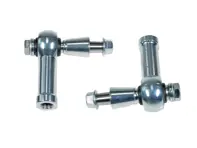
Optimize your Porsche’s steering with this precision monoball tie rod / bump steer kit, built around the iconic turbo tie rod end. Designed for classic 911, 912, 914, and 930 models, especially those that have been lowered or upgraded, it corrects tie rod geometry to eliminate bump steer, stiffen the steering feel, and maintain alignment under full suspension travel.
Fits:
- Porsche 911 1978-1989 3.3L Turbo (930)
What This Product Does:
- Corrects tie rod angle / drop: Especially on lowered vehicles, the stock tie rod geometry can cause the tie rod ends to sit at an undesirable angle, contributing to bump steer (the tendency for the wheels to turn slightly under vertical suspension movement). The adjustable kit lets you reposition the tie rod so the geometry is closer to optimal.
- Provides a stiff, precise joint: Because it’s monoball (spherical bearing), the joint is more rigid and precise compared to a bush-type joint, with less compliance, thus improving steering feedback and consistency under load.
- Allows precise adjustment: Many bump steer kits allow vertical movement in fine increments (e.g. 1 mm steps) to dial the ideal steering geometry.
- Maintains alignment under suspension travel: As the suspension compresses or rebounds, the improved geometry helps avoid unintended steering changes (i.e. bump steer), which improves stability and handling.
- When driving over undulations or bumps, the wheels may steer themselves slightly (you feel the car “pull” or twitch).
- The steering may feel loose, vague, or lack consistency as the suspension travels.
- Especially at the tie rod ends, you may hear clunks, or feel play in steering when the joint is worn.
Why Replacement / Upgrading Matters:
- Correct geometry after modifications: If your car is lowered or has suspension changes, the stock tie rod alignment may cause bump steer. Upgrading to a monoball adjustable kit restores proper geometry.
- Improved steering precision: Rigid joints (monoball) reduce compliance and provide sharper, more direct feedback.
- Consistency under dynamic load: Helps maintain alignment as the suspension moves, making handling more predictable and safer at speed.
- Better durability: Quality monoball joints and upgraded materials withstand fatigue, wear, and stress better than aged or rubber-jointed stock parts.
- Essential for track / performance use: In motorsport settings, the steering must remain constant under all conditions — this kit helps ensure that.
Related reference numbers
Related, superseded, cross reference or alternative numbers for comparison.
93034732200
The product you are viewing cross references to these numbers
- Porsche 911 1978-1989 3.3L Turbo (930)
- Porsche 914 (1970-1976)
Shop Securely
12 Month Warranty
Worldwide Delivery
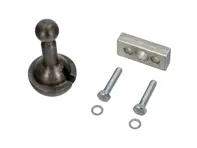
Enhance your Porsche’s driving experience with this Short Shift Kit, designed to reduce gear lever travel by up to 30% for quicker, more precise shifting.
Manufactured to OEM standards, this kit delivers sharper engagement and a sportier, more mechanical shift feel without sacrificing reliability or smoothness.
Perfect for classic Porsche 911 and 912 models equipped with early 901 or 915 transmissions, this kit is one of the most effective performance upgrades for enthusiasts who value control and response behind the wheel.
Fits:
What This Product Does:
Symptoms Of Worn Or Standard Shift Mechanism:
- Long, vague gear throws – excessive lever movement between gears.
- Loose or sloppy feel – due to worn linkage bushings or an outdated geometry.
- Missed shifts under load – from excessive travel or worn alignment.
- Reduced driver confidence – especially in performance or spirited driving.
- Sharper shifting response: Reduces gear lever travel for faster, crisper engagement.
- Improved driver control: Makes each shift more precise and confidence-inspiring.
- Enhanced performance feel: Brings modern shift precision to classic Porsche models.
- Ideal for restorations or upgrades: Adds value and driving engagement without compromising originality.
Related reference numbers
Related, superseded, cross reference or alternative numbers for comparison.
91142493100
The product you are viewing cross references to these numbers
- Porsche 911 1965-1968 2.0L / 912 SWB (F)
- Porsche 911 1968-1973 2.2L / 2.4L / 2.7L RS LWB (F)
- Porsche 914 (1970-1976)
Shop Securely
12 Month Warranty
Worldwide Delivery
Express Delivery
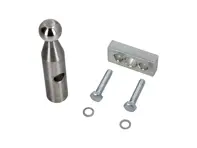
Upgrade your Porsche’s gearshift precision with this Short Shift Kit. Designed to reduce shift lever throw by a significant margin, it delivers quicker, more direct gear changes while preserving smoothness and reliability.
Fits:
- Porsche 911 1974-1977 2.7L / 1976-77 3.0 Carrera
- Porsche 911 1978-1983 3.0L / SC
- Porsche 911 1984-1986 3.2L
What This Product Does:
- This is a short-shift kit / short shifter insert for manual gearboxes used in older Porsche 911 models (and compatible transmissions).
- Its main function is to reduce the throw / distance the gear lever must travel between gears.
- By shortening the shift distance, it allows quicker shifts, giving a more “direct” and sporty feel to the gearbox.
- Because the lever movement is reduced, it typically changes the mechanical leverage slightly, which can make shifts feel firmer and more precise (less slack).
- Inconsistent or sloppy shifts - If the mechanism is worn, not properly fitted, or the insert is loose, you may feel slack, missed shifts, or extra play.
- Dragging or binding gear lever - If tolerances are tight or misaligned, the lever might bind slightly during movement, especially when shifting quickly.
- Noise or rattle in shifter area - A loose insert might cause clicking, rattling, or vibration felt through the shift lever.
- Reduced effectiveness / drift - Over time, the kit components (bushings, linkages) can wear, reducing the short-shift benefit or making it feel “softened.”
- Gear change errors under high stress / racing - In a performance setting, when you expect crisp shifts, a degraded kit might lead to missed or slow shifts.
- Faster shifts: Less lever travel means quicker transitions between gears, especially useful for spirited driving or track use.
- Better shift feel: Reduced slack or play gives a more direct, mechanical, connected feel to the gearbox.
- Enhanced driver engagement: More responsive shifting helps the car feel more “driver-oriented” and sporty.
- Minimal downsides: A good kit does this without dramatically increasing wear or negatively affecting everyday comfort.
- Value in restoration / upgrades: For classic Porsche owners restoring or upgrading, applying a short-shift kit helps modernize the driving experience while retaining originality.
Related reference numbers
Related, superseded, cross reference or alternative numbers for comparison.
91142493100
The product you are viewing cross references to these numbers
- Porsche 911 1974-1977 2.7L / 1976-77 3.0 Carrera
- Porsche 911 1978-1983 3.0L / SC
- Porsche 911 1984-1986 3.2L
Shop Securely
12 Month Warranty
Worldwide Delivery
Express Delivery
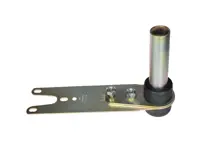
Upgrade your Porsche’s suspension precision with this Uprated Rear Spring Plate, designed specifically for G50 gearbox-equipped Porsche 911 models (1987–1989). This enhanced spring plate replaces the factory unit with a stronger, stiffer design that improves rear suspension control and geometry accuracy.
Sold Each.
x2 Required Per Car.
Fits:
- Porsche 911 1987-1989 3.2L G50
Diagram Ref No 6
What This Product Does:
- The uprated rear spring plate connects your Porsche’s torsion bar to the rear suspension arm, transferring spring tension into the chassis. It controls ride height, rear camber, and toe, and ensures the suspension geometry remains stable under load.
- The “uprated” design improves on the original factory plate by using stronger materials and stiffer rubber bushes, reducing unwanted flex and maintaining alignment during hard cornering, acceleration, and braking.
- For Porsche 911 models equipped with the G50 gearbox (1987–1989), this version ensures perfect fitment with the later rear suspension layout and provides a more precise, performance-focused response.
- Uneven or Unstable Rear Ride Height – The car may sit lower on one side or show inconsistent ride height after bumps.
- Poor Handling or “Rear-End Float” – The rear feels loose or unpredictable when cornering, braking, or accelerating.
- Excessive Noise or Clunking – You may hear knocks or creaks from the rear suspension as the bushes wear or the plate moves.
- Excessive Tire Wear – Incorrect geometry from worn plates can cause uneven rear tire wear, especially on the inside edge.
- Vibration or Instability at Speed – Worn bushes can allow unwanted movement in the rear suspension, affecting high-speed stability.
- Restores Geometry Precision: Keeps torsion bar alignment correct, maintaining stable camber and toe under load.
- Improves Handling: Firmer bushings and stiffer construction minimize flex, improving cornering response and balance.
- Eliminates Rear-End Slop: Reduces play and movement in the suspension for a tighter, more connected driving feel.
- Enhances Durability: Modern uprated materials resist corrosion, fatigue, and aging better than the originals.
- Essential for Restorations & Performance Builds: Ensures suspension performs at its best when upgrading shocks, torsion bars, or ride height.
Related reference numbers
Related, superseded, cross reference or alternative numbers for comparison.
91133300906
The product you are viewing cross references to these numbers
- Porsche 911 1987-1989 3.2L G50
Shop Securely
12 Month Warranty
Worldwide Delivery
Express Delivery
Free delivery
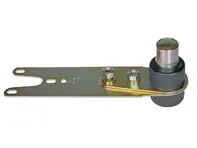
Enhance your Porsche’s suspension precision with this Adjustable Rear Spring Plate, designed for classic torsion-bar models. A direct replacement part, this adjustable version allows fine-tuning of ride height, preload, and camber — ideal for performance upgrades, corner balancing, or precise geometry correction.
Sold Each.
x2 Required Per Car.
Fits:
- Porsche 911 1968-1973 2.2L / 2.4L / 2.7L RS LWB (F)
- Porsche 911 1974-1977 2.7L / 1976-77 3.0 Carrera
- Porsche 911 1978-1983 3.0L / SC
- Porsche 911 1984-1986 3.2L
- Porsche 911 1975-1977 3.0L Turbo (930)
Diagram Ref No 16
What This Product Does:
- The spring plate is the point where the torsion bar is mounted into the chassis — it transfers torsional force (spring action) from the torsion bar to the body / suspension.
- The adjustability allows you to change how much preload (twist) is put on the torsion bar, which influences ride height, spring rate, and camber under load. This is especially beneficial for performance tuning or if you have modified suspension, tires, or body geometry.
- With an adjustable plate, you can fine-tune corner balance, handling traits, and compensate for wear or changes in suspension parts over time.
- Also, replacing old, rusty, or fatigued plates with fresh adjustable ones restores rigidity, consistency, and accuracy to the rear suspension geometry
Symptoms & Signs You May Need Replacement:
- The original plates are rusty, corroded, or weakened (common in older cars)
- The car’s rear ride height or camber is out of spec, and you need a way to adjust without drastic modifications.
- You notice uneven tire wear, or inconsistent handling from side to side, which can be improved by more precise geometry control.
- Upgrading to adjustable rear spring plates gives you complete control over your Porsche’s suspension setup. Factory plates offer no fine adjustment, making it difficult to achieve precise ride height, camber, and corner balance — especially on modified or track-driven cars.
- With this adjustable design, you can easily tune torsion bar preload and suspension geometry, ensuring the perfect stance and balance for your driving style. The result is sharper turn-in, improved rear-end grip, and more predictable handling, whether on the road or at the circuit.
- For classic Porsche models using torsion-bar suspension, this upgrade transforms the driving experience — combining modern adjustability with quality fitment and long-term reliability.
Related reference numbers
Related, superseded, cross reference or alternative numbers for comparison.
90133300309
The product you are viewing cross references to these numbers
- Porsche 911 1968-1973 2.2L / 2.4L / 2.7L RS LWB (F)
- Porsche 911 1974-1977 2.7L / 1976-77 3.0 Carrera
- Porsche 911 1978-1983 3.0L / SC
- Porsche 911 1984-1986 3.2L
- Porsche 911 1975-1977 3.0L Turbo (930)
Shop Securely
12 Month Warranty
Worldwide Delivery
Express Delivery
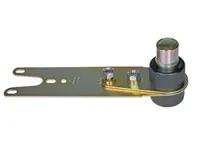
Upgrade your Porsche’s suspension precision with this Sports Adjustable Rear Spring Plate, designed for fine-tuning ride height and corner balance. A direct replacement, this high-quality component fits classic Porsche 911 models and allows precise adjustment of rear torsion bar preload and camber settings.
Sold Each.
x2 Required Per Car.
Fits:
- Porsche 911 1968-1973 2.2L / 2.4L / 2.7L RS LWB (F)
- Porsche 911 1974-1977 2.7L / 1976-77 3.0 Carrera
- Porsche 911 1978-1983 3.0L / SC
- Porsche 911 1984-1986 3.2L
- Porsche 911 1975-1977 3.0L Turbo (930)
- Porsche 911 1978-1989 3.3L Turbo (930)
Diagram Ref No 16
What This Product Does:
- Holding the torsion bar end and anchoring it to the chassis or suspension structure.
- Providing a mounting surface for the torsion bar to twist against, effectively managing the rear spring action (torsional stiffness).
- The adjustable aspect allows you to change preload, camber, or ride height for tuning the rear suspension setup to your desired performance balance (road or track)
- Helping maintain correct geometry as suspension moves, ensuring better tire contact, handling, and responsiveness.
- Rust / corrosion / fatigue: The old plates may be rusty or weakened, especially in classic cars.
- Sagging or misalignment: Rear ride height may fall, or camber might drift under load.
- Uneven tire wear: Because geometry is off or not held firmly, the tires may wear more on one edge.
- Poor rear handling / unpredictable grip: The rear may feel loose under cornering or shift unpredictably under load.
- Difficulty setting or maintaining geometry: Without adjustability, it’s harder to dial in suspension tweaks, especially for track use or changed setups (wider tires, stiffer suspension, etc.).
Factory spring plates offer limited adjustment. This RS-style sports version allows quick and accurate tuning of ride height, preload, and camber, giving sharper handling and better tire contact for both road and track.
Related reference numbers
Related, superseded, cross reference or alternative numbers for comparison.
90133300309
The product you are viewing cross references to these numbers
- Porsche 911 1968-1973 2.2L / 2.4L / 2.7L RS LWB (F)
- Porsche 911 1974-1977 2.7L / 1976-77 3.0 Carrera
- Porsche 911 1978-1983 3.0L / SC
- Porsche 911 1984-1986 3.2L
- Porsche 911 1975-1977 3.0L Turbo (930)
- Porsche 911 1978-1989 3.3L Turbo (930)
Shop Securely
12 Month Warranty
Worldwide Delivery
Express Delivery
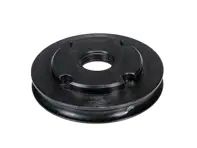
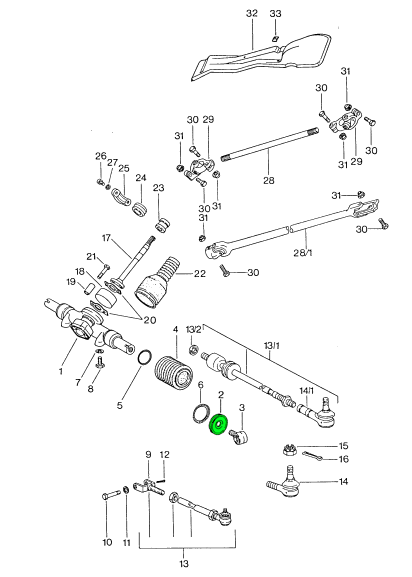
Keep your Porsche’s steering system protected and precise with this Outer Tie Rod Bellow Support. This small but essential component supports and secures the tie rod bellow (rubber boot), ensuring a tight seal around the outer tie rod joint.
Sold Each.
x2 Required Per Car.
Fits:
- Porsche 911 1965-1968 2.0L / 912 SWB (F)
- Porsche 911 1968-1973 2.2L / 2.4L / 2.7L RS LWB (F)
- Porsche 911 1974-1977 2.7L / 1976-77 3.0 Carrera
- Porsche 911 1978-1983 3.0L / SC
- Porsche 914 (1970-1976)
What This Product Does:
- Protects the tie rod ball joint / linkage by ensuring the rubber bellow (boot) stays in the correct position, sealing out dirt, water, and grit that cause wear.
- Maintains steering durability: by keeping debris out, it helps preserve the life of tie rods, joints, and bushings.
- Stabilizes the boot shape so it doesn’t collapse, shift, or expose the joint under steering movement.
- Helps prevent premature wear of components linked to steering geometry, as a good seal reduces contamination and ensures consistent lubrication.
Symptoms & Signs Of A Failing / Missing Support:
- Torn or misaligned tie rod boot / bellow - The rubber boot may sag, shift, or pull away from its proper anchor point.
- Grease or lubricant loss / leakage - The joint may lose its grease or lubricant because the boot is not sealing properly.
- Contaminant ingress / accelerated wear - Dirt, dust, water, or grit may get into the joint, causing more rapid wear, noise, or looseness.
- Steering feel deterioration / looseness - Over time, the tie rod joint may become sloppy due to contamination or lubricant loss, leading to vague steering feel, play, or imprecision.
- Visible damage or missing piece - The support itself may be cracked, broken, or missing, leaving only the boot unsupported.
- A missing or damaged bellow support can cause boot misalignment, grease leakage, and premature tie rod wear. Replacing it ensures the steering linkage remains clean, tight, and correctly sealed — preserving your Porsche’s handling precision and steering feel.
Related reference numbers
Related, superseded, cross reference or alternative numbers for comparison.
90134705602
The product you are viewing cross references to these numbers
- Porsche 911 1965-1968 2.0L / 912 SWB (F)
- Porsche 911 1968-1973 2.2L / 2.4L / 2.7L RS LWB (F)
- Porsche 911 1974-1977 2.7L / 1976-77 3.0 Carrera
- Porsche 911 1978-1983 3.0L / SC
- Porsche 914 (1970-1976)
Shop Securely
12 Month Warranty
Worldwide Delivery
Express Delivery
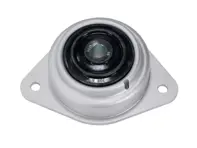
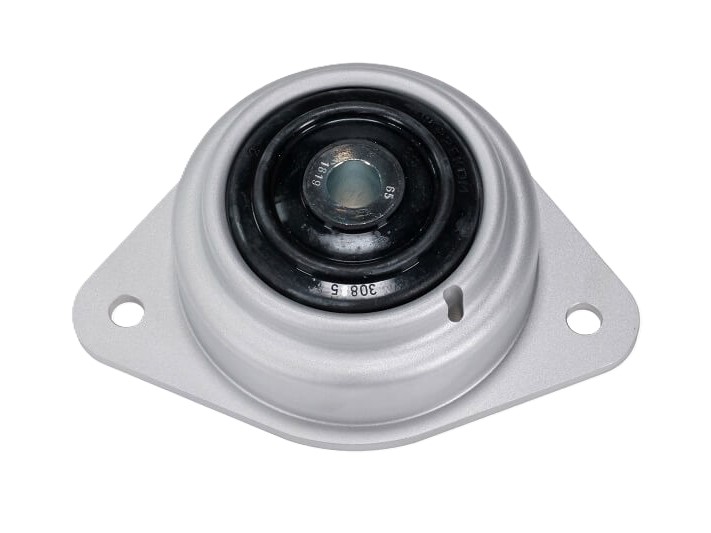
Upgrade your Porsche’s performance and stability with this RS-style Heavy-Duty Engine Mount. Designed as a direct replacement for standard mounts, it features a 65A Shore-rated rubber compound that delivers the perfect balance between comfort and precision.
Sold Each.
x2 Required Per Car.
Fits:
- Porsche 964 (911) C2 1989-93
- Porsche 964 (911) C4 1989-93
- Porsche 964 (911) RS 3.6L 1991-93
- Porsche 964 (911) RS 3.8L 1991-93
- Porsche 964 (911) TURBO 3.3L 1991-93
- Porsche 964 (911) TURBO 3.6L 1991-93
- Porsche 993 (911) C2 1994-97
- Porsche 993 (911) C4 1994-97
- Porsche 993 (911) RS 1994-97
- Porsche 993 (911) C2S 1994-97
- Porsche 993 (911) C4S 1994-97
- Porsche 993 (911) TURBO 1994-96
- Porsche 993 (911) GT2 1994-97
- Porsche 993 (911) TURBO S 1994-97
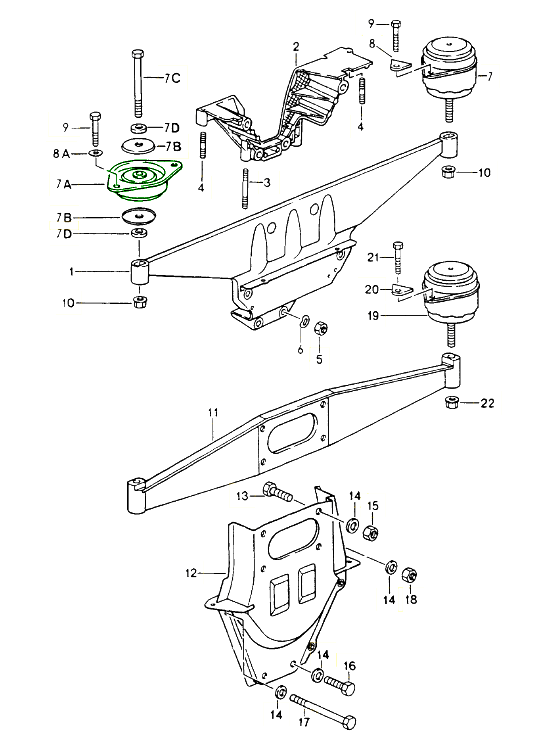
Diagram Ref No 7A
What This Product Does:
- This is a high-density (HD) rubber engine mount in the RS / sport style, intended as an upgraded or stronger replacement to the standard mounts offered on Porsche 964 / 993 models.
- The “65A Shore rating” refers to the hardness (stiffness) of the rubber material. A Shore A of 65 gives a balance: firmer than the softest mounts, but not excessively rigid, aiming to deliver improved engine control without too much harshness.
- It is often used as a pair (one on each side of the engine) to replace worn or softer factory mounts.
- The RS style mount replaces or upgrades from the factory hydraulic or softer mounts.
- In practice, what it does: it helps secure the engine more rigidly to the chassis, reducing unwanted engine movement (twist, yaw, vibration) under load (acceleration, cornering, braking). It helps maintain drivetrain geometry, gives crisper throttle response, and improves shift feel.
- Excessive Engine Movement / “Engine Rocking” - The engine may shift or rock under throttle or when revving, particularly during hard acceleration, deceleration, or rapid load change.
- Clunks or Thuds / Transmission “Bump” During Engagement - When shifting gears, especially from neutral into drive or reverse, or when applying throttle from idle, the drivetrain may “bump” or thud due to slack from the worn mount.
- Misalignment / Drivetrain Strain - Because mounts help maintain alignment between engine, gearbox, and driveshafts, a failing mount can cause misalignment, leading to extra stress on coupling joints, CVs, or mount brackets.
- Increased Vibration or Harshness - You may feel more vibration through the cabin, floor, or pedals, especially under load.
- Noise - Metallic rattles or clunks if the engine is loose enough to hit against brackets or the chassis.
- Rubber Deterioration / Visible Damage - Cracks, splits, or separation in the rubber portion of the mount.
- Upgrading to the RS-Style Engine Mounts (65A Shore Rating) transforms how your Porsche feels on the road. Standard factory mounts are designed for comfort, but over time they soften and allow excessive engine movement, which dulls throttle response and gear changes. The RS-spec design uses a firmer 65A rubber compound, originally developed for Porsche’s Rennsport (RS) models, to deliver sharper, more connected driving dynamics without adding harshness.
- With these mounts installed, your engine and gearbox stay properly aligned, improving stability under acceleration, cornering, and braking. You’ll experience crisper shifting, reduced vibration, and improved handling precision, especially during spirited or track driving.
Related reference numbers
Related, superseded, cross reference or alternative numbers for comparison.
96437504381
The product you are viewing cross references to these numbers
- Porsche 964 (911) C2 1989-93
- Porsche 964 (911) C4 1989-93
- Porsche 964 (911) RS 3.6L 1991-93
- Porsche 964 (911) RS 3.8L 1991-93
- Porsche 964 (911) TURBO 3.3L 1991-93
- Porsche 964 (911) TURBO 3.6L 1991-93
- Porsche 993 (911) C2 1994-97
- Porsche 993 (911) C4 1994-97
- Porsche 993 (911) RS 1994-97
- Porsche 993 (911) C2S 1994-97
- Porsche 993 (911) C4S 1994-97
- Porsche 993 (911) TURBO 1994-96
- Porsche 993 (911) GT2 1994-97
- Porsche 993 (911) TURBO S 1994-97
Shop Securely
12 Month Warranty
Worldwide Delivery
Express Delivery
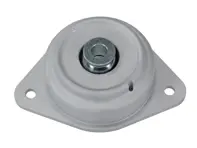
Experience uncompromising drivetrain control with the HD RS-Style Engine Mount featuring a Uni-Ball Centre — the ultimate upgrade for high-performance Porsche 964 and 993 models.
Engineered for motorsport precision, this mount combines the robust RS-style housing with a spherical uni-ball bearing core, replacing the standard rubber insert. The result is near-zero flex or deflection under engine torque, ensuring sharper throttle response, improved gearshift accuracy, and stable engine alignment even under extreme load.
Sold Each.
x2 Required Per Car.
Fits:
Diagram Ref No 7A
What This Product Does:
Symptoms Of Worn Or Failing Engine Mounts:
Why This Upgrade Version Matters:
Related reference numbers
Related, superseded, cross reference or alternative numbers for comparison.
96437504381
The product you are viewing cross references to these numbers
- Porsche 964 (911) C2 1989-93
- Porsche 964 (911) C4 1989-93
- Porsche 964 (911) RS 3.6L 1991-93
- Porsche 964 (911) RS 3.8L 1991-93
- Porsche 993 (911) C2 1994-97
- Porsche 993 (911) C4 1994-97
- Porsche 993 (911) RS 1994-97
- Porsche 993 (911) C2S 1994-97
- Porsche 993 (911) C4S 1994-97
Shop Securely
12 Month Warranty
Worldwide Delivery
Express Delivery
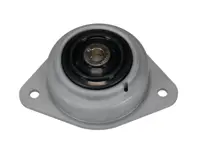
Upgrade your Porsche’s powertrain stability with the HD RS Style Engine Mounts — precision-engineered replacements inspired by the legendary 964 and 993.
These high-performance mounts use 75A Shore durometer rubber, offering a significant increase in stiffness over standard or hydraulic mounts.
The result reduced drivetrain movement, crisper throttle and shift response, and more consistent handling under load.
Sold Each.
x2 Required Per Car.
Fits:
Diagram Ref No 7A
What This Product Does:
Symptoms Of Failing / Weak Engine Mounts:
- Excess engine movement or shift under acceleration or deceleration
- Clunks, knocks, or bangs when shifting or when the engine “settles”
- Increased vibration, especially at idle or low RPM in the cabin
- Misalignment of driveline (axles, driveshaft, transmission) under load
- Premature wear on exhaust, wiring, hoses — anything connected to the engine that gets stressed when it moves
Why Upgrade To HD RS 75A Mounts:
- Sharper Throttle & Shift Response - Stiffer rubber minimizes drivetrain lag and flex.
- Reduced Engine Twist - Keeps drivetrain geometry stable under load.
- Improved Handling Balance - Less movement means more predictable chassis behavior.
- Enhanced Durability - 75A compound resists collapse and fatigue over time.
- Track-Tested Feedback - Ideal for RS conversions, spirited driving, or track use.
Related reference numbers
Related, superseded, cross reference or alternative numbers for comparison.
96437504381
The product you are viewing cross references to these numbers
- Porsche 964 (911) C2 1989-93
- Porsche 964 (911) C4 1989-93
- Porsche 964 (911) RS 3.6L 1991-93
- Porsche 964 (911) RS 3.8L 1991-93
- Porsche 964 (911) TURBO 3.3L 1991-93
- Porsche 964 (911) TURBO 3.6L 1991-93
- Porsche 993 (911) C2 1994-97
- Porsche 993 (911) C4 1994-97
- Porsche 993 (911) RS 1994-97
- Porsche 993 (911) C2S 1994-97
- Porsche 993 (911) C4S 1994-97
- Porsche 993 (911) TURBO 1994-96
- Porsche 993 (911) GT2 1994-97
- Porsche 993 (911) TURBO S 1994-97
Shop Securely
12 Month Warranty
Worldwide Delivery
Express Delivery


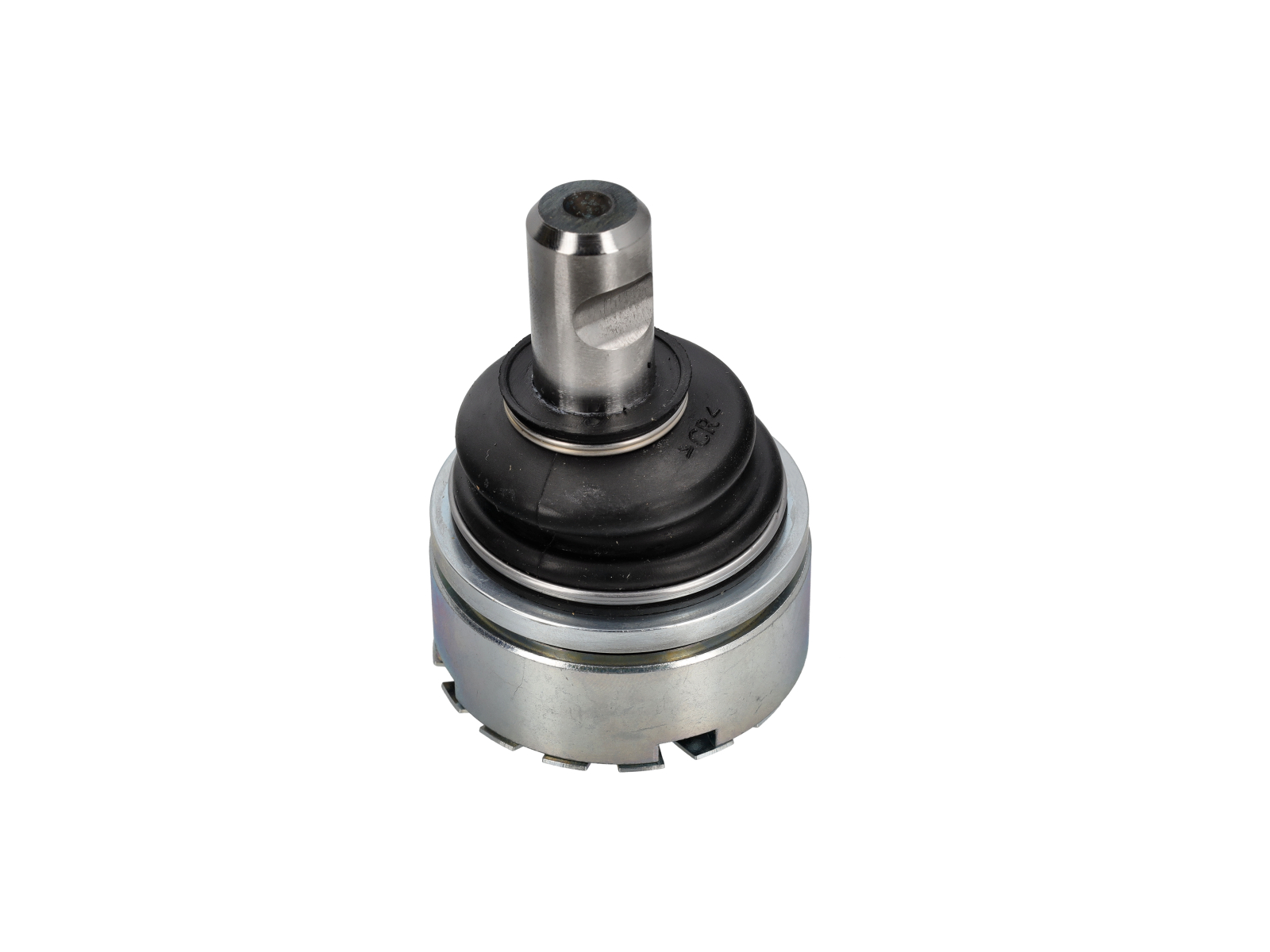
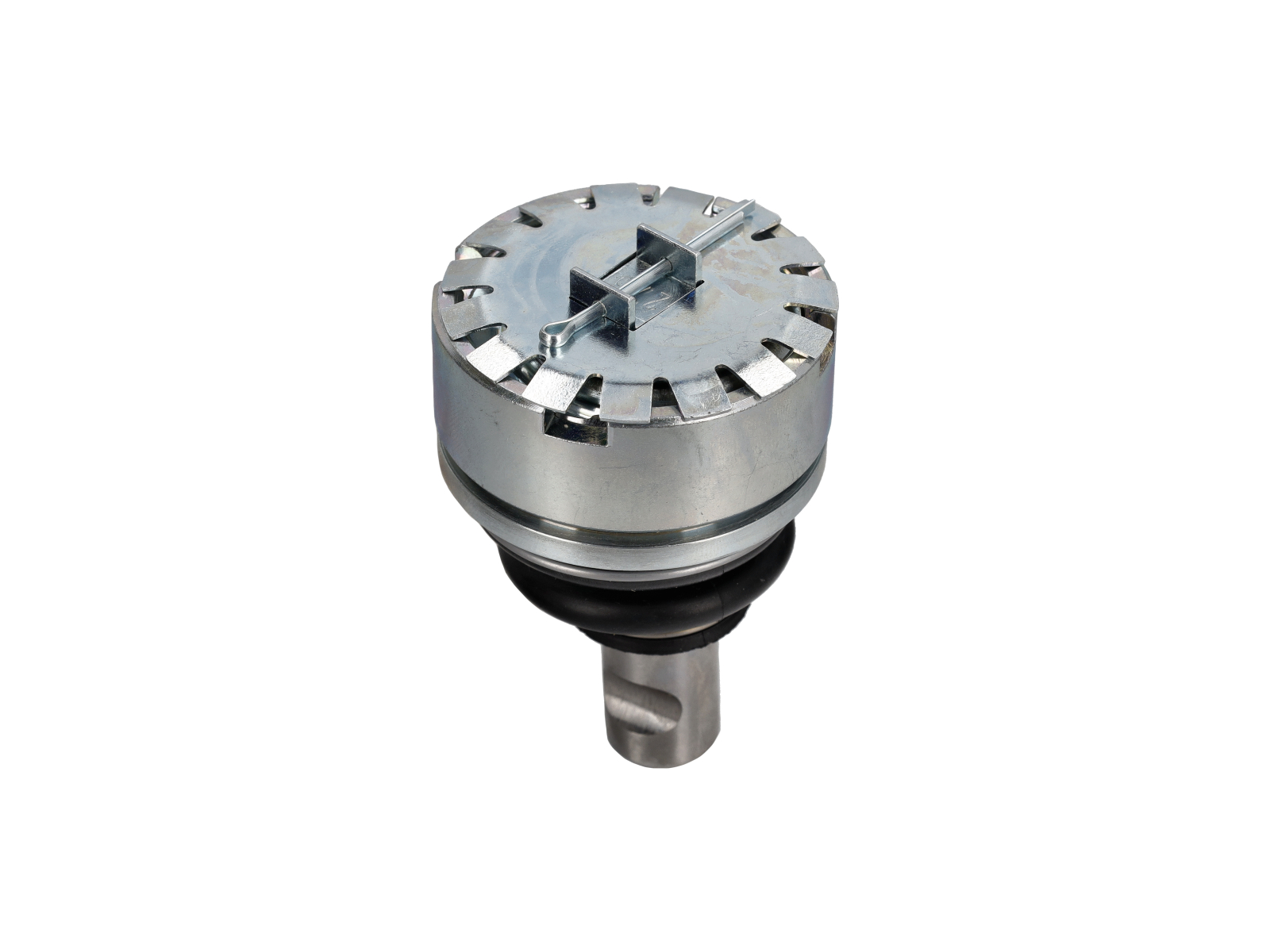
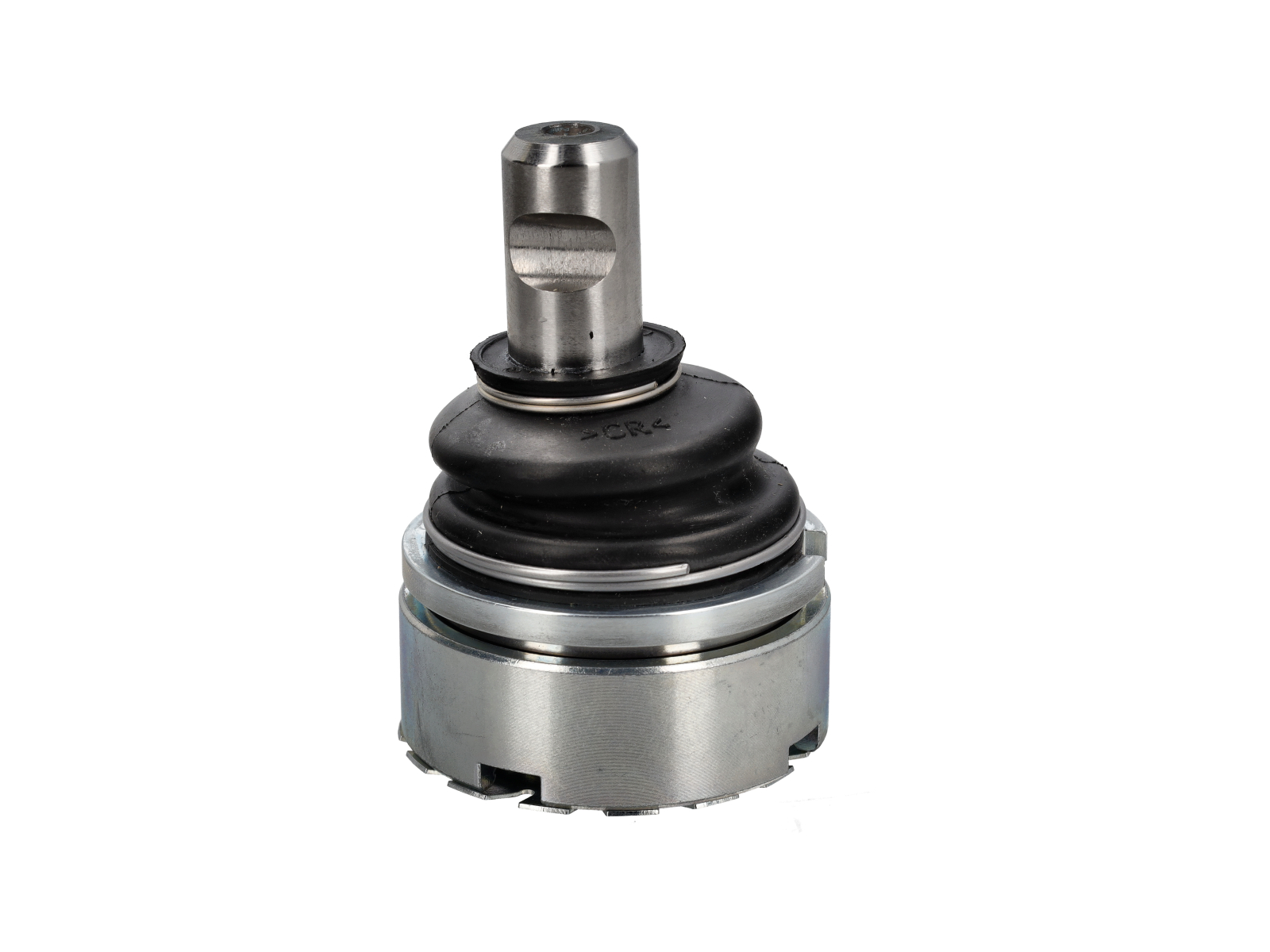
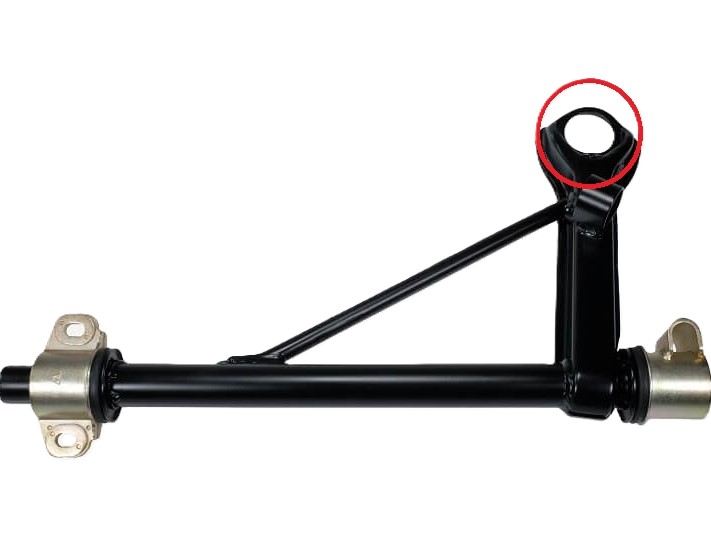
.jpg)


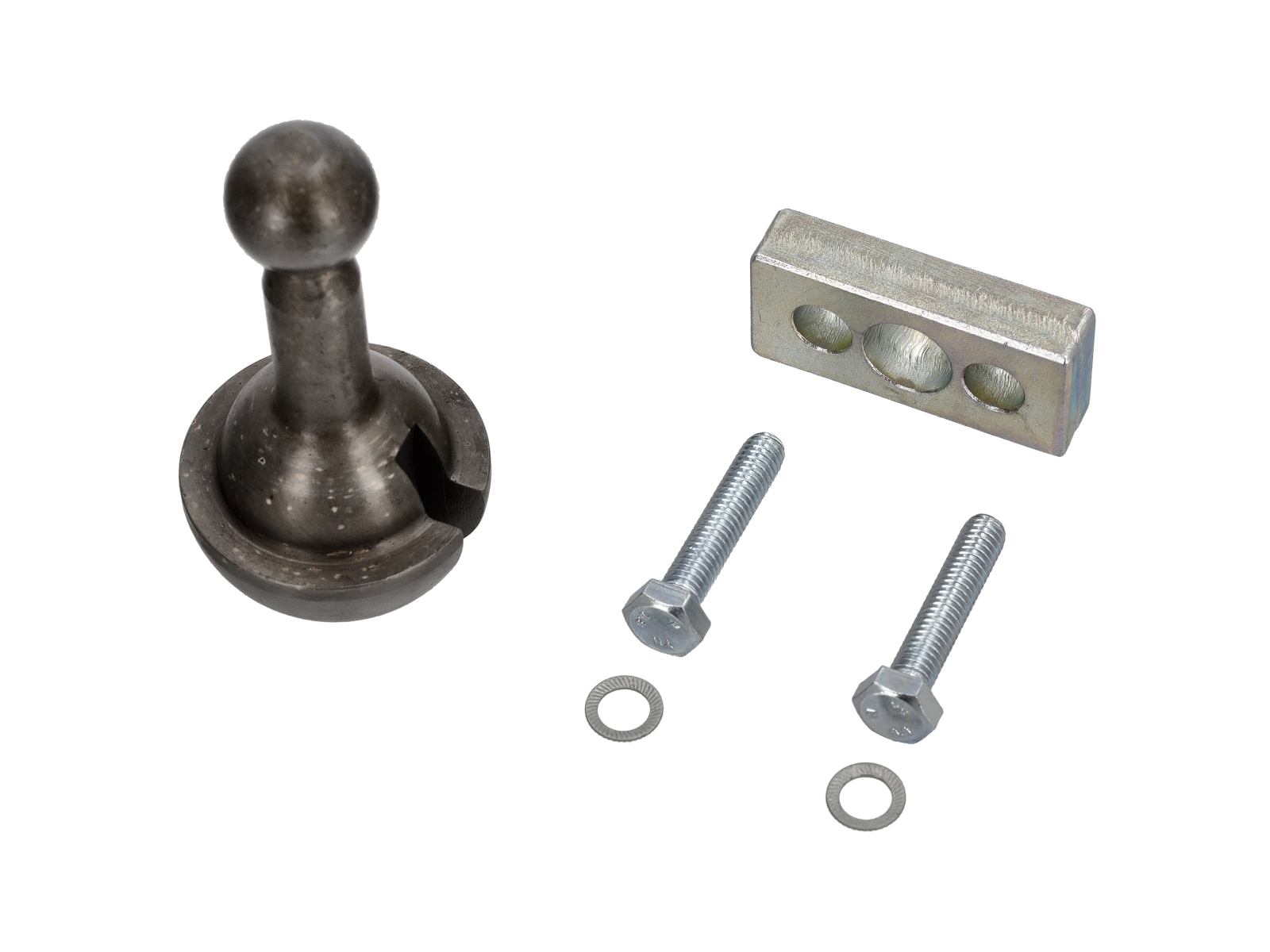

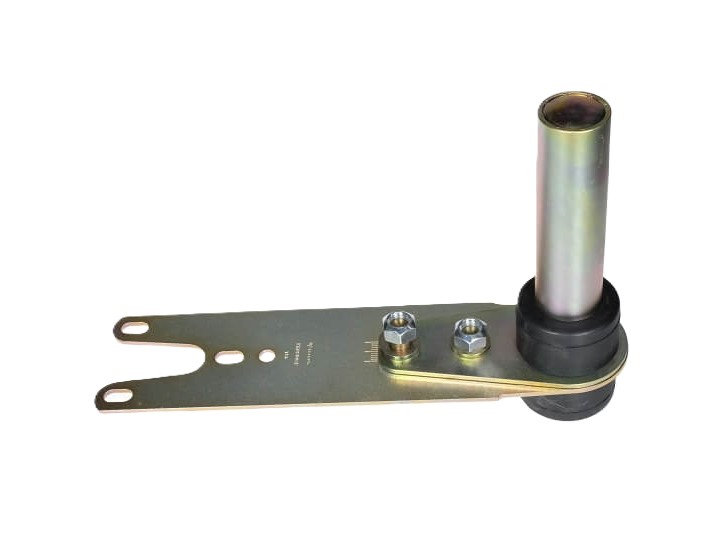
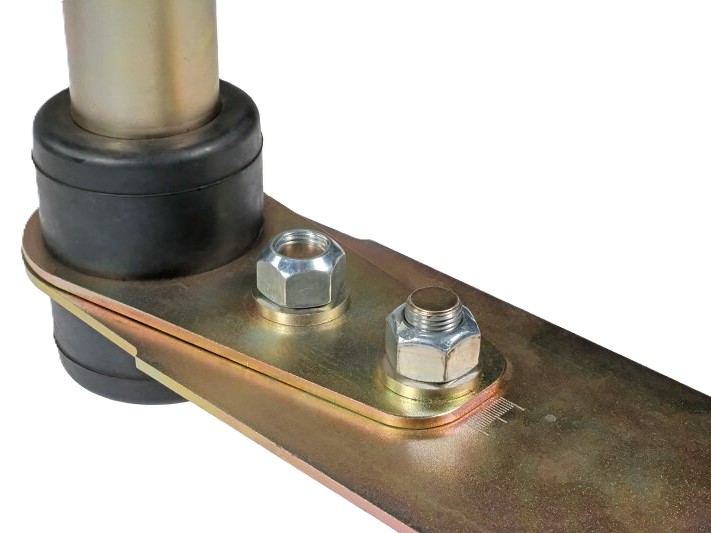
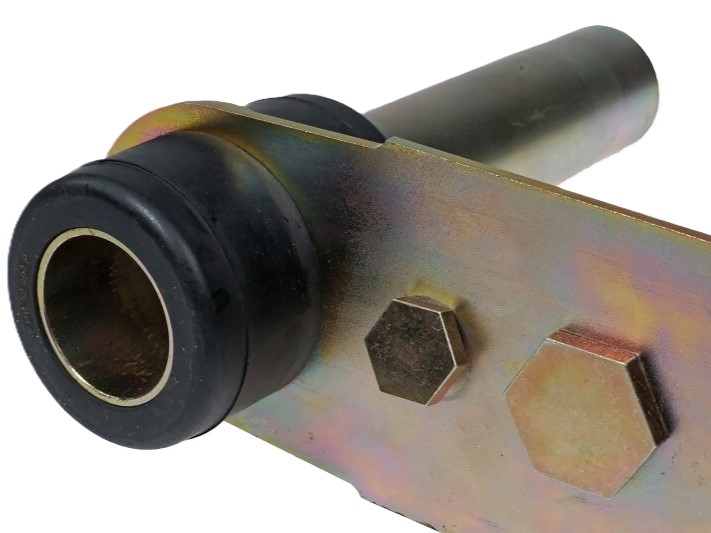
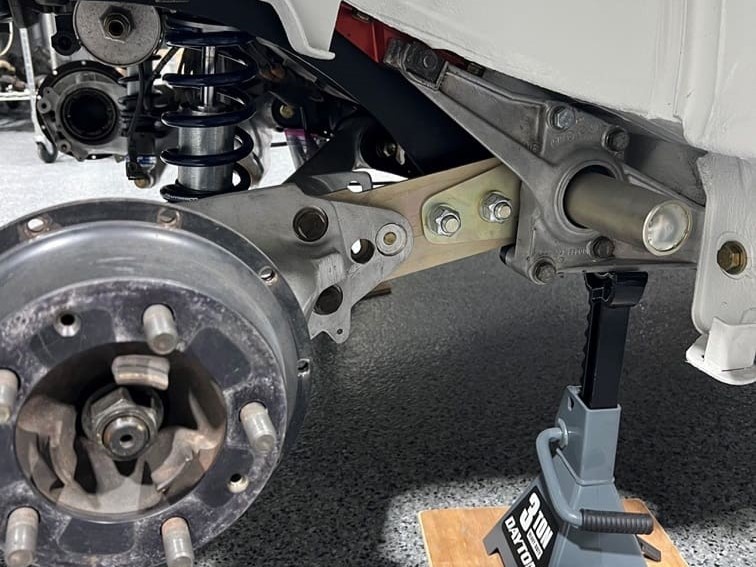
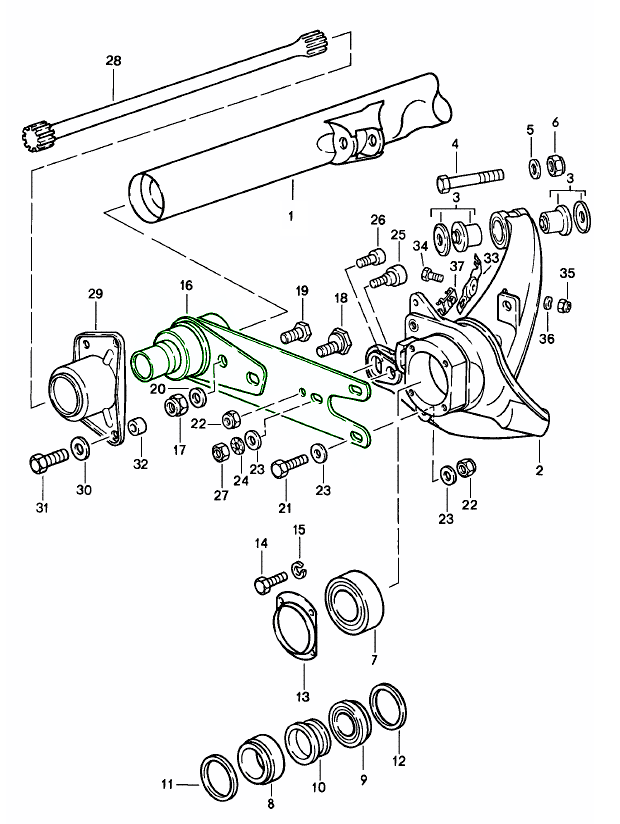
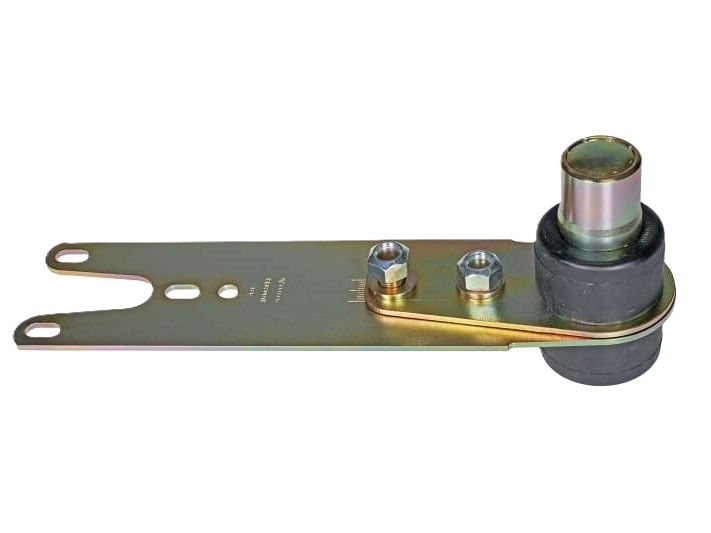
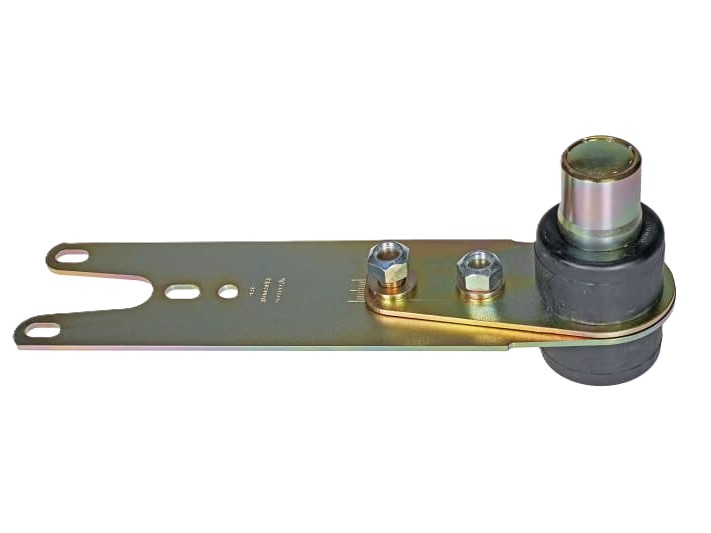

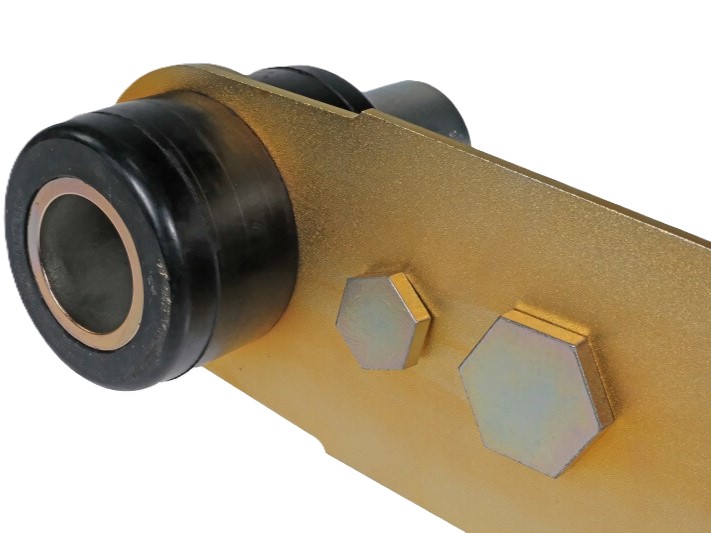
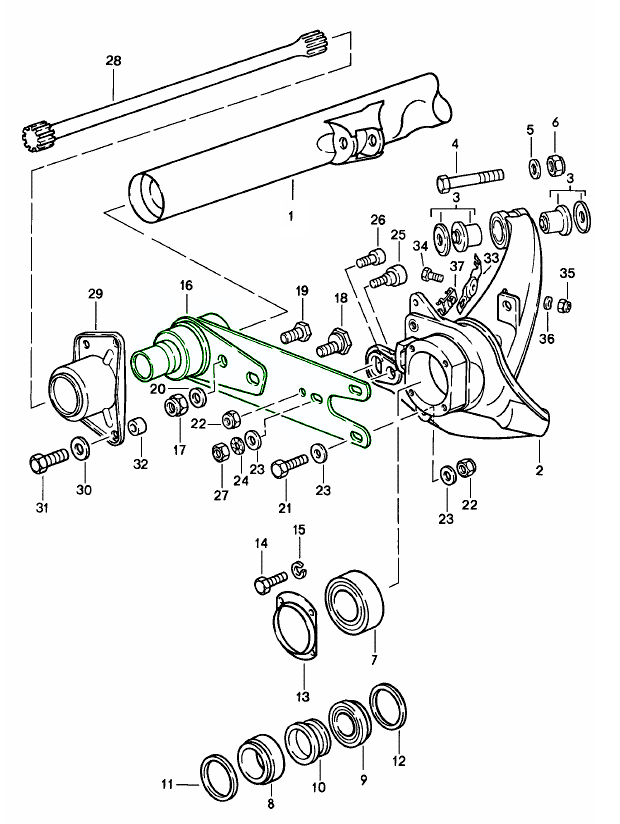
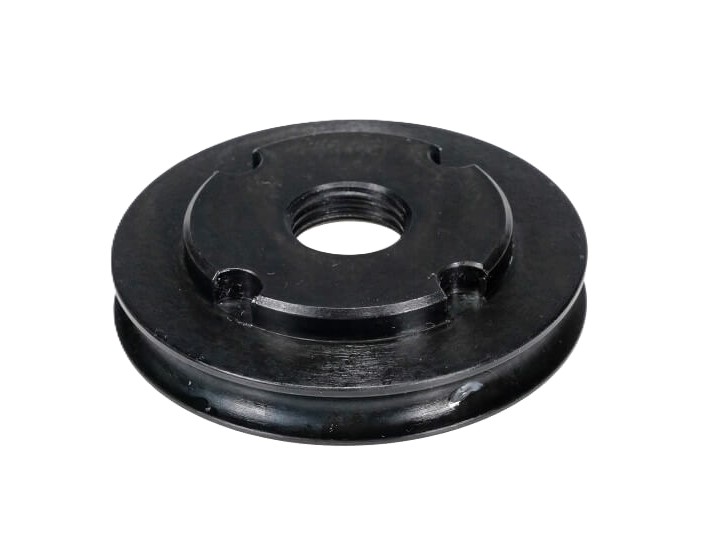

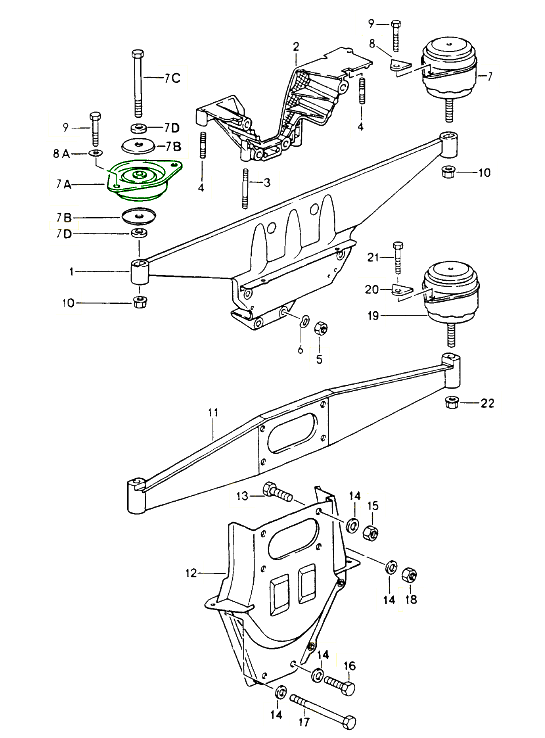
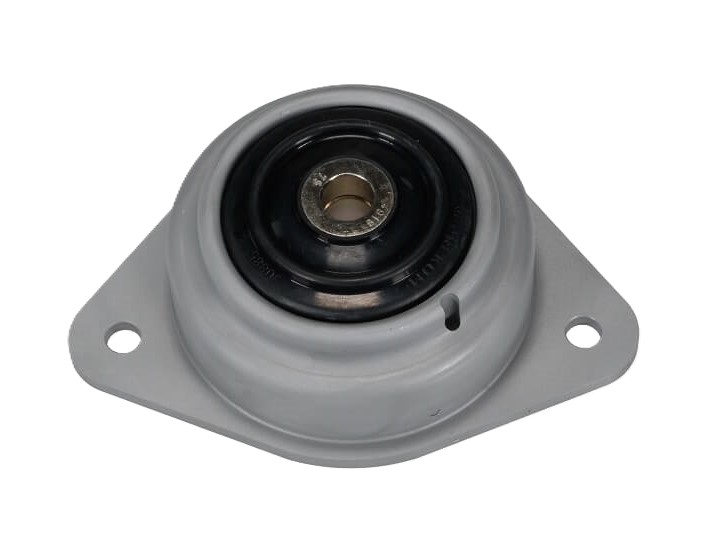
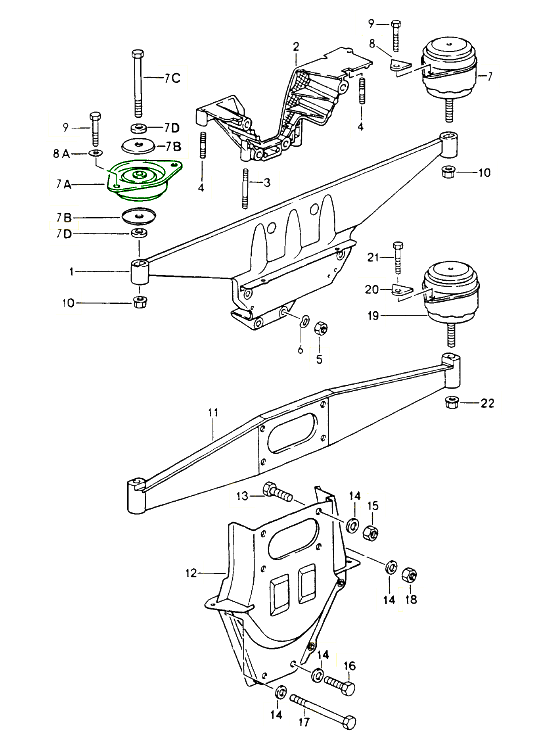

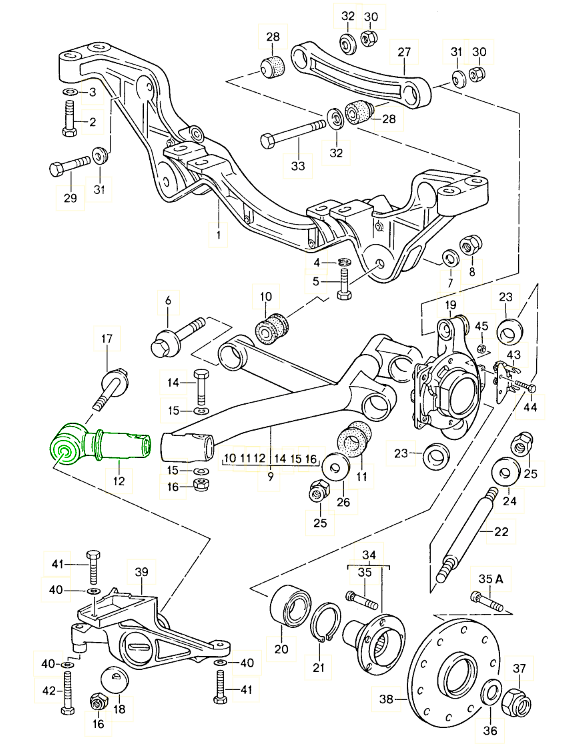
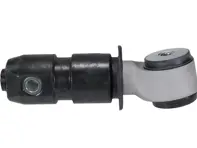
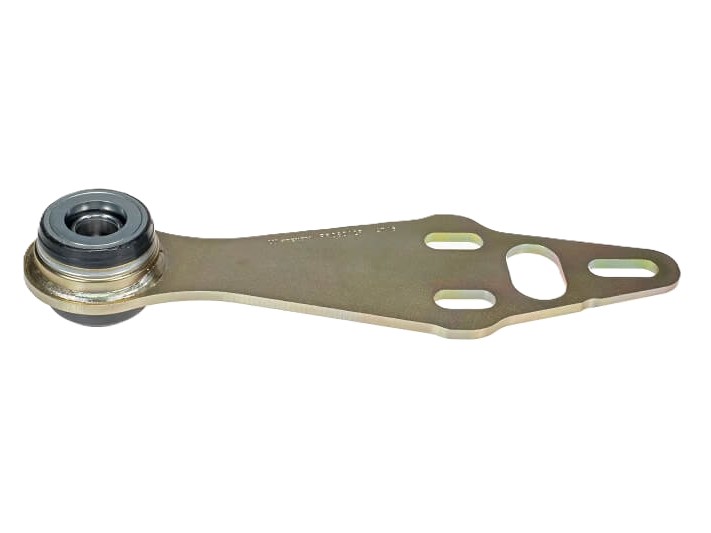
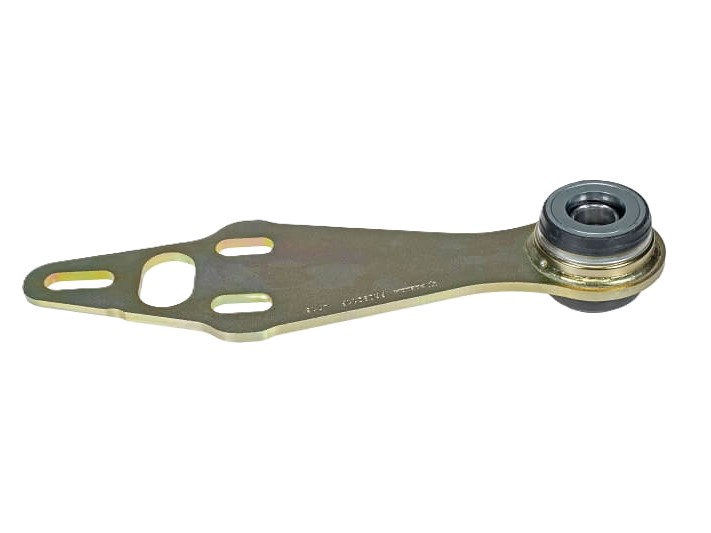
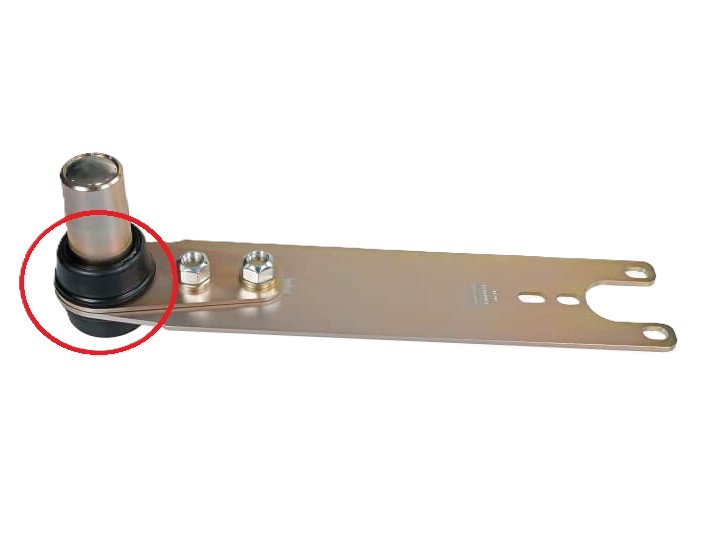
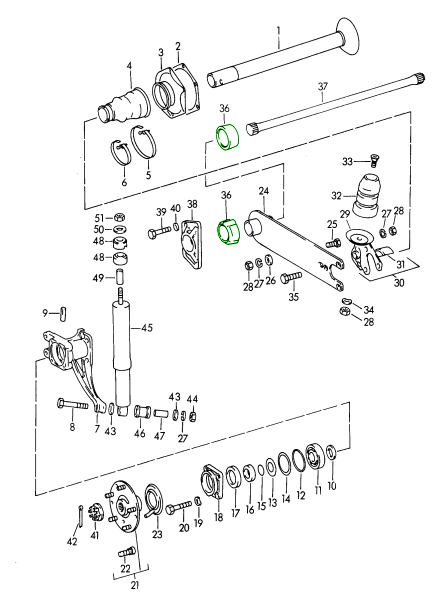
Renew your Porsche 928’s rear suspension performance with the Lower Rear Rocker Arm Bar.
This essential suspension component connects the lower control arms across the rear axle, managing load transfer and maintaining proper wheel alignment under cornering, braking, and acceleration.
Sold Each.
x2 Required Per Car.
Fits:
- Porsche 928 4.5L 1978-82
- Porsche 928S 4.7L 1981-83
- Porsche 928S2 4.7L 1984-86
- Porsche 928S4 5.0L 1987-92
- Porsche 928GT 5.0L 1989-91
- Porsche 928GTS 5.4L 1992-95
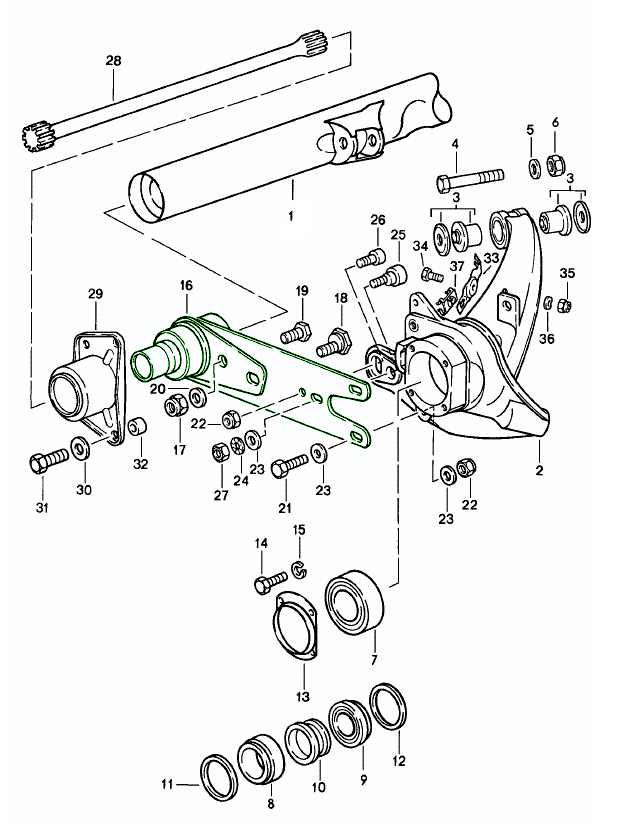
Diagram Ref No 12
What This Product Does:
- Linking the two sides — It helps distribute load between the left and right lower control arms, improving how the rear axle reacts to cornering or uneven surfaces.
- Maintaining relative geometry — By coupling the motion of the trailing arms, it stabilizes toe and camber changes under load, improving predictability.
- Reducing compliance / slack — The bar and its bushings resist unwanted movement in the lower control arms, preventing them from moving independently in undesirable ways.
- Improving handling balance — Helps reduce unwanted rear-end movement, contributing to better rear grip and more consistent behavior over bumps or transitions.
- Clunking, knocking, or banging noises from the rear suspension over bumps or during load shifts
- Rear-end looseness or vagueness — the back of the car may feel less planted or predictable
- Uneven or accelerated tire wear on the rear, due to geometry variations
- Changes in alignment under load, especially during cornering or when the car is unsettled
- Loss of consistent rear grip, especially on transitions or during spirited driving
- Restores rear stability and predictability — with rigid, properly bushing-supported linkage, the rear behaves more reliably
- Eliminates noise & slack — worn linkage causes audible play; a fresh bar or good bushings cure that
- Preserves alignment / geometry under load — prevents misalignment changes mid-corner
- Improves overall handling feel — better feedback, confidence, and consistency
- Prolongs life of connected parts — less undue stress on arms, mounts, and bushings
Related reference numbers
Related, superseded, cross reference or alternative numbers for comparison.
92833108500
The product you are viewing cross references to these numbers
- Porsche 928 4.5L 1978-82
- Porsche 928S 4.7L 1981-83
- Porsche 928S2 4.7L 1984-86
- Porsche 928S4 5.0L 1987-92
- Porsche 928GT 5.0L 1989-91
- Porsche 928GTS 5.4L 1992-95
Shop Securely
12 Month Warranty
Worldwide Delivery
Express Delivery
Free delivery

Monday-Friday: 8.30am - 5.30pm (GMT)
Saturday: Closed
Sunday: Closed