





Enter your VAT number here and click Verify:
Your details have been verified. VAT number registered to:
,
.
Your order will now be zero rated for VAT purposes. We reserve the right to verify these details after your order request has been made and reinstate VAT if required.
Your VAT details were not recognised or were invalid. Your VAT number must be matched to your Billing Country as specified above. This is currently specified as . You do not need to enter the country code part of your VAT number as this has already been selected in your billing address details above.
The VAT number checking service is currently offline. Please supply your VAT details within the comments or special instructions field below and we will apply a VAT discount after placing your order request.

- Accessories
- Brakes
- Chassis / Bodywork
- Clothing & Gifts
- Electrical & Relays
- Engine Cooling
- Engine Electrical
- Engine Rebuild Parts
- Engine Tuning
- Exhausts
- Exterior Styling / Spoilers
- Gearbox / Transmission
- Heating / Air Conditioning
- Hydraulics
- Incar / Multimedia
- Interior & Accessories
- Lighting
- Mats & Carpets
- Motorsport and Off-Road
- Parts for Other Cars
- Pedal Cluster
- Rubber Seals
- Seats & Seat Belts
- Service Parts
- Special Offer Parts
- Steering Parts
- Suspension & Axle
- Suspension Upgrades
- Tyres
- Wheel Accessories
- Wheels
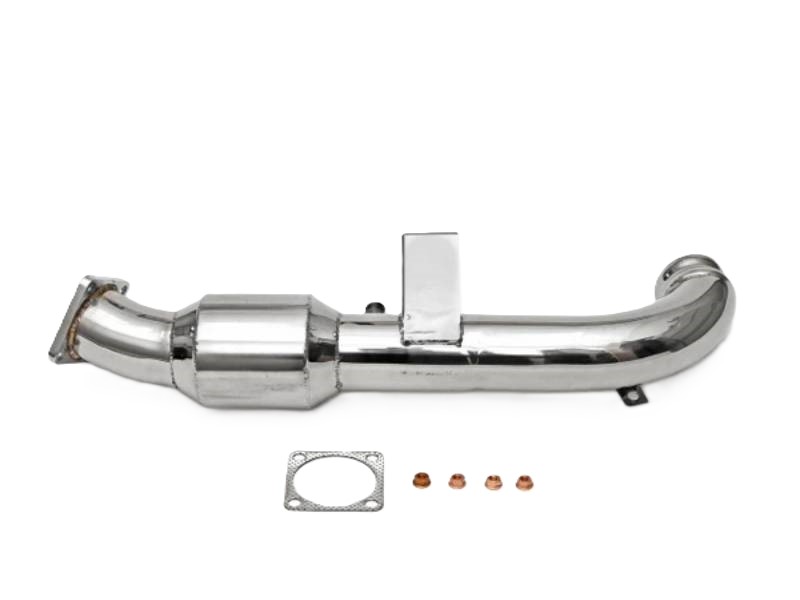
 Fabspeed
The Fabspeed HJS High-Flow Sport Catalytic Converter is a performance exhaust upgrade for the Porsche 964 Turbo, C2 Turbo designed to replace an ageing, restrictive or previously removed original catalytic converter.
Fits:
- Porsche 964 (911) TURBO 3.3L 1990-94
- Porsche 964 (911) TURBO 3.6L 1990-94
At the heart of the system is a 200-cell HJS high-flow catalytic converter, engineered to reduce exhaust emissions while providing substantially less restriction than older factory catalyst technology. The system is manufactured using 14–16 gauge CNC mandrel-bent T304L stainless steel, providing a durable, corrosion-resistant exhaust path designed for improved gas flow.
By reducing exhaust restriction after the turbocharger, the sport catalyst can help the turbocharged flat-six breathe more efficiently, supporting improved throttle response and performance while retaining catalytic exhaust-gas treatment.
What This Product Does:
- Replaces the original catalytic converter section.
- Converts harmful exhaust pollutants before gases leave the exhaust system.
- Provides significantly greater exhaust flow than an ageing or restrictive factory catalyst.
- Reduces exhaust backpressure after the turbocharger.
- Helps improve throttle response.
- Can support improved turbo response and engine performance.
- Provides a performance-oriented alternative to an original 1990s catalytic converter.
- Restores catalytic-converter functionality on vehicles where the original catalyst has previously been removed.
- Uses a high-flow 200-cell HJS catalyst rather than a conventional dense factory-style catalyst.
- Uses stainless-steel construction for corrosion resistance and durability.
- Retains catalytic treatment while offering flow characteristics closer to a less restrictive exhaust system.
Fabspeed states that its HJS high-flow catalysts can flow at more than 90% of the rate of a straight pipe in applicable installations while still providing catalytic exhaust-gas treatment.
Symptoms Of Wear Or Failure:
An original catalytic converter can deteriorate internally after decades of heat cycles, vibration and exposure to exhaust gases.
Possible symptoms include:
- Noticeable loss of engine power.
- Poor throttle response.
- Sluggish turbo response.
- Engine feeling restricted at higher RPM.
- Difficulty achieving full boost or performance.
- Excessive exhaust backpressure.
- Increased exhaust temperatures.
- Rattling noises from inside the catalytic converter.
- Metallic noises caused by a loose or broken catalyst core.
- Strong or unusual exhaust smells.
- Failed emissions testing.
- Increased exhaust emissions.
- Catalyst housing becoming excessively hot.
- Reduced fuel economy.
- Engine running poorly under load.
- Visible corrosion or damage to the original converter.
- Exhaust leaks around the converter or flanges.
A partially blocked catalyst may allow the engine to run reasonably well at low speed but restrict exhaust flow increasingly as engine speed and load rise.
Why Replacement Matters:
The catalytic converter sits directly in the exhaust path, so its internal condition has a major influence on both emissions performance and exhaust flow.
As the catalyst ages, the internal substrate can deteriorate, melt, become contaminated or break apart. A damaged catalyst may become increasingly restrictive, creating excessive exhaust backpressure.
On a turbocharged engine, restriction after the turbocharger is particularly undesirable because the turbocharger must push exhaust gases through the converter.
Replacing a worn or restrictive converter can help restore:
- Proper exhaust flow.
- Turbocharger response.
- Throttle response.
- Engine performance.
- Exhaust-gas treatment.
- Correct operating temperatures.
- Reliable exhaust-system operation.
NOTE: In the United Kingdom, sports catalytic converters and bypass pipes do not have type approval and are not legally permitted for use on vehicles manufactured after 1st March 2001. They are not MOT compliant and cannot be used on public roads. These components are intended solely for race and track use.
For vehicles manufactured before 1st March 2001, a non-type approved sports catalytic converter may be fitted, provided it offers comparable performance to the original and the vehicle continues to meet the applicable emissions standards for its age. The vehicle must still pass an MOT test.
If you are located outside the UK, please check your local laws and regulations to ensure compliance.
Related reference numbers
Related, superseded, cross reference or alternative numbers for comparison.
FSPOR964TSC
The product you are viewing cross references to these numbers
- Porsche 964 (911) TURBO 3.3L 1991-93
- Porsche 964 (911) TURBO 3.6L 1991-93
 Shop Securely
 12 Month Warranty
 Worldwide Delivery
 Free delivery
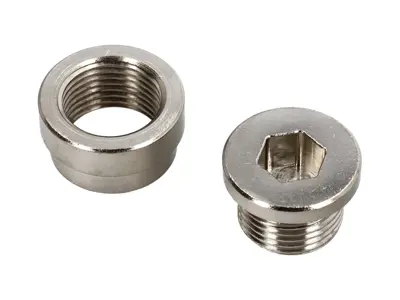

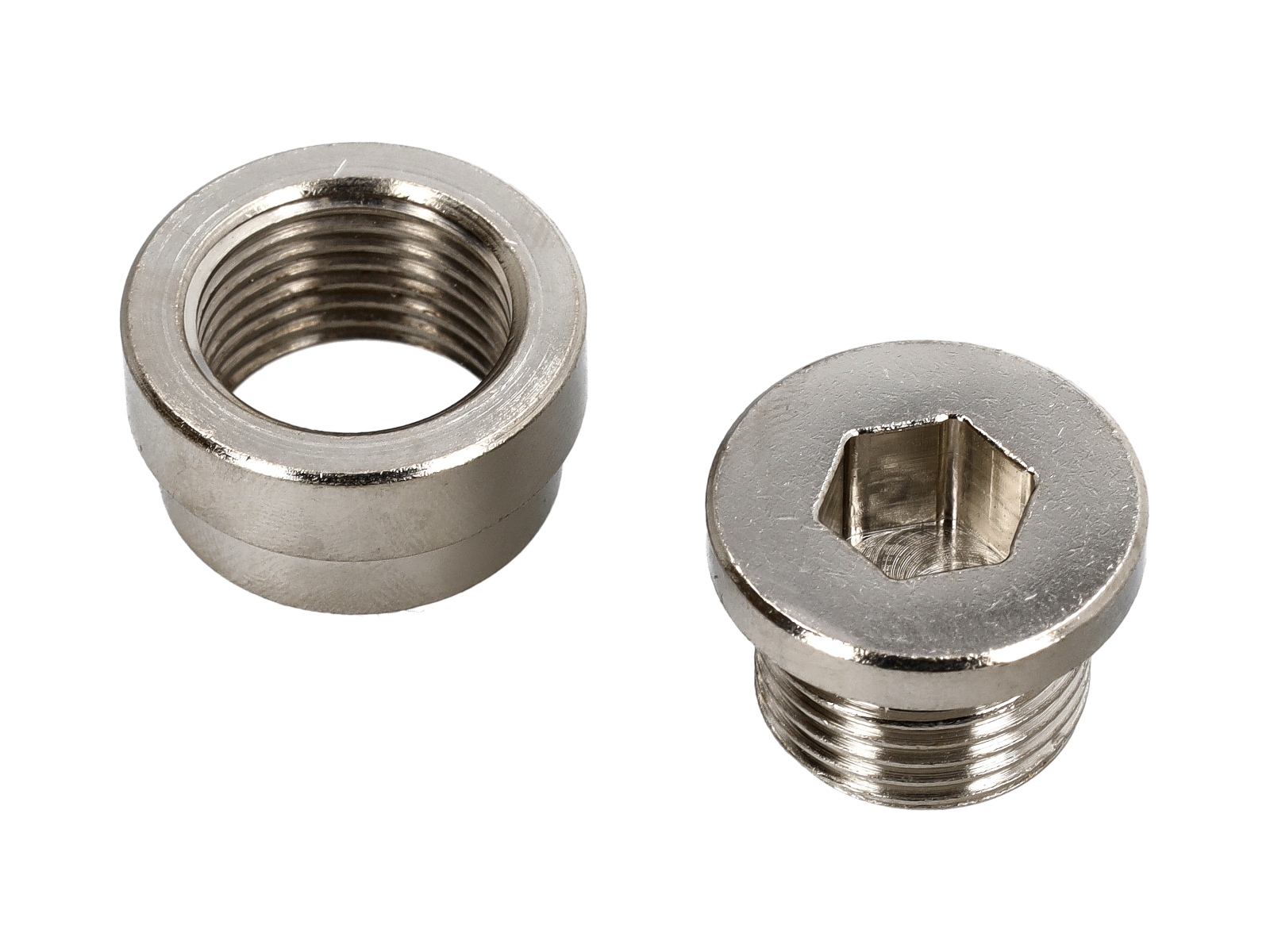
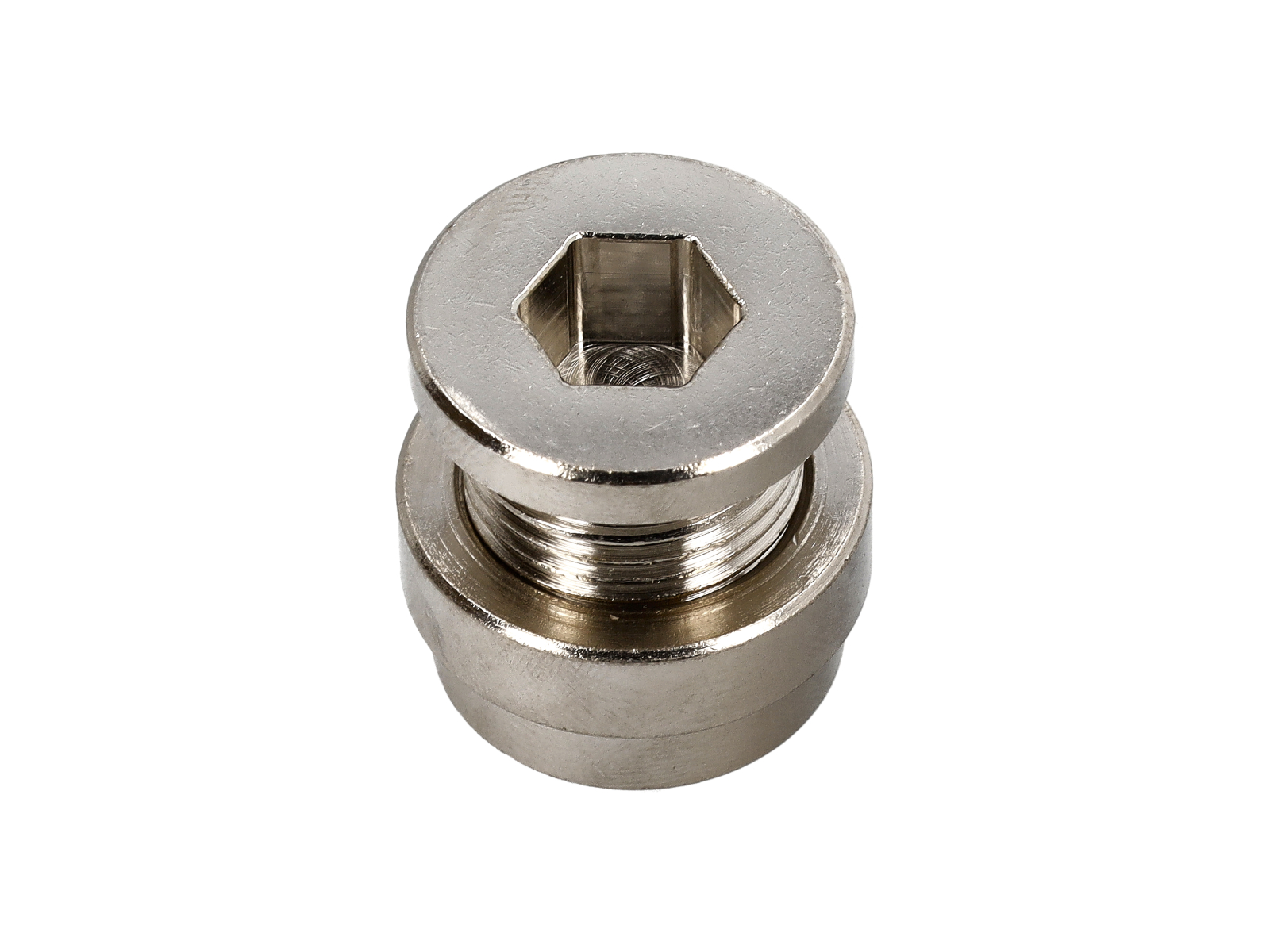
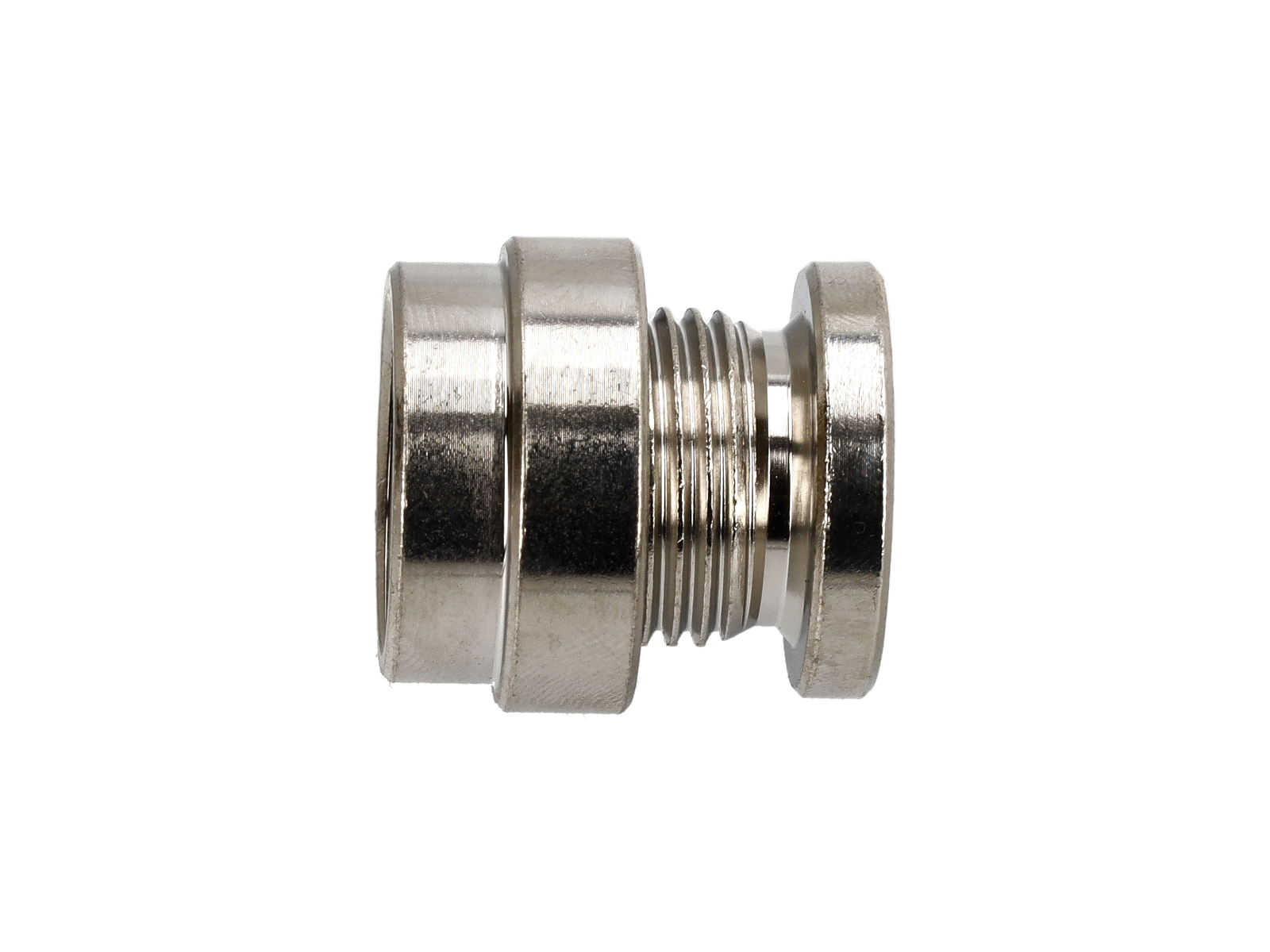
In case you need to relocate your existing lambda probe because it's not in the right location. Welding and cutting specialist required.
Fits:
Many Porsche vehicles. Universal kit.
Related reference numbers
Related, superseded, cross reference or alternative numbers for comparison.
100390100392
The product you are viewing cross references to these numbers
- Porsche 964 (911) C2 1989-93
- Porsche 964 (911) C4 1989-93
- Porsche 964 (911) RS 3.6L 1991-93
- Porsche 964 (911) RS 3.8L 1991-93
- Porsche 964 (911) TURBO 3.3L 1991-93
- Porsche 964 (911) TURBO 3.6L 1991-93
- Porsche 993 (911) C2 1994-97
- Porsche 993 (911) C4 1994-97
- Porsche 993 (911) RS 1994-97
- Porsche 993 (911) C2S 1994-97
- Porsche 993 (911) C4S 1994-97
- Porsche 993 (911) TURBO 1994-96
- Porsche 993 (911) GT2 1994-97
- Porsche 993 (911) TURBO S 1994-97
- Porsche 996 C2 3.4L 1997-08/01
- Porsche 996 C4 3.4L 1997-08/01
- Porsche 996 C2 3.6L 09/01-2005
- Porsche 996 C4 3.6L 09/01-2005
- Porsche 996 C4S 3.6L 09/01-2005
- Porsche 996 TURBO 2000-05
- Porsche 996 GT2 2001-05
- Porsche 996 GT3 MKI 1999-02
- Porsche 996 GT3 MKII 2003>>
- Porsche 996 GT3 RS 2003-04
- Porsche 997 MK1 Carrera 2 3.6L 2005-08
- Porsche 997 MK1 Carrera 2S 3.8L 2005-08
- Porsche 997 MK1 Carrera 4 3.6L 2005-08
- Porsche 997 MK1 Carrera 4S 3.8L 2005-08
- Porsche 997 MK1 TURBO 2007-09
- Porsche 997 MK1 GT3 / GT3 RS 2007-09
- Porsche 997 MK1 GT2 2007-09
- Porsche 997 MKII Carrera C2 3.6L 2009-12
- Porsche 997 MKII Carrera C4 3.6L 2009-12
- Porsche 997 MKII Carrera C2S 3.8L 2009-12
- Porsche 997 MKII Carrera C4S 3.8L 2009-12
- Porsche 997 MKII GT3 / GT3 RS 2010-11
- Porsche 997 MKII Turbo 2010-13
- Porsche 997 MKII GT2 RS 2011-13
- Porsche 991.1 Carrera C2 3.4L (350 Bhp) 2012-16
- Porsche 991.1 Carrera C2S / GTS 3.8L (400/430 Bhp) 2012-16
- Porsche 991.1 Carrera C4 3.4L (350 Bhp) 2012-16
- Porsche 991.1 Carrera C4S / GTS 3.8L (400/430 Bhp) 2012-16
- Porsche 991.1 Turbo 3.8L (520 Bhp) 2014-16
- Porsche 991.1 Turbo S 3.8L (560 Bhp) 2014-16
- Porsche 991.1 R 4.0L (500 Bhp) 2016
- Porsche 991.1 GT3 3.8L (475 Bhp) 2014-16
- Porsche 991.1 GT3 RS 4.0L (500 Bhp) 2015-16
- Porsche 991.2 Carrera 2 3.0L (370 Bhp) 2016-19
- Porsche 991.2 Carrera 2S / GTS 3.0L (420/450 Bhp) 2016-19
- Porsche 991.2 Carrera 4 3.0L (370 Bhp) 2016-19
- Porsche 991.2 Carrera 4S / GTS 3.0L (420/450 Bhp) 2016-19
- Porsche 991.2 Cabriolet 2 3.0L (370 Bhp) 2016-19
- Porsche 991.2 Cabriolet 2S / GTS 3.0L (420/450 Bhp) 2016-19
- Porsche 991.2 Cabriolet 4 3.0L (370 Bhp) 2016-19
- Porsche 991.2 Cabriolet 4S / GTS 3.0L (420/450 Bhp) 2016-19
- Porsche 991.2 Targa 4 3.0L (370 Bhp) 2016-19
- Porsche 991.2 Targa 4S / GTS 3.0L (420/450 Bhp) 2016-19
- Porsche 991.2 Turbo Coupe 3.8L (540 Bhp) 2016-19
- Porsche 991.2 Turbo S Coupe 3.8L (580 Bhp) 2016-19
- Porsche 991.2 Turbo Cabriolet 3.8L (540 Bhp) 2016-19
- Porsche 991.2 Turbo S Cabriolet 3.8L (580 Bhp) 2016-19
- Porsche 991.2 Speedster 4.0L (510Bhp) 2019
- Porsche 991.2 GT3 4.0L (500 Bhp) / GT3 RS 4.0L (520 Bhp) 2017-19
- Porsche 991.2 GT2 RS 3.8L PDK (700 bhp) 2018-19
- Porsche 992.1 Carrera 2 3.0L 2019-24
- Porsche 992.1 Carrera 4 3.0L 2019-24
- Porsche 992.1 Carrera 2 Cabriolet 3.0L 2019-24
- Porsche 992.1 Carrera 4 Cabriolet 3.0L 2019-24
- Porsche 992.1 Carrera 2S / GTS 3.0L 2019-24
- Porsche 992.1 Carrera 4S / GTS 3.0L 2019-24
- Porsche 992.1 Carrera 2S / GTS Cabriolet 3.0L 2019-24
- Porsche 992.1 Carrera 4S / GTS Cabriolet 3.0L 2019-24
- Porsche 992.1 Targa 4 3.0L 2020-24
- Porsche 992.1 Targa 4S / GTS 3.0L 2020-24
- Porsche 992.1 Speedster 4.0L 2019-24
- Porsche 992.1 Turbo 3.8L 2020-24
- Porsche 992.1 Turbo S 3.8L 2020-24
- Porsche 992.1 Turbo Cabriolet 3.8L 2020-24
- Porsche 992.1 Turbo S Cabriolet 3.8L 2020-24
- Porsche 992.1 GT3 4.0L / 992 S/T 4.0L 2021-24
- Porsche Cayman 2.7L 987C 2006-08
- Porsche Cayman S 3.4L 987C 2005-08
- Porsche Cayman 2.9L 987C MKII 2009-12
- Porsche Cayman S / R 3.4L 987C MKII 2009-12
- Porsche Cayman 2.7L 981 2013-16
- Porsche Cayman S / GTS 3.4L 981 2013-16
- Porsche Cayman GT4 3.8L 2015-16
- Porsche Cayman 718 2.0L Manual (300 Bhp)
- Porsche Cayman 718 2.0L PDK (300 Bhp)
- Porsche Cayman S 718 2.5L Manual (350 Bhp)
- Porsche Cayman S 718 2.5L PDK (350 Bhp)
- Porsche Cayman T 718 2.0L Manual (300 Bhp)
- Porsche Cayman T 718 2.0L PDK (300 Bhp)
- Porsche Cayman GTS 718 2.5L Manual (365 Bhp)
- Porsche Cayman GTS 718 2.5L PDK (365 Bhp)
- Porsche Cayman GTS 718 4.0L Manual (400 Bhp)
- Porsche Cayman GTS 718 4.0L PDK (400 Bhp)
- Porsche Cayman GT4 718 4.0L / GT4 RS 718 4.0L
Shop Securely
12 Month Warranty
Worldwide Delivery
 Express Delivery
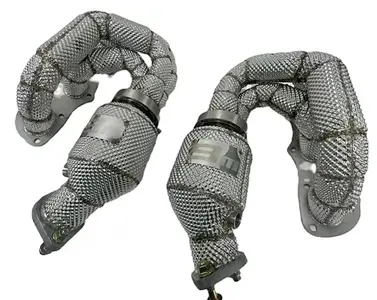

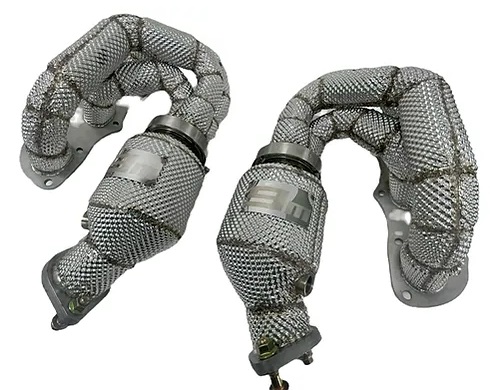
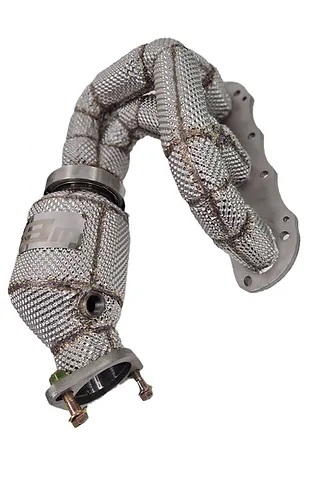

Sold as a pair - left and right
Fits:
Porsche 981 Boxster - 2012 to 2016
Porsche 981 Boxster S - 2012 to 2016
Porsche 981 Boxster GTS - 2012 to 2016
Porsche 981 Boxster Spyder - 2016
Porsche 981 Cayman - 2013 to 2016
Porsche 981 Cayman S - 2013 to 2016
Porsche 981 Cayman GTS - 2013 to 2016
Porsche 981 Cayman GT4 - 2016
Made from SS304L lightweight stainless steel these exhaust manifolds offer reduced back pressure with higher flow
- Performance gains of 20hp minimum and 20nm
- Improved throttle response
- Improved exhaust note with no drone, resonation or vibration
- Direct fit no remap required but recommended
- No CEL
- Heat shielded to reduce radiant heat and speeds up exhaust gas velocity
Related reference numbers
Related, superseded, cross reference or alternative numbers for comparison.
9M81113211
The product you are viewing cross references to these numbers
- Porsche Boxster 981 2.7L 2012-16
- Porsche Boxster 981 S / GTS 3.4L 2012-16
- Porsche Boxster 981 Spyder 3.8L 2016
- Porsche Cayman 2.7L 981 2013-16
- Porsche Cayman S / GTS 3.4L 981 2013-16
- Porsche Cayman GT4 3.8L 2015-16
Shop Securely
12 Month Warranty
Worldwide Delivery
Free delivery


Monday-Friday: 8.30am - 5.30pm (GMT)
Saturday: Closed
Sunday: Closed