



Product Information
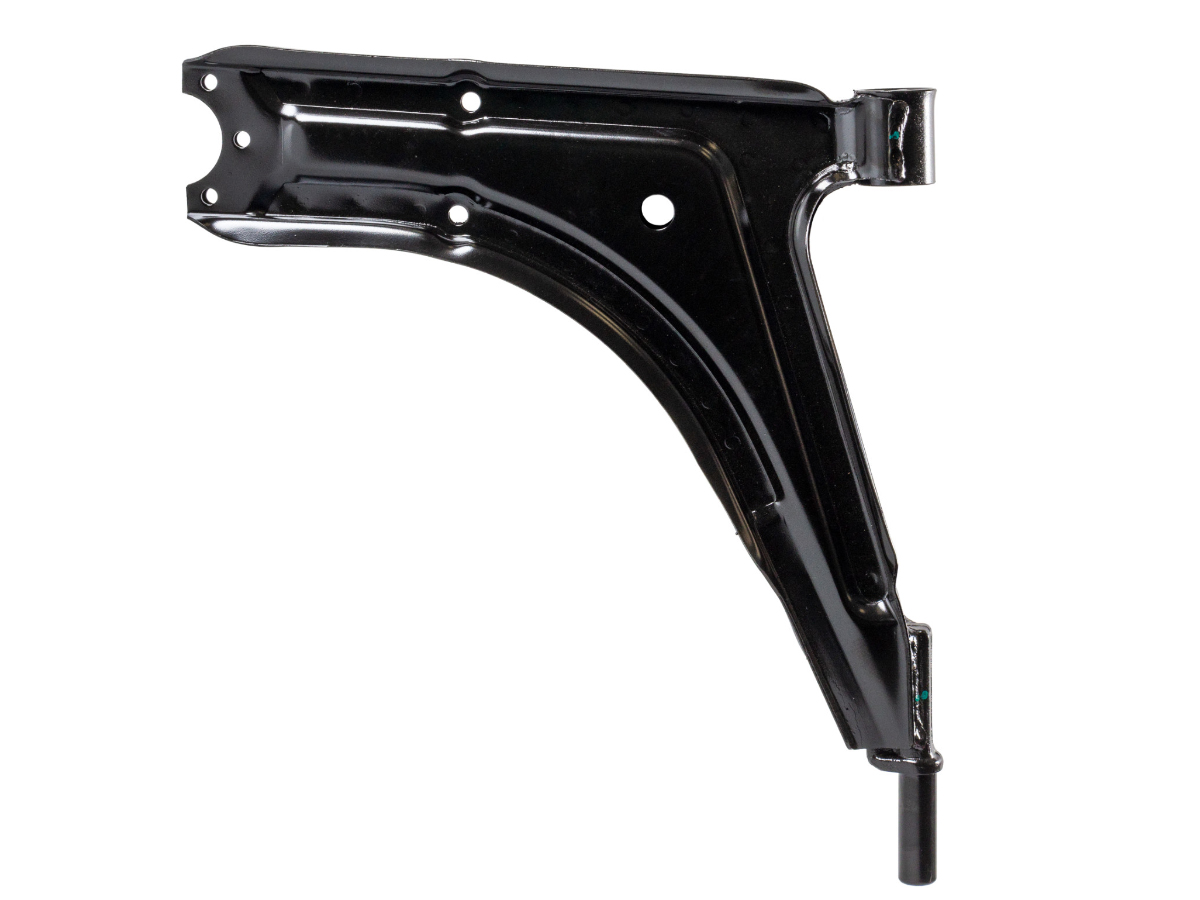
Front Lower Wishbone Ball Joint – fits Left or Right Hand
Side
Sold each – 2 required per car
Restore the sharp steering response and outstanding handling
characteristics of your Porsche with this Front Lower Wishbone Ball Joint.
Manufactured to OE specifications, this premium replacement component is
engineered to provide precise fitment, exceptional durability and smooth
articulation, ensuring your suspension performs exactly as intended.
Fits:
- Porsche 993 (911) C2 1994-97
-
Porsche 993 (911) C4 1994-97
-
Porsche 993 (911) RS 1994-97
-
Porsche 993 (911) C2S 1994-97
-
Porsche 993 (911) C4S 1994-97
-
Porsche 993 (911) TURBO 1994-96
-
Porsche 993 (911) GT2 1994-97
-
Porsche 993 (911) TURBO S 1994-97
The lower wishbone ball joint forms one of the most
important pivot points in the front suspension system, allowing the steering
knuckle to move freely while maintaining accurate wheel alignment and
suspension geometry. Constantly subjected to heavy loads from braking,
cornering and uneven road surfaces, it is a critical wear component that
directly affects vehicle stability, steering accuracy and tyre wear.
Replacing a worn or damaged lower ball joint restores
predictable handling, reduces unwanted suspension movement and helps maintain
the responsive driving experience Porsche is renowned for.
What Does the Lower Wishbone Ball Joint Do?
The lower wishbone ball joint provides a flexible yet secure
connection between the lower control arm and the wheel carrier.
Its primary functions include:
- Connecting
the lower wishbone to the steering knuckle.
- Allowing
controlled steering articulation.
- Supporting
full suspension movement.
- Maintaining
accurate wheel geometry.
- Carrying
vertical and lateral suspension loads.
- Helping
absorb road impacts.
- Providing
stable handling during acceleration, braking and cornering.
A correctly functioning ball joint is essential for precise
steering feedback and consistent suspension performance.
Why Replace the Lower Ball Joint?
Lower ball joints experience continual movement and high
mechanical loads throughout their service life.
Common reasons for replacement include:
- Wear
of the internal bearing surfaces.
- Split
or deteriorated protective dust boots.
- Loss
of lubrication.
- Corrosion
caused by water ingress.
- Damage
from potholes or kerb impacts.
- High
mileage.
Age-related
deterioration.
- Excessive
suspension play.
Replacing worn ball joints restores suspension integrity and
helps prevent additional wear to surrounding steering and suspension
components.
Symptoms of a Worn Lower Ball Joint
Common warning signs include:
- Knocking
or clunking from the front suspension.
- Excessive
steering play.
- Wandering
or unstable steering.
- Uneven
tyre wear.
- Steering
wheel vibration.
- Poor
wheel alignment.
- Squeaking
during suspension movement.
- Excessive
movement identified during inspection.
Prompt replacement helps maintain safe handling and prevents
further suspension damage.
Benefits
- Restores
steering precision.
- Improves
suspension stability.
- Maintains
correct wheel geometry.
- Reduces
suspension noise.
- Minimises
uneven tyre wear.
- Enhances
braking and cornering confidence.
- Long
service life.
- Excellent
value alternative to original equipment.
Installation Recommendations
For the best results, inspect related suspension and
steering components during installation, including:
- Lower
wishbones.
- Suspension
bushes.
- Track
rod ends.
- Steering
rack components.
- Shock
absorbers and top mounts.
- Anti-roll
bar links and bushes.
- Wheel
bearings.
- Suspension
mounting hardware.
After installation, a professional four-wheel alignment is
recommended to restore factory suspension geometry, optimise tyre wear and
maximise handling performance.
Related reference numbersRelated, superseded, cross reference or alternative numbers for comparison.
99334104907 9220124
99334104902
99334104906
99334104907
99334104907
99334104907
The product you are viewing cross references to these numbers