





Enter your VAT number here and click Verify:
Your details have been verified. VAT number registered to:
,
.
Your order will now be zero rated for VAT purposes. We reserve the right to verify these details after your order request has been made and reinstate VAT if required.
Your VAT details were not recognised or were invalid. Your VAT number must be matched to your Billing Country as specified above. This is currently specified as . You do not need to enter the country code part of your VAT number as this has already been selected in your billing address details above.
The VAT number checking service is currently offline. Please supply your VAT details within the comments or special instructions field below and we will apply a VAT discount after placing your order request.
 Dansk
Dansk
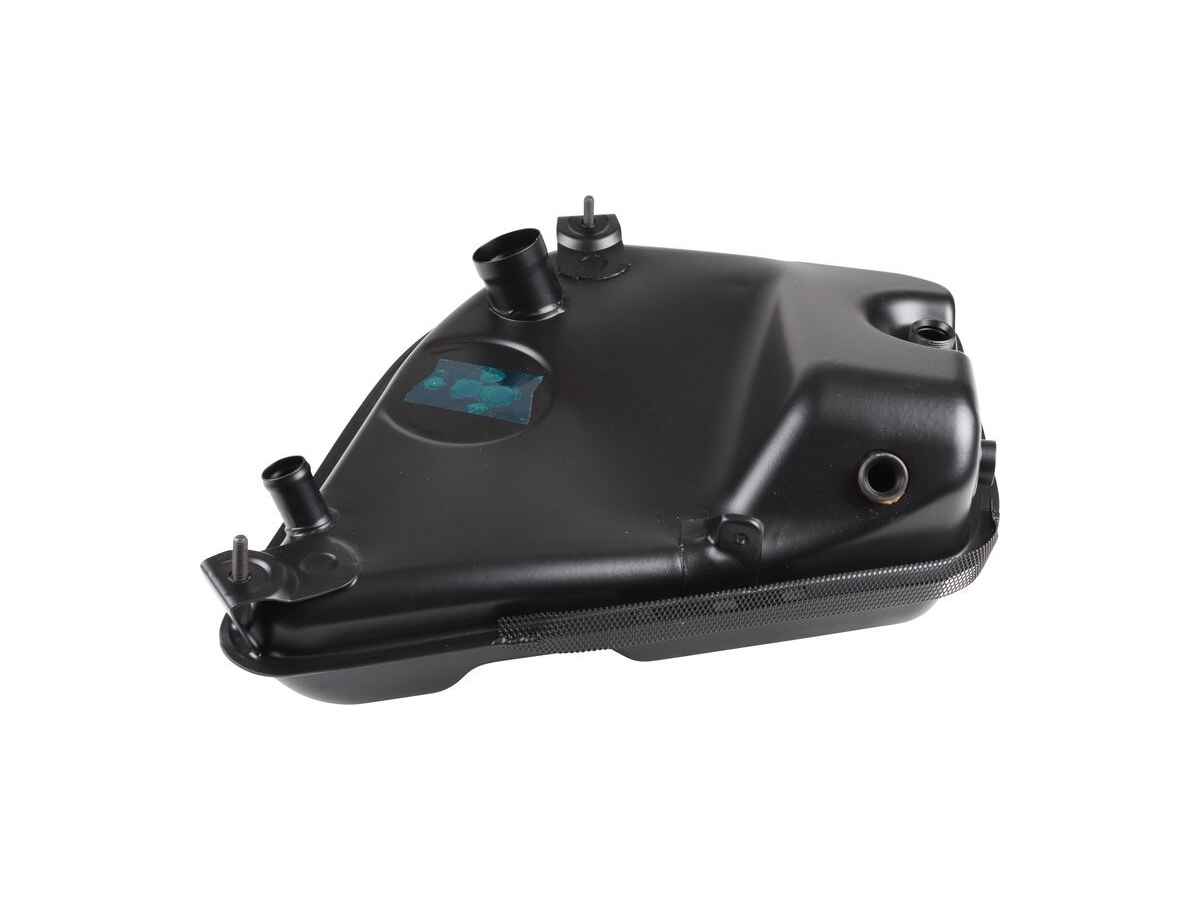
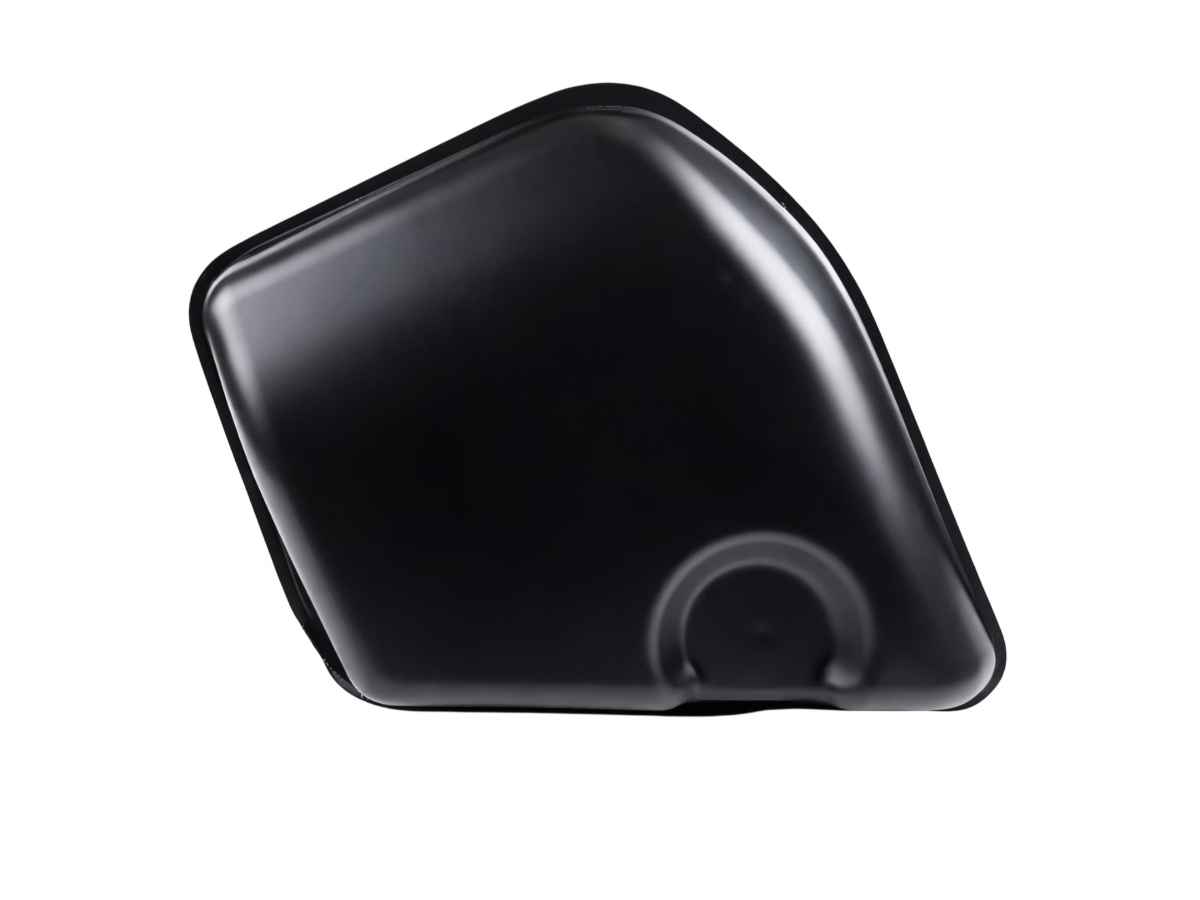
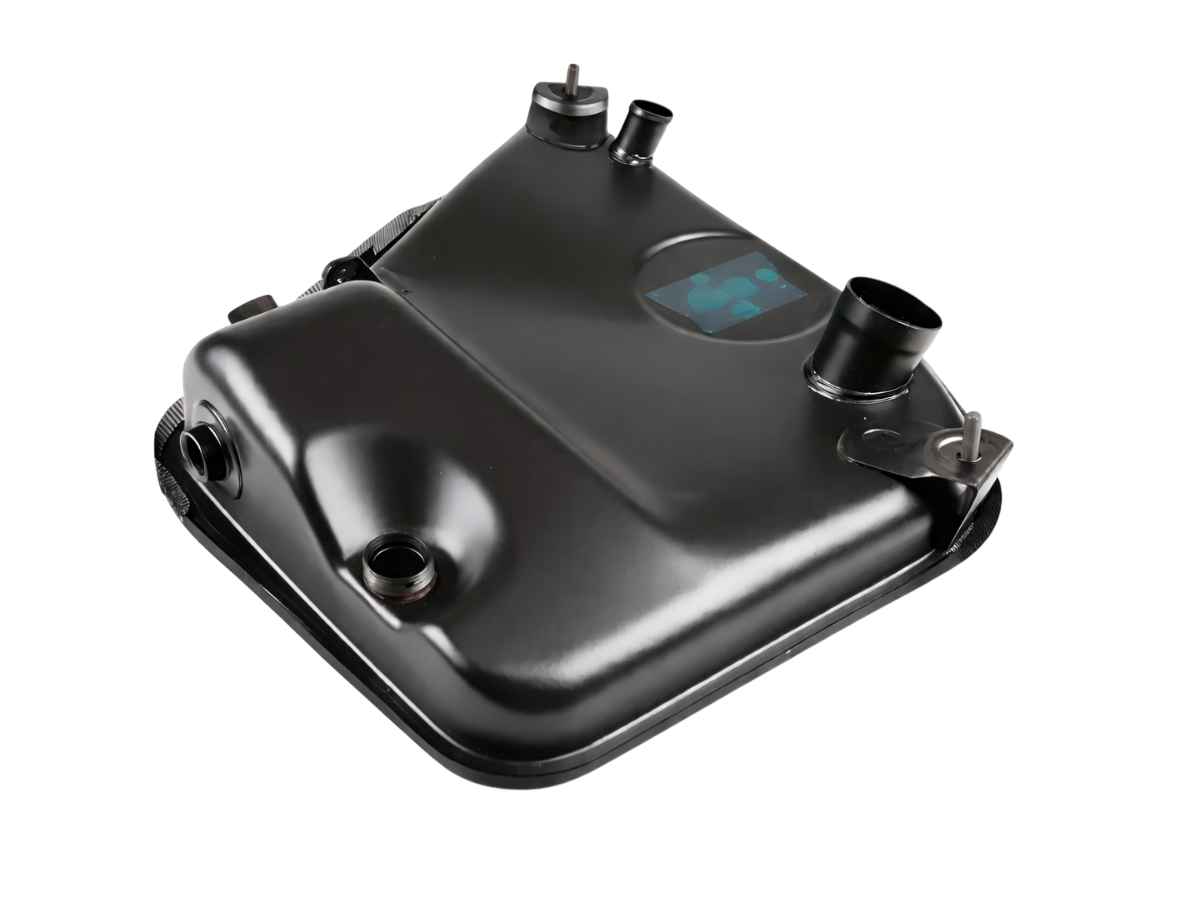
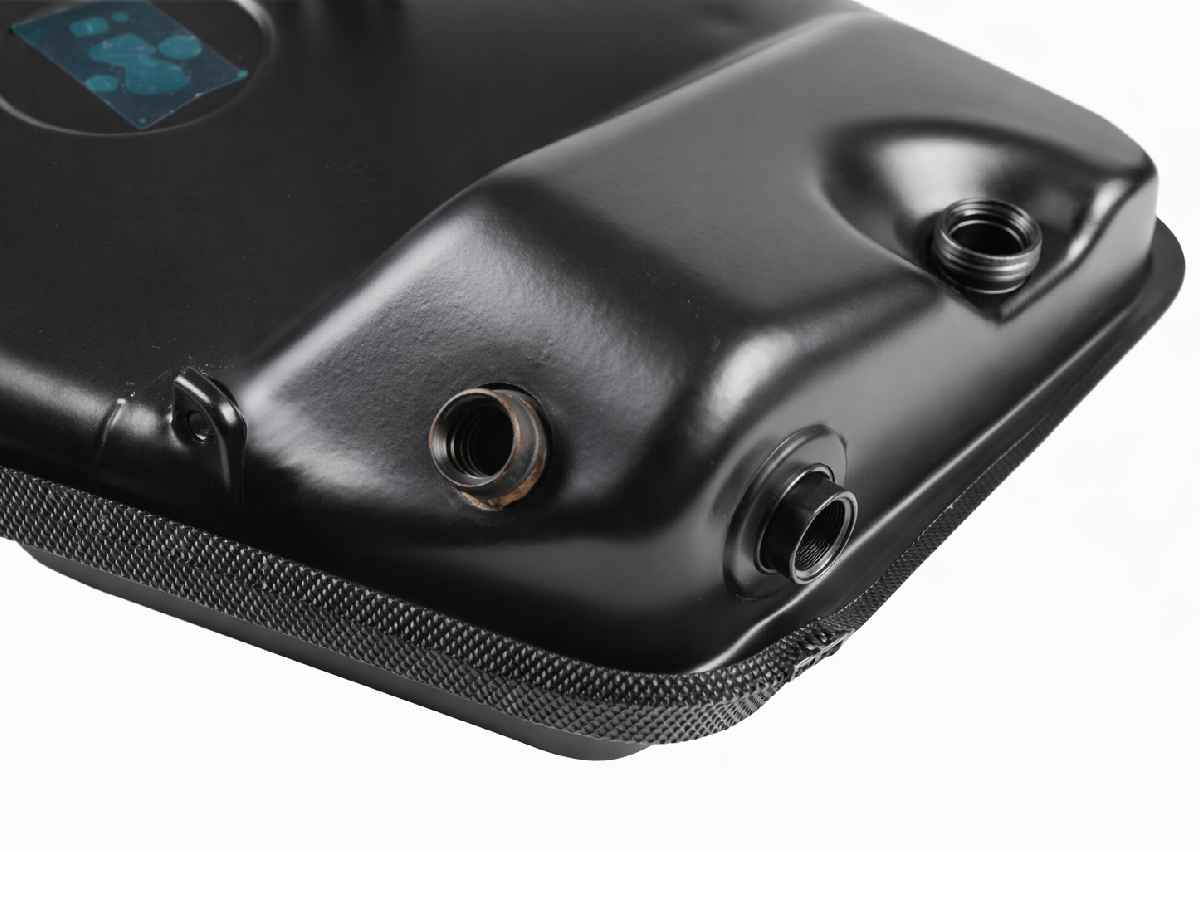
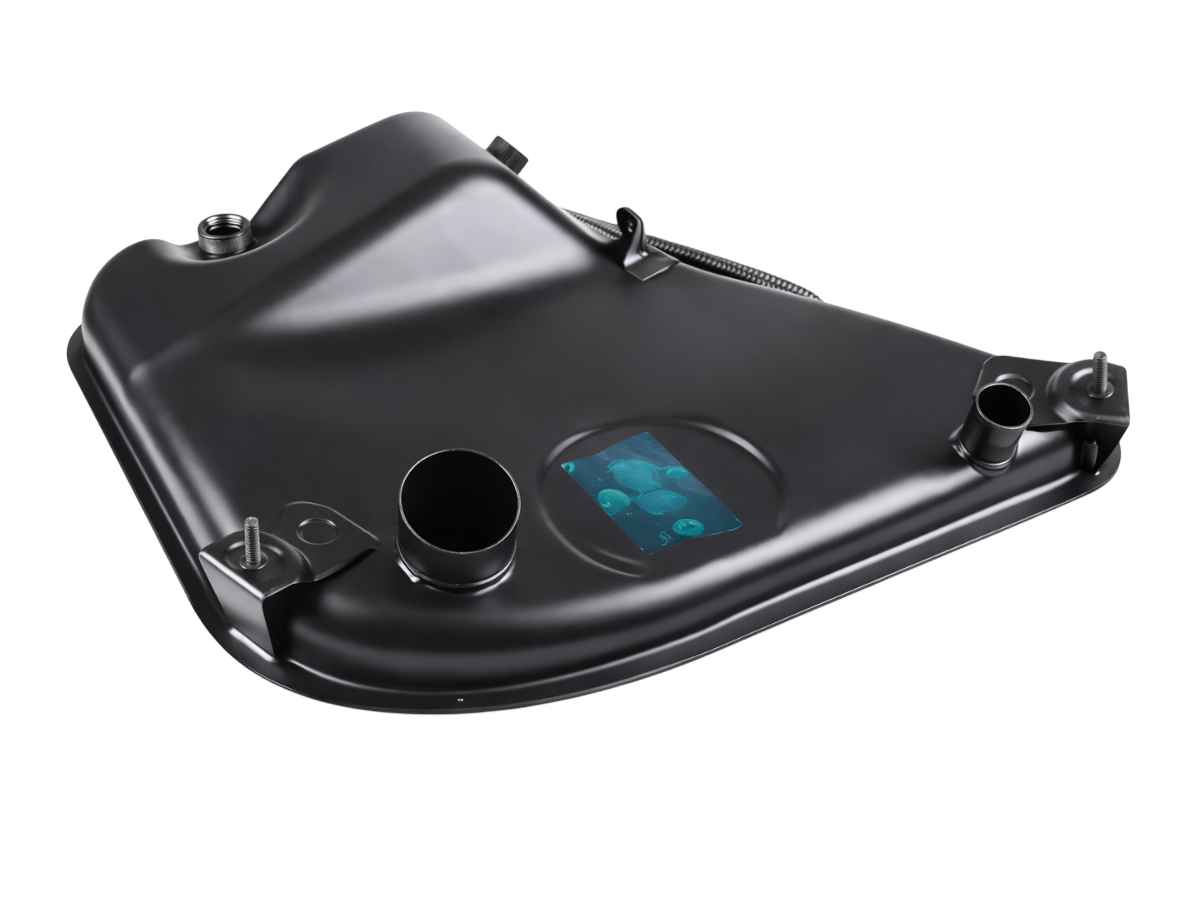
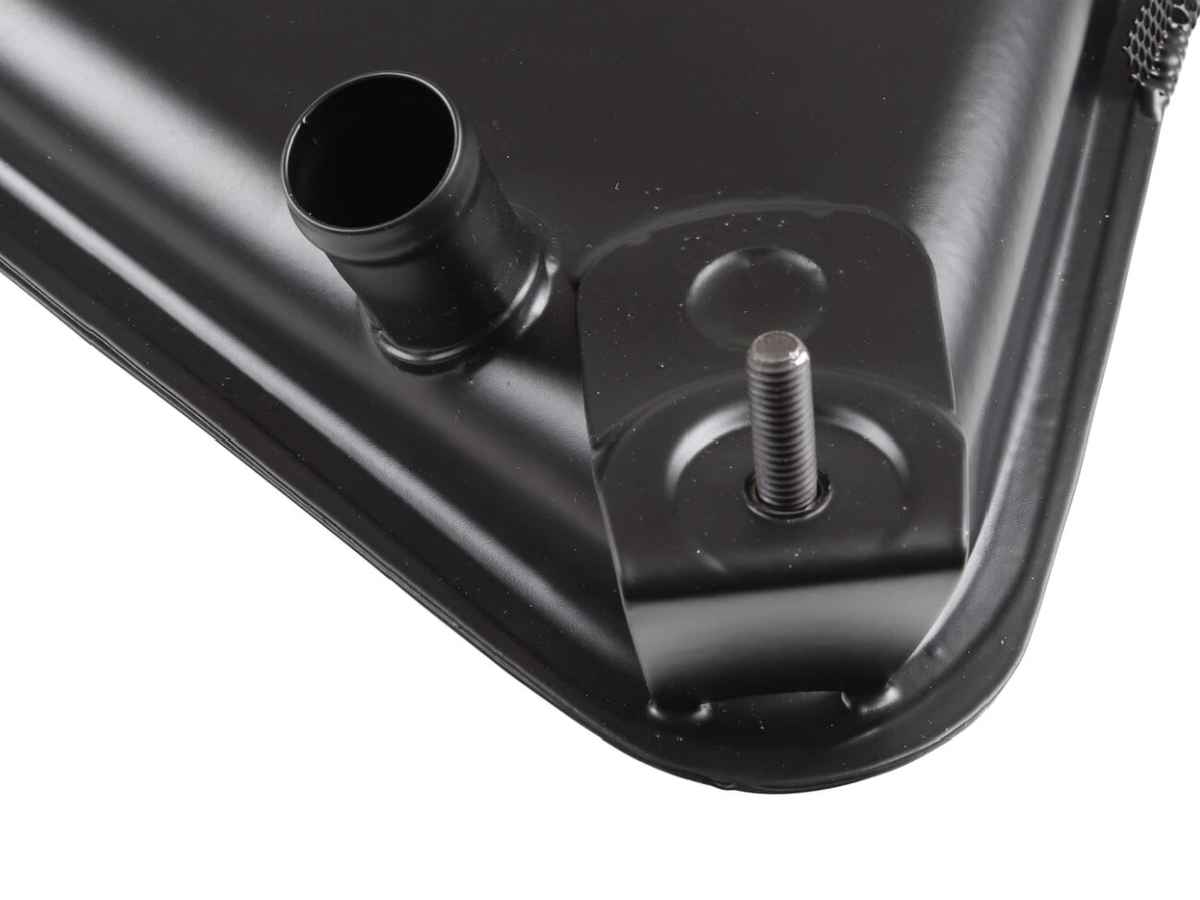
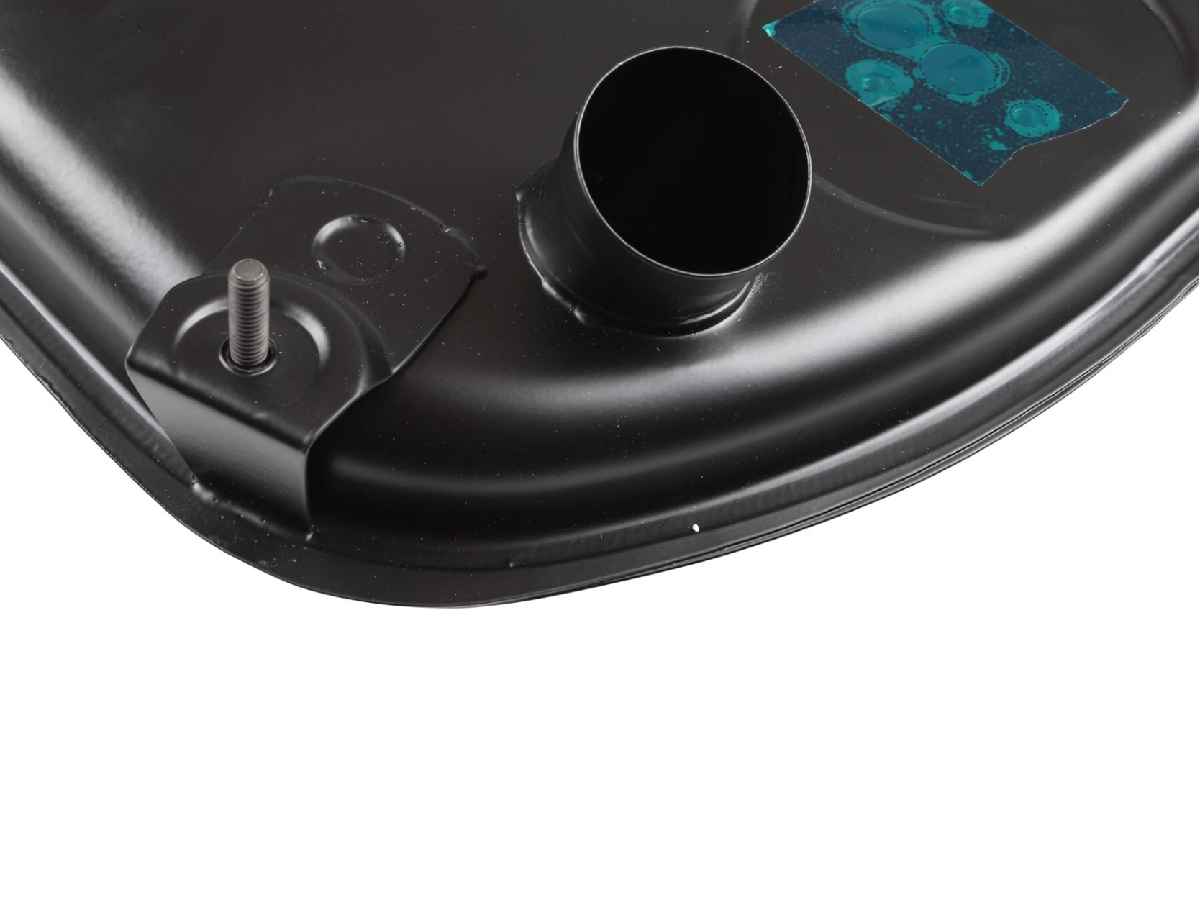
Porsche 911 2.0ltr–2.2ltr Oil Tank – WITHOUT OIL LEVEL SENDER HOLE
This oil tank is designed for early Porsche 911 2.0ltr and 2.2ltr models built between June 1967 and July 1971. It is manufactured without
the oil level sender hole, making it correct for specific early F-model
applications and restoration projects where originality is essential.
Fits:
Porsche 911 06/1967 - 1968 2.0L
Porsche 911 1968- 07/1971 2.2L
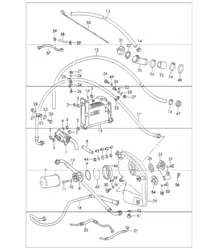
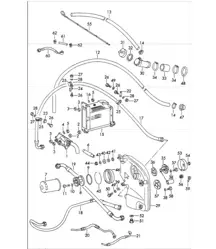
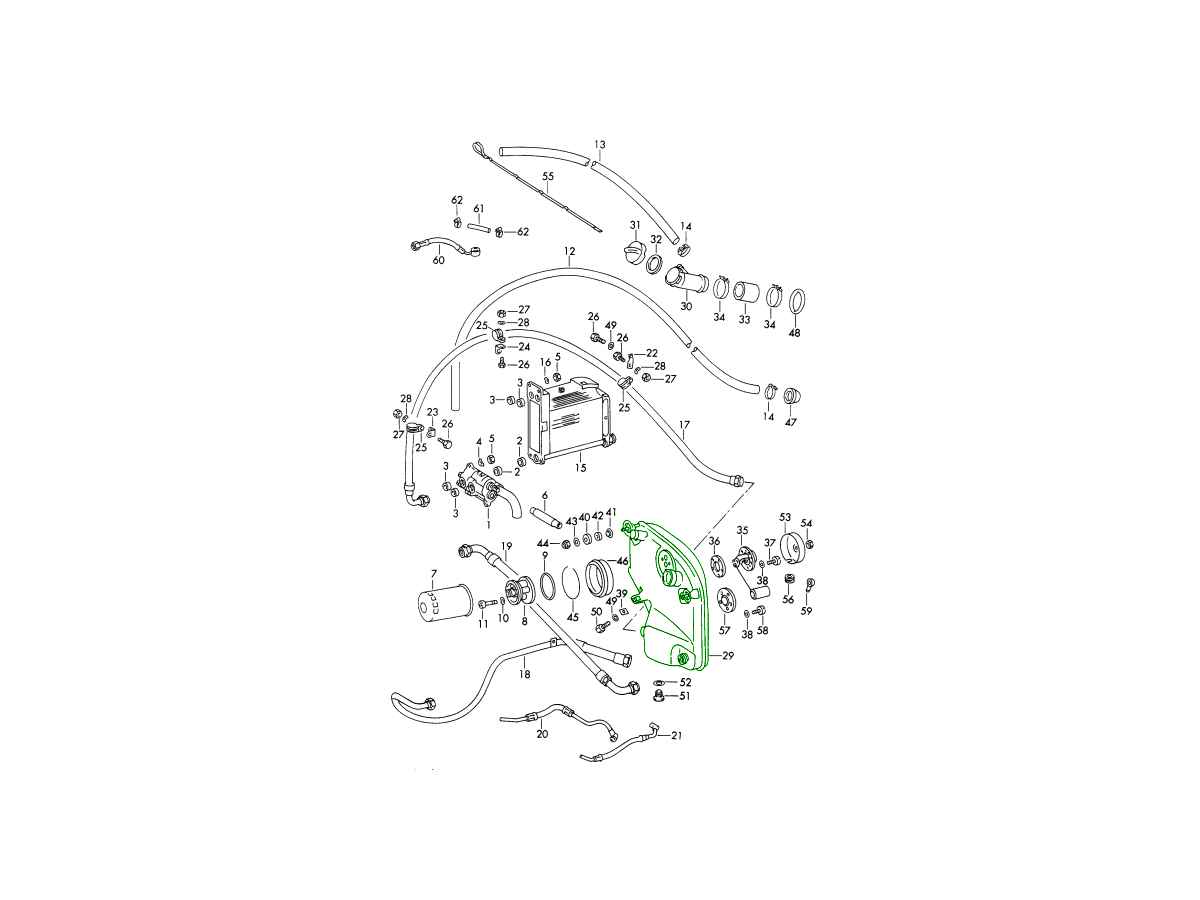
Diagram Ref No 29
The oil tank is a critical component of the classic Porsche 911 dry sump lubrication system. Unlike conventional engines, early 911 models store oil in a separate external tank rather than in a sump beneath the crankshaft. This design ensures consistent oil pressure, improved cooling and reliable lubrication under high cornering loads.
What This Oil Tank Does
In the dry sump system, oil is scavenged from the engine and stored in the external oil tank. From there, it is fed back into the engine under pressure.
The oil tank:
• Stores engine oil outside the crankcase
• Supports stable oil pressure during driving
• Assists with oil cooling
• Separates air from oil before recirculation
• Maintains proper lubrication under hard acceleration and cornering
A properly functioning oil tank is essential for engine longevity in early air-cooled Porsche 911 models.
Why Oil Tanks Fail
After decades of use, original Porsche 911 oil tanks commonly suffer from:
Internal corrosion
Moisture accumulation inside the tank can lead to rust formation, particularly
in vehicles that have been stored for long periods.
External rust and seam deterioration
Road debris and trapped dirt around mounting points can cause corrosion on the
outside of the tank.
Contamination build-up
Sludge and debris can accumulate internally, affecting oil quality and flow.
Previous repairs or modifications
Older tanks may have been welded, patched or modified incorrectly, compromising
reliability.
A failing oil tank can lead to oil leaks, contamination, pressure issues and ultimately engine damage.
Why You May Need a Replacement Oil Tank
Restoration Accuracy
If you are restoring a 1967–1971 Porsche 911 2.0 or 2.2, using the correct oil
tank without an oil level sender hole ensures factory-correct configuration.
Corrosion Replacement
If your original tank shows signs of rust inside or out, replacement is the
safest solution to protect your engine.
Engine Rebuild Projects
When rebuilding an early air-cooled 911 engine, replacing the oil tank
eliminates the risk of old contamination entering a fresh engine build.
Leak Prevention
Old seam welds and fittings can begin to seep over time. A new oil tank
restores system integrity.
Related reference numbers
Related, superseded, cross reference or alternative numbers for comparison.
91110700116
The product you are viewing cross references to these numbers
- Porsche 911 1965-1968 2.0L / 912 SWB (F)
- Porsche 911 1968-1973 2.2L / 2.4L / 2.7L RS LWB (F)
 Shop Securely
 12 Month Warranty
 Worldwide Delivery
 Free delivery

Monday-Friday: 8.30am - 5.30pm (GMT)
Saturday: Closed
Sunday: Closed