





Enter your VAT number here and click Verify:
Your details have been verified. VAT number registered to:
,
.
Your order will now be zero rated for VAT purposes. We reserve the right to verify these details after your order request has been made and reinstate VAT if required.
Your VAT details were not recognised or were invalid. Your VAT number must be matched to your Billing Country as specified above. This is currently specified as . You do not need to enter the country code part of your VAT number as this has already been selected in your billing address details above.
The VAT number checking service is currently offline. Please supply your VAT details within the comments or special instructions field below and we will apply a VAT discount after placing your order request.
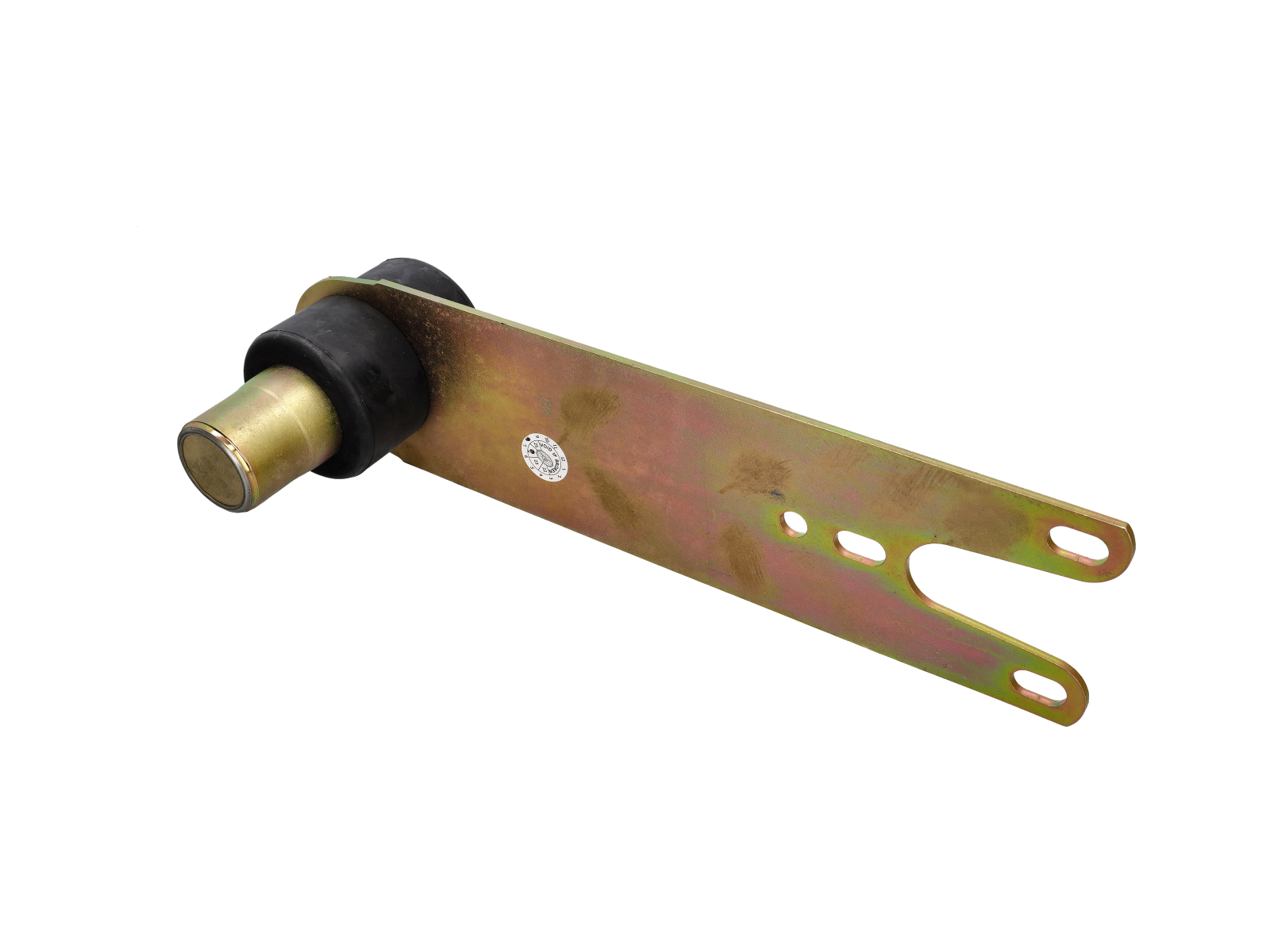
 OE Match
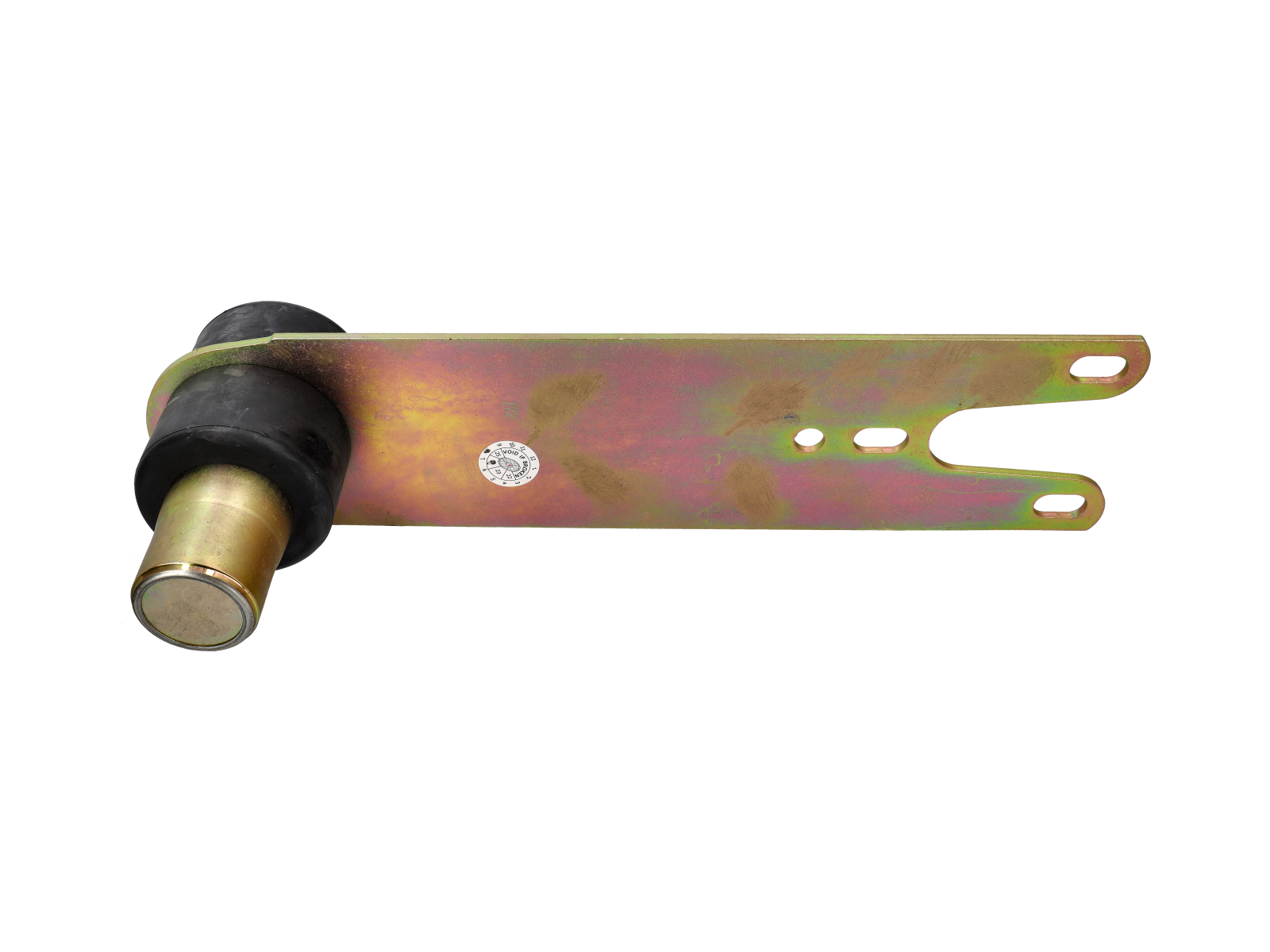
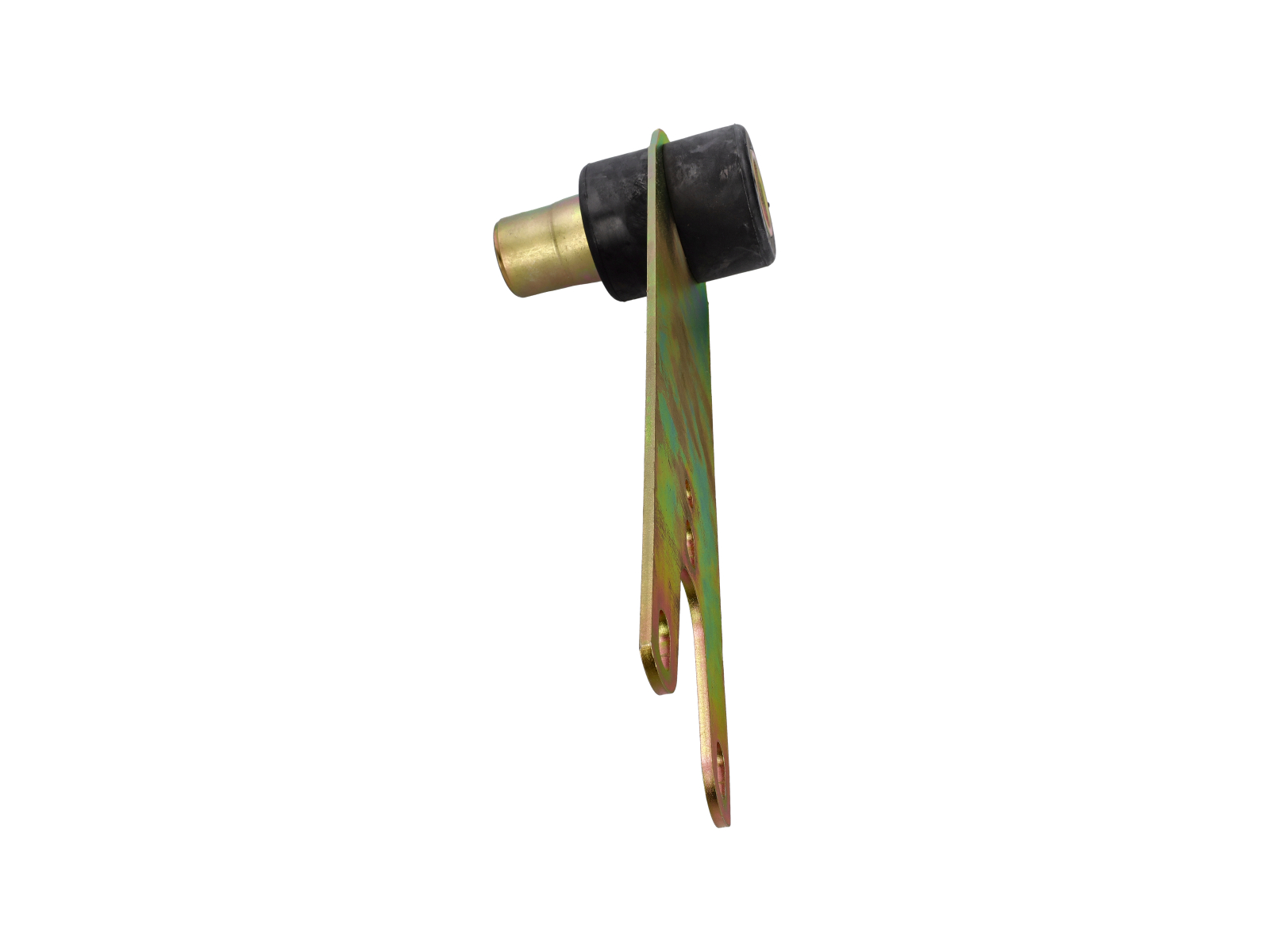
The OE Match Rear Spring Plate with Bushing is a replacement suspension component for classic Porsche 911 and Porsche 912 models equipped with rear torsion-bar suspension.
Price Is Each.
- Porsche 911 1969-76
- Porsche 912 1969
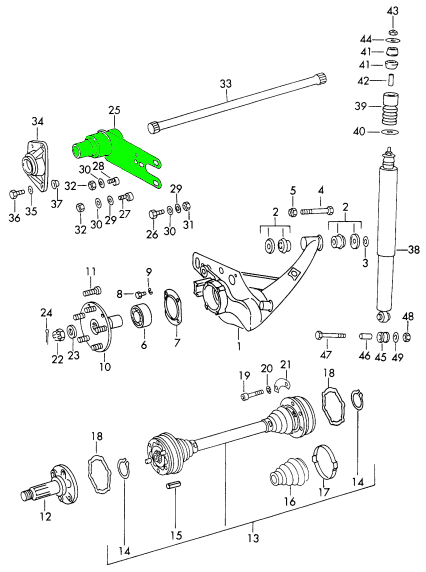
Diagram Ref No 25
The spring plate forms an important connection between the rear suspension and the torsion bar. As the rear wheel moves through its suspension travel, the spring plate transfers that movement into the torsion bar, which twists to provide the springing force required to support the rear of the vehicle.
The integrated rubber bushing supports the spring plate within its mounting point while allowing controlled rotational movement. It also helps isolate vibration and prevents excessive metal-to-metal movement between the spring plate and surrounding suspension structure.
Over time, original spring plates can suffer from corrosion, while the rubber bushings can harden, crack, compress or deform. Replacing the complete assembly helps restore correct suspension movement, rear ride height and predictable handling.
What This Product Does:
- Connects the rear suspension to the torsion bar.
- Transfers suspension movement and load into the torsion bar.
- Allows the torsion bar to provide the rear springing force.
- Helps maintain correct rear ride height.
- Supports stable rear suspension geometry.
- Helps control wheel movement during acceleration, braking and cornering.
- Uses a rubber bushing to provide controlled articulation.
- Helps isolate suspension vibration and noise from the chassis.
- Prevents excessive movement at the spring plate mounting point.
- Replaces a corroded, bent or damaged original spring plate.
- Replaces an aged, cracked or deformed spring plate bushing.
- Helps restore suspension performance during a rear suspension rebuild or vehicle restoration.
A correctly functioning spring plate and bushing assembly helps maintain consistent rear ride height, alignment and smooth suspension articulation.
Symptoms Of Wear Or Failure:
Possible symptoms include:
- Knocking or clunking from the rear suspension.
- Creaking or rubbing noises over bumps.
- Rear suspension feeling loose or less precise.
- Excessive movement around the spring plate mounting point.
- Vehicle feeling unstable or vague during cornering.
- Uneven rear ride height.
- One side of the vehicle sitting lower than the other.
- Increased vibration through the rear of the vehicle.
- Poor or inconsistent suspension response.
- Spring plate rubbing against its cover.
- Visible cracking or deterioration of the rubber bushing.
- Rubber becoming compressed or permanently distorted.
- Heavy corrosion or rust on the spring plate.
- Deep pitting or scaling of the metal.
- Bent or physically damaged spring plate.
- Difficulty maintaining correct rear wheel alignment.
Worn bushings can deform enough to allow the spring plate to contact its cover, producing rubbing or knocking noises and allowing unwanted suspension movement.
Why Replacement Matters:
The spring plate is a structural part of the rear torsion-bar suspension system.
If the plate becomes badly corroded, distorted or damaged, it may no longer transfer suspension loads correctly. Likewise, deteriorated bushings can allow excessive movement and prevent the spring plate from remaining accurately positioned.
Replacing a worn assembly helps restore:
- Correct rear suspension movement.
- Consistent ride height.
- Improved rear-end stability.
- Predictable handling.
- Correct suspension geometry.
- Reduced knocking and rubbing noises.
- Better vibration isolation.
- Reliable torsion-bar operation.
- More consistent tyre contact with the road.
Maintaining tight, controlled spring plate movement also helps reduce unnecessary stress on surrounding suspension components.
Related reference numbers
Related, superseded, cross reference or alternative numbers for comparison.
90133300309
The product you are viewing cross references to these numbers

- Porsche 911 1965-1968 2.0L / 912 SWB (F)
- Porsche 911 1968-1973 2.2L / 2.4L / 2.7L RS LWB (F)
- Porsche 911 1974-1977 2.7L / 1976-77 3.0 Carrera
 Shop Securely
 12 Month Warranty
 Worldwide Delivery


Monday-Friday: 8.30am - 5.30pm (GMT)
Saturday: Closed
Sunday: Closed