





Enter your VAT number here and click Verify:
Your details have been verified. VAT number registered to:
,
.
Your order will now be zero rated for VAT purposes. We reserve the right to verify these details after your order request has been made and reinstate VAT if required.
Your VAT details were not recognised or were invalid. Your VAT number must be matched to your Billing Country as specified above. This is currently specified as . You do not need to enter the country code part of your VAT number as this has already been selected in your billing address details above.
The VAT number checking service is currently offline. Please supply your VAT details within the comments or special instructions field below and we will apply a VAT discount after placing your order request.

- Accessories
- Brakes
- Chassis / Bodywork
- Clothing & Gifts
- Electrical & Relays
- Engine Cooling
- Engine Electrical
- Engine Rebuild Parts
- Engine Tuning
- Exhausts
- Exterior Styling / Spoilers
- Gearbox / Transmission
- Heating / Air Conditioning
- Hydraulics
- Incar / Multimedia
- Interior & Accessories
- Lighting
- Mats & Carpets
- Motorsport and Off-Road
- Parts for Other Cars
- Pedal Cluster
- Rubber Seals
- Seats & Seat Belts
- Service Parts
- Special Offer Parts
- Steering Parts
- Suspension & Axle
- Suspension Upgrades
- Tyres
- Wheel Accessories
- Wheels

 Rohler
Fits:
Porsche 928 4.5ltr - 1978 to 1982
Porsche 928 S 4.7ltr - 1980 to 1982
This alternative to the original Porsche 9131 tool is suitable for quickly and easily checking and adjusting the timing belt tension in the Porsche 928.
Please Note
This tension tester is only suitable for timing belts with a square tooth profile, suitable for the following engine codes:
M28.01 / M28.02 / M28.09 / M28.10 / M28.11 / M28.12
Related reference numbers
Related, superseded, cross reference or alternative numbers for comparison.
99131
The product you are viewing cross references to these numbers
- Porsche 928 4.5L 1978-82
- Porsche 928S 4.7L 1981-83
 Shop Securely
 12 Month Warranty
 Worldwide Delivery



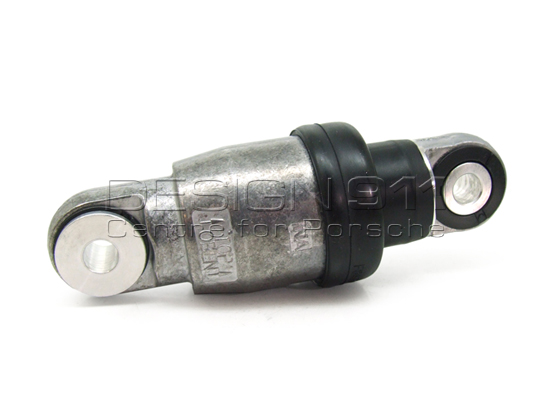
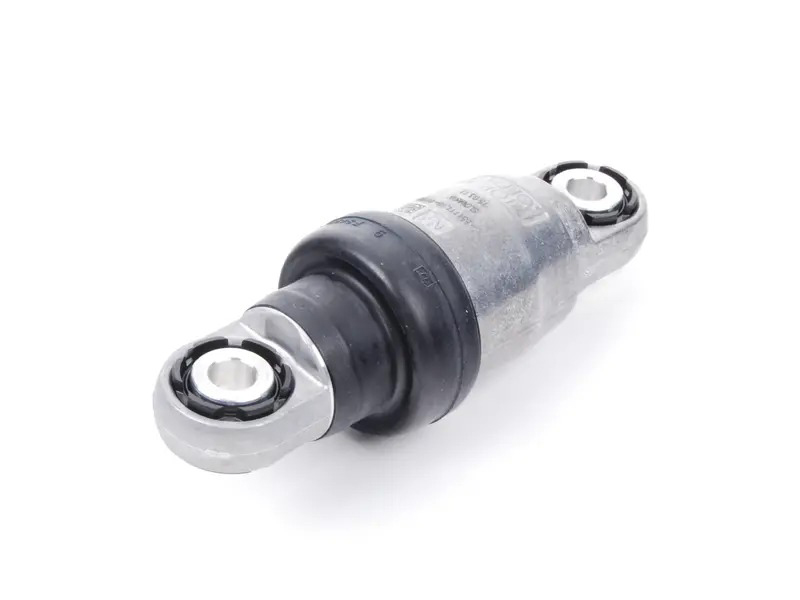
The Genuine Porsche Drive Belt Tensioner (Part No. 94810226121) is used in Porsche Cayenne (92A) and Panamera (970) models. This tensioner maintains proper tension and alignment of the serpentine (ribbed) belt, ensuring the alternator, air-conditioning compressor, power steering pump and other accessories function smoothly.
Fits:
Porsche 958 Cayenne S / GTS / Turbo 4.8L 2011 - 2018
Porsche 970 Panamera 3.6L 2011 - 2016
Porsche 970 Panamera S / GTS / Turbo 4.8L 2010 - 2016
Diagram ref no 3
The belt tensioner plays a critical role in the accessory-drive system: a failing or loose tensioner can allow belt slippage, mis-routing, increased accessory wear or belt breakage. This has implications for alternator output, A/C performance, power steering function and overall engine reliability. By using the genuine Porsche tensioner, you protect the accessory system, maintain factory behaviour and avoid secondary damage.
When to replace:
• Audible belt squeal, chirp or rumble when the engine is started or under load.
• Belt shows signs of wear, mis-tracking or vibration.
• Tensioner or pulley appears worn, loose or has excessive play.
• During serpentine belt replacement or major engine service where access is available.
• High-mileage vehicles where the original tensioner may be nearing end of service life.
Related reference numbers
Related, superseded, cross reference or alternative numbers for comparison.
94810226121
The product you are viewing cross references to these numbers
- Porsche 958 Cayenne S V8 4.8L Petrol (400Hp) 2010-17
- Porsche 958 Cayenne GTS V8 4.8L Petrol (400Hp) 2010-17
- Porsche 958 Cayenne Turbo V8 4.8L Petrol (500Hp) 2010-17
- Porsche 958 Cayenne Turbo S V8 4.8L Petrol (550Hp) 2010-17
- Porsche 970.1 Panamera V6 3.6L 2WD 2009-13
- Porsche 970.1 Panamera 4 V6 3.6L 4WD 2009-13
- Porsche 970.1 Panamera S V8 4.8L 2009-13
- Porsche 970.1 Panamera 4S V8 4.8L 2009-13
- Porsche 970.1 Panamera GTS V8 4.8L 2011-13
- Porsche 970.1 Panamera Turbo V8 4.8L 2009-13
- Porsche 970.1 Panamera Turbo S V8 4.8L 2009-13
- Porsche 970.2 Panamera GTS V8 4.8L 4WD (440Hp) 2014-16
- Porsche 970.2 Panamera Turbo V8 4.8L (520Hp) 2014-16
- Porsche 970.2 Panamera Turbo V8 Executive 2014-16
- Porsche 970.2 Panamera Turbo S V8 4.8L 2014-16
Shop Securely
12 Month Warranty
Worldwide Delivery
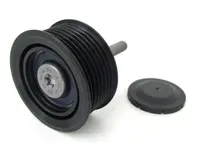
Fits:
Porsche 957 Cayenne S / GTS / Turbo 2007-10
Porsche 958 Cayenne S / GTS / Turbo 2011>>
Porsche 970 Panamera / S GTS / Turbo 2010-16
Click 'Zoom in' for large parts diagram.
Diagram ref no 7
Related reference numbers
Related, superseded, cross reference or alternative numbers for comparison.
94810211821
The product you are viewing cross references to these numbers
- Porsche 957 Cayenne S / GTS 4.8L 2007-10
- Porsche 957 Cayenne Turbo / Turbo S 4.8L 2007-10
- Porsche 958 Cayenne S V8 4.8L Petrol (400Hp) 2010-17
- Porsche 958 Cayenne GTS V8 4.8L Petrol (400Hp) 2010-17
- Porsche 958 Cayenne Turbo V8 4.8L Petrol (500Hp) 2010-17
- Porsche 958 Cayenne Turbo S V8 4.8L Petrol (550Hp) 2010-17
- Porsche 970.1 Panamera V6 3.6L 2WD 2009-13
- Porsche 970.1 Panamera 4 V6 3.6L 4WD 2009-13
- Porsche 970.1 Panamera S V8 4.8L 2009-13
- Porsche 970.1 Panamera 4S V8 4.8L 2009-13
- Porsche 970.1 Panamera GTS V8 4.8L 2011-13
- Porsche 970.1 Panamera Turbo V8 4.8L 2009-13
- Porsche 970.1 Panamera Turbo S V8 4.8L 2009-13
- Porsche 970.2 Panamera V6 3.6L 2WD (310Hp) 2014-16
- Porsche 970.2 Panamera 4 V6 3.6L 4WD (310Hp) 2014-16
- Porsche 970.2 Panamera S V6 Turbo 3.0L 2WD (420Hp) 2014-16
- Porsche 970.2 Panamera S V6 Turbo 3.0L 2WD Executive 2014-16
- Porsche 970.2 Panamera 4S V6 Turbo 3.0L 4WD (420Hp) 2014-16
- Porsche 970.2 Panamera 4S V6 Turbo 3.0L 4WD Executive 2014-16
- Porsche 970.2 Panamera GTS V8 4.8L 4WD (440Hp) 2014-16
- Porsche 970.2 Panamera Turbo V8 4.8L (520Hp) 2014-16
- Porsche 970.2 Panamera Turbo V8 Executive 2014-16
- Porsche 970.2 Panamera Turbo S V8 4.8L 2014-16
Shop Securely
12 Month Warranty
Worldwide Delivery
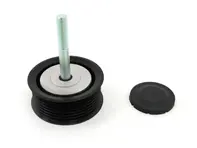



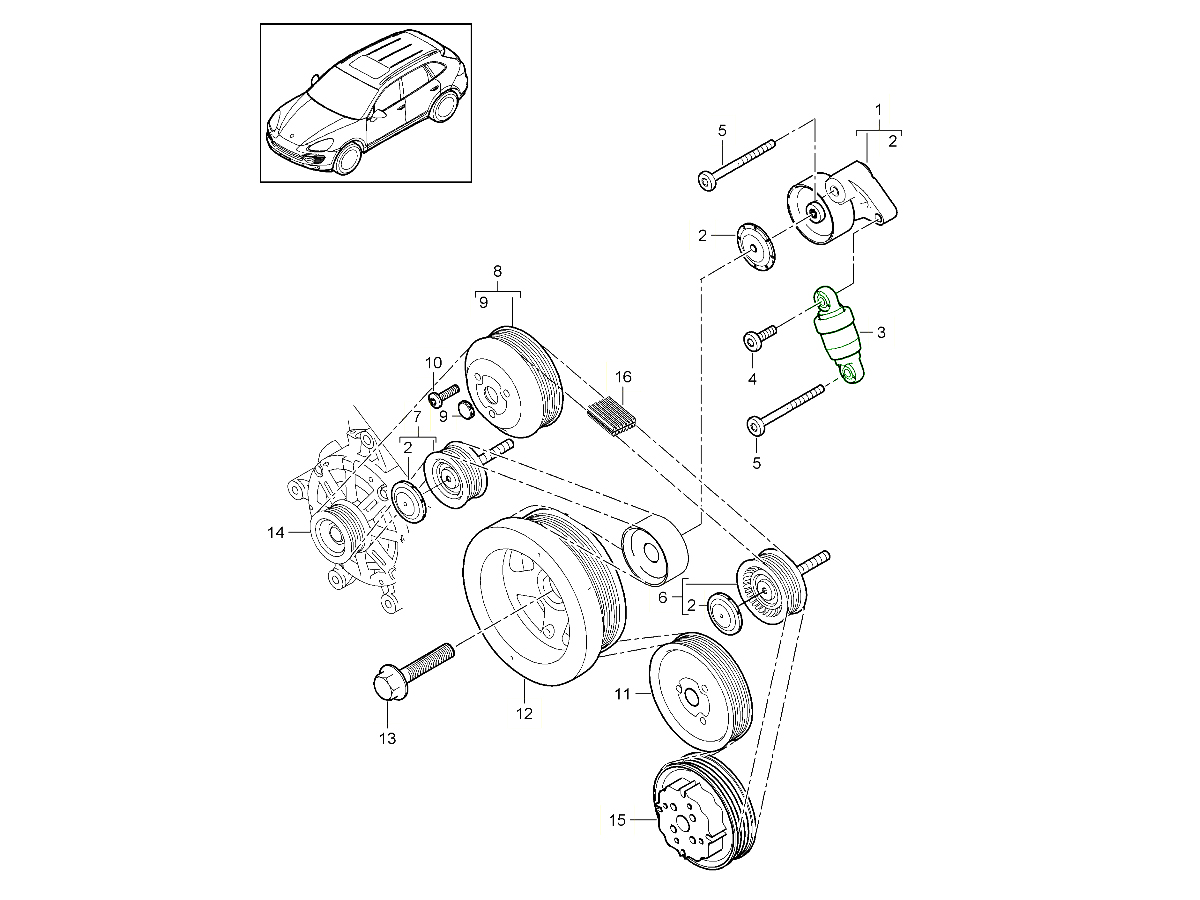
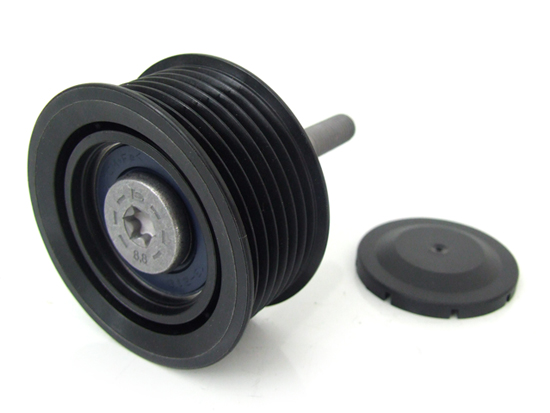
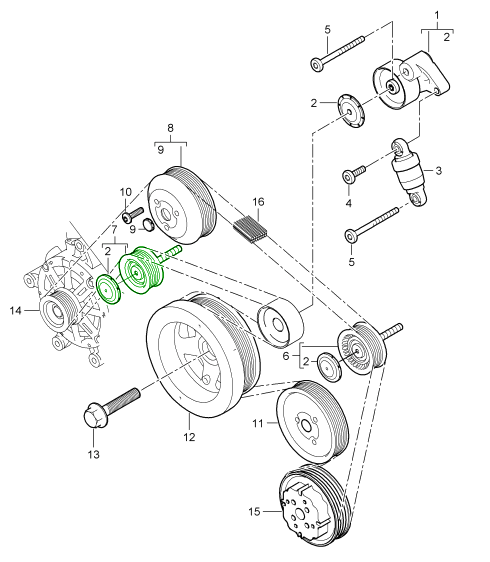
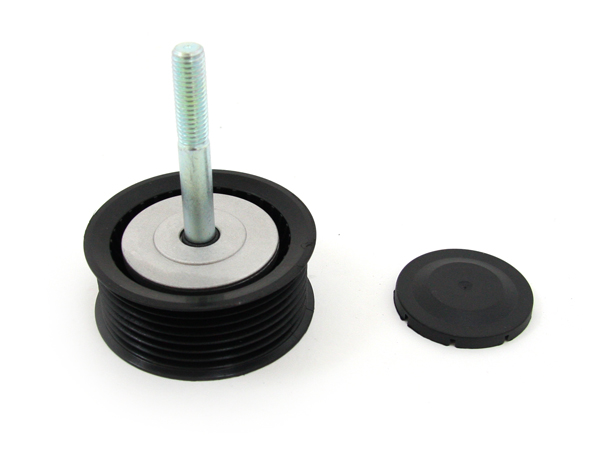
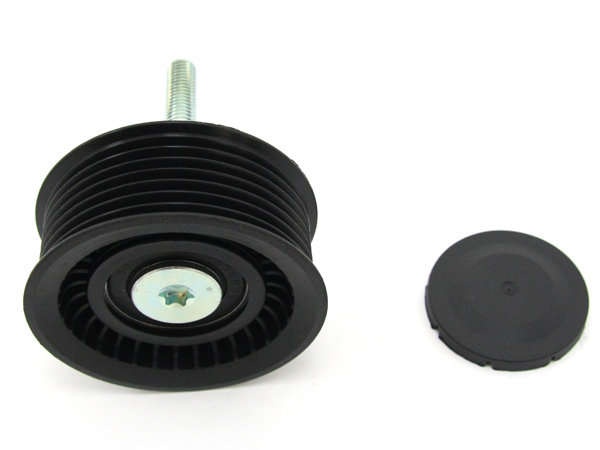
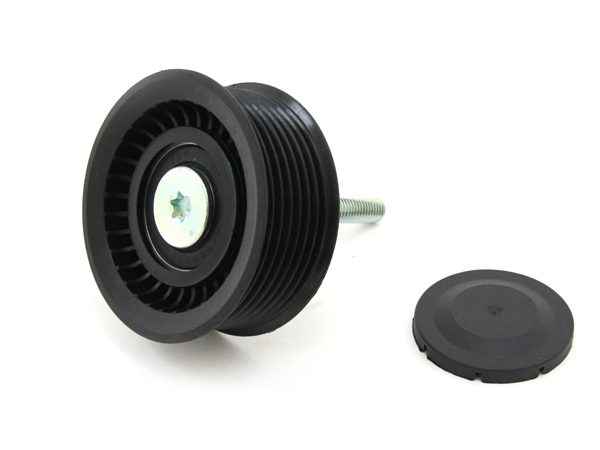
Drive Belt Deflection Roller
OE Match drive belt deflection roller for selected Porsche
957 and 958 Cayenne and 970 Panamera models.
Fits:
- Porsche 957 Cayenne S / GTS 4.8L 2007-10
- Porsche 957 Cayenne Turbo / Turbo S 4.8L 2007-10
- Porsche 958 Cayenne S V8 4.8L Petrol (400Hp) 2010-17
- Porsche 958 Cayenne GTS V8 4.8L Petrol (400Hp) 2010-17
- Porsche 958 Cayenne Turbo V8 4.8L Petrol (500Hp) 2010-17
- Porsche 970.1 Panamera V6 3.6L 2WD 2009-13
- Porsche 970.1 Panamera 4 V6 3.6L 4WD 2009-13
- Porsche 970.1 Panamera S V8 4.8L 2009-13
- Porsche 970.1 Panamera 4S V8 4.8L 2009-13
- Porsche 970.1 Panamera GTS V8 4.8L 2011-13
- Porsche 970.1 Panamera Turbo V8 4.8L 2009-13
- Porsche 970.1 Panamera Turbo S V8 4.8L 2009-13
- Porsche 970.2 Panamera V6 3.6L 2WD (310Hp) 2014-16
- Porsche 970.2 Panamera 4 V6 3.6L 4WD (310Hp) 2014-16
- Porsche 970.2 Panamera S V6 Turbo 3.0L 2WD (420Hp) 2014-16
- Porsche 970.2 Panamera S V6 Turbo 3.0L 2WD Executive 2014-16
- Porsche 970.2 Panamera 4S V6 Turbo 3.0L 4WD (420Hp) 2014-16
- Porsche 970.2 Panamera 4S V6 Turbo 3.0L 4WD Executive 2014-16
- Porsche 970.2 Panamera GTS V8 4.8L 4WD (440Hp) 2014-16
- Porsche 970.2 Panamera Turbo V8 4.8L (520Hp) 2014-16
- Porsche 970.2 Panamera Turbo V8 Executive 2014-16
- Porsche 970.2 Panamera Turbo S V8 4.8L 2014-16
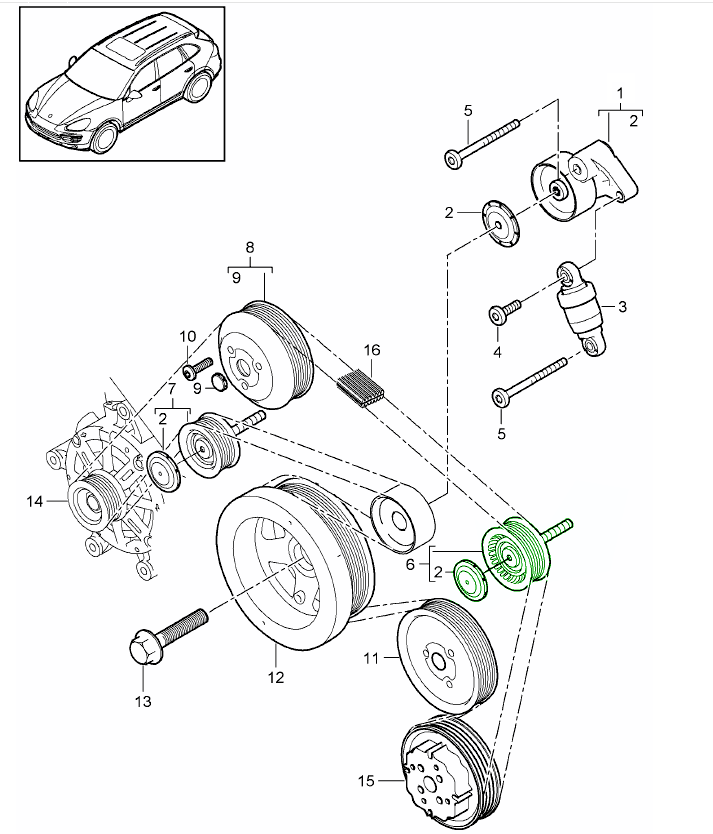
Diagram ref no 6
The deflection roller forms part of the engine's auxiliary drive belt system, guiding the belt along its correct path and helping maintain stable belt operation as it drives associated engine accessories.
What Does the Drive Belt Deflection Roller Do?
The deflection roller, sometimes referred to as an idler pulley, guides the auxiliary drive belt around the engine's belt-driven components.
Its internal bearing allows the roller to rotate freely while keeping the belt correctly routed. Smooth roller operation is important for reducing unwanted belt movement, vibration and noise.
Why Does It Fail?
The roller rotates whenever the engine is running, meaning its internal bearing is subject to continual speed, heat and mechanical loading.
Common causes of deterioration include:
Bearing wear Loss of bearing lubrication Contamination from dirt or fluids Excessive belt tension Misalignment Damaged pulley running surface High mileage and general age-related wearAs the bearing deteriorates, the roller may become noisy, develop excessive play or stop rotating smoothly.
When Should It Be Replaced?
Consider replacement if there is:
Squeaking, chirping or grinding from the belt area Roughness when the pulley is rotated by hand Excessive bearing play Visible pulley damage Irregular belt movement Repeated auxiliary belt problemsThe deflection roller should also be inspected whenever the drive belt or belt tensioner is replaced.
Checks During Replacement
When replacing the deflection roller, also inspect:
Auxiliary drive belt Drive belt tensioner Other idler and deflection rollers Pulley alignment Belt running surfaces Accessory pulleys Signs of oil or coolant contaminationReplacing a worn roller before it seizes can help prevent damage to the auxiliary drive belt and associated components.
Related reference numbers
Related, superseded, cross reference or alternative numbers for comparison.
95814527601
The product you are viewing cross references to these numbers
- Porsche 957 Cayenne S / GTS 4.8L 2007-10
- Porsche 957 Cayenne Turbo / Turbo S 4.8L 2007-10
- Porsche 958 Cayenne S V8 4.8L Petrol (400Hp) 2010-17
- Porsche 958 Cayenne GTS V8 4.8L Petrol (400Hp) 2010-17
- Porsche 958 Cayenne Turbo V8 4.8L Petrol (500Hp) 2010-17
- Porsche 970.1 Panamera V6 3.6L 2WD 2009-13
- Porsche 970.1 Panamera 4 V6 3.6L 4WD 2009-13
- Porsche 970.1 Panamera S V8 4.8L 2009-13
- Porsche 970.1 Panamera 4S V8 4.8L 2009-13
- Porsche 970.1 Panamera GTS V8 4.8L 2011-13
- Porsche 970.1 Panamera Turbo V8 4.8L 2009-13
- Porsche 970.1 Panamera Turbo S V8 4.8L 2009-13
- Porsche 970.2 Panamera V6 3.6L 2WD (310Hp) 2014-16
- Porsche 970.2 Panamera 4 V6 3.6L 4WD (310Hp) 2014-16
- Porsche 970.2 Panamera S V6 Turbo 3.0L 2WD (420Hp) 2014-16
- Porsche 970.2 Panamera S V6 Turbo 3.0L 2WD Executive 2014-16
- Porsche 970.2 Panamera 4S V6 Turbo 3.0L 4WD (420Hp) 2014-16
- Porsche 970.2 Panamera 4S V6 Turbo 3.0L 4WD Executive 2014-16
- Porsche 970.2 Panamera GTS V8 4.8L 4WD (440Hp) 2014-16
- Porsche 970.2 Panamera Turbo V8 4.8L (520Hp) 2014-16
- Porsche 970.2 Panamera Turbo V8 Executive 2014-16
- Porsche 970.2 Panamera Turbo S V8 4.8L 2014-16
Shop Securely
12 Month Warranty
Worldwide Delivery
 Express Delivery


Monday-Friday: 8.30am - 5.30pm (GMT)
Saturday: Closed
Sunday: Closed