





Enter your VAT number here and click Verify:
Your details have been verified. VAT number registered to:
,
.
Your order will now be zero rated for VAT purposes. We reserve the right to verify these details after your order request has been made and reinstate VAT if required.
Your VAT details were not recognised or were invalid. Your VAT number must be matched to your Billing Country as specified above. This is currently specified as . You do not need to enter the country code part of your VAT number as this has already been selected in your billing address details above.
The VAT number checking service is currently offline. Please supply your VAT details within the comments or special instructions field below and we will apply a VAT discount after placing your order request.
Guard plate Genuine Porsche part 0PC145707A
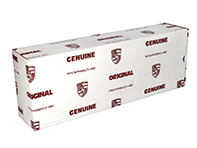
• This part is brand new and unused.
• Please verify that it is 100% suitable for your specific vehicle before purchase to ensure compatibility.
Before purchasing thoroughly check part to confirm compatibility.
- We are unable to provide fitting details for this product at this time. Please contact us for further information.
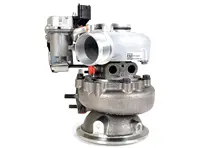

BorgWarner ref no 18559980070
Fits:
Porsche 982 (718) Boxster GTS 2.5L 2017>>
Reconditioned units are sold on an exchange basis, A surcharge of £307.69 will be held and then refunded when the old one is returned.
REPLACEMENT
These turbos are a direct installation in replacement of your factory turbos.
Previous part OE numbers:
0PC145701
Click 'Zoom in' for large parts diagram.
Diagram ref no 1
Related reference numbers
Related, superseded, cross reference or alternative numbers for comparison.
0PC145701A
The product you are viewing cross references to these numbers
- Porsche Boxster GTS 718 2.5L Manual (365 Bhp) 05/2017>>
- Porsche Boxster GTS 718 2.5L PDK (365 Bhp) 05/2017>>
- Porsche Cayman GTS 718 2.5L Manual (365 Bhp)
- Porsche Cayman GTS 718 2.5L PDK (365 Bhp)
 Shop Securely
 12 Month Warranty
 Worldwide Delivery
 Free delivery
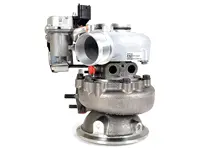



Fits:
Porsche 982 (718) Boxster GTS 2.5L 2017>>
Porsche 982C (718C) Cayman GTS 2.5L 2017>>
Previous part OE numbers:
0PC145701
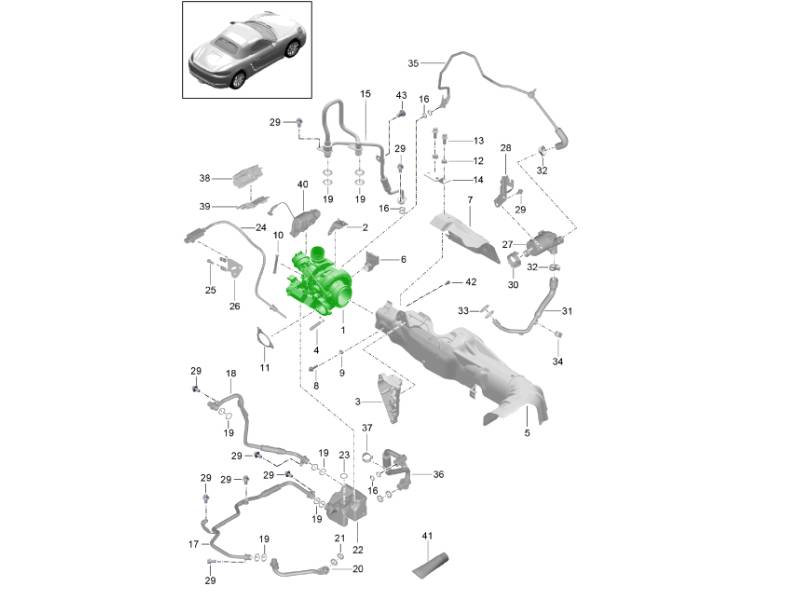
Click 'Zoom in' for large parts diagram.
Diagram ref no 1
Related reference numbers
Related, superseded, cross reference or alternative numbers for comparison.
0PC145701A
The product you are viewing cross references to these numbers
- Porsche Boxster GTS 718 2.5L Manual (365 Bhp) 05/2017>>
- Porsche Boxster GTS 718 2.5L PDK (365 Bhp) 05/2017>>
- Porsche Cayman GTS 718 2.5L Manual (365 Bhp)
- Porsche Cayman GTS 718 2.5L PDK (365 Bhp)
Shop Securely
12 Month Warranty
Worldwide Delivery
Free delivery
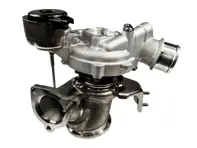

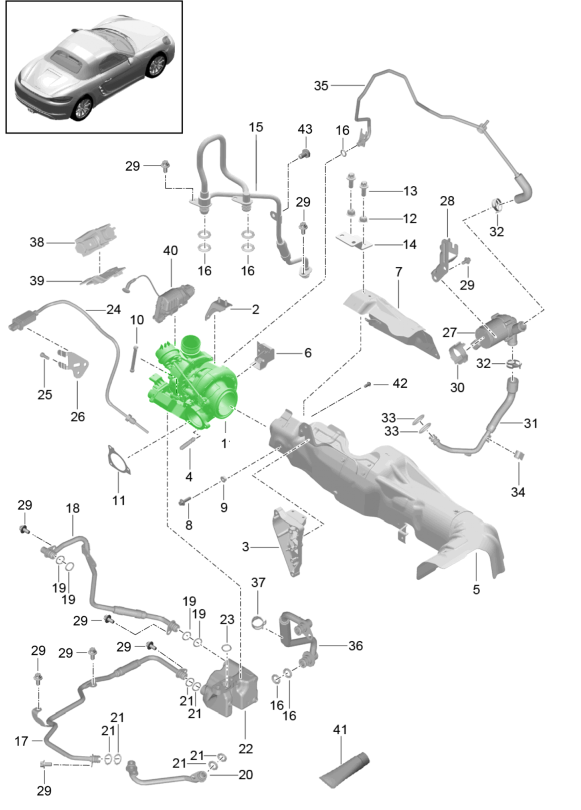

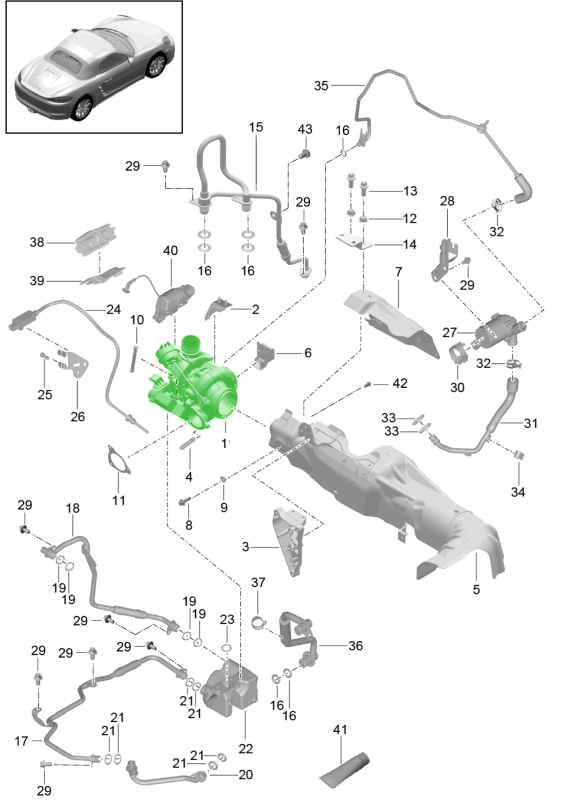
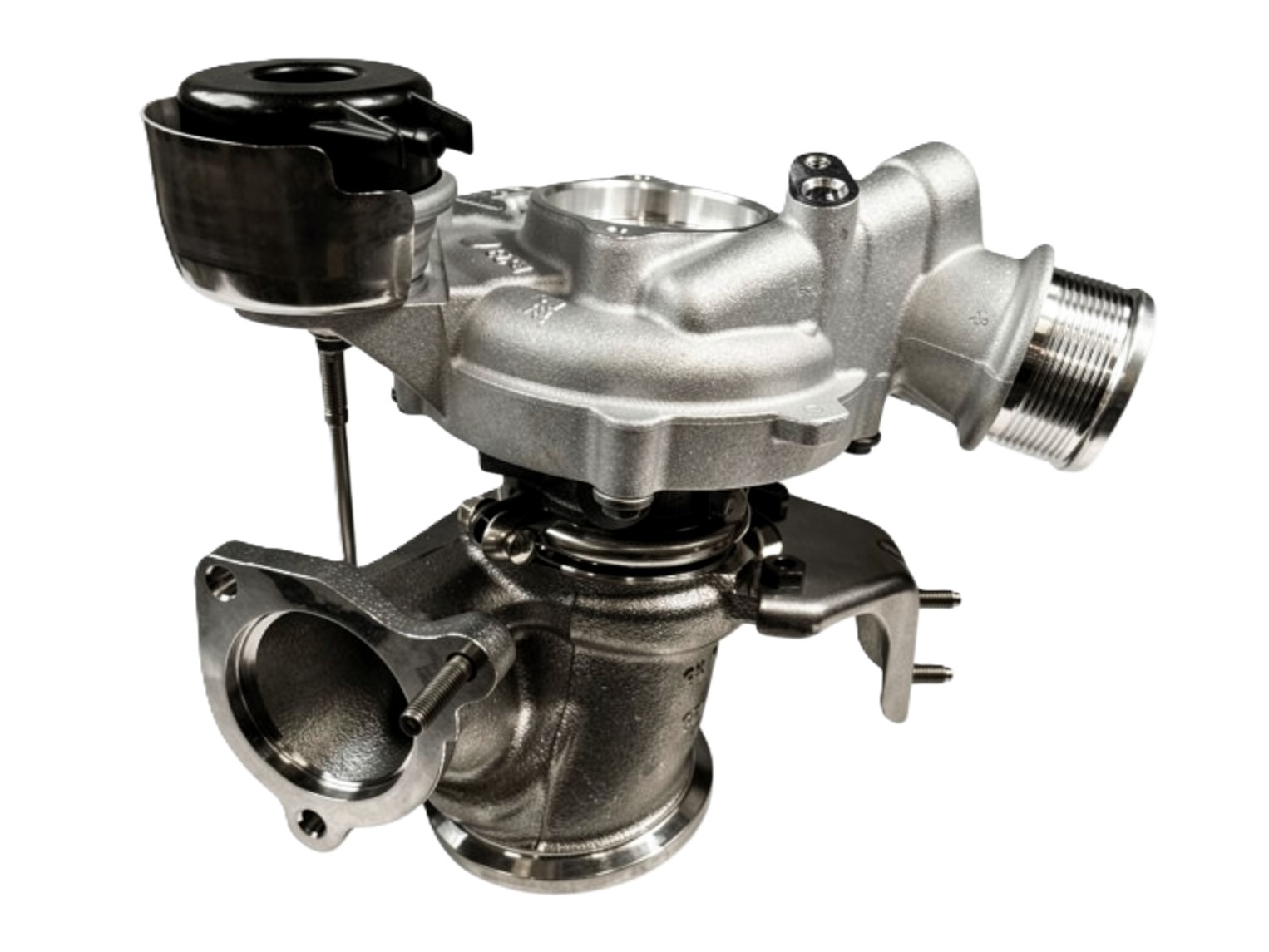
The Genuine Porsche Turbocharger 0PC145701D is a replacement forced-induction component designed for compatible Porsche applications. The turbocharger is responsible for generating the boost pressure and increased airflow required by the engine to deliver its intended power, torque and acceleration.
Fits:
- Porsche Boxster S 718 2.5L Manual (350 Bhp) 07/2022>>
- Porsche Boxster S 718 2.5L PDK (350 Bhp) 07/2022>>
- Porsche Boxster GTS 718 2.5L Manual (365 Bhp) 07/2022>>
- Porsche Boxster GTS 718 2.5L PDK (365 Bhp) 07/2022>>
- Porsche Cayman S 718 2.5L Manual (350 Bhp) 07/2022>>
- Porsche Cayman S 718 2.5L PDK (350 Bhp) 07/2022>>
- Porsche Cayman GTS 718 2.5L Manual (365 Bhp) 07/2022>>
- Porsche Cayman GTS 718 2.5L PDK (365 Bhp) 07/2022>>
Diagram Ref No 1
A turbocharger uses energy contained in the engine's exhaust gases to spin a turbine wheel. This turbine is connected by a shaft to a compressor wheel on the intake side. As the compressor rotates, it draws in and compresses fresh air before supplying it to the engine.
Because a turbocharger operates at extremely high rotational speeds and temperatures, correct lubrication, cooling, intake airflow, exhaust flow and boost control are essential to its reliability.
What This Product Does:
The turbocharger increases the pressure and quantity of air supplied to the engine.
Exhaust gases leaving the engine drive the turbine wheel. A shaft connects this turbine to the compressor wheel on the intake side of the turbocharger.
As the compressor wheel rotates, it compresses incoming air and supplies it to the engine under pressure.
This helps:
- Generate the required boost pressure
- Increase available intake airflow
- Support the intended engine power and torque
- Improve acceleration
- Maintain correct throttle response
- Provide consistent forced-induction performance
- Make effective use of exhaust-gas energy
The turbocharger works together with the engine-management, intake, intercooling, exhaust, lubrication, cooling and boost-control systems.
Symptoms Of Wear Or Failure:
A worn, damaged or malfunctioning turbocharger can cause a variety of mechanical and performance-related symptoms.
Common warning signs include:
- Loss of engine power
- Reduced boost pressure
- Slow or delayed boost response
- Poor acceleration
- Inconsistent power delivery
- Engine-management warning light
- Underboost or overboost fault codes
- Limp or reduced-power mode
- Increased engine oil consumption
- Blue or grey exhaust smoke
- Excessive oil in intake or boost pipework
- Whining or siren-like noises
- Grinding or scraping noises
- Excessive turbocharger shaft play
- Damaged compressor or turbine blades
- Abnormal boost fluctuations
These symptoms do not automatically confirm turbocharger failure. Intake leaks, intercooler problems, sensors, actuators and other boost-control components can produce similar symptoms.
Correct diagnosis should therefore be carried out before replacement.
Why Replacement Matters:
A correctly functioning turbocharger is essential to maintaining the intended performance of a turbocharged Porsche engine.
Replacing a confirmed worn or damaged turbocharger helps:
- Restore correct boost pressure
- Restore engine power
- Restore torqueImprove acceleration
- Restore throttle response
- Reduce abnormal turbocharger noise
- Address oil leakage caused by internal turbo wear
- Restore reliable forced-induction operation
- Support correct engine-management operation
- Reduce the risk of secondary component damage
A turbocharger showing severe mechanical deterioration should not remain in service.
Related reference numbers
Related, superseded, cross reference or alternative numbers for comparison.
0PC145701D
The product you are viewing cross references to these numbers
- Porsche Boxster S 718 2.5L Manual (350 Bhp) 05/2017>>
- Porsche Boxster S 718 2.5L PDK (350 Bhp) 05/2017>>
- Porsche Boxster GTS 718 2.5L Manual (365 Bhp) 05/2017>>
- Porsche Boxster GTS 718 2.5L PDK (365 Bhp) 05/2017>>
- Porsche Cayman S 718 2.5L Manual (350 Bhp)
- Porsche Cayman S 718 2.5L PDK (350 Bhp)
- Porsche Cayman GTS 718 2.5L Manual (365 Bhp)
- Porsche Cayman GTS 718 2.5L PDK (365 Bhp)
Shop Securely
12 Month Warranty
Worldwide Delivery
Free delivery
The BorgWarner Turbocharger is a replacement forced-induction component for compatible Porsche applications. Designed to replace a worn, damaged or failed turbocharger, it helps restore the boost pressure and airflow required for correct engine power, torque and response.
Fits:
- Porsche Boxster S 718 2.5L Manual (350 Bhp) 07/2022>>
- Porsche Boxster S 718 2.5L PDK (350 Bhp) 07/2022>>
- Porsche Boxster GTS 718 2.5L Manual (365 Bhp) 07/2022>>
- Porsche Boxster GTS 718 2.5L PDK (365 Bhp) 07/2022>>
- Porsche Cayman S 718 2.5L Manual (350 Bhp) 07/2022>>
- Porsche Cayman S 718 2.5L PDK (350 Bhp) 07/2022>>
- Porsche Cayman GTS 718 2.5L Manual (365 Bhp) 07/2022>>
- Porsche Cayman GTS 718 2.5L PDK (365 Bhp) 07/2022>>
Diagram Ref No 1
A turbocharger uses energy contained in the engine's exhaust gases to spin a turbine wheel. This turbine is connected by a shaft to a compressor wheel on the intake side. As the compressor rotates, it draws in and compresses fresh air before supplying it to the engine.
Because a turbocharger operates at extremely high rotational speeds and temperatures, correct lubrication, cooling, intake airflow, exhaust flow and boost control are essential to its reliability.
What This Product Does:
The turbocharger increases the pressure and quantity of air supplied to the engine.
Exhaust gases leaving the engine drive the turbine wheel. A shaft connects this turbine to the compressor wheel on the intake side of the turbocharger.
As the compressor wheel rotates, it compresses incoming air and supplies it to the engine under pressure.
This helps:
- Generate the required boost pressure
- Increase available intake airflow
- Support the intended engine power and torque
- Improve acceleration
- Maintain correct throttle response
- Provide consistent forced-induction performance
- Make effective use of exhaust-gas energy
The turbocharger works together with the engine-management, intake, intercooling, exhaust, lubrication, cooling and boost-control systems.
Symptoms Of Wear Or Failure:
A worn, damaged or malfunctioning turbocharger can cause a variety of mechanical and performance-related symptoms.
Common warning signs include:
- Loss of engine power
- Reduced boost pressure
- Slow or delayed boost response
- Poor acceleration
- Inconsistent power delivery
- Engine-management warning light
- Underboost or overboost fault codes
- Limp or reduced-power mode
- Increased engine oil consumption
- Blue or grey exhaust smoke
- Excessive oil in intake or boost pipework
- Whining or siren-like noises
- Grinding or scraping noises
- Excessive turbocharger shaft play
- Damaged compressor or turbine blades
- Abnormal boost fluctuations
These symptoms do not automatically confirm turbocharger failure. Intake leaks, intercooler problems, sensors, actuators and other boost-control components can produce similar symptoms.
Correct diagnosis should therefore be carried out before replacement.
Why Replacement Matters:
A correctly functioning turbocharger is essential to maintaining the intended performance of a turbocharged Porsche engine.
Replacing a confirmed worn or damaged turbocharger helps:
- Restore correct boost pressure
- Restore engine power
- Restore torqueImprove acceleration
- Restore throttle response
- Reduce abnormal turbocharger noise
- Address oil leakage caused by internal turbo wear
- Restore reliable forced-induction operation
- Support correct engine-management operation
- Reduce the risk of secondary component damage
A turbocharger showing severe mechanical deterioration should not remain in service.
Related reference numbers
Related, superseded, cross reference or alternative numbers for comparison.
0PC145701D
The product you are viewing cross references to these numbers
- Porsche Boxster S 718 2.5L Manual (350 Bhp) 05/2017>>
- Porsche Boxster S 718 2.5L PDK (350 Bhp) 05/2017>>
- Porsche Boxster GTS 718 2.5L Manual (365 Bhp) 05/2017>>
- Porsche Boxster GTS 718 2.5L PDK (365 Bhp) 05/2017>>
- Porsche Cayman S 718 2.5L Manual (350 Bhp)
- Porsche Cayman S 718 2.5L PDK (350 Bhp)
- Porsche Cayman GTS 718 2.5L Manual (365 Bhp)
- Porsche Cayman GTS 718 2.5L PDK (365 Bhp)
Shop Securely
12 Month Warranty
Worldwide Delivery
Free delivery


Monday-Friday: 8.30am - 5.30pm (GMT)
Saturday: Closed
Sunday: Closed