





Enter your VAT number here and click Verify:
Your details have been verified. VAT number registered to:
,
.
Your order will now be zero rated for VAT purposes. We reserve the right to verify these details after your order request has been made and reinstate VAT if required.
Your VAT details were not recognised or were invalid. Your VAT number must be matched to your Billing Country as specified above. This is currently specified as . You do not need to enter the country code part of your VAT number as this has already been selected in your billing address details above.
The VAT number checking service is currently offline. Please supply your VAT details within the comments or special instructions field below and we will apply a VAT discount after placing your order request.

- Accessories
- Brakes
- Chassis / Bodywork
- Clothing & Gifts
- Electrical & Relays
- Engine Cooling
- Engine Electrical
- Engine Rebuild Parts
- Engine Tuning
- Exhausts
- Exterior Styling / Spoilers
- Gearbox / Transmission
- Heating / Air Conditioning
- Hydraulics
- Incar / Multimedia
- Interior & Accessories
- Lighting
- Mats & Carpets
- Motorsport and Off-Road
- Parts for Other Cars
- Pedal Cluster
- Rubber Seals
- Seats & Seat Belts
- Service Parts
- Special Offer Parts
- Steering Parts
- Suspension & Axle
- Suspension Upgrades
- Tyres
- Wheel Accessories
- Wheels
Hoses / Pipes / Sleeves
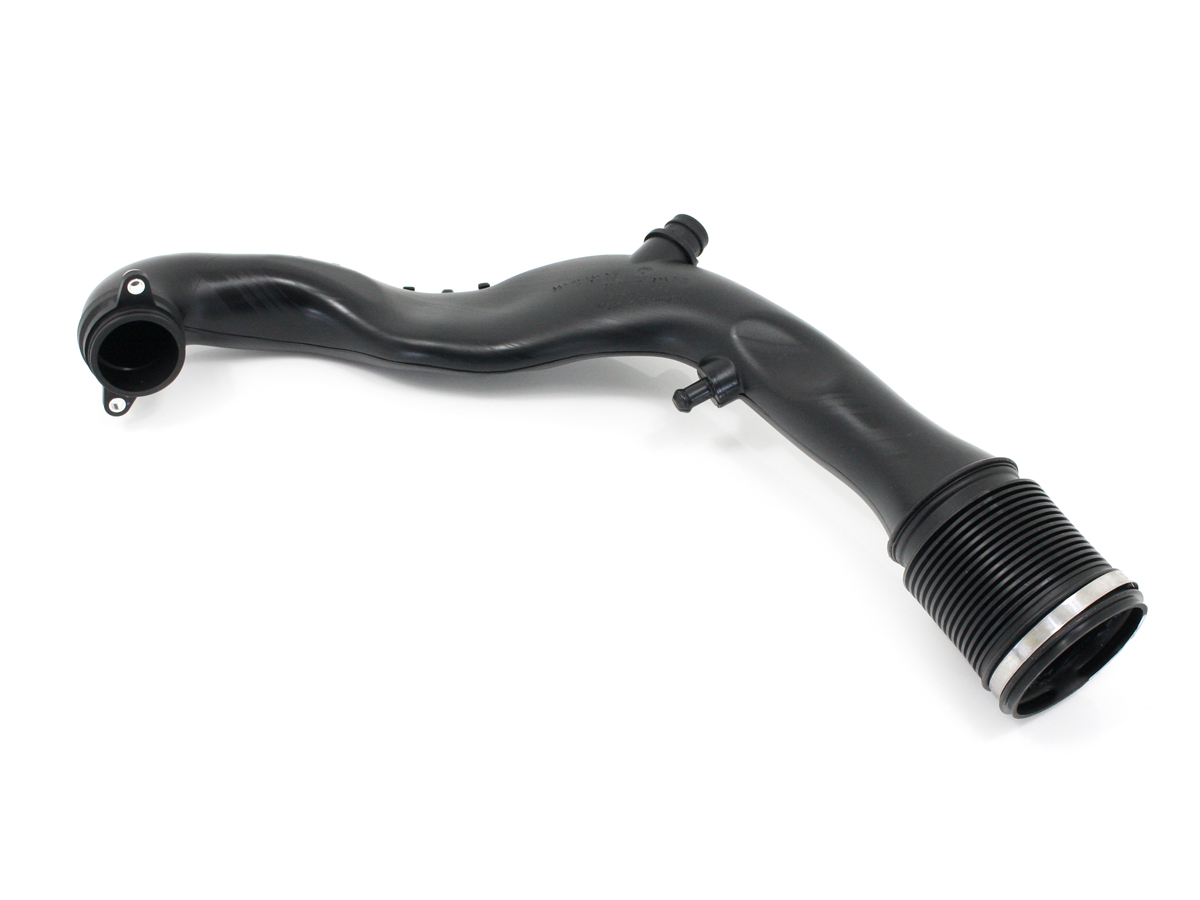
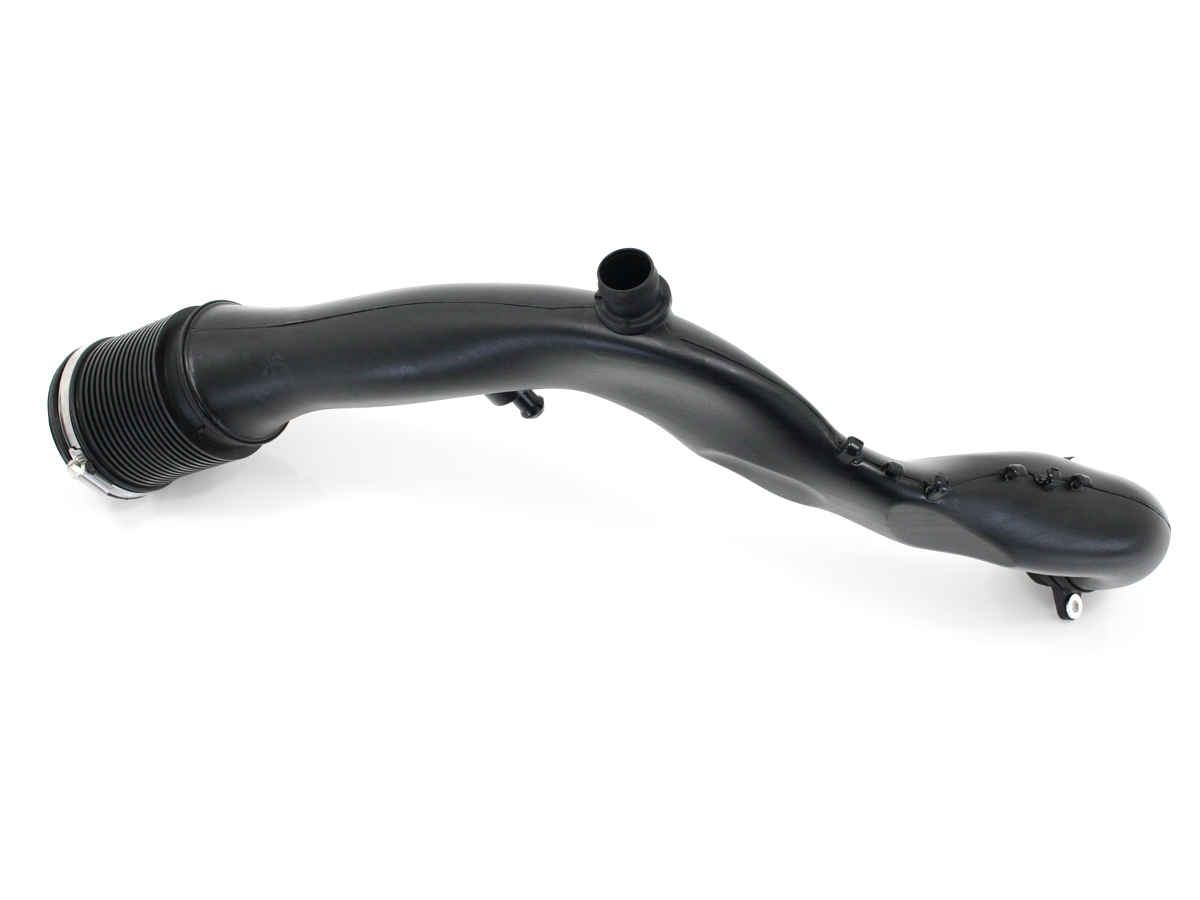
.jpg?width=400&height=300&quality=65&format=webp "Air Injection Pressure Line, Cyl. 1–3. Porsche 997.1 / 997.2 Turbo / GT2 / GT2 RS M97.70 2007-11 - 99711311170")


The Genuine Porsche Air Injection Pressure Line is a replacement component for the secondary air-injection system serving cylinders 1–3 on selected Porsche 911 (997) Turbo, GT2 and GT2 RS models.
Fits:
- Porsche 997 MK1 TURBO 2007-09
- Porsche 997 MK1 GT2 2007-09
- Porsche 997 MKII Turbo 2010-11
- Porsche 997 MKII GT2 RS 2011
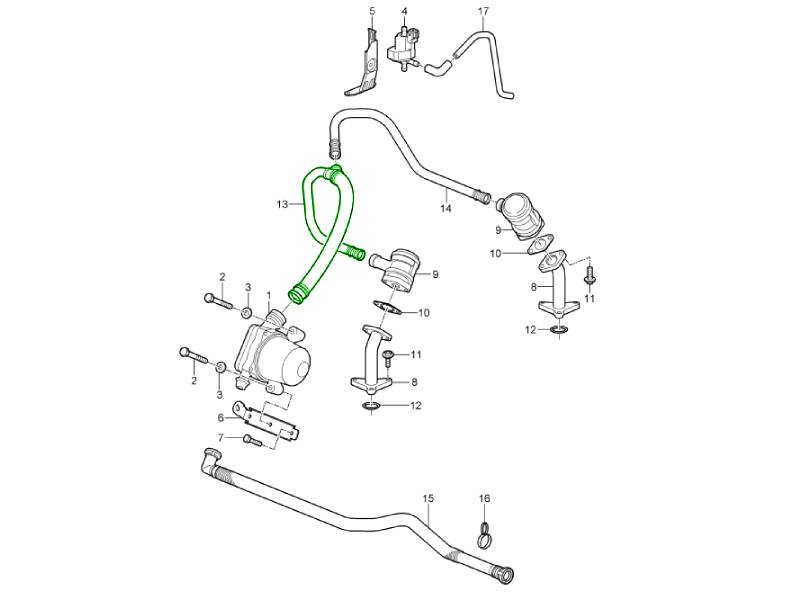
Diagram Ref No 13
The secondary air-injection system introduces fresh air into the exhaust system during specific operating conditions, particularly following a cold start. The additional oxygen helps promote oxidation of unburned exhaust gases and assists the catalytic converters in reaching effective operating temperature more quickly.
Because the system relies on controlled airflow, the pressure line must remain sealed, unrestricted and securely connected. Cracks, leaks, damaged connections or internal restriction can reduce secondary-air flow and may trigger emissions-related engine-management faults.
What This Product Does:
The air-injection pressure line transports air supplied by the secondary-air system towards the exhaust side of cylinders 1–3.
It is designed to:
- Carry secondary air to cylinders 1–3.
- Form part of the engine's emissions-control system.
- Help introduce additional oxygen into the exhaust stream during cold-start operation.
- Support faster catalytic converter light-off.
- Help reduce cold-start exhaust emissions.
- Maintain a sealed air path between secondary-air components.
- Support correct secondary-air system monitoring by the engine-management system.
- Replace a cracked, leaking, restricted or damaged original pressure line.
- Help restore correct secondary-air flow after an emissions-system fault.
Symptoms Of Wear Or Failure:
Possible symptoms include:
- Check Engine Light illuminating.
- Secondary-air injection fault codes.
- Insufficient secondary-air flow faults.
- Emissions-related diagnostic faults affecting the cylinder 1–3 bank.
- Hissing or blowing noise during cold-start secondary-air operation.
- Air escaping from a cracked line or damaged connection.
- Visible cracks or splits.
- Loose or damaged connections.
- Deteriorated sealing points.
- Secondary-air pump operating but expected airflow not reaching the engine.
- Increased cold-start exhaust emissions.
- Failed emissions or inspection testing where applicable.
- Repeated secondary-air system faults after other components have been checked.
Because the system operates primarily during specific cold-start conditions, a damaged pressure line may produce few noticeable drivability symptoms during normal warm-engine operation.
Why Replacement Matters:
The secondary-air system depends on a sealed route between the pump, control valves and exhaust injection points.
A leaking pressure line allows some of the supplied air to escape before reaching cylinders 1–3.
This can cause the engine-management system to detect insufficient secondary-air flow.
Replacing a faulty line helps restore:
- Correct secondary-air delivery.
- Proper system sealing.
- Reliable cold-start emissions control.
- Correct catalytic converter warm-up strategy.
- Reduced likelihood of secondary-air diagnostic faults.
- Proper operation of the cylinder 1–3 air-injection circuit.
Related reference numbers
Related, superseded, cross reference or alternative numbers for comparison.
99711311170
The product you are viewing cross references to these numbers
- Porsche 997 MK1 TURBO 2007-09
- Porsche 997 MK1 GT2 2007-09
- Porsche 997 MKII Turbo 2010-13
- Porsche 997 MKII GT2 RS 2011-13
 Shop Securely
 12 Month Warranty
 Worldwide Delivery
 Free delivery

Fits:
Porsche 997.1 Turbo 2007-09
Porsche 997.2 Turbo 2010-13
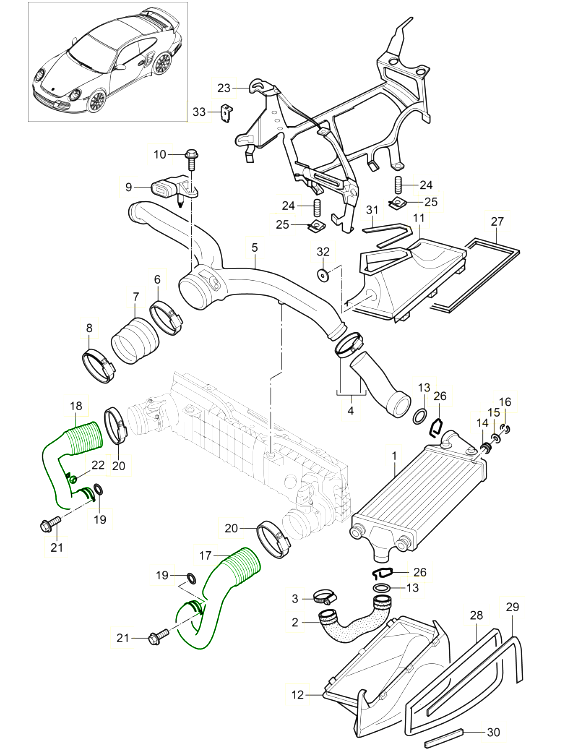
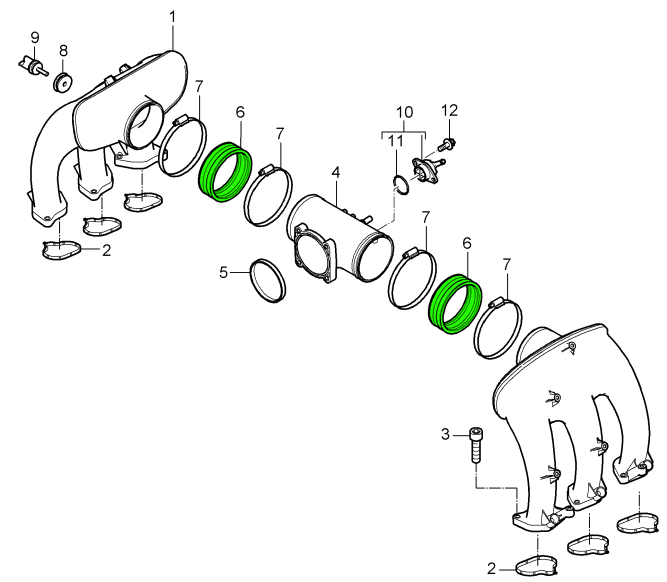
Click 'Zoom in' for large parts diagram.
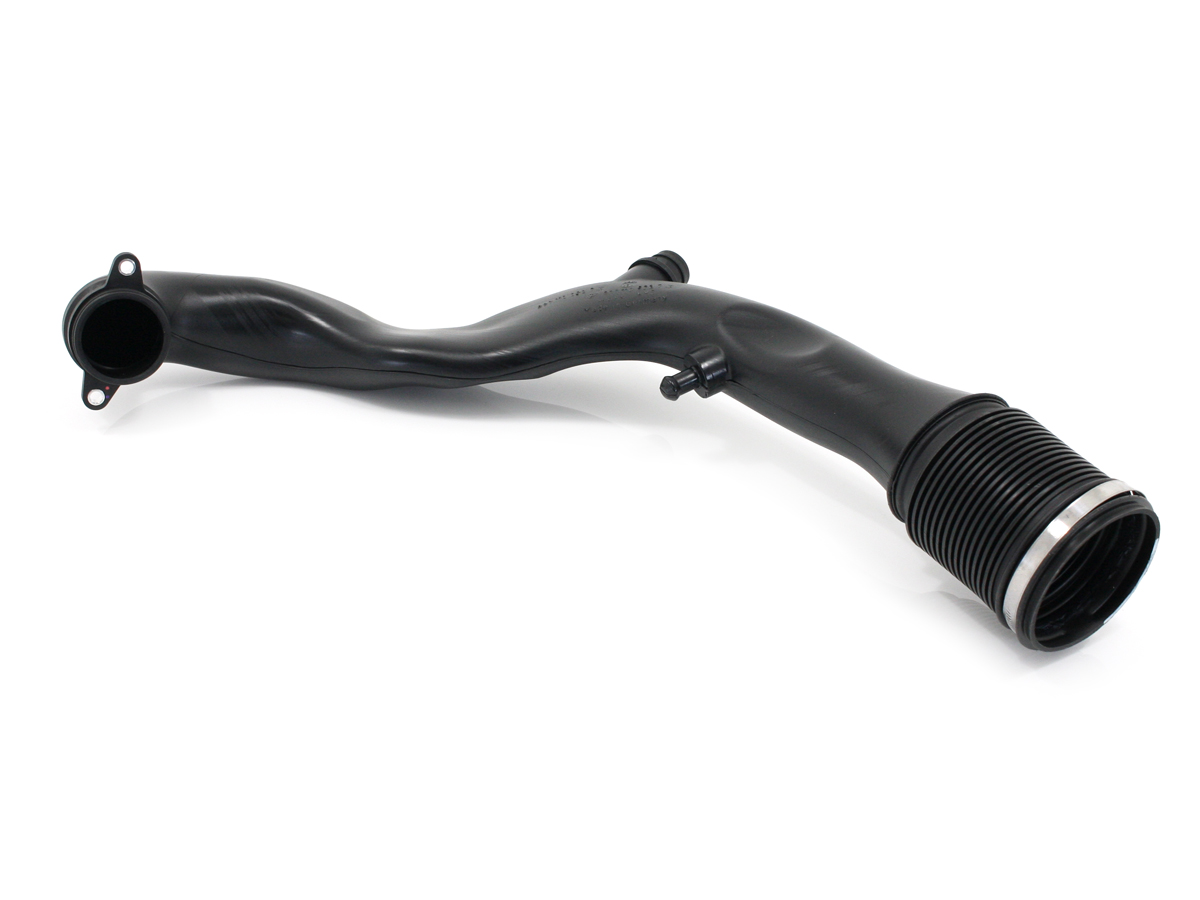
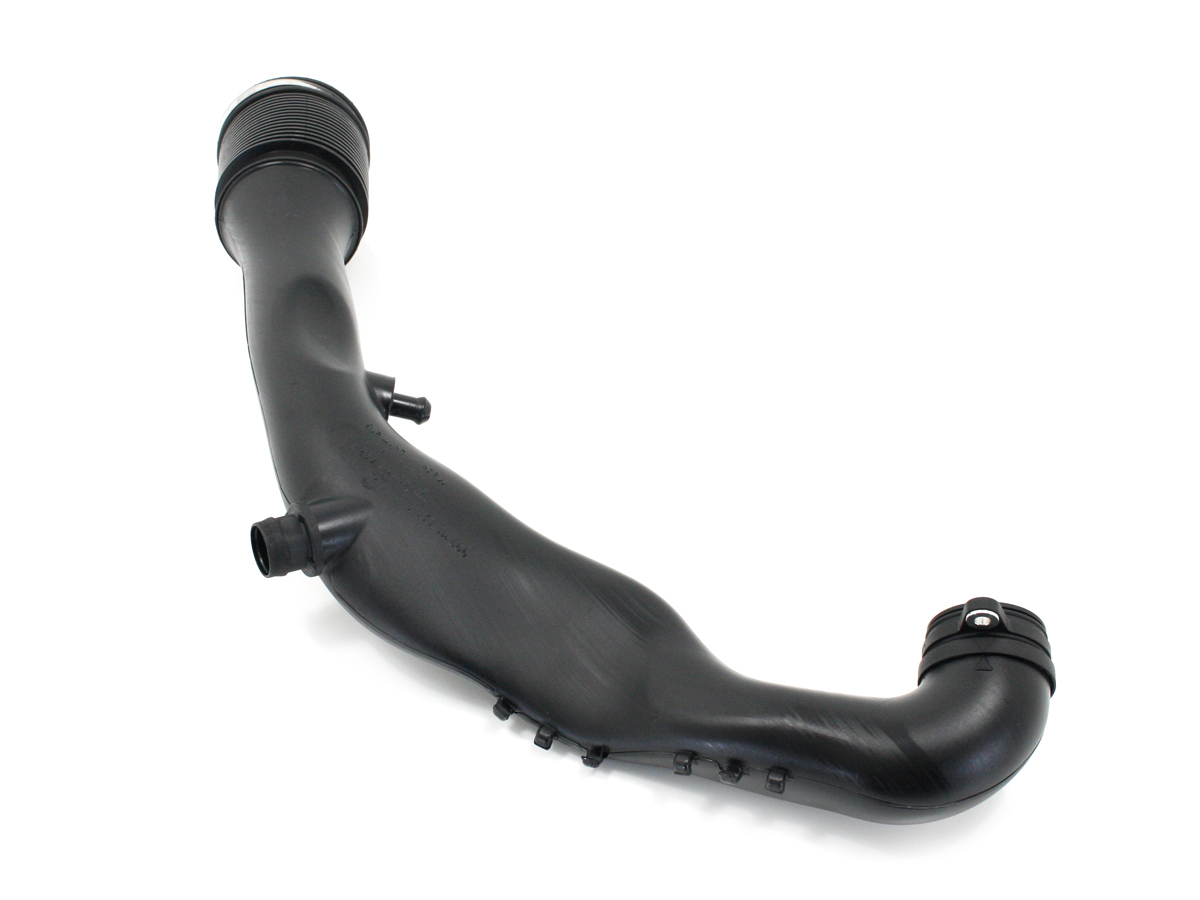
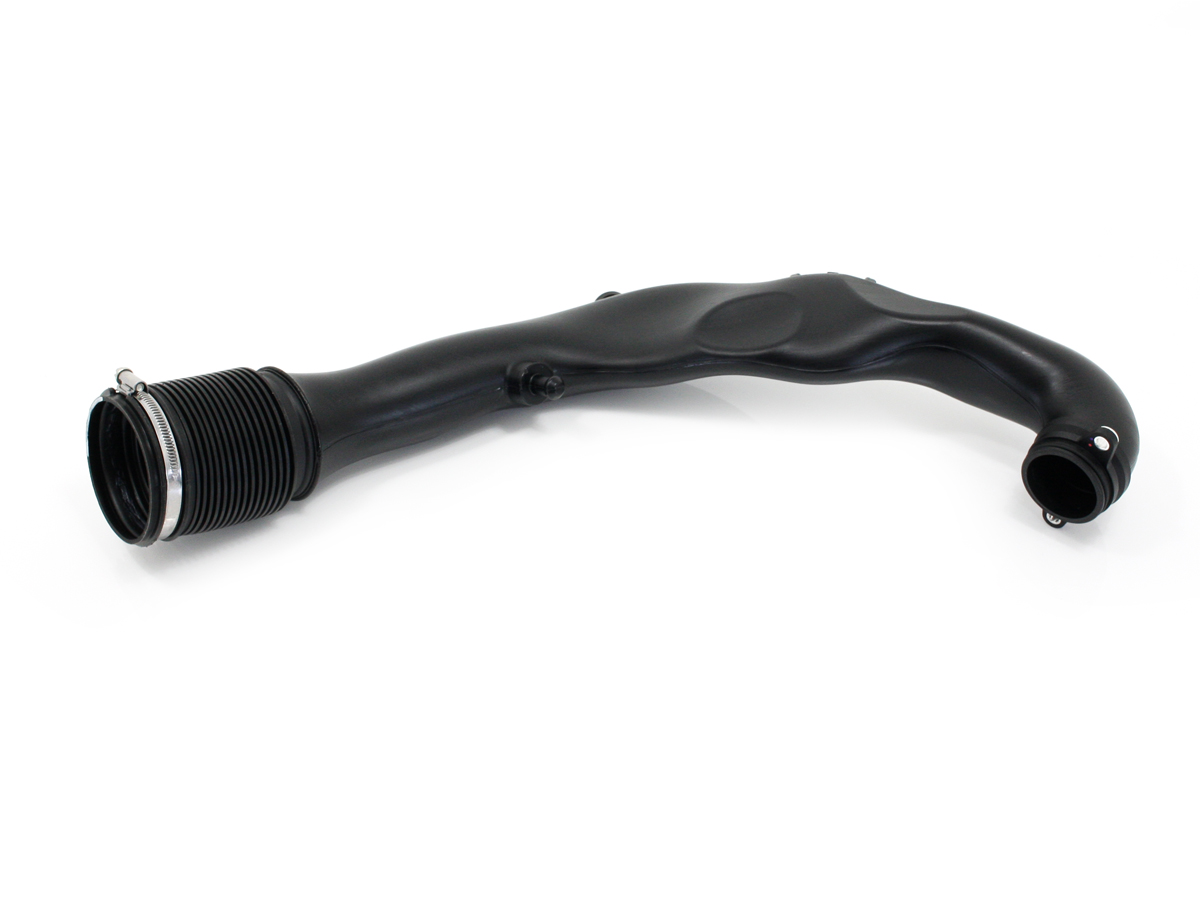
Diagram ref no 17 (LEFT) and 18 (RIGHT)
Related reference numbers
Related, superseded, cross reference or alternative numbers for comparison.
99711002
The product you are viewing cross references to these numbers
- Porsche 997 MK1 TURBO 2007-09
- Porsche 997 MKII Turbo 2010-13
Shop Securely
12 Month Warranty
Worldwide Delivery

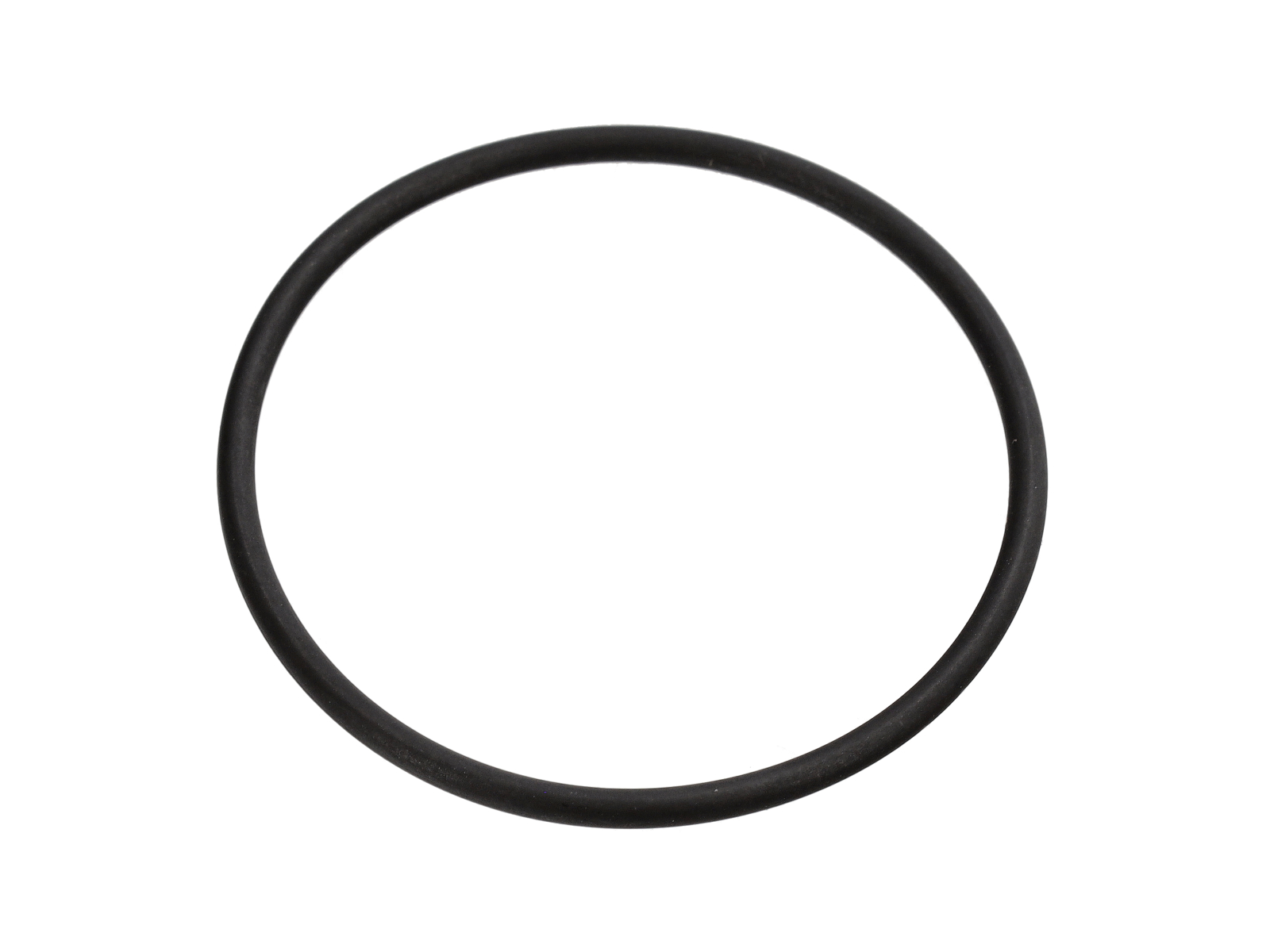
Fits:
Porsche 911 - 1978 to 1989
Porsche 964 - 1989 to 1994
Porsche 993 - 1994 to 1998
Porsche 986 Boxster - 1997 to 2004
Porsche 996 - 1997 to 2005
Porsche 997.1 - 2005 to 2008
Related reference numbers
Related, superseded, cross reference or alternative numbers for comparison.
99951255400
The product you are viewing cross references to these numbers
- Porsche Boxster 986 2.5L 1997-99
- Porsche Boxster S 986 3.2L 1999-02
- Porsche Boxster 986 2.7L 2003-04
- Porsche Boxster S 986 3.2L 2003-04
- Porsche 964 (911) C2 1989-93
- Porsche 964 (911) C4 1989-93
- Porsche 964 (911) RS 3.6L 1991-93
- Porsche 964 (911) RS 3.8L 1991-93
- Porsche 964 (911) TURBO 3.3L 1991-93
- Porsche 964 (911) TURBO 3.6L 1991-93
- Porsche 993 (911) C2 1994-97
- Porsche 993 (911) C4 1994-97
- Porsche 993 (911) RS 1994-97
- Porsche 993 (911) C2S 1994-97
- Porsche 993 (911) C4S 1994-97
- Porsche 993 (911) TURBO 1994-96
- Porsche 993 (911) GT2 1994-97
- Porsche 993 (911) TURBO S 1994-97
- Porsche 996 C2 3.4L 1997-08/01
- Porsche 996 C4 3.4L 1997-08/01
- Porsche 996 C2 3.6L 09/01-2005
- Porsche 996 C4 3.6L 09/01-2005
- Porsche 996 C4S 3.6L 09/01-2005
- Porsche 996 TURBO 2000-05
- Porsche 996 GT2 2001-05
- Porsche 996 GT3 MKI 1999-02
- Porsche 996 GT3 MKII 2003>>
- Porsche 996 GT3 RS 2003-04
- Porsche 997 MK1 Carrera 2 3.6L 2005-08
- Porsche 997 MK1 Carrera 2S 3.8L 2005-08
- Porsche 997 MK1 Carrera 4 3.6L 2005-08
- Porsche 997 MK1 Carrera 4S 3.8L 2005-08
- Porsche 997 MK1 TURBO 2007-09
- Porsche 997 MK1 GT3 / GT3 RS 2007-09
- Porsche 997 MK1 GT2 2007-09
Shop Securely
12 Month Warranty
Worldwide Delivery
 Express Delivery

Sold individually; x2 required per vehicle.
Fits:
Porsche 997 Turbo / GT2 / GT2 RS 2007-13
Porsche 991 Turbo / S 2014-20 - Excludes GT2 RS
Diagram ref. 19.
Related reference numbers
Related, superseded, cross reference or alternative numbers for comparison.
99970756441
The product you are viewing cross references to these numbers
- Porsche 997 MK1 TURBO 2007-09
- Porsche 997 MK1 GT2 2007-09
- Porsche 997 MKII Turbo 2010-13
- Porsche 997 MKII GT2 RS 2011-13
- Porsche 991.1 Turbo 3.8L (520 Bhp) 2014-16
- Porsche 991.1 Turbo S 3.8L (560 Bhp) 2014-16
- Porsche 991.2 Turbo Coupe 3.8L (540 Bhp) 2016-19
- Porsche 991.2 Turbo S Coupe 3.8L (580 Bhp) 2016-19
- Porsche 991.2 Turbo Cabriolet 3.8L (540 Bhp) 2016-19
- Porsche 991.2 Turbo S Cabriolet 3.8L (580 Bhp) 2016-19
Shop Securely
12 Month Warranty
Worldwide Delivery

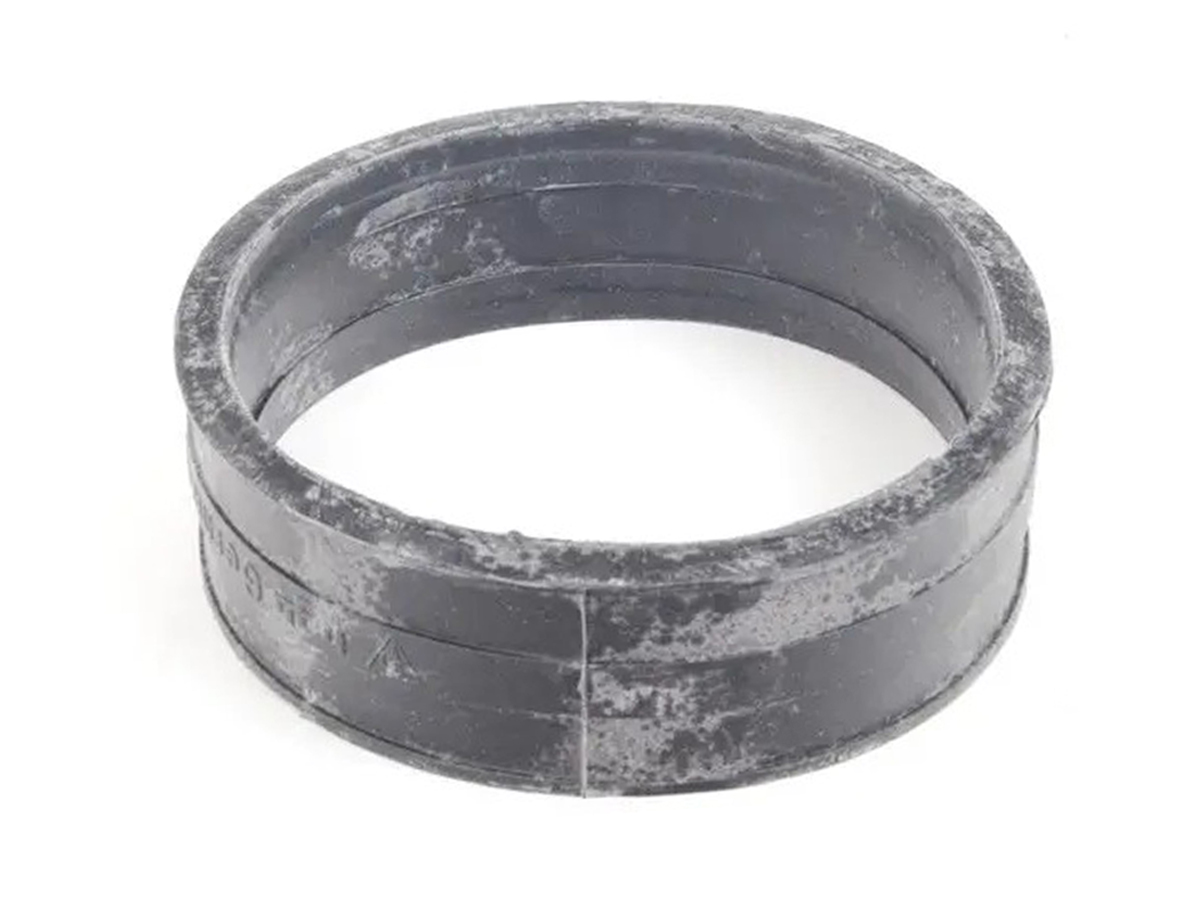
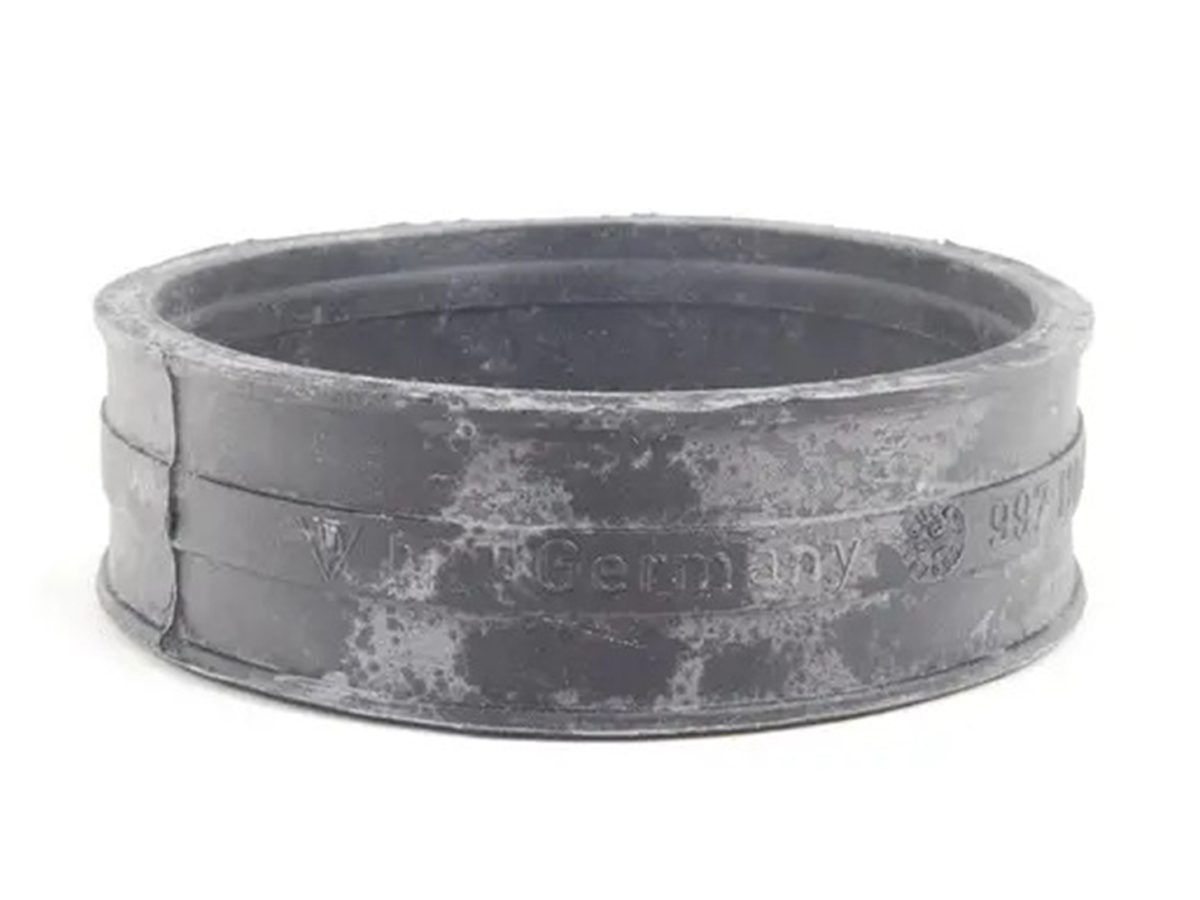
Fits:
Porsche 997 Turbo 2007 - 2009
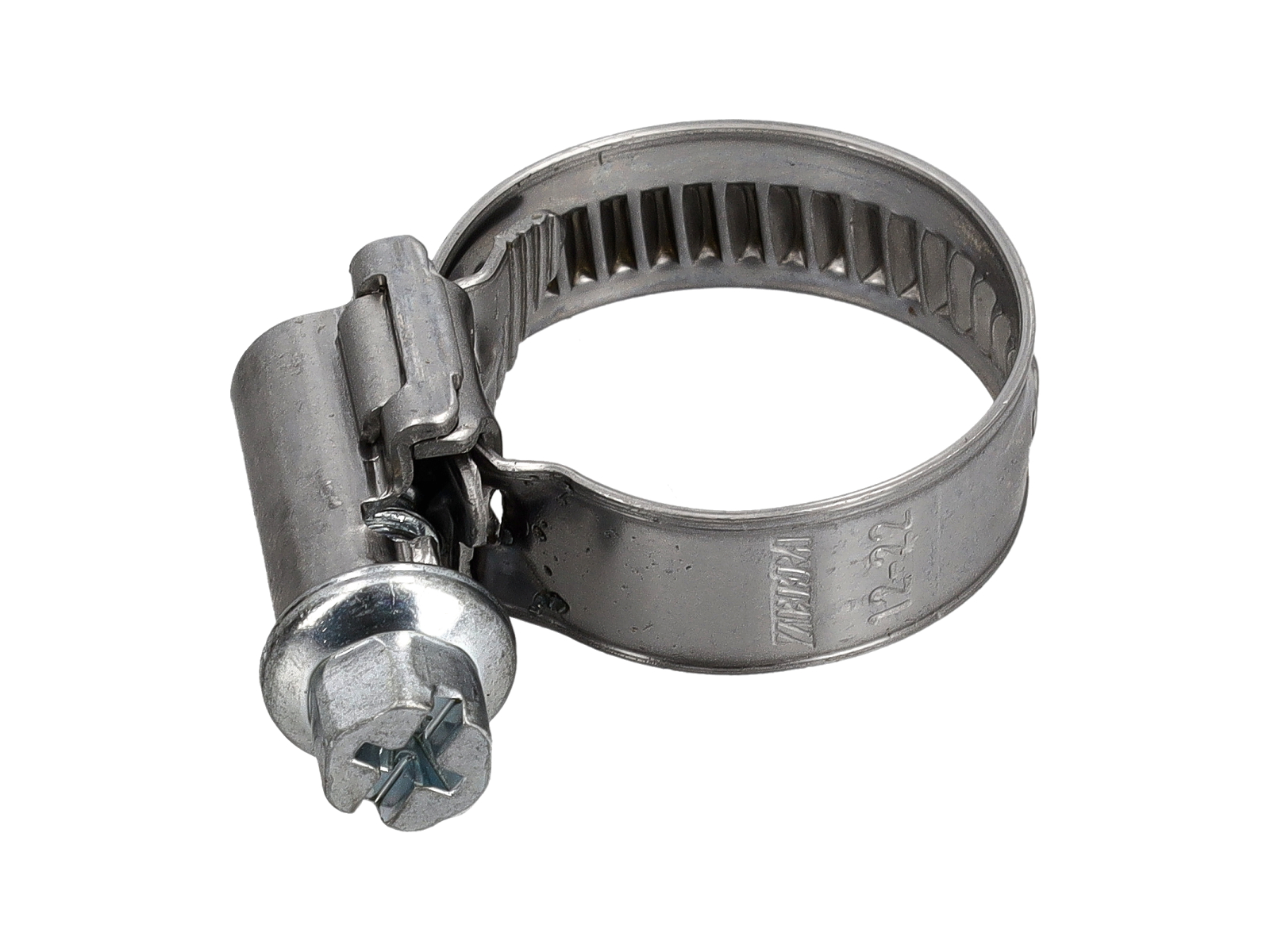
Diagram ref no 6
Price is for each.
Related reference numbers
Related, superseded, cross reference or alternative numbers for comparison.
99711068571
The product you are viewing cross references to these numbers
- Porsche 997 MK1 TURBO 2007-09
Shop Securely
12 Month Warranty
Worldwide Delivery


Air Inlet Hoses, Pipes & Sleeves – Durable Intake Components for Porsche Performance
Air inlet hoses, pipes, and sleeves are essential components of your Porsche’s intake system, connecting the air filter housing, throttle body, turbocharger, and intercooler. They ensure a smooth and sealed flow of air into the engine, supporting efficient combustion, responsive acceleration, and consistent performance.
At Design911, we supply a full range of genuine and high-quality air inlet hoses, pipes, and sleeves for numerous Porsche models that include 911, Boxster, Cayman, Cayenne, Macan, and Panamera models. Each component is engineered for precision fitment, heat resistance, and airflow stability — helping your Porsche deliver the performance and reliability it’s known for.
What Do Air Inlet Hoses, Pipes & Sleeves Do?
These components channel filtered air through the intake
system to the engine’s combustion chambers. Their main functions include:
- Maintaining
airtight airflow between intake components.
- Reducing
turbulence and air loss for improved throttle response.
- Supporting
optimal air pressure for turbocharged and naturally aspirated engines.
- Protecting against contaminants that can reduce performance or cause engine wear.
In turbocharged Porsche models, these parts also help manage boost pressure, making them crucial to both efficiency and power delivery.
Why Do Air Inlet Hoses, Pipes & Sleeves Fail?
Due to their constant exposure to heat, vibration, and
engine movement, air inlet components can deteriorate over time. Common causes
of failure include:
- Cracking
or splitting from heat cycles and material fatigue.
- Oil
or fuel vapor contamination softening the rubber or plastic.
- Loose
or damaged clamps causing vacuum or boost leaks.
- Age-related
hardening leading to brittle connections.
- Excessive boost pressure stressing the hose in performance applications.
Symptoms of failure include hissing or whistling noises, loss of boost pressure, poor throttle response, rough idling, or a check engine light caused by airflow irregularities.
Why Replace Worn Air Inlet Components?
A leaking or damaged inlet hose can cause unmetered air to enter the engine, resulting in incorrect fuel-air ratios, poor performance, or even turbocharger strain. Replacing worn or cracked hoses and pipes ensures proper airflow, efficient combustion, and reliable performance.
Benefits of replacement include:
- Restored air pressure and engine response.
- Improved turbo efficiency and power delivery.
- Enhanced fuel economy and reduced emissions.
- Long-term reliability with manufacturer-quality materials.
All hoses, pipes, and sleeves available at Design911 are crafted from high-temperature silicone, reinforced rubber, or aluminium alloys for superior sealing, flexibility, and strength — ensuring dependable performance under demanding conditions.


.jpg)




Monday-Friday: 8.30am - 5.30pm (GMT)
Saturday: Closed
Sunday: Closed