





Enter your VAT number here and click Verify:
Your details have been verified. VAT number registered to:
,
.
Your order will now be zero rated for VAT purposes. We reserve the right to verify these details after your order request has been made and reinstate VAT if required.
Your VAT details were not recognised or were invalid. Your VAT number must be matched to your Billing Country as specified above. This is currently specified as . You do not need to enter the country code part of your VAT number as this has already been selected in your billing address details above.
The VAT number checking service is currently offline. Please supply your VAT details within the comments or special instructions field below and we will apply a VAT discount after placing your order request.

- Accessories
- Brakes
- Chassis / Bodywork
- Clothing & Gifts
- Electrical & Relays
- Engine Cooling
- Engine Electrical
- Engine Rebuild Parts
- Engine Tuning
- Exhausts
- Exterior Styling / Spoilers
- Gearbox / Transmission
- Heating / Air Conditioning
- Hydraulics
- Incar / Multimedia
- Interior & Accessories
- Lighting
- Mats & Carpets
- Motorsport and Off-Road
- Parts for Other Cars
- Pedal Cluster
- Rubber Seals
- Seats & Seat Belts
- Service Parts
- Special Offer Parts
- Steering Parts
- Suspension & Axle
- Suspension Upgrades
- Tyres
- Wheel Accessories
- Wheels
Alternator Pulley / Pulley Nuts
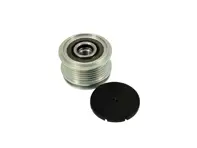

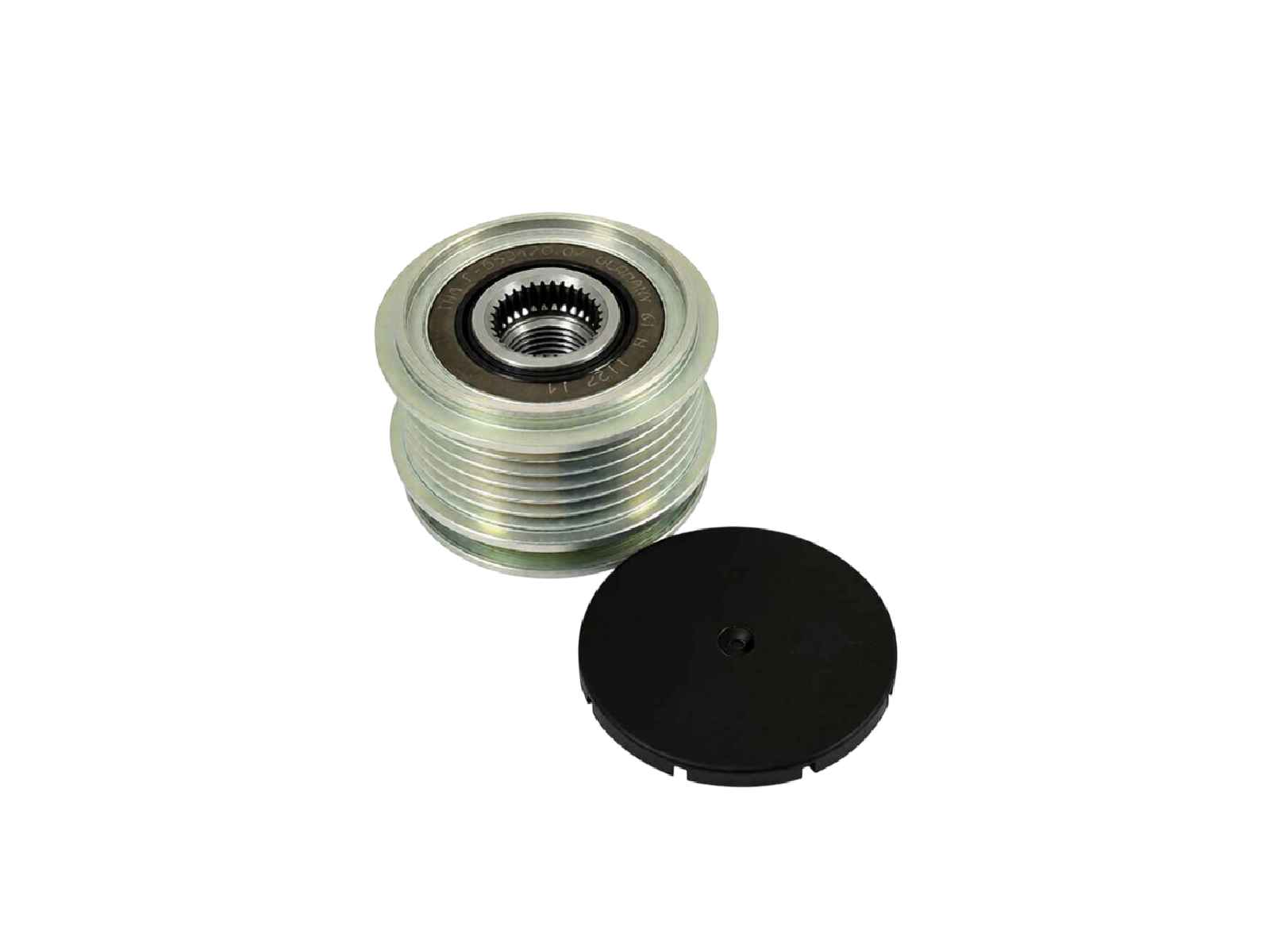
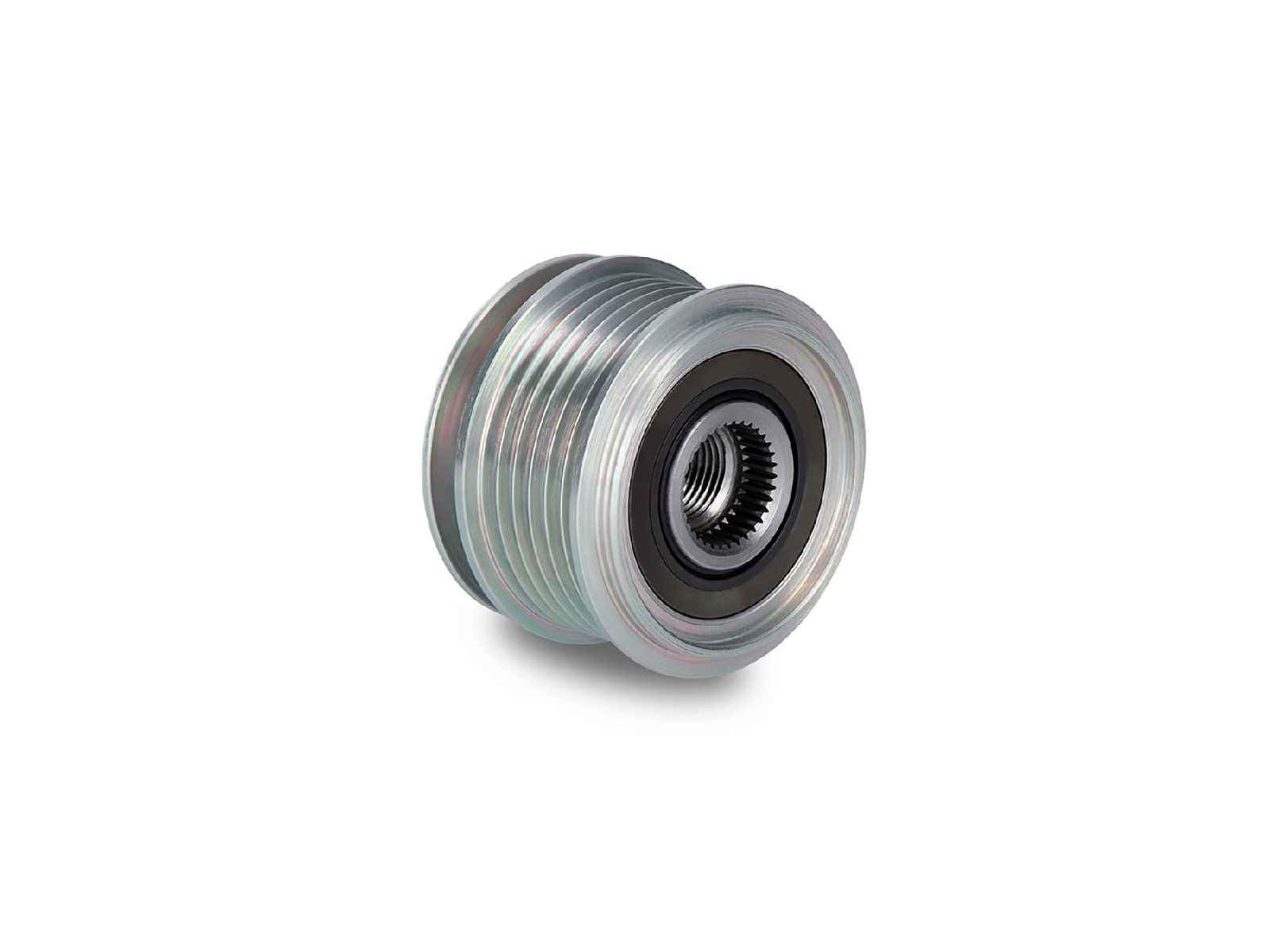
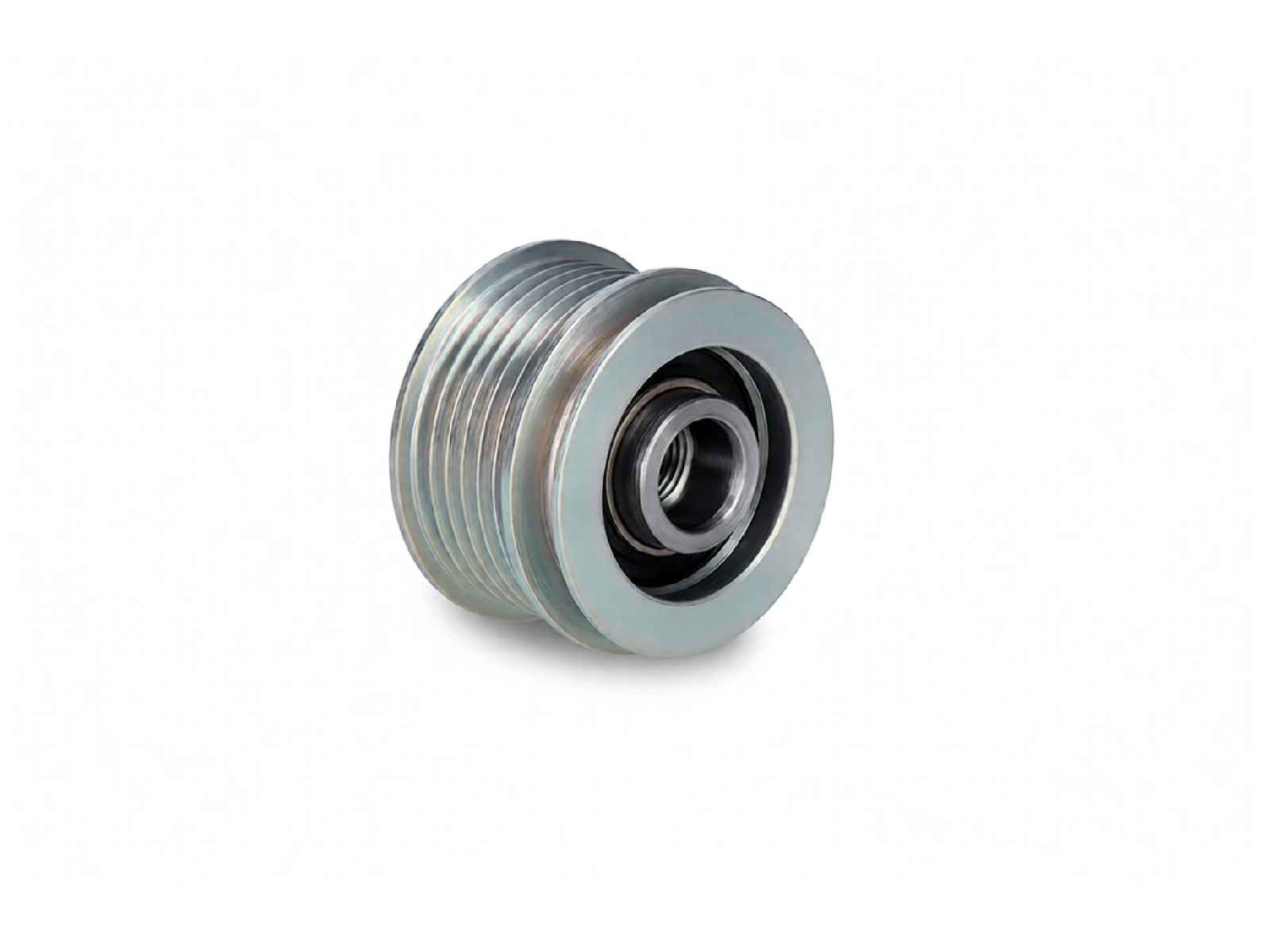
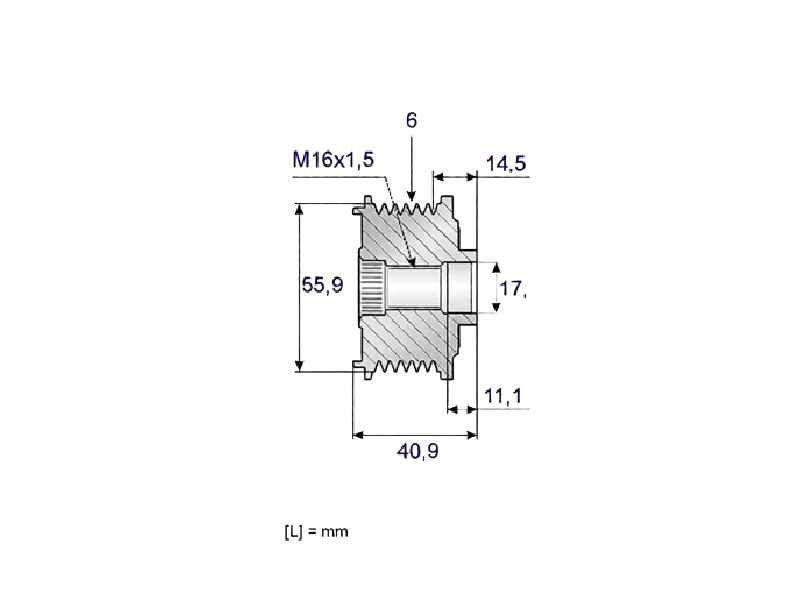
Alternator Freewheel Clutch
The alternator freewheel clutch is a key component in
the auxiliary drive system of the Porsche 971 Panamera Diesel. Designed
to decouple the alternator from sudden engine speed fluctuations, it allows the
alternator to freewheel when required, reducing vibration and load on the
auxiliary belt system.
Fits:
- Porsche 971.1 Panamera 4S Diesel V8 4.0L 4WD (422 Hp) 2017-18
- Porsche 971.1 Panamera 4S Diesel 4.0L Twin-Turbo V8 Sport Turismo 2017-18
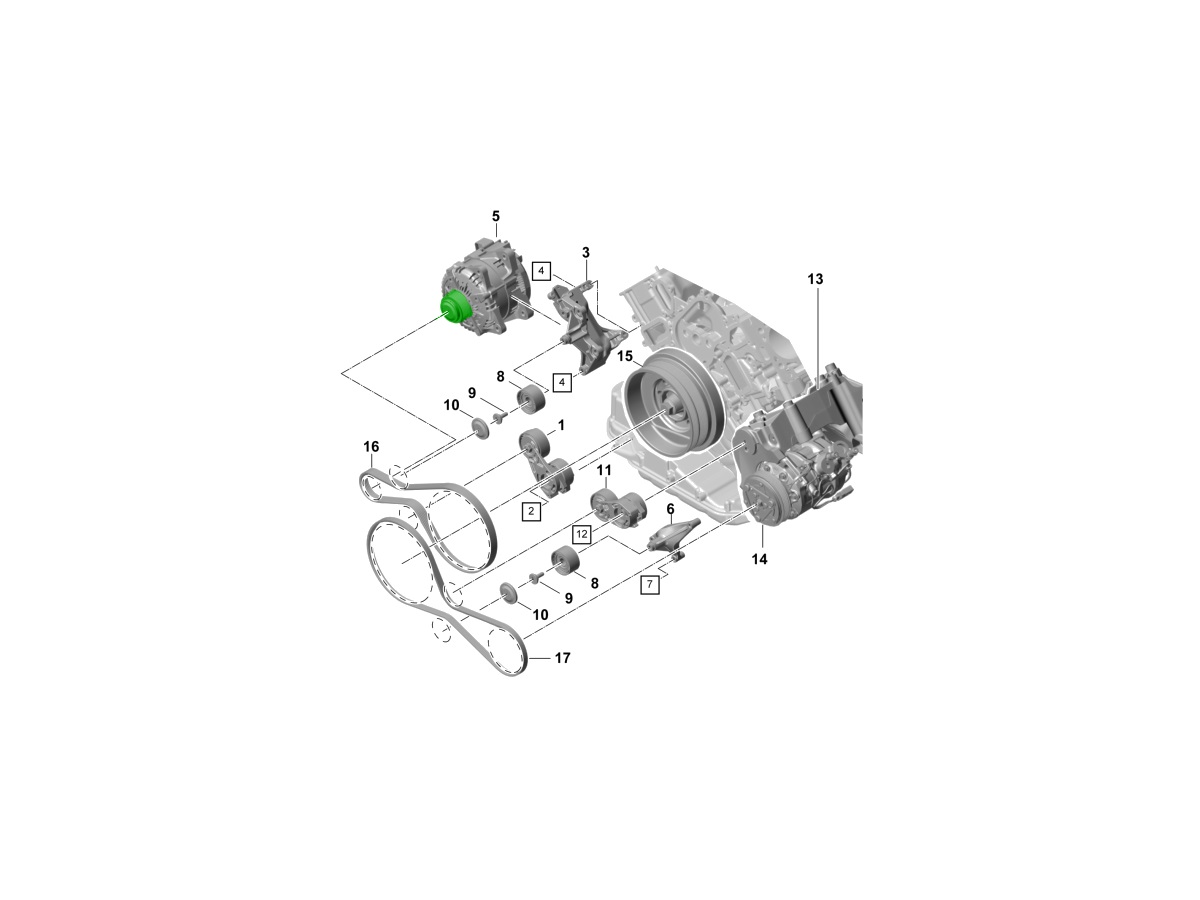
Pulley for diagram ref no 5
On high-torque Porsche diesel engines, the alternator freewheel clutch plays an essential role in maintaining smooth engine operation, protecting belt-driven components and ensuring reliable electrical charging.
What Does an Alternator Freewheel Clutch Do?
The alternator freewheel clutch allows the alternator rotor
to rotate independently during deceleration or rapid changes in engine speed.
This function:
- Reduces stress on the auxiliary drive belt
- Minimises belt vibration and noise
- Protects the alternator and tensioner
- Improves overall drivetrain refinement
By absorbing torsional oscillations, the clutch helps extend the service life of the belt system and related components.
Why Do Alternator Freewheel Clutches Fail?
Over time, freewheel clutches are exposed to heat,
contamination and continuous mechanical loading. Common failure causes
include:
- Internal bearing wear or seizure
- Loss of one-way clutch function
- Contamination from dust or oil
- Age-related material fatigue
Typical symptoms of failure include:
- Belt chirping or squealing noises
- Excessive belt vibration
- Premature belt or tensioner wear
- Charging system irregularities
Why Replace a Worn Alternator Freewheel Clutch?
Replacing a faulty alternator freewheel clutch helps
restore:
- Smooth auxiliary belt operation
- Reduced noise and vibration
- Correct alternator charging behaviour
- Protection for belt tensioners and pulleys
Ignoring a failing clutch can lead to belt failure or damage to expensive auxiliary components, increasing repair costs.
Related reference numbers
Related, superseded, cross reference or alternative numbers for comparison.
535001210
The product you are viewing cross references to these numbers
- Porsche 971.1 Panamera 4S Diesel V8 4.0L 4WD (422 Hp) 2017-18
- Porsche 971.1 Panamera 4S Diesel 4.0L Twin-Turbo V8 Sport Turismo 2017-18
 Shop Securely
 12 Month Warranty
 Worldwide Delivery
Alternator Pulleys & Pulley Nuts – Reliable Power Delivery for Porsche Performance
Alternator pulleys and pulley nuts are essential components in your Porsche’s drive system. These parts ensure the alternator operates smoothly by transferring power from the engine’s drive belt to the alternator shaft, keeping your electrical and charging systems functioning at peak efficiency. A properly functioning pulley system helps maintain battery charge, power accessories, and prevent belt slippage — vital for both performance and reliability.
At Design911, we offer a complete range of genuine and high-quality alternator pulleys and pulley nuts for Porsche models including 911, Boxster, Cayman, Cayenne, Macan, Panamera and transaxle cars. Each component is precision-engineered for strength, balance, and durability, ensuring consistent rotational efficiency and long service life under demanding driving conditions.
What Do Alternator Pulleys and Pulley Nuts Do?
Alternator pulleys and their corresponding
nuts work together to drive the alternator via the serpentine or fan belt.
Their primary functions include:
- Transferring engine power from the drive belt to the alternator shaft.
- Regulating belt tension and preventing slippage at high RPMs.
- Absorbing vibration to ensure smooth alternator operation.
- Maintaining consistent battery charging and electrical performance.
A correctly fitted pulley and nut assembly ensures stable electrical output and prolongs the lifespan of both the alternator and belt system.
Why Do Alternator Pulleys and Nuts Fail?
Although engineered for longevity, pulleys and
nuts experience constant mechanical stress and heat, leading to wear or failure
over time. Common causes include:
- Bearing wear or internal corrosion within the pulley.
- Excessive vibration loosening or damaging the pulley nut.
- Belt misalignment or over-tensioning accelerating pulley wear.
- Contamination from dirt or oil affecting rotation balance.
- Metal fatigue or rust from long-term exposure and age.
Symptoms of pulley or nut failure include belt squeal, uneven alternator speed, battery warning lights, or visible pulley wobble when the engine is running.
Why Replace Faulty Alternator Pulleys and Nuts?
A damaged or unbalanced pulley can cause belt failure, charging issues, and alternator damage. Replacing worn components ensures proper alignment, smooth operation, and optimal charging performance.
Benefits of replacement include:
- Restored alternator performance and charging efficiency.
- Prevention of belt slippage or premature wear.
- Reduced vibration and noise from the drive system.
- Improved reliability and component longevity.
All pulleys and nuts offered by Design911 are
built to meet or exceed exacting engineering standards, using high-grade
metals and precision machining to ensure perfect balance, strength, and
durability.
FAQ: Porsche Alternator Pulleys & Pulley Nuts
1. What are the signs of a failing alternator pulley on a Porsche?
Common signs of a bad alternator pulley include squealing or chirping
noises, belt slippage, visible pulley wobble, or the battery warning light
illuminating on the dashboard. You may also notice power fluctuations or
reduced charging performance if the pulley or nut is worn or loose.
2. Can I replace a Porsche alternator pulley myself?
While some experienced mechanics and enthusiasts may be able to replace
an alternator pulley at home, it often requires specialised tools such as a
pulley removal socket or impact wrench. For precise alignment and correct
torque settings, it’s recommended to have the replacement done by a qualified
technician or Porsche specialist.
3. What causes an alternator pulley or pulley nut to fail?
Alternator pulleys and nuts can fail due to metal fatigue, misalignment,
over-tensioned belts, or bearing wear. Exposure to oil or debris, as well as
age-related corrosion, can also cause pulleys to seize or wobble. Replacing
them promptly prevents further damage to your alternator and drive belt.
4. How often should alternator pulleys and nuts be replaced on a
Porsche?
There is no fixed interval, but most Porsche alternator pulleys last
between 60,000 and 100,000 miles, depending on driving conditions. Regular
inspections during belt or alternator servicing are essential. If you hear
noise, experience charging issues, or see visible pulley wear, replacement is
recommended.



Monday-Friday: 8.30am - 5.30pm (GMT)
Saturday: Closed
Sunday: Closed