




在此输入您的增值税号,然后单击验证:
您的详细信息已经过验证。增值税号注册至:
,
。
现在,您的订单的增值税税率为零。我们保留在您提出订单请求后验证这些详细信息的权利,并在需要时恢复增值税。
您的增值税详细信息无法识别或无效。您的增值税号必须与上面指定的帐单国家/地区相匹配。当前指定为 。您无需输入增值税号的国家/地区代码部分,因为已在上面的帐单地址详细信息中选择了该部分。
增值税号查询服务目前已离线。请在下面的评论或特殊说明字段中提供您的增值税详细信息,我们将在您提出订单请求后应用增值税折扣。

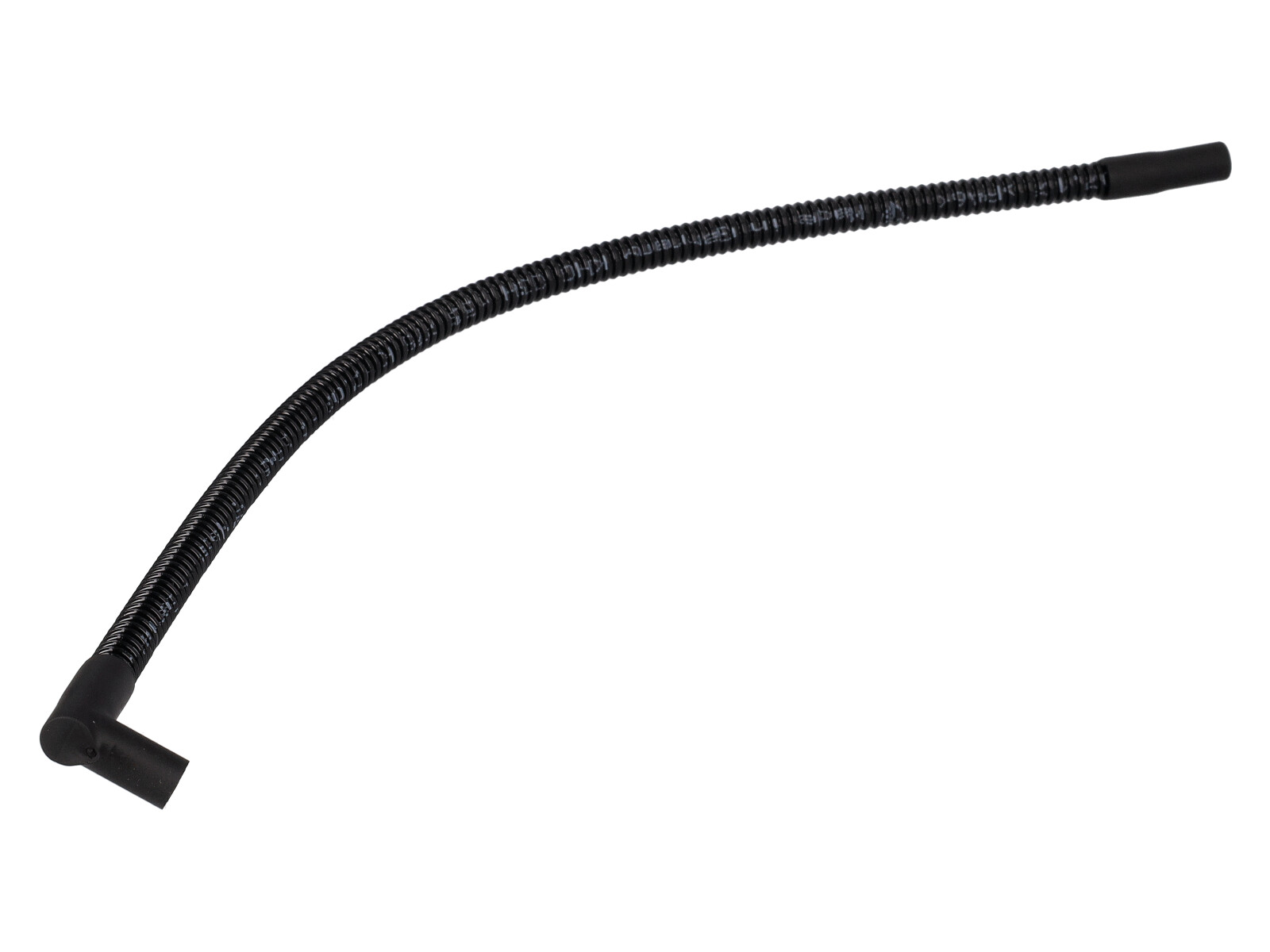
真空装置



Fits:
Porsche 957 Cayenne 3.6L 2007-10
Porsche 958 Cayenne 3.6L 2010-18
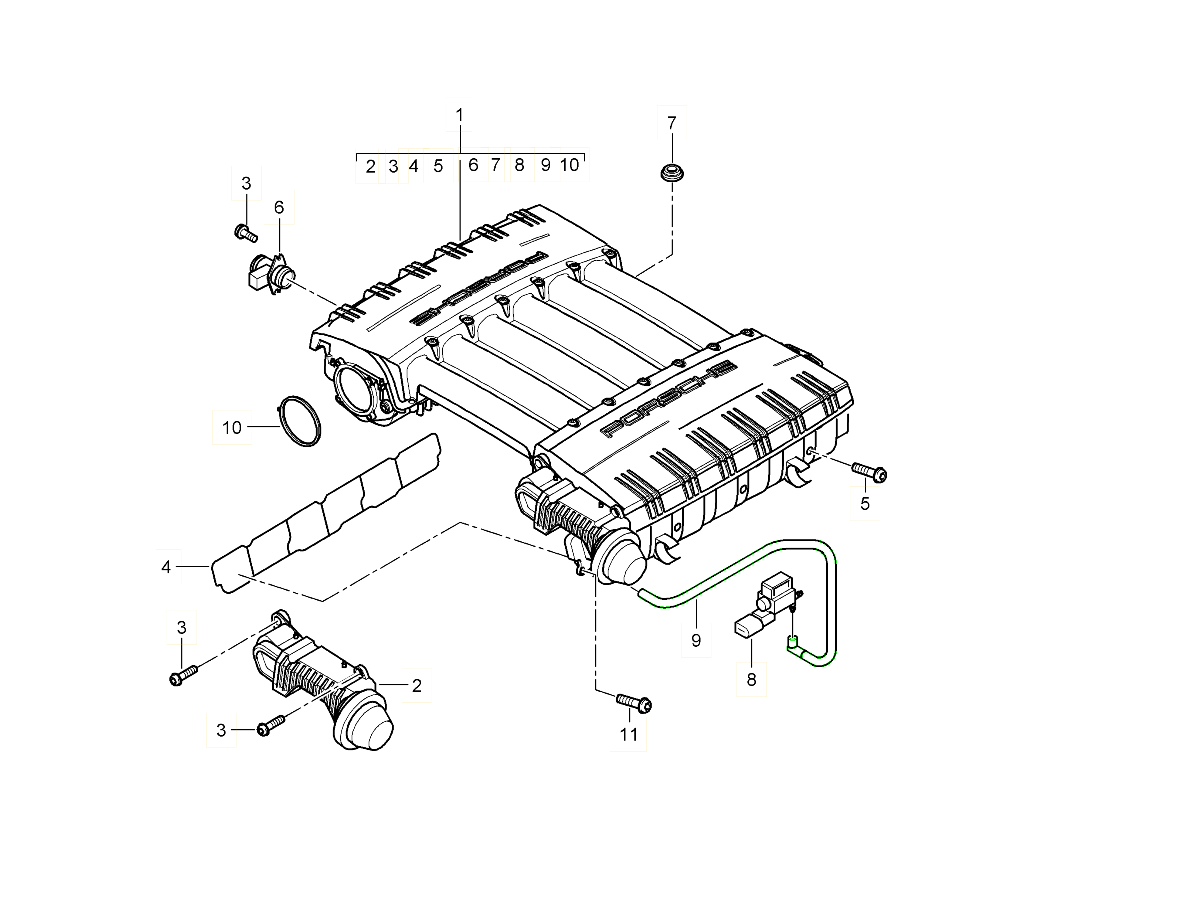
Click 'Zoom in' for large parts diagram.
Diagram ref no 9
相关参考编号
相关编号、被取代编号、交叉引用编号或替代编号,供比较之用。
95511013600
您正在查看的产品与这些编号存在交叉引用关系
- Porsche 957 Cayenne 3.6L 2007-10
- Porsche 958 Cayenne V6 3.6L Petrol (300Hp) 2010-17
 安全购物
安全购物
 12 个月保修
 全球交付
全球交付

Air Intake Vacuum Units – Precision Airflow Control for Porsche Performance
Air intake vacuum units are critical components in your Porsche’s engine management and intake control systems. These units regulate airflow and vacuum pressure to ensure efficient combustion, smooth idling, and responsive throttle performance. They also assist with various engine functions, including actuator operation, flap control, and emissions regulation — maintaining the perfect balance of air and fuel for optimal performance.
At Design911, we stock a complete selection of genuine and high-quality air intake vacuum units for models such as the Porsche 911, Boxster, Cayman, Cayenne, Macan, and Panamera models. Each part is engineered for durability, precision, and seamless integration, helping to maintain your Porsche’s performance, reliability, and efficiency.
What Do Air Intake Vacuum Units Do?
The air intake vacuum unit controls and stabilises airflow
within the engine’s intake system. Its key functions include:
- Regulating
vacuum pressure for intake flap and actuator control.
- Optimising
air distribution to improve torque and efficiency.
- Assisting
in emissions management by adjusting airflow dynamically.
- Supporting smooth transitions between load conditions and throttle positions.
By ensuring consistent vacuum pressure, these units help your Porsche’s engine breathe efficiently — resulting in refined performance and enhanced driveability.
Why Do Air Intake Vacuum Units Fail?
Due to constant exposure to heat, vibration, and fluctuating
pressures, vacuum units can deteriorate over time. Common causes of failure
include:
- Vacuum
leaks caused by cracked housings or brittle hoses.
- Internal
diaphragm wear reducing vacuum control efficiency.
- Heat
damage from prolonged engine operation.
- Corrosion
or contamination affecting valves or connections.
- Age-related material fatigue or mechanical sticking.
Symptoms of a failing vacuum unit include rough idle, loss of low-end torque, poor throttle response, check engine light, or erratic intake flap operation.
Why Replace a Faulty Air Intake Vacuum Unit?
A malfunctioning vacuum unit can disrupt airflow and air-fuel ratios, leading to reduced performance and increased emissions. Replacing worn or damaged units ensures consistent vacuum regulation and reliable engine operation.
Benefits of replacement include:
- Restored intake control and throttle response.
- Improved fuel efficiency and combustion balance.
- Enhanced power delivery and smoother idle.
- Long-term durability with manufacturer-quality materials.
All air intake vacuum units available at Design911 are built from high-grade materials and precision-engineered components designed to withstand high temperatures and pressures — ensuring dependable performance in all driving conditions.