



Enter your VAT number here and click Verify:
Your details have been verified. VAT number registered to:
,
.
Your order will now be zero rated for VAT purposes. We reserve the right to verify these details after your order request has been made and reinstate VAT if required.
Your VAT details were not recognised or were invalid. Your VAT number must be matched to your Billing Country as specified above. This is currently specified as . You do not need to enter the country code part of your VAT number as this has already been selected in your billing address details above.
The VAT number checking service is currently offline. Please supply your VAT details within the comments or special instructions field below and we will apply a VAT discount after placing your order request.
OE Match

OE Match for Porsche
OE Match is a brand that provides a wide range of Porsche components, from gaskets to suspension hardware, engine parts, and interior trim. Over 6,700 individual part numbers, and over 11,800 OE cross-references catalogued, and are constantly developing new lines.OE Match has over 100 new products currently in the engineering phase, which will be quality-controlled and added to their catalog. The mission is to keep all Porsche vehicles on the road by offering a vast selection of parts that can address various problems across different Porsche generations
A Quick Look at OE Match
OE Match information on this page is based on details supplied by the manufacturer or distributor, plus any OE references provided with the parts.
Choosing the Right Fit for Your Porsche
Where OE Match is listed for Porsche, use the supplied model coverage and OE references to confirm suitability. Check details that commonly affect fitment such as model year, side/position, and connector type where relevant.
- Often chosen when owners want OE-equivalent quality with sensible running costs, especially for routine service and wear items.
- Typical reasons to replace include restoring reliability, addressing age-related wear, or refreshing multiple components during larger repair work.
- Common defects from incorrect application include noise, premature wear, leaks, or fitment quirks if the wrong variant is selected or fitted with old seals/hardware.
- Watch for symptoms such as unusual noises, early wear, or repeat failures after recent work, which can indicate mismatched parts or supporting items left worn.
- Always cross-check OEM part numbers, read model-year notes, and verify compatibility before ordering.
- For safety-critical components, confirm specification and fitment carefully and have installation checked by a competent technician.
Browse by Category
If you already know the area you are working on, start with the category and then filter by Porsche model. Where real-world symptoms and typical reasons to replace are provided, use them to keep the wording grounded.
Brakes — Brake components are renewed to restore stopping performance, address wear or upgrade a Porsche for fast road or track use. Common symptoms include vibration under braking, longer stopping distances, squealing, pulling to one side, warning lights and visible wear to discs and pads.
Brake Pad Wear Sensors — Brake pad wear sensors are replaced when pads are renewed or when warning lights indicate a broken or worn sensor. Symptoms include brake wear warnings even with new pads, damaged sensor cables, or broken clips around the caliper area.
Engine Electrical — Engine electrical parts are changed when there are starting, charging, ignition, or sensor-related faults that affect drivability and reliability, such as intermittent no-start, misfires, rough idle, poor charging, warning lights or heat-soak failures.
Service Parts — Service parts are replaced as routine maintenance to keep the engine and systems reliable, efficient, and protected, often resolving hard starting, rough idle, poor fuel economy and warning lights caused by clogged filters or worn ignition components.
Service Kits — Service kits bundle key service components to simplify maintenance and set the car back to a known baseline, especially useful when catching up on overdue servicing or dealing with general sluggish running, inconsistent idle and reduced performance.
- For brake parts, confirm whether items are OE-equivalent replacements or performance upgrades and check if new fitting kits and sensors are required.
- On service items and kits, match the kit to your exact Porsche model, engine and year, and review what is included so you can add any extra “while you are there” parts.
Explore OE Match at Design911
View the current OE Match range for Porsche at Design911, then filter by model and category to narrow down to the right parts.
Restore accurate engine oil-pressure monitoring and dependable warning-system operation with this OE Match Engine Oil Pressure Sender. Designed for compatible Porsche applications, the sender monitors oil pressure within the engine's lubrication system and provides an electrical signal to the relevant vehicle electronics.
Fits:
- Porsche 958 Cayenne S V8 4.8L Petrol (400Hp) 2010-17
- Porsche 958 Cayenne S V8 4.2L Diesel (382Hp) 2010-17
- Porsche 958 Cayenne GTS V8 4.8L Petrol (400Hp) 2010-17
- Porsche 958 Cayenne Turbo V8 4.8L Petrol (500Hp) 2010-17
- Porsche 958 Cayenne Turbo S V8 4.8L Petrol (550Hp) 2010-17
- Porsche 970.1 Panamera V6 3.6L 2WD 2009-13
- Porsche 970.1 Panamera 4 V6 3.6L 4WD 2009-13
- Porsche 970.1 Panamera S V8 4.8L 2009-13
- Porsche 970.1 Panamera 4S V8 4.8L 2009-13
- Porsche 970.1 Panamera GTS V8 4.8L 2011-13
- Porsche 970.1 Panamera Turbo V8 4.8L 2009-13
- Porsche 970.1 Panamera Turbo S V8 4.8L 2009-13
- Porsche 970.2 Panamera V6 3.6L 2WD (310Hp) 2014-16
- Porsche 970.2 Panamera 4 V6 3.6L 4WD (310Hp) 2014-16
- Porsche 95B.1 Macan S Petrol 3.0L V6 (340Bhp) 2014-18
- Porsche 95B.1 Macan GTS Petrol 3.0L V6 (360Bhp) 2014-18
- Porsche 95B.1 Macan Turbo 3.6L V6 (400Bhp) 2014-18
Diagram Ref No 23
Correct oil pressure is essential for engine protection. Engine oil must circulate under sufficient pressure to lubricate critical components such as crankshaft bearings, camshafts and other moving surfaces. The oil pressure sender allows the vehicle to monitor this important operating condition and alert the driver if an abnormal pressure condition is detected.
The sender operates in a demanding environment where it is exposed to hot engine oil, vibration, pressure changes and repeated heating and cooling cycles. Over time, the internal sensing mechanism, electrical connection or sealing area can deteriorate, resulting in inaccurate or intermittent pressure information.
A defective sender may produce false low-pressure warnings, implausible readings or no pressure information at all. This OE Match Engine Oil Pressure Sender provides a high-quality replacement for a confirmed faulty original component.
What This Product Does:
- Monitors pressure within the engine lubrication system.
- Converts oil pressure into an electrical signal.
- Provides oil-pressure information to applicable vehicle electronics.
- Supports engine oil-pressure warning functions.
- Helps alert the driver to potentially dangerous low oil pressure.
- Helps the engine-management or monitoring system identify abnormal pressure conditions.
- Supports reliable engine lubrication monitoring.
- Provides diagnostic information where applicable.
- Replaces an inaccurate, intermittent or failed oil pressure sender.
- Helps restore correct oil-pressure readings where displayed.
- Helps eliminate false warnings when sender failure is confirmed.
- Provides an OE Match replacement for compatible Porsche applications.
Symptoms Of Wear Or Failure:
- Oil pressure warning light.
- Oil pressure warning message.
- Incorrect oil-pressure reading.
- Pressure gauge reading unusually high or low.
- Oil-pressure reading remaining fixed.
- Gauge fluctuating unexpectedly.
- Intermittent oil-pressure warnings.
- Warning appearing despite verified correct mechanical oil pressure.
- Implausible oil-pressure values during diagnostics.
- Oil pressure sender-related fault codes.
- Oil leaking around the sender.
- Damaged electrical connector.
- Corroded connector terminals.
- Damaged wiring near the sender.
- Warning occurring primarily when the engine is hot.
- Pressure reading behaving inconsistently as engine speed changes.
Why Replacement Matters:
- The oil pump circulates lubricant throughout the engine, creating the pressure necessary to maintain an oil film between moving surfaces. If actual oil pressure becomes too low, bearings and other components may no longer receive adequate lubrication.
- A correctly functioning sender allows the vehicle to provide meaningful oil-pressure information and warnings.
- If the sender itself fails, it can create false warnings or inaccurate readings. This is problematic because the driver can no longer reliably distinguish between an electrical sender fault and a genuine lubrication-system problem.
- Replacing a confirmed defective OE Match Engine Oil Pressure Sender restores reliable pressure monitoring and allows genuine oil-pressure problems to be identified more confidently.
Related reference numbers
Related, superseded, cross reference or alternative numbers for comparison.
94860621300
The product you are viewing cross references to these numbers

- Porsche 958 Cayenne S V8 4.8L Petrol (400Hp) 2010-17
- Porsche 958 Cayenne S V8 4.2L Diesel (382Hp) 2010-17
- Porsche 958 Cayenne GTS V8 4.8L Petrol (400Hp) 2010-17
- Porsche 958 Cayenne Turbo V8 4.8L Petrol (500Hp) 2010-17
- Porsche 958 Cayenne Turbo S V8 4.8L Petrol (550Hp) 2010-17
- Porsche 970.1 Panamera V6 3.6L 2WD 2009-13
- Porsche 970.1 Panamera 4 V6 3.6L 4WD 2009-13
- Porsche 970.1 Panamera S V8 4.8L 2009-13
- Porsche 970.1 Panamera 4S V8 4.8L 2009-13
- Porsche 970.1 Panamera GTS V8 4.8L 2011-13
- Porsche 970.1 Panamera Turbo V8 4.8L 2009-13
- Porsche 970.1 Panamera Turbo S V8 4.8L 2009-13
- Porsche 970.2 Panamera V6 3.6L 2WD (310Hp) 2014-16
- Porsche 970.2 Panamera 4 V6 3.6L 4WD (310Hp) 2014-16
- Porsche 95B.1 Macan S Petrol 3.0L V6 (340Bhp) 2014-18
- Porsche 95B.1 Macan GTS Petrol 3.0L V6 (360Bhp) 2014-18
- Porsche 95B.1 Macan Turbo 3.6L V6 (400Bhp) 2014-18
Fits:
Porsche 996
Porsche 997
Porsche 986 Boxster
Porsche 987 Boxster
Porsche 987C Cayman
Porsche 991.1 &991.2
Porsche 981 Boxster
Porsche 992
Porsche Macan
Porsche Panamera
Length 61 mm
Outer thread M14 x 1,5 mm
Thread Length 20 mm
Quality/ Grade 10.9
Spanner Size 19
Bolt Head-/Nut Design Male Hex
Wheel Fastening Ball seat A/G
Surface Geomitrised
Screw length below head 29 mm
Related reference numbers
Related, superseded, cross reference or alternative numbers for comparison.
99736120302
The product you are viewing cross references to these numbers
- Porsche Boxster 986 2.5L 1997-99
- Porsche Boxster 986 2.7L 1999-02
- Porsche Boxster S 986 3.2L 1999-02
- Porsche Boxster 986 2.7L 2003-04
- Porsche Boxster S 986 3.2L 2003-04
- Porsche Boxster 987 2.7L 2005-08/08
- Porsche Boxster 987 S 3.2/3.4L 2005-08/08
- Porsche Boxster 987 MKII 2.9L 2009-12
- Porsche Boxster S 987 MKII 3.4L 2009-12
- Porsche Boxster 981 2.7L 2012-16
- Porsche Boxster 981 S / GTS 3.4L 2012-16
- Porsche Boxster 718 2.0L Manual (300 Bhp) 2017>>
- Porsche Boxster 718 2.0L PDK (300 Bhp) 2017>>
- Porsche Boxster S 718 2.5L Manual (350 Bhp) 05/2017>>
- Porsche Boxster S 718 2.5L PDK (350 Bhp) 05/2017>>
- Porsche Boxster T 718 2.0L Manual (300 Bhp) 01/2019>>
- Porsche Boxster T 718 2.0L PDK (300 Bhp) 01/2019>>
- Porsche Boxster GTS 718 2.5L Manual (365 Bhp) 05/2017>>
- Porsche Boxster GTS 718 2.5L PDK (365 Bhp) 05/2017>>
- Porsche Boxster GTS 718 4.0L Manual (400 Bhp) 01/2019>>
- Porsche Boxster GTS 718 4.0L PDK (400 Bhp) 01/2019>>
- Porsche Boxster Spyder / Spyder RS 718 4.0L 01/2019>>
- Porsche Boxster 25 Years 718 4.0L Manual (400 Bhp) 01/2020>>
- Porsche Boxster 25 Years 718 4.0L PDK (400 Bhp) 01/2020>>
- Porsche 996 C2 3.4L 1997-08/01
- Porsche 996 C4 3.4L 1997-08/01
- Porsche 996 C2 3.6L 09/01-2005
- Porsche 996 C4 3.6L 09/01-2005
- Porsche 996 C4S 3.6L 09/01-2005
- Porsche 996 TURBO 2000-05
- Porsche 996 GT2 2001-05
- Porsche 996 GT3 MKI 1999-02
- Porsche 996 GT3 MKII 2003>>
- Porsche 996 GT3 RS 2003-04
- Porsche 997 MK1 Carrera 2 3.6L 2005-08
- Porsche 997 MK1 Carrera 2S 3.8L 2005-08
- Porsche 997 MK1 Carrera 4 3.6L 2005-08
- Porsche 997 MK1 Carrera 4S 3.8L 2005-08
- Porsche 997 MK1 TURBO 2007-09
- Porsche 997 MK1 GT3 / GT3 RS 2007-09
- Porsche 997 MK1 GT2 2007-09
- Porsche 997 MKII Carrera C2 3.6L 2009-12
- Porsche 997 MKII Carrera C4 3.6L 2009-12
- Porsche 997 MKII Carrera C2S 3.8L 2009-12
- Porsche 997 MKII Carrera C4S 3.8L 2009-12
- Porsche 997 MKII GT3 / GT3 RS 2010-11
- Porsche 997 MKII Turbo 2010-13
- Porsche 997 MKII GT2 RS 2011-13
- Porsche 991.1 Carrera C2 3.4L (350 Bhp) 2012-16
- Porsche 991.1 Carrera C2S / GTS 3.8L (400/430 Bhp) 2012-16
- Porsche 991.1 Carrera C4 3.4L (350 Bhp) 2012-16
- Porsche 991.1 Carrera C4S / GTS 3.8L (400/430 Bhp) 2012-16
- Porsche 991.1 Turbo 3.8L (520 Bhp) 2014-16
- Porsche 991.1 Turbo S 3.8L (560 Bhp) 2014-16
- Porsche 991.1 GT3 3.8L (475 Bhp) 2014-16
- Porsche 991.2 Carrera 2 3.0L (370 Bhp) 2016-19
- Porsche 991.2 Carrera 2S / GTS 3.0L (420/450 Bhp) 2016-19
- Porsche 991.2 Carrera 4 3.0L (370 Bhp) 2016-19
- Porsche 991.2 Carrera 4S / GTS 3.0L (420/450 Bhp) 2016-19
- Porsche 991.2 Cabriolet 2 3.0L (370 Bhp) 2016-19
- Porsche 991.2 Cabriolet 2S / GTS 3.0L (420/450 Bhp) 2016-19
- Porsche 991.2 Cabriolet 4 3.0L (370 Bhp) 2016-19
- Porsche 991.2 Cabriolet 4S / GTS 3.0L (420/450 Bhp) 2016-19
- Porsche 991.2 Targa 4 3.0L (370 Bhp) 2016-19
- Porsche 991.2 Targa 4S / GTS 3.0L (420/450 Bhp) 2016-19
- Porsche 991.2 Turbo Coupe 3.8L (540 Bhp) 2016-19
- Porsche 991.2 Turbo S Coupe 3.8L (580 Bhp) 2016-19
- Porsche 991.2 Turbo Cabriolet 3.8L (540 Bhp) 2016-19
- Porsche 991.2 Turbo S Cabriolet 3.8L (580 Bhp) 2016-19
- Porsche 992.1 Carrera 2 3.0L 2019-24
- Porsche 992.1 Carrera 4 3.0L 2019-24
- Porsche 992.1 Carrera 2 Cabriolet 3.0L 2019-24
- Porsche 992.1 Carrera 4 Cabriolet 3.0L 2019-24
- Porsche 992.1 Carrera 2S / GTS 3.0L 2019-24
- Porsche 992.1 Carrera 4S / GTS 3.0L 2019-24
- Porsche 992.1 Carrera 2S / GTS Cabriolet 3.0L 2019-24
- Porsche 992.1 Carrera 4S / GTS Cabriolet 3.0L 2019-24
- Porsche 992.1 Targa 4 3.0L 2020-24
- Porsche 992.1 Targa 4S / GTS 3.0L 2020-24
- Porsche 992.1 Speedster 4.0L 2019-24
- Porsche 992.1 Turbo 3.8L 2020-24
- Porsche 992.1 Turbo S 3.8L 2020-24
- Porsche 992.1 Turbo Cabriolet 3.8L 2020-24
- Porsche 992.1 Turbo S Cabriolet 3.8L 2020-24
- Porsche 992.2 Carrera 2 3.0L 2024>>
- Porsche 992.2 Carrera 2 GTS 3.6L 2024>>
- Porsche 992.2 Carrera 4 GTS 3.6L 2024>>
- Porsche 992.2 Carrera 2 3.0L Cabriolet 2024>>
- Porsche 992.2 Carrera 2 GTS 3.6L Cabriolet 2024>>
- Porsche 992.2 Carrera 4 GTS 3.6L Cabriolet 2024>>
- Porsche 992.2 Targa 4 GTS 3.6L 2024>>
- Porsche 992.2 Turbo 3.6L 2024>>
- Porsche Cayman 2.7L 987C 2006-08
- Porsche Cayman S 3.4L 987C 2005-08
- Porsche Cayman 2.9L 987C MKII 2009-12
- Porsche Cayman S / R 3.4L 987C MKII 2009-12
- Porsche Cayman 2.7L 981 2013-16
- Porsche Cayman S / GTS 3.4L 981 2013-16
- Porsche Cayman 718 2.0L Manual (300 Bhp)
- Porsche Cayman 718 2.0L PDK (300 Bhp)
- Porsche Cayman S 718 2.5L Manual (350 Bhp)
- Porsche Cayman S 718 2.5L PDK (350 Bhp)
- Porsche Cayman T 718 2.0L Manual (300 Bhp)
- Porsche Cayman T 718 2.0L PDK (300 Bhp)
- Porsche Cayman GTS 718 2.5L Manual (365 Bhp)
- Porsche Cayman GTS 718 2.5L PDK (365 Bhp)
- Porsche Cayman GTS 718 4.0L Manual (400 Bhp)
- Porsche Cayman GTS 718 4.0L PDK (400 Bhp)
- Porsche Cayman GT4 718 4.0L / GT4 RS 718 4.0L
- Porsche 955 Cayenne 3.2L V6 2003-06
- Porsche 955 Cayenne S 4.5L V8 2003-06
- Porsche 955 Cayenne Turbo 4.5L 2003-06
- Porsche 955 Cayenne Turbo S 4.5L 2006>>
- Porsche 957 Cayenne 3.0L Diesel 2007-10
- Porsche 957 Cayenne 3.6L 2007-10
- Porsche 957 Cayenne S / GTS 4.8L 2007-10
- Porsche 957 Cayenne Turbo / Turbo S 4.8L 2007-10
- Porsche 958 Cayenne V6 3.6L Petrol (300Hp) 2010-17
- Porsche 958 Cayenne V6 3.0L Diesel (245Hp) 2010-17
- Porsche 958 Cayenne S V6 3.0L Hybrid (380Hp) 2010-17
- Porsche 958 Cayenne S V8 4.8L Petrol (400Hp) 2010-17
- Porsche 958 Cayenne S V8 4.2L Diesel (382Hp) 2010-17
- Porsche 958 Cayenne GTS V8 4.8L Petrol (400Hp) 2010-17
- Porsche 958 Cayenne Turbo V8 4.8L Petrol (500Hp) 2010-17
- Porsche 958 Cayenne Turbo S V8 4.8L Petrol (550Hp) 2010-17
- Porsche 9YA Cayenne V6 3.0L Petrol (340Hp) 2018-23
- Porsche 9YA Cayenne Coupe V6 3.0L Petrol (340Hp) 2019-23
- Porsche 9YA Cayenne E-Hybrid V6 3.0L V6 (340Hp) 2018-23
- Porsche 9YA Cayenne Coupe E-Hybrid V6 3.0L (340Hp) 2020-23
- Porsche 9YA Cayenne S V6 2.9L Petrol (440Hp) 2018-23
- Porsche 9YA Cayenne Coupe S V6 2.9L Petrol (440Hp) 2019-23
- Porsche 9YA Cayenne GTS V8 4.0L Petrol (460Hp) 2020-23
- Porsche 9YA Cayenne Coupe GTS V8 4.0L Petrol (460Hp) 2021-23
- Porsche 9YA Cayenne Turbo V8 4.0L Petrol (550Hp) 2020-23
- Porsche 9YA Cayenne Coupe Turbo V8 4.0L Petrol (550Hp) 2019-23
- Porsche 9YA Cayenne Turbo S E-Hybrid V8 4.0L (550Hp) 2019-23
- Porsche 9YA Cayenne Coupe Turbo S E-Hybrid V8 4.0L (550Hp) 2020-23
- Porsche 9YA Cayenne Coupe Turbo GT V8 4.0L (640Hp) 2021-23
- Porsche 9YA.2 Cayenne V6 3.0L Petrol (353Hp) 2023>>
- Porsche 9YA.2 Cayenne Coupe V6 3.0L (353Hp) 2023>>
- Porsche 9YA.2 Cayenne E-Hybrid V6 3.0L (470Hp) 2023>>
- Porsche 9YA.2 Cayenne E-Hybrid Coupe V6 3.0L (470Hp) 2023>>
- Porsche 9YA.2 Cayenne S V8 4.0L Petrol (474Hp) 2023>>
- Porsche 9YA.2 Cayenne S Coupe V8 4.0L (474Hp) 2023>>
- Porsche 9YA.2 Cayenne S E-Hybrid V6 3.0L (519Hp) 2023>>
- Porsche 9YA.2 Cayenne S E-Hybrid Coupe V6 3.0L (519Hp) 2023>>
- Porsche 9YA.2 Cayenne GTS V8 4.0L Bi-Turbo Petrol 2023>>
- Porsche 9YA.2 Cayenne GTS Coupe V8 4.0L Bi-Turbo 2023>>
- Porsche 9YA.2 Cayenne Turbo E-Hybrid V8 4.0L (739Hp) 2023>>
- Porsche 9YA.2 Cayenne Turbo E-Hybrid Coupe V8 4.0L (739Hp) 2023>>
- Porsche 9YA.2 Cayenne Turbo E-Hybrid Coupe with GT Package V8 4.0 (739Hp) 2023>>
- Porsche 970.1 Panamera V6 3.6L 2WD 2009-13
- Porsche 970.1 Panamera 4 V6 3.6L 4WD 2009-13
- Porsche 970.1 Panamera S V8 4.8L 2009-13
- Porsche 970.1 Panamera 4S V8 4.8L 2009-13
- Porsche 970.1 Panamera GTS V8 4.8L 2011-13
- Porsche 970.1 Panamera Turbo V8 4.8L 2009-13
- Porsche 970.1 Panamera Turbo S V8 4.8L 2009-13
- Porsche 970.1 Panamera Diesel V6 3.0L 2011-13
- Porsche 970.1 Panamera S Hybrid V6 3.0L 2011-13
- Porsche 970.2 Panamera V6 3.6L 2WD (310Hp) 2014-16
- Porsche 970.2 Panamera 4 V6 3.6L 4WD (310Hp) 2014-16
- Porsche 970.2 Panamera S V6 Turbo 3.0L 2WD (420Hp) 2014-16
- Porsche 970.2 Panamera S V6 Turbo 3.0L 2WD Executive 2014-16
- Porsche 970.2 Panamera 4S V6 Turbo 3.0L 4WD (420Hp) 2014-16
- Porsche 970.2 Panamera 4S V6 Turbo 3.0L 4WD Executive 2014-16
- Porsche 970.2 Panamera GTS V8 4.8L 4WD (440Hp) 2014-16
- Porsche 970.2 Panamera Turbo V8 4.8L (520Hp) 2014-16
- Porsche 970.2 Panamera Turbo V8 Executive 2014-16
- Porsche 970.2 Panamera Turbo S V8 4.8L 2014-16
- Porsche 970.2 Panamera Diesel V6 3.0L (250Hp) 2014-16
- Porsche 970.2 Panamera S E-Hybrid V6 3.0L (416Hp) 2014-16
- Porsche 971.1 Panamera V6 3.0L 2WD (330 Hp) 2017-20
- Porsche 971.1 Panamera 4 V6 3.0L 4WD (330 Hp) 2017-20
- Porsche 971.1 Panamera 4 V6 3.0L 4WD Executive 2017-20
- Porsche 971.1 Panamera 4 3.0L Turbocharged V6 Sport Turismo 2017-20
- Porsche 971.1 Panamera 4S V6 3.0L 4WD (440 Hp) 2017-20
- Porsche 971.1 Panamera 4S V6 3.0L 4WD Executive 2017-20
- Porsche 971.1 Panamera 4S 2.9L Twin-Turbo V6 Sport Turismo 2017-20
- Porsche 971.1 Panamera 4S Diesel V8 4.0L 4WD (422 Hp) 2017-18
- Porsche 971.1 Panamera 4S Diesel 4.0L Twin-Turbo V8 Sport Turismo 2017-18
- Porsche 971.1 Panamera 4 E-Hybrid V6 2.9L 4WD 2017-20
- Porsche 971.1 Panamera 4 E-Hybrid V6 2.9L 4WD Executive 2017-20
- Porsche 971.1 Panamera 4 E-Hybrid 2.9L Twin-Turbo V6 Sport Turismo 2017-20
- Porsche 971.1 Panamera Turbo V8 4.0L 4WD (550 Hp) 2017-20
- Porsche 971.1 Panamera Turbo V8 4.0L 4WD Executive 2017-20
- Porsche 971.1 Panamera Turbo 4.0L Twin-Turbo V8 Sport Turismo 2017-20
- Porsche 971.1 Panamera Turbo S E-Hybrid V8 4.0L 4WD 2017-20
- Porsche 971.1 Panamera Turbo S E-Hybrid V8 4.0L 4WD Executive 2017-20
- Porsche 971.2 Panamera 2.9L V6 2021-23
- Porsche 971.2 Panamera 4 2.9L V6 2021-23
- Porsche 971.2 Panamera 4 Sport Turismo 2.9L V6 2021-23
- Porsche 971.2 Panamera 4S 2.9L V6 2021-23
- Porsche 971.2 Panamera 4S Sport Turismo 2.9L V6 2021-23
- Porsche 971.2 Panamera 4 E-Hybrid 2.9L V6 2021-23
- Porsche 971.2 Panamera 4 E-Hybrid Sport Turismo 2.9L V6 2021-23
- Porsche 971.2 Panamera 4S E-Hybrid 2.9L V6 2021-23
- Porsche 971.2 Panamera 4S E-Hybrid Sport Turismo 2.9L V6 2021-23
- Porsche 971.2 Panamera GTS 4.0L V8 2021-23
- Porsche 971.2 Panamera GTS Sport Turismo 4.0L V8 2021-23
- Porsche 971.2 Panamera Turbo S 4.0L V8 2021-23
- Porsche 971.2 Panamera Turbo S Sport Turismo 4.0L V8 2021-23
- Porsche 971.2 Panamera Turbo S E-Hybrid 4.0L V8 2021-23
- Porsche 971.2 Panamera Turbo S E-Hybrid Sport Turismo 4.0L V8 2021-23
- Porsche 976 Panamera V6 2.9L 2023>>
- Porsche 976 Panamera 4 V6 2.9L 2023>>
- Porsche 976 Panamera Turbo E-Hybrid V8 4.0L 2023>>
- Porsche 95B.1 Macan Petrol 2.0L (237Bhp) 2014-18
- Porsche 95B.1 Macan S Petrol 3.0L V6 (340Bhp) 2014-18
- Porsche 95B.1 Macan S Diesel 3.0L V6 (258Bhp) 2014-18
- Porsche 95B.1 Macan GTS Petrol 3.0L V6 (360Bhp) 2014-18
- Porsche 95B.1 Macan Turbo 3.6L V6 (400Bhp) 2014-18
- Porsche 95B.2 Macan Petrol 2.0L (245Bhp) 2019-21
- Porsche 95B.2 Macan S Petrol 3.0L V6 (354Bhp) 2019-21
- Porsche 95B.2 Macan GTS Petrol 2.9L V6 (380Bhp) 2019-21
- Porsche 95B.2 Macan Turbo 2.9L V6 (440Bhp) 2019-21
- Porsche 95B.3 Macan Petrol 2.0L (265Bhp) 2022>>
- Porsche 95B.3 Macan T Petrol 2.0L (265Bhp) 2022>>
- Porsche 95B.3 Macan S Petrol 2.9L V6 (380Bhp) 2022>>
- Porsche 95B.3 Macan GTS Petrol 2.9L V6 (440Bhp) 2022>>
Restore accurate coolant-temperature monitoring and dependable engine-management operation with this OE Match Water Temperature Coolant Sensor. Designed for compatible Porsche applications, this sensor measures coolant temperature and provides the relevant electronic control system with the information required to monitor engine operating conditions.
Fits:
- Porsche Boxster 718 2.0L Manual (300 Bhp) 2017>>
- Porsche Boxster 718 2.0L PDK (300 Bhp) 2017>>
- Porsche Boxster S 718 2.5L Manual (350 Bhp) 05/2017>>
- Porsche Boxster S 718 2.5L PDK (350 Bhp) 05/2017>>
- Porsche Boxster T 718 2.0L Manual (300 Bhp) 01/2019>>
- Porsche Boxster T 718 2.0L PDK (300 Bhp) 01/2019>>
- Porsche Boxster GTS 718 2.5L Manual (365 Bhp) 05/2017>>
- Porsche Boxster GTS 718 2.5L PDK (365 Bhp) 05/2017>>
- Porsche Boxster GTS 718 4.0L Manual (400 Bhp) 01/2019>>
- Porsche Boxster GTS 718 4.0L PDK (400 Bhp) 01/2019>>
- Porsche Boxster Spyder / Spyder RS 718 4.0L 01/2019>>
- Porsche Boxster 25 Years 718 4.0L Manual (400 Bhp) 01/2020>>
- Porsche Boxster 25 Years 718 4.0L PDK (400 Bhp) 01/2020>>
- Porsche 991.1 R 4.0L (500 Bhp) 2016
- Porsche 991.2 Carrera 2 3.0L (370 Bhp) 2016-19
- Porsche 991.2 Carrera 2S / GTS 3.0L (420/450 Bhp) 2016-19
- Porsche 991.2 Carrera 4 3.0L (370 Bhp) 2016-19
- Porsche 991.2 Carrera 4S / GTS 3.0L (420/450 Bhp) 2016-19
- Porsche 991.2 Cabriolet 2 3.0L (370 Bhp) 2016-19
- Porsche 991.2 Cabriolet 2S / GTS 3.0L (420/450 Bhp) 2016-19
- Porsche 991.2 Cabriolet 4 3.0L (370 Bhp) 2016-19
- Porsche 991.2 Cabriolet 4S / GTS 3.0L (420/450 Bhp) 2016-19
- Porsche 991.2 Targa 4 3.0L (370 Bhp) 2016-19
- Porsche 991.2 Targa 4S / GTS 3.0L (420/450 Bhp) 2016-19
- Porsche 991.2 Turbo Coupe 3.8L (540 Bhp) 2016-19
- Porsche 991.2 Turbo S Coupe 3.8L (580 Bhp) 2016-19
- Porsche 991.2 Turbo Cabriolet 3.8L (540 Bhp) 2016-19
- Porsche 991.2 Turbo S Cabriolet 3.8L (580 Bhp) 2016-19
- Porsche 991.2 Speedster 4.0L (510Bhp) 2019
- Porsche 991.2 GT3 4.0L (500 Bhp) / GT3 RS 4.0L (520 Bhp) 2017-19
- Porsche 991.2 GT2 RS 3.8L PDK (700 bhp) 2018-19
- Porsche Cayman 718 2.0L Manual (300 Bhp)
- Porsche Cayman 718 2.0L PDK (300 Bhp)
- Porsche Cayman S 718 2.5L Manual (350 Bhp)
- Porsche Cayman S 718 2.5L PDK (350 Bhp)
- Porsche Cayman T 718 2.0L Manual (300 Bhp)
- Porsche Cayman T 718 2.0L PDK (300 Bhp)
- Porsche Cayman GTS 718 2.5L Manual (365 Bhp)
- Porsche Cayman GTS 718 2.5L PDK (365 Bhp)
- Porsche Cayman GTS 718 4.0L Manual (400 Bhp)
- Porsche Cayman GTS 718 4.0L PDK (400 Bhp)
- Porsche Cayman GT4 718 4.0L / GT4 RS 718 4.0L
- Porsche 958 Cayenne V6 3.6L Petrol (300Hp) 2010-17
- Porsche 958 Cayenne V6 3.0L Diesel (245Hp) 2010-17
- Porsche 958 Cayenne S V6 3.0L Hybrid (380Hp) 2010-17
- Porsche 9YA Cayenne V6 3.0L Petrol (340Hp) 2018-23
- Porsche 9YA Cayenne Coupe V6 3.0L Petrol (340Hp) 2019-23
- Porsche 9YA Cayenne E-Hybrid V6 3.0L V6 (340Hp) 2018-23
- Porsche 9YA Cayenne Coupe E-Hybrid V6 3.0L (340Hp) 2020-23
- Porsche 9YA Cayenne S V6 2.9L Petrol (440Hp) 2018-23
- Porsche 9YA Cayenne Coupe S V6 2.9L Petrol (440Hp) 2019-23
- Porsche 9YA Cayenne GTS V8 4.0L Petrol (460Hp) 2020-23
- Porsche 9YA Cayenne Coupe GTS V8 4.0L Petrol (460Hp) 2021-23
- Porsche 9YA Cayenne Turbo V8 4.0L Petrol (550Hp) 2020-23
- Porsche 9YA Cayenne Coupe Turbo V8 4.0L Petrol (550Hp) 2019-23
- Porsche 9YA Cayenne Turbo S E-Hybrid V8 4.0L (550Hp) 2019-23
- Porsche 9YA Cayenne Coupe Turbo S E-Hybrid V8 4.0L (550Hp) 2020-23
- Porsche 9YA Cayenne Coupe Turbo GT V8 4.0L (640Hp) 2021-23
- Porsche 970.1 Panamera V6 3.6L 2WD 2009-13
- Porsche 970.1 Panamera 4 V6 3.6L 4WD 2009-13
- Porsche 970.2 Panamera V6 3.6L 2WD (310Hp) 2014-16
- Porsche 970.2 Panamera 4 V6 3.6L 4WD (310Hp) 2014-16
- Porsche 970.2 Panamera S V6 Turbo 3.0L 2WD (420Hp) 2014-16
- Porsche 970.2 Panamera S V6 Turbo 3.0L 2WD Executive 2014-16
- Porsche 970.2 Panamera 4S V6 Turbo 3.0L 4WD (420Hp) 2014-16
- Porsche 970.2 Panamera 4S V6 Turbo 3.0L 4WD Executive 2014-16
- Porsche 970.2 Panamera GTS V8 4.8L 4WD (440Hp) 2014-16
- Porsche 970.2 Panamera Turbo V8 4.8L (520Hp) 2014-16
- Porsche 970.2 Panamera Turbo V8 Executive 2014-16
- Porsche 970.2 Panamera Turbo S V8 4.8L 2014-16
- Porsche 970.2 Panamera Diesel V6 3.0L (250Hp) 2014-16
- Porsche 970.2 Panamera S E-Hybrid V6 3.0L (416Hp) 2014-16
Diagram Ref No 35
Coolant temperature is an important parameter for both engine performance and cooling-system management. As the engine warms from a cold start to normal operating temperature, the sensor continuously provides temperature information that can be used by the ECU for temperature-dependent operating strategies.
The sensor operates in a demanding environment, exposed to hot coolant, pressure and repeated heating and cooling cycles. Over time, the sensing element or electrical connections can deteriorate, causing inaccurate, intermittent or implausible temperature readings.
A defective sensor may incorrectly report that the coolant is hotter or colder than it actually is. This can result in warning messages, diagnostic fault codes and incorrect engine-management behaviour.
This OE Match Water Temperature Coolant Sensor provides a high-quality replacement for a failed or inaccurate original sensor.
What This Product Does:
- Measures engine coolant temperature.
- Provides temperature information to the relevant electronic control system.
- Helps determine whether the engine is cold, warming up or at operating temperature.
- Supports temperature-dependent engine-management strategies.
- Helps maintain correct warm-up operation.
- Supports accurate monitoring of cooling-system temperature.
- Can contribute to cooling-fan control depending on vehicle specification.
- Helps identify abnormal coolant temperatures.
- Supports engine protection and diagnostic functions.
- Helps maintain consistent engine operation as temperature changes.
- Replaces a faulty, inaccurate or intermittent temperature sensor.
- Provides an OE Match replacement for compatible Porsche applications.
Symptoms Of Wear Or Failure:
- Check engine or engine-management warning light.
- Cooling-system warning messages.
- Coolant temperature-related diagnostic fault codes.
- Incorrect coolant temperature readings.
- Temperature readings that are unusually high or low.
- Temperature values changing suddenly or erratically.
- Difficult cold starting. Rough running during warm-up.
- Unstable idle. Increased fuel consumption.
- Poor engine performance while warming up.
- Cooling fans operating unexpectedly.
- Cooling fans running excessively.
- Cooling-fan behaviour inconsistent with actual engine temperature.
- Intermittent temperature information.
- Damaged or corroded electrical connector.
- Damaged wiring near the sensor.
- Coolant leakage around the sensor or its seal.
Why Replacement Matters:
- Accurate coolant-temperature information allows the vehicle's electronic systems to respond correctly as engine temperature changes.
- When the engine is cold, its operating requirements differ from those at normal working temperature. If a defective sensor reports an incorrect temperature, the ECU may make adjustments based on inaccurate information.
- For example, a sensor incorrectly indicating a cold engine can potentially cause inappropriate warm-up strategies to remain active. This may contribute to poor running, increased fuel consumption or higher emissions.
- An incorrectly high reading can cause different control responses and may also make genuine cooling-system faults more difficult to diagnose.
- Intermittent sensors can be particularly problematic because they may operate normally at certain temperatures before suddenly producing implausible values. This can lead to intermittent warning lights, fault codes or inconsistent engine behaviour.
- Replacing a confirmed faulty sensor with this OE Match Water Temperature Coolant Sensor helps restore reliable temperature feedback and correct temperature-dependent system operation.
Related reference numbers
Related, superseded, cross reference or alternative numbers for comparison.
95860662320
The product you are viewing cross references to these numbers
- Porsche Boxster 718 2.0L Manual (300 Bhp) 2017>>
- Porsche Boxster 718 2.0L PDK (300 Bhp) 2017>>
- Porsche Boxster S 718 2.5L Manual (350 Bhp) 05/2017>>
- Porsche Boxster S 718 2.5L PDK (350 Bhp) 05/2017>>
- Porsche Boxster T 718 2.0L Manual (300 Bhp) 01/2019>>
- Porsche Boxster T 718 2.0L PDK (300 Bhp) 01/2019>>
- Porsche Boxster GTS 718 2.5L Manual (365 Bhp) 05/2017>>
- Porsche Boxster GTS 718 2.5L PDK (365 Bhp) 05/2017>>
- Porsche Boxster GTS 718 4.0L Manual (400 Bhp) 01/2019>>
- Porsche Boxster GTS 718 4.0L PDK (400 Bhp) 01/2019>>
- Porsche Boxster Spyder / Spyder RS 718 4.0L 01/2019>>
- Porsche Boxster 25 Years 718 4.0L Manual (400 Bhp) 01/2020>>
- Porsche Boxster 25 Years 718 4.0L PDK (400 Bhp) 01/2020>>
- Porsche 991.1 R 4.0L (500 Bhp) 2016
- Porsche 991.2 Carrera 2 3.0L (370 Bhp) 2016-19
- Porsche 991.2 Carrera 2S / GTS 3.0L (420/450 Bhp) 2016-19
- Porsche 991.2 Carrera 4 3.0L (370 Bhp) 2016-19
- Porsche 991.2 Carrera 4S / GTS 3.0L (420/450 Bhp) 2016-19
- Porsche 991.2 Cabriolet 2 3.0L (370 Bhp) 2016-19
- Porsche 991.2 Cabriolet 2S / GTS 3.0L (420/450 Bhp) 2016-19
- Porsche 991.2 Cabriolet 4 3.0L (370 Bhp) 2016-19
- Porsche 991.2 Cabriolet 4S / GTS 3.0L (420/450 Bhp) 2016-19
- Porsche 991.2 Targa 4 3.0L (370 Bhp) 2016-19
- Porsche 991.2 Targa 4S / GTS 3.0L (420/450 Bhp) 2016-19
- Porsche 991.2 Turbo Coupe 3.8L (540 Bhp) 2016-19
- Porsche 991.2 Turbo S Coupe 3.8L (580 Bhp) 2016-19
- Porsche 991.2 Turbo Cabriolet 3.8L (540 Bhp) 2016-19
- Porsche 991.2 Turbo S Cabriolet 3.8L (580 Bhp) 2016-19
- Porsche 991.2 Speedster 4.0L (510Bhp) 2019
- Porsche 991.2 GT3 4.0L (500 Bhp) / GT3 RS 4.0L (520 Bhp) 2017-19
- Porsche 991.2 GT2 RS 3.8L PDK (700 bhp) 2018-19
- Porsche Cayman 718 2.0L Manual (300 Bhp)
- Porsche Cayman 718 2.0L PDK (300 Bhp)
- Porsche Cayman S 718 2.5L Manual (350 Bhp)
- Porsche Cayman S 718 2.5L PDK (350 Bhp)
- Porsche Cayman T 718 2.0L Manual (300 Bhp)
- Porsche Cayman T 718 2.0L PDK (300 Bhp)
- Porsche Cayman GTS 718 2.5L Manual (365 Bhp)
- Porsche Cayman GTS 718 2.5L PDK (365 Bhp)
- Porsche Cayman GTS 718 4.0L Manual (400 Bhp)
- Porsche Cayman GTS 718 4.0L PDK (400 Bhp)
- Porsche Cayman GT4 718 4.0L / GT4 RS 718 4.0L
- Porsche 958 Cayenne V6 3.6L Petrol (300Hp) 2010-17
- Porsche 958 Cayenne V6 3.0L Diesel (245Hp) 2010-17
- Porsche 958 Cayenne S V6 3.0L Hybrid (380Hp) 2010-17
- Porsche 9YA Cayenne V6 3.0L Petrol (340Hp) 2018-23
- Porsche 9YA Cayenne Coupe V6 3.0L Petrol (340Hp) 2019-23
- Porsche 9YA Cayenne E-Hybrid V6 3.0L V6 (340Hp) 2018-23
- Porsche 9YA Cayenne Coupe E-Hybrid V6 3.0L (340Hp) 2020-23
- Porsche 9YA Cayenne S V6 2.9L Petrol (440Hp) 2018-23
- Porsche 9YA Cayenne Coupe S V6 2.9L Petrol (440Hp) 2019-23
- Porsche 9YA Cayenne GTS V8 4.0L Petrol (460Hp) 2020-23
- Porsche 9YA Cayenne Coupe GTS V8 4.0L Petrol (460Hp) 2021-23
- Porsche 9YA Cayenne Turbo V8 4.0L Petrol (550Hp) 2020-23
- Porsche 9YA Cayenne Coupe Turbo V8 4.0L Petrol (550Hp) 2019-23
- Porsche 9YA Cayenne Turbo S E-Hybrid V8 4.0L (550Hp) 2019-23
- Porsche 9YA Cayenne Coupe Turbo S E-Hybrid V8 4.0L (550Hp) 2020-23
- Porsche 9YA Cayenne Coupe Turbo GT V8 4.0L (640Hp) 2021-23
- Porsche 970.1 Panamera V6 3.6L 2WD 2009-13
- Porsche 970.1 Panamera 4 V6 3.6L 4WD 2009-13
- Porsche 970.2 Panamera V6 3.6L 2WD (310Hp) 2014-16
- Porsche 970.2 Panamera 4 V6 3.6L 4WD (310Hp) 2014-16
- Porsche 970.2 Panamera S V6 Turbo 3.0L 2WD (420Hp) 2014-16
- Porsche 970.2 Panamera S V6 Turbo 3.0L 2WD Executive 2014-16
- Porsche 970.2 Panamera 4S V6 Turbo 3.0L 4WD (420Hp) 2014-16
- Porsche 970.2 Panamera 4S V6 Turbo 3.0L 4WD Executive 2014-16
- Porsche 970.2 Panamera GTS V8 4.8L 4WD (440Hp) 2014-16
- Porsche 970.2 Panamera Turbo V8 4.8L (520Hp) 2014-16
- Porsche 970.2 Panamera Turbo V8 Executive 2014-16
- Porsche 970.2 Panamera Turbo S V8 4.8L 2014-16
- Porsche 970.2 Panamera Diesel V6 3.0L (250Hp) 2014-16
- Porsche 970.2 Panamera S E-Hybrid V6 3.0L (416Hp) 2014-16
Restore reliable transmission sensor communication and hydraulic control with this OE Match Wiring Set for the Hydraulics Control Unit. Designed for compatible Porsche applications, this specialist transmission wiring assembly provides electrical connections for the gear fork position sensor together with associated speed and temperature sensors.
Fits:
- Porsche 970.1 Panamera 4 V6 3.6L 4WD 2011-13
- Porsche 970.1 Panamera 4S V8 4.8L 2011-13
- Porsche 970.1 Panamera Turbo V8 4.8L 2011-13
- Porsche 970.1 Panamera Turbo S V8 4.8L 2011-13
- Porsche 970.2 Panamera 4 V6 3.6L 4WD (310Hp) 2014-16
- Porsche 970.2 Panamera 4S V6 Turbo 3.0L 4WD (420Hp) 2014-16
- Porsche 970.2 Panamera 4S V6 Turbo 3.0L 4WD Executive 2014-16
- Porsche 970.2 Panamera Turbo V8 4.8L (520Hp) 2014-16
- Porsche 970.2 Panamera Turbo V8 Executive 2014-16
- Porsche 970.2 Panamera Turbo S V8 4.8L 2014-16
I339 - Rear Wheel Drive Models
Diagram Ref No 21
Modern electronically controlled transmissions rely on precise information from multiple sensors to determine gear position, shaft speed and operating temperature. These signals are supplied to the transmission control electronics, allowing the system to coordinate hydraulic pressure, gear selection and other transmission functions.
Because this wiring set operates in a demanding transmission environment, it is exposed to heat, vibration, transmission fluid and repeated thermal cycling. Over time, wiring, connectors or integrated sensor connections can deteriorate, potentially causing intermittent or incorrect signals.
A fault within the wiring set can therefore produce symptoms that resemble mechanical or hydraulic transmission problems. Replacing a confirmed defective assembly with this OE Match Wiring Set helps restore dependable electrical communication between the relevant sensors and transmission control system.
What This Product Does:
- Provides electrical connections within the transmission control system.
- Interfaces with the gear fork position sensor.
- Carries gear-position information required for transmission control.
- Provides connections for applicable speed sensors.
- Provides connections for applicable temperature sensors.
- Allows sensor information to reach the transmission control electronics.
- Helps the transmission determine gear-selection position.
- Supports accurate monitoring of transmission rotational speeds.
- Supports monitoring of transmission operating temperature.
- Helps coordinate electronically controlled hydraulic functions.
- Supports correct gear-selection and shifting strategies.
- Helps the control system detect transmission operating faults.
- Replaces damaged, intermittent or failed internal wiring.
- Provides an OE Match replacement for compatible Porsche applications.
Symptoms Of Wear Or Failure:
- Transmission warning message.
- Gearbox or transmission fault displayed on the dashboard.
- Check engine warning associated with transmission faults.
- Incorrect or implausible gear-position readings.
- Gear fork position sensor fault codes.
- Transmission speed sensor fault codes.
- Transmission temperature sensor fault codes.
- Intermittent sensor communication.
- Incorrect transmission temperature readings.
- Missing or implausible speed readings.
- Difficulty selecting a gear.
- Delayed gear engagement.
- Unexpected or irregular gear changes.
- Harsh shifting.
- Transmission remaining in one gear.
- Failure to engage the requested gear.
- Reduced-performance or emergency transmission mode.
- Symptoms that occur primarily when the transmission is hot.
- Faults that disappear and return intermittently.
- Damaged wiring or electrical connections identified during transmission servicing.
Why Replacement Matters:
- Modern electronically controlled transmissions depend on accurate sensor data. A mechanically sound transmission can still operate incorrectly if the control system receives inaccurate or intermittent electrical signals.
- The gear fork position sensor is particularly important because the transmission control system needs to determine the position of the gear-selection mechanism. An unreliable signal can interfere with gear engagement or cause the control unit to detect an implausible position.
- Speed information is also essential. Transmission control electronics compare rotational speeds at different points in the drivetrain to determine whether the selected gear and clutch operation are behaving as expected.
- Temperature information allows the control system to account for changing operating conditions and monitor the transmission for excessive temperatures.
- If wiring resistance becomes excessive, a connection becomes intermittent or an internal conductor fails, these sensor signals may become unreliable even though the sensors or mechanical transmission components appear otherwise serviceable.
- Replacing a confirmed faulty OE Match Wiring Set helps restore reliable electrical communication and can prevent recurring transmission faults caused by damaged internal wiring or connections.
Related reference numbers
Related, superseded, cross reference or alternative numbers for comparison.
97031708532
The product you are viewing cross references to these numbers
- Porsche 970.1 Panamera 4 V6 3.6L 4WD 2009-13
- Porsche 970.1 Panamera 4S V8 4.8L 2009-13
- Porsche 970.1 Panamera Turbo V8 4.8L 2009-13
- Porsche 970.1 Panamera Turbo S V8 4.8L 2009-13
- Porsche 970.2 Panamera 4 V6 3.6L 4WD (310Hp) 2014-16
- Porsche 970.2 Panamera 4S V6 Turbo 3.0L 4WD (420Hp) 2014-16
- Porsche 970.2 Panamera 4S V6 Turbo 3.0L 4WD Executive 2014-16
- Porsche 970.2 Panamera Turbo V8 4.8L (520Hp) 2014-16
- Porsche 970.2 Panamera Turbo V8 Executive 2014-16
- Porsche 970.2 Panamera Turbo S V8 4.8L 2014-16
Restore accurate rear suspension position monitoring and dependable operation of associated vehicle systems with this OE Match Rear Axle Level Sensor. Designed for compatible Porsche applications, this sensor monitors the position of the rear axle and suspension relative to the vehicle body.
Fits:- Porsche 991.1 Carrera C2 3.4L (350 Bhp) 2012-16
- Porsche 991.1 Carrera C2S / GTS 3.8L (400/430 Bhp) 2012-16
- Porsche 991.1 Carrera C4 3.4L (350 Bhp) 2012-16
- Porsche 991.1 Carrera C4S / GTS 3.8L (400/430 Bhp) 2012-16
- Porsche 991.1 Turbo 3.8L (520 Bhp) 2014-16
- Porsche 991.1 Turbo S 3.8L (560 Bhp) 2014-16
- Porsche 991.1 R 4.0L (500 Bhp) 2016
- Porsche 991.1 GT3 3.8L (475 Bhp) 2014-16
- Porsche 991.1 GT3 RS 4.0L (500 Bhp) 2015-16
- Porsche 991.2 Turbo Coupe 3.8L (540 Bhp) 2016-19
- Porsche 991.2 Turbo S Coupe 3.8L (580 Bhp) 2016-19
- Porsche 991.2 Turbo Cabriolet 3.8L (540 Bhp) 2016-19
- Porsche 991.2 Turbo S Cabriolet 3.8L (580 Bhp) 2016-19
- Porsche 991.2 Speedster 4.0L (510Bhp) 2019
- Porsche 991.2 GT3 4.0L (500 Bhp) / GT3 RS 4.0L (520 Bhp) 2017-19
- Porsche 991.2 GT2 RS 3.8L PDK (700 bhp) 2018-19
029 - Standard Chassis
601 - Xenon Lighting System
603 - Xenon Plus Dynamic Cornering Light
030 - Sports Suspension
031 - Sports Chassis With PASM And PDCC
352 - Electronic Damper Control For PASM And PDCC
475 - "PASM" Electronic Damper Control
477 - PASM W/O Lowering
Diagram Ref No 11
The sensor typically operates through a small mechanical linkage attached to the suspension. As the suspension moves or the vehicle's ride height changes due to passengers, luggage, acceleration, braking or road conditions, the linkage moves the sensor through its operating range. The sensor converts this movement into an electrical signal that can be used by the vehicle's relevant control systems.
Depending on vehicle specification, rear axle level information may be used by systems including automatic headlamp levelling and electronically controlled suspension functions. Accurate position information helps these systems respond correctly to changes in vehicle load and body attitude.
Mounted underneath the vehicle, the sensor and linkage are exposed to water, dirt, road salt, corrosion and continual suspension movement. Linkages can seize or break, while the sensor, wiring or electrical connector may eventually develop faults.
This OE Match Rear Axle Level Sensor provides a high-quality replacement for a damaged, seized, inaccurate or failed original sensor.
What This Product Does:
- Monitors rear suspension/axle position relative to the vehicle body.
- Detects changes in vehicle ride height.
- Converts suspension movement into an electrical signal.
- Sends position information to applicable vehicle control systems.
- Helps compensate for changes caused by passenger or luggage loads.
- Can support automatic headlamp levelling where equipped.
- Can provide information for applicable suspension control systems.
- Helps the vehicle determine changes in body attitude.
- Works through a mechanical linkage connected to the suspension.
- Supports correct operation of systems dependent on ride-height information.
- Replaces a damaged, seized, inaccurate or failed rear level sensor.
- Restores reliable rear axle position feedback when sensor failure is the cause.
Symptoms Of Wear Or Failure:
- Suspension-related warning message.
- Headlamp levelling warning or fault.
- Automatic headlamp levelling not operating correctly.
- Headlamps pointing unusually high or low.
- Headlamp aim failing to compensate for vehicle load.
- Suspension or chassis warning light.
- Ride-height system behaving unexpectedly where applicable.
- Incorrect suspension-height information during diagnostics.
- Implausible level-sensor readings.
- Intermittent level-sensor signal.
- Sensor-related diagnostic fault codes.
- Broken or disconnected sensor linkage.
- Seized linkage joints.
- Bent linkage arm.
- Corrosion around the sensor or linkage.
- Damaged electrical connector.
- Damaged wiring near the rear suspension.
- Physical damage caused by road debris or previous suspension work.
Why Replacement Matters:
- Modern Porsche systems rely on accurate sensor information to make automatic adjustments. If the rear axle level sensor sends an incorrect signal, the relevant control module may receive inaccurate information about the vehicle's suspension position.
- For vehicles equipped with automatic headlamp levelling, this can affect headlamp aim. A heavily loaded rear axle can change the angle of the vehicle body, potentially causing the headlights to point higher than intended. The levelling system uses suspension-position information to compensate for these changes.
- A faulty sensor can therefore contribute to headlights being aimed too high or too low. Incorrectly aimed headlights may reduce useful road illumination or create excessive glare for other road users.
- Where the sensor is also used by suspension or chassis systems, inaccurate ride-height information can interfere with the correct operation or diagnosis of those systems.
- Physical linkage problems are particularly important. A seized or broken linkage can prevent the sensor from following suspension movement even if the sensor electronics remain functional.
Related reference numbers
Related, superseded, cross reference or alternative numbers for comparison.
99133302104
The product you are viewing cross references to these numbers
- Porsche 991.1 Carrera C2 3.4L (350 Bhp) 2012-16
- Porsche 991.1 Carrera C2S / GTS 3.8L (400/430 Bhp) 2012-16
- Porsche 991.1 Carrera C4 3.4L (350 Bhp) 2012-16
- Porsche 991.1 Carrera C4S / GTS 3.8L (400/430 Bhp) 2012-16
- Porsche 991.1 Turbo 3.8L (520 Bhp) 2014-16
- Porsche 991.1 Turbo S 3.8L (560 Bhp) 2014-16
- Porsche 991.1 R 4.0L (500 Bhp) 2016
- Porsche 991.1 GT3 3.8L (475 Bhp) 2014-16
- Porsche 991.1 GT3 RS 4.0L (500 Bhp) 2015-16
- Porsche 991.2 Turbo Coupe 3.8L (540 Bhp) 2016-19
- Porsche 991.2 Turbo S Coupe 3.8L (580 Bhp) 2016-19
- Porsche 991.2 Turbo Cabriolet 3.8L (540 Bhp) 2016-19
- Porsche 991.2 Turbo S Cabriolet 3.8L (580 Bhp) 2016-19
- Porsche 991.2 Speedster 4.0L (510Bhp) 2019
- Porsche 991.2 GT3 4.0L (500 Bhp) / GT3 RS 4.0L (520 Bhp) 2017-19
- Porsche 991.2 GT2 RS 3.8L PDK (700 bhp) 2018-19
Restore accurate tyre-pressure monitoring and dependable warning-system operation with this OE Match Tyre Pressure Monitor Sensor (TPMS). Designed for compatible Porsche applications, this sensor is fitted to the wheel and monitors tyre pressure as part of the vehicle's electronic Tyre Pressure Monitoring System.
Fits:- Porsche Boxster 718 2.0L Manual (300 Bhp) 2017>>
- Porsche Boxster 718 2.0L PDK (300 Bhp) 2017>>
- Porsche Boxster S 718 2.5L Manual (350 Bhp) 05/2017>>
- Porsche Boxster S 718 2.5L PDK (350 Bhp) 05/2017>>
- Porsche Boxster T 718 2.0L Manual (300 Bhp) 01/2019>>
- Porsche Boxster T 718 2.0L PDK (300 Bhp) 01/2019>>
- Porsche Boxster GTS 718 2.5L Manual (365 Bhp) 05/2017>>
- Porsche Boxster GTS 718 2.5L PDK (365 Bhp) 05/2017>>
- Porsche Boxster GTS 718 4.0L Manual (400 Bhp) 01/2019>>
- Porsche Boxster GTS 718 4.0L PDK (400 Bhp) 01/2019>>
- Porsche Boxster Spyder / Spyder RS 718 4.0L 01/2019>>
- Porsche 991.1 R 4.0L (500 Bhp) 2016
- Porsche 991.1 GT3 3.8L (475 Bhp) 2014-16
- Porsche 991.1 GT3 RS 4.0L (500 Bhp) 2015-16
- Porsche 991.2 Carrera 2 3.0L (370 Bhp) 2016-19
- Porsche 991.2 Carrera 2S / GTS 3.0L (420/450 Bhp) 2016-19
- Porsche 991.2 Carrera 4 3.0L (370 Bhp) 2016-19
- Porsche 991.2 Carrera 4S / GTS 3.0L (420/450 Bhp) 2016-19
- Porsche 991.2 Cabriolet 2 3.0L (370 Bhp) 2016-19
- Porsche 991.2 Cabriolet 2S / GTS 3.0L (420/450 Bhp) 2016-19
- Porsche 991.2 Cabriolet 4 3.0L (370 Bhp) 2016-19
- Porsche 991.2 Cabriolet 4S / GTS 3.0L (420/450 Bhp) 2016-19
- Porsche 991.2 Targa 4 3.0L (370 Bhp) 2016-19
- Porsche 991.2 Targa 4S / GTS 3.0L (420/450 Bhp) 2016-19
- Porsche 991.2 Turbo Coupe 3.8L (540 Bhp) 2016-19
- Porsche 991.2 Turbo S Coupe 3.8L (580 Bhp) 2016-19
- Porsche 991.2 Turbo Cabriolet 3.8L (540 Bhp) 2016-19
- Porsche 991.2 Turbo S Cabriolet 3.8L (580 Bhp) 2016-19
- Porsche 991.2 Speedster 4.0L (510Bhp) 2019
- Porsche 991.2 GT3 4.0L (500 Bhp) / GT3 RS 4.0L (520 Bhp) 2017-19
- Porsche 991.2 GT2 RS 3.8L PDK (700 bhp) 2018-19
- Porsche 992.1 Carrera 2 3.0L 2019-24
- Porsche 992.1 Carrera 4 3.0L 2019-24
- Porsche 992.1 Carrera 2 Cabriolet 3.0L 2019-24
- Porsche 992.1 Carrera 4 Cabriolet 3.0L 2019-24
- Porsche 992.1 Carrera 2S / GTS 3.0L 2019-24
- Porsche 992.1 Carrera 4S / GTS 3.0L 2019-24
- Porsche 992.1 Carrera 2S / GTS Cabriolet 3.0L 2019-24
- Porsche 992.1 Carrera 4S / GTS Cabriolet 3.0L 2019-24
- Porsche 992.1 Targa 4 3.0L 2020-24
- Porsche 992.1 Targa 4S / GTS 3.0L 2020-24
- Porsche 992.1 Speedster 4.0L 2019-24
- Porsche 992.1 Turbo 3.8L 2020-24
- Porsche 992.1 Turbo S 3.8L 2020-24
- Porsche 992.1 Turbo Cabriolet 3.8L 2020-24
- Porsche 992.1 Turbo S Cabriolet 3.8L 2020-24
- Porsche 992.1 GT3 4.0L / 992 S/T 4.0L 2021-24
- Porsche 992.1 GT3 RS 4.0L 2022-24
- Porsche 992.1 (911) Sport Classic 3.8L 2023
- Porsche 992.1 (911) Dakar 3.0L 2023-24
- Porsche Cayman 718 2.0L Manual (300 Bhp)
- Porsche Cayman 718 2.0L PDK (300 Bhp)
- Porsche Cayman S 718 2.5L Manual (350 Bhp)
- Porsche Cayman S 718 2.5L PDK (350 Bhp)
- Porsche Cayman T 718 2.0L Manual (300 Bhp)
- Porsche Cayman T 718 2.0L PDK (300 Bhp)
- Porsche Cayman GTS 718 2.5L Manual (365 Bhp)
- Porsche Cayman GTS 718 2.5L PDK (365 Bhp)
- Porsche Cayman GTS 718 4.0L Manual (400 Bhp)
- Porsche Cayman GTS 718 4.0L PDK (400 Bhp)
- Porsche Cayman GT4 718 4.0L / GT4 RS 718 4.0L
- Porsche 958 Cayenne V6 3.6L Petrol (300Hp) 2010-17
- Porsche 958 Cayenne V6 3.0L Diesel (245Hp) 2010-17
- Porsche 958 Cayenne S V6 3.0L Hybrid (380Hp) 2010-17
- Porsche 958 Cayenne S V8 4.8L Petrol (400Hp) 2010-17
- Porsche 958 Cayenne S V8 4.2L Diesel (382Hp) 2010-17
- Porsche 958 Cayenne GTS V8 4.8L Petrol (400Hp) 2010-17
- Porsche 958 Cayenne Turbo V8 4.8L Petrol (500Hp) 2010-17
- Porsche 958 Cayenne Turbo S V8 4.8L Petrol (550Hp) 2010-17
- Porsche 9YA Cayenne V6 3.0L Petrol (340Hp) 2018-23
- Porsche 9YA Cayenne Coupe V6 3.0L Petrol (340Hp) 2019-23
- Porsche 9YA Cayenne E-Hybrid V6 3.0L V6 (340Hp) 2018-23
- Porsche 9YA Cayenne Coupe E-Hybrid V6 3.0L (340Hp) 2020-23
- Porsche 9YA Cayenne S V6 2.9L Petrol (440Hp) 2018-23
- Porsche 9YA Cayenne Coupe S V6 2.9L Petrol (440Hp) 2019-23
- Porsche 9YA Cayenne GTS V8 4.0L Petrol (460Hp) 2020-23
- Porsche 9YA Cayenne Coupe GTS V8 4.0L Petrol (460Hp) 2021-23
- Porsche 9YA Cayenne Turbo V8 4.0L Petrol (550Hp) 2020-23
- Porsche 9YA Cayenne Coupe Turbo V8 4.0L Petrol (550Hp) 2019-23
- Porsche 9YA Cayenne Turbo S E-Hybrid V8 4.0L (550Hp) 2019-23
- Porsche 9YA Cayenne Coupe Turbo S E-Hybrid V8 4.0L (550Hp) 2020-23
- Porsche 9YA Cayenne Coupe Turbo GT V8 4.0L (640Hp) 2021-23
- Porsche 970.2 Panamera V6 3.6L 2WD (310Hp) 2014-16
- Porsche 970.2 Panamera 4 V6 3.6L 4WD (310Hp) 2014-16
- Porsche 970.2 Panamera S V6 Turbo 3.0L 2WD (420Hp) 2014-16
- Porsche 970.2 Panamera S V6 Turbo 3.0L 2WD Executive 2014-16
- Porsche 970.2 Panamera 4S V6 Turbo 3.0L 4WD (420Hp) 2014-16
- Porsche 970.2 Panamera 4S V6 Turbo 3.0L 4WD Executive 2014-16
- Porsche 970.2 Panamera GTS V8 4.8L 4WD (440Hp) 2014-16
- Porsche 970.2 Panamera Turbo V8 4.8L (520Hp) 2014-16
- Porsche 970.2 Panamera Turbo V8 Executive 2014-16
- Porsche 970.2 Panamera Turbo S V8 4.8L 2014-16
- Porsche 970.2 Panamera Diesel V6 3.0L (250Hp) 2014-16
- Porsche 970.2 Panamera S E-Hybrid V6 3.0L (416Hp) 2014-16
- Porsche 971.1 Panamera V6 3.0L 2WD (330 Hp) 2017-20
- Porsche 971.1 Panamera 4 V6 3.0L 4WD (330 Hp) 2017-20
- Porsche 971.1 Panamera 4 V6 3.0L 4WD Executive 2017-20
- Porsche 971.1 Panamera 4 3.0L Turbocharged V6 Sport Turismo 2017-20
- Porsche 971.1 Panamera 4S V6 3.0L 4WD (440 Hp) 2017-20
- Porsche 971.1 Panamera 4S V6 3.0L 4WD Executive 2017-20
- Porsche 971.1 Panamera 4S 2.9L Twin-Turbo V6 Sport Turismo 2017-20
- Porsche 971.1 Panamera 4S Diesel V8 4.0L 4WD (422 Hp) 2017-18
- Porsche 971.1 Panamera 4S Diesel 4.0L Twin-Turbo V8 Sport Turismo 2017-18
- Porsche 971.1 Panamera 4 E-Hybrid V6 2.9L 4WD 2017-20
- Porsche 971.1 Panamera 4 E-Hybrid V6 2.9L 4WD Executive 2017-20
- Porsche 971.1 Panamera 4 E-Hybrid 2.9L Twin-Turbo V6 Sport Turismo 2017-20
- Porsche 971.1 Panamera Turbo V8 4.0L 4WD (550 Hp) 2017-20
- Porsche 971.1 Panamera Turbo V8 4.0L 4WD Executive 2017-20
- Porsche 971.1 Panamera Turbo 4.0L Twin-Turbo V8 Sport Turismo 2017-20
- Porsche 971.1 Panamera Turbo S E-Hybrid V8 4.0L 4WD 2017-20
- Porsche 971.1 Panamera Turbo S E-Hybrid V8 4.0L 4WD Executive 2017-20
- Porsche 971.2 Panamera 2.9L V6 2021-23
- Porsche 971.2 Panamera 4 2.9L V6 2021-23
- Porsche 971.2 Panamera 4 Sport Turismo 2.9L V6 2021-23
- Porsche 971.2 Panamera 4S 2.9L V6 2021-23
- Porsche 971.2 Panamera 4S Sport Turismo 2.9L V6 2021-23
- Porsche 971.2 Panamera 4 E-Hybrid 2.9L V6 2021-23
- Porsche 971.2 Panamera 4 E-Hybrid Sport Turismo 2.9L V6 2021-23
- Porsche 971.2 Panamera 4S E-Hybrid 2.9L V6 2021-23
- Porsche 971.2 Panamera 4S E-Hybrid Sport Turismo 2.9L V6 2021-23
- Porsche 971.2 Panamera GTS 4.0L V8 2021-23
- Porsche 971.2 Panamera GTS Sport Turismo 4.0L V8 2021-23
- Porsche 971.2 Panamera Turbo S 4.0L V8 2021-23
- Porsche 971.2 Panamera Turbo S Sport Turismo 4.0L V8 2021-23
- Porsche 971.2 Panamera Turbo S E-Hybrid 4.0L V8 2021-23
- Porsche 971.2 Panamera Turbo S E-Hybrid Sport Turismo 4.0L V8 2021-23
- Porsche 95B.2 Macan Petrol 2.0L (245Bhp) 2019-21
- Porsche 95B.2 Macan S Petrol 3.0L V6 (354Bhp) 2019-21
- Porsche 95B.2 Macan GTS Petrol 2.9L V6 (380Bhp) 2019-21
- Porsche 95B.2 Macan Turbo 2.9L V6 (440Bhp) 2019-21
- Porsche 9J1.1 Taycan 2020-24
- Porsche 9J1.1 Taycan Sport Turismo 2020-24
- Porsche 9J1.1 Taycan 4 Cross Turismo 2020-24
- Porsche 9J1.1 Taycan 4S 2020-24
- Porsche 9J1.1 Taycan 4S Cross Turismo 2020-24
- Porsche 9J1.1 Taycan 4S Sport Turismo 2020-24
- Porsche 9J1.1 Taycan GTS 2020-24
- Porsche 9J1.1 Taycan GTS Sport Turismo 2020-24
- Porsche 9J1.1 Taycan Turbo 2020-24
- Porsche 9J1.1 Taycan Turbo Cross Turismo 2020-24
- Porsche 9J1.1 Taycan Turbo Sport Turismo 2020-24
- Porsche 9J1.1 Taycan Turbo S 2020-24
- Porsche 9J1.1 Taycan Turbo S Cross Turismo 2020-24
- Porsche 9J1.1 Taycan Turbo S Sport Turismo 2020-24
Diagram Ref No 1
Correct tyre pressure is essential for predictable handling, braking performance, tyre life and efficient vehicle operation. The TPMS continuously helps the driver identify pressure loss without relying solely on manual tyre checks.
The sensor contains electronic measuring and transmitting components together with an internal battery. As TPMS sensors age, battery depletion, electronic failure, corrosion or physical damage can prevent reliable communication with the vehicle.
This OE Match TPMS Sensor provides a high-quality replacement for a failed, damaged or battery-depleted sensor, helping restore reliable pressure information and warning functionality.
What This Product Does:
- Monitors tyre pressure at the wheel.
- Transmits tyre-pressure information to the vehicle.
- Helps identify significant pressure loss.
- Supports early warning of an underinflated tyre.
- Helps the driver maintain appropriate tyre pressures.
- Supports consistent handling and vehicle stability.
- Helps promote even tyre wear.
- Supports efficient tyre operation.
- Works with the vehicle's electronic tyre-pressure monitoring system.
- Helps identify pressure-related problems before they become more severe.
- Replaces a failed, damaged or battery-depleted TPMS sensor.
- Restores communication between the applicable wheel and TPMS system.
Symptoms Of Wear Or Failure:
- TPMS warning light remaining illuminated.
- Tyre-pressure monitoring system fault message.
- Pressure reading missing from one wheel.
- Incorrect or implausible tyre-pressure reading.
- Pressure information updating intermittently.
- One wheel repeatedly losing communication with the vehicle.
- TPMS system unable to recognise a wheel.
- Sensor-related diagnostic fault codes.
- Warning returning despite correct tyre pressures.
- Sensor failing after a tyre replacement.
- Physical damage to the valve or sensor.
- Corrosion around the valve stem.
- Air leakage from the TPMS valve assembly.
- Sensor battery reaching the end of its service life.
- Sensor damaged during tyre removal or installation.
Why Replacement Matters:
- The TPMS system provides an important warning when tyre pressure falls outside the expected range. If a sensor fails, the system may no longer be able to provide reliable pressure information for the affected wheel.
- Driving with insufficient tyre pressure can cause excessive tyre flexing and heat generation. It may also adversely affect steering response, braking behaviour and tyre wear.
- Underinflation can increase rolling resistance and contribute to higher fuel consumption, while prolonged operation at incorrect pressure can shorten tyre life.
- A malfunctioning sensor can also cause a persistent dashboard warning. This makes it more difficult for the driver to distinguish between an electronic TPMS fault and a genuine tyre-pressure problem.
- Because TPMS sensors contain an internal battery, eventual sensor replacement is a normal service requirement. Once the battery reaches the end of its life, replacing the sensor assembly is generally necessary to restore reliable operation.
Related reference numbers
Related, superseded, cross reference or alternative numbers for comparison.
PAB907275
The product you are viewing cross references to these numbers
- Porsche Boxster 718 2.0L Manual (300 Bhp) 2017>>
- Porsche Boxster 718 2.0L PDK (300 Bhp) 2017>>
- Porsche Boxster S 718 2.5L Manual (350 Bhp) 05/2017>>
- Porsche Boxster S 718 2.5L PDK (350 Bhp) 05/2017>>
- Porsche Boxster T 718 2.0L Manual (300 Bhp) 01/2019>>
- Porsche Boxster T 718 2.0L PDK (300 Bhp) 01/2019>>
- Porsche Boxster GTS 718 2.5L Manual (365 Bhp) 05/2017>>
- Porsche Boxster GTS 718 2.5L PDK (365 Bhp) 05/2017>>
- Porsche Boxster GTS 718 4.0L Manual (400 Bhp) 01/2019>>
- Porsche Boxster GTS 718 4.0L PDK (400 Bhp) 01/2019>>
- Porsche Boxster Spyder / Spyder RS 718 4.0L 01/2019>>
- Porsche 991.1 R 4.0L (500 Bhp) 2016
- Porsche 991.1 GT3 3.8L (475 Bhp) 2014-16
- Porsche 991.1 GT3 RS 4.0L (500 Bhp) 2015-16
- Porsche 991.2 Carrera 2 3.0L (370 Bhp) 2016-19
- Porsche 991.2 Carrera 2S / GTS 3.0L (420/450 Bhp) 2016-19
- Porsche 991.2 Carrera 4 3.0L (370 Bhp) 2016-19
- Porsche 991.2 Carrera 4S / GTS 3.0L (420/450 Bhp) 2016-19
- Porsche 991.2 Cabriolet 2 3.0L (370 Bhp) 2016-19
- Porsche 991.2 Cabriolet 2S / GTS 3.0L (420/450 Bhp) 2016-19
- Porsche 991.2 Cabriolet 4 3.0L (370 Bhp) 2016-19
- Porsche 991.2 Cabriolet 4S / GTS 3.0L (420/450 Bhp) 2016-19
- Porsche 991.2 Targa 4 3.0L (370 Bhp) 2016-19
- Porsche 991.2 Targa 4S / GTS 3.0L (420/450 Bhp) 2016-19
- Porsche 991.2 Turbo Coupe 3.8L (540 Bhp) 2016-19
- Porsche 991.2 Turbo S Coupe 3.8L (580 Bhp) 2016-19
- Porsche 991.2 Turbo Cabriolet 3.8L (540 Bhp) 2016-19
- Porsche 991.2 Turbo S Cabriolet 3.8L (580 Bhp) 2016-19
- Porsche 991.2 Speedster 4.0L (510Bhp) 2019
- Porsche 991.2 GT3 4.0L (500 Bhp) / GT3 RS 4.0L (520 Bhp) 2017-19
- Porsche 991.2 GT2 RS 3.8L PDK (700 bhp) 2018-19
- Porsche 992.1 Carrera 2 3.0L 2019-24
- Porsche 992.1 Carrera 4 3.0L 2019-24
- Porsche 992.1 Carrera 2 Cabriolet 3.0L 2019-24
- Porsche 992.1 Carrera 4 Cabriolet 3.0L 2019-24
- Porsche 992.1 Carrera 2S / GTS 3.0L 2019-24
- Porsche 992.1 Carrera 4S / GTS 3.0L 2019-24
- Porsche 992.1 Carrera 2S / GTS Cabriolet 3.0L 2019-24
- Porsche 992.1 Carrera 4S / GTS Cabriolet 3.0L 2019-24
- Porsche 992.1 Targa 4 3.0L 2020-24
- Porsche 992.1 Targa 4S / GTS 3.0L 2020-24
- Porsche 992.1 Speedster 4.0L 2019-24
- Porsche 992.1 Turbo 3.8L 2020-24
- Porsche 992.1 Turbo S 3.8L 2020-24
- Porsche 992.1 Turbo Cabriolet 3.8L 2020-24
- Porsche 992.1 Turbo S Cabriolet 3.8L 2020-24
- Porsche 992.1 GT3 4.0L / 992 S/T 4.0L 2021-24
- Porsche 992.1 GT3 RS 4.0L 2022-24
- Porsche 992.1 (911) Sport Classic 3.8L 2023
- Porsche 992.1 (911) Dakar 3.0L 2023-24
- Porsche Cayman 718 2.0L Manual (300 Bhp)
- Porsche Cayman 718 2.0L PDK (300 Bhp)
- Porsche Cayman S 718 2.5L Manual (350 Bhp)
- Porsche Cayman S 718 2.5L PDK (350 Bhp)
- Porsche Cayman T 718 2.0L Manual (300 Bhp)
- Porsche Cayman T 718 2.0L PDK (300 Bhp)
- Porsche Cayman GTS 718 2.5L Manual (365 Bhp)
- Porsche Cayman GTS 718 2.5L PDK (365 Bhp)
- Porsche Cayman GTS 718 4.0L Manual (400 Bhp)
- Porsche Cayman GTS 718 4.0L PDK (400 Bhp)
- Porsche Cayman GT4 718 4.0L / GT4 RS 718 4.0L
- Porsche 958 Cayenne V6 3.6L Petrol (300Hp) 2010-17
- Porsche 958 Cayenne V6 3.0L Diesel (245Hp) 2010-17
- Porsche 958 Cayenne S V6 3.0L Hybrid (380Hp) 2010-17
- Porsche 958 Cayenne S V8 4.8L Petrol (400Hp) 2010-17
- Porsche 958 Cayenne S V8 4.2L Diesel (382Hp) 2010-17
- Porsche 958 Cayenne GTS V8 4.8L Petrol (400Hp) 2010-17
- Porsche 958 Cayenne Turbo V8 4.8L Petrol (500Hp) 2010-17
- Porsche 958 Cayenne Turbo S V8 4.8L Petrol (550Hp) 2010-17
- Porsche 9YA Cayenne V6 3.0L Petrol (340Hp) 2018-23
- Porsche 9YA Cayenne Coupe V6 3.0L Petrol (340Hp) 2019-23
- Porsche 9YA Cayenne E-Hybrid V6 3.0L V6 (340Hp) 2018-23
- Porsche 9YA Cayenne Coupe E-Hybrid V6 3.0L (340Hp) 2020-23
- Porsche 9YA Cayenne S V6 2.9L Petrol (440Hp) 2018-23
- Porsche 9YA Cayenne Coupe S V6 2.9L Petrol (440Hp) 2019-23
- Porsche 9YA Cayenne GTS V8 4.0L Petrol (460Hp) 2020-23
- Porsche 9YA Cayenne Coupe GTS V8 4.0L Petrol (460Hp) 2021-23
- Porsche 9YA Cayenne Turbo V8 4.0L Petrol (550Hp) 2020-23
- Porsche 9YA Cayenne Coupe Turbo V8 4.0L Petrol (550Hp) 2019-23
- Porsche 9YA Cayenne Turbo S E-Hybrid V8 4.0L (550Hp) 2019-23
- Porsche 9YA Cayenne Coupe Turbo S E-Hybrid V8 4.0L (550Hp) 2020-23
- Porsche 9YA Cayenne Coupe Turbo GT V8 4.0L (640Hp) 2021-23
- Porsche 970.2 Panamera V6 3.6L 2WD (310Hp) 2014-16
- Porsche 970.2 Panamera 4 V6 3.6L 4WD (310Hp) 2014-16
- Porsche 970.2 Panamera S V6 Turbo 3.0L 2WD (420Hp) 2014-16
- Porsche 970.2 Panamera S V6 Turbo 3.0L 2WD Executive 2014-16
- Porsche 970.2 Panamera 4S V6 Turbo 3.0L 4WD (420Hp) 2014-16
- Porsche 970.2 Panamera 4S V6 Turbo 3.0L 4WD Executive 2014-16
- Porsche 970.2 Panamera GTS V8 4.8L 4WD (440Hp) 2014-16
- Porsche 970.2 Panamera Turbo V8 4.8L (520Hp) 2014-16
- Porsche 970.2 Panamera Turbo V8 Executive 2014-16
- Porsche 970.2 Panamera Turbo S V8 4.8L 2014-16
- Porsche 970.2 Panamera Diesel V6 3.0L (250Hp) 2014-16
- Porsche 970.2 Panamera S E-Hybrid V6 3.0L (416Hp) 2014-16
- Porsche 971.1 Panamera V6 3.0L 2WD (330 Hp) 2017-20
- Porsche 971.1 Panamera 4 V6 3.0L 4WD (330 Hp) 2017-20
- Porsche 971.1 Panamera 4 V6 3.0L 4WD Executive 2017-20
- Porsche 971.1 Panamera 4 3.0L Turbocharged V6 Sport Turismo 2017-20
- Porsche 971.1 Panamera 4S V6 3.0L 4WD (440 Hp) 2017-20
- Porsche 971.1 Panamera 4S V6 3.0L 4WD Executive 2017-20
- Porsche 971.1 Panamera 4S 2.9L Twin-Turbo V6 Sport Turismo 2017-20
- Porsche 971.1 Panamera 4S Diesel V8 4.0L 4WD (422 Hp) 2017-18
- Porsche 971.1 Panamera 4S Diesel 4.0L Twin-Turbo V8 Sport Turismo 2017-18
- Porsche 971.1 Panamera 4 E-Hybrid V6 2.9L 4WD 2017-20
- Porsche 971.1 Panamera 4 E-Hybrid V6 2.9L 4WD Executive 2017-20
- Porsche 971.1 Panamera 4 E-Hybrid 2.9L Twin-Turbo V6 Sport Turismo 2017-20
- Porsche 971.1 Panamera Turbo V8 4.0L 4WD (550 Hp) 2017-20
- Porsche 971.1 Panamera Turbo V8 4.0L 4WD Executive 2017-20
- Porsche 971.1 Panamera Turbo 4.0L Twin-Turbo V8 Sport Turismo 2017-20
- Porsche 971.1 Panamera Turbo S E-Hybrid V8 4.0L 4WD 2017-20
- Porsche 971.1 Panamera Turbo S E-Hybrid V8 4.0L 4WD Executive 2017-20
- Porsche 971.2 Panamera 2.9L V6 2021-23
- Porsche 971.2 Panamera 4 2.9L V6 2021-23
- Porsche 971.2 Panamera 4 Sport Turismo 2.9L V6 2021-23
- Porsche 971.2 Panamera 4S 2.9L V6 2021-23
- Porsche 971.2 Panamera 4S Sport Turismo 2.9L V6 2021-23
- Porsche 971.2 Panamera 4 E-Hybrid 2.9L V6 2021-23
- Porsche 971.2 Panamera 4 E-Hybrid Sport Turismo 2.9L V6 2021-23
- Porsche 971.2 Panamera 4S E-Hybrid 2.9L V6 2021-23
- Porsche 971.2 Panamera 4S E-Hybrid Sport Turismo 2.9L V6 2021-23
- Porsche 971.2 Panamera GTS 4.0L V8 2021-23
- Porsche 971.2 Panamera GTS Sport Turismo 4.0L V8 2021-23
- Porsche 971.2 Panamera Turbo S 4.0L V8 2021-23
- Porsche 971.2 Panamera Turbo S Sport Turismo 4.0L V8 2021-23
- Porsche 971.2 Panamera Turbo S E-Hybrid 4.0L V8 2021-23
- Porsche 971.2 Panamera Turbo S E-Hybrid Sport Turismo 4.0L V8 2021-23
- Porsche 95B.2 Macan Petrol 2.0L (245Bhp) 2019-21
- Porsche 95B.2 Macan S Petrol 3.0L V6 (354Bhp) 2019-21
- Porsche 95B.2 Macan GTS Petrol 2.9L V6 (380Bhp) 2019-21
- Porsche 95B.2 Macan Turbo 2.9L V6 (440Bhp) 2019-21
- Porsche 9J1.1 Taycan 2020-24
- Porsche 9J1.1 Taycan Sport Turismo 2020-24
- Porsche 9J1.1 Taycan 4 Cross Turismo 2020-24
- Porsche 9J1.1 Taycan 4S 2020-24
- Porsche 9J1.1 Taycan 4S Cross Turismo 2020-24
- Porsche 9J1.1 Taycan 4S Sport Turismo 2020-24
- Porsche 9J1.1 Taycan GTS 2020-24
- Porsche 9J1.1 Taycan GTS Sport Turismo 2020-24
- Porsche 9J1.1 Taycan Turbo 2020-24
- Porsche 9J1.1 Taycan Turbo Cross Turismo 2020-24
- Porsche 9J1.1 Taycan Turbo Sport Turismo 2020-24
- Porsche 9J1.1 Taycan Turbo S 2020-24
- Porsche 9J1.1 Taycan Turbo S Cross Turismo 2020-24
- Porsche 9J1.1 Taycan Turbo S Sport Turismo 2020-24
Restore dependable rear-window wiping with this OE Match Rear Wiper Motor, designed for compatible Porsche applications equipped with a rear windscreen wiper.
Fits:
- Porsche 9YA Cayenne V6 3.0L Petrol (340Hp) 2018-23
- Porsche 9YA Cayenne Coupe V6 3.0L Petrol (340Hp) 2019-23
- Porsche 9YA Cayenne E-Hybrid V6 3.0L V6 (340Hp) 2018-23
- Porsche 9YA Cayenne Coupe E-Hybrid V6 3.0L (340Hp) 2020-23
- Porsche 9YA Cayenne S V6 2.9L Petrol (440Hp) 2018-23
- Porsche 9YA Cayenne Coupe S V6 2.9L Petrol (440Hp) 2019-23
- Porsche 9YA Cayenne GTS V8 4.0L Petrol (460Hp) 2020-23
- Porsche 9YA Cayenne Coupe GTS V8 4.0L Petrol (460Hp) 2021-23
- Porsche 9YA Cayenne Turbo V8 4.0L Petrol (550Hp) 2020-23
- Porsche 9YA Cayenne Coupe Turbo V8 4.0L Petrol (550Hp) 2019-23
- Porsche 9YA Cayenne Turbo S E-Hybrid V8 4.0L (550Hp) 2019-23
- Porsche 9YA Cayenne Coupe Turbo S E-Hybrid V8 4.0L (550Hp) 2020-23
- Porsche 9YA Cayenne Coupe Turbo GT V8 4.0L (640Hp) 2021-23
- Porsche 9YA.2 Cayenne V6 3.0L Petrol (353Hp) 2023>>
- Porsche 9YA.2 Cayenne Coupe V6 3.0L (353Hp) 2023>>
- Porsche 9YA.2 Cayenne E-Hybrid V6 3.0L (470Hp) 2023>>
- Porsche 9YA.2 Cayenne E-Hybrid Coupe V6 3.0L (470Hp) 2023>>
- Porsche 9YA.2 Cayenne S V8 4.0L Petrol (474Hp) 2023>>
- Porsche 9YA.2 Cayenne S Coupe V8 4.0L (474Hp) 2023>>
- Porsche 9YA.2 Cayenne S E-Hybrid V6 3.0L (519Hp) 2023>>
- Porsche 9YA.2 Cayenne S E-Hybrid Coupe V6 3.0L (519Hp) 2023>>
- Porsche 9YA.2 Cayenne Turbo E-Hybrid V8 4.0L (739Hp) 2023>>
- Porsche 9YA.2 Cayenne Turbo E-Hybrid Coupe V8 4.0L (739Hp) 2023>>
- Porsche 9YA.2 Cayenne Turbo E-Hybrid Coupe with GT Package V8 4.0 (739Hp) 2023>>
- Porsche 971.2 Panamera 4 Sport Turismo 2.9L V6 2021-23
- Porsche 971.2 Panamera 4S Sport Turismo 2.9L V6 2021-23
- Porsche 971.2 Panamera 4 E-Hybrid Sport Turismo 2.9L V6 2021-23
- Porsche 971.2 Panamera 4S E-Hybrid Sport Turismo 2.9L V6 2021-23
- Porsche 971.2 Panamera GTS Sport Turismo 4.0L V8 2021-23
- Porsche 971.2 Panamera Turbo S Sport Turismo 4.0L V8 2021-23
- Porsche 971.2 Panamera Turbo S E-Hybrid Sport Turismo 4.0L V8 2021-23
Diagram Ref No 1
The rear wiper motor is the electrically powered component responsible for driving the rear wiper arm and blade across the glass. When the rear wiper is activated, the motor converts electrical energy into the mechanical movement required to sweep the blade across the rear window.
A correctly operating rear wiper is particularly useful in rain, road spray, snow and dirty conditions, helping maintain rearward visibility through the glass. This is especially important on vehicles where airflow around the rear bodywork can deposit water and road contamination onto the rear screen.
Over time, the motor's internal gears, electrical contacts, bearings or drive mechanism can deteriorate. Water ingress, corrosion or a seized wiper spindle can also place excessive load on the motor and eventually cause failure.
This OE Match Rear Wiper Motor provides a high-quality replacement for a slow, intermittent, noisy or completely failed original motor.
What This Product Does:
- Powers the rear windscreen wiper.
- Converts electrical power into mechanical wiper movement.
- Drives the rear wiper arm through its wiping cycle.
- Helps clear rain and road spray from the rear window.
- Helps remove light dirt when used with the washer system.
- Supports clear rearward visibility in poor weather.
- Returns the wiper to its designated park position.
- Works with the vehicle's rear wiper controls and electrical system.
- Provides consistent wiper movement when operating correctly.
- Replaces a seized, noisy, intermittent or failed rear wiper motor.
- Provides an OE Match replacement for compatible Porsche applications.
Symptoms Of Wear Or Failure:
- Rear wiper does not operate.
- Wiper operates intermittently.
- Wiper moves unusually slowly.
- Wiper stops part-way across the rear window.
- Wiper fails to return to its normal park position.
- Wiper movement is jerky or inconsistent.
- Grinding or clicking noises from the motor.
- Motor can be heard running but the wiper does not move.
- Rear wiper works only occasionally.
- Wiper stops after operating for a short period.
- Fuse repeatedly fails when the rear wiper is activated.
- Wiper arm movement becomes weak.
- Corrosion around the motor or spindle.
- Water ingress around the motor assembly.
- Electrical connector or wiring damage.
- Excessive play in the drive mechanism.
Why Replacement Matters:
- A functioning rear wiper helps maintain visibility through the rear windscreen during rain and poor road conditions. If the motor becomes weak or fails completely, water and contamination can remain on the glass and reduce the driver's view behind the vehicle.
- Motor problems should also be investigated before complete failure occurs. A wiper that moves slowly or intermittently may indicate increasing mechanical resistance or deterioration inside the motor.
- A seized or partially seized wiper spindle is particularly important to identify. If the spindle becomes difficult to rotate, the motor must work harder to move the wiper. This increased electrical and mechanical load can overheat the motor, damage internal gears or repeatedly blow the wiper circuit fuse.
- Replacing only the motor without correcting a seized spindle or mechanical obstruction can cause the replacement motor to fail prematurely.
- A motor that no longer parks correctly can leave the wiper blade sitting across the visible area of the rear glass. Incorrect parking can also indicate internal motor or position-control problems.
- Replacing a confirmed faulty unit with this OE Match Rear Wiper Motor helps restore reliable wiping, correct parking and dependable rear-window visibility.
Related reference numbers
Related, superseded, cross reference or alternative numbers for comparison.
9Y0955711A
The product you are viewing cross references to these numbers
- Porsche 9YA Cayenne V6 3.0L Petrol (340Hp) 2018-23
- Porsche 9YA Cayenne Coupe V6 3.0L Petrol (340Hp) 2019-23
- Porsche 9YA Cayenne E-Hybrid V6 3.0L V6 (340Hp) 2018-23
- Porsche 9YA Cayenne Coupe E-Hybrid V6 3.0L (340Hp) 2020-23
- Porsche 9YA Cayenne S V6 2.9L Petrol (440Hp) 2018-23
- Porsche 9YA Cayenne Coupe S V6 2.9L Petrol (440Hp) 2019-23
- Porsche 9YA Cayenne GTS V8 4.0L Petrol (460Hp) 2020-23
- Porsche 9YA Cayenne Coupe GTS V8 4.0L Petrol (460Hp) 2021-23
- Porsche 9YA Cayenne Turbo V8 4.0L Petrol (550Hp) 2020-23
- Porsche 9YA Cayenne Coupe Turbo V8 4.0L Petrol (550Hp) 2019-23
- Porsche 9YA Cayenne Turbo S E-Hybrid V8 4.0L (550Hp) 2019-23
- Porsche 9YA Cayenne Coupe Turbo S E-Hybrid V8 4.0L (550Hp) 2020-23
- Porsche 9YA Cayenne Coupe Turbo GT V8 4.0L (640Hp) 2021-23
- Porsche 9YA.2 Cayenne V6 3.0L Petrol (353Hp) 2023>>
- Porsche 9YA.2 Cayenne Coupe V6 3.0L (353Hp) 2023>>
- Porsche 9YA.2 Cayenne E-Hybrid V6 3.0L (470Hp) 2023>>
- Porsche 9YA.2 Cayenne E-Hybrid Coupe V6 3.0L (470Hp) 2023>>
- Porsche 9YA.2 Cayenne S V8 4.0L Petrol (474Hp) 2023>>
- Porsche 9YA.2 Cayenne S Coupe V8 4.0L (474Hp) 2023>>
- Porsche 9YA.2 Cayenne S E-Hybrid V6 3.0L (519Hp) 2023>>
- Porsche 9YA.2 Cayenne S E-Hybrid Coupe V6 3.0L (519Hp) 2023>>
- Porsche 9YA.2 Cayenne GTS V8 4.0L Bi-Turbo Petrol 2023>>
- Porsche 9YA.2 Cayenne GTS Coupe V8 4.0L Bi-Turbo 2023>>
- Porsche 9YA.2 Cayenne Turbo E-Hybrid V8 4.0L (739Hp) 2023>>
- Porsche 9YA.2 Cayenne Turbo E-Hybrid Coupe V8 4.0L (739Hp) 2023>>
- Porsche 9YA.2 Cayenne Turbo E-Hybrid Coupe with GT Package V8 4.0 (739Hp) 2023>>
- Porsche 971.2 Panamera 4 Sport Turismo 2.9L V6 2021-23
- Porsche 971.2 Panamera 4S Sport Turismo 2.9L V6 2021-23
- Porsche 971.2 Panamera 4 E-Hybrid Sport Turismo 2.9L V6 2021-23
- Porsche 971.2 Panamera 4S E-Hybrid Sport Turismo 2.9L V6 2021-23
- Porsche 971.2 Panamera GTS Sport Turismo 4.0L V8 2021-23
- Porsche 971.2 Panamera Turbo S Sport Turismo 4.0L V8 2021-23
- Porsche 971.2 Panamera Turbo S E-Hybrid Sport Turismo 4.0L V8 2021-23
Restore accurate engine temperature monitoring and reliable engine-management operation with this OE Match Coolant Temperature Sensor. Designed for compatible Porsche applications, this sensor monitors the temperature of the engine coolant and provides this information to the vehicle's electronic control systems.
Fits:
- Porsche Boxster 981 2.7L 2012-16
- Porsche Boxster 981 S / GTS 3.4L 2012-16
- Porsche Boxster 981 Spyder 3.8L 2016
- Porsche Boxster 718 2.0L Manual (300 Bhp) 2017>>
- Porsche Boxster 718 2.0L PDK (300 Bhp) 2017>>
- Porsche Boxster S 718 2.5L Manual (350 Bhp) 05/2017>>
- Porsche Boxster S 718 2.5L PDK (350 Bhp) 05/2017>>
- Porsche Boxster T 718 2.0L Manual (300 Bhp) 01/2019>>
- Porsche Boxster T 718 2.0L PDK (300 Bhp) 01/2019>>
- Porsche Boxster GTS 718 2.5L Manual (365 Bhp) 05/2017>>
- Porsche Boxster GTS 718 2.5L PDK (365 Bhp) 05/2017>>
- Porsche Boxster GTS 718 4.0L Manual (400 Bhp) 01/2019>>
- Porsche Boxster GTS 718 4.0L PDK (400 Bhp) 01/2019>>
- Porsche Boxster Spyder / Spyder RS 718 4.0L 01/2019>>
- Porsche 991.1 Turbo 3.8L (520 Bhp) 2014-16
- Porsche 991.1 Turbo S 3.8L (560 Bhp) 2014-16
- Porsche 991.1 R 4.0L (500 Bhp) 2016
- Porsche 991.1 GT3 3.8L (475 Bhp) 2014-16
- Porsche 991.1 GT3 RS 4.0L (500 Bhp) 2015-16
- Porsche 991.2 Carrera 2 3.0L (370 Bhp) 2016-19
- Porsche 991.2 Carrera 2S / GTS 3.0L (420/450 Bhp) 2016-19
- Porsche 991.2 Carrera 4 3.0L (370 Bhp) 2016-19
- Porsche 991.2 Carrera 4S / GTS 3.0L (420/450 Bhp) 2016-19
- Porsche 991.2 Cabriolet 2 3.0L (370 Bhp) 2016-19
- Porsche 991.2 Cabriolet 2S / GTS 3.0L (420/450 Bhp) 2016-19
- Porsche 991.2 Cabriolet 4 3.0L (370 Bhp) 2016-19
- Porsche 991.2 Cabriolet 4S / GTS 3.0L (420/450 Bhp) 2016-19
- Porsche 991.2 Targa 4 3.0L (370 Bhp) 2016-19
- Porsche 991.2 Targa 4S / GTS 3.0L (420/450 Bhp) 2016-19
- Porsche 991.2 Turbo Coupe 3.8L (540 Bhp) 2016-19
- Porsche 991.2 Turbo S Coupe 3.8L (580 Bhp) 2016-19
- Porsche 991.2 Turbo Cabriolet 3.8L (540 Bhp) 2016-19
- Porsche 991.2 Turbo S Cabriolet 3.8L (580 Bhp) 2016-19
- Porsche 991.2 GT2 RS 3.8L PDK (700 bhp) 2018-19
- Porsche Cayman 2.7L 981 2013-16
- Porsche Cayman S / GTS 3.4L 981 2013-16
- Porsche Cayman GT4 3.8L 2015-16
- Porsche Cayman 718 2.0L Manual (300 Bhp)
- Porsche Cayman 718 2.0L PDK (300 Bhp)
- Porsche Cayman S 718 2.5L Manual (350 Bhp)
- Porsche Cayman S 718 2.5L PDK (350 Bhp)
- Porsche Cayman T 718 2.0L Manual (300 Bhp)
- Porsche Cayman T 718 2.0L PDK (300 Bhp)
- Porsche Cayman GTS 718 2.5L Manual (365 Bhp)
- Porsche Cayman GTS 718 2.5L PDK (365 Bhp)
- Porsche Cayman GTS 718 4.0L Manual (400 Bhp)
- Porsche Cayman GTS 718 4.0L PDK (400 Bhp)
- Porsche Cayman GT4 718 4.0L / GT4 RS 718 4.0L
- Porsche 958 Cayenne V6 3.6L Petrol (300Hp) 2010-17
- Porsche 958 Cayenne S V8 4.8L Petrol (400Hp) 2010-17
- Porsche 958 Cayenne GTS V8 4.8L Petrol (400Hp) 2010-17
- Porsche 958 Cayenne Turbo V8 4.8L Petrol (500Hp) 2010-17
- Porsche 958 Cayenne Turbo S V8 4.8L Petrol (550Hp) 2010-17
- Porsche 970.1 Panamera V6 3.6L 2WD 2009-13
- Porsche 970.1 Panamera 4 V6 3.6L 4WD 2009-13
- Porsche 970.1 Panamera S V8 4.8L 2009-13
- Porsche 970.1 Panamera 4S V8 4.8L 2009-13
- Porsche 970.1 Panamera GTS V8 4.8L 2011-13
- Porsche 970.1 Panamera Turbo V8 4.8L 2009-13
- Porsche 970.1 Panamera Turbo S V8 4.8L 2009-13
- Porsche 970.2 Panamera V6 3.6L 2WD (310Hp) 2014-16
- Porsche 970.2 Panamera 4 V6 3.6L 4WD (310Hp) 2014-16
- Porsche 970.2 Panamera S V6 Turbo 3.0L 2WD (420Hp) 2014-16
- Porsche 970.2 Panamera S V6 Turbo 3.0L 2WD Executive 2014-16
- Porsche 970.2 Panamera 4S V6 Turbo 3.0L 4WD (420Hp) 2014-16
- Porsche 970.2 Panamera 4S V6 Turbo 3.0L 4WD Executive 2014-16
- Porsche 970.2 Panamera GTS V8 4.8L 4WD (440Hp) 2014-16
- Porsche 970.2 Panamera Turbo V8 4.8L (520Hp) 2014-16
- Porsche 970.2 Panamera Turbo V8 Executive 2014-16
- Porsche 970.2 Panamera Turbo S V8 4.8L 2014-16
- Porsche 95B.1 Macan S Petrol 3.0L V6 (340Bhp) 2014-18
- Porsche 95B.1 Macan GTS Petrol 3.0L V6 (360Bhp) 2014-18
- Porsche 95B.1 Macan Turbo 3.6L V6 (400Bhp) 2014-18
Diagram Ref No 42
Coolant temperature is a critical operating parameter. The engine control unit (ECU) can use the sensor signal to determine whether the engine is cold, warming up or at normal operating temperature. This information can influence fuel delivery, ignition strategy, warm-up behaviour and cooling-system operation, depending on the vehicle specification.
The sensor operates in a demanding environment and is continually exposed to hot coolant and repeated thermal cycles. Over time, the sensing element, electrical connector or internal circuitry can deteriorate, resulting in inaccurate, intermittent or missing temperature readings.
A faulty sensor may report that the engine is hotter or colder than it actually is, potentially causing poor running, increased fuel consumption, incorrect cooling-fan behaviour or engine-management warning lights.
This OE Match Coolant Temperature Sensor provides a high-quality replacement for a faulty original sensor, helping restore accurate temperature feedback and dependable engine operation.
What This Product Does:
- Measures the temperature of the engine coolant.
- Sends coolant temperature information to the ECU.
- Helps determine whether the engine is cold, warming up or at operating temperature.
- Supports correct cold-start and warm-up strategies.
- Helps the engine-management system control fuel delivery.
- Supports temperature-dependent ignition and engine-management functions.
- Can provide information used for cooling-fan control, depending on application.
- Helps the vehicle identify abnormal engine temperatures.
- Supports engine protection and diagnostic functions.
- Provides accurate temperature data to applicable vehicle systems.
- Replaces a faulty, inaccurate or intermittent coolant temperature sensor.
- Provides an OE Match replacement for compatible Porsche applications.
Symptoms Of Wear Or Failure:
- Check engine or engine-management warning light.
- Coolant temperature-related diagnostic fault codes.
- Implausible coolant temperature readings.
- Temperature reading remaining unusually high or low.
- Temperature readings changing suddenly or erratically.
- Difficult cold starting. Rough running during engine warm-up.
- Unstable idle. Increased fuel consumption.
- Engine running excessively rich.
- Poor throttle response while warming up.
- Cooling fans operating when the engine is cold.
- Cooling fans running excessively.
- Cooling-fan operation that does not correspond with engine temperature.
- Damaged or corroded electrical connector.
- Wiring damage near the sensor.
- Coolant leakage around the sensor mounting point.
Why Replacement Matters:
- Accurate coolant temperature information is essential for correct engine-management operation.
- When an engine is cold, it requires a different operating strategy from an engine that has reached normal working temperature. The ECU relies on accurate sensor information to make the appropriate adjustments.
- If a faulty sensor incorrectly tells the ECU that the engine is colder than it actually is, the engine-management system may apply an inappropriate warm-up strategy. This can contribute to increased fuel consumption, poor running and higher emissions.
- If the sensor reports an incorrectly high temperature, the ECU may respond as though the engine is overheating even when actual coolant temperature is normal. Incorrect readings can also make genuine cooling-system problems more difficult to diagnose.
- An intermittent sensor can be particularly troublesome because the temperature signal may appear normal before suddenly becoming implausible. This can cause inconsistent engine behaviour and intermittent diagnostic faults.
- A completely failed sensor may cause the ECU to substitute a predetermined temperature value or enter a fallback strategy, depending on the vehicle's engine-management system.
- Replacing a confirmed faulty sensor with this OE Match Coolant Temperature Sensor helps restore accurate temperature feedback, appropriate engine-management decisions and dependable cooling-system monitoring.
Related reference numbers
Related, superseded, cross reference or alternative numbers for comparison.
94860642000
The product you are viewing cross references to these numbers
- Porsche Boxster 981 2.7L 2012-16
- Porsche Boxster 981 S / GTS 3.4L 2012-16
- Porsche Boxster 981 Spyder 3.8L 2016
- Porsche Boxster 718 2.0L Manual (300 Bhp) 2017>>
- Porsche Boxster 718 2.0L PDK (300 Bhp) 2017>>
- Porsche Boxster S 718 2.5L Manual (350 Bhp) 05/2017>>
- Porsche Boxster S 718 2.5L PDK (350 Bhp) 05/2017>>
- Porsche Boxster T 718 2.0L Manual (300 Bhp) 01/2019>>
- Porsche Boxster T 718 2.0L PDK (300 Bhp) 01/2019>>
- Porsche Boxster GTS 718 2.5L Manual (365 Bhp) 05/2017>>
- Porsche Boxster GTS 718 2.5L PDK (365 Bhp) 05/2017>>
- Porsche Boxster GTS 718 4.0L Manual (400 Bhp) 01/2019>>
- Porsche Boxster GTS 718 4.0L PDK (400 Bhp) 01/2019>>
- Porsche Boxster Spyder / Spyder RS 718 4.0L 01/2019>>
- Porsche 991.1 Turbo 3.8L (520 Bhp) 2014-16
- Porsche 991.1 Turbo S 3.8L (560 Bhp) 2014-16
- Porsche 991.1 R 4.0L (500 Bhp) 2016
- Porsche 991.1 GT3 3.8L (475 Bhp) 2014-16
- Porsche 991.1 GT3 RS 4.0L (500 Bhp) 2015-16
- Porsche 991.2 Carrera 2 3.0L (370 Bhp) 2016-19
- Porsche 991.2 Carrera 2S / GTS 3.0L (420/450 Bhp) 2016-19
- Porsche 991.2 Carrera 4 3.0L (370 Bhp) 2016-19
- Porsche 991.2 Carrera 4S / GTS 3.0L (420/450 Bhp) 2016-19
- Porsche 991.2 Cabriolet 2 3.0L (370 Bhp) 2016-19
- Porsche 991.2 Cabriolet 2S / GTS 3.0L (420/450 Bhp) 2016-19
- Porsche 991.2 Cabriolet 4 3.0L (370 Bhp) 2016-19
- Porsche 991.2 Cabriolet 4S / GTS 3.0L (420/450 Bhp) 2016-19
- Porsche 991.2 Targa 4 3.0L (370 Bhp) 2016-19
- Porsche 991.2 Targa 4S / GTS 3.0L (420/450 Bhp) 2016-19
- Porsche 991.2 Turbo Coupe 3.8L (540 Bhp) 2016-19
- Porsche 991.2 Turbo S Coupe 3.8L (580 Bhp) 2016-19
- Porsche 991.2 Turbo Cabriolet 3.8L (540 Bhp) 2016-19
- Porsche 991.2 Turbo S Cabriolet 3.8L (580 Bhp) 2016-19
- Porsche 991.2 GT2 RS 3.8L PDK (700 bhp) 2018-19
- Porsche Cayman 2.7L 981 2013-16
- Porsche Cayman S / GTS 3.4L 981 2013-16
- Porsche Cayman GT4 3.8L 2015-16
- Porsche Cayman 718 2.0L Manual (300 Bhp)
- Porsche Cayman 718 2.0L PDK (300 Bhp)
- Porsche Cayman S 718 2.5L Manual (350 Bhp)
- Porsche Cayman S 718 2.5L PDK (350 Bhp)
- Porsche Cayman T 718 2.0L Manual (300 Bhp)
- Porsche Cayman T 718 2.0L PDK (300 Bhp)
- Porsche Cayman GTS 718 2.5L Manual (365 Bhp)
- Porsche Cayman GTS 718 2.5L PDK (365 Bhp)
- Porsche Cayman GTS 718 4.0L Manual (400 Bhp)
- Porsche Cayman GTS 718 4.0L PDK (400 Bhp)
- Porsche Cayman GT4 718 4.0L / GT4 RS 718 4.0L
- Porsche 958 Cayenne V6 3.6L Petrol (300Hp) 2010-17
- Porsche 958 Cayenne S V8 4.8L Petrol (400Hp) 2010-17
- Porsche 958 Cayenne GTS V8 4.8L Petrol (400Hp) 2010-17
- Porsche 958 Cayenne Turbo V8 4.8L Petrol (500Hp) 2010-17
- Porsche 958 Cayenne Turbo S V8 4.8L Petrol (550Hp) 2010-17
- Porsche 970.1 Panamera V6 3.6L 2WD 2009-13
- Porsche 970.1 Panamera 4 V6 3.6L 4WD 2009-13
- Porsche 970.1 Panamera S V8 4.8L 2009-13
- Porsche 970.1 Panamera 4S V8 4.8L 2009-13
- Porsche 970.1 Panamera GTS V8 4.8L 2011-13
- Porsche 970.1 Panamera Turbo V8 4.8L 2009-13
- Porsche 970.1 Panamera Turbo S V8 4.8L 2009-13
- Porsche 970.2 Panamera V6 3.6L 2WD (310Hp) 2014-16
- Porsche 970.2 Panamera 4 V6 3.6L 4WD (310Hp) 2014-16
- Porsche 970.2 Panamera S V6 Turbo 3.0L 2WD (420Hp) 2014-16
- Porsche 970.2 Panamera S V6 Turbo 3.0L 2WD Executive 2014-16
- Porsche 970.2 Panamera 4S V6 Turbo 3.0L 4WD (420Hp) 2014-16
- Porsche 970.2 Panamera 4S V6 Turbo 3.0L 4WD Executive 2014-16
- Porsche 970.2 Panamera GTS V8 4.8L 4WD (440Hp) 2014-16
- Porsche 970.2 Panamera Turbo V8 4.8L (520Hp) 2014-16
- Porsche 970.2 Panamera Turbo V8 Executive 2014-16
- Porsche 970.2 Panamera Turbo S V8 4.8L 2014-16
- Porsche 95B.1 Macan S Petrol 3.0L V6 (340Bhp) 2014-18
- Porsche 95B.1 Macan GTS Petrol 3.0L V6 (360Bhp) 2014-18
- Porsche 95B.1 Macan Turbo 3.6L V6 (400Bhp) 2014-18
RIGHT Radiator Intercooler.
Restore efficient charge-air cooling, correct boost pressure and consistent turbocharged engine performance with this OE Match RIGHT Radiator Intercooler. Designed for compatible Porsche applications, this intercooler is specified for the right-hand side of the vehicle's charge-air system.
Fits:
- Porsche 991.1 Turbo 3.8L (520 Bhp) 2014-16
- Porsche 991.1 Turbo S 3.8L (560 Bhp) 2014-16
Diagram Ref No 2
Turbochargers increase engine performance by compressing the incoming air before it enters the engine. However, compression also increases air temperature. The intercooler acts as a heat exchanger, removing excess heat from the compressed air before it reaches the combustion chambers.
Cooling the charge air increases its density and helps provide the engine with the intended mass of air under boost. This supports responsive acceleration, consistent power delivery and efficient engine operation, particularly during sustained high-load driving.
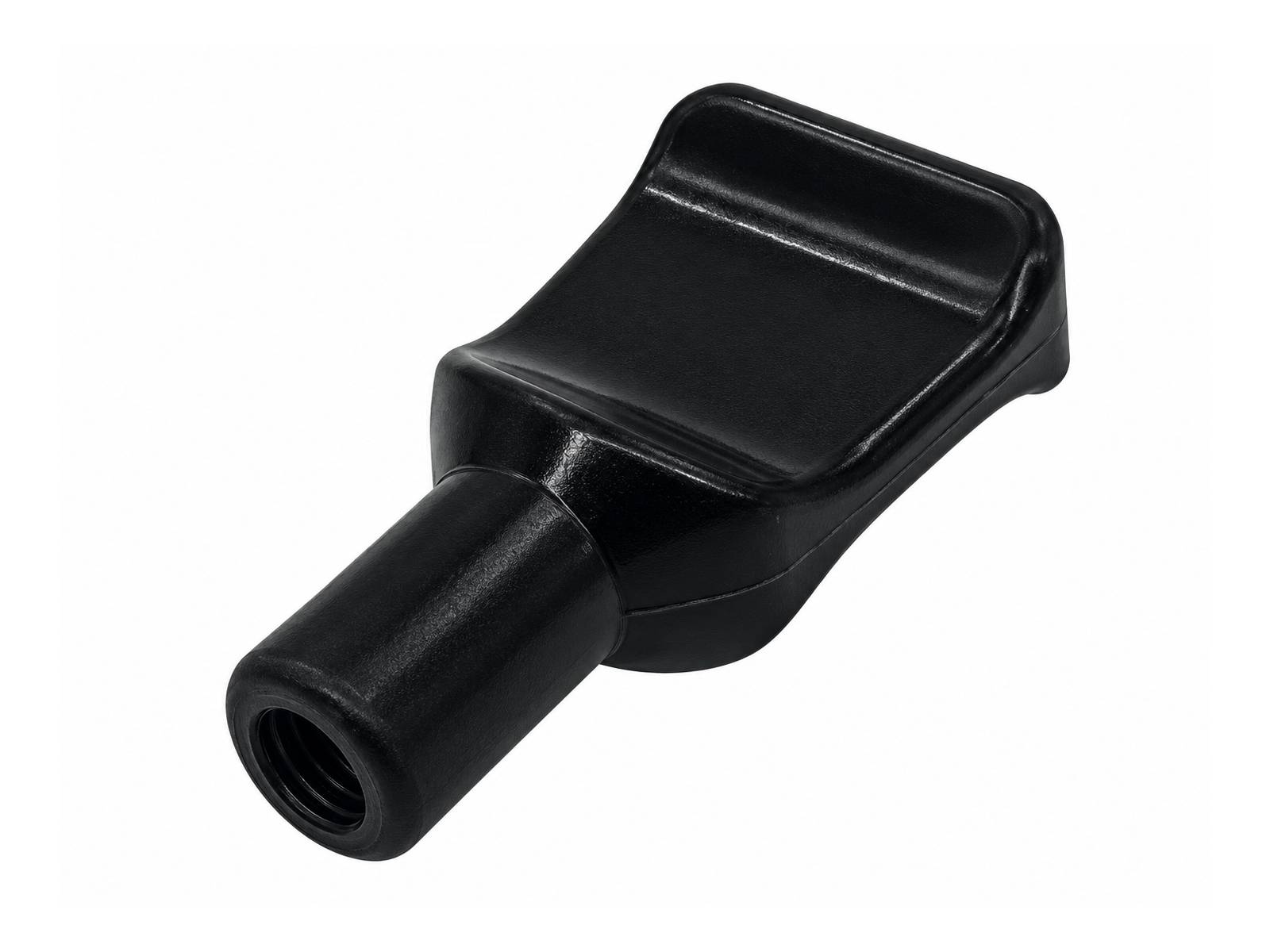
The intercooler also forms part of the pressurised boost circuit. Cracks, damaged connections, deteriorated seals or physical damage can allow compressed air to escape, resulting in reduced boost pressure and engine performance.
This OE Match Right Radiator Intercooler provides a high-quality replacement for a leaking, damaged or inefficient original component.
What This Product Does:
- Reduced engine power.
- Sluggish acceleration.
- Loss of turbocharger boost.
- Inconsistent power delivery.
- Poor throttle response.
- Check engine or engine-management warning light.
- Underboost-related diagnostic fault codes.
- Hissing or rushing-air noises during acceleration.
- Actual boost pressure lower than requested boost pressure.
- Intermittent loss of power under heavy load.
- Increased charge-air temperatures.
- Engine entering a reduced-power or protective mode.
- Increased fuel consumption.
- Oil residue around intercooler connections.
- Cracks or splits in the intercooler.
- Damaged inlet or outlet connections.
- Impact damage. Loose or leaking charge-air connections.
- Pressure loss identified during boost-system testing.
Why Replacement Matters:
- The intercooler performs two critical functions within a turbocharged engine: cooling the compressed intake charge and maintaining a sealed path for boost pressure.
- If the intercooler develops a crack or leak, some of the compressed air produced by the turbocharger can escape before reaching the engine. Even a relatively small leak can affect boost performance, while a significant leak can result in noticeable power loss and underboost faults.
- The engine control unit continually monitors boost-system performance. If actual boost pressure remains below the requested value, the ECU may record diagnostic faults and, depending on the severity of the problem, limit engine performance as a protective measure.
- Efficient charge-air cooling is equally important. Hotter intake air is less dense, reducing the amount of oxygen available within a given volume of air. Higher intake temperatures can therefore affect engine performance, particularly during sustained acceleration and demanding driving.
- If charge temperatures become excessive, the engine-management system may alter boost, ignition or other operating parameters to protect the engine.
- Replacing a damaged component with this OE Match Right Radiator Intercooler helps restore boost-system integrity, effective charge-air cooling and consistent turbocharged engine performance.
Related reference numbers
Related, superseded, cross reference or alternative numbers for comparison.
99111064073
The product you are viewing cross references to these numbers
- Porsche 991.1 Turbo 3.8L (520 Bhp) 2014-16
- Porsche 991.1 Turbo S 3.8L (560 Bhp) 2014-16
Restore efficient charge-air cooling, correct boost-system operation and dependable turbocharged engine performance with these OE Match Radiator Intercoolers. Designed for compatible Porsche applications, these intercoolers form an important part of the engine's forced-induction and charge-air cooling system.
Fits:- Porsche 971.1 Panamera 4 E-Hybrid V6 2.9L 4WD 2017-20
- Porsche 971.1 Panamera 4 E-Hybrid V6 2.9L 4WD Executive 2017-20
- Porsche 971.1 Panamera 4 E-Hybrid 2.9L Twin-Turbo V6 Sport Turismo 2017-20
Diagram Ref No 1 (LEFT) Or 2 (RIGHT)
Turbochargers compress the intake air before it enters the engine. Compression increases air pressure but also raises its temperature. The intercooler acts as a heat exchanger, removing excess heat from the compressed charge air before it reaches the engine.
Lowering charge-air temperature increases air density and helps the engine-management system maintain consistent performance, efficient combustion and controlled intake temperatures. This becomes particularly important during sustained acceleration, high engine loads and warm ambient conditions.
The intercooler also forms part of the pressurised intake circuit. Cracks, damaged connections, deteriorated seals or physical damage can allow boost pressure to escape, potentially resulting in reduced performance and underboost faults.
These OE Match Radiator Intercoolers provide high-quality replacements for damaged, leaking or inefficient original components.
What This Product Does:
- Cools compressed charge air from the turbocharging system.
- Reduces intake air temperature before the air reaches the engine.
- Helps increase the density of the boosted intake charge.
- Supports consistent turbocharged engine performance.
- Forms part of the pressurised charge-air circuit.
- Helps maintain the required boost pressure when properly sealed.
- Supports responsive acceleration and predictable power delivery.
- Helps maintain efficient combustion.
- Reduces thermal load within the intake system.
- Works with the turbocharger, charge-air pipework and engine intake.
- Helps maintain performance during sustained high-load operation.
- Replaces a leaking, damaged or inefficient intercooler.
- Provides an OE Match alternative for compatible Porsche applications.
Symptoms Of Wear Or Failure:
- Reduced engine power.
- Poor or sluggish acceleration.
- Loss of turbocharger boost.
- Inconsistent power delivery.
- Check engine or engine-management warning light.
- Underboost-related diagnostic fault codes.
- Hissing or rushing-air noises during acceleration.
- Actual boost pressure failing to reach the requested value.
- Intermittent power loss under heavy load.
- Increased charge-air or intake temperatures.
- Engine entering a reduced-power or protective mode.
- Increased fuel consumption.
- Oil residue around intercooler joints or connections.
- Cracks in the intercooler or associated connections.
- Damaged or restricted cooling surfaces.
- Impact damage.
- Loose or leaking charge-air connections.
- Pressure loss detected during boost-system testing.
Why Replacement Matters:
- An intercooler needs to perform two key functions effectively: remove heat from the compressed intake charge and maintain the integrity of the pressurised boost system.
- If an intercooler develops a leak, some of the compressed air supplied by the turbocharger can escape before reaching the engine. This may cause reduced boost pressure, poor acceleration and a noticeable loss of engine performance.
- The ECU may detect a difference between requested and actual boost pressure and record an underboost fault. Depending on the severity of the problem, the engine-management system may also limit performance to protect the engine and turbocharging system.
- Efficient heat transfer is equally important. If the intercooler becomes damaged, obstructed or internally compromised, charge-air temperatures can increase. Hotter intake air is less dense and can reduce the performance potential of the turbocharged engine.
- High intake temperatures may also cause the engine-management system to modify boost, ignition or other operating parameters to control thermal loads.
- Replacing a damaged or inefficient component with these OE Match Radiator Intercoolers helps restore charge-air cooling efficiency, boost-system integrity and consistent engine performance.
Related reference numbers
Related, superseded, cross reference or alternative numbers for comparison.
97114580
The product you are viewing cross references to these numbers
- Porsche 971.1 Panamera 4 E-Hybrid V6 2.9L 4WD 2017-20
- Porsche 971.1 Panamera 4 E-Hybrid V6 2.9L 4WD Executive 2017-20
- Porsche 971.1 Panamera 4 E-Hybrid 2.9L Twin-Turbo V6 Sport Turismo 2017-20
LEFT Radiator Intercooler.
Restore efficient charge-air cooling and dependable turbocharged engine performance with this OE Match Left Radiator Intercooler. Designed for compatible Porsche applications, this intercooler is specified for the LEFT side of the vehicle's charge-air cooling system.
- Porsche 955 Cayenne Turbo 4.5L 2003-06
Diagram Ref No 1
The intercooler is a key component in a turbocharged engine's induction system. As the turbocharger compresses intake air, the temperature of that air rises. The intercooler acts as a heat exchanger, removing excess heat from the compressed air before it reaches the engine.
Cooling the charge air increases its density and helps the engine receive the intended mass of air under boost. This supports consistent performance, efficient combustion and controlled intake temperatures, particularly during acceleration and sustained high-load operation.
The intercooler also forms part of the pressurised boost circuit and therefore needs to remain properly sealed. Cracks, damaged end sections, leaking connections or impact damage can allow compressed air to escape, resulting in reduced boost pressure and performance.
This OE Match Left Radiator Intercooler provides a high-quality replacement for a damaged, leaking or inefficient original component.
What This Product Does:
- Is specified for the LEFT-side application.
- Cools compressed air produced by the turbocharging system.
- Reduces charge-air temperature before air enters the engine.
- Helps increase the density of the boosted intake charge.
- Forms part of the pressurised charge-air circuit.
- Helps maintain correct boost pressure when properly sealed.
- Supports consistent turbocharged engine performance.
- Helps maintain responsive acceleration.
- Supports efficient combustion.
- Helps control intake temperatures under load.
- Works with the turbocharger, charge pipes and intake system.
- Helps maintain predictable engine performance during demanding driving.
- Replaces a leaking, damaged or inefficient intercooler.
- Provides an OE Match alternative for compatible Porsche applications.
- Reduced engine power. Poor acceleration.
- Loss of turbocharger boost.
- Sluggish throttle response.
- Check engine or engine-management warning light.
- Underboost-related diagnostic fault codes.
- Hissing or rushing-air noises under acceleration.
- Boost pressure failing to reach the requested level.
- Intermittent power loss under load.
- Increased intake air temperatures.
- Engine entering reduced-power or protective mode.
- Increased fuel consumption.
- Oil residue around an intercooler leak or connection.
- Cracks in the intercooler core or end sections.
- Bent or heavily damaged cooling fins.
- Impact damage from road debris.
- Leaking intercooler connections.
- Damaged inlet or outlet connections.
- Pressure loss found during charge-air system testing.
Why Replacement Matters:
- A properly functioning intercooler has two essential jobs: removing heat from the compressed intake air and maintaining a sealed boost circuit.
- If the intercooler develops a crack or leak, compressed air can escape before reaching the engine. This reduces the amount of boost available and may cause poor acceleration, reduced power and underboost diagnostic faults.
- The engine-management system continually compares requested and measured operating conditions. A significant boost leak can cause the ECU to detect that actual pressure is below the expected value and, depending on the severity of the fault, activate a reduced-power strategy.
- Cooling efficiency is equally important. If the intercooler core becomes damaged, heavily obstructed or otherwise inefficient, intake air temperatures can increase. Hotter air is less dense, which can reduce performance and cause the engine-management system to adjust operation when thermal limits are approached.
- A substantial boost leak may also cause the turbocharging system to work harder in an attempt to reach the requested pressure, depending on the engine's control strategy.
- Replacing a defective component with this OE Match Left Radiator Intercooler helps restore charge-air cooling, boost-system integrity and consistent turbocharged engine performance.
Related reference numbers
Related, superseded, cross reference or alternative numbers for comparison.
95514580301
The product you are viewing cross references to these numbers
- Porsche 955 Cayenne Turbo 4.5L 2003-06
Restore correct intake airflow, reliable sealing and consistent engine performance with this OE Match Intake Manifold. Designed for compatible Porsche applications, the intake manifold is a critical part of the engine's induction system, distributing incoming air to the individual cylinders.
Fits:- Porsche 970.1 Panamera V6 3.6L 2WD 2009-13
- Porsche 970.1 Panamera 4 V6 3.6L 4WD 2009-13
- Porsche 970.2 Panamera V6 3.6L 2WD (310Hp) 2014-16
- Porsche 970.2 Panamera 4 V6 3.6L 4WD (310Hp) 2014-16
Diagram Ref No 1
Air entering through the intake and throttle system passes into the manifold before being directed through individual runners towards the cylinder head intake ports. The manifold's internal design helps provide consistent airflow to the cylinders across different engine speeds and operating conditions.
A correctly sealed intake manifold is particularly important for modern engine-management systems. Cracks, damaged sealing surfaces or deteriorated gaskets can allow unwanted or unmetered air into the engine. This can interfere with air-fuel mixture calculations and potentially result in rough running, hesitation, lean mixture faults or reduced performance.
This OE Match Intake Manifold provides a high-quality replacement for a cracked, warped or otherwise damaged original manifold, helping restore proper airflow distribution and dependable engine operation.
What This Product Does:
- Distributes incoming air between the engine cylinders.
- Connects the upstream intake system to the cylinder head intake ports.
- Directs airflow through individual intake runners.
- Helps provide consistent air distribution between cylinders.
- Supports accurate air-fuel mixture management.
- Works in conjunction with the throttle and engine-management systems.
- Helps maintain smooth idle quality.
- Supports responsive acceleration and engine performance.
- Contributes to efficient cylinder filling.
- Maintains a sealed path for intake airflow.
- Helps prevent unwanted air entering the engine.
- Provides mounting or connection points for associated components where applicable.
- Replaces a cracked, warped or damaged intake manifold.
- Provides an OE Match alternative for compatible Porsche applications.
Symptoms Of Wear Or Failure:
- Rough or unstable idle.
- Check engine or engine-management warning light.
- Lean mixture diagnostic fault codes.
- Misfire-related fault codes.
- Engine hesitation.
- Poor throttle response.
- Reduced engine performance.
- Uneven engine operation.
- Increased fuel consumption.
- Whistling or hissing from the intake area.
- Evidence of an intake or vacuum leak.
- Abnormal engine speed at idle.
- Visible cracks in the manifold.
- Broken or damaged mounting points.
- Warped or damaged sealing surfaces.
- Persistent intake leaks despite replacing seals.
- Deteriorated manifold gaskets.
- Abnormal fuel-trim readings during diagnostic testing.
Why Replacement Matters:
- The intake manifold must distribute air effectively while maintaining an airtight connection between the induction system and the engine.
- If the manifold develops a crack, damaged mounting point or distorted sealing surface, unwanted air can enter the engine. Depending on where the leak occurs and how the engine-management system measures airflow, this may result in air entering that has not been correctly accounted for by the ECU.
- The resulting mixture can become too lean, particularly at idle when even a relatively small air leak can represent a significant proportion of total airflow. Symptoms may include rough idle, hesitation, misfires and engine-management warning lights.
- The ECU may attempt to compensate by increasing fuel delivery, producing unusually high fuel-trim values. If the leak becomes too significant for the ECU to compensate, drivability and emissions can deteriorate further.
- A damaged manifold can also affect airflow distribution between cylinders, potentially contributing to inconsistent combustion and uneven engine operation.
- Replacing a defective component with this OE Match Intake Manifold helps restore a sealed induction system, consistent cylinder airflow and dependable engine-management performance.
Related reference numbers
Related, superseded, cross reference or alternative numbers for comparison.
94611001603
The product you are viewing cross references to these numbers
- Porsche 970.1 Panamera V6 3.6L 2WD 2009-13
- Porsche 970.1 Panamera 4 V6 3.6L 4WD 2009-13
- Porsche 970.2 Panamera V6 3.6L 2WD (310Hp) 2014-16
- Porsche 970.2 Panamera 4 V6 3.6L 4WD (310Hp) 2014-16
Restore cooling-system integrity and reliable coolant management with this OE Match Coolant Expansion Tank, designed for compatible Left-Hand Drive (LHD) Porsche applications.
Fits:- Porsche 95B.2 Macan Petrol 2.0L (245Bhp) 2019-21
- Porsche 95B.2 Macan S Petrol 3.0L V6 (354Bhp) 2019-21
- Porsche 95B.2 Macan GTS Petrol 2.9L V6 (380Bhp) 2019-21
- Porsche 95B.2 Macan Turbo 2.9L V6 (440Bhp) 2019-21
Diagram Ref No 1
Also known as a coolant reservoir or header tank, the expansion tank is an important part of the engine cooling system. As the engine reaches operating temperature, the coolant heats up and expands. The expansion tank provides the necessary space to accommodate this change in coolant volume while forming part of the sealed, pressurised cooling circuit.
When the engine cools, the coolant contracts and the system returns towards its cold operating level. Because the tank is continually subjected to heat, pressure and repeated thermal cycles, its plastic construction can eventually become brittle, cracked or distorted. Seams and hose connection points can also deteriorate and begin leaking.
This OE Match Coolant Expansion Tank provides a high-quality replacement for a cracked, leaking or deteriorated original reservoir, helping restore correct coolant containment and dependable engine cooling.
What This Product Does:
- Stores the cooling system's reserve coolant.
- Accommodates coolant expansion as engine temperature rises.
- Helps manage changes in coolant volume during heating and cooling.
- Forms part of the sealed cooling circuit.
- Supports correct cooling-system pressure management.
- Provides a point for monitoring coolant level.
- Helps ensure sufficient coolant remains available to the cooling circuit.
- Works with the expansion tank cap and associated coolant hoses.
- Helps maintain reliable engine temperature control.
- Replaces a cracked, leaking or deteriorated coolant reservoir.
- Helps restore cooling-system integrity when tank failure is the cause
- Is specified for compatible LHD Porsche applications.
- Provides an OE Match alternative to the corresponding original component.
Symptoms Of Wear Or Failure:
- Visible coolant leaking from the tank.
- Repeatedly falling coolant level.
- Low coolant warning messages.
- Coolant collecting beneath the vehicle.
- Cracks in the expansion tank.
- Leakage along moulded tank seams.
- Leakage around hose connections.
- Dried coolant deposits around the reservoir.
- Sweet coolant smell around the vehicle.
- Plastic becoming brittle or heavily discoloured.
- Damage around tank mounting points.
- Coolant loss primarily when the engine is hot.
- Frequent need to top up the cooling system.
- Cooling system struggling to maintain pressure.
- Engine temperature running higher than normal.
- Steam or coolant vapour from the engine compartment in severe cases.
Why Replacement Matters:
- The coolant expansion tank operates as part of a hot, pressurised cooling system and must remain structurally sound and properly sealed.
- A small crack or deteriorated seam may initially leak only when the coolant reaches operating temperature and system pressure increases. This can make early leaks difficult to identify. As the tank continues through repeated heating and cooling cycles, minor damage can become progressively worse.
- Continued coolant loss reduces the quantity of fluid available to absorb and transfer engine heat. It can also allow air into the cooling circuit, potentially causing poor circulation, temperature fluctuations and localised overheating.
- If coolant loss becomes severe enough, the engine may overheat. Prolonged or significant overheating can result in expensive damage to seals, gaskets and major engine components.
- A damaged expansion tank can also interfere with the cooling system's ability to maintain its intended pressure. Correct pressure is important for effective cooling-system operation and for controlling the coolant's boiling characteristics at operating temperature.
- Replacing a defective reservoir with this OE Match Coolant Expansion Tank helps restore coolant containment, cooling-system integrity and reliable engine temperature management.
Related reference numbers
Related, superseded, cross reference or alternative numbers for comparison.
95B121407A
The product you are viewing cross references to these numbers
- Porsche 95B.2 Macan Petrol 2.0L (245Bhp) 2019-21
- Porsche 95B.2 Macan S Petrol 3.0L V6 (354Bhp) 2019-21
- Porsche 95B.2 Macan GTS Petrol 2.9L V6 (380Bhp) 2019-21
- Porsche 95B.2 Macan Turbo 2.9L V6 (440Bhp) 2019-21
Restore precise front suspension geometry, stable handling and accurate steering response with these OE Match Front Track Control Arms. Designed for compatible Porsche applications, these suspension arms help locate and control the front wheels while allowing the suspension to move through its intended range of travel.
Fits:- Porsche 9J1.1 Taycan 2020-24
- Porsche 9J1.1 Taycan Sport Turismo 2020-24
- Porsche 9J1.1 Taycan 4 Cross Turismo 2020-24
- Porsche 9J1.1 Taycan 4S 2020-24
- Porsche 9J1.1 Taycan 4S Cross Turismo 2020-24
- Porsche 9J1.1 Taycan 4S Sport Turismo 2020-24
- Porsche 9J1.1 Taycan GTS 2020-24
- Porsche 9J1.1 Taycan GTS Sport Turismo 2020-24
- Porsche 9J1.1 Taycan Turbo 2020-24
- Porsche 9J1.1 Taycan Turbo Cross Turismo 2020-24
- Porsche 9J1.1 Taycan Turbo Sport Turismo 2020-24
- Porsche 9J1.1 Taycan Turbo S 2020-24
- Porsche 9J1.1 Taycan Turbo S Cross Turismo 2020-24
- Porsche 9J1.1 Taycan Turbo S Sport Turismo 2020-24
1X1 - Four-Wheel Drive
Diagram Ref No 1
The front track control arm forms an important connection between the wheel carrier and the vehicle's suspension structure. Working together with its bushes, joints and surrounding suspension links, it helps maintain the correct position and alignment of the wheel during braking, acceleration, cornering and travel over uneven road surfaces.
Control arms and their associated bushes are subjected to continuous mechanical loads. Potholes, kerb impacts, road vibration and normal suspension movement can gradually cause deterioration. Worn bushes or joints can allow excessive wheel movement, while an arm may become bent or damaged following a significant impact.
These OE Match Front Track Control Arms provide high-quality replacement options for worn or damaged original components, helping restore accurate wheel location and predictable front suspension behaviour.
What This Product Does:
- Help locate the front wheels within the suspension geometry.
- Connect the applicable wheel carrier to the suspension/chassis structure.
- Control wheel movement throughout suspension travel.
- Help maintain correct front wheel alignment.
- Support accurate steering response.
- Contribute to stable handling during cornering.
- Help control wheel movement during braking and acceleration.
- Support consistent tyre contact with the road.
- Work together with other suspension arms, bushes and joints.
- Help maintain predictable front axle behaviour.
- Replace worn, bent or damaged suspension arms.
- Help reduce unwanted suspension movement when worn components are replaced.
- Provide an OE Match alternative for compatible Porsche applications.
Symptoms Of Wear Or Failure:
- Knocking or clunking from the front suspension.
- Rattling over rough or uneven road surfaces.
- Loose or imprecise steering.
- Vehicle wandering at speed.
- Frequent steering corrections required to maintain direction.
- Reduced steering response.
- Unstable or inconsistent cornering behaviour.
- Steering wheel vibration.
- Vibration or movement during braking.
- Vehicle pulling to one side.
- Difficulty achieving or maintaining correct wheel alignment.
- Uneven or accelerated front tyre wear.
- Excessive movement in a suspension bush or joint.
- Cracked, split or deteriorated control arm bushes.
- Visible bending or deformation of the arm.
- Suspension damage following a pothole or kerb impact.
Why Replacement Matters:
- The front track control arm has a direct influence on the position of the wheel relative to the chassis. When the arm, its bushes or associated joints develop excessive movement, the wheel may no longer remain accurately controlled as forces are applied.
- This can affect steering precision, braking stability and cornering behaviour. The vehicle may feel less planted or predictable, particularly over uneven roads or during changes of direction.
- Worn control arm components can also cause suspension geometry to change dynamically while driving. Even if a static wheel alignment appears acceptable, excessive bush or joint movement can allow the wheel position to change under braking or cornering loads.
- Incorrect wheel geometry can accelerate tyre wear, potentially reducing tyre life and creating irregular wear patterns.
- A bent control arm can cause similar problems. Pothole, kerb or collision impacts may deform the component enough to prevent the suspension from being aligned correctly.
- Replacing worn or damaged components with these OE Match Front Track Control Arms helps restore accurate suspension geometry, controlled wheel movement and predictable steering performance.
Related reference numbers
Related, superseded, cross reference or alternative numbers for comparison.
PAD40715
The product you are viewing cross references to these numbers
- Porsche 9J1.1 Taycan 2020-24
- Porsche 9J1.1 Taycan Sport Turismo 2020-24
- Porsche 9J1.1 Taycan 4 Cross Turismo 2020-24
- Porsche 9J1.1 Taycan 4S 2020-24
- Porsche 9J1.1 Taycan 4S Cross Turismo 2020-24
- Porsche 9J1.1 Taycan 4S Sport Turismo 2020-24
- Porsche 9J1.1 Taycan GTS 2020-24
- Porsche 9J1.1 Taycan GTS Sport Turismo 2020-24
- Porsche 9J1.1 Taycan Turbo 2020-24
- Porsche 9J1.1 Taycan Turbo Cross Turismo 2020-24
- Porsche 9J1.1 Taycan Turbo Sport Turismo 2020-24
- Porsche 9J1.1 Taycan Turbo S 2020-24
- Porsche 9J1.1 Taycan Turbo S Cross Turismo 2020-24
- Porsche 9J1.1 Taycan Turbo S Sport Turismo 2020-24
This is a used part which has been fitted and used briefly then taken off the vehicle due to not meeting expectations of the customer. This part is in good working order. Ideal for restoration specialists, collectors, or workshops looking for components at reduced cost.
Condition:
This Radiator Air Conditioning (Air Con) Condenser is a briefly used part. It has some fitting imperfections but in good / reusable working order.
Please see the gallery of images before purchasing.
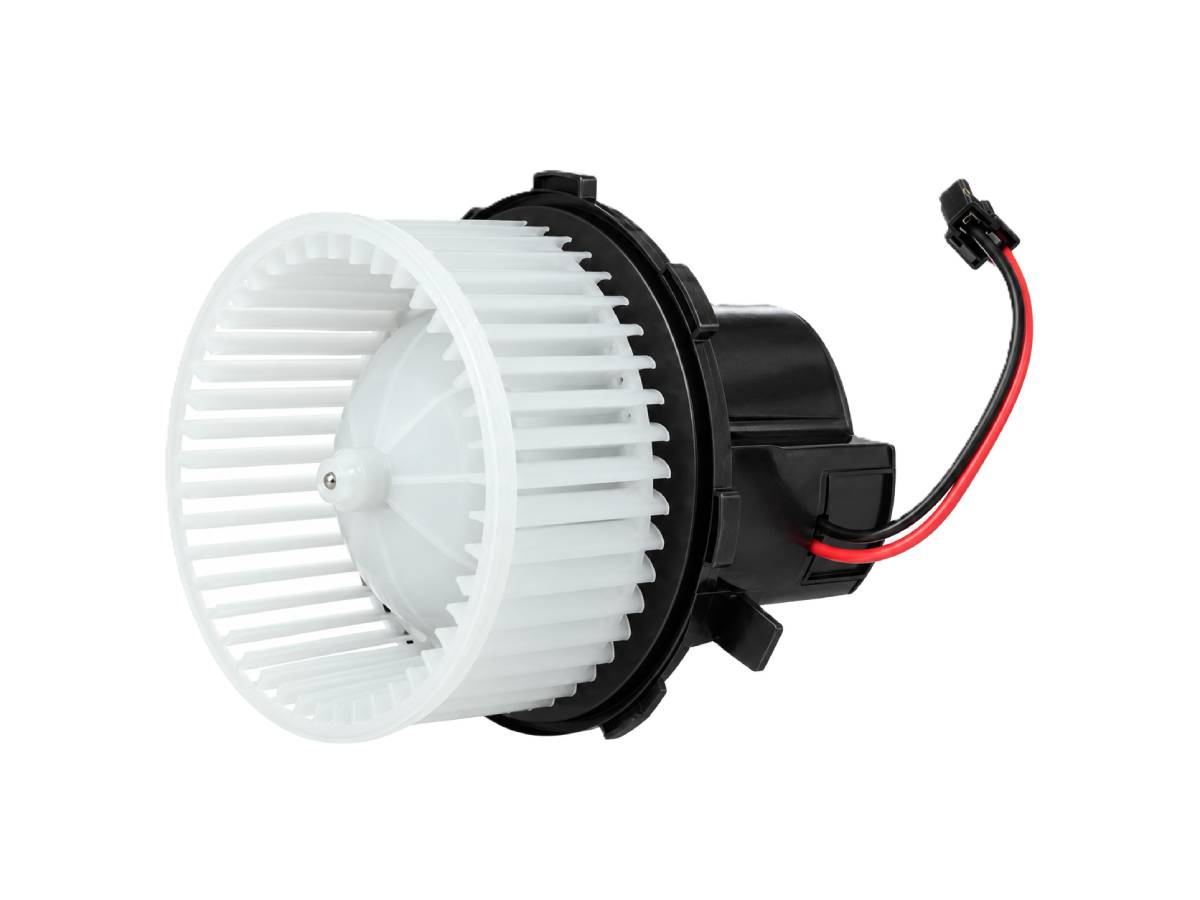
Fits:
- Porsche Boxster 986 2.5L 1997-99
- Porsche Boxster 986 2.7L 1999-02
- Porsche Boxster S 986 3.2L 1999-02
- Porsche Boxster 986 2.7L 2003-04
- Porsche Boxster S 986 3.2L 2003-04
- Porsche 996 C2 3.4L 1997-08/01
- Porsche 996 C4 3.4L 1997-08/01
- Porsche 996 C2 3.6L 09/01-2005
- Porsche 996 C4 3.6L 09/01-2005
- Porsche 996 GT3 MKI 1999-02
- Porsche 996 GT3 MKII 2003>>
- Porsche 996 GT3 RS 2003-04
Related reference numbers
Related, superseded, cross reference or alternative numbers for comparison.
99757391101
The product you are viewing cross references to these numbers
- Porsche Boxster 986 2.5L 1997-99
- Porsche Boxster 986 2.7L 1999-02
- Porsche Boxster S 986 3.2L 1999-02
- Porsche Boxster 986 2.7L 2003-04
- Porsche Boxster S 986 3.2L 2003-04
- Porsche 996 C2 3.4L 1997-08/01
- Porsche 996 C4 3.4L 1997-08/01
- Porsche 996 C2 3.6L 09/01-2005
- Porsche 996 C4 3.6L 09/01-2005
- Porsche 996 GT3 MKI 1999-02
- Porsche 996 GT3 MKII 2003>>
- Porsche 996 GT3 RS 2003-04
The OE MATCH Lambda Sensor, After Catalytic Converter is an OEM-quality emissions control sensor designed to monitor the oxygen content of exhaust gases after they have passed through the catalytic converter. Commonly referred to as a post-catalyst oxygen sensor, it provides vital feedback to the engine control unit (ECU) regarding catalytic converter efficiency and overall emissions system performance.
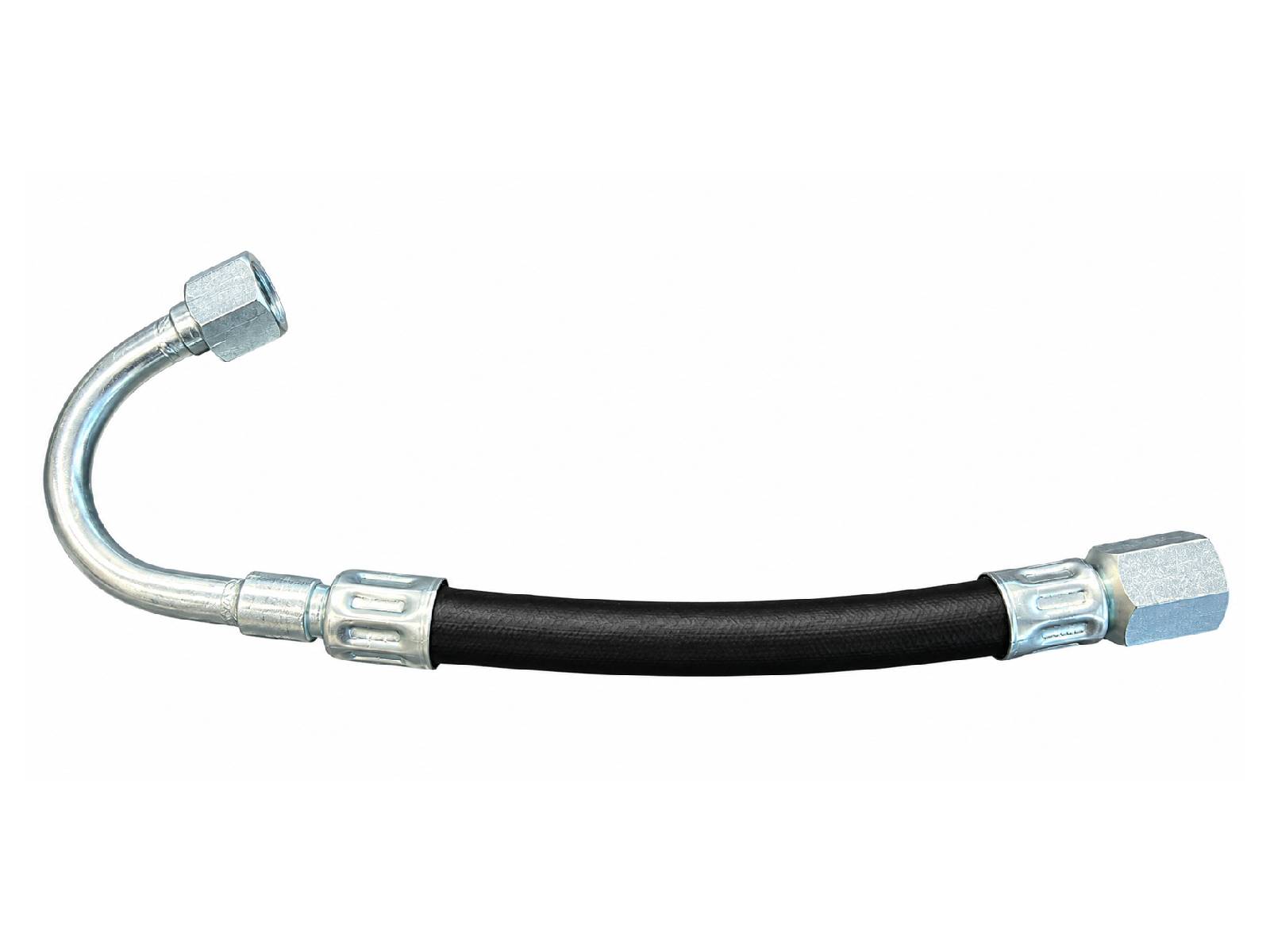
Fits:
- Porsche 95B.1 Macan Petrol 2.0L (237Bhp) 2014-18
Diagram Ref No 6
Located downstream of the catalytic converter, the OE MATCH sensor continuously measures residual oxygen levels in the exhaust stream. This allows the ECU to evaluate catalyst effectiveness, detect emissions-related faults, and ensure the vehicle operates within manufacturer emissions specifications. It delivers accurate readings, reliable performance, and long service life.
What This Product Does:
- Monitors oxygen levels in exhaust gases after the catalytic converter
- Measures catalytic converter efficiency and performance
- Provides real-time data to the engine control unit (ECU)
- Supports emissions control system diagnostics and monitoring
- Helps maintain compliance with emissions regulations
- Assists in identifying catalyst and exhaust system faults
Symptoms Of Wear Or Failure:
- Check engine light illumination
- Catalytic converter efficiency fault codes
- Failed emissions or MOT tests
- Increased exhaust emissions
- Oxygen sensor-related diagnostic trouble codes (DTCs)
- Engine management warning messages
- Incorrect catalytic converter monitoring data
- Potential reduction in fuel economy in some applications
Why Replacement Matters:
- Restores precise exhaust oxygen monitoring
- Ensures accurate catalytic converter efficiency assessment
- Helps maintain emissions compliance and MOT readiness
- Prevents persistent engine management warning lights
- Supports correct operation of the emissions control system
- Allows early detection of catalyst and exhaust-related issues
- Reduces harmful exhaust emissions
- Maintains long-term reliability of the engine management and emissions systems
Related reference numbers
Related, superseded, cross reference or alternative numbers for comparison.
8K0906262G
The product you are viewing cross references to these numbers
- Porsche 95B.1 Macan Petrol 2.0L (237Bhp) 2014-18