





Enter your VAT number here and click Verify:
Your details have been verified. VAT number registered to:
,
.
Your order will now be zero rated for VAT purposes. We reserve the right to verify these details after your order request has been made and reinstate VAT if required.
Your VAT details were not recognised or were invalid. Your VAT number must be matched to your Billing Country as specified above. This is currently specified as . You do not need to enter the country code part of your VAT number as this has already been selected in your billing address details above.
The VAT number checking service is currently offline. Please supply your VAT details within the comments or special instructions field below and we will apply a VAT discount after placing your order request.

- Accessories
- Brakes
- Chassis / Bodywork
- Clothing & Gifts
- Electrical & Relays
- Engine Cooling
- Engine Electrical
- Engine Rebuild Parts
- Engine Tuning
- Exhausts
- Exterior Styling / Spoilers
- Gearbox / Transmission
- Heating / Air Conditioning
- Hydraulics
- Incar / Multimedia
- Interior & Accessories
- Lighting
- Mats & Carpets
- Motorsport and Off-Road
- Parts for Other Cars
- Pedal Cluster
- Rubber Seals
- Seats & Seat Belts
- Service Parts
- Special Offer Parts
- Steering Parts
- Suspension & Axle
- Suspension Upgrades
- Tyres
- Wheel Accessories
- Wheels
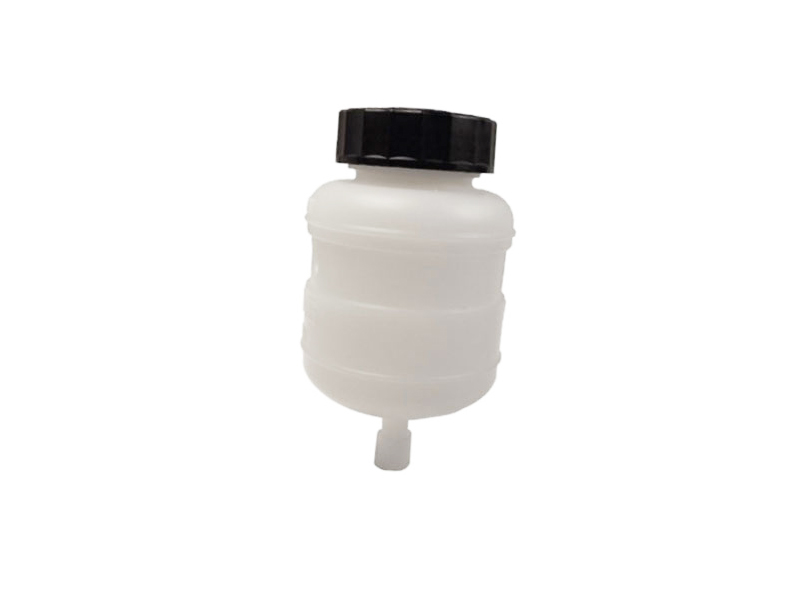
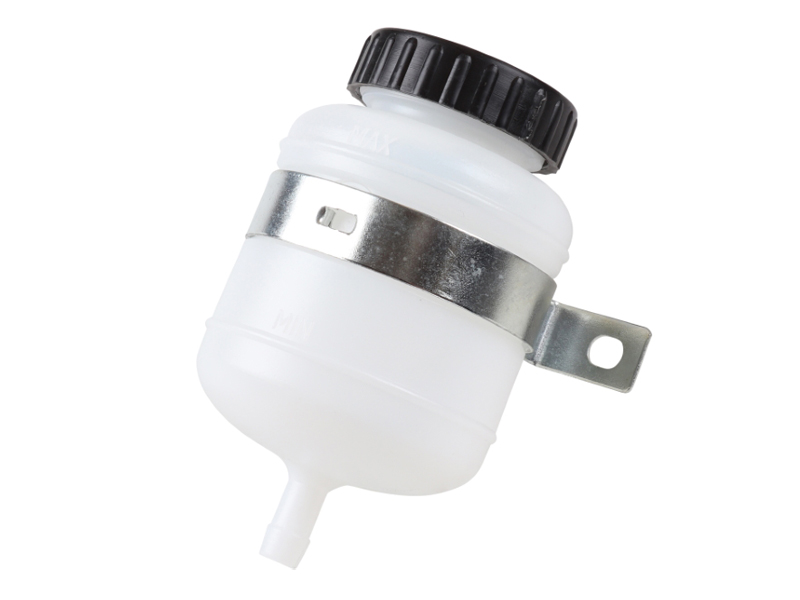
Reservoir / Tank
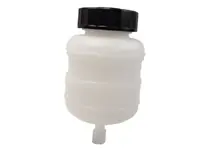


Fits:
Porsche 356 C 1960-65
Porsche 911/912 1965-67
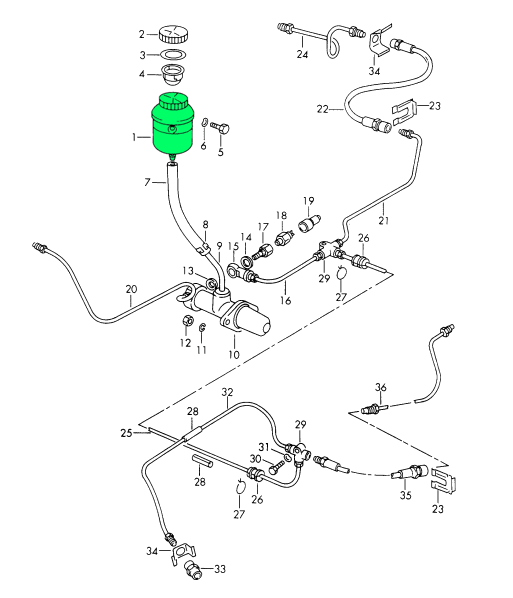
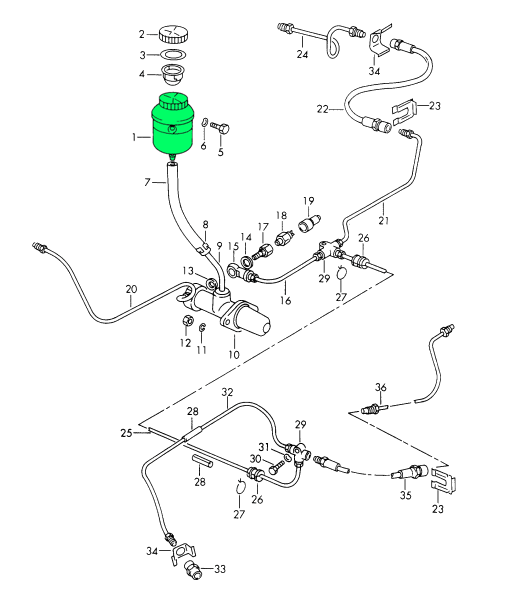
Click 'Zoom in' for large parts diagram
Diagram ref no 1
Related reference numbers
Related, superseded, cross reference or alternative numbers for comparison.
69535501300
The product you are viewing cross references to these numbers
- Porsche 911 1965-1968 2.0L / 912 SWB (F)
- Porsche 356C 1963-65
 Shop Securely
 12 Month Warranty
 Worldwide Delivery
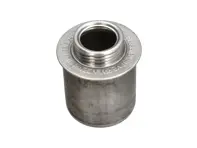

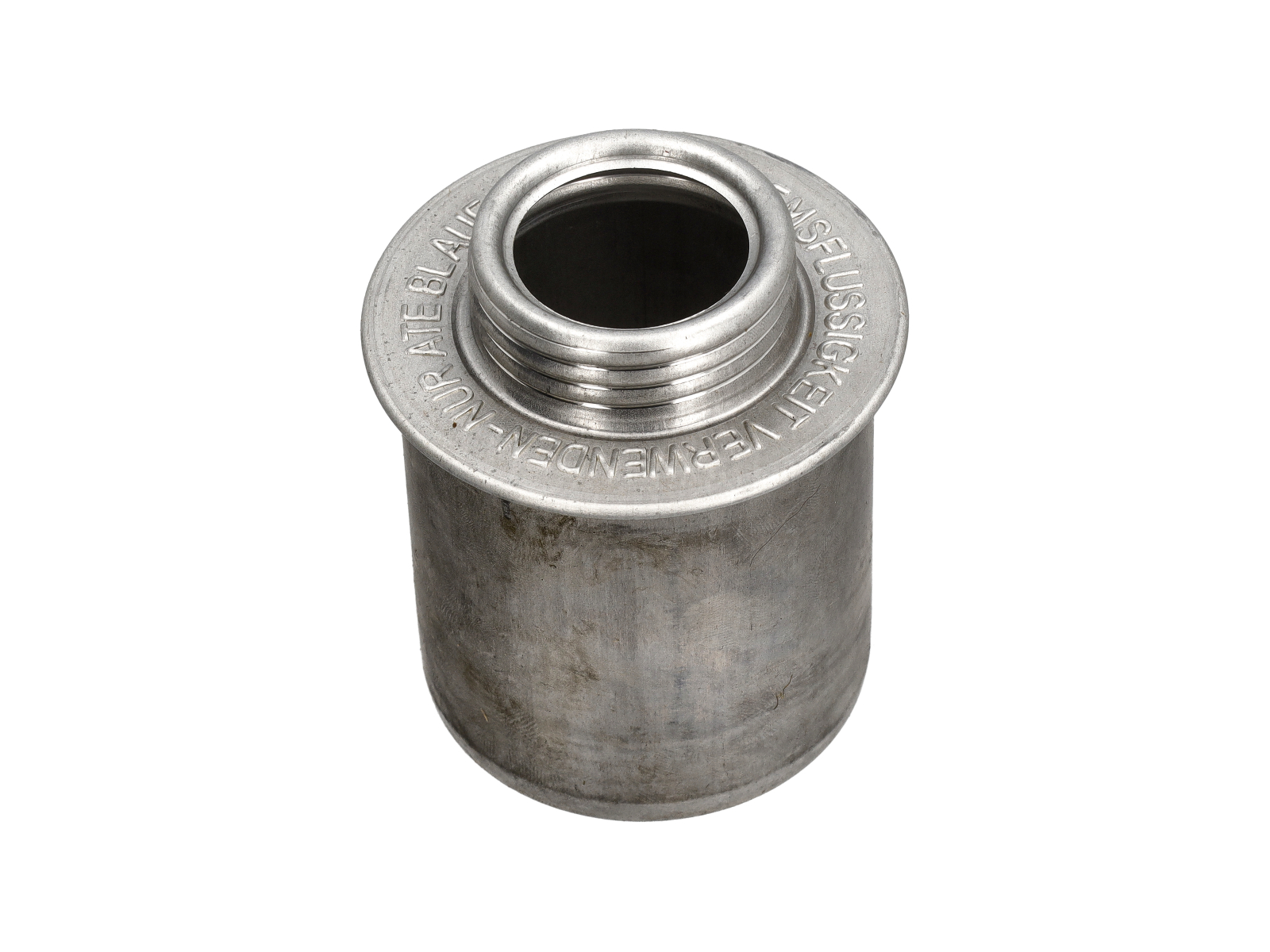
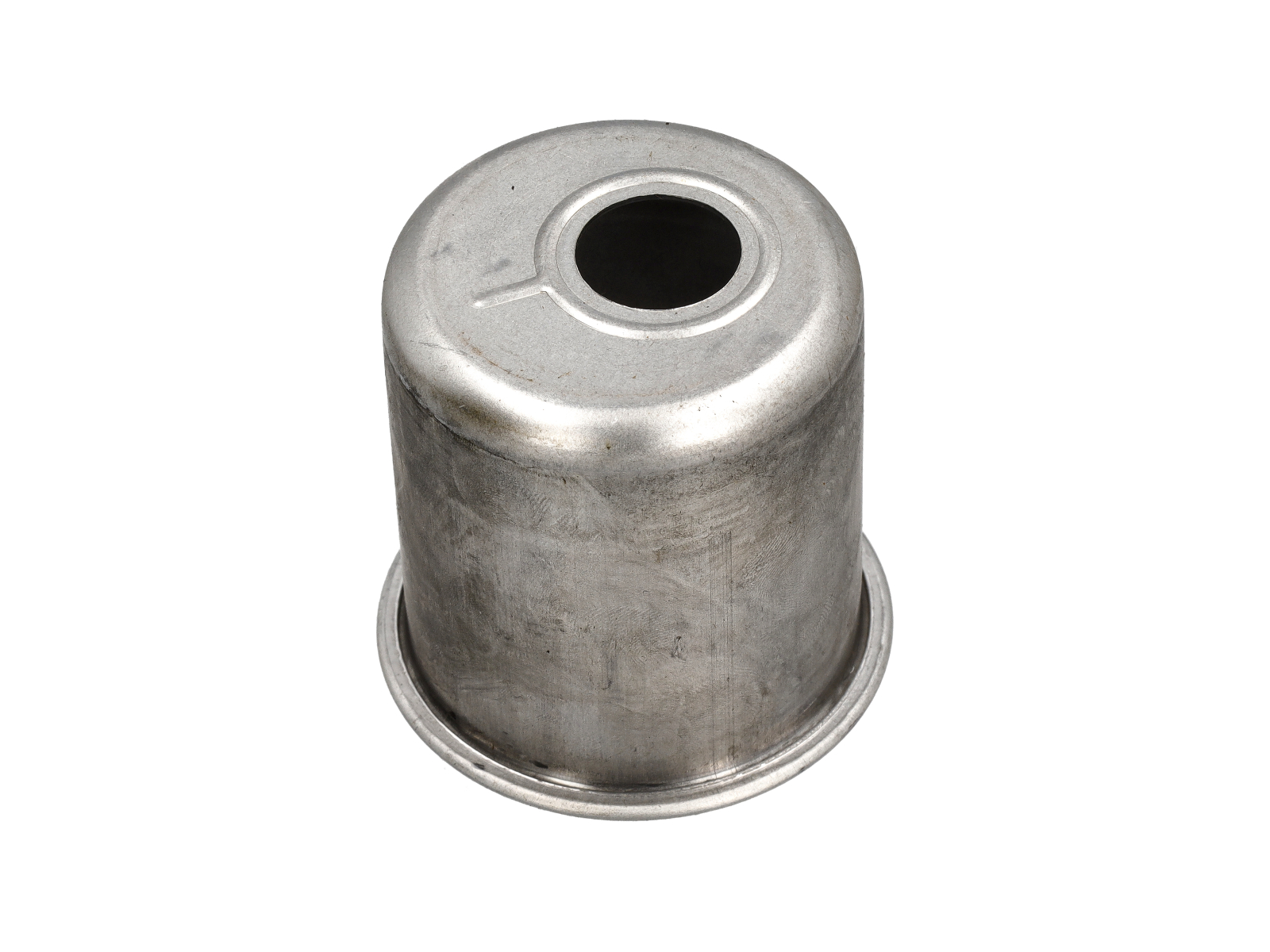
Restore a key part of the braking hydraulic system while maintaining a period-correct appearance with this OE Match Aluminium Brake Fluid Tank. Manufactured in aluminium with an OE-style appearance, this reservoir is designed for compatible classic vehicle applications where originality, durability, and reliable brake fluid storage are important.
Fits:
Porsche 356 - 1950 to 1955
Porsche 356A - 1955 to 1959
Porsche 356B - 1959 to 1963
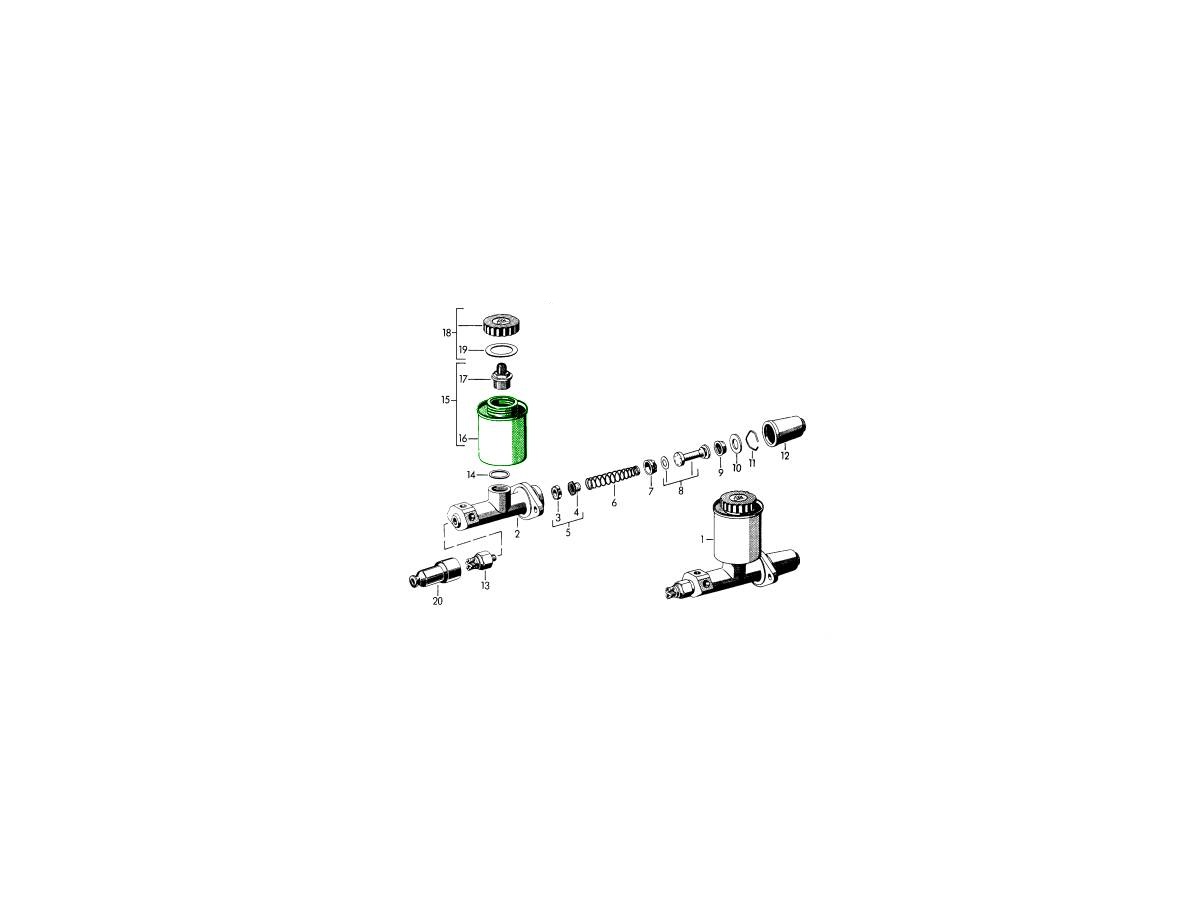
Diagram Ref No 16
The brake fluid tank stores the hydraulic fluid required by the braking system. As the brakes are applied, brake fluid transmits hydraulic pressure through the system, allowing the braking components at the wheels to operate. The reservoir provides a supply of fluid to the hydraulic circuit and allows the fluid level to be monitored and maintained.
What This Product Does:
- Stores the brake fluid required by the hydraulic braking system.
- Maintains a reserve supply of fluid for the brake hydraulic circuit.
- Helps ensure the braking system remains adequately supplied with fluid.
- Allows the brake fluid level to be monitored and maintained.
- Provides connection points for the associated hydraulic supply components.
- Features aluminium construction for durability.
- Provides an OE-style appearance suitable for classic vehicle restoration.
- Replaces a corroded, leaking, damaged, or unsuitable brake fluid reservoir.
- Helps maintain a clean and correctly presented braking system installation.
- Is supplied without a reservoir cap.
Symptoms Of Wear Or Failure:
- Brake fluid leaking from the reservoir.
- Fluid wetness around the tank, seams, or connections.
- A brake fluid level that repeatedly drops.
- Visible corrosion or deterioration of the original reservoir.
- Cracks, dents, deformation, or other physical damage.
- Damaged or deteriorated hose connections.
- Contamination visible inside the reservoir.
- Difficulty maintaining a dependable seal around associated fittings.
- A reservoir damaged during servicing or restoration.
- An original tank that has deteriorated beyond reliable continued use.
Why Replacement Matters:
- The brake fluid reservoir is an important part of the vehicle's hydraulic braking system. It must securely contain the fluid needed for reliable brake operation and prevent contamination from entering the hydraulic circuit.
- A leaking reservoir can gradually reduce the brake fluid level. If the fluid level becomes sufficiently low, air may enter the hydraulic system. Air in the brake lines can result in a soft or spongy pedal and reduced braking effectiveness.
- Brake fluid leakage should therefore never be ignored. Any unexplained loss of brake fluid requires immediate investigation because it can indicate a fault capable of compromising braking performance.
- Corrosion or internal contamination is another reason to replace an ageing reservoir. Dirt, corrosion products, moisture, or other contaminants entering the hydraulic system can contribute to deterioration of master cylinders, wheel cylinders, calipers, and other braking components.
Related reference numbers
Related, superseded, cross reference or alternative numbers for comparison.
35642091
The product you are viewing cross references to these numbers
- Porsche 356 1950-55
- Porsche 356A 1955-59
- Porsche 356B 1959-63
Shop Securely
12 Month Warranty
Worldwide Delivery
 Express Delivery
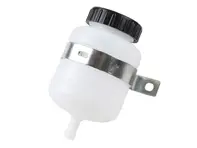
Fits:
Porsche 356 C 1.6 01/63-12/65
Porsche 911 2.0 01/63-07/67
Porsche 912 1.6 01/65-07/67
Diagram ref no 1
Related reference numbers
Related, superseded, cross reference or alternative numbers for comparison.
69535501300
The product you are viewing cross references to these numbers
- Porsche 911 1965-1968 2.0L / 912 SWB (F)
- Porsche 356C 1963-65
Shop Securely
12 Month Warranty
Worldwide Delivery
Express Delivery


High-Quality Hydraulic Reservoirs & Tanks for Stable, Reliable Brake & Clutch Performance
Hydraulic reservoirs—also known as fluid tanks or expansion containers—store and supply hydraulic fluid for brake and clutch systems. These reservoirs ensure a stable fluid level, maintain pressure balance and prevent air from entering the hydraulic circuits. Whether used in performance vehicles, classic models or daily drivers, the reservoir plays a crucial role in keeping hydraulic systems responsive, consistent and safe.
A healthy reservoir ensures the brake and clutch systems always receive the correct amount of fluid, preventing pressure loss, contamination and system failure.
What Hydraulic Reservoirs & Tanks Do
Reservoirs and hydraulic tanks support the system by:
- Storing brake or clutch fluid for use by the master cylinder
- Maintaining correct fluid levels during temperature and pressure changes
- Allowing fluid expansion to avoid over-pressurisation
- Preventing air entry into the hydraulic system
- Reducing contamination via filtered caps or sealed designs
- Supporting consistent pedal feel during demanding conditions
A reliable reservoir helps ensure stable braking and clutch engagement across all temperatures and driving environments.
Why Hydraulic Reservoirs Commonly Fail
Despite being simple components, reservoirs are exposed to
heat, vibration and corrosive fluids. Over time, they may deteriorate or fail
due to:
- Cracking
or brittleness from age and UV exposure
- Internal
contamination from degraded seals or old fluid
- Leaks
caused by stress fractures or weakened hose connections
- Discolouration
or clouding, making fluid levels hard to read
- Warped
or loose caps leading to air entry
- Corrosion
on metal mounting points or fittings
- Heat-related deformation reducing sealing effectiveness
Typical symptoms include fluid loss, soft pedal feel, brake warning lights, or inconsistent clutch operation.
Why You Should Replace a Worn or Damaged Hydraulic Reservoir
Replacing an old or failing reservoir with a high-quality, precision-built alternative designed to match original hydraulic performance ensures your vehicle’s braking and clutch systems remain safe and dependable.
Benefits include:
- Restored fluid capacity and pressure stability
- Clear fluid visibility for accurate level checks
- Prevention of leaks and air ingress
- More consistent pedal feel in brake and clutch systems
- Reduced risk of contamination and hydraulic failure
- Improved long-term safety and reliability
A new reservoir is a simple, cost-effective upgrade that protects the entire hydraulic system.




Monday-Friday: 8.30am - 5.30pm (GMT)
Saturday: Closed
Sunday: Closed