





Enter your VAT number here and click Verify:
Your details have been verified. VAT number registered to:
,
.
Your order will now be zero rated for VAT purposes. We reserve the right to verify these details after your order request has been made and reinstate VAT if required.
Your VAT details were not recognised or were invalid. Your VAT number must be matched to your Billing Country as specified above. This is currently specified as . You do not need to enter the country code part of your VAT number as this has already been selected in your billing address details above.
The VAT number checking service is currently offline. Please supply your VAT details within the comments or special instructions field below and we will apply a VAT discount after placing your order request.
Porsche

Porsche for Porsche
Porsche genuine parts and lifestyle products for Porsche models from Design911
A Quick Look at Porsche
Porsche information on this page is based on details supplied by the manufacturer or distributor, plus any OE references provided with the parts.
Choosing the Right Fit for Your Porsche
Where Porsche is listed for Porsche, use the supplied model coverage and OE references to confirm suitability. Check details that commonly affect fitment such as model year, side/position, and connector type where relevant.
- Typical reasons people replace these parts include maintaining originality, keeping factory specification, and choosing the latest genuine revisions for peace of mind.
- Common real-world issues behind many Porsche repairs are age and mileage: oil leaks, cooling system fatigue, brake and suspension wear, corrosion and electrical faults from moisture or heat cycling.
- Before ordering, confirm part numbers against VIN or option/PR codes, especially for safety‑critical or complex components.
- When upgrading, decide whether you want pure originality or performance changes, as some aftermarket options may suit specific goals better than genuine.
- For bigger jobs, replace related seals, hardware and consumables at the same time to avoid repeat labour and compatibility issues.
- Where available, follow the manufacturer’s fitting and bedding‑in guidance to get the best performance and longevity.
Browse by Category
If you already know the area you are working on, start with the category and then filter by Porsche model. Where real-world symptoms and typical reasons to replace are provided, use them to keep the wording grounded.
Brakes — Brake components are renewed to restore stopping performance, address wear or upgrade a Porsche for fast road or track use. Common symptoms include: Common symptoms include vibration under braking, increased stopping distances, squealing, pulling to one side, warning lights and visible wear to discs and pads.
- Check whether the parts are OE-equivalent replacements or performance upgrades and match this to how the Porsche is used.
- Follow any recommended bedding-in procedure and consider replacing discs, pads, sensors and fitting hardware together where advised.
Clothing & Gifts — Porsche-themed clothing and gifts let owners and enthusiasts show their passion off the road, or make ideal presents for fans of the marque. Common symptoms include: Items may become worn, faded, damaged or go out of style, prompting replacement with newer designs.
- Review available size, colour and material details to help choose the right item and ensure it matches how it will be used.
- Check any care or washing guidance so garments and accessories keep their appearance for longer.
Lifestyle — To explore different Porsche-inspired lifestyle products or gift ideas. Common symptoms include: General wear from handling or display.
- Confirm whether items are official Porsche lifestyle products or from trusted partner brands where stated.
- Consider who the item is for and how it will be used day to day to select the most suitable style or product type.
Keyring — To choose a different design, material or model theme. Common symptoms include: Scratches, worn finishes or loose fittings.
- Keyrings make simple, practical Porsche-themed gifts and can be matched to specific models or heritage designs where available.
- If a keyring shows damage or looseness, replace it to avoid losing keys or further wear to finishes.
Size chart — The size chart acts as a practical reference tool for all apparel purchases. Common symptoms include:
Explore Porsche at Design911
View the current Porsche range for Porsche at Design911, then filter by model and category to narrow down to the right parts.
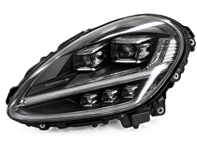

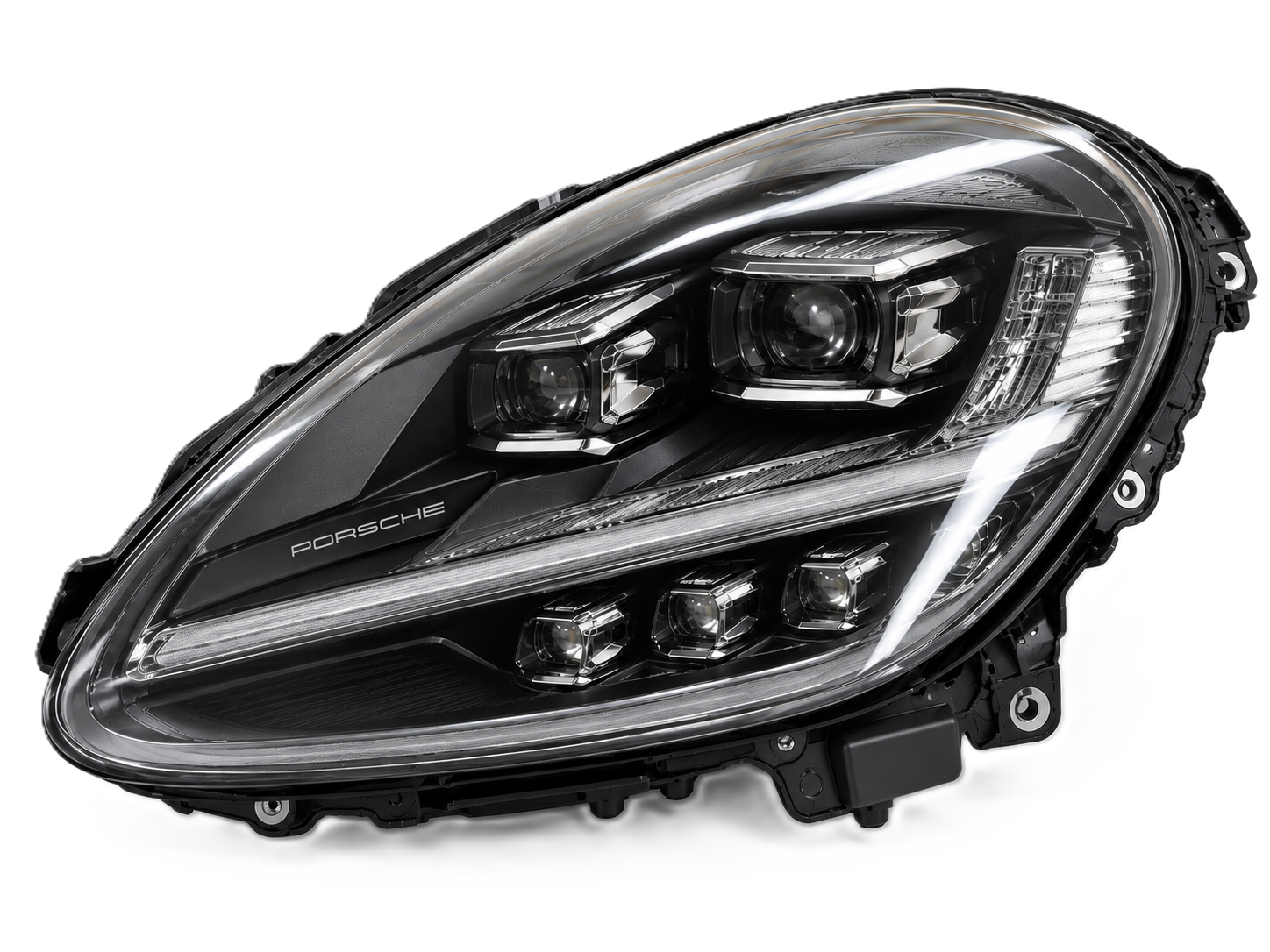
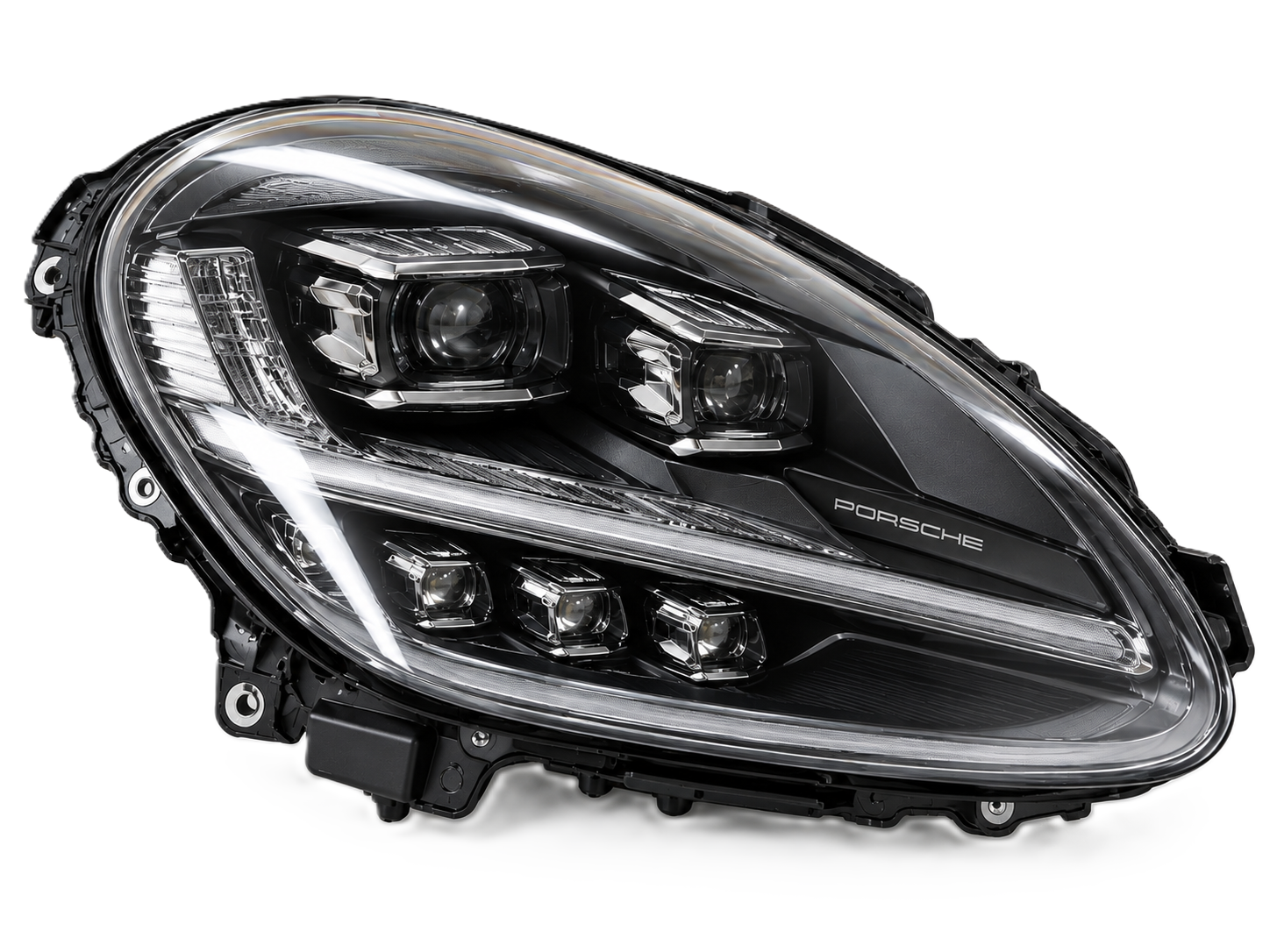
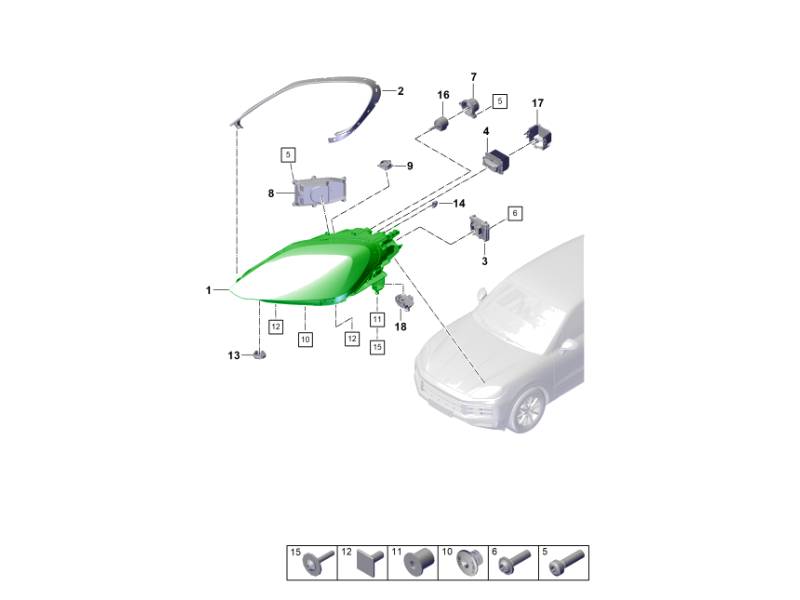
The Genuine Porsche LED Headlight 9Y0941681 / 9Y0941682 is a replacement front lighting component designed for compatible Porsche applications. Using LED lighting technology, the headlight provides powerful forward illumination while forming an important part of the vehicle's safety, visibility and exterior design.
Fits:
- Porsche 9YA.2 Cayenne V6 3.0L Petrol (353Hp) 2023>>
- Porsche 9YA.2 Cayenne Coupe V6 3.0L (353Hp) 2023>>
- Porsche 9YA.2 Cayenne E-Hybrid V6 3.0L (470Hp) 2023>>
- Porsche 9YA.2 Cayenne E-Hybrid Coupe V6 3.0L (470Hp) 2023>>
- Porsche 9YA.2 Cayenne S V8 4.0L Petrol (474Hp) 2023>>
- Porsche 9YA.2 Cayenne S Coupe V8 4.0L (474Hp) 2023>>
- Porsche 9YA.2 Cayenne S E-Hybrid V6 3.0L (519Hp) 2023>>
- Porsche 9YA.2 Cayenne S E-Hybrid Coupe V6 3.0L (519Hp) 2023>>
- Porsche 9YA.2 Cayenne GTS V8 4.0L Bi-Turbo Petrol 2023>>
- Porsche 9YA.2 Cayenne GTS Coupe V8 4.0L Bi-Turbo 2023>>
- Porsche 9YA.2 Cayenne Turbo E-Hybrid V8 4.0L (739Hp) 2023>>
- Porsche 9YA.2 Cayenne Turbo E-Hybrid Coupe V8 4.0L (739Hp) 2023>>
- Porsche 9YA.2 Cayenne Turbo E-Hybrid Coupe with GT Package V8 4.0 (739Hp) 2023>>
8IT - LED Headlamps
AV0 - Driving On The Left
Diagram Ref No 1
A correctly functioning headlight allows the driver to see the road, signs and potential hazards during darkness and poor visibility while ensuring the vehicle remains visible to other road users.
LED headlight assemblies contain sophisticated lighting, optical and electronic components. Physical damage, moisture ingress, electronic faults or LED failure can result in reduced or complete loss of lighting functions and may require replacement of the affected component or assembly.
What This Product Does:
The LED headlight provides controlled forward illumination to help the driver safely operate the vehicle during darkness and reduced-visibility conditions.
Depending on the vehicle's equipment specification, the headlight assembly may incorporate or work with several lighting and control functions.
Its primary purpose is to:
- Illuminate the road ahead
- Provide dipped and main-beam illumination as applicable
- Improve visibility at night
- Help illuminate road signs and hazards
- Make the vehicle visible to other road users
- Provide the required front lighting pattern
- Support the vehicle's distinctive front-end appearance
LED technology provides rapid illumination and allows sophisticated optical control within a compact headlight assembly.
Symptoms Of Wear Or Failure:
Unlike a conventional replaceable halogen bulb, an LED headlight can incorporate multiple electronic and lighting components within the complete system.
Possible signs of deterioration or failure include:
- One headlight not illuminating
- Complete or partial loss of LED lighting
- Reduced light output
- Flickering
- Intermittent illumination
- Headlight warning message
- Lighting-related diagnostic fault codes
- Uneven light output between left and right sides
- Incorrect or distorted beam pattern
- Headlight failing to initialise correctly
- Condensation or excessive moisture inside the housing
- Water ingress
- Cracked or damaged outer lens
- Broken mounting points
- Headlight sitting loose or incorrectly
- Visible impact damage
Correct diagnosis is important because wiring, connectors, control modules, power supplies or vehicle electronics can sometimes produce symptoms similar to headlight failure.
Why Replacement Matters:
The headlights are safety-critical components.
Replacing a confirmed defective or physically damaged LED headlight can help:
- Restore correct road illumination
- Improve night-time visibility
- Restore failed LED functions
- Restore consistent left-to-right lighting
- Correct a damaged or distorted beam
- Restore secure mounting
- Address damage caused by water ingress
- Resolve confirmed headlight-related faults
- Restore the vehicle's front-end appearance
- Maintain dependable exterior lighting
Driving with significantly reduced or missing headlight output can compromise the driver's ability to identify hazards and make the vehicle less visible to others.
Related reference numbers
Related, superseded, cross reference or alternative numbers for comparison.
9Y094168
The product you are viewing cross references to these numbers
- Porsche 9YA.2 Cayenne V6 3.0L Petrol (353Hp) 2023>>
- Porsche 9YA.2 Cayenne Coupe V6 3.0L (353Hp) 2023>>
- Porsche 9YA.2 Cayenne E-Hybrid V6 3.0L (470Hp) 2023>>
- Porsche 9YA.2 Cayenne E-Hybrid Coupe V6 3.0L (470Hp) 2023>>
- Porsche 9YA.2 Cayenne S V8 4.0L Petrol (474Hp) 2023>>
- Porsche 9YA.2 Cayenne S Coupe V8 4.0L (474Hp) 2023>>
- Porsche 9YA.2 Cayenne S E-Hybrid V6 3.0L (519Hp) 2023>>
- Porsche 9YA.2 Cayenne S E-Hybrid Coupe V6 3.0L (519Hp) 2023>>
- Porsche 9YA.2 Cayenne GTS V8 4.0L Bi-Turbo Petrol 2023>>
- Porsche 9YA.2 Cayenne GTS Coupe V8 4.0L Bi-Turbo 2023>>
- Porsche 9YA.2 Cayenne Turbo E-Hybrid V8 4.0L (739Hp) 2023>>
- Porsche 9YA.2 Cayenne Turbo E-Hybrid Coupe V8 4.0L (739Hp) 2023>>
- Porsche 9YA.2 Cayenne Turbo E-Hybrid Coupe with GT Package V8 4.0 (739Hp) 2023>>
 Shop Securely
 12 Month Warranty
 Worldwide Delivery
 Free delivery
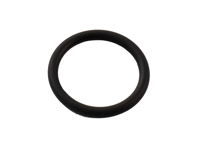
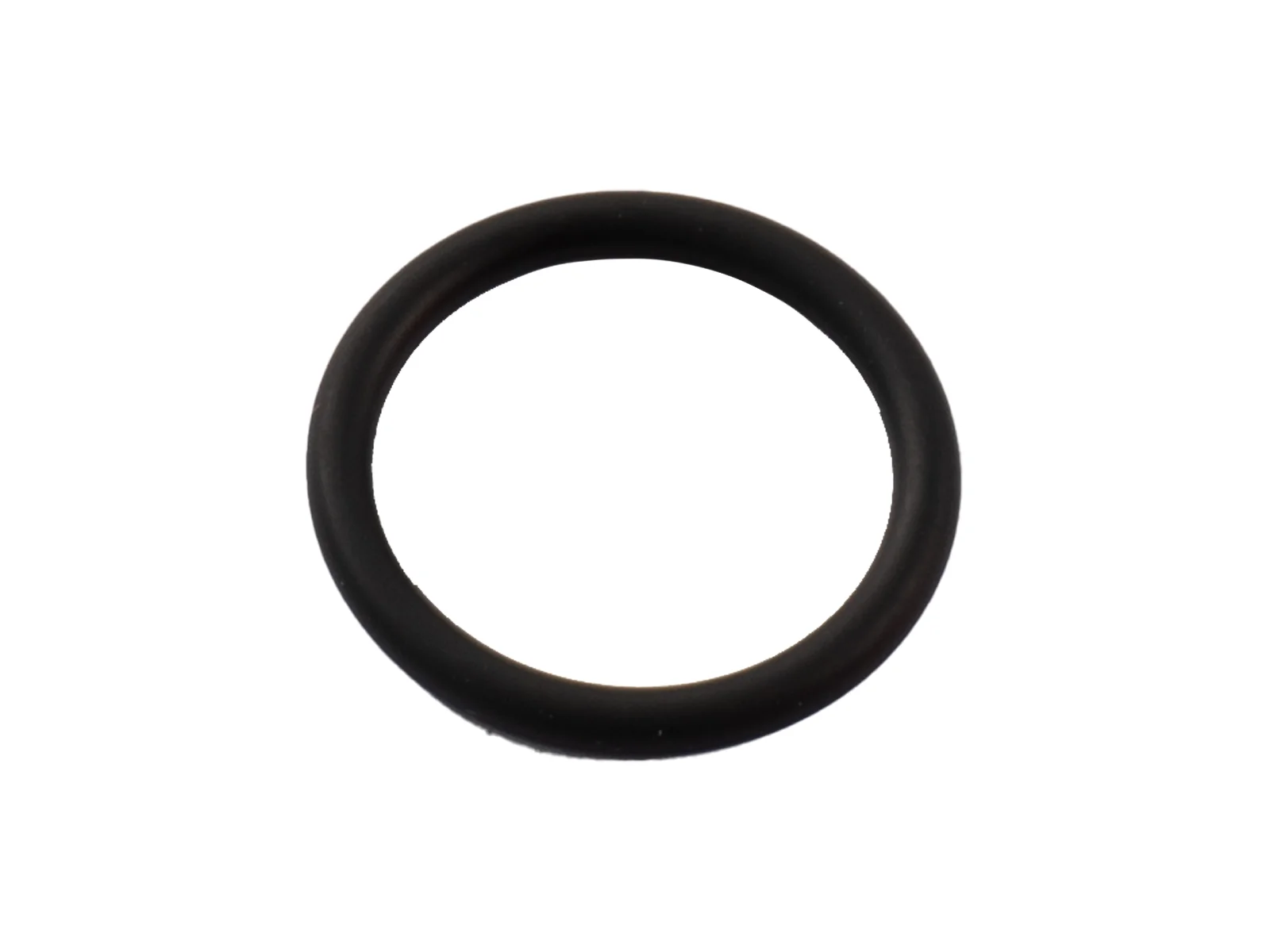
This Porsche Genuine OE O-Ring (Part No. 99970751741) is a precision-engineered sealing ring (22 x 3 mm) used within the engine cooling system, specifically at water/coolant pipe connections. It is commonly referred to as a coolant pipe O-ring, water inlet O-ring, or thermostat housing seal.
Sold individually
Fits:
O-Ring 99970751741 is widely used across multiple Porsche models, including:
Porsche Cayenne (955 / 9YA)
Porsche Panamera (971 / 976)
Fitment / Position on car
• Fitting position: Engine cooling system
• Location: At coolant pipe joints / water inlet connections / thermostat housing
• System: Engine cooling / coolant circulation
Cross Reference / Superseded Numbers: 99970751740 - replaced by 99970751741
The Porsche Genuine OE Coolant Pipe O-Ring 99970751741 is a small but essential sealing component used across many Porsche models. It ensures a leak-free connection within the cooling system, maintaining proper coolant flow, pressure, and engine temperature control. As a genuine Porsche part, it guarantees exact fitment and durability.
Related reference numbers
Related, superseded, cross reference or alternative numbers for comparison.
99970751741
The product you are viewing cross references to these numbers
- Porsche 955 Cayenne 3.2L V6 2003-06
- Porsche 955 Cayenne S 4.5L V8 2003-06
- Porsche 955 Cayenne Turbo 4.5L 2003-06
- Porsche 955 Cayenne Turbo S 4.5L 2006>>
- Porsche 9YA Cayenne V6 3.0L Petrol (340Hp) 2018-23
- Porsche 9YA Cayenne Coupe V6 3.0L Petrol (340Hp) 2019-23
- Porsche 9YA Cayenne E-Hybrid V6 3.0L V6 (340Hp) 2018-23
- Porsche 9YA Cayenne Coupe E-Hybrid V6 3.0L (340Hp) 2020-23
- Porsche 9YA Cayenne S V6 2.9L Petrol (440Hp) 2018-23
- Porsche 9YA Cayenne Coupe S V6 2.9L Petrol (440Hp) 2019-23
- Porsche 9YA Cayenne GTS V8 4.0L Petrol (460Hp) 2020-23
- Porsche 9YA Cayenne Coupe GTS V8 4.0L Petrol (460Hp) 2021-23
- Porsche 9YA Cayenne Turbo V8 4.0L Petrol (550Hp) 2020-23
- Porsche 9YA Cayenne Coupe Turbo V8 4.0L Petrol (550Hp) 2019-23
- Porsche 9YA Cayenne Turbo S E-Hybrid V8 4.0L (550Hp) 2019-23
- Porsche 9YA Cayenne Coupe Turbo S E-Hybrid V8 4.0L (550Hp) 2020-23
- Porsche 9YA Cayenne Coupe Turbo GT V8 4.0L (640Hp) 2021-23
- Porsche 9YA.2 Cayenne V6 3.0L Petrol (353Hp) 2023>>
- Porsche 9YA.2 Cayenne Coupe V6 3.0L (353Hp) 2023>>
- Porsche 9YA.2 Cayenne E-Hybrid V6 3.0L (470Hp) 2023>>
- Porsche 9YA.2 Cayenne E-Hybrid Coupe V6 3.0L (470Hp) 2023>>
- Porsche 9YA.2 Cayenne S V8 4.0L Petrol (474Hp) 2023>>
- Porsche 9YA.2 Cayenne S Coupe V8 4.0L (474Hp) 2023>>
- Porsche 9YA.2 Cayenne S E-Hybrid V6 3.0L (519Hp) 2023>>
- Porsche 9YA.2 Cayenne S E-Hybrid Coupe V6 3.0L (519Hp) 2023>>
- Porsche 9YA.2 Cayenne GTS V8 4.0L Bi-Turbo Petrol 2023>>
- Porsche 9YA.2 Cayenne GTS Coupe V8 4.0L Bi-Turbo 2023>>
- Porsche 9YA.2 Cayenne Turbo E-Hybrid V8 4.0L (739Hp) 2023>>
- Porsche 9YA.2 Cayenne Turbo E-Hybrid Coupe V8 4.0L (739Hp) 2023>>
- Porsche 9YA.2 Cayenne Turbo E-Hybrid Coupe with GT Package V8 4.0 (739Hp) 2023>>
- Porsche 971.1 Panamera V6 3.0L 2WD (330 Hp) 2017-20
- Porsche 971.1 Panamera 4 V6 3.0L 4WD (330 Hp) 2017-20
- Porsche 971.1 Panamera 4 V6 3.0L 4WD Executive 2017-20
- Porsche 971.1 Panamera 4 3.0L Turbocharged V6 Sport Turismo 2017-20
- Porsche 971.1 Panamera 4S V6 3.0L 4WD (440 Hp) 2017-20
- Porsche 971.1 Panamera 4S V6 3.0L 4WD Executive 2017-20
- Porsche 971.1 Panamera 4S 2.9L Twin-Turbo V6 Sport Turismo 2017-20
- Porsche 971.1 Panamera 4S Diesel V8 4.0L 4WD (422 Hp) 2017-18
- Porsche 971.1 Panamera 4S Diesel 4.0L Twin-Turbo V8 Sport Turismo 2017-18
- Porsche 971.1 Panamera 4 E-Hybrid V6 2.9L 4WD 2017-20
- Porsche 971.1 Panamera 4 E-Hybrid V6 2.9L 4WD Executive 2017-20
- Porsche 971.1 Panamera 4 E-Hybrid 2.9L Twin-Turbo V6 Sport Turismo 2017-20
- Porsche 971.1 Panamera Turbo V8 4.0L 4WD (550 Hp) 2017-20
- Porsche 971.1 Panamera Turbo V8 4.0L 4WD Executive 2017-20
- Porsche 971.1 Panamera Turbo 4.0L Twin-Turbo V8 Sport Turismo 2017-20
- Porsche 971.1 Panamera Turbo S E-Hybrid V8 4.0L 4WD 2017-20
- Porsche 971.1 Panamera Turbo S E-Hybrid V8 4.0L 4WD Executive 2017-20
- Porsche 971.2 Panamera 2.9L V6 2021-23
- Porsche 971.2 Panamera 4 2.9L V6 2021-23
- Porsche 971.2 Panamera 4 Sport Turismo 2.9L V6 2021-23
- Porsche 971.2 Panamera 4S 2.9L V6 2021-23
- Porsche 971.2 Panamera 4S Sport Turismo 2.9L V6 2021-23
- Porsche 971.2 Panamera 4 E-Hybrid 2.9L V6 2021-23
- Porsche 971.2 Panamera 4 E-Hybrid Sport Turismo 2.9L V6 2021-23
- Porsche 971.2 Panamera 4S E-Hybrid 2.9L V6 2021-23
- Porsche 971.2 Panamera 4S E-Hybrid Sport Turismo 2.9L V6 2021-23
- Porsche 971.2 Panamera GTS 4.0L V8 2021-23
- Porsche 971.2 Panamera GTS Sport Turismo 4.0L V8 2021-23
- Porsche 971.2 Panamera Turbo S 4.0L V8 2021-23
- Porsche 971.2 Panamera Turbo S Sport Turismo 4.0L V8 2021-23
- Porsche 971.2 Panamera Turbo S E-Hybrid 4.0L V8 2021-23
- Porsche 971.2 Panamera Turbo S E-Hybrid Sport Turismo 4.0L V8 2021-23
- Porsche 976 Panamera V6 2.9L 2023>>
- Porsche 976 Panamera 4 V6 2.9L 2023>>
- Porsche 976 Panamera 4 E-Hybrid V6 2.9L 2023>>
- Porsche 976 Panamera 4S E-Hybrid V6 2.9L 2023>>
- Porsche 976 Panamera GTS V8 4.0L 2023>>
- Porsche 976 Panamera Turbo E-Hybrid V8 4.0L 2023>>
- Porsche 976 Panamera Turbo S E-Hybrid V8 4.0L 2023>>
Shop Securely
12 Month Warranty
Worldwide Delivery
 Express Delivery
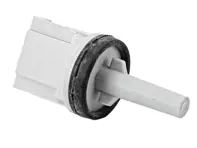
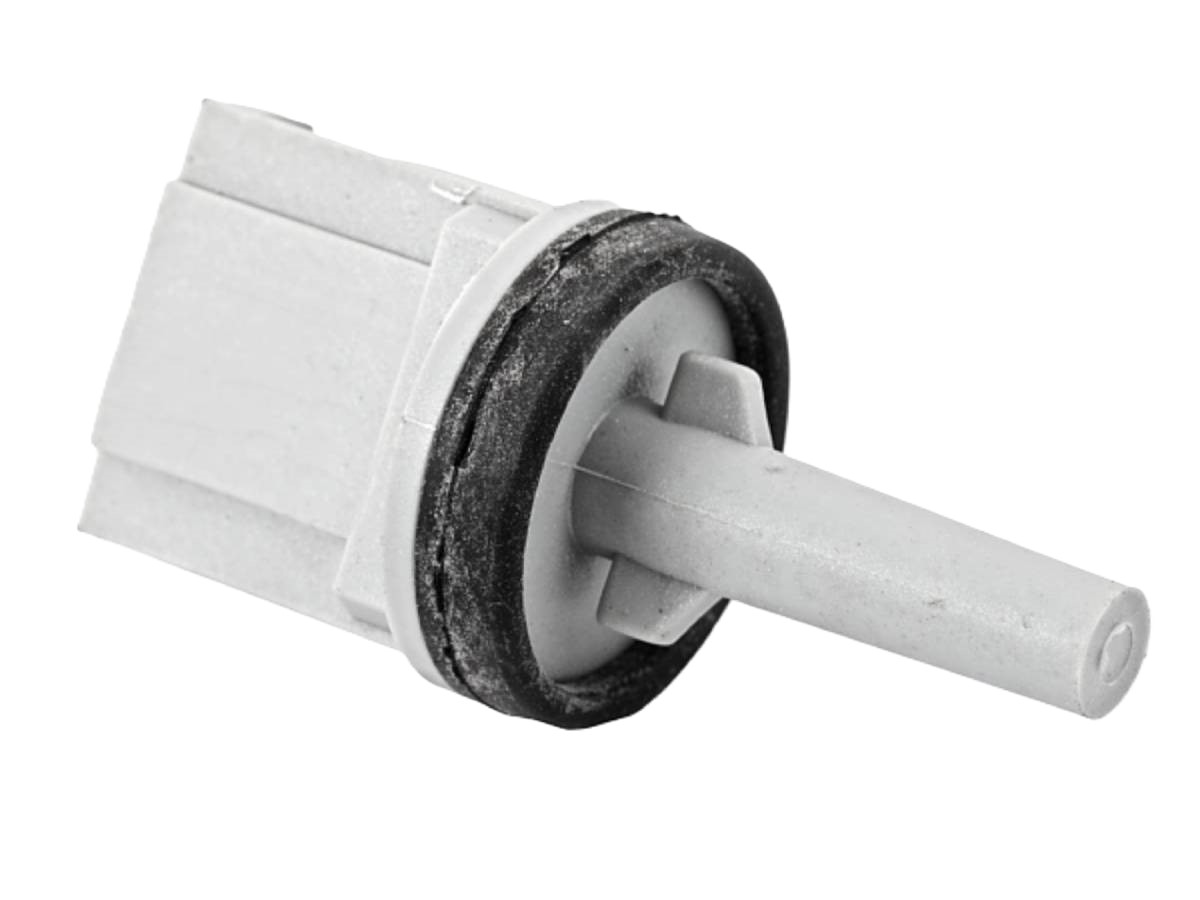
A/C Evaporator Temperature Sensor.
The Porsche A/C Evaporator Temperature Sensor 99657392500 is a genuine replacement temperature sensor for the vehicle's heating, ventilation and air-conditioning system.
Fits:
- Porsche Boxster 986 2.5L 1997-99
- Porsche Boxster 986 2.7L 1999-02
- Porsche Boxster S 986 3.2L 1999-02
- Porsche Boxster 986 2.7L 2003-04
- Porsche Boxster S 986 3.2L 2003-04
- Porsche 996 C2 3.4L 1997-08/01
- Porsche 996 C4 3.4L 1997-08/01
- Porsche 996 C2 3.6L 09/01-2005
- Porsche 996 C4 3.6L 09/01-2005
- Porsche 996 C4S 3.6L 09/01-2005
- Porsche 996 TURBO 2000-05
- Porsche 996 GT2 2001-05
- Porsche 996 GT3 MKI 1999-02
- Porsche 996 GT3 MKII 2003>>
- Porsche 996 GT3 RS 2003-04
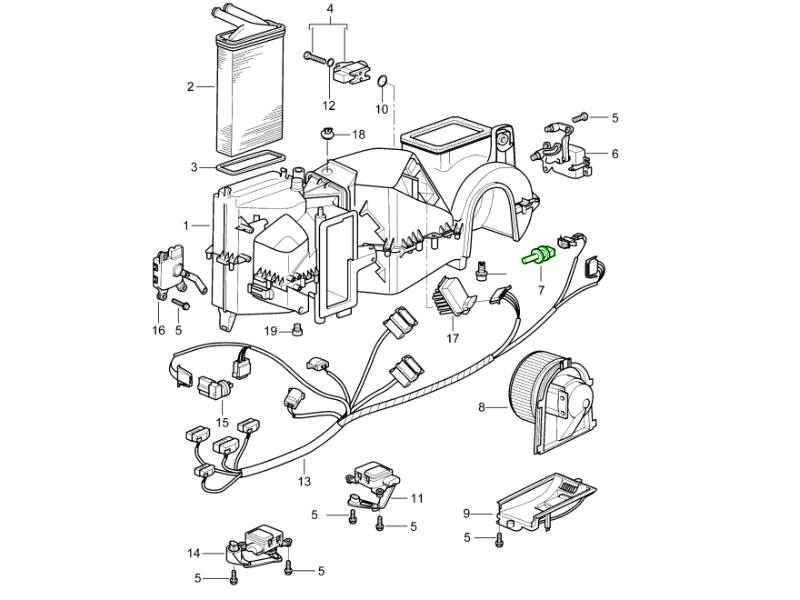
Diagram Ref No 7
Installed within the air-conditioning housing, the sensor monitors temperature around the evaporator and intake-air area and sends this information to the climate-control electronics. The system uses the temperature signal to regulate air-conditioning operation and maintain consistent cabin cooling.
A correctly functioning sensor helps the HVAC system react accurately to temperature changes, prevent excessive evaporator cooling and deliver the selected cabin temperature.
What This Product Does:
The evaporator is the part of the air-conditioning system that absorbs heat from air entering the cabin. As refrigerant passes through it, the evaporator becomes cold and cools the airflow passing across it.
The temperature sensor continuously reports temperature information to the climate-control system so that cooling can be regulated correctly.
Its functions include:
- Monitoring temperature within the A/C evaporator housing
- Sending temperature data to the climate-control module
- Helping regulate compressor and cooling operation
- Supporting consistent cabin temperature control
- Helping prevent the evaporator becoming excessively cold
- Reducing the risk of evaporator icing
- Helping the HVAC system respond correctly to driver temperature settings
- Supporting efficient overall air-conditioning operation
Symptoms Of Wear Or Failure:
Temperature sensors can fail electrically or begin providing inaccurate readings with age.
Common symptoms of a faulty A/C evaporator temperature sensor may include:
- Air-conditioning cooling intermittently
- Cabin temperature not matching the selected setting
- A/C becoming cold and then unexpectedly warming
- Compressor cycling too frequently
- Compressor failing to operate when cooling is requested
- Evaporator icing or freezing
- Reduced airflow caused by ice forming on the evaporator
- Air-conditioning switching off prematurely
- Inconsistent vent temperatures
- Poor or erratic automatic climate-control operation
- HVAC fault codes relating to temperature sensing
- Temperature readings that appear implausible during diagnostic testing
Similar symptoms can also be caused by low refrigerant, a faulty expansion valve, compressor problems or other HVAC sensors, so diagnostic testing is recommended before replacement.
Why Replacement Matters:
- The climate-control system relies on accurate temperature information to regulate the air-conditioning system correctly.
- If the evaporator temperature sensor reports an incorrect value, the control system may believe the evaporator is warmer or colder than it actually is. This can cause the compressor to cycle incorrectly, reduce cooling performance or allow the evaporator to become excessively cold.
- An evaporator that becomes too cold can begin to ice over. As ice builds up on the evaporator surface, airflow through the ventilation system can be restricted and cabin cooling performance may deteriorate.
- Conversely, if the sensor incorrectly reports a temperature that is too low, the system may reduce or stop compressor operation too early, resulting in weak or inconsistent cooling.
- Replacing a faulty temperature sensor restores accurate temperature feedback to the HVAC control system and helps return the air-conditioning system to stable and predictable operation.
Related reference numbers
Related, superseded, cross reference or alternative numbers for comparison.
99657392500
The product you are viewing cross references to these numbers
- Porsche Boxster 986 2.5L 1997-99
- Porsche Boxster 986 2.7L 1999-02
- Porsche Boxster S 986 3.2L 1999-02
- Porsche Boxster 986 2.7L 2003-04
- Porsche Boxster S 986 3.2L 2003-04
- Porsche 996 C2 3.4L 1997-08/01
- Porsche 996 C4 3.4L 1997-08/01
- Porsche 996 C2 3.6L 09/01-2005
- Porsche 996 C4 3.6L 09/01-2005
- Porsche 996 C4S 3.6L 09/01-2005
- Porsche 996 TURBO 2000-05
- Porsche 996 GT2 2001-05
- Porsche 996 GT3 MKI 1999-02
- Porsche 996 GT3 MKII 2003>>
- Porsche 996 GT3 RS 2003-04
Shop Securely
12 Month Warranty
Worldwide Delivery
Express Delivery
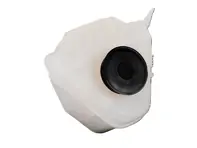
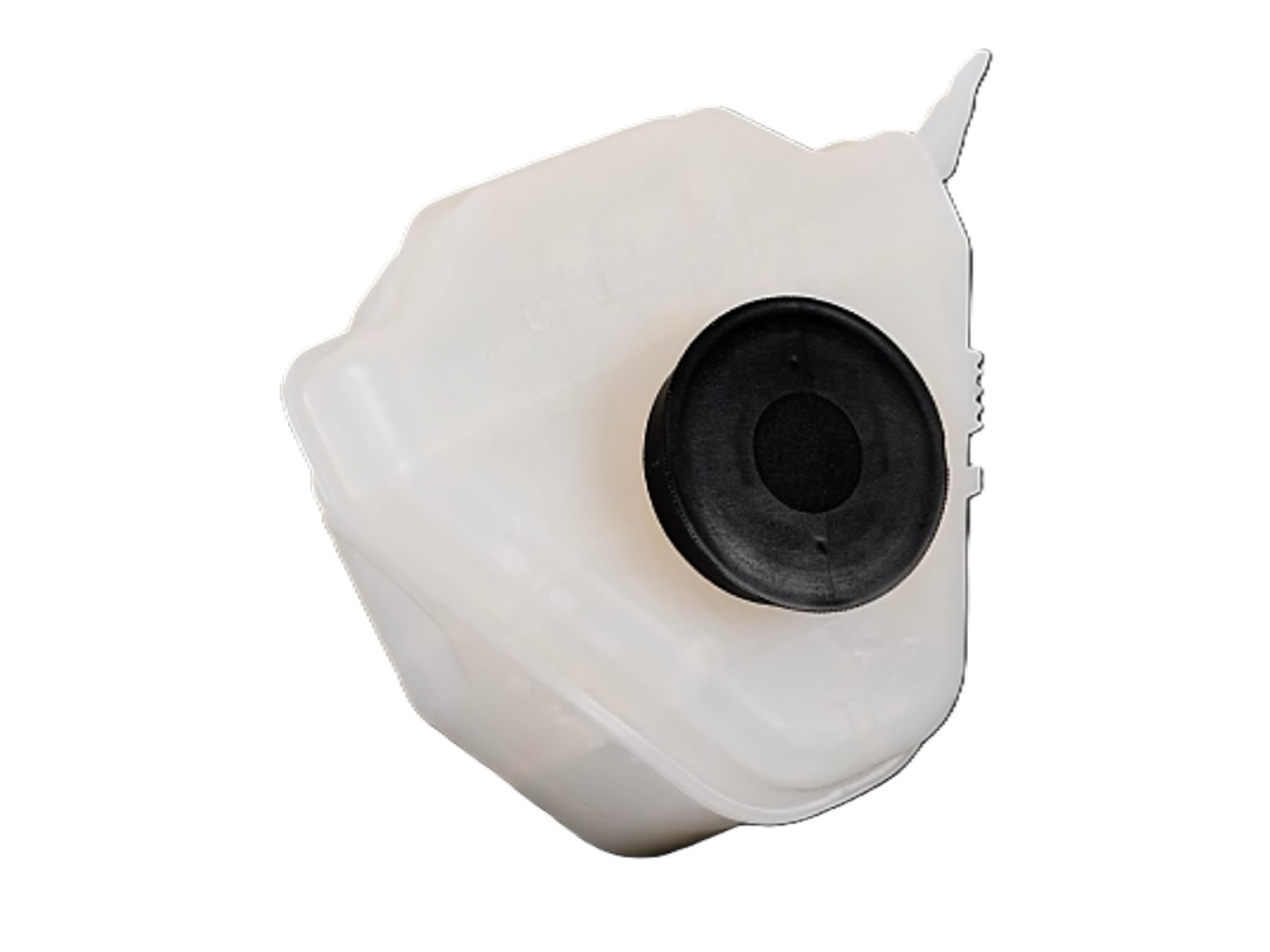
The Porsche Brake Fluid Reservoir is a genuine replacement reservoir designed for Porsche Cayenne 955 and 957 models from 2003–2010.
Fits:
- Porsche 955 Cayenne 3.2L V6 2003-06
- Porsche 955 Cayenne S 4.5L V8 2003-06
- Porsche 955 Cayenne Turbo 4.5L 2003-06
- Porsche 955 Cayenne Turbo S 4.5L 2006>>
- Porsche 957 Cayenne 3.0L Diesel 2007-10
- Porsche 957 Cayenne 3.6L 2007-10
- Porsche 957 Cayenne S / GTS 4.8L 2007-10
- Porsche 957 Cayenne Turbo / Turbo S 4.8L 2007-10
Diagram Ref No 1
Mounted as part of the brake master cylinder assembly, the reservoir stores the brake fluid required by the vehicle's hydraulic braking system and provides a continuous supply of fluid to the master cylinder.
Manufactured to Porsche specifications, it is designed to restore the correct fit, fluid capacity and sealing arrangement when the original reservoir has become cracked, brittle, damaged or contaminated.
What This Product Does:
The brake fluid reservoir holds the hydraulic fluid used to operate the vehicle's braking system.
When the brake pedal is pressed, the master cylinder uses this fluid to generate hydraulic pressure, which is transmitted through the brake lines to the brake calipers.
The reservoir's main functions include:
- Storing the vehicle's brake fluid
- Supplying fluid continuously to the brake master cylinder
- Helping maintain the correct fluid level within the braking system
- Compensating for normal fluid-level changes as brake pads wear
- Providing a sealed container that helps protect brake fluid from contamination
- Supporting reliable hydraulic braking operation
- Allowing the brake fluid level to be visually inspected during servicing
The reservoir itself does not generate braking pressure, but an adequate and uncontaminated fluid supply is essential for the master cylinder and complete hydraulic brake system to work correctly.
Symptoms Of Wear Or Failure:
Brake fluid reservoirs are normally durable, but age, engine-bay heat, vibration and prolonged exposure to brake fluid can cause the plastic to deteriorate.
Common signs that replacement may be required include:
- Visible cracks or splits in the reservoir
- Brake fluid leaking around the reservoir body
- Fluid leakage around the master cylinder connection
- Reservoir plastic becoming brittle or distorted
- Heavy discolouration making the fluid level difficult to see
- Damaged mounting points
- Persistent reduction in brake fluid level
- Moisture or contamination visible inside the reservoir
- Damage around the cap or sealing area
- Brake warning light caused by a low fluid level
- Fluid traces around the reservoir or surrounding components
- Reservoir damage discovered during master cylinder replacement
A falling brake fluid level can also indicate leaks elsewhere in the braking system, so the complete hydraulic system should be inspected before assuming that the reservoir alone is responsible.
Why Replacement Matters:
The braking system relies on a secure and uninterrupted supply of brake fluid.
If the reservoir cracks or begins to leak, the brake fluid level can fall and air may eventually enter the hydraulic circuit. Air in the braking system can result in a soft or spongy pedal and reduced braking effectiveness.
Brake fluid is also hygroscopic, meaning it absorbs moisture. A damaged reservoir or poor seal can allow contamination to enter the fluid, reducing its performance and potentially contributing to corrosion inside hydraulic components.
Replacing a damaged reservoir helps restore:
- A secure brake fluid supply
- Correct hydraulic system operation
- Reliable fluid-level monitoring
- Protection against leaks and contamination
- Consistent brake pedal response
- Correct operation of the master cylinder and braking system
Because the braking system is safety-critical, any reservoir showing cracks, leakage or significant deterioration should be replaced promptly.
Related reference numbers
Related, superseded, cross reference or alternative numbers for comparison.
95535511300
The product you are viewing cross references to these numbers
- Porsche 955 Cayenne 3.2L V6 2003-06
- Porsche 955 Cayenne S 4.5L V8 2003-06
- Porsche 955 Cayenne Turbo 4.5L 2003-06
- Porsche 955 Cayenne Turbo S 4.5L 2006>>
- Porsche 957 Cayenne 3.0L Diesel 2007-10
- Porsche 957 Cayenne 3.6L 2007-10
- Porsche 957 Cayenne S / GTS 4.8L 2007-10
- Porsche 957 Cayenne Turbo / Turbo S 4.8L 2007-10
Shop Securely
12 Month Warranty
Worldwide Delivery
Express Delivery

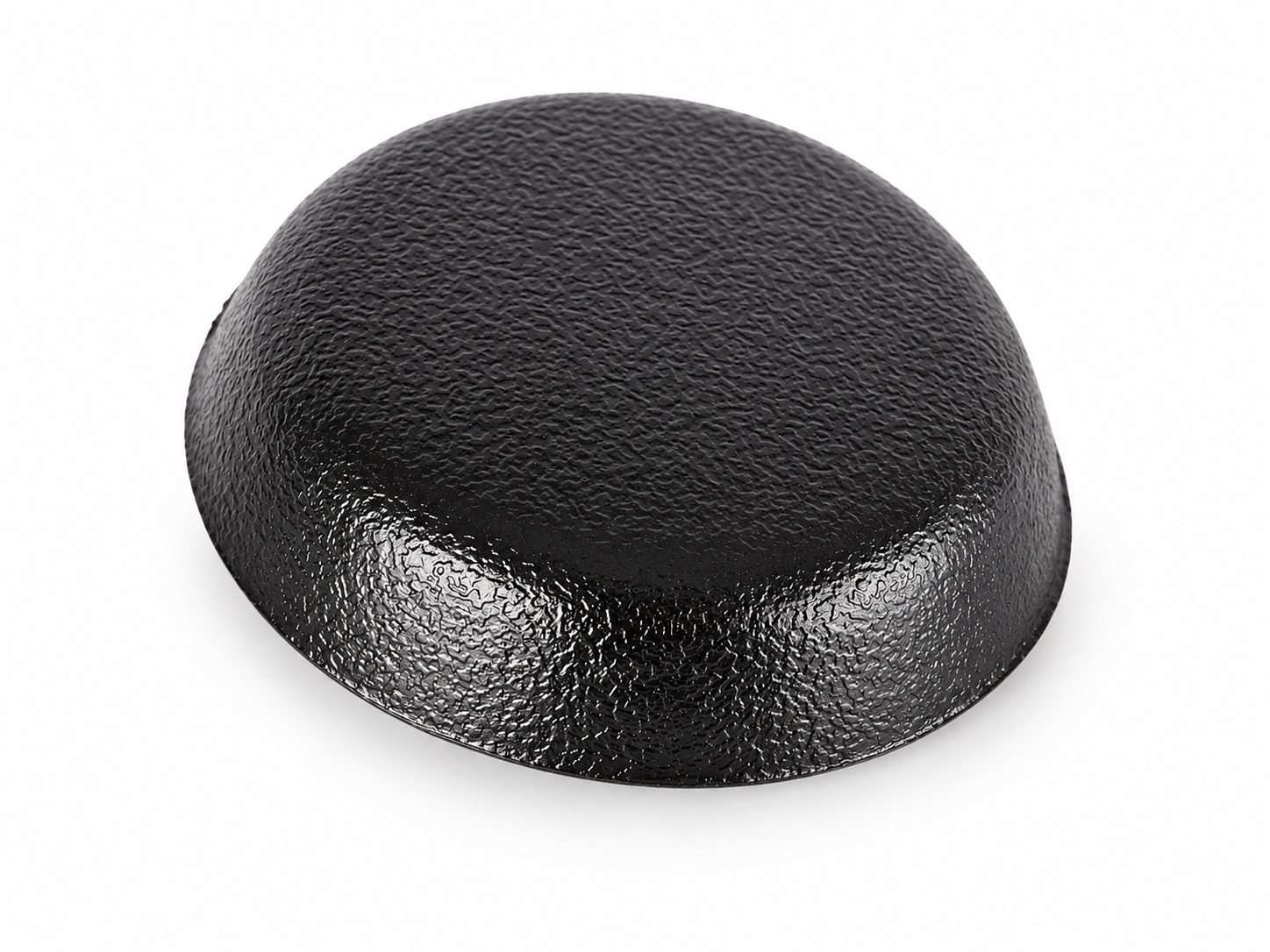
Rear Seat Belt Anchor Bolt Cover Cap, Black.
Fits:
Porsche 911 1984–86 M335 and M185/186
Porsche 911 1987–89
Porsche 964 1989-93
Porsche 993 1994–98
Check fitment for your specific vehicle, including model, year and rear seat belt arrangement, before ordering.
What This Product Does
This cap covers the associated rear seat belt fixing area, giving the installation a neat, factory-style finish. It is a trim component and does not replace the seat belt, buckle, retractor, fastening screw, washer or spacer sleeve.
Functions
- Covers the rear seat belt anchor bolt or fixing area
- Completes the appearance of the rear restraint assembly
- Replaces a missing, loose or damaged original cap
- Retains the factory interior specification
Technical Details
- Component: Rear seat belt fixing cover cap
- Colour: Black
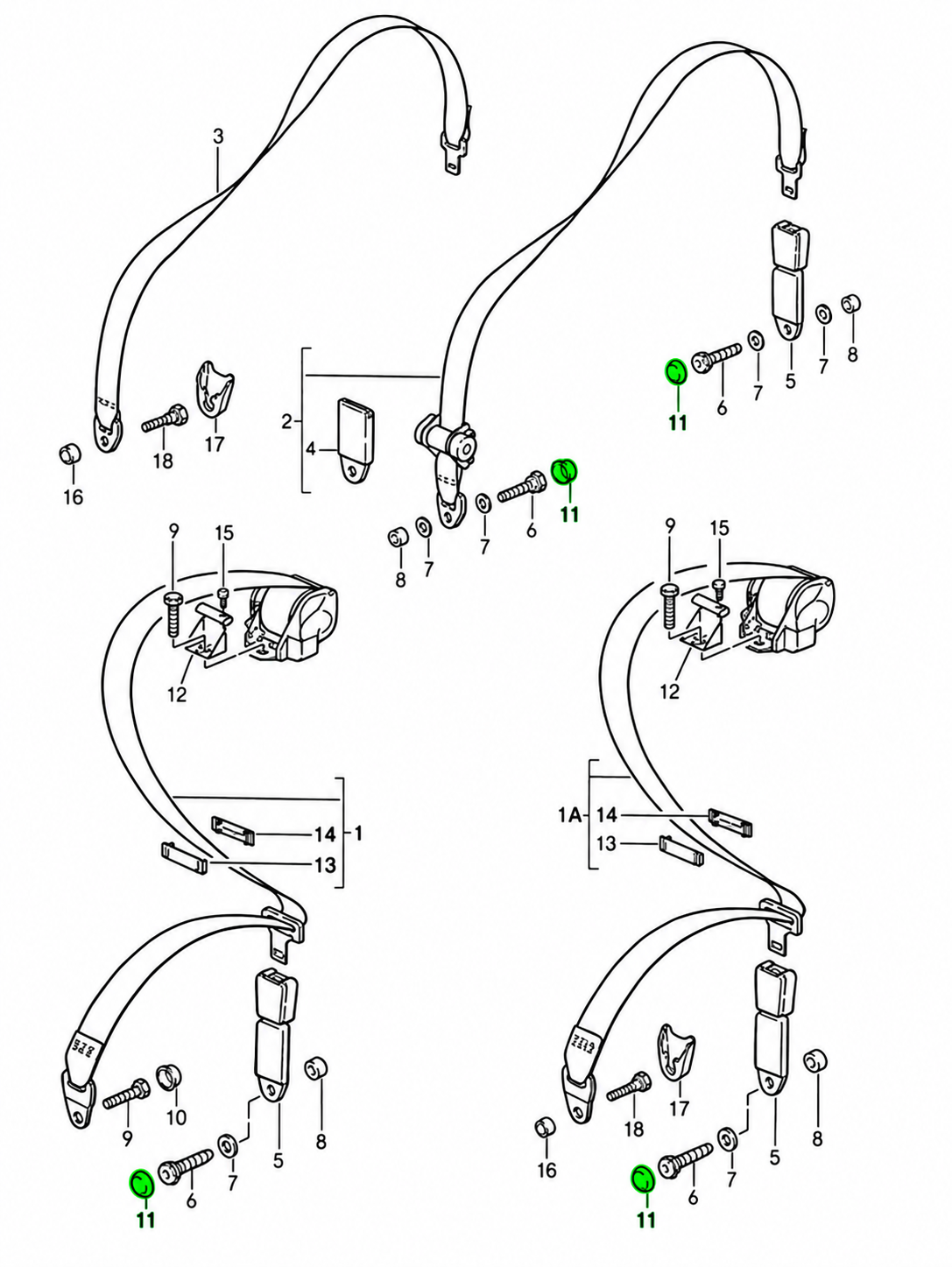
- Diagram quantity for model code M335: 2
- Diagram quantity for model codes M185/186: 4; Porsche 993 diagram quantity: 2
Symptoms of Fault
- Cap is missing from the rear seat belt fixing
- Plastic is cracked, marked or otherwise damaged
- Cap no longer remains securely in position
- Rear belt mounting hardware is visibly exposed
Why Replacement Matters
Renewing a damaged or absent cap restores the intended finish around the rear seat belt installation. As this part is associated with a safety-critical assembly, inspect the belt, buckle, fixings and mounting area separately if wear, corrosion or accident damage is present.
FAQs
- Is this a complete rear seat belt? No. It is the small cover cap used within the rear seat belt installation.
- Does it include the fastening screw or washer? No. Those components are listed separately in the exploded assembly.
- How many caps are required? Diagram quantities vary. M335 applications show two, M185/186 applications show four, and the 993 diagram shows two.
- Should the mounting hardware be inspected? Yes. Check the fixing and mounting point for damage or corrosion and follow the applicable Porsche workshop instructions.
Related reference numbers
Related, superseded, cross reference or alternative numbers for comparison.
9118032590170B
The product you are viewing cross references to these numbers
- Porsche 911 1984-1986 3.2L
- Porsche 911 1987-1989 3.2L G50
- Porsche 911 1978-1989 3.3L Turbo (930)
- Porsche 964 (911) C2 1989-93
- Porsche 964 (911) C4 1989-93
- Porsche 964 (911) TURBO 3.3L 1991-93
- Porsche 964 (911) TURBO 3.6L 1991-93
- Porsche 993 (911) C2 1994-97
- Porsche 993 (911) C4 1994-97
- Porsche 993 (911) RS 1994-97
- Porsche 993 (911) C2S 1994-97
- Porsche 993 (911) C4S 1994-97
- Porsche 993 (911) TURBO 1994-96
- Porsche 993 (911) GT2 1994-97
- Porsche 993 (911) TURBO S 1994-97
Shop Securely
12 Month Warranty
Worldwide Delivery
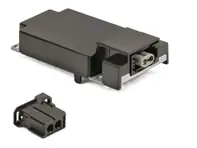
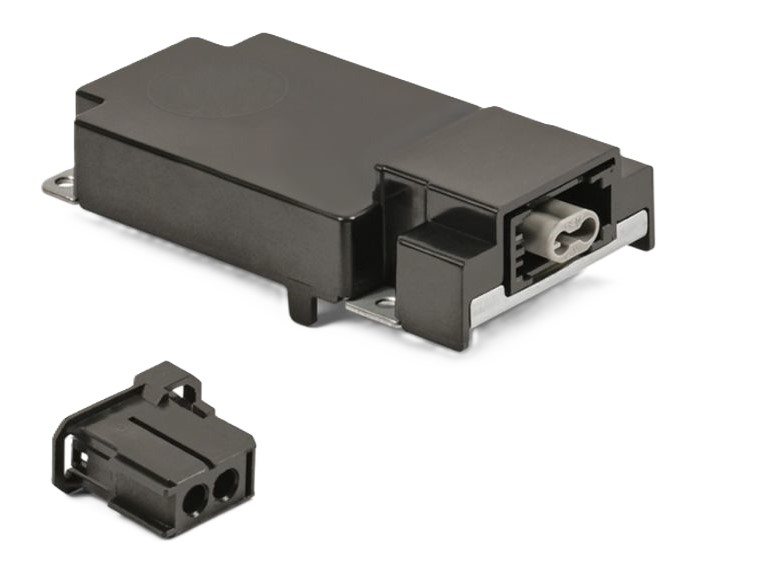
PCCM+ 9X1 Control Unit With Fiber Optic Cable.
The Genuine Porsche PCCM+ 9X1 Control Unit PCG642580A is an electronic control component supplied with a fiber optic cable for compatible Porsche Classic Communication Management Plus (PCCM+) installations.
NOTE: Required For BOSE Or Burmester Sound Systems
Fits:
- Porsche Boxster 981 2.7L 2012-16
- Porsche Boxster 981 S / GTS 3.4L 2012-16
- Porsche Boxster 981 Spyder 3.8L 2016
- Porsche 991.1 Carrera C2 3.4L (350 Bhp) 2012-16
- Porsche 991.1 Carrera C2S / GTS 3.8L (400/430 Bhp) 2012-16
- Porsche 991.1 Carrera C4 3.4L (350 Bhp) 2012-16
- Porsche 991.1 Carrera C4S / GTS 3.8L (400/430 Bhp) 2012-16
- Porsche 991.1 Turbo 3.8L (520 Bhp) 2014-16
- Porsche 991.1 Turbo S 3.8L (560 Bhp) 2014-16
- Porsche 991.1 R 4.0L (500 Bhp) 2016
- Porsche 991.1 GT3 3.8L (475 Bhp) 2014-16
- Porsche 991.1 GT3 RS 4.0L (500 Bhp) 2015-16
- Porsche Cayman 2.7L 981 2013-16
- Porsche Cayman S / GTS 3.4L 981 2013-16
- Porsche Cayman GT4 3.8L 2015-16
Designed for the PCCM+ communication and infotainment system, the control unit supports the electronic integration and communication required between compatible vehicle equipment and the PCCM+ system. The included fiber optic cable provides the optical data connection required within the relevant vehicle communication network.
What This Product Does:
The PCCM+ control unit forms part of the electronic architecture required for compatible Porsche Classic Communication Management Plus installations.
Its role is to support communication and integration between the PCCM+ equipment and relevant vehicle systems.
Depending on the vehicle specification and PCCM+ installation, the control unit helps:
- Support PCCM+ system communication
- Interface with compatible vehicle electronics
- Transfer system data
- Support integration of the PCCM+ installation
- Maintain communication with compatible connected components
- Provide the required electronic interface for the system
- Support correct operation of the PCCM+ equipment
The exact functions available depend on the vehicle specification, installed equipment and PCCM+ configuration.
What Does The Fiber Optic Cable Do:
- The supplied fiber optic cable carries digital information using optical signals rather than a conventional electrical data conductor.
- Fiber optic communication is used in compatible vehicle multimedia networks to provide fast and reliable data transfer between connected electronic modules.
- The cable helps establish the required optical communication path between compatible components.
- A damaged, incorrectly connected or interrupted fiber optic link can prevent one or more components on the network from communicating correctly.
Symptoms Of Wear Or Failure:
Electronic control-unit faults can produce a range of communication and infotainment-related problems.
Possible symptoms can include:
- PCCM+ functions not operating correctly
- Infotainment system communication faults
- Certain connected functions becoming unavailable
- Intermittent system operation
- System failing to initialise correctly
- Communication-related diagnostic trouble codes
- Connected components not being recognised
- Loss of communication with another module
- System restarting or behaving inconsistently
- Functions remaining unavailable after normal system checks
These symptoms do not automatically confirm failure of the control unit. Power supply, wiring, connectors, fiber optic connections, configuration and other connected modules should also be diagnosed.
Why Replacement Matters:
If the PCCM+ 9X1 control unit is confirmed faulty, replacing it can help restore the communication and integration required for correct operation of the compatible PCCM+ system.
Replacement can help:
- Restore system communication
- Restore correct PCCM+ integration
- Resolve confirmed control-unit faults
- Restore communication with compatible connected components
- Correct intermittent electronic operation caused by the failed unit
- Restore functions affected by communication loss
- Provide the required control component for a compatible PCCM+ installation
The included fiber optic cable also provides a replacement optical connection where the existing cable is damaged, missing or unsuitable.
Related reference numbers
Related, superseded, cross reference or alternative numbers for comparison.
PCG642580A
The product you are viewing cross references to these numbers
- Porsche Boxster 981 2.7L 2012-16
- Porsche Boxster 981 S / GTS 3.4L 2012-16
- Porsche Boxster 981 Spyder 3.8L 2016
- Porsche 991.1 Carrera C2 3.4L (350 Bhp) 2012-16
- Porsche 991.1 Carrera C2S / GTS 3.8L (400/430 Bhp) 2012-16
- Porsche 991.1 Carrera C4 3.4L (350 Bhp) 2012-16
- Porsche 991.1 Carrera C4S / GTS 3.8L (400/430 Bhp) 2012-16
- Porsche 991.1 Turbo 3.8L (520 Bhp) 2014-16
- Porsche 991.1 Turbo S 3.8L (560 Bhp) 2014-16
- Porsche 991.1 R 4.0L (500 Bhp) 2016
- Porsche 991.1 GT3 3.8L (475 Bhp) 2014-16
- Porsche 991.1 GT3 RS 4.0L (500 Bhp) 2015-16
- Porsche Cayman 2.7L 981 2013-16
- Porsche Cayman S / GTS 3.4L 981 2013-16
- Porsche Cayman GT4 3.8L 2015-16
Shop Securely
12 Month Warranty
Worldwide Delivery

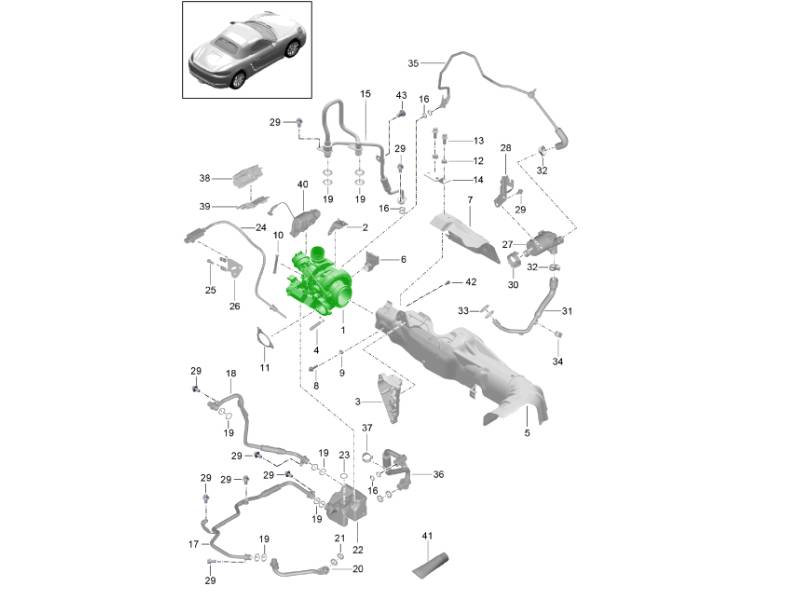
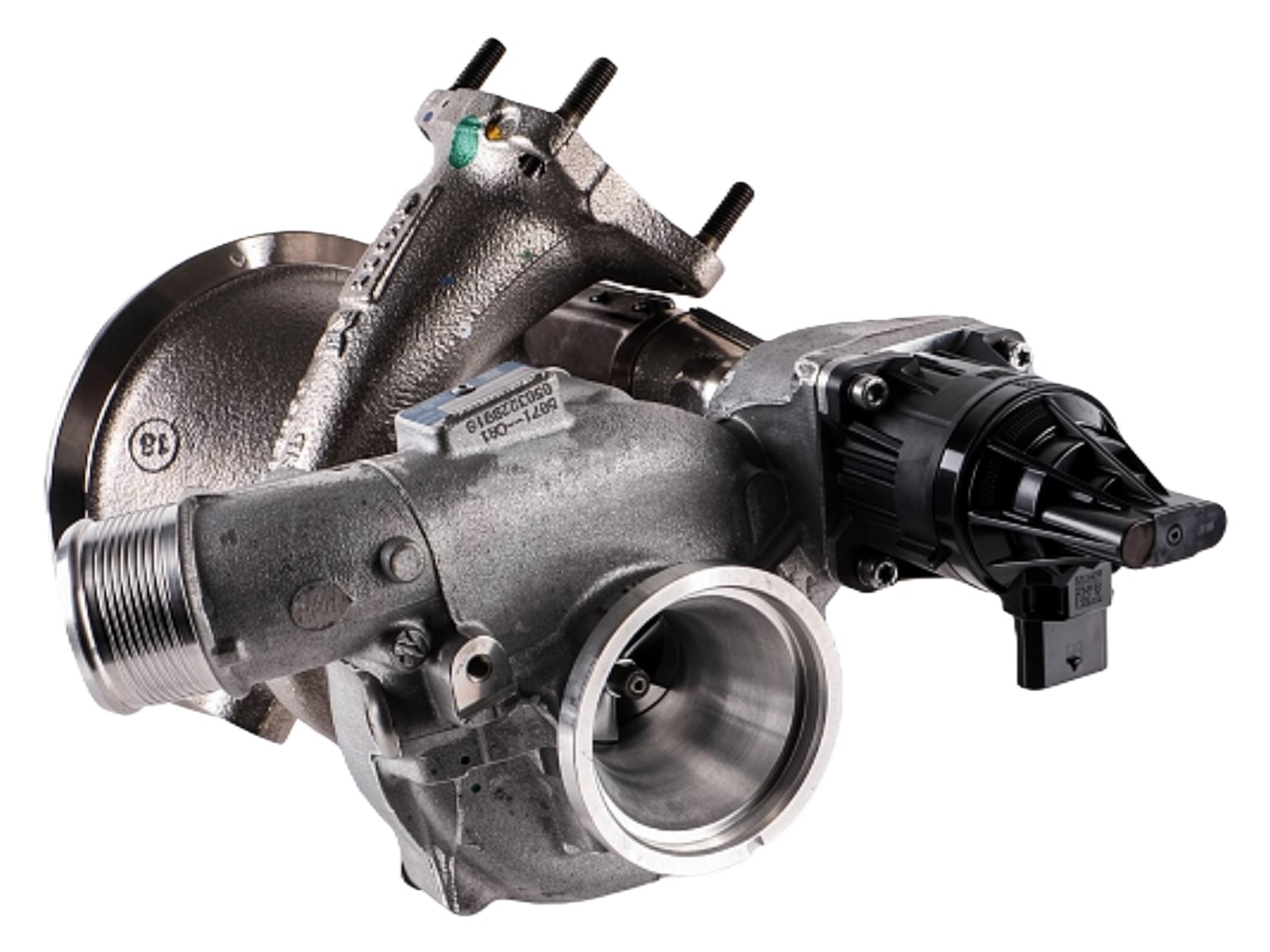
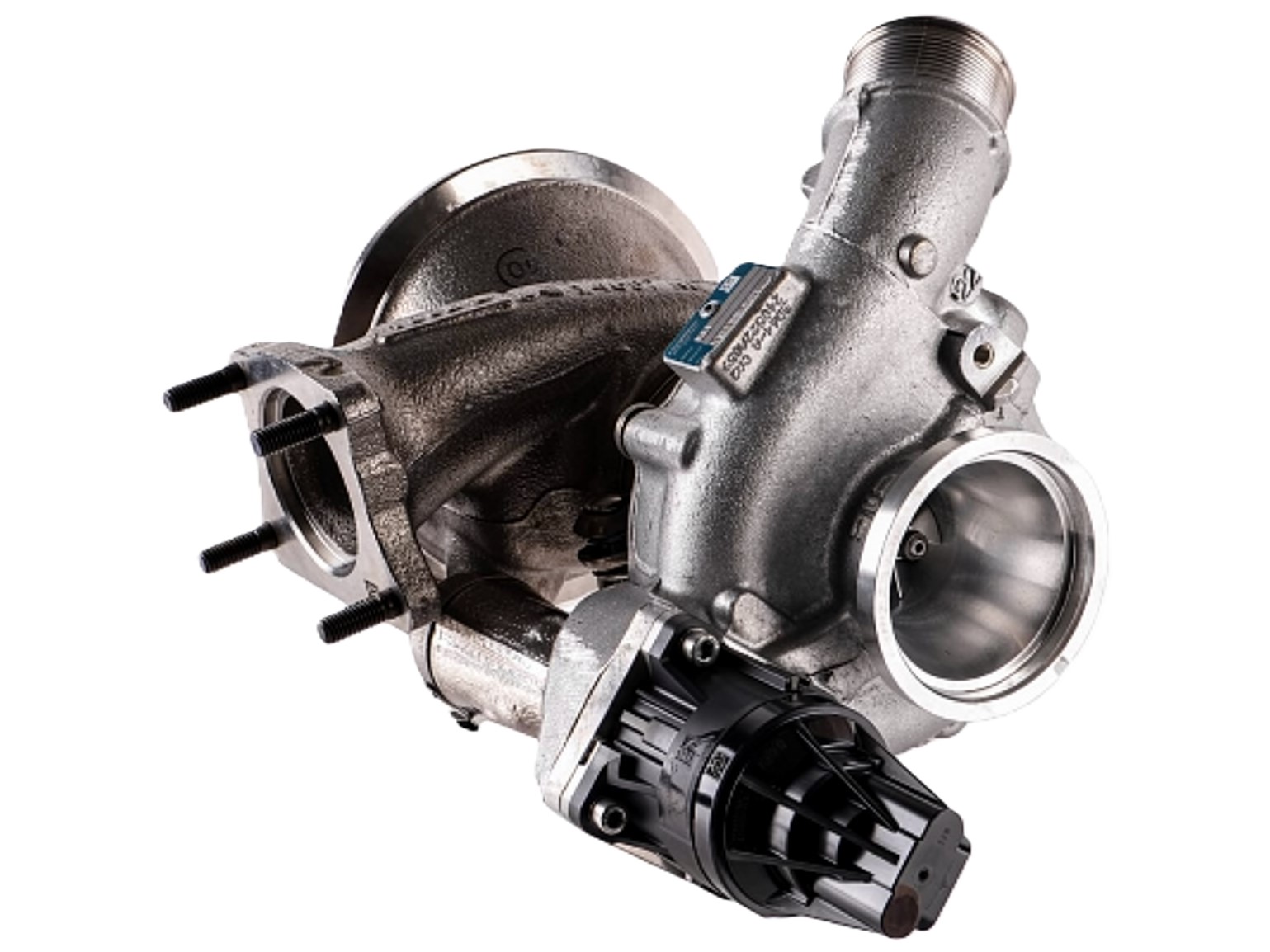
The Genuine Porsche Turbocharger 0PC145701E is a replacement forced-induction component designed to restore correct boost pressure, engine performance and turbocharger operation on compatible Porsche applications.
Fits:
- Porsche Boxster 718 2.0L Manual (300 Bhp) 2022>>
- Porsche Boxster 718 2.0L PDK (300 Bhp) 2022>>
- Porsche Cayman 718 2.0L Manual (300 Bhp) 2022>>
- Porsche Cayman 718 2.0L PDK (300 Bhp) 2022>>
DDPB / DDP / DDPA / DNY / DNYA / DPG
Diagram Ref No 1
The turbocharger uses energy from the engine's exhaust gases to drive a turbine connected to a compressor. The compressor forces additional air into the engine, allowing the engine management system to produce the required power and torque efficiently.
A worn or damaged turbocharger can cause significant reductions in performance and may lead to excessive oil consumption, smoke, abnormal noise and engine-management faults. Correct diagnosis is essential before replacement because intake leaks, boost-control problems, sensors and other engine faults can produce similar symptoms.
What This Product Does:
The turbocharger increases the amount of air supplied to the engine.
Exhaust gases leaving the engine rotate the turbocharger's turbine wheel. The turbine is connected by a shaft to the compressor wheel on the intake side.
As the compressor rotates, it compresses intake air and supplies it to the engine under pressure.
This process helps the engine produce:
- Increased power
- Increased torque
- Stronger acceleration
- Correct boost pressure
- Improved engine response
- Efficient performance from the available engine capacity
The turbocharger must operate at extremely high rotational speeds and temperatures, making correct lubrication, cooling and clean airflow essential to its service life.
Symptoms Of Wear Or Failure:
Turbocharger problems can develop through bearing wear, lubrication problems, contamination, excessive temperatures, foreign-object damage or faults elsewhere in the engine and boost-control system.
Common symptoms can include:
- Loss of engine power
- Reduced boost pressure
- Slow or delayed boost response
- Poor acceleration
- Engine warning light
- Underboost fault codes
- Overboost fault codes
- Limp-home mode
- Increased oil consumption
- Blue or grey exhaust smoke
- Oil contamination within intake or boost pipes
- Oil accumulation in the intercooler system
- Whining or siren-like turbo noise
- Grinding or scraping noises
- Excessive turbocharger shaft movement
- Damaged compressor or turbine blades
- Inconsistent or fluctuating boost pressure
These symptoms do not always prove that the turbocharger itself has failed. The complete forced-induction system should be diagnosed before replacement.
Why Replacement Matters:
A worn or damaged turbocharger can significantly affect engine performance and reliability.
Replacing a confirmed defective turbocharger can help:
- Restore correct boost pressure
- Restore engine power
- Restore torque
- Improve acceleration
- Restore throttle response
- Correct turbocharger-related noises
- Reduce turbo-related oil leakage
- Resolve confirmed turbocharger-related fault codes
- Restore reliable forced-induction operation
- Reduce the risk of further damage caused by a mechanically failing turbo
Continued operation with a severely damaged turbocharger can potentially cause secondary damage to intake, exhaust or engine components.
Related reference numbers
Related, superseded, cross reference or alternative numbers for comparison.
0PC145701E
The product you are viewing cross references to these numbers
- Porsche Boxster 718 2.0L Manual (300 Bhp) 2017>>
- Porsche Boxster 718 2.0L PDK (300 Bhp) 2017>>
- Porsche Cayman 718 2.0L Manual (300 Bhp)
- Porsche Cayman 718 2.0L PDK (300 Bhp)
Shop Securely
12 Month Warranty
Worldwide Delivery
Free delivery

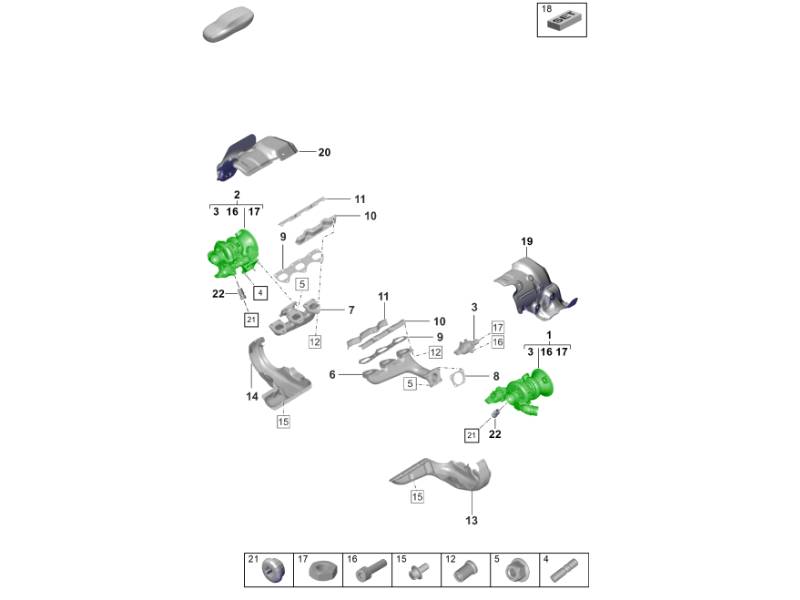
The Genuine Porsche Turbocharger PAB145653B / PAB145654A is a replacement forced-induction component for compatible Porsche applications. The turbocharger plays a critical role in generating the boost pressure and increased intake airflow required for the engine to produce its intended power, torque, acceleration and throttle response.
Fits:
- Porsche 9YA Cayenne Coupe Turbo GT V8 4.0L (640Hp) 2021-23
- Porsche 9YA.2 Cayenne GTS V8 4.0L Bi-Turbo Petrol 2023>>
- Porsche 9YA.2 Cayenne GTS Coupe V8 4.0L Bi-Turbo 2023>>
Diagram Ref No 1 And 2
Turbochargers operate at extremely high rotational speeds and temperatures. Correct lubrication, cooling, intake airflow, exhaust flow and boost control are therefore essential for reliable operation and long service life.
What This Product Does:
The turbocharger uses energy from the engine's exhaust gases to increase the pressure and quantity of air supplied to the engine.
Exhaust gases leaving the engine spin a turbine wheel inside the turbocharger. The turbine is connected by a shaft to a compressor wheel on the intake side. As the compressor rotates, it draws in fresh air, compresses it and supplies it to the engine under boost pressure.
Correct turbocharger operation helps:
- Generate the required boost pressure
- Increase intake airflow
- Support the intended engine power and torque
- Maintain strong acceleration
- Provide responsive power delivery
- Maintain consistent forced-induction performance
- Make effective use of exhaust-gas energy
The turbocharger works alongside the vehicle's engine-management, intake, intercooling, lubrication, cooling, exhaust and boost-control systems.
Symptoms Of Wear Or Failure:
A worn, damaged or malfunctioning turbocharger can produce a range of mechanical, performance and engine-management symptoms.
Common warning signs include:
- Loss of engine power
- Reduced boost pressure
- Slow or delayed boost response
- Poor acceleration
- Inconsistent power delivery
- Engine-management warning light
- Underboost or overboost fault codes
- Limp or reduced-power mode
- Increased engine oil consumption
- Blue or grey exhaust smoke
- Excessive oil in intake or boost pipework
- Unusual whining or siren-like noises
- Grinding or scraping noises
- Excessive turbocharger shaft play
- Compressor or turbine wheel damage
- Abnormal or fluctuating boost pressure
These symptoms do not automatically confirm turbocharger failure. Intake leaks, intercooler faults, sensors, actuators, exhaust restrictions and other boost-control problems can produce similar symptoms.
Why Replacement Matters:
A correctly functioning turbocharger is essential for maintaining the intended performance and operation of a turbocharged Porsche engine.
Replacing a confirmed worn, damaged or failed turbocharger helps:
- Restore correct boost pressure
- Restore engine power
- Restore torque
- Improve acceleration
- Restore throttle response
- Reduce abnormal turbocharger noise
- Address oil leakage caused by internal turbo wear
- Restore consistent forced-induction operation
- Support correct engine-management operation
- Reduce the risk of secondary component damage
A turbocharger suffering severe bearing, shaft, compressor or turbine damage should not remain in service.
Related reference numbers
Related, superseded, cross reference or alternative numbers for comparison.
PAB14565
The product you are viewing cross references to these numbers
- Porsche 9YA Cayenne Coupe Turbo GT V8 4.0L (640Hp) 2021-23
- Porsche 9YA.2 Cayenne GTS V8 4.0L Bi-Turbo Petrol 2023>>
- Porsche 9YA.2 Cayenne GTS Coupe V8 4.0L Bi-Turbo 2023>>
Shop Securely
12 Month Warranty
Worldwide Delivery
Free delivery
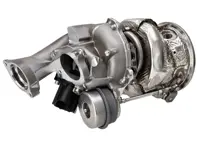
The Genuine Porsche Turbocharger PAB145703E / PAB145704D is a replacement forced-induction component for compatible Porsche applications. The turbocharger is responsible for generating the boost pressure and increased intake airflow required for the engine to deliver its intended power, torque, acceleration and response.
Fits:
- Porsche 971.1 Panamera Turbo 4.0L Twin-Turbo V8 Sport Turismo 2017-20
Diagram Ref No 1 And 2
Turbochargers operate at extremely high rotational speeds and temperatures. Correct engine oil supply, cooling, intake airflow, exhaust flow and boost control are therefore essential for reliable operation and long service life.
What This Product Does:
A turbocharger uses energy from the engine's exhaust gases to compress the incoming air supplied to the engine.
Exhaust gases drive a turbine wheel inside the turbocharger. The turbine is connected by a shaft to a compressor wheel on the intake side. As the compressor rotates, it draws in fresh air, compresses it and supplies it to the engine under boost pressure.
Correct turbocharger operation helps:
- Generate the required boost pressure
- Increase intake airflow
- Support the intended engine power and torque
- Maintain strong acceleration
- Provide responsive power delivery
- Maintain consistent forced-induction performance
- Make effective use of exhaust-gas energy
The turbocharger operates as part of a complete system that includes the engine management, intake, intercooling, lubrication, cooling, exhaust and boost-control components.
Symptoms Of Wear Or Failure:
A worn, damaged or failing turbocharger can produce a variety of performance, mechanical and engine-management symptoms.
Common warning signs include:
- Loss of engine power
- Reduced boost pressure
- Slow or delayed boost response
- Poor acceleration
- Inconsistent power delivery
- Engine-management warning light
- Underboost or overboost fault codes
- Limp or reduced-power mode
- Increased engine oil consumption
- Blue or grey exhaust smoke
- Excessive oil in intake or boost pipework
- Unusual whining or siren-like noises
- Grinding or scraping noises
- Excessive turbocharger shaft play
- Compressor or turbine wheel damage
- Abnormal or fluctuating boost pressure
These symptoms do not automatically confirm turbocharger failure. Boost leaks, intercooler problems, sensors, actuators, exhaust restrictions and other engine-management faults can produce similar symptoms.
The system should be correctly diagnosed before replacing the turbocharger.
Why Replacement Matters:
A correctly functioning turbocharger is essential for maintaining the intended performance and operation of a turbocharged Porsche engine.
Replacing a confirmed worn or damaged turbocharger helps:
- Restore correct boost pressure
- Restore engine power
- Restore torque
- Improve acceleration
- Restore throttle response
- Reduce abnormal turbocharger noise
- Address oil leakage caused by internal turbo wear
- Restore consistent forced-induction operation
- Support correct engine-management operation
- Reduce the risk of secondary component damage
A turbocharger suffering severe bearing, shaft, compressor or turbine damage should not remain in service.
Related reference numbers
Related, superseded, cross reference or alternative numbers for comparison.
PAB14570
The product you are viewing cross references to these numbers
- Porsche 971.1 Panamera Turbo 4.0L Twin-Turbo V8 Sport Turismo 2017-20
Shop Securely
12 Month Warranty
Worldwide Delivery
Free delivery
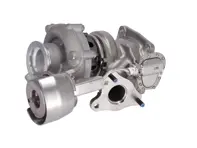
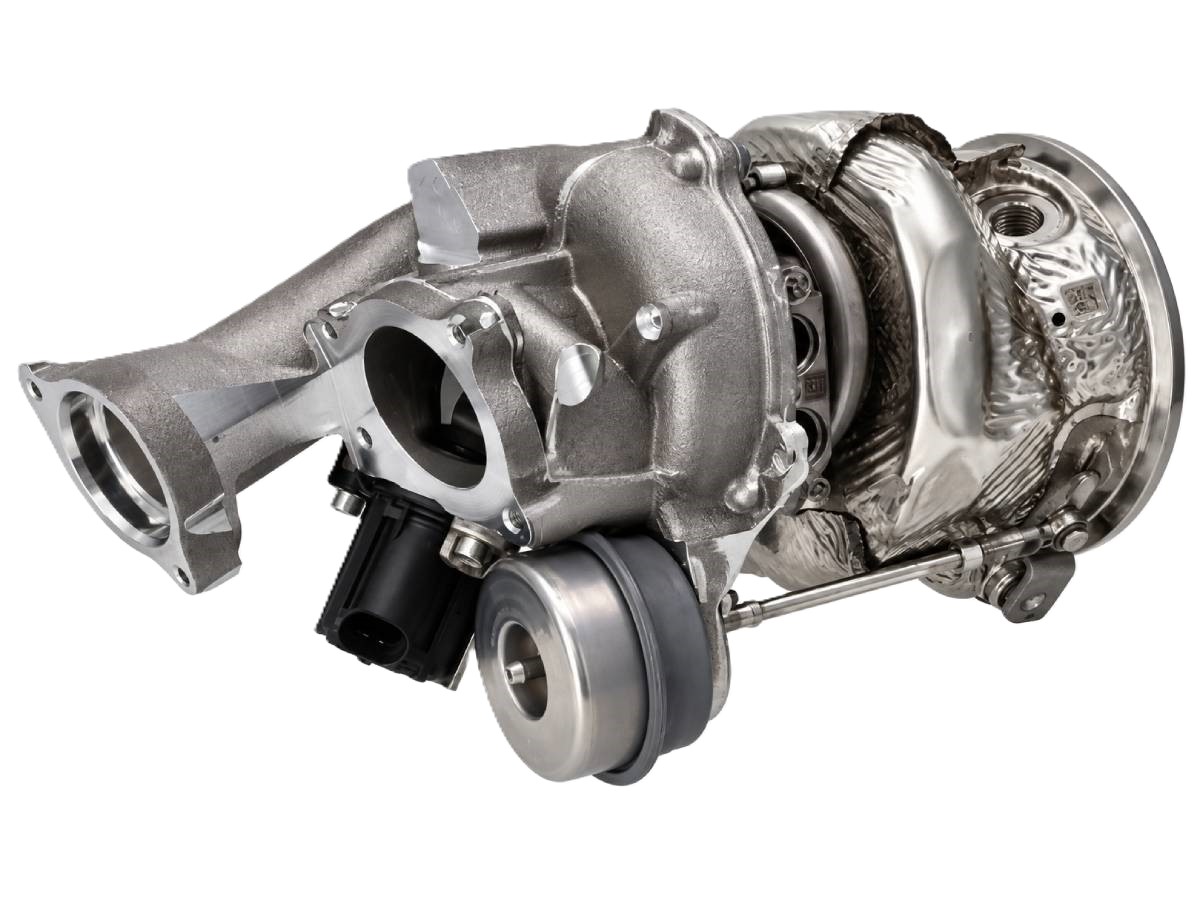
This original Porsche exhaust gas turbocharger forms part of the twin-turbocharged 3.0L flat-six engine system, helping deliver boost pressure, engine response and factory Porsche performance.
The turbochargers are sold individually, allowing you to replace only the affected side when required.
Fits:
Porsche 991.2 Carrera S / Carrera 4S / Targa 4S 3.0L 2017 – 2019
* engine code: DCH, DCHA
* WITHOUT (X51) Powerkit / WITHOUT (147) Carrera Power kit
Important Fitment Information:
These turbochargers are designed for the 420 PS Carrera S-specification 3.0L engine. They should not be confused with the smaller turbochargers fitted to the standard Carrera / Carrera 4 / Targa 4 models. They are also not the same turbocharger specification as that used on the higher-output 991.2 GTS.
These turbochargers replace earlier Porsche references and are ideal for restoring boost pressure, performance and factory turbocharging reliability with Genuine Porsche quality.
What This Part Does / Functions
• Uses exhaust gas energy to drive the compressor wheel
• Pressurises intake air before it enters the engine
• Helps deliver factory boost pressure and engine output
• Supports throttle response and torque delivery
• Works with the charge air, wastegate and engine management systems
• Replaces a worn, noisy, smoking or failed original turbocharger
• Provides correct Genuine Porsche fitment and specification
• Helps restore original Porsche performance and drivability.
Why Replace This Part?
Turbochargers operate at extremely high temperatures and rotational speeds. Over time, internal bearings, oil seals, turbine components, compressor components or wastegate parts can wear or fail. A faulty turbocharger may cause smoke, loss of boost, rattling, excessive oil consumption, boost control faults or reduced engine performance. Replacing a failed unit with a Genuine Porsche turbocharger helps restore correct OE boost pressure, fitment and reliability for the 991.2 Carrera S 3.0L turbocharged engine.
Common Symptoms of a Faulty Turbocharger
• Loss of boost or reduced engine power
• Blue or white smoke from the exhaust
• Excessive oil consumption
• Whistling, siren-like noise or grinding from the turbo area
• Wastegate rattle or boost control faults
• Check engine light or turbocharger-related fault codes
• Oil leakage around the turbocharger or charge air system
• Poor throttle response or limp mode
• Excessive shaft play confirmed during inspection.
When to Replace This Part
• If the turbocharger has failed mechanically
• If diagnostic testing confirms boost pressure or wastegate faults
• If oil seal failure causes smoke or oil contamination
• If compressor or turbine wheel damage is found
• If the turbocharger has excessive bearing play
• During major engine or exhaust system repairs
• If the turbo has been damaged by oil starvation, contamination or foreign object debris.
Where It Fits on the Car
These turbochargers fit on the engine exhaust / turbocharging system of the Porsche 991.2 Carrera S 3.0L flat-six engine.
9A212303106 fits the left side / cylinders 1–3
9A212303206 fits the right side / cylinders 4–6
Correct side and engine specification selection is essential before ordering.
Related reference numbers
Related, superseded, cross reference or alternative numbers for comparison.
9A212303
The product you are viewing cross references to these numbers
- Porsche 991.2 Carrera 2S / GTS 3.0L (420/450 Bhp) 2016-19
- Porsche 991.2 Carrera 4S / GTS 3.0L (420/450 Bhp) 2016-19
- Porsche 991.2 Cabriolet 2S / GTS 3.0L (420/450 Bhp) 2016-19
- Porsche 991.2 Cabriolet 4S / GTS 3.0L (420/450 Bhp) 2016-19
- Porsche 991.2 Targa 4S / GTS 3.0L (420/450 Bhp) 2016-19
Shop Securely
12 Month Warranty
Worldwide Delivery
Free delivery
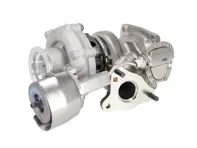
This original Porsche exhaust gas turbocharger forms part of the twin-turbocharged 3.0L flat-six engine system, helping deliver boost pressure, engine performance and factory Porsche drivability.
The turbochargers are sold individually, allowing you to replace only the affected side when required.
Fits:
Porsche 991.2 Carrera / Carrera 4 / Carrera T 3.0L 2017 - 2019
* engine code: DCK, DCKA
These turbochargers replace earlier Porsche references and are ideal for restoring boost pressure, performance and factory turbocharging reliability with Genuine Porsche quality.
What This Part Does / Functions
• Uses exhaust gas energy to drive the compressor wheel
• Pressurises intake air before it enters the engine
• Helps deliver factory boost pressure and engine output
• Supports throttle response and torque delivery
• Works with the charge air, wastegate and engine management systems
• Replaces a worn, noisy, smoking or failed original turbocharger
• Provides correct Genuine Porsche fitment and specification
• Helps restore original Porsche performance and drivability.
Why Replace This Part?
Turbochargers operate at extremely high temperature and rotational speed. Over time, internal bearings, seals, wastegate components or compressor / turbine parts can wear or fail. A faulty turbocharger may cause smoke, loss of boost, rattling, oil consumption, boost control faults or reduced engine performance. Replacing the failed unit with a Genuine Porsche turbocharger helps restore factory boost performance, correct fitment and OE Porsche reliability.
Common Symptoms of a Faulty Turbocharger
• Loss of boost or reduced engine power
• Blue or white smoke from the exhaust
• Excessive oil consumption
• Whistling, siren-like noise or grinding from the turbo area
• Wastegate rattle or boost control faults
• Check engine light or turbocharger-related fault codes
• Oil leakage around the turbocharger or charge air system
• Poor throttle response or limp mode
• Excessive shaft play confirmed during inspection.
When to Replace This Part
• If the turbocharger has failed mechanically
• If diagnostic testing confirms boost pressure or wastegate faults
• If oil seal failure causes smoke or oil contamination
• If compressor or turbine wheel damage is found
• If the turbocharger has excessive bearing play
• During major engine or exhaust system repairs
• If the turbo has been damaged by oil starvation, contamination or foreign object debris.
Where It Fits on the Car
These turbochargers fit on the engine exhaust / turbocharging system of the Porsche 991.2 Carrera 3.0L flat-six engine.
9A212302706 fits the left side / cylinders 1–3
9A212302806 fits the right side / cylinders 4–6
Correct side selection is essential before ordering.
Related reference numbers
Related, superseded, cross reference or alternative numbers for comparison.
9A212302
The product you are viewing cross references to these numbers
- Porsche 991.2 Carrera 2 3.0L (370 Bhp) 2016-19
- Porsche 991.2 Carrera 4 3.0L (370 Bhp) 2016-19
- Porsche 991.2 Cabriolet 2 3.0L (370 Bhp) 2016-19
- Porsche 991.2 Cabriolet 4 3.0L (370 Bhp) 2016-19
- Porsche 991.2 Targa 4 3.0L (370 Bhp) 2016-19
Shop Securely
12 Month Warranty
Worldwide Delivery
Free delivery
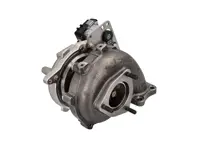
The Genuine Porsche Turbocharger PAB145873B is a replacement forced-induction component designed for compatible Porsche applications. The turbocharger plays a critical role in generating the boost pressure and increased airflow required for the engine to deliver its intended power, torque, acceleration and response.
Fits:
- Porsche 957 Cayenne 3.0L Diesel 2009-10
- Porsche 958 Cayenne V6 3.0L Diesel (245Hp) 2010-11
Diagram Ref No 1
A turbocharger uses energy from the engine's exhaust gases to drive a turbine wheel. This turbine is connected by a shaft to a compressor wheel on the intake side. As the compressor rotates, it draws in and compresses fresh air before supplying it to the engine under pressure.
Because turbochargers operate at extremely high rotational speeds and temperatures, correct lubrication, cooling, intake airflow, exhaust flow and boost control are essential for reliable operation.
What This Product Does:
The turbocharger increases the pressure and quantity of air supplied to the engine.
Exhaust gases leaving the engine spin the turbine wheel. A shaft connects this turbine to the compressor wheel, which draws in and compresses fresh intake air.
This pressurised airflow helps the engine to:
- Generate the required boost pressure
- Receive increased intake airflow
- Produce the intended power and torque
- Deliver strong acceleration
- Maintain correct throttle response
- Provide consistent forced-induction performance
- Make effective use of exhaust-gas energy
The turbocharger works together with the engine-management, intake, intercooling, exhaust, lubrication, cooling and boost-control systems.
Symptoms Of Wear Or Failure:
A worn, damaged or malfunctioning turbocharger can produce a range of mechanical, performance and engine-management symptoms.
Common warning signs include:
- Loss of engine power
- Reduced boost pressure
- Slow or delayed boost response
- Poor acceleration
- Inconsistent power delivery
- Engine-management warning light
- Underboost or overboost fault codes
- Limp or reduced-power mode
- Increased engine oil consumption
- Blue or grey exhaust smoke
- Excessive oil in intake or boost pipework
- Unusual whining or siren-like noises
- Grinding or scraping noises
- Excessive turbocharger shaft play
- Damaged compressor or turbine components
- Abnormal boost fluctuations
These symptoms do not automatically confirm turbocharger failure. Intake leaks, intercooler faults, sensors, actuators and other boost-control problems can produce similar symptoms, so correct diagnosis is important before replacement.
Why Replacement Matters:
A correctly functioning turbocharger is essential for maintaining the intended performance and operation of a turbocharged Porsche engine.
Replacing a confirmed worn or damaged turbocharger helps:
- Restore correct boost pressure
- Restore engine power
- Restore torque
- Improve acceleration
- Restore throttle response
- Reduce abnormal turbocharger noise
- Address oil leakage caused by internal turbo wear
- Restore reliable forced-induction operation
- Support correct engine-management operation
- Reduce the risk of secondary component damage
A turbocharger showing severe mechanical deterioration should not remain in service.
Related reference numbers
Related, superseded, cross reference or alternative numbers for comparison.
PAB145873B
The product you are viewing cross references to these numbers
- Porsche 957 Cayenne 3.0L Diesel 2007-10
- Porsche 958 Cayenne V6 3.0L Diesel (245Hp) 2010-17
Shop Securely
12 Month Warranty
Worldwide Delivery
Free delivery
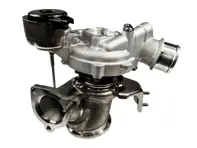
The Genuine Porsche Turbocharger 0PC145701D is a replacement forced-induction component designed for compatible Porsche applications. The turbocharger is responsible for generating the boost pressure and increased airflow required by the engine to deliver its intended power, torque and acceleration.
Fits:
- Porsche Boxster S 718 2.5L Manual (350 Bhp) 07/2022>>
- Porsche Boxster S 718 2.5L PDK (350 Bhp) 07/2022>>
- Porsche Boxster GTS 718 2.5L Manual (365 Bhp) 07/2022>>
- Porsche Boxster GTS 718 2.5L PDK (365 Bhp) 07/2022>>
- Porsche Cayman S 718 2.5L Manual (350 Bhp) 07/2022>>
- Porsche Cayman S 718 2.5L PDK (350 Bhp) 07/2022>>
- Porsche Cayman GTS 718 2.5L Manual (365 Bhp) 07/2022>>
- Porsche Cayman GTS 718 2.5L PDK (365 Bhp) 07/2022>>
Diagram Ref No 1
A turbocharger uses energy contained in the engine's exhaust gases to spin a turbine wheel. This turbine is connected by a shaft to a compressor wheel on the intake side. As the compressor rotates, it draws in and compresses fresh air before supplying it to the engine.
Because a turbocharger operates at extremely high rotational speeds and temperatures, correct lubrication, cooling, intake airflow, exhaust flow and boost control are essential to its reliability.
What This Product Does:
The turbocharger increases the pressure and quantity of air supplied to the engine.
Exhaust gases leaving the engine drive the turbine wheel. A shaft connects this turbine to the compressor wheel on the intake side of the turbocharger.
As the compressor wheel rotates, it compresses incoming air and supplies it to the engine under pressure.
This helps:
- Generate the required boost pressure
- Increase available intake airflow
- Support the intended engine power and torque
- Improve acceleration
- Maintain correct throttle response
- Provide consistent forced-induction performance
- Make effective use of exhaust-gas energy
The turbocharger works together with the engine-management, intake, intercooling, exhaust, lubrication, cooling and boost-control systems.
Symptoms Of Wear Or Failure:
A worn, damaged or malfunctioning turbocharger can cause a variety of mechanical and performance-related symptoms.
Common warning signs include:
- Loss of engine power
- Reduced boost pressure
- Slow or delayed boost response
- Poor acceleration
- Inconsistent power delivery
- Engine-management warning light
- Underboost or overboost fault codes
- Limp or reduced-power mode
- Increased engine oil consumption
- Blue or grey exhaust smoke
- Excessive oil in intake or boost pipework
- Whining or siren-like noises
- Grinding or scraping noises
- Excessive turbocharger shaft play
- Damaged compressor or turbine blades
- Abnormal boost fluctuations
These symptoms do not automatically confirm turbocharger failure. Intake leaks, intercooler problems, sensors, actuators and other boost-control components can produce similar symptoms.
Correct diagnosis should therefore be carried out before replacement.
Why Replacement Matters:
A correctly functioning turbocharger is essential to maintaining the intended performance of a turbocharged Porsche engine.
Replacing a confirmed worn or damaged turbocharger helps:
- Restore correct boost pressure
- Restore engine power
- Restore torqueImprove acceleration
- Restore throttle response
- Reduce abnormal turbocharger noise
- Address oil leakage caused by internal turbo wear
- Restore reliable forced-induction operation
- Support correct engine-management operation
- Reduce the risk of secondary component damage
A turbocharger showing severe mechanical deterioration should not remain in service.
Related reference numbers
Related, superseded, cross reference or alternative numbers for comparison.
0PC145701D
The product you are viewing cross references to these numbers
- Porsche Boxster S 718 2.5L Manual (350 Bhp) 05/2017>>
- Porsche Boxster S 718 2.5L PDK (350 Bhp) 05/2017>>
- Porsche Boxster GTS 718 2.5L Manual (365 Bhp) 05/2017>>
- Porsche Boxster GTS 718 2.5L PDK (365 Bhp) 05/2017>>
- Porsche Cayman S 718 2.5L Manual (350 Bhp)
- Porsche Cayman S 718 2.5L PDK (350 Bhp)
- Porsche Cayman GTS 718 2.5L Manual (365 Bhp)
- Porsche Cayman GTS 718 2.5L PDK (365 Bhp)
Shop Securely
12 Month Warranty
Worldwide Delivery
Free delivery
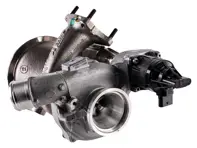
The Genuine Porsche Turbocharger 0PB145701S / 0PB145702S is a replacement forced-induction component designed for compatible Porsche applications. It plays a critical role in producing the boost pressure and airflow required for the engine to deliver its intended power, torque and response.
Fits:
- Porsche 992.1 Carrera 2 3.0L 2019-24
- Porsche 992.1 Carrera 4 3.0L 2019-24
- Porsche 992.1 Carrera 2 Cabriolet 3.0L 2019-24
- Porsche 992.1 Carrera 4 Cabriolet 3.0L 2019-24
- Porsche 992.1 Targa 4 3.0L 2020-24
Diagram Ref No 1 And 2
A turbocharger operates by using energy from the engine's exhaust gases to spin a turbine. This turbine is connected by a shaft to a compressor wheel, which compresses the incoming air before it enters the engine.
Because turbochargers operate at extremely high rotational speeds and temperatures, correct lubrication, cooling, intake airflow, exhaust flow and boost control are essential for reliable operation.
What This Product Does:
The turbocharger increases the quantity and pressure of air supplied to the engine.
Exhaust gases leaving the engine drive the turbocharger's turbine wheel. The turbine is connected to a compressor wheel on the intake side.
As the compressor rotates, it draws in and compresses fresh air before supplying it to the engine.
This helps the engine to:
- Generate the required boost pressure
- Receive increased intake airflow
- Produce the intended power and torque
- Deliver strong acceleration
- Maintain correct throttle response
- Provide consistent forced-induction performance
The turbocharger works together with the engine-management, intake, intercooling, exhaust, lubrication, cooling and boost-control systems.
Symptoms Of Wear Or Failure:
A worn or damaged turbocharger can cause a range of performance, mechanical and engine-management symptoms.
Common warning signs include:
- Loss of engine power
- Reduced boost pressure
- Slow boost response
- Poor acceleration
- Inconsistent power delivery
- Engine-management warning light
- Underboost or overboost fault codes
- Reduced-power or limp mode
- Increased engine oil consumption
- Blue or grey exhaust smoke
- Excessive oil in intake or boost pipework
- Unusual whining or siren-like noises
- Grinding or scraping noises
- Excessive turbocharger shaft play
- Damaged compressor or turbine blades
- Abnormal boost fluctuations
These symptoms do not automatically confirm turbocharger failure. Intake leaks, boost-control faults, sensor problems and other engine issues can produce similar symptoms, so correct diagnosis is essential.
Why Replacement Matters:
A correctly functioning turbocharger is essential to the performance of a turbocharged Porsche engine.
Replacing a confirmed worn or damaged turbocharger helps:
- Restore correct boost pressure
- Restore engine power
- Restore torque
- Improve acceleration
- Restore throttle response
- Correct turbocharger-related mechanical noise
- Address oil leakage caused by internal turbo wear
- Restore reliable forced-induction operation
- Support correct engine-management operation
- Reduce the risk of secondary component damage
A turbocharger showing severe mechanical damage should not remain in service.
Related reference numbers
Related, superseded, cross reference or alternative numbers for comparison.
0PB14570
The product you are viewing cross references to these numbers
- Porsche 992.1 Carrera 2 3.0L 2019-24
- Porsche 992.1 Carrera 4 3.0L 2019-24
- Porsche 992.1 Carrera 2 Cabriolet 3.0L 2019-24
- Porsche 992.1 Carrera 4 Cabriolet 3.0L 2019-24
- Porsche 992.1 Targa 4 3.0L 2020-24
Shop Securely
12 Month Warranty
Worldwide Delivery
Free delivery
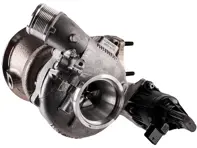
The Genuine Porsche Turbocharger 0PB145701R / 0PB145702R is a replacement forced-induction component designed for compatible Porsche applications.
Fits:
- Porsche 992.1 Carrera 2 3.0L 2019-24
- Porsche 992.1 Carrera 4 3.0L 2019-24
- Porsche 992.1 Carrera 2 Cabriolet 3.0L 2019-24
- Porsche 992.1 Carrera 4 Cabriolet 3.0L 2019-24
- Porsche 992.1 Targa 4 3.0L 2020-24
- Porsche 992.2 Carrera 2 3.0L 2024>>
Diagram Ref No 1 And 2
A turbocharger uses energy from the engine's exhaust gases to drive a turbine connected to a compressor wheel. The compressor increases the pressure and quantity of air supplied to the engine, allowing the engine-management system to deliver the intended levels of power, torque and response.
Turbochargers operate at extremely high rotational speeds and temperatures and depend on clean lubrication, correct cooling, unrestricted intake and exhaust flow, and properly functioning boost-control systems. Bearing wear, oil-supply problems, foreign-object damage, excessive temperatures or control faults can eventually cause turbocharger deterioration or complete failure.
Replacing a confirmed faulty turbocharger helps restore correct boost pressure and engine performance while reducing the risk of further damage to associated intake, exhaust and engine components.
What This Product Does:
The turbocharger increases the amount of air supplied to the engine by using energy that would otherwise leave through the exhaust.
Exhaust gases spin the turbine wheel. A shaft connects this turbine to a compressor wheel on the intake side.
As the compressor rotates, it compresses incoming air and supplies it to the engine under pressure.
This helps:
- Generate the required boost pressure
- Increase available intake airflow
- Increase engine power and torque
- Improve acceleration and engine response
- Maintain the intended factory performance
- Make effective use of exhaust-gas energy
The turbocharger works together with the intake, intercooling, exhaust, lubrication, cooling and electronic engine-management systems.
Symptoms Of Wear Or Failure:
Common symptoms associated with turbocharger deterioration can include:
- Loss of engine power
- Reduced boost pressure
- Slow boost response
- Poor acceleration
- Inconsistent power delivery
- Engine-management warning light
- Underboost or overboost fault codes
- Limp or reduced-power mode
- Increased engine oil consumption
- Blue or grey exhaust smoke
- Excessive oil in intake pipework
- Whining or siren-like noises
- Grinding or scraping noises
- Excessive turbocharger shaft play
- Damaged compressor or turbine blades
- Abnormal boost fluctuations
These symptoms can also be caused by faults elsewhere in the engine or boost system. Proper diagnosis should therefore be carried out before replacing the turbocharger.
Why Replacement Matters:
Replacing a confirmed worn or damaged turbocharger helps restore the intended operation of the forced-induction system.
A correctly functioning replacement can help:
- Restore boost pressure
- Restore engine power
- Restore torque
- Improve acceleration
- Restore throttle response
- Correct turbocharger-related mechanical noise
- Address oil leakage caused by internal turbo wear
- Restore reliable forced-induction operation
- Support correct engine-management operation
- Reduce the risk of secondary component damage
A severely damaged turbocharger should not remain in service.
Related reference numbers
Related, superseded, cross reference or alternative numbers for comparison.
0PB14570
The product you are viewing cross references to these numbers
- Porsche 992.1 Carrera 2 3.0L 2019-24
- Porsche 992.1 Carrera 4 3.0L 2019-24
- Porsche 992.1 Carrera 2 Cabriolet 3.0L 2019-24
- Porsche 992.1 Carrera 4 Cabriolet 3.0L 2019-24
- Porsche 992.1 Targa 4 3.0L 2020-24
- Porsche 992.2 Carrera 2 3.0L 2024>>
- Porsche 992.2 Carrera 2S 3.0L 2024>>
- Porsche 992.2 Carrera T 3.0L 2024>>
Shop Securely
12 Month Warranty
Worldwide Delivery
Free delivery
.jpg)


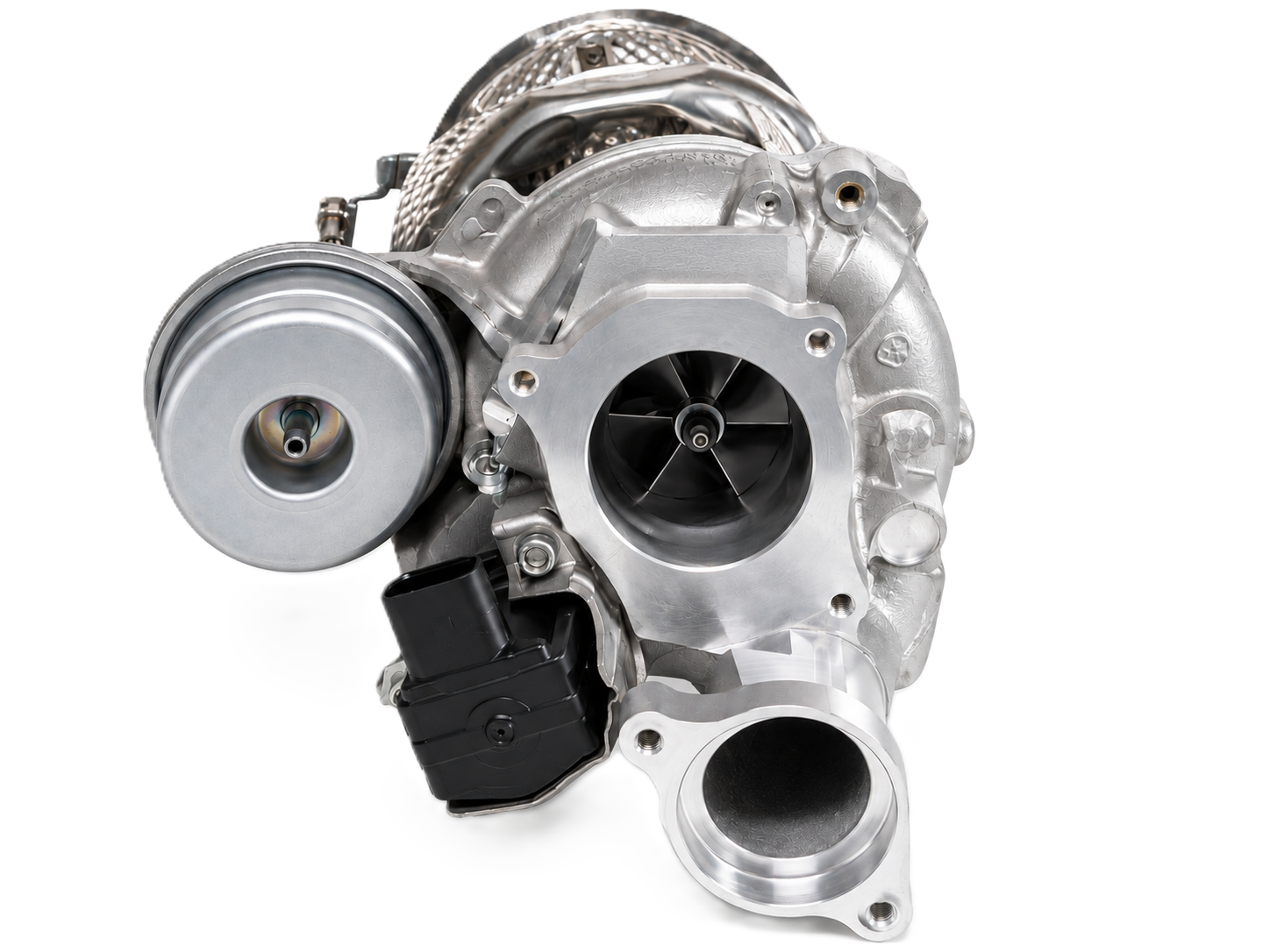
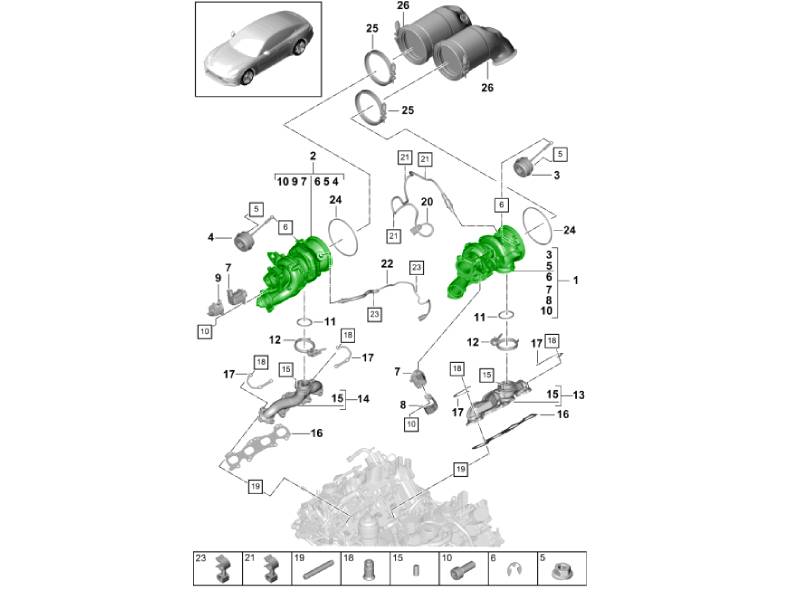
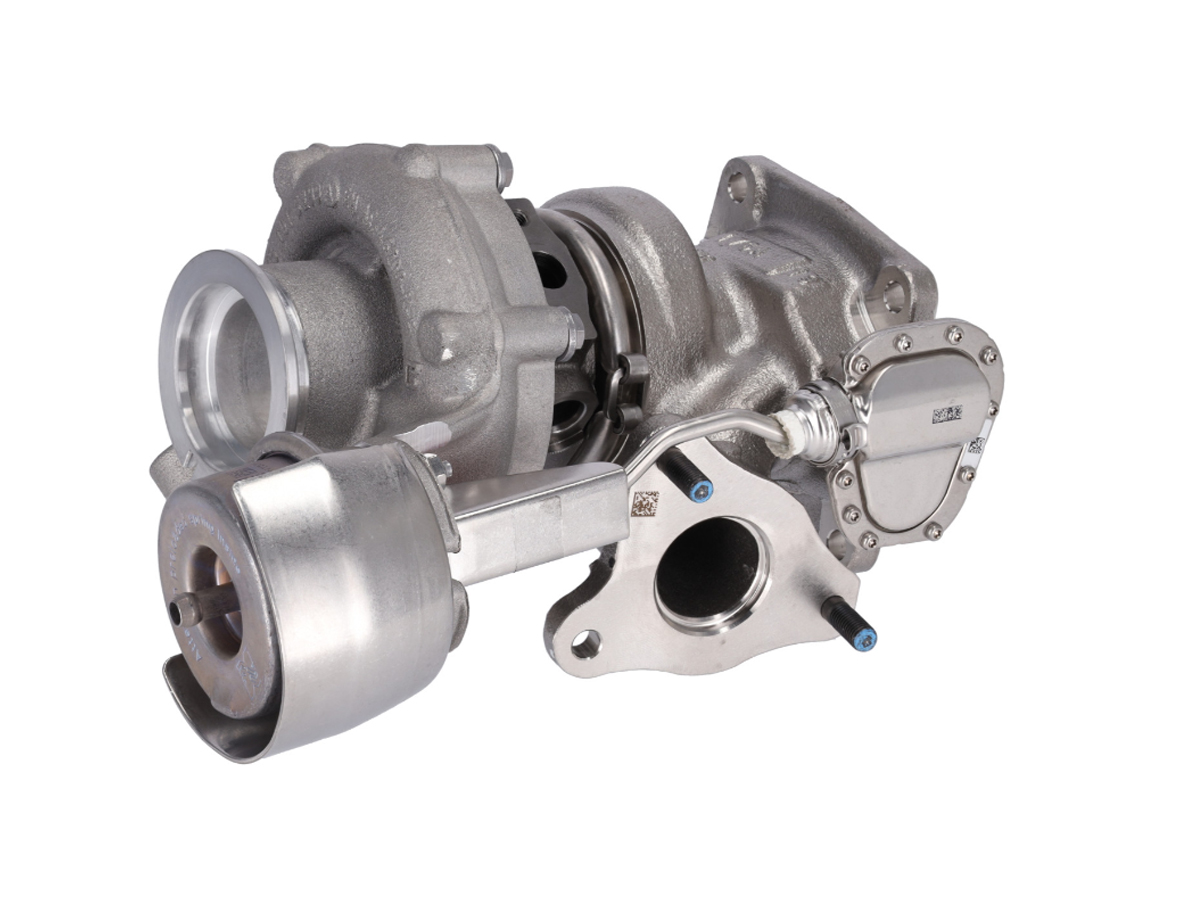
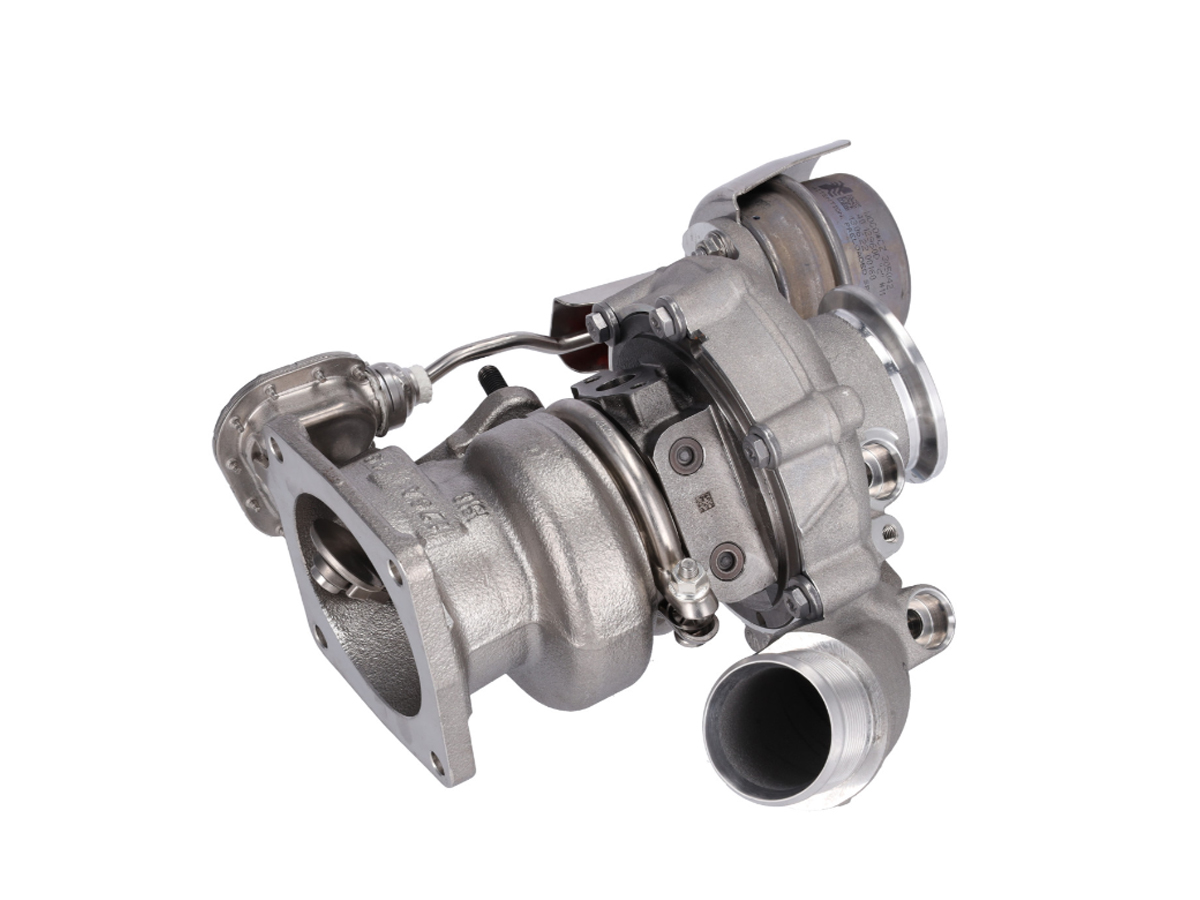
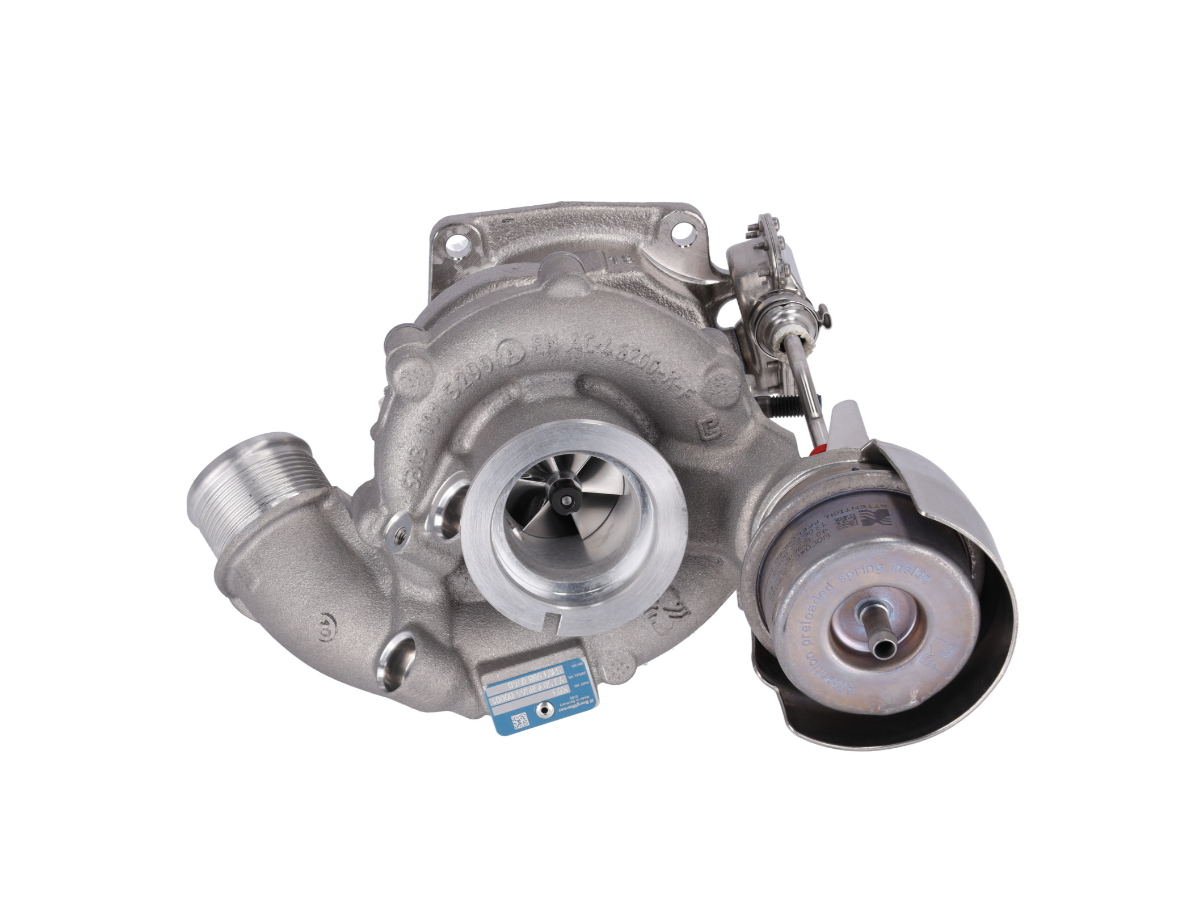
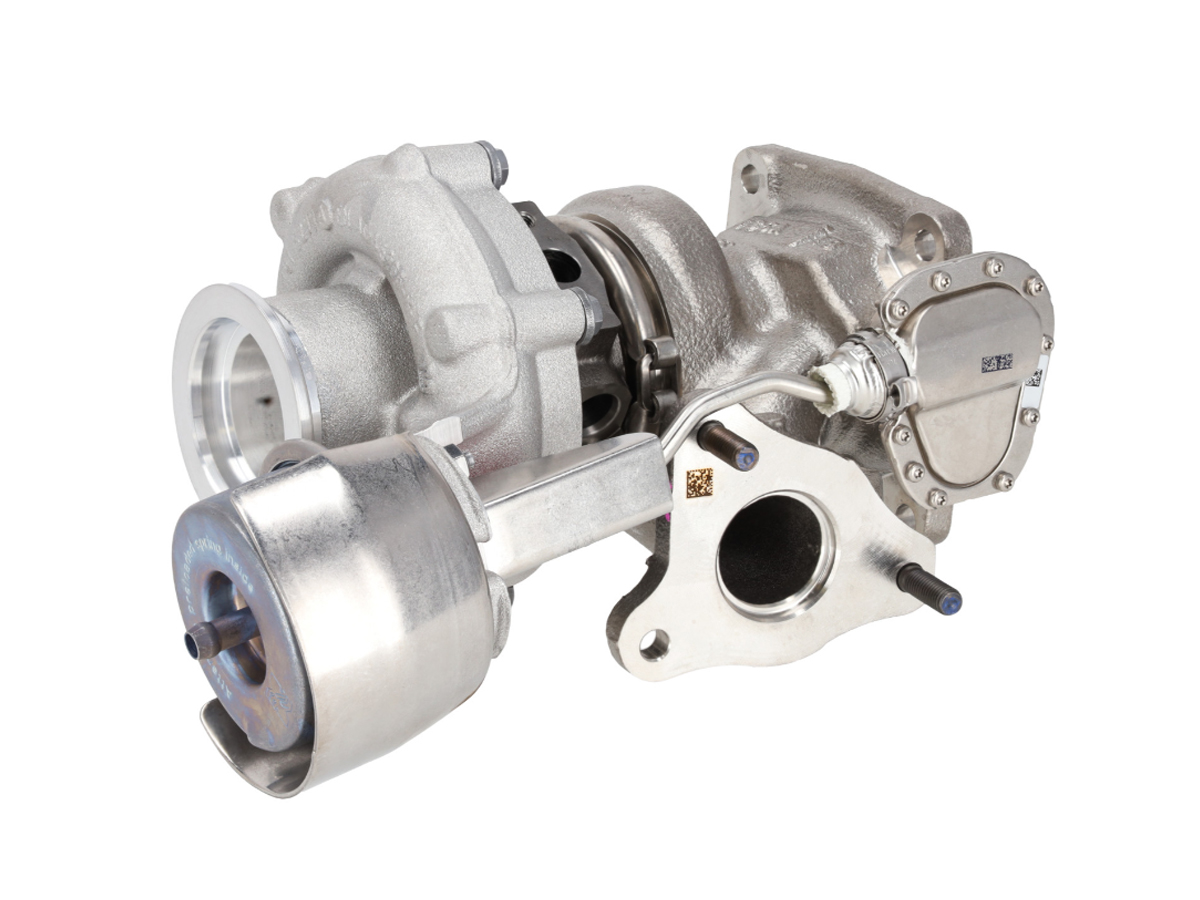
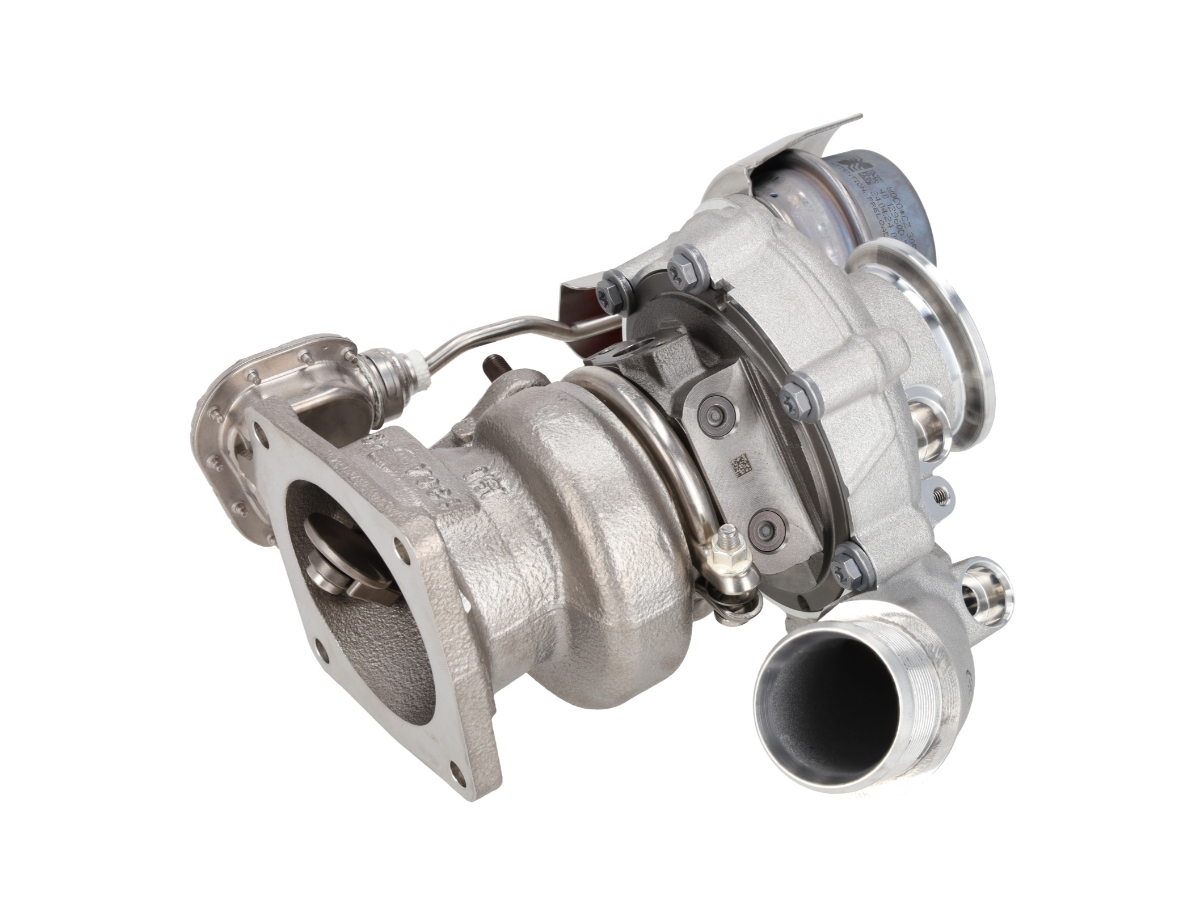
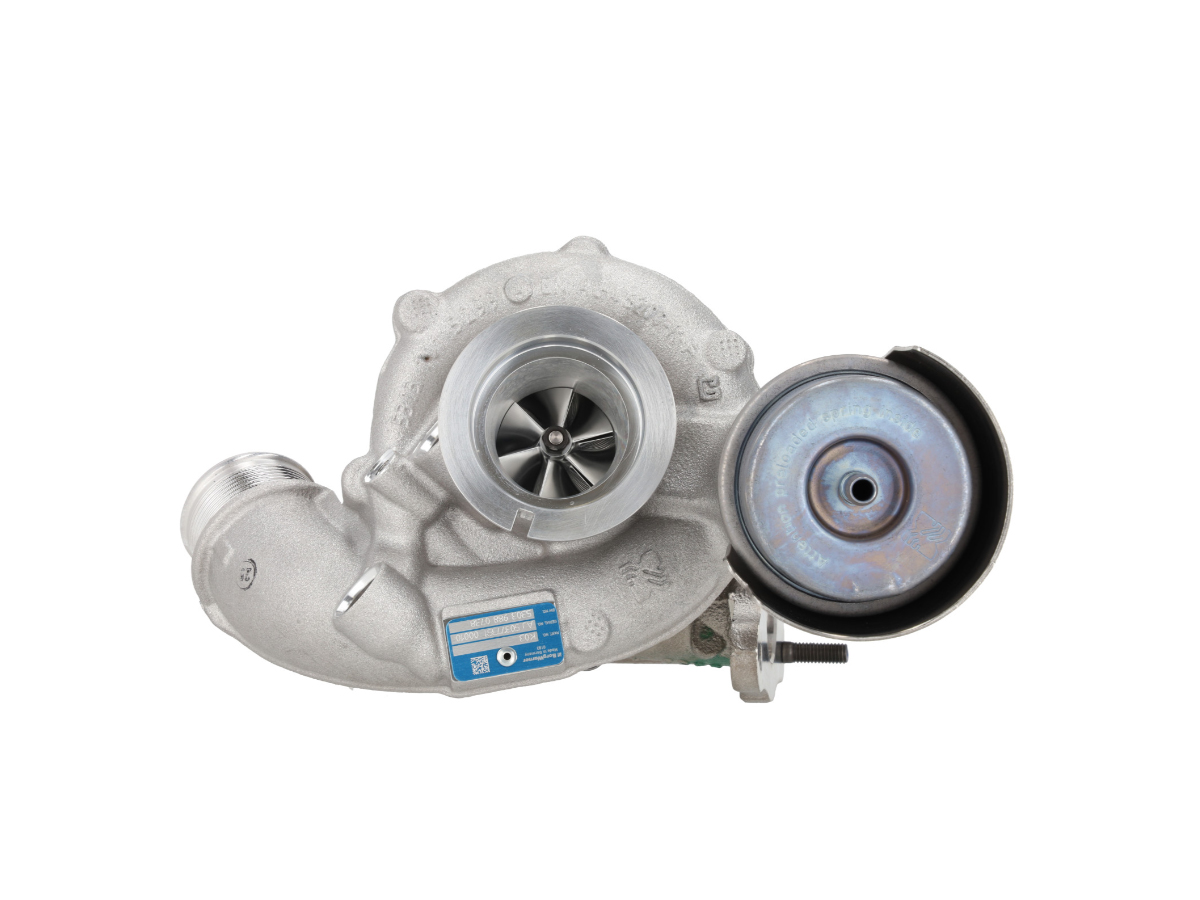

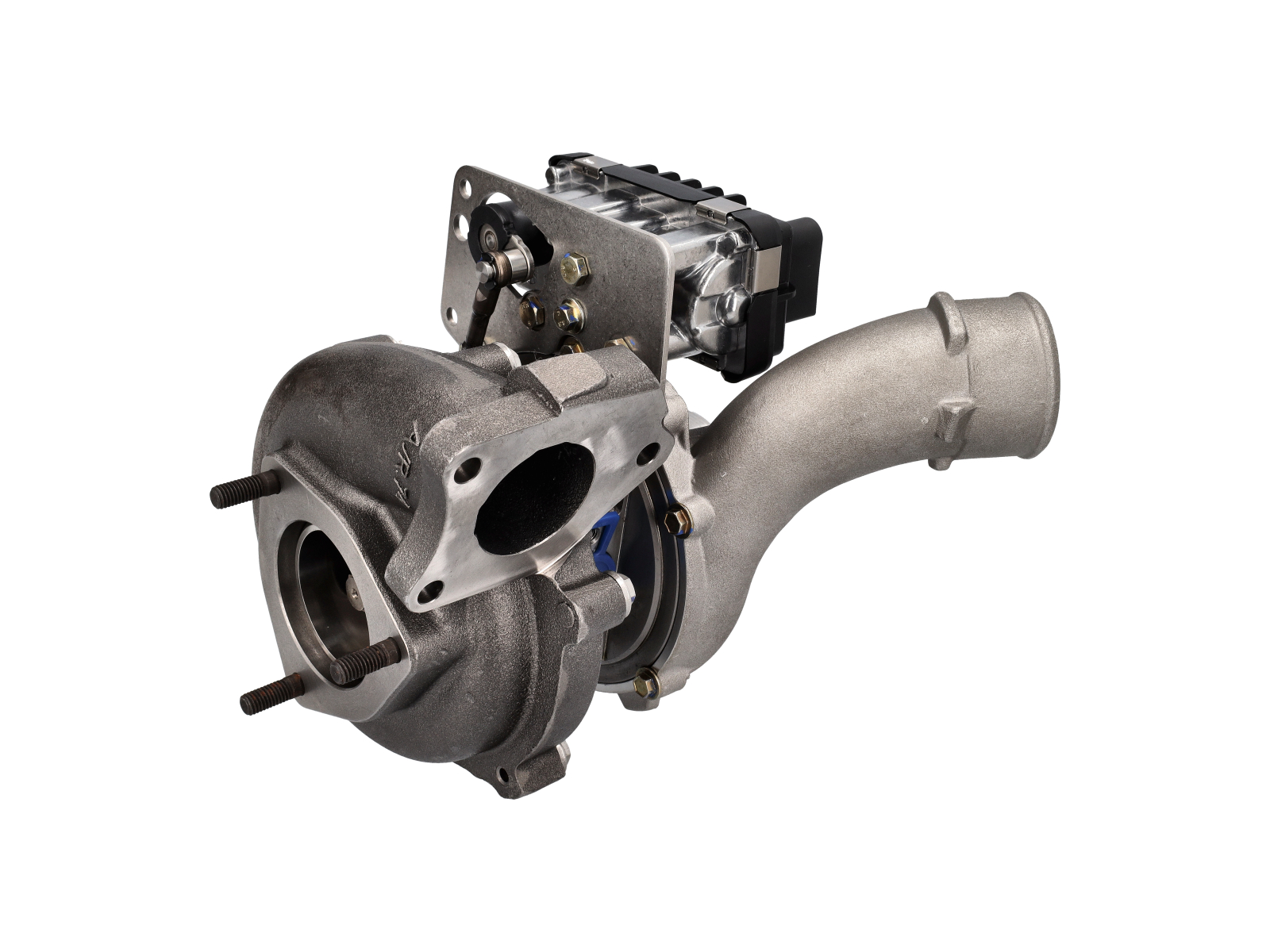
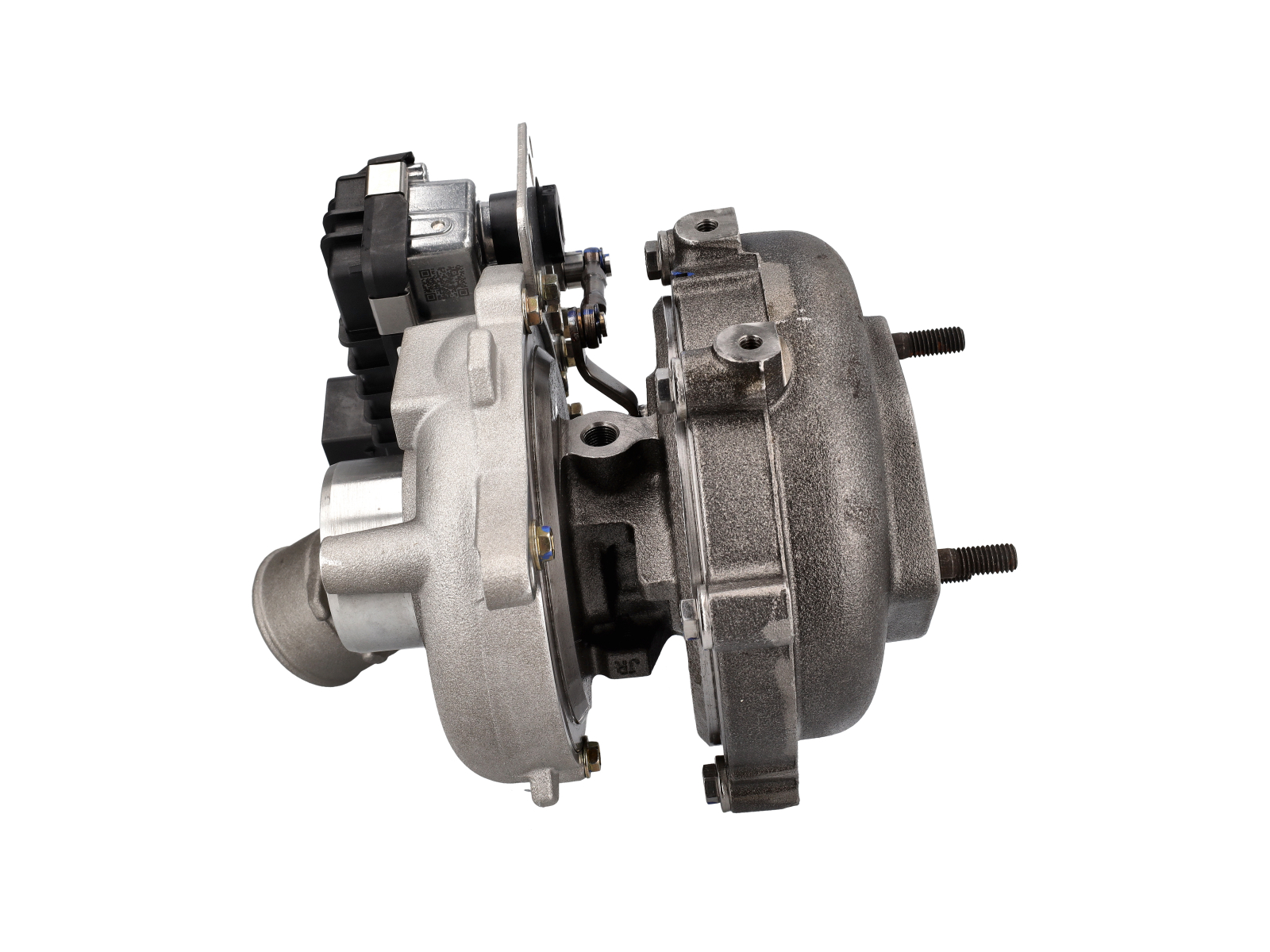
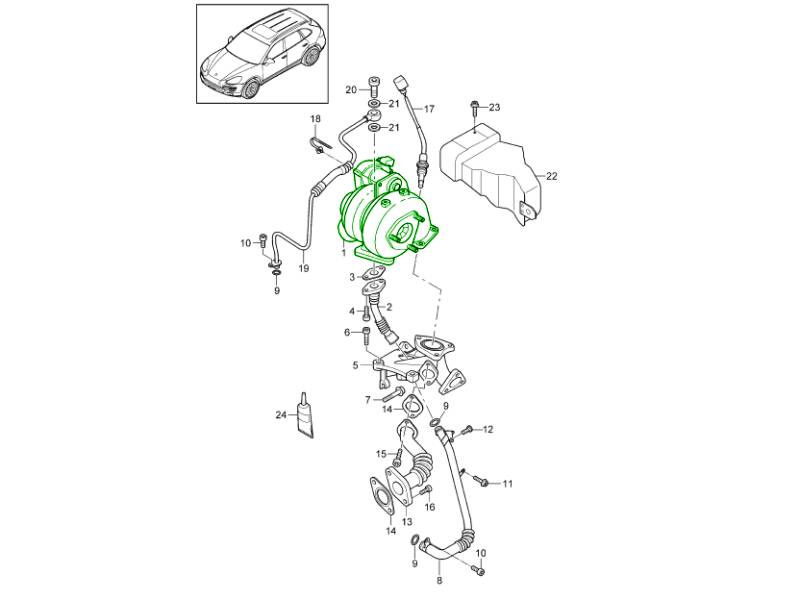
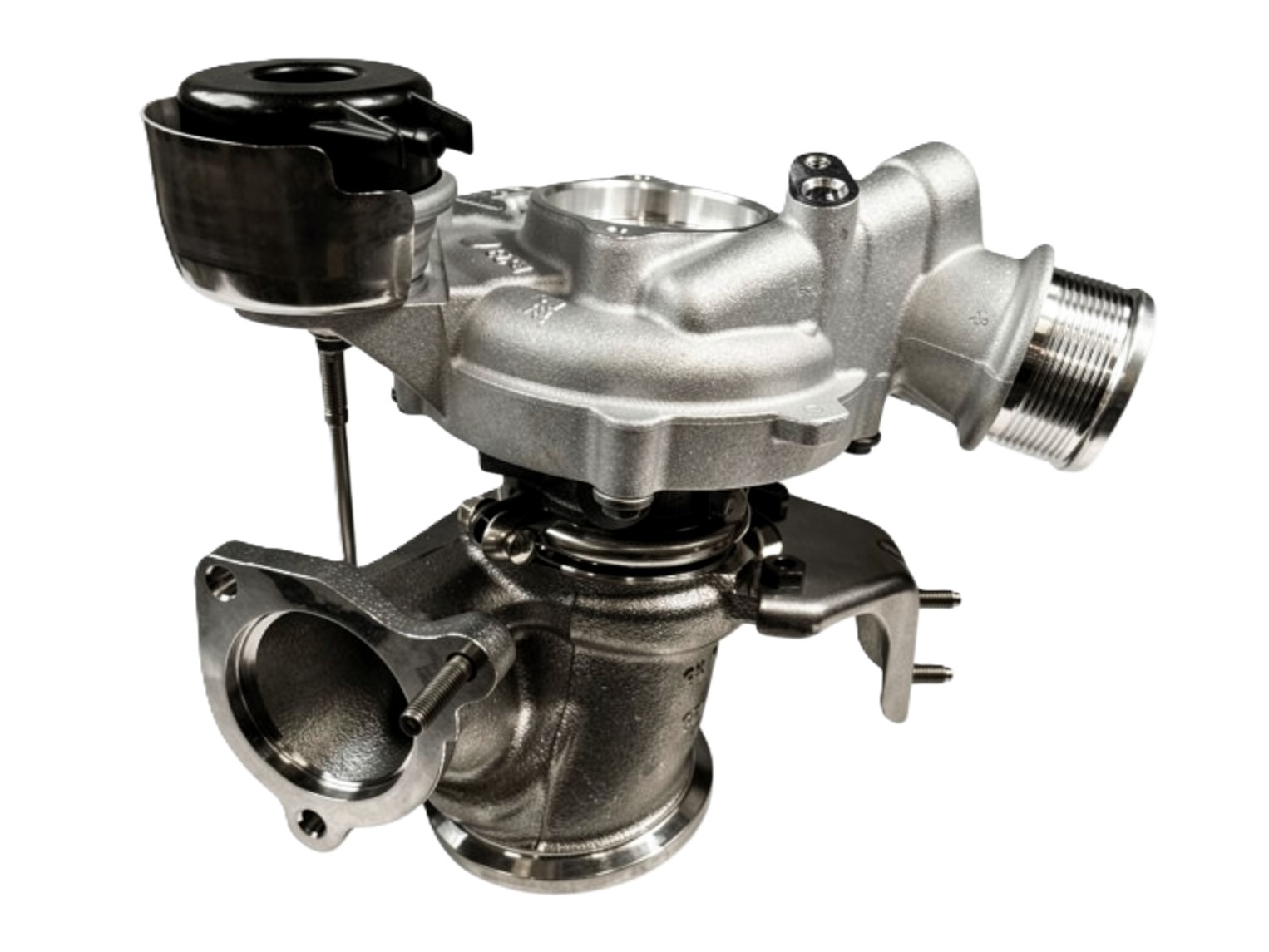
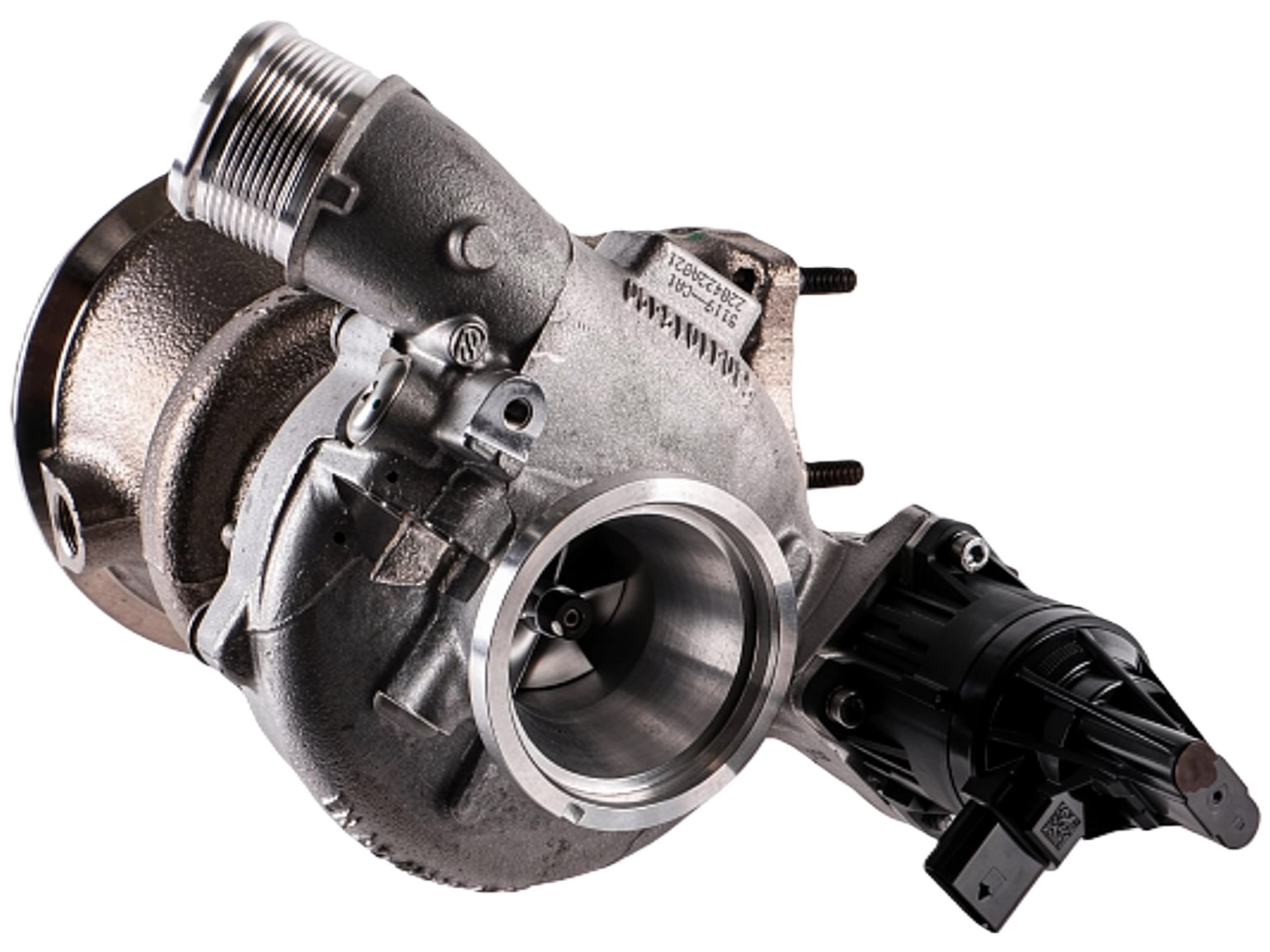
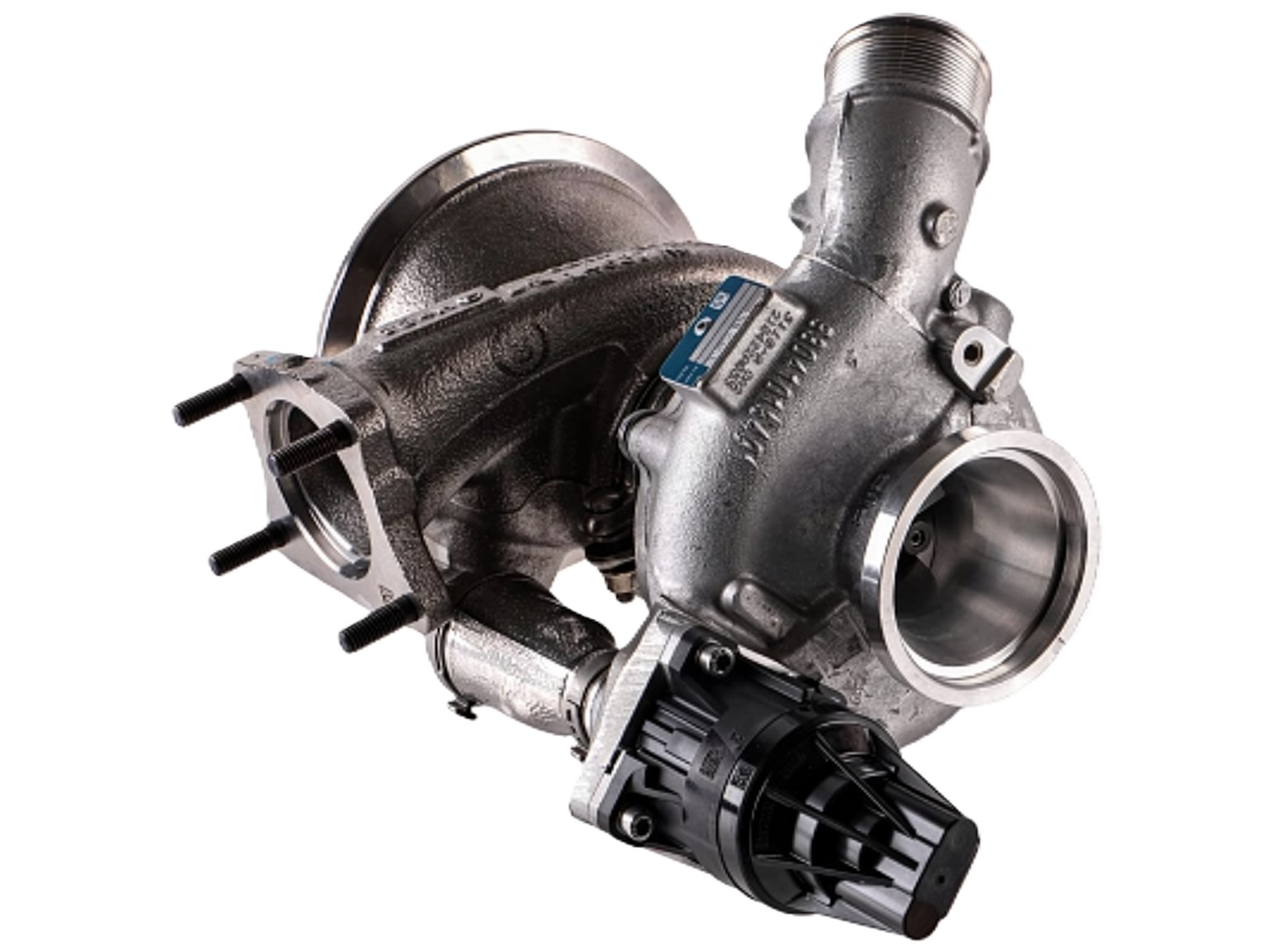
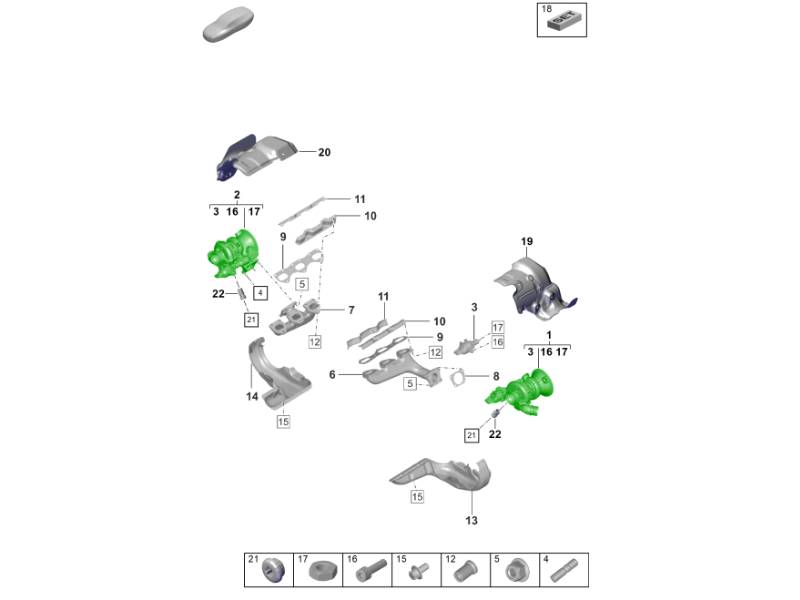
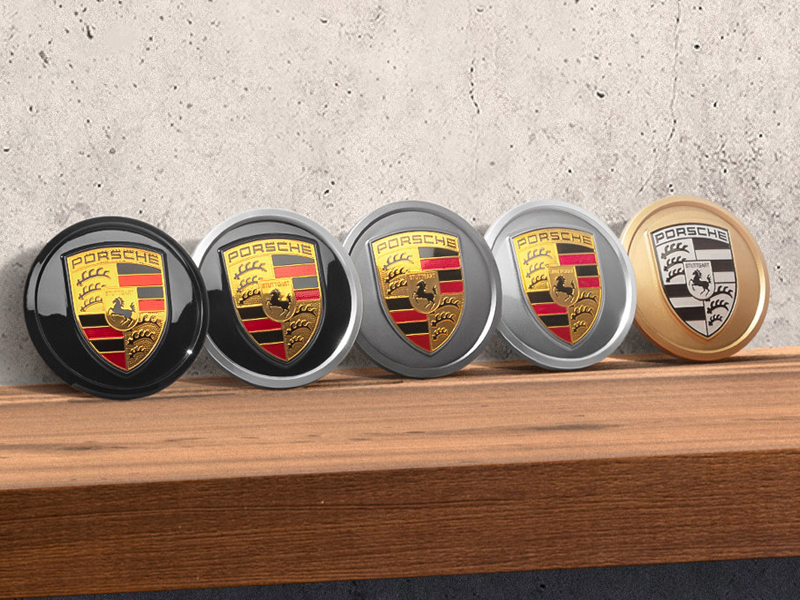
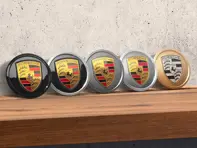
The Genuine Porsche Wheel Cap Set 9J1073000J is a set of four wheel centre caps finished in Black with a silk finish and featuring the distinctive coloured Porsche Crest.
Fits:
- Porsche 9J1.1 Taycan Turbo S 2020-24
- Porsche 9J1.1 Taycan Turbo S Cross Turismo 2020-24
- Porsche 9J1.1 Taycan Turbo S Sport Turismo 2020-24
For The Following Wheels:
Porsche Taycan (Type J1):
20-inch Taycan Turbo S Aero Design Wheel Painted In Black (Silk Finish), 21-Inch RS Spyder Design Wheel
Designed to fit at the centre of compatible Porsche wheels, these caps provide the finishing detail that completes the appearance of the wheel while covering the central hub area. Supplied as a complete set of four, they allow all four wheels to be refreshed at the same time for a consistent appearance around the vehicle.
Wheel caps are exposed continuously to brake dust, road dirt, moisture, UV light, cleaning chemicals and stone impacts. Over time, the original caps can become scratched, faded, discoloured, cracked or loose. Replacing worn caps is a straightforward way to restore a clean, factory-quality finish to the wheels.
What This Product Does:
Wheel centre caps fit into the central area of the wheel and provide a finished appearance around the wheel hub.
Their main functions include:
- Completing the visual design of the wheel
- Displaying the coloured Porsche Crest
- Covering the central hub area
- Helping shield the covered area from dirt and road contamination
- Maintaining the intended factory wheel appearance
- Providing a consistent finish across all four wheels
These caps are primarily cosmetic finishing components rather than structural wheel fasteners.
Symptoms Of Wear Or Failure:
Common signs that the original wheel caps may benefit from replacement include:
- ScratchesScuffing
- Stone chips
- Cracked cap material
- Chipped or broken edges
- Faded black finish
- Discolouration
- Dull or weathered appearance
- Damaged Porsche Crest
- Faded crest colours
- Peeling or deteriorated surface finish
- Broken retaining tabs
- Loose fitment
- Caps that repeatedly fall out
- Warping or distortion
- Missing wheel caps
Most wheel-cap deterioration is cosmetic, but damaged retaining points can also prevent the cap from remaining securely fitted.
Why Replacement Matters:
Wheel caps are primarily styling and finishing components, so replacement is generally driven by appearance and secure fitment rather than mechanical performance.
Replacing worn or damaged wheel caps helps:
- Restore the original wheel appearance
- Provide a consistent finish across all four wheels
- Restore the Black silk-finish presentation
- Restore the coloured Porsche Crest
- Replace scratched or chipped caps
- Replace cracked or distorted caps
- Correct loose-fitting centre caps
- Replace broken retaining tabs
- Cover the wheel centre correctly
- Refresh the overall exterior appearance
Small details such as wheel centre caps can make a noticeable difference to the presentation of a Porsche.
Related reference numbers
Related, superseded, cross reference or alternative numbers for comparison.
9J1073000J
The product you are viewing cross references to these numbers
- Porsche 9J1.1 Taycan Turbo S 2020-24
- Porsche 9J1.1 Taycan Turbo S Cross Turismo 2020-24
- Porsche 9J1.1 Taycan Turbo S Sport Turismo 2020-24
Shop Securely
12 Month Warranty
Worldwide Delivery


Monday-Friday: 8.30am - 5.30pm (GMT)
Saturday: Closed
Sunday: Closed