





Enter your VAT number here and click Verify:
Your details have been verified. VAT number registered to:
,
.
Your order will now be zero rated for VAT purposes. We reserve the right to verify these details after your order request has been made and reinstate VAT if required.
Your VAT details were not recognised or were invalid. Your VAT number must be matched to your Billing Country as specified above. This is currently specified as . You do not need to enter the country code part of your VAT number as this has already been selected in your billing address details above.
The VAT number checking service is currently offline. Please supply your VAT details within the comments or special instructions field below and we will apply a VAT discount after placing your order request.
OE Match

OE Match for Porsche
OE Match is a brand that provides a wide range of Porsche components, from gaskets to suspension hardware, engine parts, and interior trim. Over 6,700 individual part numbers, and over 11,800 OE cross-references catalogued, and are constantly developing new lines.OE Match has over 100 new products currently in the engineering phase, which will be quality-controlled and added to their catalog. The mission is to keep all Porsche vehicles on the road by offering a vast selection of parts that can address various problems across different Porsche generations
A Quick Look at OE Match
OE Match information on this page is based on details supplied by the manufacturer or distributor, plus any OE references provided with the parts.
Choosing the Right Fit for Your Porsche
Where OE Match is listed for Porsche, use the supplied model coverage and OE references to confirm suitability. Check details that commonly affect fitment such as model year, side/position, and connector type where relevant.
- Often chosen when owners want OE-equivalent quality with sensible running costs, especially for routine service and wear items.
- Typical reasons to replace include restoring reliability, addressing age-related wear, or refreshing multiple components during larger repair work.
- Common defects from incorrect application include noise, premature wear, leaks, or fitment quirks if the wrong variant is selected or fitted with old seals/hardware.
- Watch for symptoms such as unusual noises, early wear, or repeat failures after recent work, which can indicate mismatched parts or supporting items left worn.
- Always cross-check OEM part numbers, read model-year notes, and verify compatibility before ordering.
- For safety-critical components, confirm specification and fitment carefully and have installation checked by a competent technician.
Browse by Category
If you already know the area you are working on, start with the category and then filter by Porsche model. Where real-world symptoms and typical reasons to replace are provided, use them to keep the wording grounded.
Brakes — Brake components are renewed to restore stopping performance, address wear or upgrade a Porsche for fast road or track use. Common symptoms include vibration under braking, longer stopping distances, squealing, pulling to one side, warning lights and visible wear to discs and pads.
Brake Pad Wear Sensors — Brake pad wear sensors are replaced when pads are renewed or when warning lights indicate a broken or worn sensor. Symptoms include brake wear warnings even with new pads, damaged sensor cables, or broken clips around the caliper area.
Engine Electrical — Engine electrical parts are changed when there are starting, charging, ignition, or sensor-related faults that affect drivability and reliability, such as intermittent no-start, misfires, rough idle, poor charging, warning lights or heat-soak failures.
Service Parts — Service parts are replaced as routine maintenance to keep the engine and systems reliable, efficient, and protected, often resolving hard starting, rough idle, poor fuel economy and warning lights caused by clogged filters or worn ignition components.
Service Kits — Service kits bundle key service components to simplify maintenance and set the car back to a known baseline, especially useful when catching up on overdue servicing or dealing with general sluggish running, inconsistent idle and reduced performance.
- For brake parts, confirm whether items are OE-equivalent replacements or performance upgrades and check if new fitting kits and sensors are required.
- On service items and kits, match the kit to your exact Porsche model, engine and year, and review what is included so you can add any extra “while you are there” parts.
Explore OE Match at Design911
View the current OE Match range for Porsche at Design911, then filter by model and category to narrow down to the right parts.

OE Match Mounting Kit for One Heat Exchanger
2 required per car
Ensure your Porsche's heat exchangers are securely mounted
with this OE Match Heat Exchanger Mounting Kit, designed for selected Porsche
911 models. Manufactured to original equipment specifications, this
comprehensive fitting kit contains the essential hardware required to correctly
install and support the heat exchangers, restoring factory fitment, reducing
vibration and ensuring long-term reliability.
Fits:
- Porsche 911 1974-1977 2.7L / 1976-77 3.0 Carrera
- Porsche 911 1978-1983 3.0L / SC
Kit included:
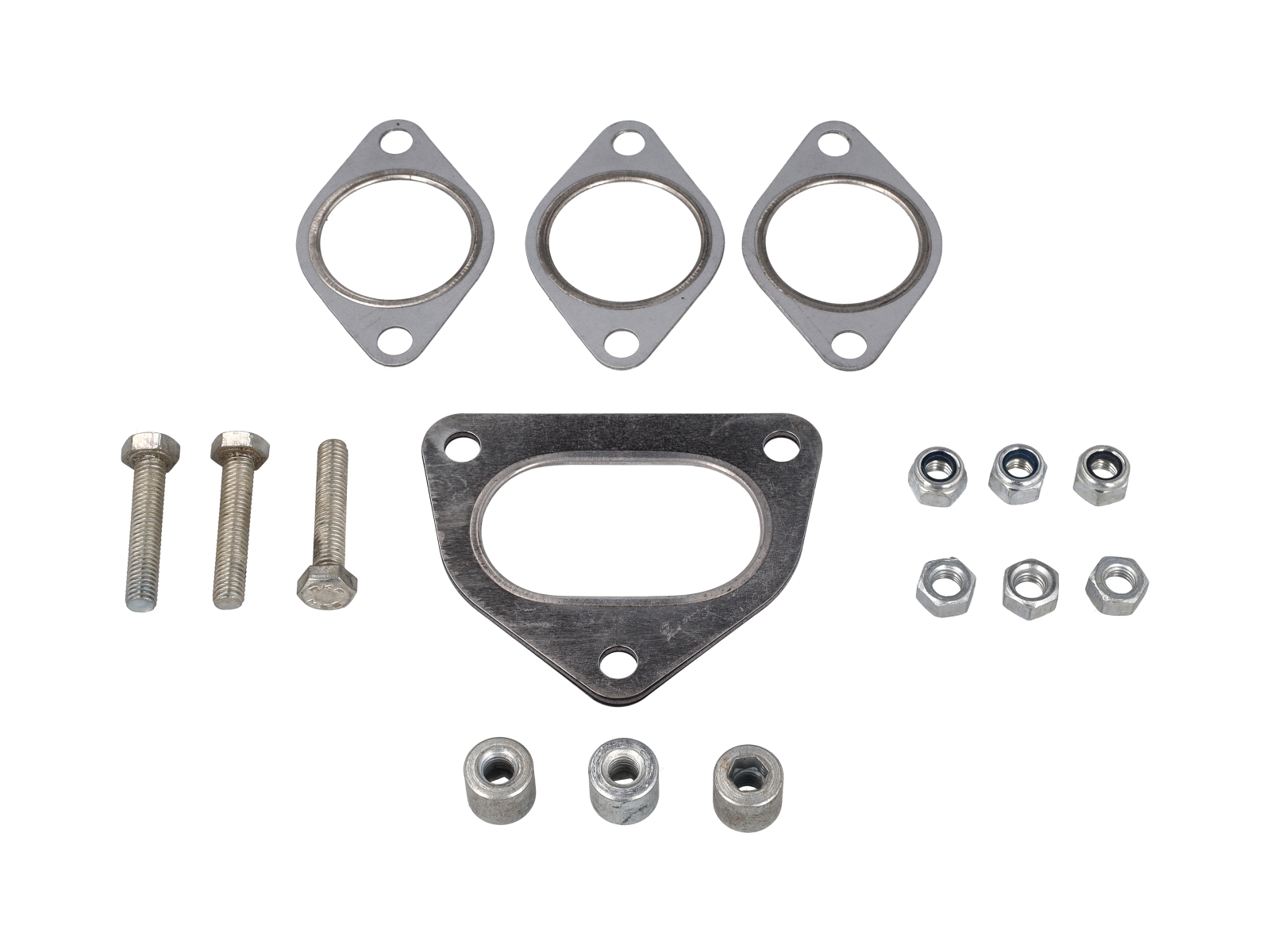
1x Large gasket for mounting heat exchanger to intermediate tube
3x Gasket for heat exchanger to cylinder head. 3 pcs. required for each heat exchanger
3x Bolt, M8x1.25x40mm
3x Nut M8x1.25, for mounting heat exchanger to cylinder head
3x Lock nut, M8x1.25
3x Nut, M8x1.25
Whether you're replacing worn heat exchangers, installing a new exhaust system or restoring a classic Porsche 911, fitting new mounting hardware helps ensure every component is securely fastened and correctly aligned.
What Does the Heat Exchanger Mounting Kit Do?
The mounting kit secures the heat exchangers to the engine and exhaust system, ensuring they remain correctly positioned while allowing for normal expansion and contraction caused by exhaust heat.
Its primary functions include:
- Securing the heat exchangers safely to the engine.
- Maintaining correct exhaust alignment.
- Supporting the vehicle's cabin heating system.
- Reducing vibration and unwanted movement.
- Helping prevent exhaust leaks caused by loose fixings.
- Ensuring safe, reliable operation of the exhaust and heating systems.
Using the correct mounting hardware is essential for both exhaust performance and efficient cabin heating.
Why Do Heat Exchanger Mounting Kits Fail?
Heat exchanger fixings operate in one of the harshest
environments on the vehicle, where they are exposed to continual heat,
moisture, corrosion and vibration. Common causes of failure include:
- Rust and corrosion of nuts, bolts and washers.
- Seized or damaged exhaust studs
- Heat cycling weakening fasteners over time.
- Road salt accelerating corrosion.
- Damage during exhaust removal.
- Fatigue caused by years of engine vibration and thermal expansion.
As the hardware deteriorates, heat exchangers can become loose, leading to exhaust leaks, vibration and poor alignment.
When Should the Heat Exchanger Mounting Kit Be Replaced?
The mounting hardware should always be inspected whenever
the heat exchangers or exhaust system are removed. Replacement is recommended
if you notice:
- Corroded or seized fixings.
- Broken or stretched fasteners.
- Loose heat exchangers.
- Exhaust leaks around mounting points.
- Excessive vibration or rattling.
- Damaged washers or mounting plates.
Many Porsche specialists recommend replacing the complete mounting kit whenever new heat exchangers are fitted to ensure reliable installation and avoid reusing weakened hardware.
- Porsche 911 1974-1977 2.7L / 1976-77 3.0 Carrera
- Porsche 911 1978-1983 3.0L / SC
 Shop Securely
 12 Month Warranty
 Worldwide Delivery
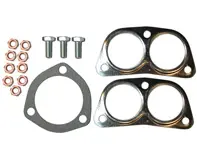
Exhaust Mounting Kit
Restore the security and reliability of your Porsche's
exhaust system with this OE Match Exhaust Mounting Kit, designed
specifically for the Porsche 914. Manufactured to OE specifications,
this comprehensive mounting kit contains the essential hardware required to
correctly secure the exhaust system, helping to reduce vibration, maintain
proper alignment and ensure long-lasting performance.
Fits:
- Porsche 914 (1970-1976)
Whether you are replacing a worn exhaust, carrying out a full restoration or refurbishing the original system, fitting new mounting hardware ensures the exhaust is correctly supported and protected from unnecessary movement and stress.
What Does the Exhaust Mounting Kit Do?
The exhaust mounting kit secures the exhaust system to the vehicle chassis while allowing controlled movement as the exhaust expands and contracts during normal operation.
Its primary functions include:
- Supporting the weight of the exhaust system.
- Maintaining correct exhaust alignment.
- Reducing vibration and unwanted movement.
- Minimising stress on exhaust joints and manifolds.
- Helping prevent premature exhaust failure.
- Ensuring safe and secure installation.
Correct exhaust mounting is essential for both performance and long-term durability.
Why Do Exhaust Mounting Kits Fail?
Exhaust mounting components are continually exposed to heat,
moisture, road salt and vibration. Over time this can cause:
- Corrosion of metal brackets and fixings.
- Rubber mounting deterioration.
- Loose or seized fasteners.
- Fatigue caused by constant vibration.
- Damage during exhaust removal.
- Wear from years of engine movement and thermal expansion.
As mounting hardware deteriorates, the exhaust may begin to sag, vibrate excessively or develop unwanted movement that places additional strain on other exhaust components.
When Should the Exhaust Mounting Kit Be Replaced?
The exhaust mounting kit should be inspected whenever the
exhaust system is serviced or removed. Replacement is recommended if you
notice:
- Rusted or seized fixings.
- Perished or cracked rubber mounts.
- Loose exhaust components.
- Excessive exhaust movement.
- Rattles or vibration from underneath the vehicle.
- Broken brackets or damaged mounting hardware.
Many Porsche specialists recommend replacing the complete mounting kit whenever fitting a replacement exhaust to ensure reliable installation and avoid reusing worn hardware.
Related reference numbers
Related, superseded, cross reference or alternative numbers for comparison.
1121700710
The product you are viewing cross references to these numbers
- Porsche 914 (1970-1976)
Shop Securely
12 Month Warranty
Worldwide Delivery

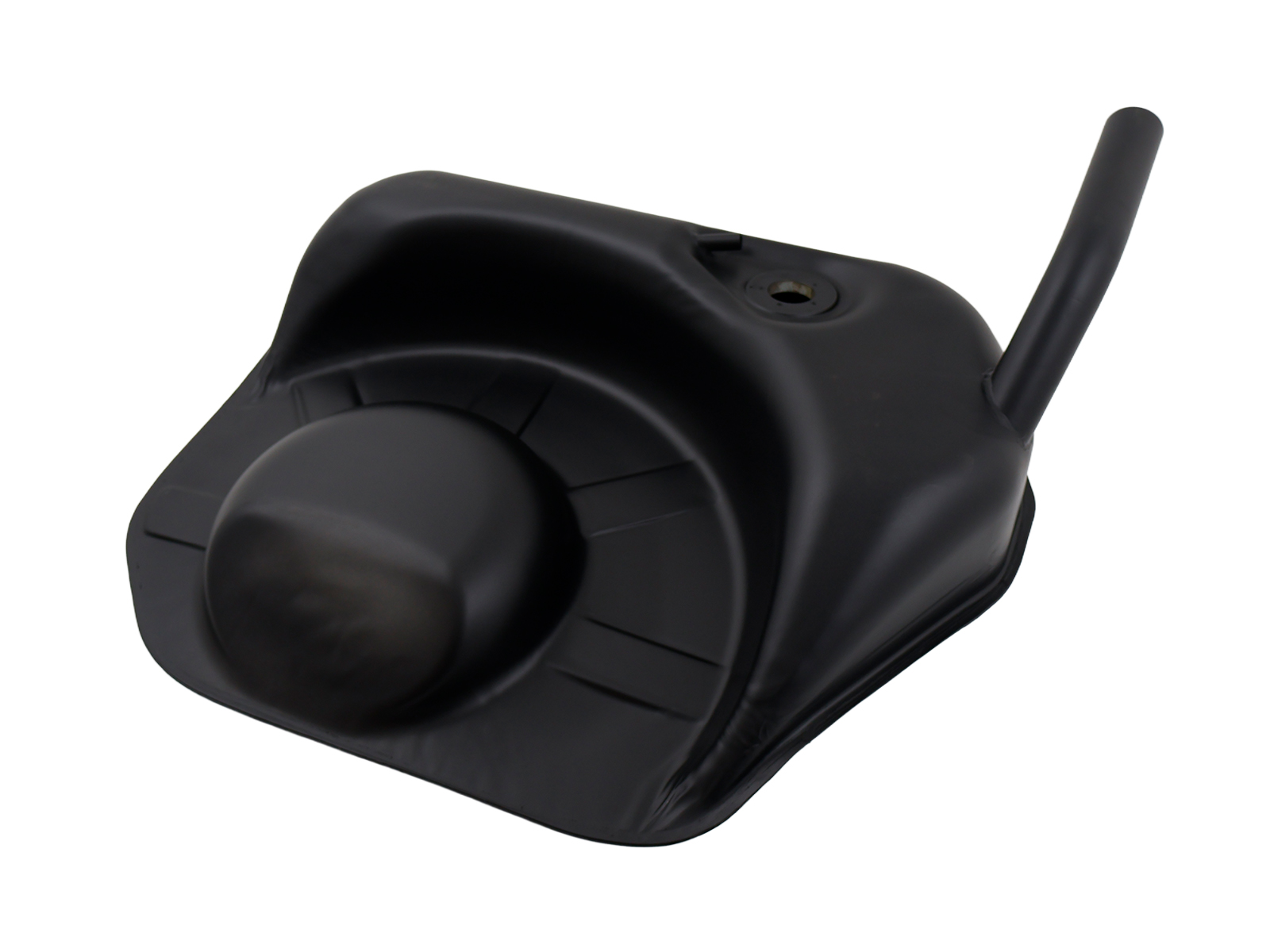
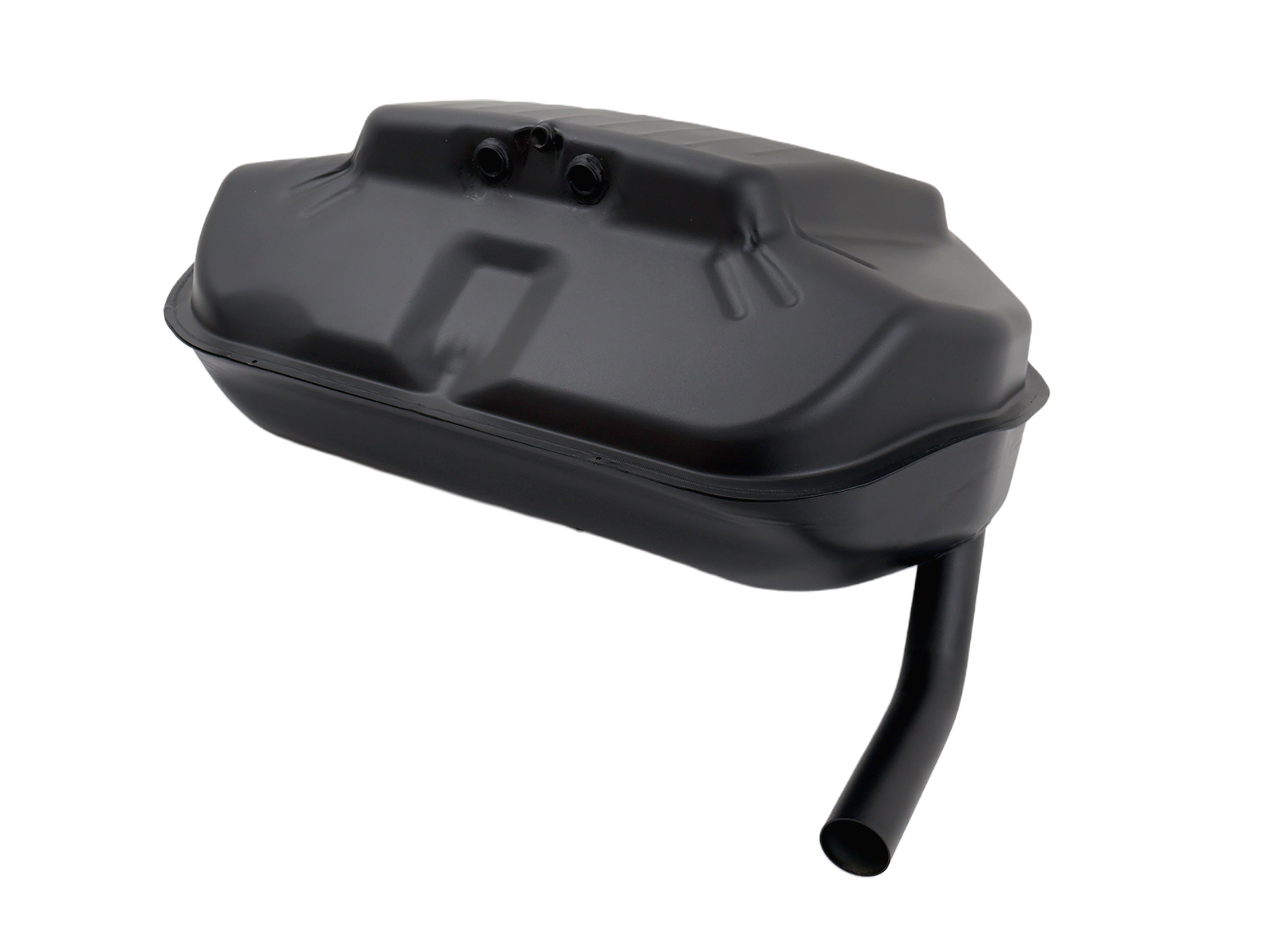
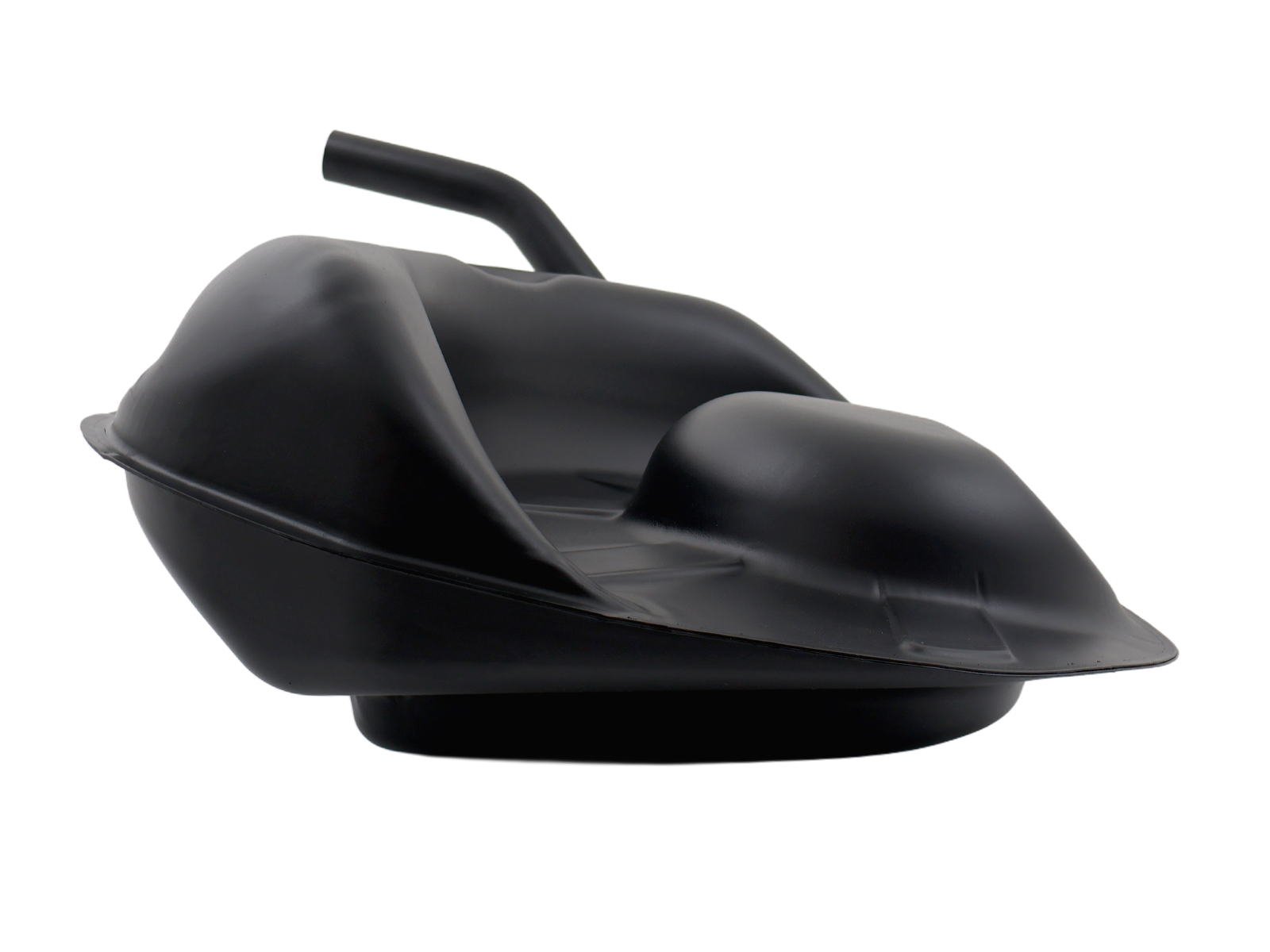
Fuel Tank 62ltr
Restore the safety, reliability and originality of your
Porsche fuel system with this OE Match 62 Litre Fuel Tank, designed for
selected classic Porsche 911 models. Manufactured to original equipment
specifications, this replacement petrol tank provides the correct fit, capacity
and mounting points required for a proper factory-style installation.
Fits:
- Porsche 911 1965-1968 2.0L / 912 SWB (F)
- Porsche 911 1968-1973 2.2L / 2.4L / 2.7L RS LWB (F)
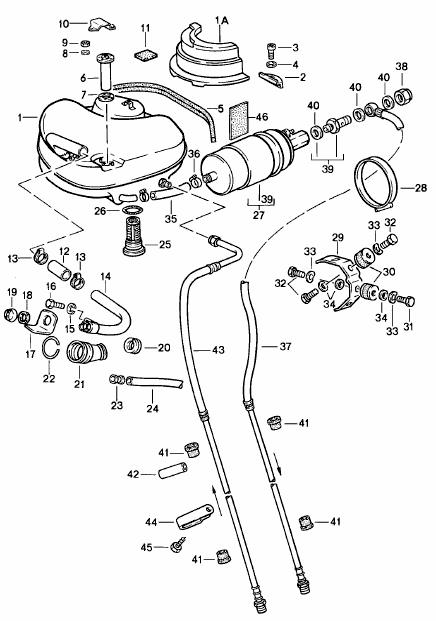
The Aftermarket version does not have an internal
filter. The fuel tank design has changed over the years so you might need a Fuel Tank Installation Kit (65-75) Fuel tank installation kit is required when replacing gas tank (911.201.904.00) in 1965-1975 cars.
A sound fuel tank is essential for safe fuel storage, consistent fuel delivery and long-term vehicle reliability. Whether you are restoring a classic 911, repairing corrosion damage or replacing a leaking tank, this OE Match 62 litre fuel tank is an ideal replacement solution.
What Does the Fuel Tank Do?
The fuel tank stores petrol safely and supplies fuel to the
engine through the fuel delivery system. It is designed to:
- Store fuel securely within the vehicle.
- Maintain a reliable fuel supply to the engine.
- Work with the fuel sender, filler neck and outlet fittings.
- Help prevent fuel vapour and liquid fuel leaks.
- Support safe operation of the complete fuel system.
A correctly sealed and corrosion-free fuel tank is critical for both performance and safety.
Why Do Fuel Tanks Fail?
Fuel tanks can deteriorate over time due to age, moisture
and internal contamination. Common causes of failure include:
- Internal corrosion caused by old fuel and condensation.
- External rust from road dirt, moisture and stone chips.
- Blocked or contaminated fuel outlets.
- Damaged seams or mounting points.
- Perished seals around the sender or fittings.
- Accident damage or poor previous repairs.
Older vehicles that have been stored for long periods are especially prone to internal rust and fuel contamination.
When Should the Fuel Tank Be Replaced?
The fuel tank should be inspected during restoration work,
fuel system repairs or whenever fuel contamination is suspected. Replacement is
recommended if you notice:
- Fuel leaks or petrol smell.
- Visible rust or corrosion.
- Contaminated fuel filters.
- Blocked fuel lines.
- Flaking internal tank coating.
- Poor fuel delivery.
- Damage around the seams, outlet or mounting points.
Replacing a deteriorated fuel tank helps protect the fuel pump, carburettors or fuel injection system from rust particles and debris.
OE Match Quality You Can Trust
This OE Match fuel tank offers:
- 62ltr fuel capacity.
- Manufactured to OE-style dimensions.
- Direct replacement for selected Porsche 911 models.
- Correct fitment for restoration and repair.
- Durable construction for long service life.
- Ideal for classic Porsche fuel system refurbishment.
- Suitable for preventative replacement during full vehicle restoration.
Related reference numbers
Related, superseded, cross reference or alternative numbers for comparison.
91120190402
The product you are viewing cross references to these numbers
- Porsche 911 1965-1968 2.0L / 912 SWB (F)
- Porsche 911 1968-1973 2.2L / 2.4L / 2.7L RS LWB (F)
Shop Securely
12 Month Warranty
Worldwide Delivery
 Express Delivery
 Free delivery
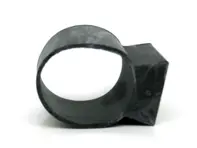
Bumper Impact
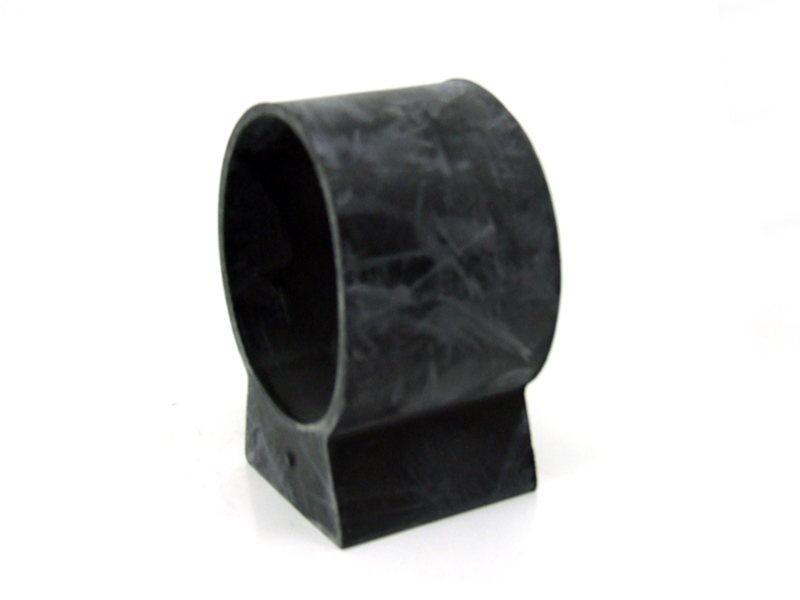
Tube Rubber Sleeve - Fits Front and Rear
Sold Each
Restore the correct fit and protection of your Porsche's
bumper assembly with this OE Match Rubber Sleeve,
designed for the bumper impact tube on classic Porsche 911 models.
Manufactured to OE specifications, this high-quality replacement sleeve
provides the correct cushioning and sealing between the bumper impact tube and
surrounding body components, helping to maintain proper alignment while
protecting against dirt, moisture and premature wear.
Fits:
- Porsche 911 1974-1977 2.7L / 1976-77 3.0 Carrera
- Porsche 911 1978-1983 3.0L / SC
- Porsche 911 1984-1986 3.2L
- Porsche 911 1987-1989 3.2L G50
- Porsche 911 1975-1977 3.0L Turbo (930)
- Porsche 911 1978-1989 3.3L Turbo (930)
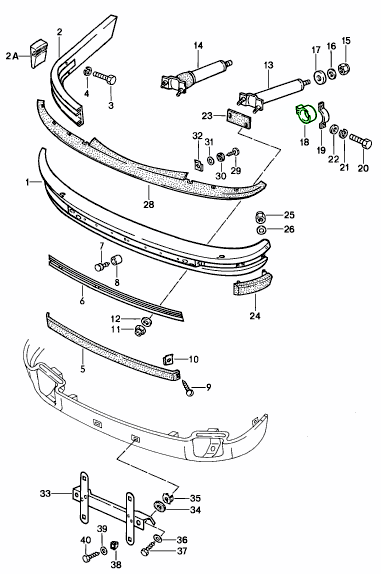
Diagram ref no 18
Whether you're carrying out a full restoration or replacing worn bumper hardware during routine maintenance, this OE Match rubber sleeve delivers the fit and durability expected from an original-style component.
What Does the Rubber Sleeve Do?
The rubber sleeve fits around the bumper impact tube and
acts as a protective interface between the bumper mounting system and the
vehicle body. Its functions include:
- Providing a flexible seal around the impact tube.
- Preventing metal-to-metal contact between components.
- Reducing vibration and movement within the bumper assembly.
- Helping keep dirt, moisture and road contaminants away from the mounting area.
- Maintaining the correct positioning and appearance of the bumper.
Although small, this component plays an important role in preserving both the functionality and longevity of the bumper mounting system.
Why Do Rubber Sleeves Fail?
Like all rubber components, bumper impact tube sleeves
naturally deteriorate with age and environmental exposure. Common causes of
failure include:
- UV exposure causing the rubber to harden and crack.
- Heat cycles leading to loss of elasticity.
- Oil, grease and road chemicals degrading the material.
- Moisture ingress accelerating ageing.
- Compression over many years causing permanent deformation.
- Damage during bumper removal or accident repairs.
As the sleeve deteriorates, it may split, perish or lose its ability to seal and cushion the impact tube effectively.
When Should the Rubber Sleeve Be Replaced?
The rubber sleeve should be inspected whenever the front or
rear bumper is removed, particularly during restoration work, accident repairs
or bumper refurbishment. Replacement is recommended if the sleeve shows signs
of:
- Cracking or splitting.
- Hardening or loss of flexibility.
- Perishing or surface deterioration.
- Distortion or compression.
- Missing or damaged sealing surfaces.
Replacing aged rubber components during restoration helps preserve the original fit, reduces future maintenance and ensures the bumper assembly remains securely supported.
Related reference numbers
Related, superseded, cross reference or alternative numbers for comparison.
91150522100
The product you are viewing cross references to these numbers
- Porsche 911 1974-1977 2.7L / 1976-77 3.0 Carrera
- Porsche 911 1978-1983 3.0L / SC
- Porsche 911 1984-1986 3.2L
- Porsche 911 1987-1989 3.2L G50
- Porsche 911 1975-1977 3.0L Turbo (930)
- Porsche 911 1978-1989 3.3L Turbo (930)
Shop Securely
12 Month Warranty
Worldwide Delivery
Express Delivery
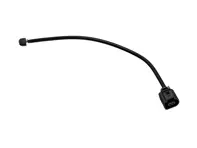
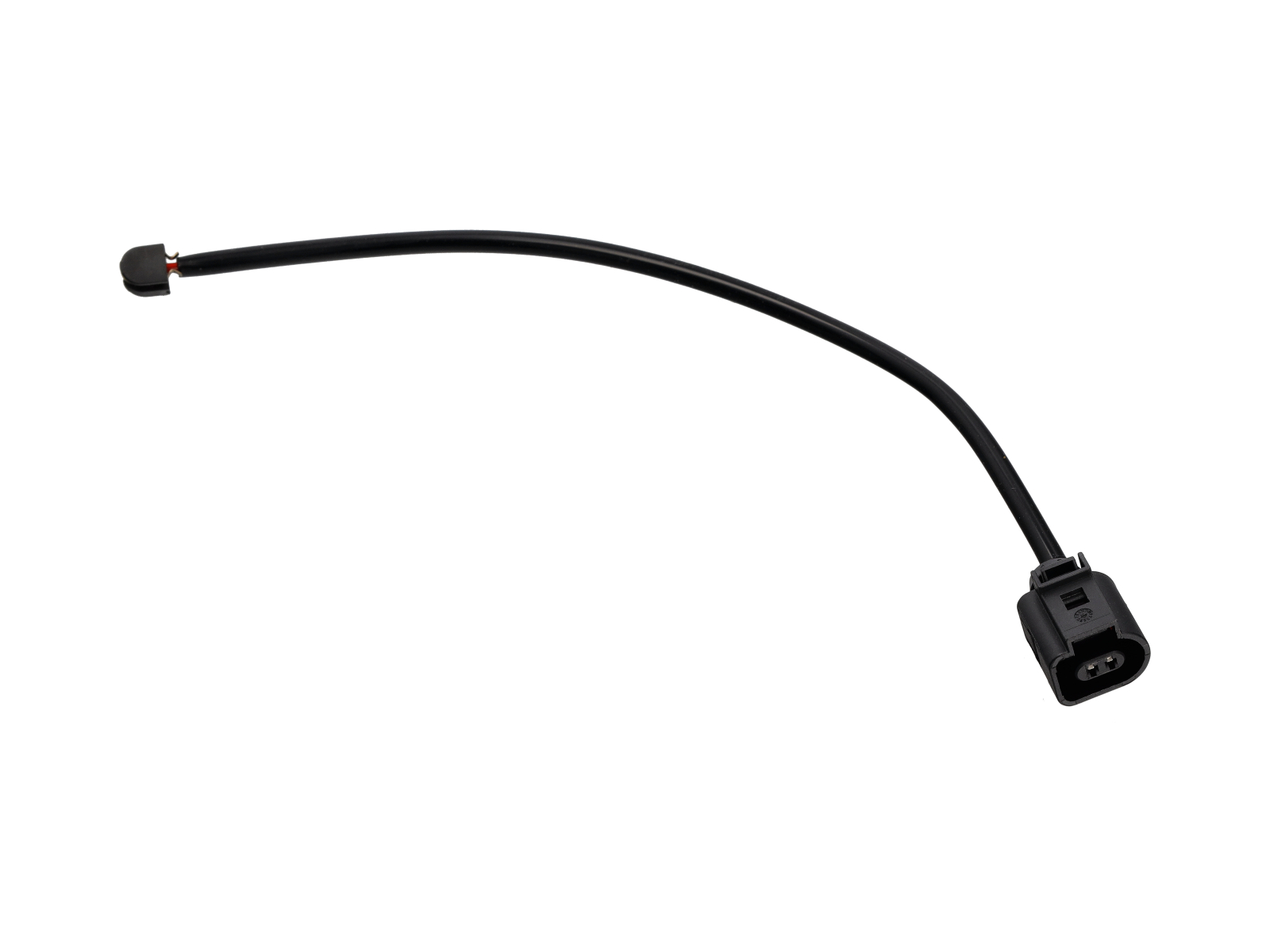
Front Brake Pad Warning Wire
Sold each - 2 required per car
Restore accurate brake pad wear monitoring with this OE
Match Front Brake Pad Warning Wire for Porsche 958 Cayenne and Porsche 970
Panamera models fitted with standard non-PCCB braking systems. This essential
brake wear sensor connects to the front brake pad assembly and alerts the
driver when the brake pads have worn down to their service limit.
Fits
- Porsche 958 Cayenne V6 3.6L Petrol (300Hp) 2010-17
- Porsche 958 Cayenne V6 3.0L Diesel (245Hp) 2010-17
- Porsche 958 Cayenne S V6 3.0L Hybrid (380Hp) 2010-17
- Porsche 958 Cayenne S V8 4.8L Petrol (400Hp) 2010-17
- Porsche 958 Cayenne S V8 4.2L Diesel (382Hp) 2010-17
- Porsche 958 Cayenne GTS V8 4.8L Petrol (400Hp) 2010-17
- Porsche 958 Cayenne Turbo V8 4.8L Petrol (500Hp) 2010-17
- Porsche 958 Cayenne Turbo S V8 4.8L Petrol (550Hp) 2010-17
- Porsche 970.1 Panamera V6 3.6L 2WD 2009-13
- Porsche 970.1 Panamera 4 V6 3.6L 4WD 2009-13
- Porsche 970.1 Panamera S V8 4.8L 2009-13
- Porsche 970.1 Panamera 4S V8 4.8L 2009-13
- Porsche 970.1 Panamera GTS V8 4.8L 2011-13
- Porsche 970.1 Panamera Turbo V8 4.8L 2009-13
- Porsche 970.1 Panamera Diesel V6 3.0L 2011-13
- Porsche 970.1 Panamera S Hybrid V6 3.0L 2011-13
- Porsche 970.2 Panamera V6 3.6L 2WD (310Hp) 2014-16
- Porsche 970.2 Panamera 4 V6 3.6L 4WD (310Hp) 2014-16
- Porsche 970.2 Panamera S V6 Turbo 3.0L 2WD (420Hp) 2014-16
- Porsche 970.2 Panamera S V6 Turbo 3.0L 2WD Executive 2014-16
- Porsche 970.2 Panamera 4S V6 Turbo 3.0L 4WD (420Hp) 2014-16
- Porsche 970.2 Panamera 4S V6 Turbo 3.0L 4WD Executive 2014-16
- Porsche 970.2 Panamera GTS V8 4.8L 4WD (440Hp) 2014-16
- Porsche 970.2 Panamera Turbo V8 4.8L (520Hp) 2014-16
- Porsche 970.2 Panamera Turbo V8 Executive 2014-16
- Porsche 970.2 Panamera Diesel V6 3.0L (250Hp) 2014-16
- Porsche 970.2 Panamera S E-Hybrid V6 3.0L (416Hp) 2014-16
Designed for vehicles with conventional steel brake discs, this warning wire is not suitable for Porsche Ceramic Composite Brake (PCCB) applications. Manufactured to OE Match standards, it provides correct fitment, reliable electrical performance and dependable brake wear indication.
What Does the Brake Pad Warning Wire Do?
The brake pad warning wire monitors brake pad thickness by using a wear-sensitive electrical circuit.
Its primary functions include:
- Monitoring front brake pad wear
- Triggering the dashboard brake wear warning
- Helping prevent damage to brake discs
- Supporting safe brake maintenance
- Providing early warning of worn pads
- Maintaining correct brake system monitoring
Once the brake pad wears down to the sensor contact point, the circuit is interrupted and the vehicle displays a brake wear warning.
Why Do Brake Pad Warning Wires Fail?
Brake pad warning wires are exposed to heat, road debris, brake dust and moisture.
Common causes of failure include:
- Normal brake pad wear
- Heat damage from braking
- Damaged wiring insulation
- Corroded connectors
- Road debris impact
- Incorrect installation
- Reuse after brake pad replacement
- Age-related deterioration
In many cases, the warning wire is designed to be replaced once the brake wear warning has been triggered.
Symptoms of a Faulty Brake Pad Warning Wire
Common signs include:
- Brake pad warning light illuminated
- Warning remains after pad replacement
- Damaged or broken sensor wire
- Corroded electrical connector
- Intermittent brake warning messages
- Visible wire wear or heat damage
- Sensor missing from brake pad assembly
When Should It Be Replaced?
Replacement is recommended when:
- Front brake pads are replaced
- The warning light has been triggered
- The sensor wire is damaged
- The connector is corroded
- Carrying out brake system servicing
- Fitting new discs and pads
- Diagnosing brake warning messages
Most Porsche specialists recommend fitting new warning wires whenever brake pads are replaced.
Why Replacement Matters
A working brake pad warning wire helps maintain safe braking performance and protects expensive components.
Benefits include:
- Accurate brake pad wear monitoring
- Reduced risk of disc damage
- Reliable dashboard warnings
- Improved brake maintenance planning
- Correct system function
- Better long-term brake safety
- Factory-style fitment
Related reference numbers
Related, superseded, cross reference or alternative numbers for comparison.
95861236500
The product you are viewing cross references to these numbers
- Porsche 958 Cayenne V6 3.6L Petrol (300Hp) 2010-17
- Porsche 958 Cayenne V6 3.0L Diesel (245Hp) 2010-17
- Porsche 958 Cayenne S V6 3.0L Hybrid (380Hp) 2010-17
- Porsche 958 Cayenne S V8 4.8L Petrol (400Hp) 2010-17
- Porsche 958 Cayenne S V8 4.2L Diesel (382Hp) 2010-17
- Porsche 958 Cayenne GTS V8 4.8L Petrol (400Hp) 2010-17
- Porsche 958 Cayenne Turbo V8 4.8L Petrol (500Hp) 2010-17
- Porsche 958 Cayenne Turbo S V8 4.8L Petrol (550Hp) 2010-17
- Porsche 970.1 Panamera V6 3.6L 2WD 2009-13
- Porsche 970.1 Panamera 4 V6 3.6L 4WD 2009-13
- Porsche 970.1 Panamera S V8 4.8L 2009-13
- Porsche 970.1 Panamera 4S V8 4.8L 2009-13
- Porsche 970.1 Panamera GTS V8 4.8L 2011-13
- Porsche 970.1 Panamera Turbo V8 4.8L 2009-13
- Porsche 970.1 Panamera Diesel V6 3.0L 2011-13
- Porsche 970.1 Panamera S Hybrid V6 3.0L 2011-13
- Porsche 970.2 Panamera V6 3.6L 2WD (310Hp) 2014-16
- Porsche 970.2 Panamera 4 V6 3.6L 4WD (310Hp) 2014-16
- Porsche 970.2 Panamera S V6 Turbo 3.0L 2WD (420Hp) 2014-16
- Porsche 970.2 Panamera S V6 Turbo 3.0L 2WD Executive 2014-16
- Porsche 970.2 Panamera 4S V6 Turbo 3.0L 4WD (420Hp) 2014-16
- Porsche 970.2 Panamera 4S V6 Turbo 3.0L 4WD Executive 2014-16
- Porsche 970.2 Panamera GTS V8 4.8L 4WD (440Hp) 2014-16
- Porsche 970.2 Panamera Turbo V8 4.8L (520Hp) 2014-16
- Porsche 970.2 Panamera Turbo V8 Executive 2014-16
- Porsche 970.2 Panamera Diesel V6 3.0L (250Hp) 2014-16
- Porsche 970.2 Panamera S E-Hybrid V6 3.0L (416Hp) 2014-16
Shop Securely
12 Month Warranty
Worldwide Delivery
Express Delivery
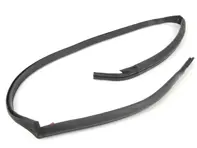
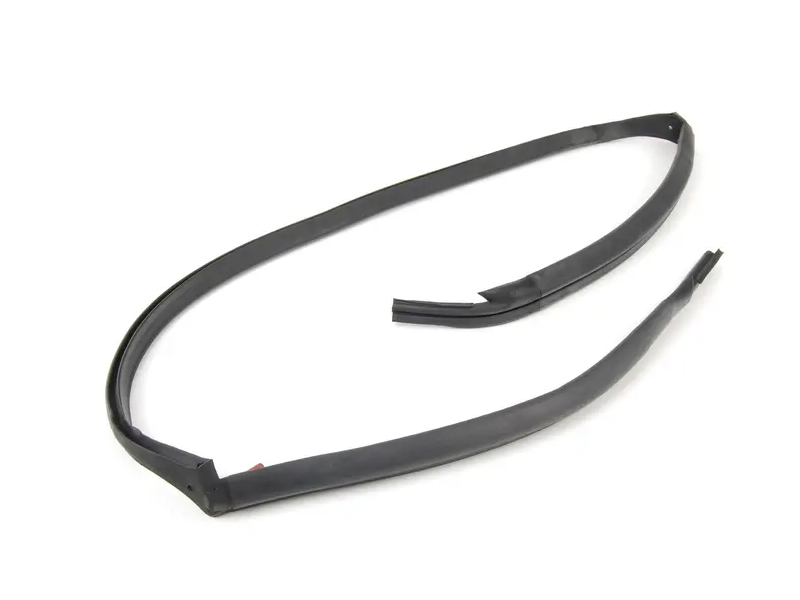
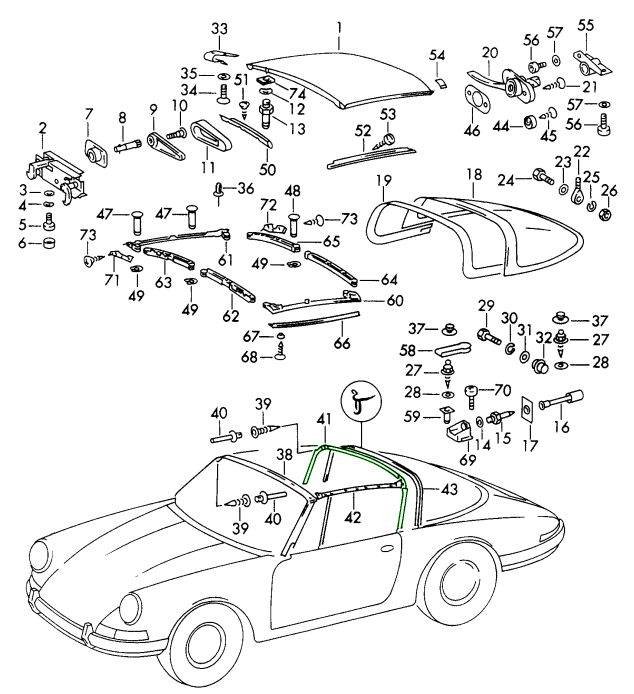
Front Targa Roll Bar Seal
Restore the weatherproof integrity and original fit of your
classic Porsche with this OE Match Front Targa Roll Bar Seal,
designed specifically for Porsche 911 Targa models from 1965 to 1969.
Manufactured to OE specifications, this high-quality rubber seal fits along the
front edge of the Targa roll bar, creating a secure seal between the removable
roof panel and the stainless steel Targa bar.
Fits:
- Porsche 911 1965-1968 2.0L / 912 SWB (F)
Diagram Ref: 41
As one of the key weather seals on early Targa models, this component plays an essential role in preventing water ingress, reducing wind noise and ensuring the roof panel fits securely against the body. Over decades of exposure to sunlight, moisture and changing temperatures, the original seal naturally hardens and deteriorates, reducing both comfort and weather protection.
This OE Match replacement restores the correct fit, sealing performance and factory appearance expected from an early Porsche 911 Targa.
What Does the Front Targa Roll Bar Seal Do?
The front roll bar seal forms a weather-tight seal between the removable Targa roof panel and the front face of the Targa roll bar.
Its primary functions include:
- Preventing water entering the cabin
- Reducing wind noise
- Cushioning the roof panel
- Supporting correct roof alignment
- Eliminating rattles and vibration
- Protecting the interior from moisture
- Maintaining the factory roof fit
A correctly fitted seal helps preserve the unique open-top driving experience while maintaining comfort in all weather conditions.
Why Do Targa Roll Bar Seals Fail?
Rubber weather seals are continually exposed to the elements and naturally deteriorate with age.
Common causes of failure include:
- UV exposure
- Moisture damage
- Rubber hardening
- Shrinkage
- Cracking
- Compression set
- General age-related deterioration
Even well-maintained cars will eventually require replacement seals to restore proper sealing performance.
Symptoms of a Worn Front Targa Roll Bar Seal
Common signs include:
- Water leaks around the roof
- Increased wind noise
- Whistling at speed
- Roof rattles
- Flattened or cracked rubber
- Gaps between the roof panel and roll bar
- Damp interior trim
- Visible deterioration of the seal
Replacing worn seals dramatically improves cabin refinement and weather protection.
When Should the Seal Be Replaced?
Replacement is recommended when:
- Water leaks develop
- Wind noise increases
- The rubber becomes hard or cracked
- Carrying out a Targa roof restoration
- Repainting the vehicle
- Refurbishing the roof panel
- Completing a concours restoration
- Undertaking preventative maintenance
Many Porsche restorers replace all Targa seals together to ensure consistent sealing and long-term reliability.
Why Replace with an OE Match Seal?
A correctly manufactured OE Match seal offers:
- Factory-style fitment
- Excellent weather protection
- Reduced wind noise
- Improved roof stability
- Long-lasting rubber compound
- Correct appearance
- Easy installation
- Reliable sealing performance
Related reference numbers
Related, superseded, cross reference or alternative numbers for comparison.
90156509940
The product you are viewing cross references to these numbers
- Porsche 911 1965-1968 2.0L / 912 SWB (F)
Shop Securely
12 Month Warranty
Worldwide Delivery

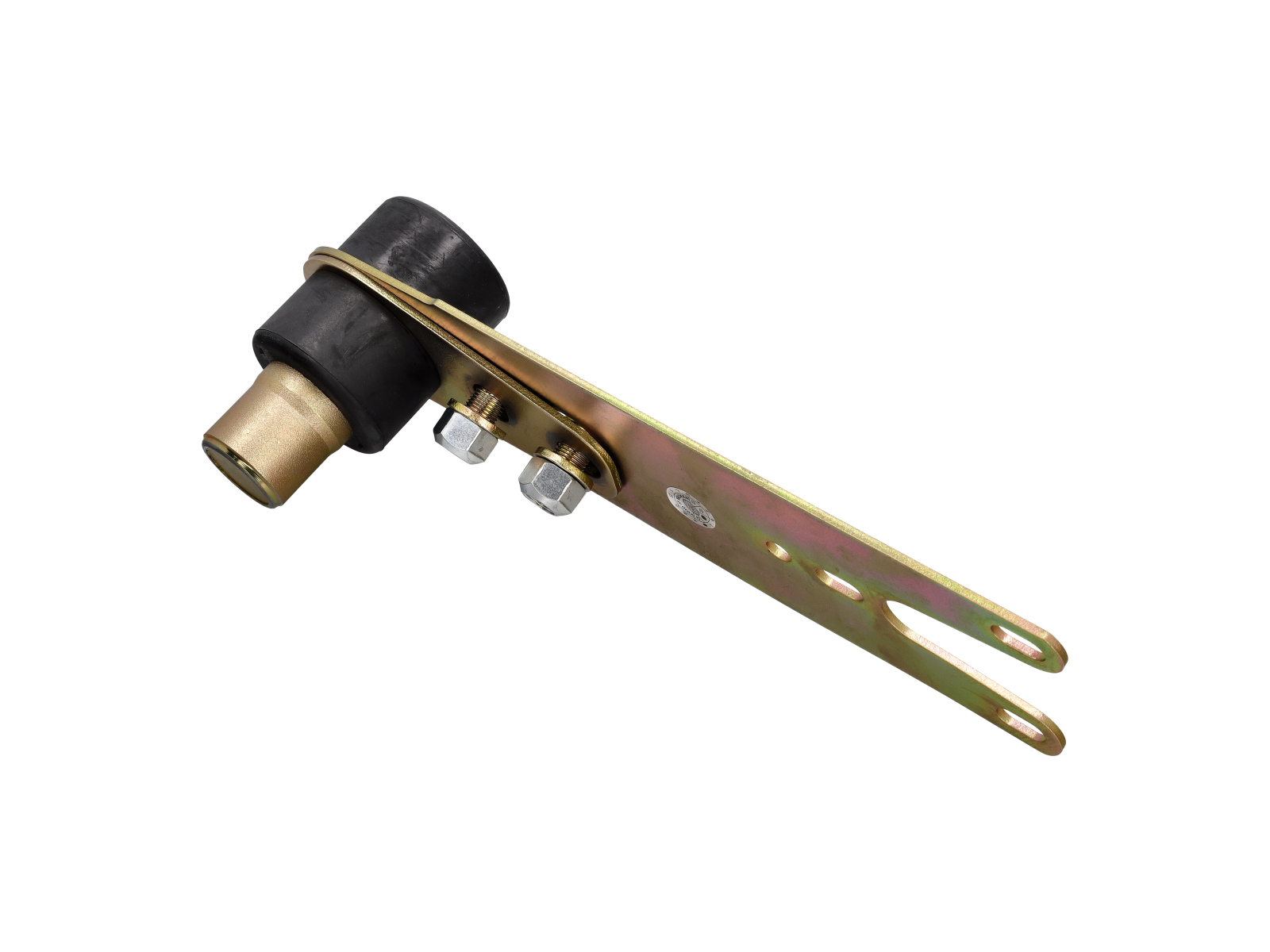
This OE match adjustable spring plate is a direct replacement for the original Porsche component used on 911 models equipped with the 915 gearbox. Engineered to original specifications, it integrates seamlessly into the torsion bar rear suspension system. Unlike fixed spring plates, this adjustable version allows precise ride height tuning via an integrated adjustment mechanism, eliminating the need for repeated torsion bar re-indexing.
Sold individually, 2 required per vehicle.
Fits:
Porsche 911 1976 - 1986 915 Gear Box
Replacement for Diagram Ref No.16
Unfortunately, lowering the rear of your 911/912/930 is not nearly as easy as lowering the front. That is until you install this new Adjustable Spring Plate kit Now your rear ride height can be adjusted to your desired level with a simple turn of a bolt.
Note: When using adjustable spring plates with stock torsion bars, the splines may be a tight fit and require a small amount of hand fitting.
Spring plate normally rust, replacing them will give you a better ride.
Related reference numbers
Related, superseded, cross reference or alternative numbers for comparison.
91133300905
The product you are viewing cross references to these numbers

- Porsche 911 1974-1977 2.7L / 1976-77 3.0 Carrera
- Porsche 911 1978-1983 3.0L / SC
- Porsche 911 1984-1986 3.2L
- Porsche 911 1975-1977 3.0L Turbo (930)
Shop Securely
12 Month Warranty
Worldwide Delivery
Express Delivery


1 x Oil Filter
1 x Pollen Filter
1 x Sump Plug Ring
*Please add engine oil and brake fluid if required.
Official Porsche service intervals include:
- 2 years or 20,000 miles:
Replacement of oil filter, pollen filter, engine oil, brake fluid.
- 4 years or 40,000 miles:
Replacement of oil filter, pollen filter, engine oil, brake fluid plus air filter and spark plugs
- 6 years or 60,000 miles:
Replacement of oil filter, pollen filter, engine oil, brake fluid plus drive belt
- 8 years or 80,000 miles:
Replacement of oil filter, pollen filter, engine oil, brake fluid plus air filter and spark plugs
- 10 years or 100,000 miles:
Replacement of oil filter, pollen filter, engine oil, brake fluid.
- 12 years or 120,000 miles:
Replacement of oil filter, pollen filter, engine oil, brake fluid plus air filter, spark plugs, drive belt and gearbox oil
Recommended engine oil is 0W40. Engine capacity is approx. 8.3 litres. We recommend to buy 10ltrs. Brake fluid system would require approximately 2 litres.
Fits:
Porsche 997 Carrera 3.6L
Porsche 997 Carrera S 3.8L
Related reference numbers
Related, superseded, cross reference or alternative numbers for comparison.
SERVICEPACK997
The product you are viewing cross references to these numbers

- Porsche 997 MK1 Carrera 2 3.6L 2005-08
- Porsche 997 MK1 Carrera 2S 3.8L 2005-08
- Porsche 997 MK1 Carrera 4 3.6L 2005-08
- Porsche 997 MK1 Carrera 4S 3.8L 2005-08

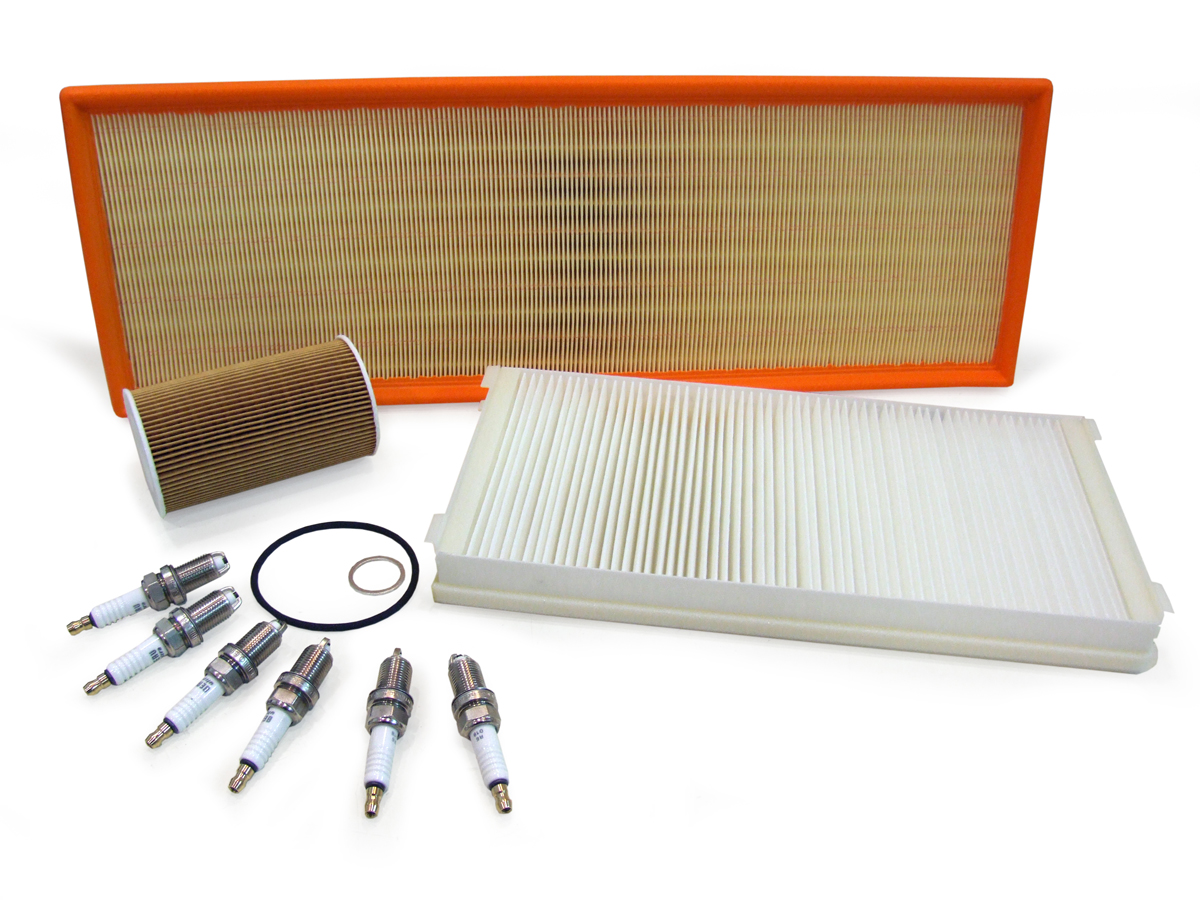
With Bosch spark plugs
1 x Oil Filter
1 x Pollen Filter
1 x Air Filter
1 x Sump Plug Ring
6 X Spark Plugs
Fits:
Porsche 996 Turbo 3.6L
Related reference numbers
Related, superseded, cross reference or alternative numbers for comparison.
SERVICEKIT.996TT.OEM
The product you are viewing cross references to these numbers
- Porsche 996 TURBO 2000-05
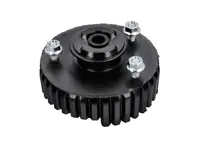
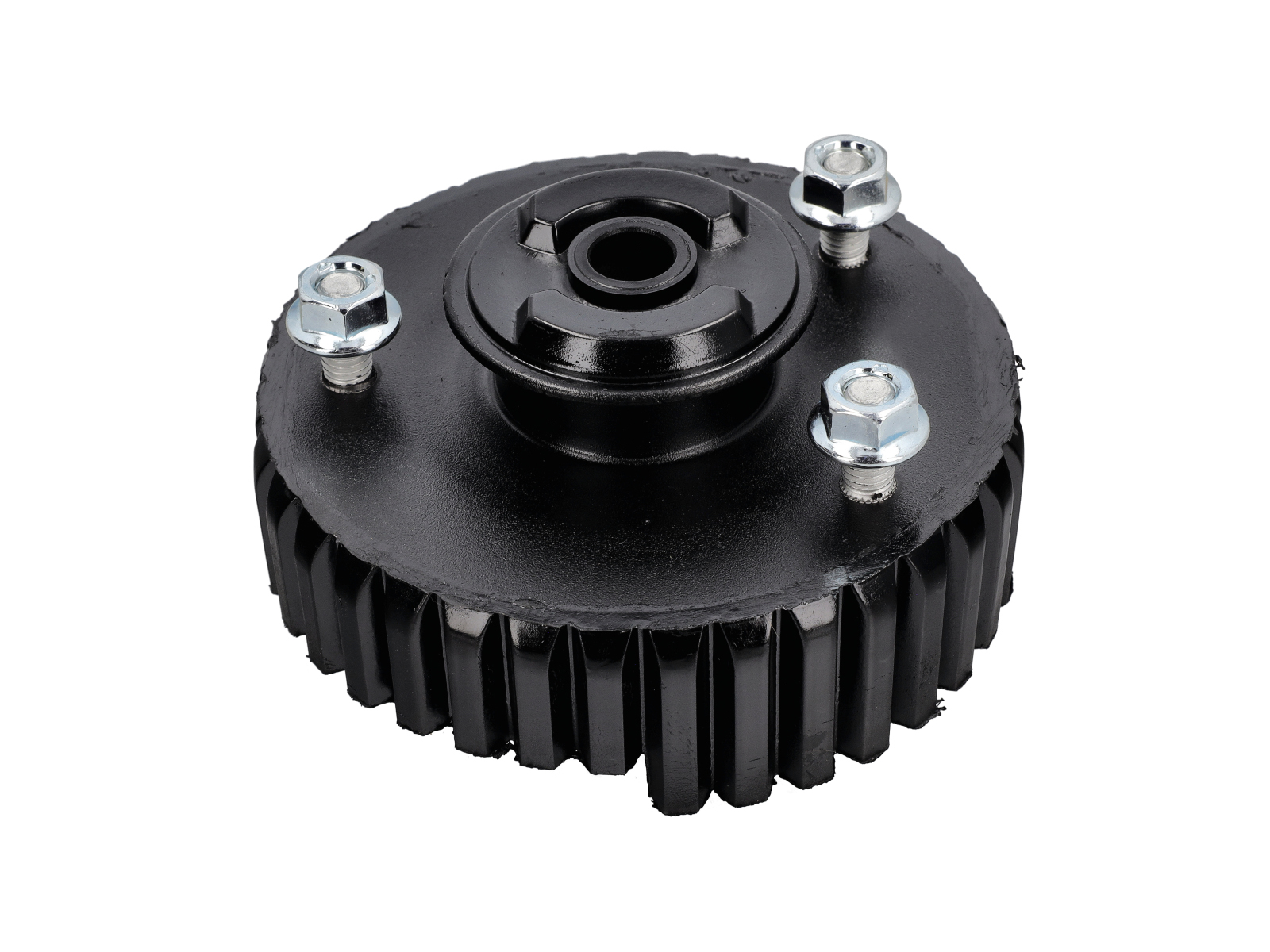
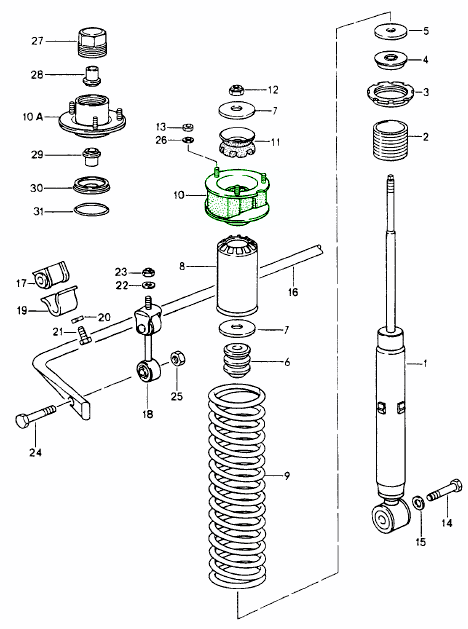
This mount is designed to provide correct bearing support, mounting geometry, and durable rubber/metal construction for the rear suspension strut assembly. According to parts listings, it fits the rear upper shock mount position.

Porsche 964 1991>> (not Carrera RS)
Diagram ref no 10
• Direct-fit replacement matching OEM dimensions and mounting points.
• Built for the load and motion characteristics of the rear suspension—ensuring accurate alignment and ride stability.
• Application: Rear suspension mount, strut/upper shock mount, Porsche 964 models.
The rear strut mount is subjected to road loads, suspension articulation, vibrations and bearing wear. When the mount becomes worn or the bearing fails, you may experience clunking, excessive movement, misalignment of the rear suspension, or compromised ride quality. Replacing this mount restores proper mounting integrity, correct wheel alignment and helps maintain the factory ride & handling characteristics.
Related reference numbers
Related, superseded, cross reference or alternative numbers for comparison.
96433305900
The product you are viewing cross references to these numbers
- Porsche 964 (911) C2 1989-93
- Porsche 964 (911) C4 1989-93
- Porsche 964 (911) TURBO 3.3L 1991-93
- Porsche 964 (911) TURBO 3.6L 1991-93
Shop Securely
12 Month Warranty
Worldwide Delivery
Express Delivery
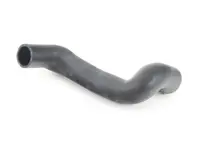
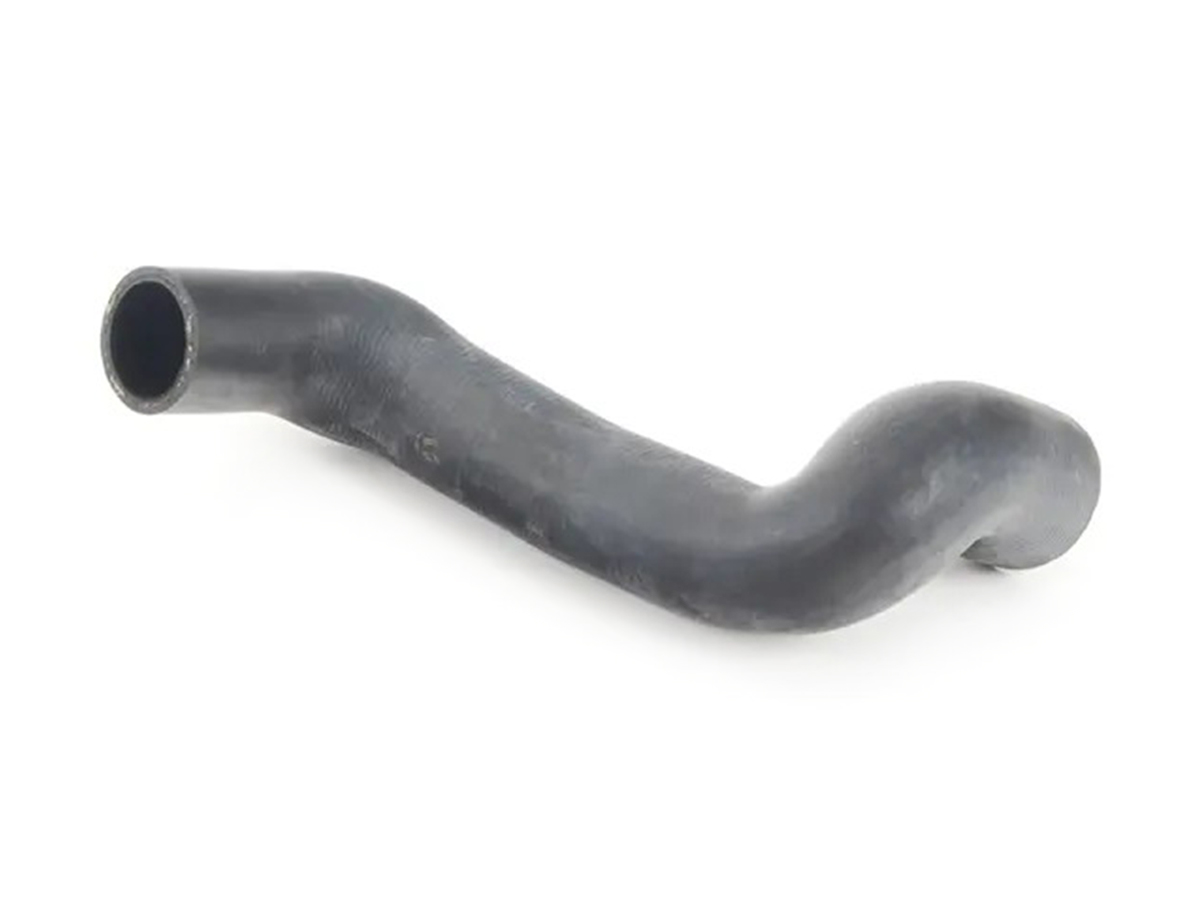
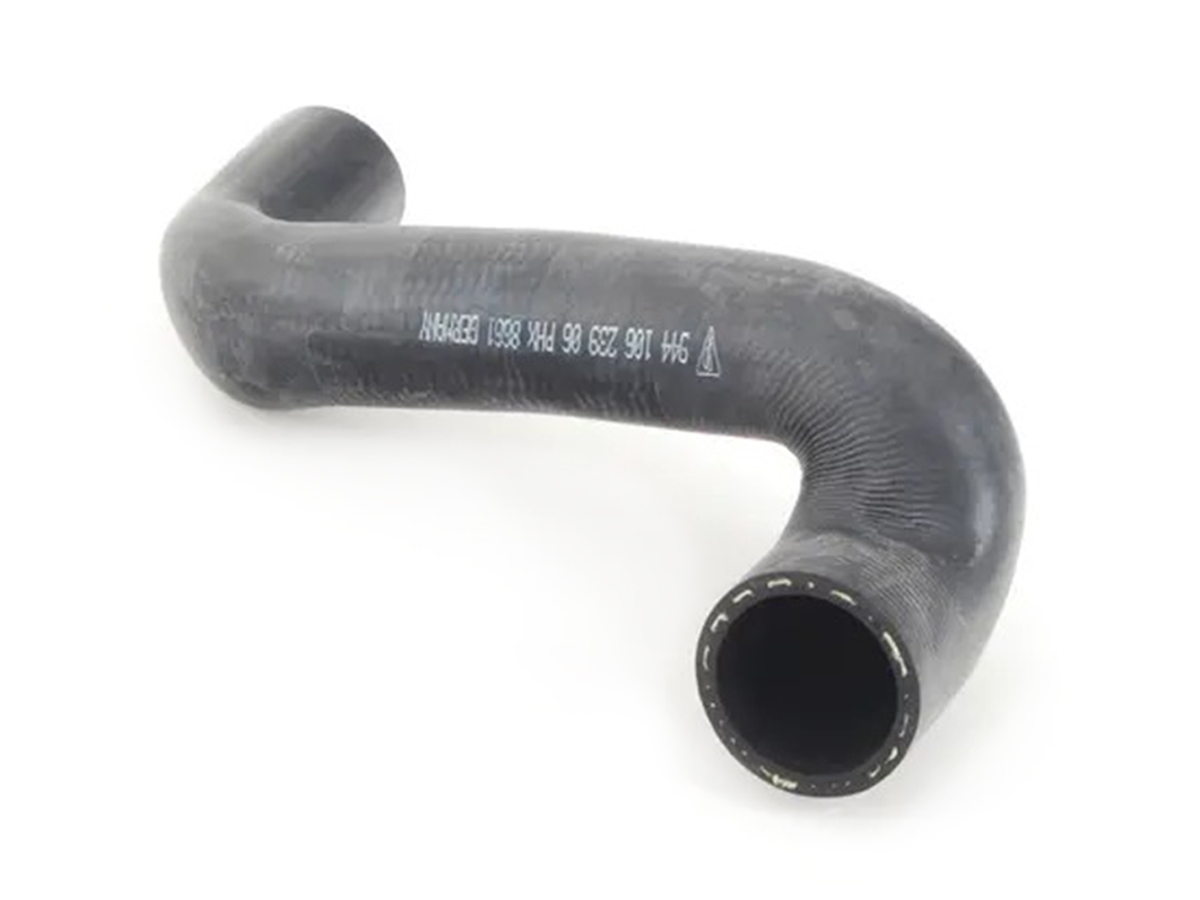
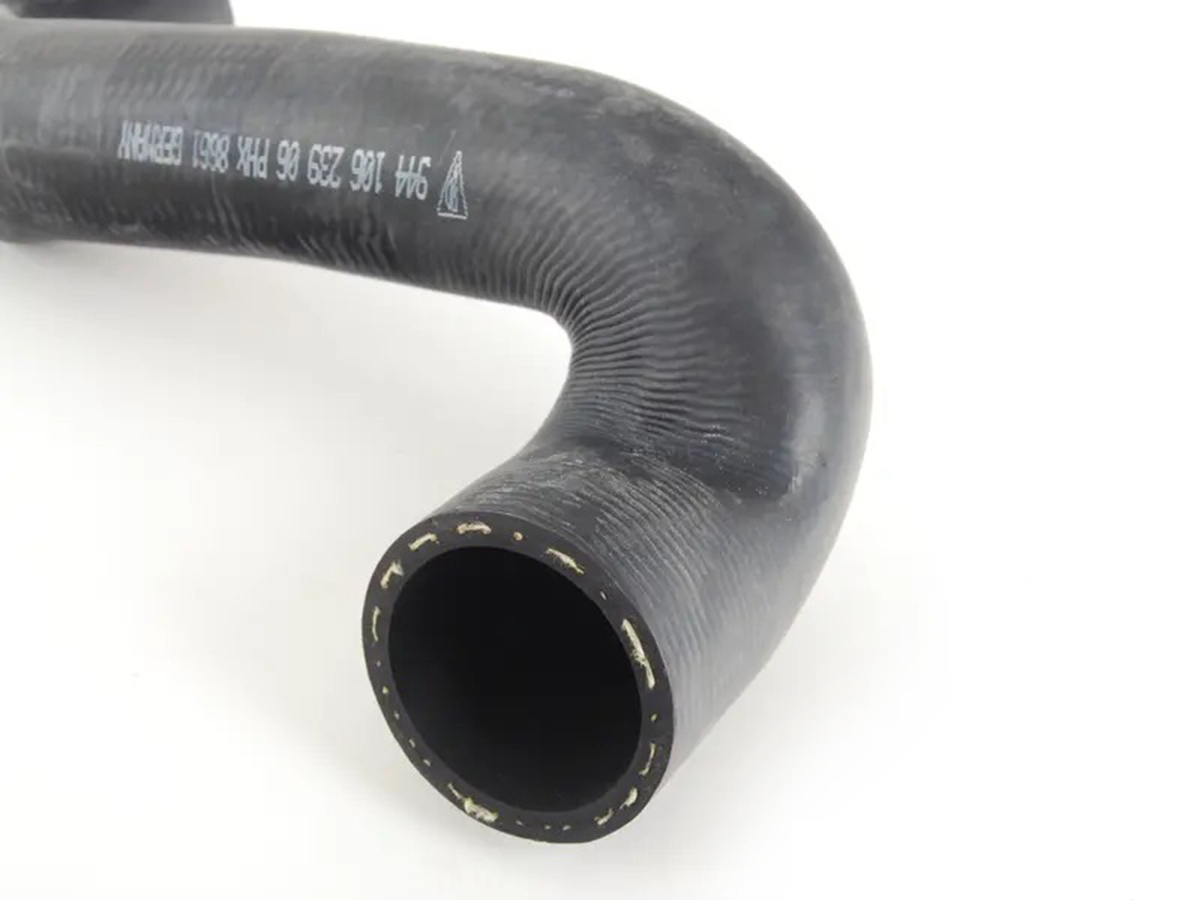
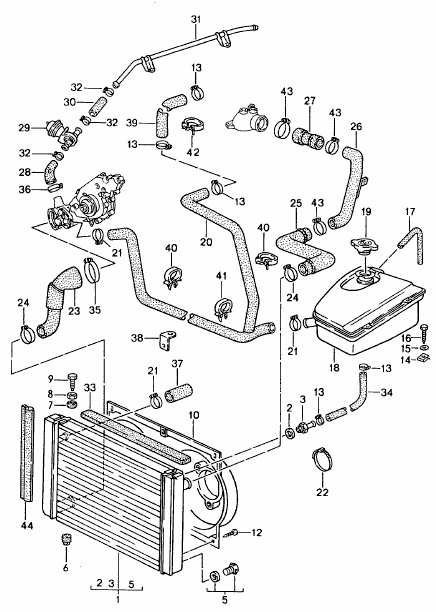
Radiator Top Hose
Maintain reliable engine cooling and protect your Porsche
from overheating with this OE Match Radiator Top Hose, designed specifically
for the Porsche 944 S and Porsche 944 S2. Manufactured to original equipment
specifications, this high-quality replacement hose ensures efficient coolant
circulation between the engine and radiator, helping your cooling system
operate at peak performance.
Fits:
- Porsche 944S 2.5L 16V 1987-88
- Porsche 944S2 3.0L 16V 1989-91
Diagram ref no 25
The radiator top hose is one of the most important components in the engine cooling system. It carries hot coolant from the engine to the radiator, where heat is dissipated before the coolant returns to the engine. Because it operates under constant pressure and high temperatures, the hose naturally deteriorates over time and should be inspected regularly as part of routine maintenance.
This OE Match replacement provides the correct fit, flexibility and durability required to restore the cooling system to factory performance.
What Does the Radiator Top Hose Do?
The radiator top hose connects the engine to the upper section of the radiator.
Its primary functions include:
Carrying hot coolant from the engine to the radiator Maintaining continuous coolant circulation Helping regulate engine operating temperature Supporting efficient heat transfer Preventing overheating Maintaining cooling system pressure Ensuring reliable engine performance
Without a properly functioning top hose, coolant circulation is compromised, increasing the risk of overheating and engine damage.
Why Do Radiator Top Hoses Fail?
Cooling hoses are subjected to continuous heat, pressure and vibration throughout their service life.
Common causes of failure include:
- Age-related rubber deterioration
- Heat cycling
- Internal coolant contamination
- Pressure fatigue
- Oil contamination
- Cracking and hardening
- Swelling
- Perishing of the rubber compound
As the hose ages, it becomes less flexible and more prone to splitting or leaking.
Symptoms of a Failing Radiator Top Hose
Signs that the hose may require replacement include:
- Coolant leaks
- Cracked or perished rubber
- Soft or swollen hose walls
- Visible bulging
- Steam from the engine bay
- Sweet smell of coolant
- Engine overheating
- Low coolant warning
If left unattended, a failed radiator hose can quickly lead to significant coolant loss and potential engine damage.
When Should the Radiator Top Hose Be Replaced?
Replacement is recommended when:
- Carrying out cooling system servicing
- Replacing the radiator
- Replacing the thermostat or water pump
- Any signs of cracking or swelling are present
- Coolant leaks develop
- Completing an engine rebuild
- Restoring a Porsche 944 S or 944 S2
- Performing preventative maintenance on older vehicles
Many Porsche specialists recommend replacing ageing coolant hoses together to maximise long-term reliability.
Why Replacement Matters
Replacing an ageing radiator hose helps maintain the efficiency of the entire cooling system.
Benefits include:
- Reliable coolant circulation
- Reduced risk of overheating
- Improved cooling system performance
- Prevention of coolant leaks
- Increased engine reliability
- Greater peace of mind Long-term durability
- Factory-correct fit and performance
Preventative replacement is considerably less expensive than repairing engine damage caused by coolant loss.
Related reference numbers
Related, superseded, cross reference or alternative numbers for comparison.
94410623906
The product you are viewing cross references to these numbers
- Porsche 944S 2.5L 16V 1987-88
- Porsche 944S2 3.0L 16V 1989-91
Shop Securely
12 Month Warranty
Worldwide Delivery
Express Delivery
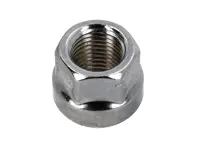
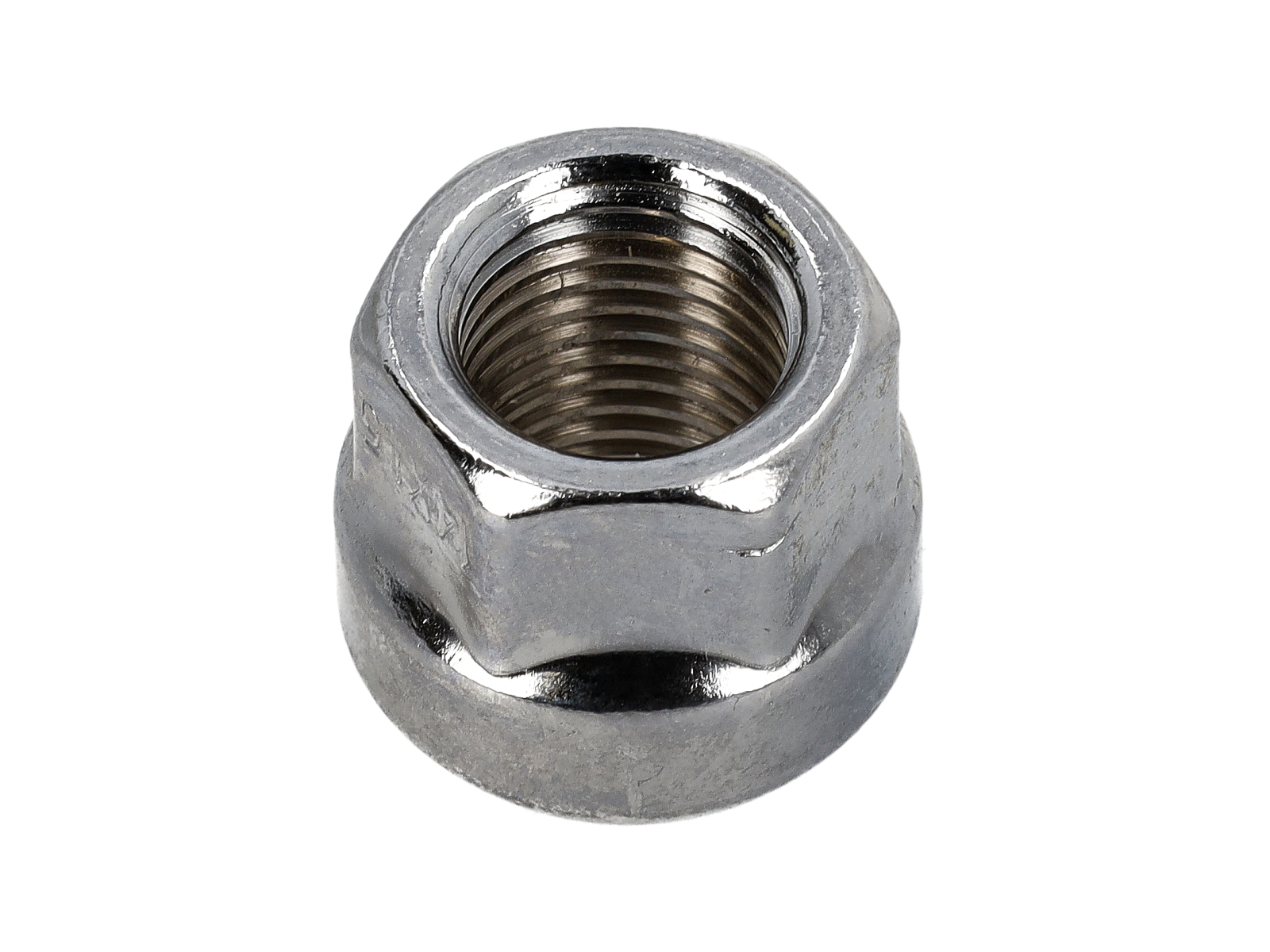
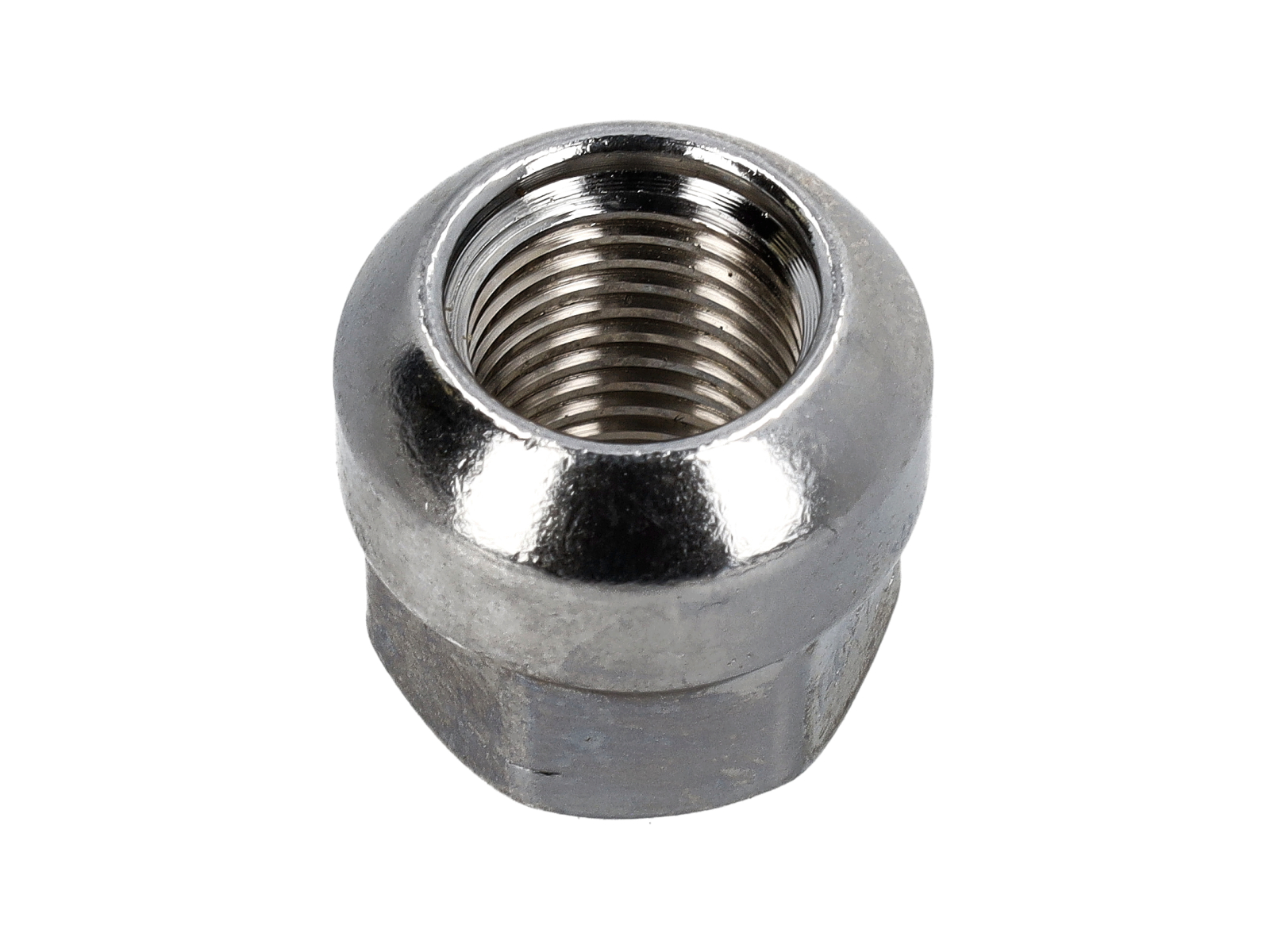
Open Ended Wheel Nut – Ball Seat R14 (Chrome Finish)
Sold each
Secure your Porsche wheels with confidence using this OE Match Open Ended Wheel Nut featuring an R14 Ball Seat and durable Chrome Finish. Designed for use on a wide range of modern and classic Porsche models, this high-quality wheel nut is ideal for vehicles fitted with wheel stud conversions, wheel spacers or motorsport-style wheel fastening systems.
Unlike standard closed-end wheel nuts, the open-ended design allows longer wheel studs to pass completely through the nut. This makes them the preferred choice when installing wheel spacers, aftermarket hubs or extended wheel studs, ensuring full thread engagement while maintaining safe and secure wheel retention.
Manufactured to OE Match standards, these wheel nuts provide excellent strength, corrosion resistance and an attractive chrome finish, making them suitable for both road and performance applications.
What Does an Open Ended Wheel Nut Do?
Wheel nuts secure the wheel to the vehicle's hub by clamping it firmly against the mounting face.
The open-ended design allows:
- Use with extended wheel studs
- Installation of wheel spacers
- Compatibility with stud conversion kits
- Maximum thread engagement
- Easy inspection of stud length
- Secure wheel fastening
- Motorsport-style wheel installation
The R14 ball seat profile is designed to match compatible Porsche alloy wheels, ensuring the correct seating angle and load distribution.
Why Upgrade to Open Ended Wheel Nuts?
Open-ended wheel nuts are essential whenever longer wheel studs are fitted.
They are commonly used for:
- Wheel spacer installations
- Wheel stud conversions
- Motorsport applications
- Track day vehicles
- Performance wheel upgrades
- Custom Porsche builds
- Classic Porsche restorations
The chrome finish also enhances the appearance of exposed wheel hardware while offering excellent corrosion resistance.
Why Do Wheel Nuts Need Replacing?
Wheel nuts experience repeated tightening and removal throughout their service life.
Common causes of wear include:
- Thread damage
- Over-tightening
- Corrosion
- Impact gun damage
- Rounded hex faces
- Ball seat wear
- Incorrect installation
Damaged wheel nuts should never be reused, as they may no longer provide the correct clamping force or safe engagement.
Symptoms of Worn Wheel Nuts
Replacement is recommended if you notice:
- Damaged threads
- Rounded hexagon head
- Corrosion
- Cracked chrome finish
- Ball seat wear
- Difficulty achieving correct torque
- Visible
distortion
- Poor engagement with wheel studs
Maintaining good-quality wheel hardware is essential for both safety and long-term reliability.
When Should Wheel Nuts Be Replaced?
Replacement is recommended when:
- Installing wheel stud conversion kits
- Fitting wheel spacers
- Upgrading alloy wheels
- Threads become damaged
- Corrosion develops
- During suspension or hub refurbishment
- Preparing a track or competition car
- Carrying out preventative maintenance
Many Porsche specialists replace wheel nuts whenever extended wheel studs are installed to ensure full compatibility.
Why OE Match Wheel Nuts?
Benefits include:
- OE-quality manufacturing
- Strong and durable construction
- Attractive chrome finish
- Corrosion resistance
- Suitable for extended wheel studs
- Correct R14 ball seat profile
- Safe and secure wheel clamping
- Direct replacement quality
Related reference numbers
Related, superseded, cross reference or alternative numbers for comparison.
N0201121
The product you are viewing cross references to these numbers
Shop Securely
12 Month Warranty
Worldwide Delivery
Express Delivery
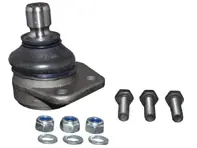
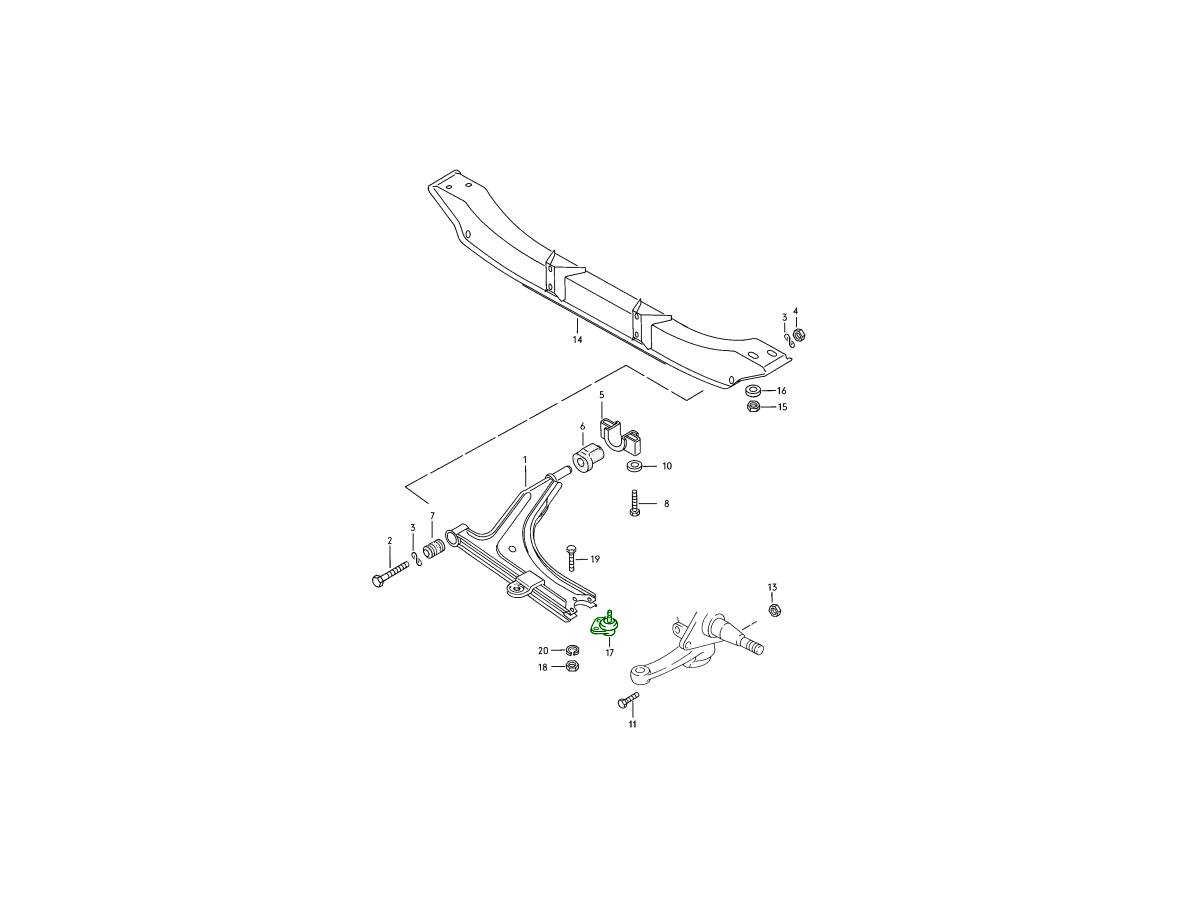
Wishbone Bottom Ball Joint - fits Left and Right Hand Side
Sold each - 2 required per car
Restore precise steering response, suspension control and
driving safety with this OE Match Wishbone Bottom Ball Joint for
Porsche 924 models produced between 1976 and 1977. Manufactured to OE
specifications, this critical suspension component connects the lower wishbone
to the steering knuckle, allowing controlled movement of the suspension while
maintaining accurate wheel alignment.
Fits:
- Porsche 924 2.0L 1976-79
Diagram ref no 17
The bottom ball joint is one of the most important wear components within the front suspension system. It enables the suspension and steering to work together while supporting significant loads during acceleration, braking and cornering. As the joint wears, steering precision and vehicle stability can deteriorate, making replacement essential for maintaining the handling characteristics Porsche originally engineered into the 924.
This OE Match replacement delivers the correct fitment, durability and performance required for maintenance, suspension refurbishment and restoration projects.
What Does the Wishbone Bottom Ball Joint Do?
The bottom ball joint forms a pivot point between the suspension arm and wheel carrier.
Its primary functions include:
- Allowing suspension movement
- Supporting steering articulation
- Maintaining wheel alignment geometry
- Supporting vehicle weight
- Assisting precise steering response
- Controlling wheel movement
- Helping maintain handling stability
Without a properly functioning ball joint, suspension and steering performance can be significantly compromised.
Why Do Ball Joints Fail?
Ball joints are subjected to constant movement and heavy loads throughout their service life.
Common causes of failure include:
- Normal wear and tear
- Grease deterioration
- Rubber boot damage
- Water ingress
- Dirt contamination
- Corrosion
- High mileage operation
- Poor road conditions
Once contaminants enter the joint, internal wear can accelerate rapidly.
Symptoms of a Worn Bottom Ball Joint
Common warning signs include:
- Clunking noises from the suspension
- Steering looseness
- Uneven tyre wear
- Vibration through the steering wheel
- Poor handling stability
- Wandering at speed
- Excessive suspension play
- MOT or inspection failure
As wear increases, vehicle safety and handling performance can be significantly affected.
When Should the Ball Joint Be Replaced?
Replacement is recommended when:
- Excessive play is detected
- Suspension noises develop
- The protective boot is damaged
- Steering precision deteriorates
- Carrying out suspension refurbishment
- Restoring a Porsche 924
- Replacing wishbone components
- Completing preventative maintenance
Many specialists replace ball joints in pairs to ensure balanced suspension performance.
Why Replacement Matters
Replacing worn suspension joints helps restore the driving characteristics Porsche intended.
Benefits include:
- Improved steering precision
- Enhanced vehicle stability
- Better suspension control
- Reduced tyre wear
- Improved safety
- Smoother ride quality
- Factory-correct handling
- Long-term reliability
For classic Porsche 924 models, maintaining suspension integrity is essential for both driving enjoyment and safety.
Related reference numbers
Related, superseded, cross reference or alternative numbers for comparison.
171407365C
The product you are viewing cross references to these numbers
- Porsche 924 2.0L 1976-79
Shop Securely
12 Month Warranty
Worldwide Delivery
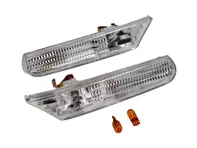
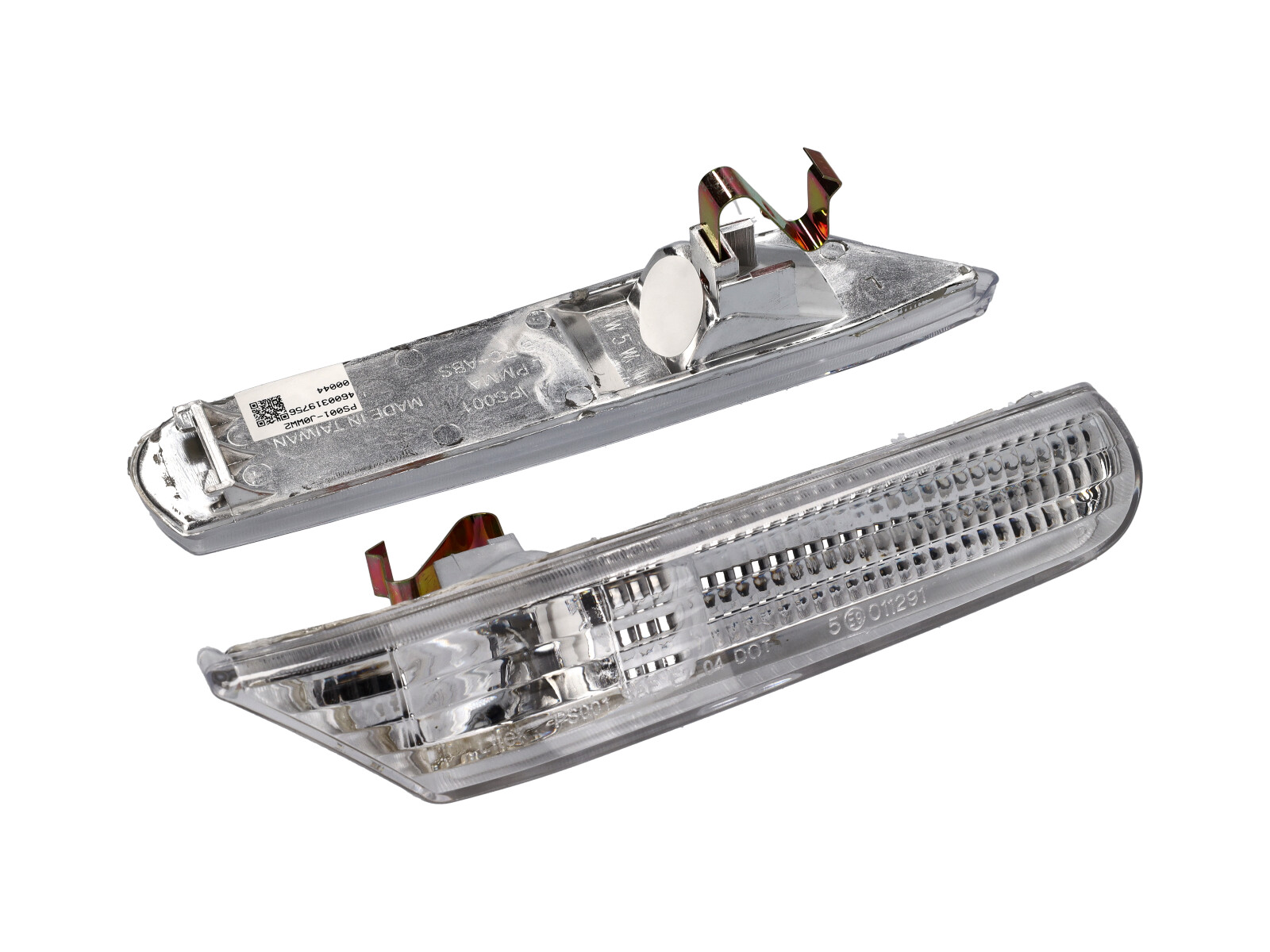
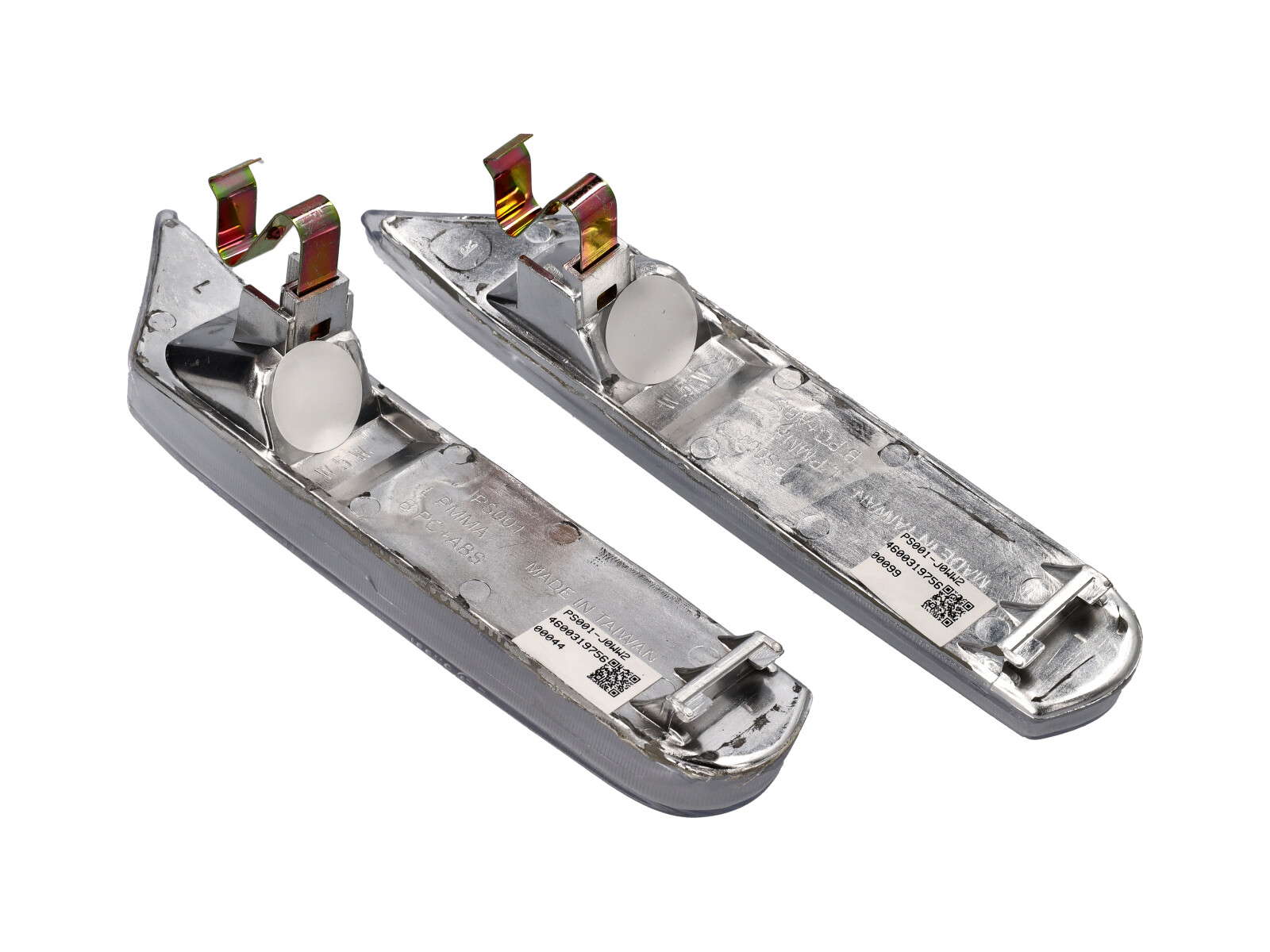
Crystal Clear Side Repeater Set - fits Left or Right Hand Drive Cars
Set of 2
Refresh the appearance of your Porsche and improve indicator
visibility with this OE Match Crystal Clear Side Repeater Set, designed
specifically for the Porsche 986 Boxster and Porsche 996. These direct
replacement side repeaters provide a clean, modern look while maintaining full
indicator functionality and OE-style fitment.
Fits:
- Porsche Boxster 986 2.5L 1997-99
- Porsche Boxster 986 2.7L 1999-02
- Porsche Boxster S 986 3.2L 1999-02
- Porsche Boxster 986 2.7L 2003-04
- Porsche Boxster S 986 3.2L 2003-04
- Porsche 996 C2 3.4L 1997-08/01
- Porsche 996 C4 3.4L 1997-08/01
- Porsche 996 C2 3.6L 09/01-2005
- Porsche 996 C4 3.6L 09/01-2005
- Porsche 996 C4S 3.6L 09/01-2005
- Porsche 996 TURBO 2000-05
- Porsche 996 GT2 2001-05
- Porsche 996 GT3 MKI 1999-02
- Porsche 996 GT3 MKII 2003>>
- Porsche 996 GT3 RS 2003-04
Replacing the original amber or ageing side repeaters with
crystal clear units is one of the most popular exterior upgrades for the 986
and 996 generation. The result is a cleaner, more contemporary appearance that
complements the styling of the vehicle while restoring clarity and brightness
to the indicator system.
• Type: Crystal clear
• E-mark homologation
Manufactured to OE Match standards, these side repeaters deliver excellent fitment, durability and weather resistance, making them ideal for both restoration and visual enhancement projects.
What Do Side Repeaters Do?
Side repeaters form part of the vehicle's directional indicator system and are mounted on the front wings.
Their primary functions include:
- Repeating turn signal operation
- Improving vehicle visibility to other road users
- Enhancing safety during lane changes and turning
- Providing side-angle indicator visibility
- Supporting legal road-use requirements
- Completing the vehicle's exterior lighting system
By improving visibility from the side of the vehicle, repeaters help ensure your intentions are clearly communicated to surrounding traffic.
Why Do Side Repeaters Fail?
Over time, exterior lighting components are exposed to harsh environmental conditions.
Common causes of deterioration include:
- UV exposure Road debris impact
- Stone chips
- Moisture ingress
- Plastic discolouration
- Lens cracking
- Seal deterioration
- Age-related wear
Original amber lenses can often become faded, cloudy or brittle after years of exposure.
Symptoms of Worn or Damaged Side Repeaters
Common signs include:
- Cracked lenses
- Faded or yellowed appearance
- Moisture inside the lens
- Reduced light output
- Broken retaining clips
- Damaged housings
- Poor exterior appearance
- Intermittent bulb operation
Replacing worn repeaters instantly improves both appearance and lighting performance.
When Should Side Repeaters Be Replaced?
Replacement is recommended when:
- Lenses become cloudy or faded
- Cracks are visible
- Moisture enters the unit
- Restoring a Porsche 986 or 996
- Upgrading from amber lenses
- Refreshing exterior trim
- Preparing a vehicle for sale
- Completing a front-end refurbishment
Many owners choose crystal clear repeaters as part of a wider exterior modernisation project.
Why Upgrade to Crystal Clear Side Repeaters?
Crystal clear repeaters offer several benefits over ageing original units.
Benefits include:
- Cleaner exterior appearance
- Modernised styling
- Improved lens clarity
- Enhanced indicator visibility
- Factory-style fitment
- Easy installation
- Increased vehicle appeal
- Cost-effective visual upgrade
The crystal clear design complements both standard and upgraded lighting systems while preserving the Porsche character.
Related reference numbers
Related, superseded, cross reference or alternative numbers for comparison.
99663100093
The product you are viewing cross references to these numbers
- Porsche Boxster 986 2.5L 1997-99
- Porsche Boxster 986 2.7L 1999-02
- Porsche Boxster S 986 3.2L 1999-02
- Porsche Boxster 986 2.7L 2003-04
- Porsche Boxster S 986 3.2L 2003-04
- Porsche 996 C2 3.4L 1997-08/01
- Porsche 996 C4 3.4L 1997-08/01
- Porsche 996 C2 3.6L 09/01-2005
- Porsche 996 C4 3.6L 09/01-2005
- Porsche 996 C4S 3.6L 09/01-2005
- Porsche 996 TURBO 2000-05
- Porsche 996 GT2 2001-05
- Porsche 996 GT3 MKI 1999-02
- Porsche 996 GT3 MKII 2003>>
- Porsche 996 GT3 RS 2003-04
Shop Securely
12 Month Warranty
Worldwide Delivery
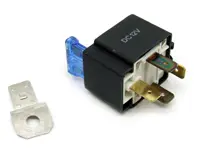
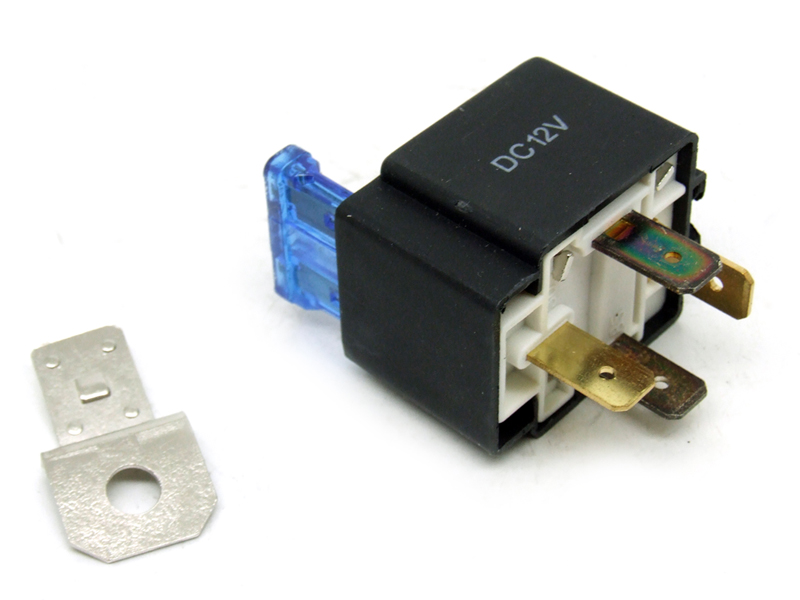
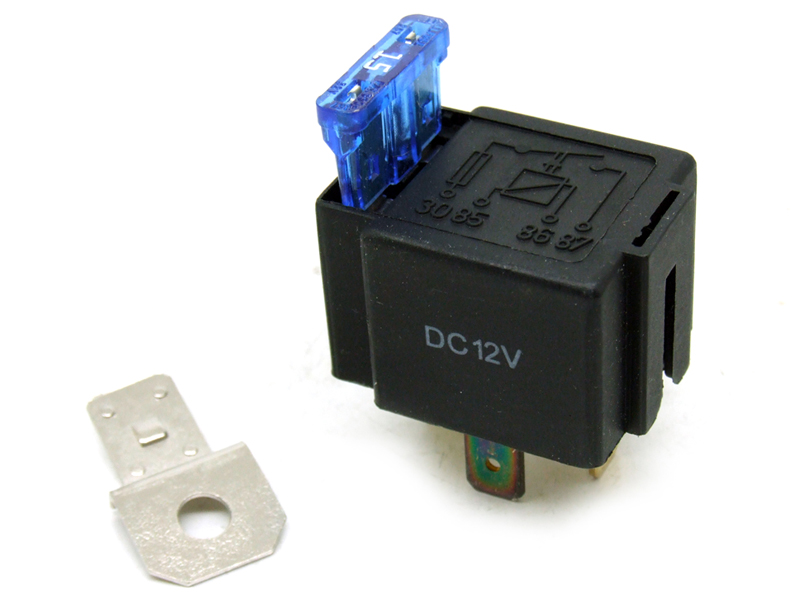
Air Conditioning Relay
Restore reliable operation of your Porsche air conditioning
system with this OE Match Air Conditioning Relay for Porsche 911 models from
1974 to 1988. Designed to OE specifications, this essential electrical
component controls power delivery within the air conditioning system, ensuring
the compressor, blower and associated components operate correctly when cooling
is required.
Fits:
- Porsche 911 1974-1977 2.7L / 1976-77 3.0 Carrera
- Porsche 911 1978-1983 3.0L / SC
- Porsche 911 1984-1986 3.2L
- Porsche 911 1987-1988 3.2L G50
- Porsche 911 1975-1977 3.0L Turbo (930)
- Porsche 911 1978-1988 3.3L Turbo (930)
* Please check and match the part number of your relay in your car before ordering.
Although small and often overlooked, the air conditioning relay plays a critical role in the operation of the vehicle's climate control system. A faulty relay can prevent the air conditioning system from functioning correctly, leading to intermittent cooling, compressor failure to engage or complete loss of A/C operation.
Manufactured to OE Match standards, this replacement relay provides dependable performance and factory-correct fitment for maintenance, fault diagnosis and restoration projects.
What Does the Air Conditioning Relay Do?
The air conditioning relay acts as an electrically controlled switch within the A/C system.
Its primary functions include:
- Controlling power to the air conditioning system
- Activating the compressor circuit
- Supporting blower motor operation
- Protecting electrical circuits
- Managing high-current loads safely
- Ensuring reliable A/C engagement
- Supporting climate control functionality
The relay allows low-current control circuits to safely operate higher-current air conditioning components.
Why Do Air Conditioning Relays Fail?
Like all electrical relays, air conditioning relays experience wear throughout their service life.
Common causes of failure include:
- Contact wear
- Heat-related deterioration
- Electrical arcing
- Internal corrosion
- Moisture ingress
- Age-related component fatigue
- Voltage fluctuations
- Extended periods of operation
Over time, relay contacts can become worn or contaminated, resulting in unreliable operation.
Symptoms of a Faulty Air Conditioning Relay
Common warning signs include:
- Air conditioning not switching on
- Compressor failing to engage
- Intermittent cooling performance
- Blower operation faults
- Clicking noises from the relay
- Unreliable climate control operation
- Electrical system fault diagnosis issues
- Complete A/C system inactivity
Because relay failures can mimic other air conditioning faults, they are often checked early during diagnosis.
When Should the Air Conditioning Relay Be Replaced?
Replacement is recommended when:
- Diagnosing air conditioning faults
- Compressor engagement becomes intermittent
- Air conditioning stops functioning
- Electrical testing identifies relay failure
- Restoring a Porsche 911
- Performing preventative maintenance
- Refurbishing the climate control system
Many specialists replace ageing relays during electrical restoration work to improve long-term reliability.
Why Replacement Matters
Replacing a failing relay can restore proper operation of the entire air conditioning system.
Benefits include:
- Reliable compressor engagement
- Consistent cooling performance
- Improved electrical reliability
- Reduced risk of intermittent faults
- Enhanced climate control operation
- Improved driving comfort
- Better diagnostic accuracy
- Long-term system dependability
For classic Porsche 911 models, maintaining reliable electrical components helps preserve both usability and originality.
Related reference numbers
Related, superseded, cross reference or alternative numbers for comparison.
91161510302
The product you are viewing cross references to these numbers
- Porsche 911 1974-1977 2.7L / 1976-77 3.0 Carrera
- Porsche 911 1978-1983 3.0L / SC
- Porsche 911 1984-1986 3.2L
- Porsche 911 1987-1989 3.2L G50
- Porsche 911 1975-1977 3.0L Turbo (930)
- Porsche 911 1978-1989 3.3L Turbo (930)
Shop Securely
12 Month Warranty
Worldwide Delivery









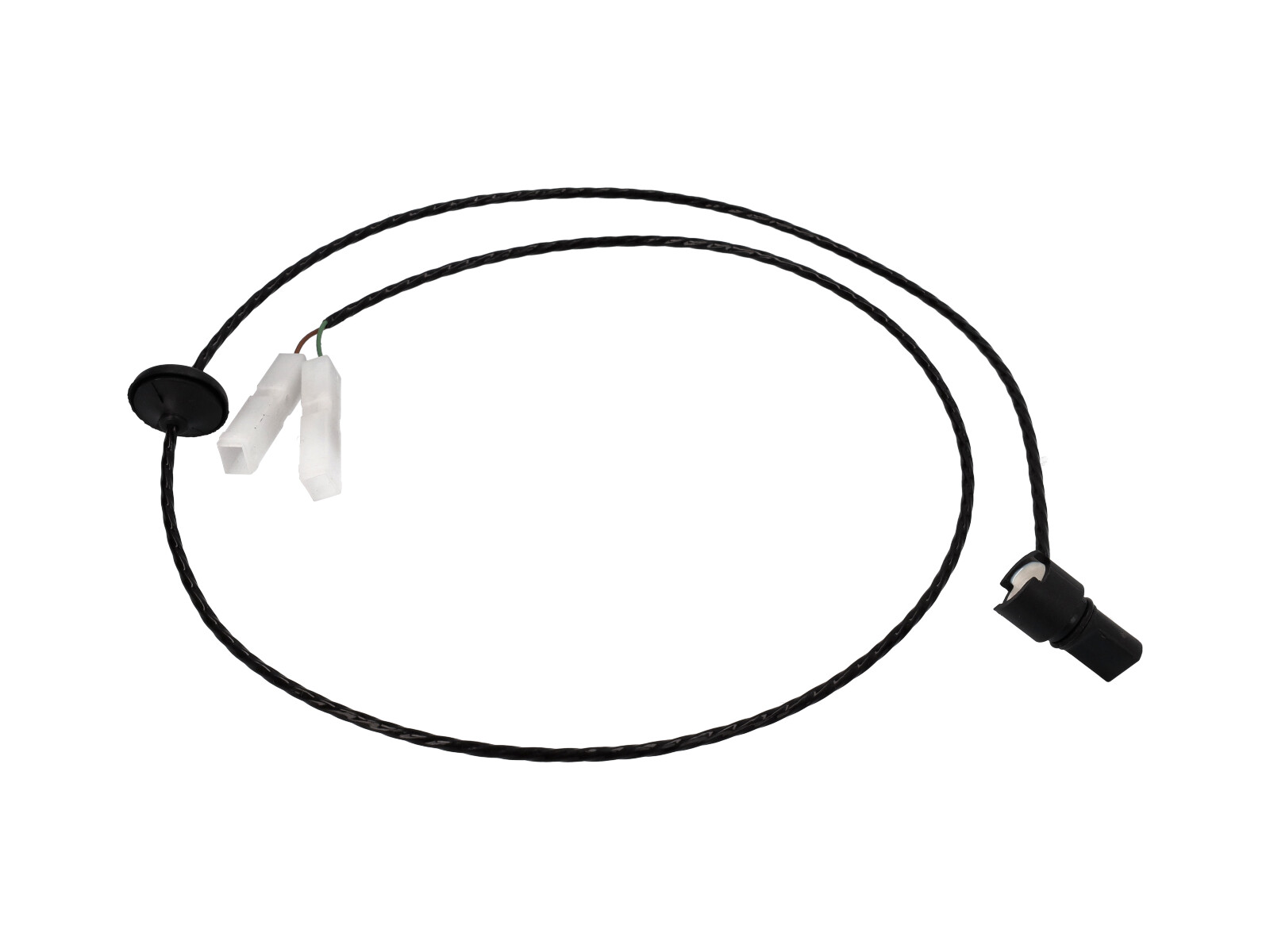
Speed Sensor - G50 Gearbox
Restore accurate vehicle speed measurement and reliable
speedometer operation with this OE Match Speed Sensor for Porsche
911 Carrera models equipped with the G50 gearbox from 1987-1989 and 1989 Porsche 911 turbo models.
Fits:
Mounted on the G50 transmission, the speed sensor monitors gearbox output shaft rotation and generates an electronic signal that is used by the vehicle's speedometer and associated control systems. As one of the key components within the vehicle speed monitoring system, a correctly functioning speed sensor is essential for accurate speed indication and proper operation of related electrical systems.
Manufactured to OE specifications, this direct replacement sensor provides dependable performance and factory-correct fitment for maintenance, fault diagnosis and restoration projects.
What Does the G50 Speed Sensor Do?
The speed sensor measures the rotational speed of the gearbox output shaft and converts this information into an electrical signal.
Its primary functions include:
- Monitoring vehicle road speed
- Operating the speedometer
- Providing vehicle speed information
- Supporting odometer functionality
- Assisting vehicle electrical systems
- Delivering accurate speed readings
- Maintaining factory instrumentation performance
Without a functioning speed sensor, the vehicle's speed indication system cannot operate correctly.
Why Do Speed Sensors Fail?
Speed sensors are exposed to heat, vibration, moisture and years of continuous operation.
Common causes of failure include:
- Internal electronic deterioration
- Heat-related ageing
- Wiring damage
- Corrosion of terminals
- Moisture ingress
- Gearbox contamination
- Physical impact damage
- Age-related component failure
As the sensor ages, signal quality can deteriorate, eventually leading to inaccurate readings or complete failure.
Symptoms of a Faulty Speed Sensor
Common warning signs include:
- Inoperative speedometer
- Erratic speedometer readings
- Intermittent speed display
- Odometer malfunction
- Speedometer needle fluctuation
- Electrical fault diagnosis issues
- Loss of vehicle speed signal
- Dashboard instrumentation faults
In many cases, the speedometer may work intermittently before complete sensor failure occurs.
When Should the Speed Sensor Be Replaced?
Replacement is recommended when:
Diagnosing
speedometer faults
Speed
readings become erratic
The
speedometer stops working
Replacing
damaged wiring
Carrying
out gearbox repairs
Performing
preventative maintenance
Restoring
a Porsche 911 or 911 turbo
Electrical
testing confirms sensor failure
Many Porsche specialists replace ageing sensors when undertaking transmission refurbishment work.
Why Replacement Matters
A functioning speed sensor is important for both safety and vehicle usability.
Benefits of replacement include:
- Accurate speedometer readings
- Reliable odometer operation
- Improved electrical system functionality
- Elimination of intermittent faults
- Enhanced driving confidence
- Reliable vehicle speed monitoring
- Improved restoration quality
- Factory-correct performance
For classic G50-equipped Porsche models, maintaining reliable instrumentation is an important part of preserving the driving experience.
Related reference numbers
Related, superseded, cross reference or alternative numbers for comparison.
91160691001
The product you are viewing cross references to these numbers
- Porsche 911 1987-1989 3.2L G50
- Porsche 911 1978-1989 3.3L Turbo (930)
Shop Securely
12 Month Warranty
Worldwide Delivery
Express Delivery


Monday-Friday: 8.30am - 5.30pm (GMT)
Saturday: Closed
Sunday: Closed