





Enter your VAT number here and click Verify:
Your details have been verified. VAT number registered to:
,
.
Your order will now be zero rated for VAT purposes. We reserve the right to verify these details after your order request has been made and reinstate VAT if required.
Your VAT details were not recognised or were invalid. Your VAT number must be matched to your Billing Country as specified above. This is currently specified as . You do not need to enter the country code part of your VAT number as this has already been selected in your billing address details above.
The VAT number checking service is currently offline. Please supply your VAT details within the comments or special instructions field below and we will apply a VAT discount after placing your order request.
OE Match

OE Match for Porsche
OE Match is a brand that provides a wide range of Porsche components, from gaskets to suspension hardware, engine parts, and interior trim. Over 6,700 individual part numbers, and over 11,800 OE cross-references catalogued, and are constantly developing new lines.OE Match has over 100 new products currently in the engineering phase, which will be quality-controlled and added to their catalog. The mission is to keep all Porsche vehicles on the road by offering a vast selection of parts that can address various problems across different Porsche generations
A Quick Look at OE Match
OE Match information on this page is based on details supplied by the manufacturer or distributor, plus any OE references provided with the parts.
Choosing the Right Fit for Your Porsche
Where OE Match is listed for Porsche, use the supplied model coverage and OE references to confirm suitability. Check details that commonly affect fitment such as model year, side/position, and connector type where relevant.
- Often chosen when owners want OE-equivalent quality with sensible running costs, especially for routine service and wear items.
- Typical reasons to replace include restoring reliability, addressing age-related wear, or refreshing multiple components during larger repair work.
- Common defects from incorrect application include noise, premature wear, leaks, or fitment quirks if the wrong variant is selected or fitted with old seals/hardware.
- Watch for symptoms such as unusual noises, early wear, or repeat failures after recent work, which can indicate mismatched parts or supporting items left worn.
- Always cross-check OEM part numbers, read model-year notes, and verify compatibility before ordering.
- For safety-critical components, confirm specification and fitment carefully and have installation checked by a competent technician.
Browse by Category
If you already know the area you are working on, start with the category and then filter by Porsche model. Where real-world symptoms and typical reasons to replace are provided, use them to keep the wording grounded.
Brakes — Brake components are renewed to restore stopping performance, address wear or upgrade a Porsche for fast road or track use. Common symptoms include vibration under braking, longer stopping distances, squealing, pulling to one side, warning lights and visible wear to discs and pads.
Brake Pad Wear Sensors — Brake pad wear sensors are replaced when pads are renewed or when warning lights indicate a broken or worn sensor. Symptoms include brake wear warnings even with new pads, damaged sensor cables, or broken clips around the caliper area.
Engine Electrical — Engine electrical parts are changed when there are starting, charging, ignition, or sensor-related faults that affect drivability and reliability, such as intermittent no-start, misfires, rough idle, poor charging, warning lights or heat-soak failures.
Service Parts — Service parts are replaced as routine maintenance to keep the engine and systems reliable, efficient, and protected, often resolving hard starting, rough idle, poor fuel economy and warning lights caused by clogged filters or worn ignition components.
Service Kits — Service kits bundle key service components to simplify maintenance and set the car back to a known baseline, especially useful when catching up on overdue servicing or dealing with general sluggish running, inconsistent idle and reduced performance.
- For brake parts, confirm whether items are OE-equivalent replacements or performance upgrades and check if new fitting kits and sensors are required.
- On service items and kits, match the kit to your exact Porsche model, engine and year, and review what is included so you can add any extra “while you are there” parts.
Explore OE Match at Design911
View the current OE Match range for Porsche at Design911, then filter by model and category to narrow down to the right parts.

The OE Match Rear View Mirror is a high-quality replacement interior mirror designed to provide clear rearward visibility while maintaining the original appearance and functionality of classic Porsche interiors. Manufactured to OE specifications for fit, finish and durability, this mirror offers a factory-style solution for replacing worn, damaged or missing original units.
Fits:
- Porsche 911 1965-1968 2.0L / 912 SWB (F)
- Porsche 911 1968-1973 2.2L / 2.4L / 2.7L RS LWB (F)
Constructed using quality materials and precision-manufactured mirror glass, the rear view mirror delivers a clear, distortion-free reflection to help drivers maintain awareness of traffic and road conditions behind the vehicle. Designed for secure mounting and long-term reliability, it is an ideal component for restoration, maintenance and preservation projects.
What This Product Does:
- Provides a clear view of traffic and road conditions behind the vehicle.
- Enhances driver awareness and overall road safety.
- Assists with lane changes, overtaking and reversing manoeuvres.
- Restores original interior functionality and appearance.
- Provides a stable, distortion-free reflective surface.
- Helps maintain compliance with vehicle safety requirements.
- Supports safe and confident driving in all conditions.
Symptoms Of Wear Or Failure:
- Cracked, chipped or broken mirror glass.
- Distorted, blurred or discoloured reflections.
- Loose or unstable mirror mounting.
- Excessive vibration while driving.
- Difficulty maintaining mirror adjustment.
- Deterioration of the reflective coating.
- Damaged mirror housing or mounting components.
- Reduced rearward visibility.
- Cosmetic wear affecting cabin presentation and originality.
Why Replacement Matters:
- The rear view mirror is one of the vehicle's primary visibility and safety components, allowing the driver to continuously monitor surrounding traffic. Over time, exposure to sunlight, vibration, temperature changes and everyday use can cause deterioration of the mirror glass, reflective surface and mounting assembly.
- A damaged or unstable rear view mirror can impair visibility and reduce driver awareness, making lane changes, overtaking and reversing manoeuvres more challenging. In addition to safety concerns, a worn mirror can detract from the appearance and originality of the vehicle's interior, particularly in classic Porsche models.
- Replacing a worn or damaged rear view mirror restores clear visibility, improves driving safety and helps preserve the factory appearance of the cabin. An OE Match replacement provides factory-style fitment, quality construction and long-lasting durability, ensuring reliable performance and maintaining the driving experience expected from your Porsche.
Related reference numbers
Related, superseded, cross reference or alternative numbers for comparison.
90173101020
The product you are viewing cross references to these numbers
- Porsche 911 1965-1968 2.0L / 912 SWB (F)
- Porsche 911 1968-1973 2.2L / 2.4L / 2.7L RS LWB (F)
 Shop Securely
 12 Month Warranty
 Worldwide Delivery

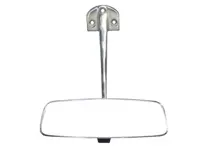
OE Match rear view mirror for Porsche 356B T-6 and 356C models from 1961 to 1965. This replacement interior mirror features a break away mount.
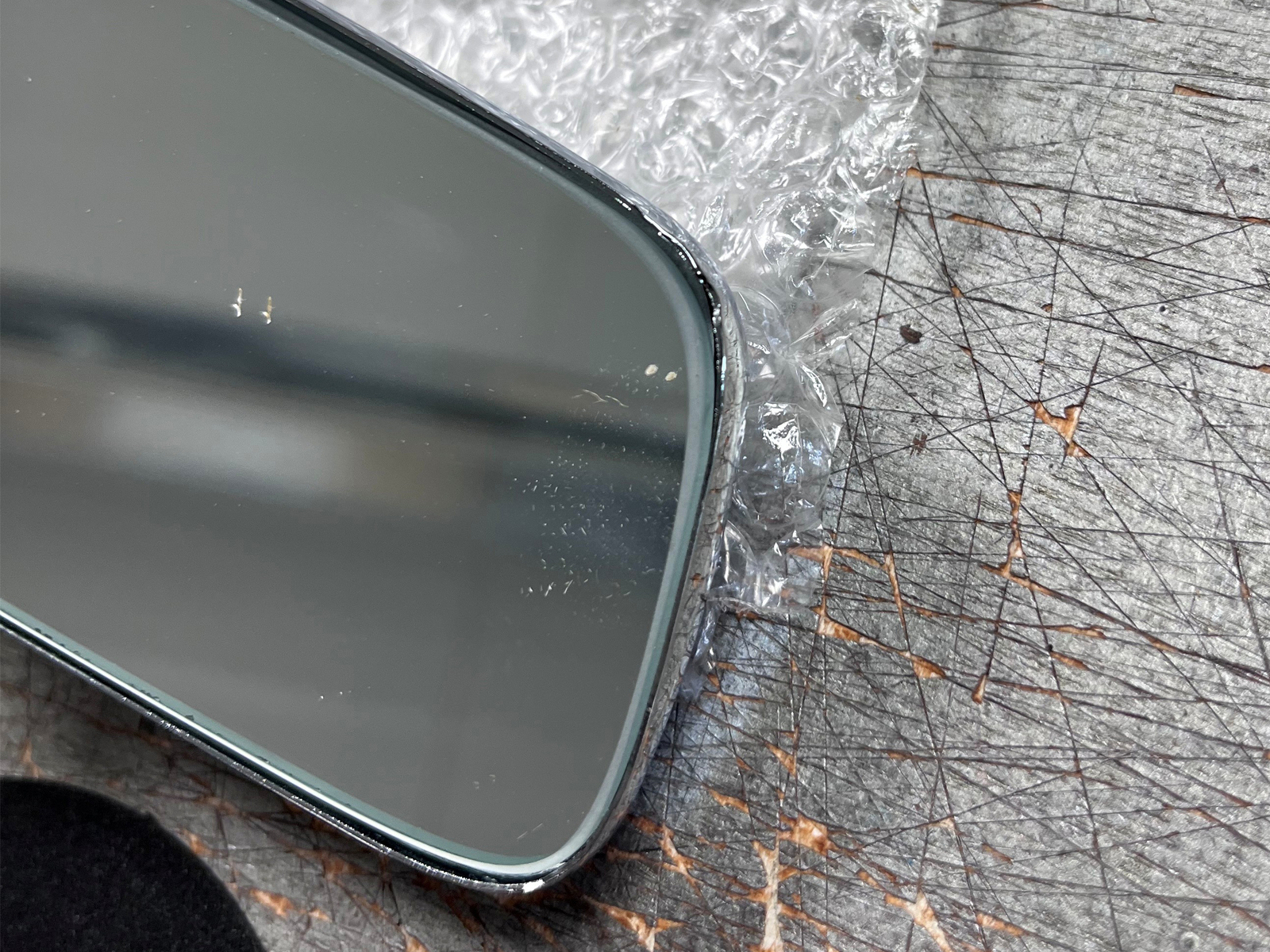
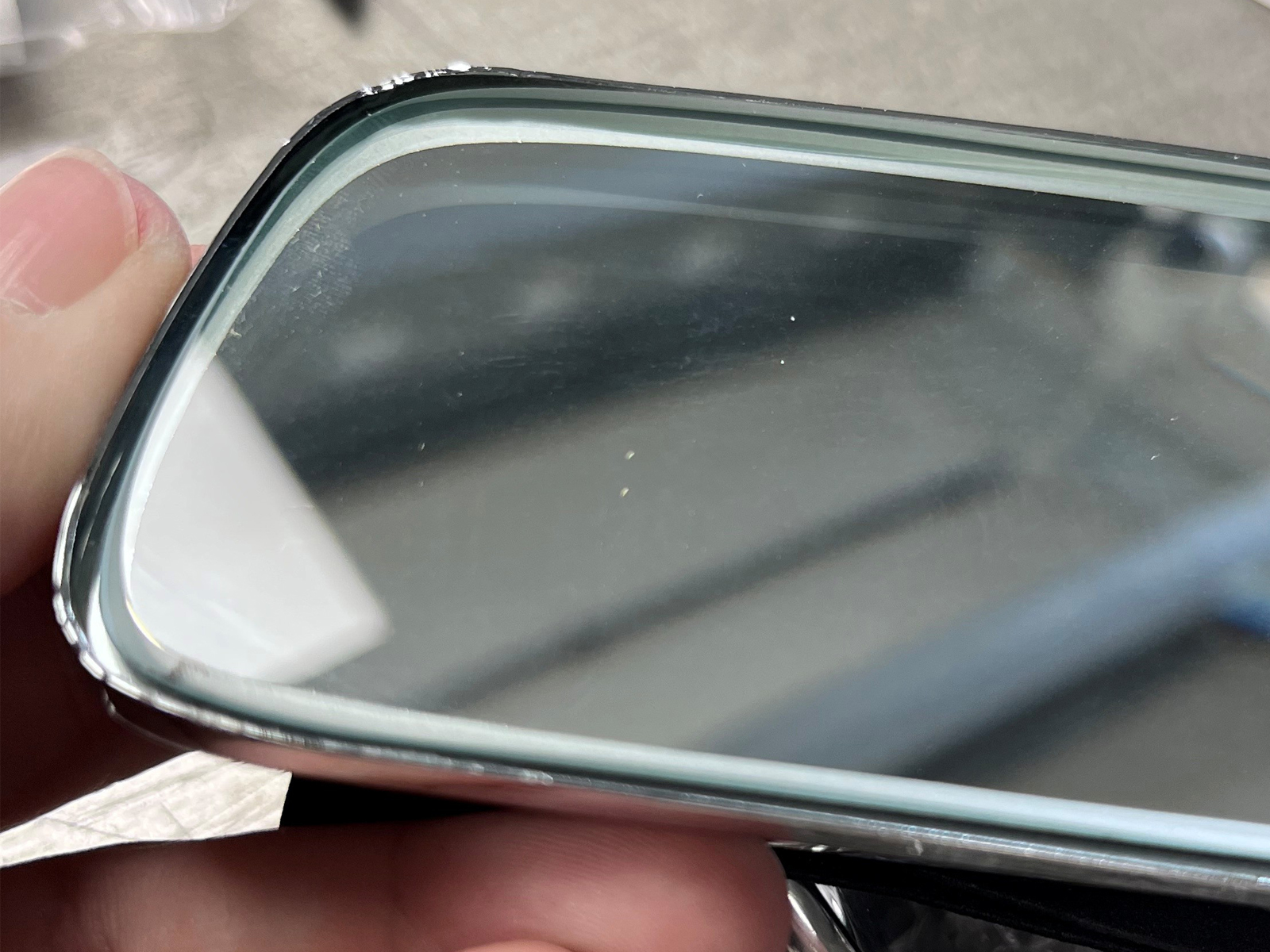
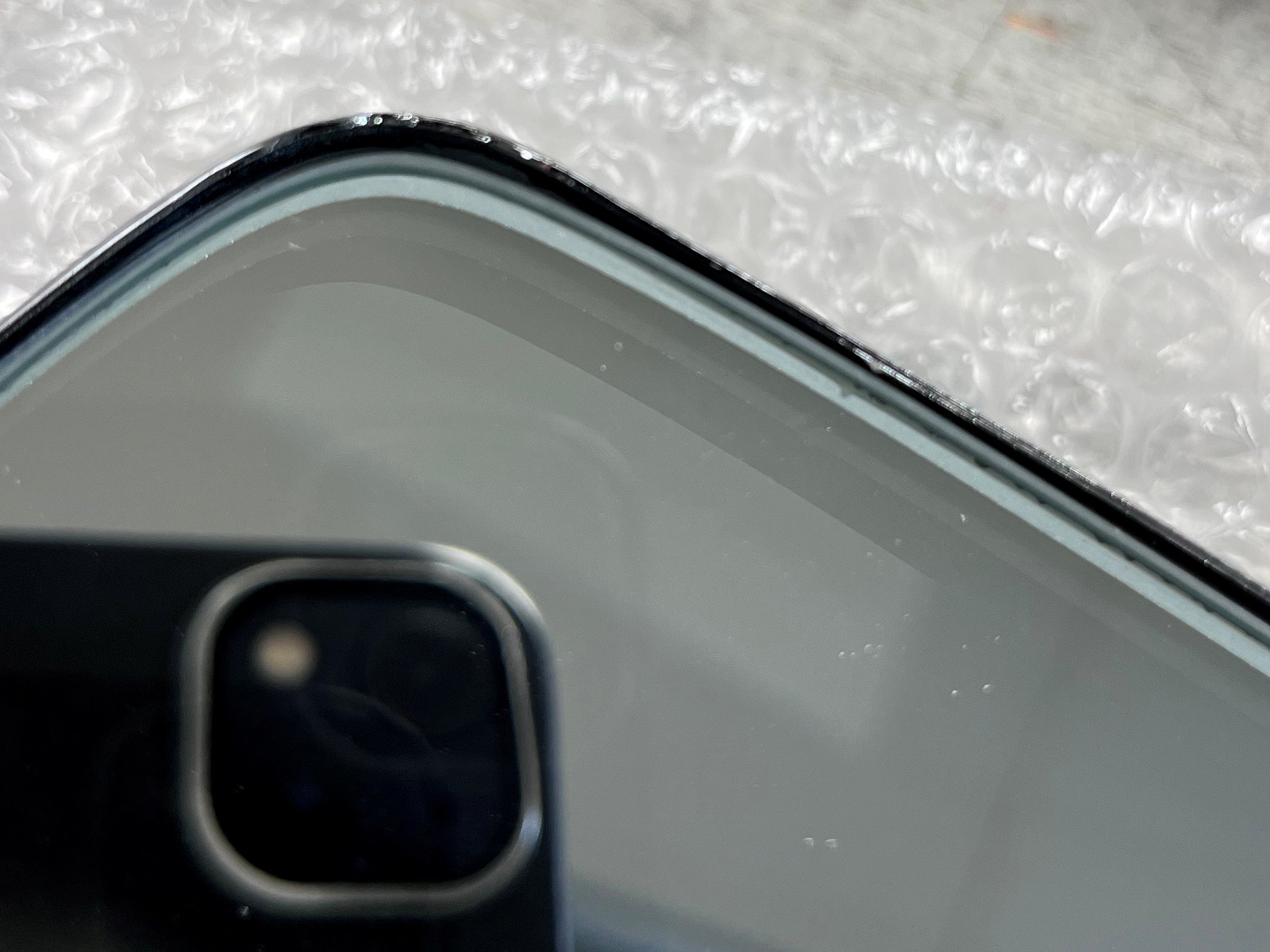
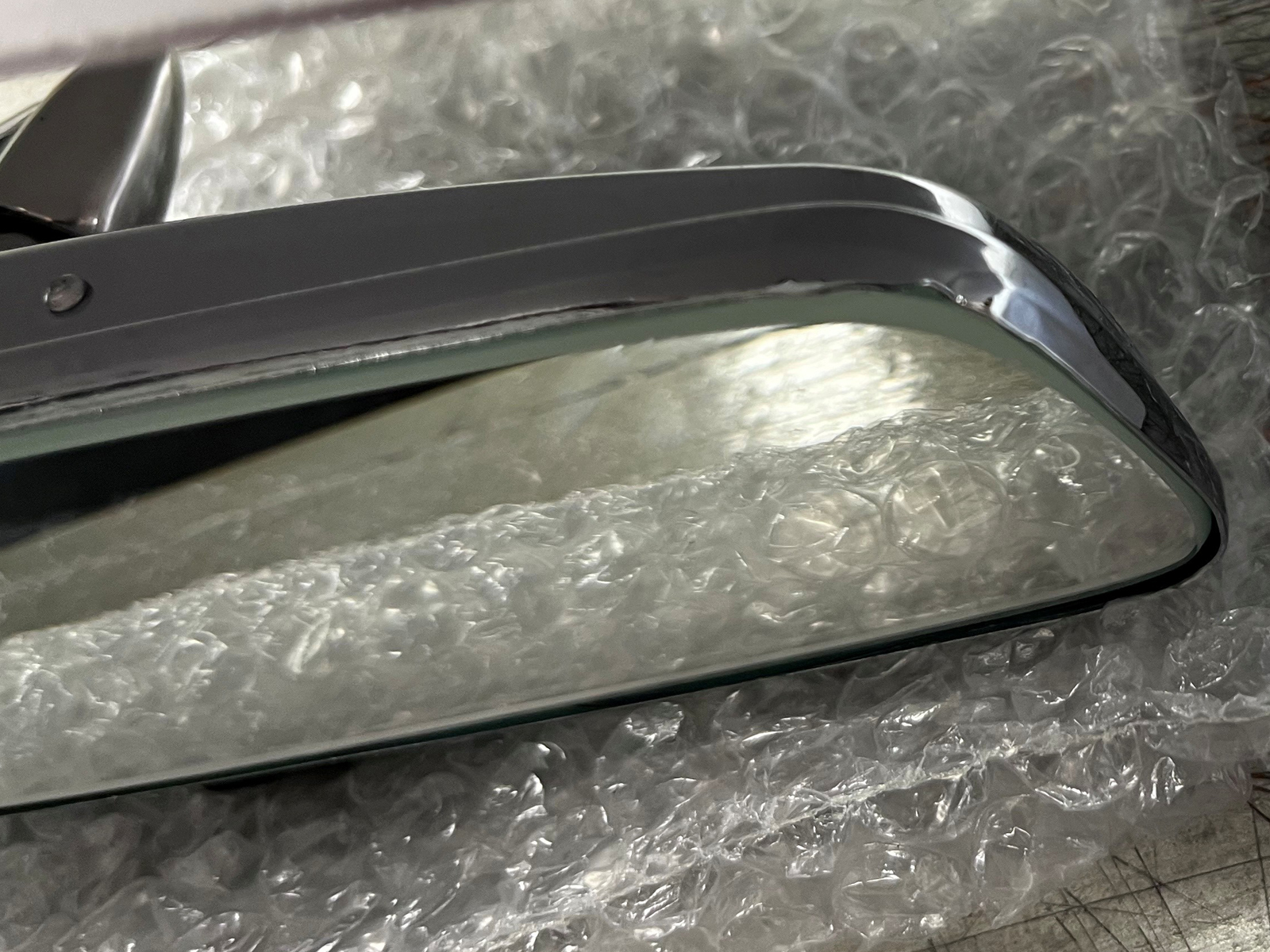
Please note: This product may have minor visual imperfections caused by a manufacturing mould defect. These imperfections do not affect the product’s functionality or use. Before purchasing, please review the images carefully, as they show the possible damage or slight faults.
Fits:
Porsche 356B 1959 - 1963
Porsche 356C 1963 - 1965
The mirror fits inside the vehicle on the windscreen / interior mirror mounting area and helps provide clear rearward vision while maintaining the correct classic Porsche look.
Related reference numbers
Related, superseded, cross reference or alternative numbers for comparison.
64473110106
The product you are viewing cross references to these numbers
- Porsche 356B 1959-63
- Porsche 356C 1963-65
Shop Securely
12 Month Warranty
Worldwide Delivery
 Express Delivery
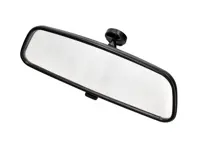
The OE Match Rear View Mirror, Black is a high-quality replacement interior mirror designed to provide clear rearward visibility while maintaining the original appearance and functionality of your Porsche's cabin. Manufactured to OE specifications for fit, finish and durability, this mirror is engineered to deliver accurate visibility and secure mounting for everyday driving.
Fits:
- Porsche 911 1978-1983 3.0L / SC
- Porsche 911 1984-1986 3.2L
- Porsche 911 1987-1989 3.2L G50
- Porsche 911 1975-1977 3.0L Turbo (930
- )Porsche 911 1978-1989 3.3L Turbo (930)
- Porsche 964 (911) C2 1989-93
- Porsche 964 (911) C4 1989-93
- Porsche 964 (911) RS 3.6L 1991-93
- Porsche 964 (911) RS 3.8L 1991-93
- Porsche 964 (911) TURBO 3.3L 1991-93
- Porsche 964 (911) TURBO 3.6L 1991-93
- Porsche 993 (911) C2 1994-97
- Porsche 993 (911) C4 1994-97
- Porsche 993 (911) RS 1994-97
- Porsche 993 (911) C2S 1994-97
- Porsche 993 (911) C4S 1994-97
- Porsche 993 (911) TURBO 1994-96
- Porsche 993 (911) GT2 1994-97
- Porsche 993 (911) TURBO S 1994-97
- Porsche 924S 2.5L 1986-87
- Porsche 924S 2.5L 1988
- Porsche 944 2.5L 8V 1982-87
- Porsche 944 2.7L 8V 1988-89
- Porsche 944S 2.5L 16V 1987-88
- Porsche 944S2 3.0L 16V 1989-91
- Porsche 944 Turbo 2.5L 8V 1985-88
- Porsche 944 Turbo 2.5L 8V 1989-91
- Porsche 944 Turbo S 2.5L 8V 1988
- Porsche 968 3.0L 1992-94
- Porsche 968 Sport 3.0L 1994-95
- Porsche 968 CS 3.0L 1993-95
- Porsche 968 Turbo S 3.0L 1993-94
- Porsche 928GTS 5.4L 1992-95
Finished in black to match the factory interior trim, the rear view mirror provides a wide field of vision to help drivers monitor traffic conditions behind the vehicle. Constructed from durable materials and high-quality mirror glass, it is designed to withstand vibration, temperature fluctuations and long-term use while maintaining clear, distortion-free reflection.
What This Product Does:
- Provides rearward visibility through the vehicle's rear window.
- Helps drivers monitor traffic and surrounding vehicles.
- Supports safer lane changes and overtaking manoeuvres.
- Enhances overall driver awareness and visibility.
- Restores original interior appearance and functionality.
- Provides a stable, distortion-free reflective surface.
- Contributes to safe and confident driving.
Symptoms Of Wear Or Failure:
- Cracked, chipped or damaged mirror glass.
- Distorted or blurred reflections.
- Loose or unstable mirror mounting.
- Excessive vibration while driving.
- Difficulty maintaining mirror adjustment.
- Discolouration or deterioration of the reflective surface.
- Damaged mirror housing or mounting bracket.
- Reduced visibility to the rear of the vehicle.
- Cosmetic wear affecting interior appearance.
Why Replacement Matters:
- The rear view mirror is a critical safety component that provides constant awareness of vehicles and hazards behind the car. Over time, mirror glass can become damaged, reflective coatings may deteriorate and mounting mechanisms can wear, reducing visibility and affecting driving confidence.
- A damaged or unstable rear view mirror can impair rearward vision, making lane changes, reversing and overtaking manoeuvres more difficult and potentially increasing the risk of accidents. In addition, a worn mirror can detract from the appearance and originality of the vehicle's interior.
- Replacing a worn or damaged rear view mirror restores clear visibility, improves driving safety and maintains the factory appearance of the cabin. An OE Match replacement provides factory-style fitment, quality construction and long-lasting durability, ensuring reliable performance and preserving the driving experience expected from your Porsche.
Related reference numbers
Related, superseded, cross reference or alternative numbers for comparison.
4778575110001C
The product you are viewing cross references to these numbers
- Porsche 911 1978-1983 3.0L / SC
- Porsche 911 1984-1986 3.2L
- Porsche 911 1987-1989 3.2L G50
- Porsche 911 1975-1977 3.0L Turbo (930)
- Porsche 911 1978-1989 3.3L Turbo (930)
- Porsche 964 (911) C2 1989-93
- Porsche 964 (911) C4 1989-93
- Porsche 964 (911) RS 3.6L 1991-93
- Porsche 964 (911) RS 3.8L 1991-93
- Porsche 964 (911) TURBO 3.3L 1991-93
- Porsche 964 (911) TURBO 3.6L 1991-93
- Porsche 993 (911) C2 1994-97
- Porsche 993 (911) C4 1994-97
- Porsche 993 (911) RS 1994-97
- Porsche 993 (911) C2S 1994-97
- Porsche 993 (911) C4S 1994-97
- Porsche 993 (911) TURBO 1994-96
- Porsche 993 (911) GT2 1994-97
- Porsche 993 (911) TURBO S 1994-97
- Porsche 924S 2.5L 1986-87
- Porsche 924S 2.5L 1988
- Porsche 944 2.5L 8V 1982-87
- Porsche 944 2.7L 8V 1988-89
- Porsche 944S 2.5L 16V 1987-88
- Porsche 944S2 3.0L 16V 1989-91
- Porsche 944 Turbo 2.5L 8V 1985-88
- Porsche 944 Turbo 2.5L 8V 1989-91
- Porsche 944 Turbo S 2.5L 8V 1988
- Porsche 968 3.0L 1992-94
- Porsche 968 Sport 3.0L 1994-95
- Porsche 968 CS 3.0L 1993-95
- Porsche 968 Turbo S 3.0L 1993-94
- Porsche 928GTS 5.4L 1992-95
Shop Securely
12 Month Warranty
Worldwide Delivery
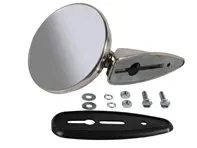
The OE Match Rimless Round Durant Style Door Mirror is a high-quality replacement exterior mirror designed to replicate the iconic appearance of the original Durant-style mirrors fitted to classic Porsche models. Manufactured to OE specifications for fit, finish and functionality, this mirror combines authentic period styling with dependable performance and durability.
Fits:
- Porsche 911 1965-1968 2.0L / 912 SWB (F)
- Porsche 911 1968-1973 2.2L / 2.4L / 2.7L RS LWB (F)
- Porsche 911 1974-1977 2.7L / 1976-77 3.0 Carrera
- Porsche 911 1978-1983 3.0L / SC
- Porsche 356 1950-55
- Porsche 356A 1955-59
- Porsche 356B 1959-63
- Porsche 356C 1963-65
Featuring the distinctive round rimless design, the mirror provides excellent rearward visibility while preserving the classic aesthetics of vintage Porsche vehicles. Constructed from high-quality materials and engineered for precise fitment, it is an ideal replacement for worn, damaged or missing original mirrors and is particularly suited to restoration projects seeking factory-correct appearance.
What This Product Does:
- Provides rearward visibility for safe driving and manoeuvring.
- Helps reduce blind spots when changing lanes or reversing.
- Restores the original appearance of classic Porsche models.
- Replicates the iconic Durant-style mirror design.
- Enhances driver awareness and road safety.
- Supports compliance with vehicle visibility requirements.
- Complements concours-level restoration and preservation projects.
Symptoms Of Wear Or Failure:
- Cracked, chipped or broken mirror glass.
- Loose or unstable mirror positioning.
- Excessive vibration while driving.
- Corrosion or deterioration of mirror components.
- Reduced rearward visibility.
- Difficulty maintaining mirror adjustment.
- Missing or damaged mirror assembly.
- Cosmetic deterioration affecting vehicle appearance and originality.
Why Replacement Matters:
- Door mirrors are constantly exposed to weather, road debris, vibration and UV exposure. Over time, mirror glass can become damaged, mounting components may loosen and the overall assembly can deteriorate, affecting both appearance and functionality.
- A damaged or unstable mirror can significantly reduce driver visibility and awareness, increasing the risk of accidents during lane changes, reversing and parking manoeuvres. For classic Porsche models, worn mirrors can also detract from the vehicle's originality and overall presentation.
- Replacing a worn or damaged Durant-style mirror restores clear rearward visibility, improves driving safety and preserves the authentic appearance of the vehicle. An OE Match replacement provides factory-style fitment, period-correct styling and durable construction, making it ideal for restoration, maintenance and preservation of classic Porsche models.
Related reference numbers
Related, superseded, cross reference or alternative numbers for comparison.
90173111100
The product you are viewing cross references to these numbers
- Porsche 911 1965-1968 2.0L / 912 SWB (F)
- Porsche 911 1968-1973 2.2L / 2.4L / 2.7L RS LWB (F)
- Porsche 911 1974-1977 2.7L / 1976-77 3.0 Carrera
- Porsche 911 1978-1983 3.0L / SC
- Porsche 356 1950-55
- Porsche 356A 1955-59
- Porsche 356B 1959-63
- Porsche 356C 1963-65
Shop Securely
12 Month Warranty
Worldwide Delivery
Express Delivery
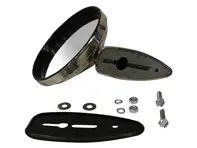
The OE Match Door Mirror with Frame and Rubber Gasket, Chrome is a high-quality replacement exterior mirror assembly designed to restore the appearance, functionality and originality of classic Porsche models. Manufactured to OE specifications for fit, finish and durability, this complete assembly includes the chrome mirror housing, mounting frame and rubber gasket for straightforward installation and factory-style presentation.
Fits:
- Porsche 911 1965-1968 2.0L / 912 SWB (F)
- Porsche 911 1968-1973 2.2L / 2.4L / 2.7L RS LWB (F)
- Porsche 911 1974-1977 2.7L / 1976-77 3.0 Carrera
- Porsche 911 1978-1983 3.0L / SC
Featuring a polished chrome finish and precision-engineered construction, the mirror provides a clear rearward view while complementing the vehicle's original styling. The included rubber gasket helps create a secure seal between the mirror assembly and door surface, protecting against moisture ingress and reducing vibration.
What This Product Does:
- Provides rearward visibility for safe driving and manoeuvring.
- Restores the original appearance of the vehicle's exterior.
- Includes mounting frame and rubber gasket for correct installation.
- Helps maintain compliance with road safety requirements.
- Reduces blind spots during driving and parking.
- Protects mounting surfaces from moisture ingress.
- Enhances the vehicle's overall appearance and originality.
Symptoms Of Wear Or Failure:
- Cracked, broken or missing mirror glass.
- Corrosion or pitting of the chrome finish.
- Loose or unstable mirror positioning.
- Excessive vibration while driving.
- Damaged or perished rubber gasket.
- Water ingress around the mirror mounting area.
- Reduced rearward visibility.
- Difficulty adjusting or maintaining mirror position.
- Deterioration affecting the vehicle's appearance and originality.
Why Replacement Matters:
- Door mirrors are constantly exposed to weather, road debris, UV exposure and everyday use. Over time, mirror housings can corrode, glass can become damaged and rubber gaskets can deteriorate, reducing both functionality and appearance.
- A damaged mirror can compromise visibility and driver awareness, increasing the risk of accidents during lane changes, reversing and parking manoeuvres. Deteriorated gaskets may also allow moisture to penetrate behind the mirror mounting area, potentially leading to corrosion or damage to surrounding bodywork.
- Replacing a worn or damaged mirror assembly restores clear visibility, improves vehicle safety and maintains the original appearance of your Porsche. An OE Match replacement provides factory-style fitment, quality chrome finishing and durable construction, making it ideal for maintenance, restoration and preservation of classic Porsche models.
Related reference numbers
Related, superseded, cross reference or alternative numbers for comparison.
90173111101
The product you are viewing cross references to these numbers
- Porsche 911 1965-1968 2.0L / 912 SWB (F)
- Porsche 911 1968-1973 2.2L / 2.4L / 2.7L RS LWB (F)
- Porsche 911 1974-1977 2.7L / 1976-77 3.0 Carrera
- Porsche 911 1978-1983 3.0L / SC
Shop Securely
12 Month Warranty
Worldwide Delivery
Express Delivery

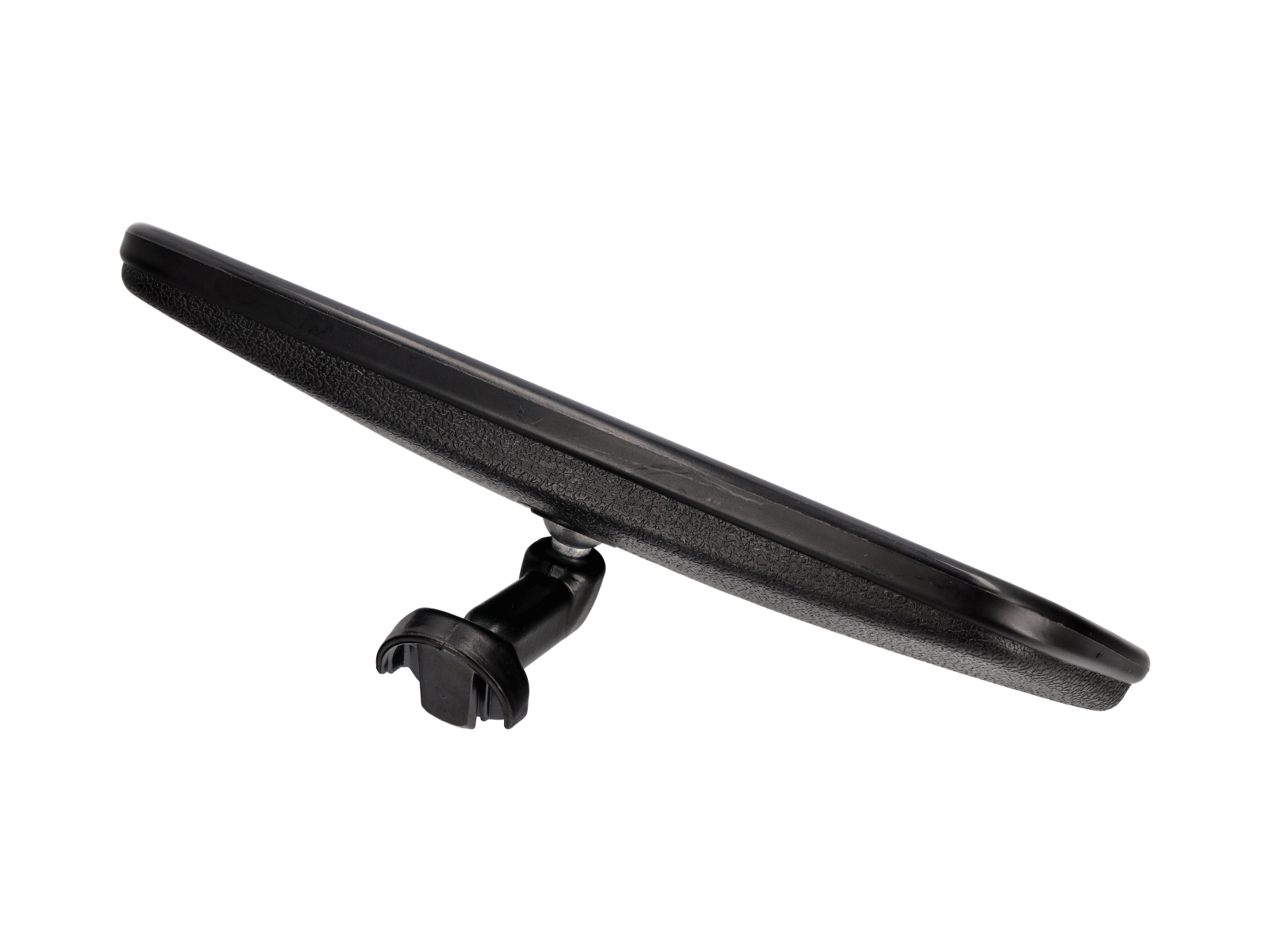
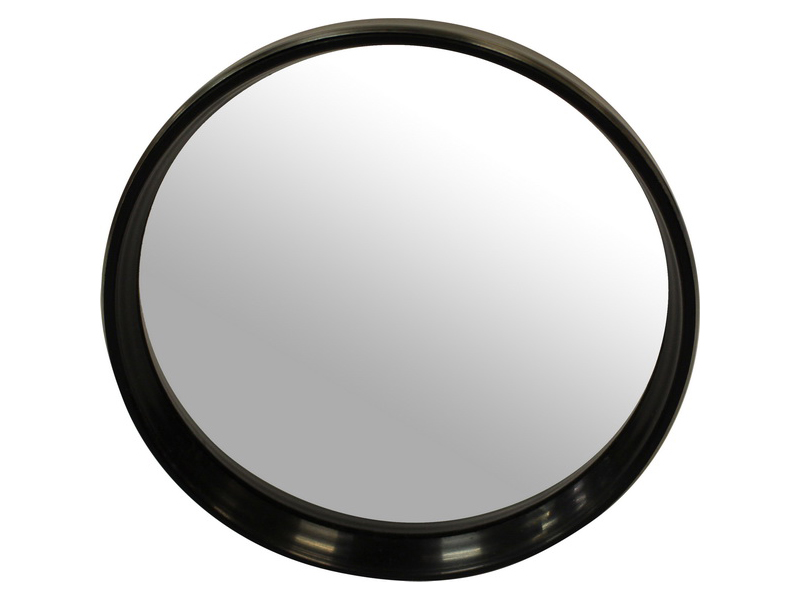
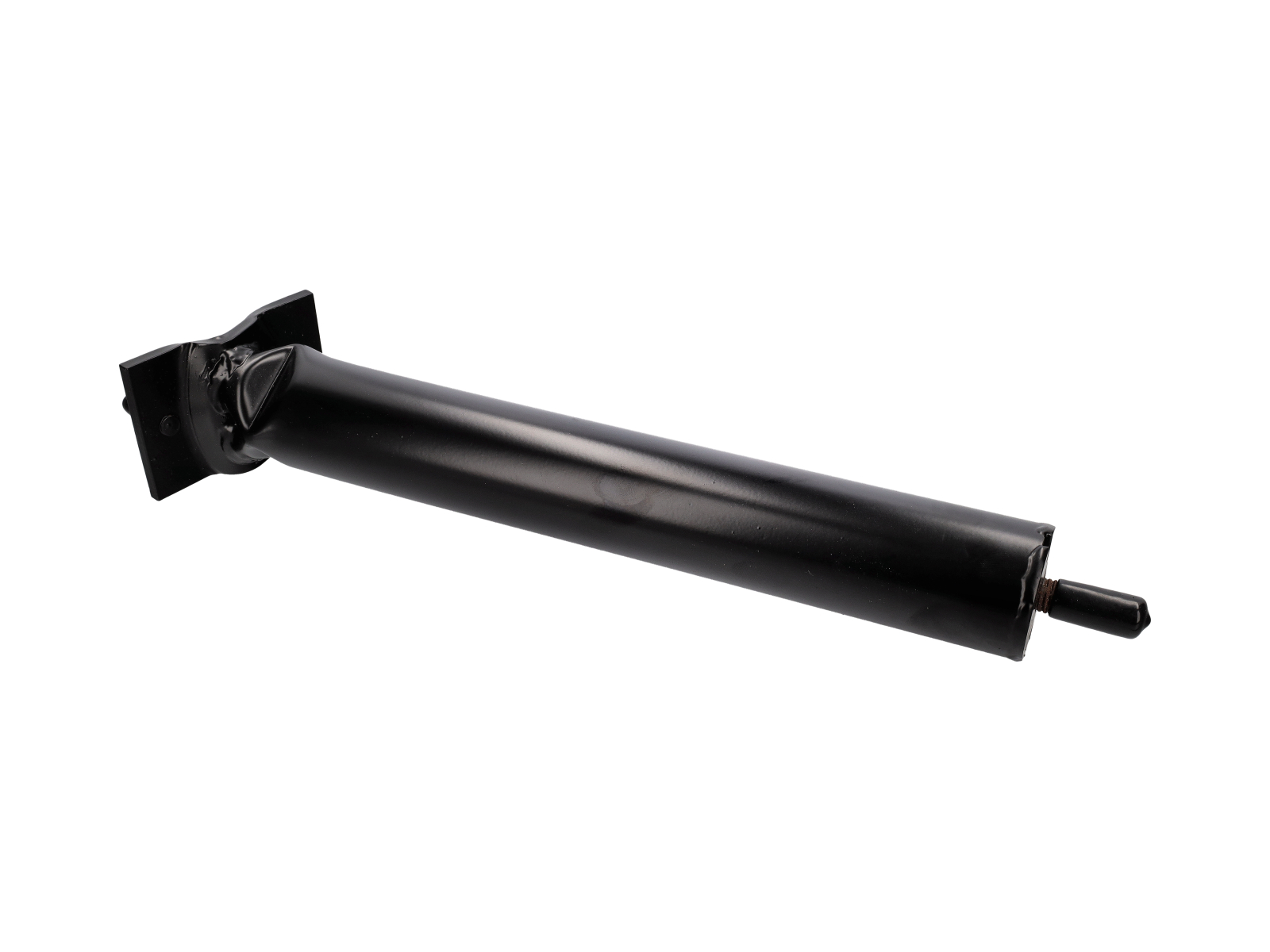
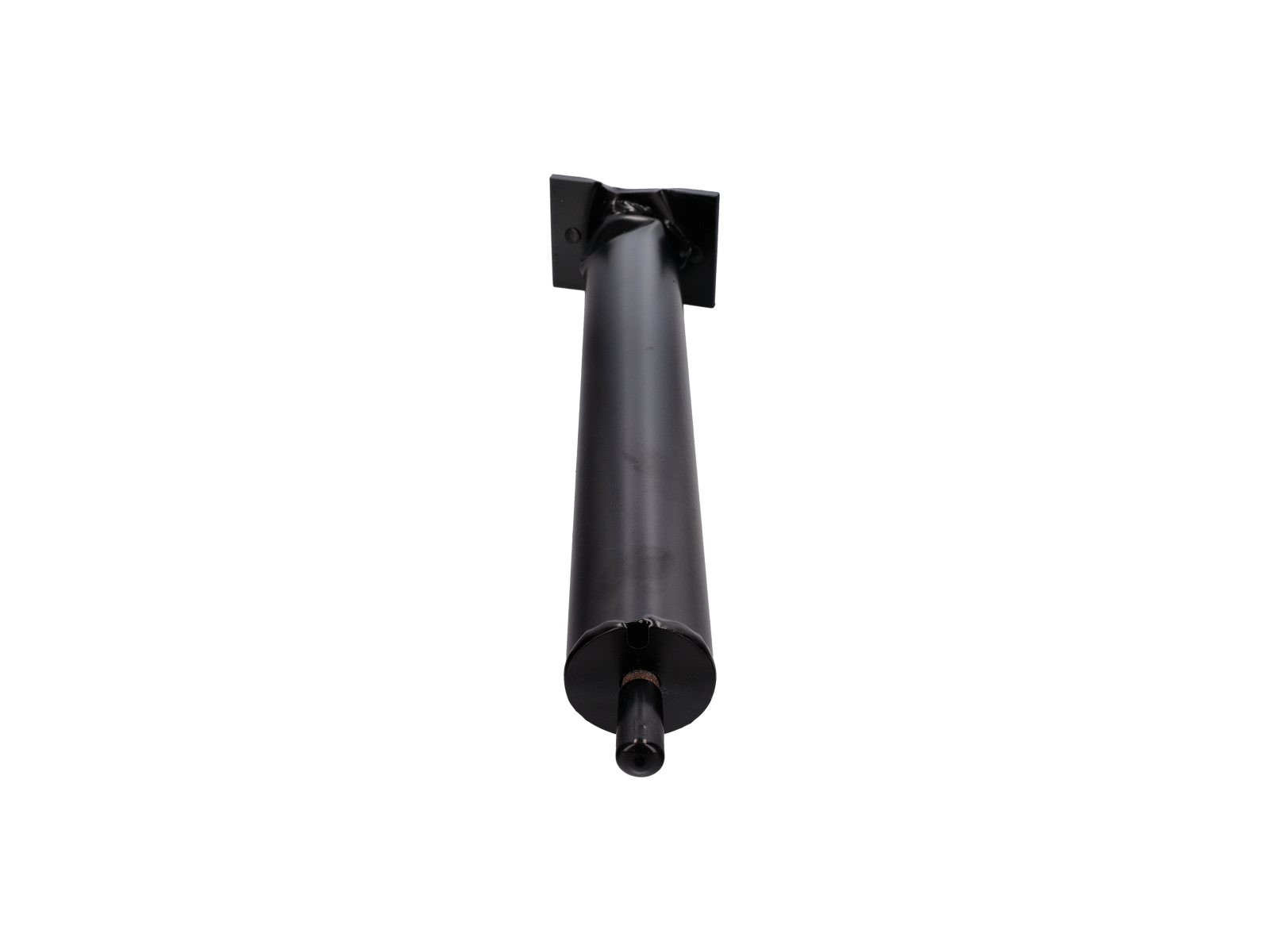
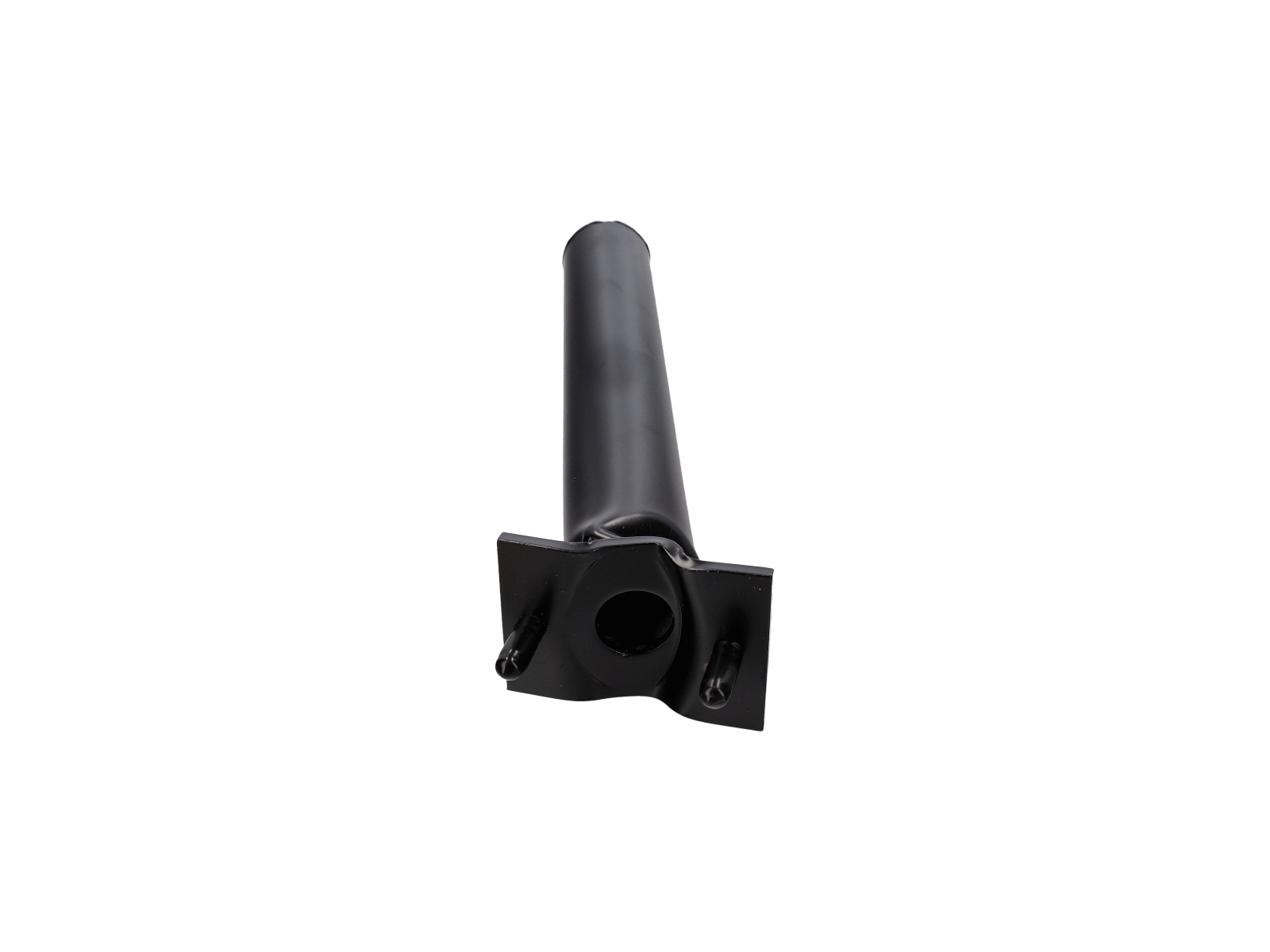
This OE Match Rear Bumper Bracket Tube (also known as a bumper impact tube) is a structural mounting component designed for classic Porsche 911 models. It supports and positions the rear bumper assembly on the vehicle.
Sold individually, two required per vehicle for a complete installation.
Fits:
Porsche 911 1974 - 1989
Porsche 930 3.0L / 3.3L 1975 - 1989
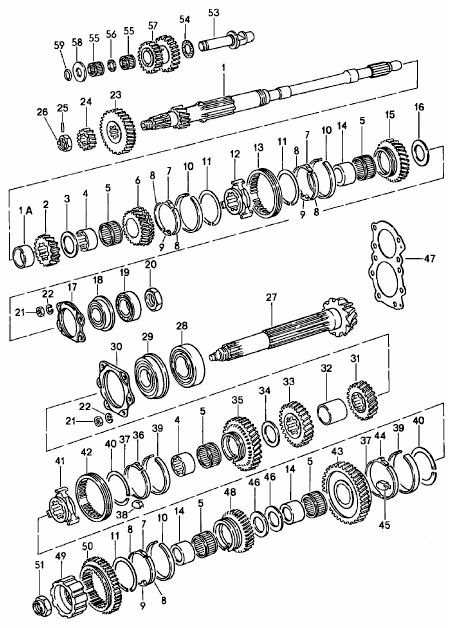
Diagram ref no 27
The bumper bracket tube secures the rear bumper to the vehicle body while providing a degree of shock absorption in low-speed impacts. It ensures the bumper remains correctly aligned and properly spaced from the chassis.
Without this component, the bumper cannot be securely mounted, affecting both safety and vehicle appearance.
Function
• Supports and mounts the rear bumper to the chassis
• Maintains correct bumper alignment and spacing
• Absorbs minor impact forces
• Provides structural integrity to the bumper assembly
This component is essential for both functional safety and maintaining the original look of the vehicle.
Over time, bumper tubes can corrode, bend, or weaken due to age, environmental exposure, or minor impacts. Damaged tubes can lead to misaligned bumpers, poor fitment, and reduced structural support. Replacing worn or damaged bumper tubes ensures proper bumper positioning, restores original appearance, and maintains safety standards - especially important for restoration projects and classic Porsche maintenance.
When to replace:
• Visible corrosion or rust on the tube
• Bent or deformed bumper mounting points
• Loose or misaligned rear bumper
• During restoration, repainting, or bumper removal
• After minor rear-end impacts
Related reference numbers
Related, superseded, cross reference or alternative numbers for comparison.
91150504603
The product you are viewing cross references to these numbers
- Porsche 911 1974-1977 2.7L / 1976-77 3.0 Carrera
- Porsche 911 1978-1983 3.0L / SC
- Porsche 911 1984-1986 3.2L
- Porsche 911 1987-1989 3.2L G50
- Porsche 911 1978-1989 3.3L Turbo (930)
Shop Securely
12 Month Warranty
Worldwide Delivery
Express Delivery
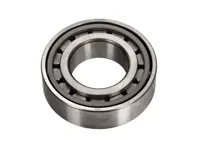
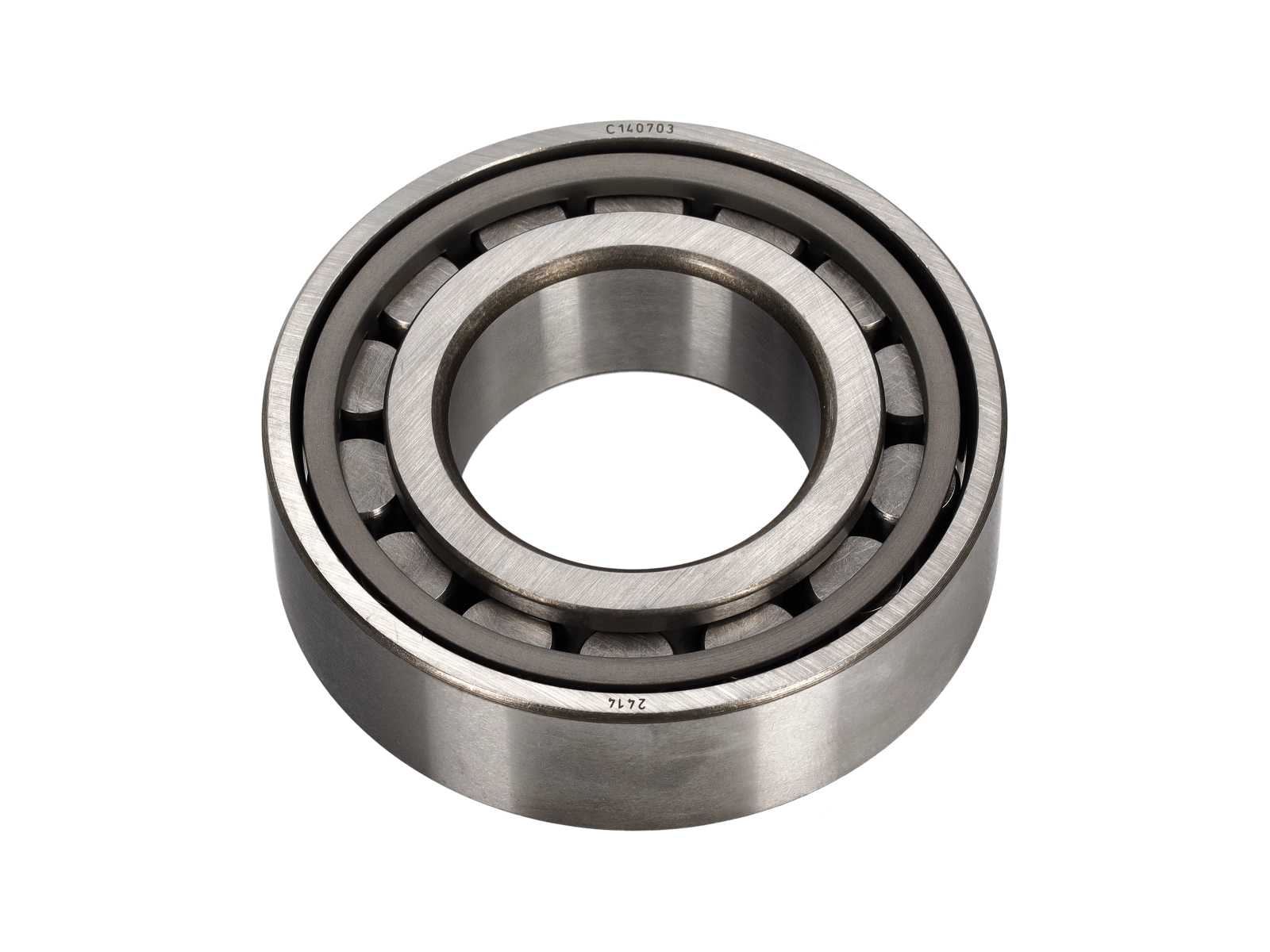
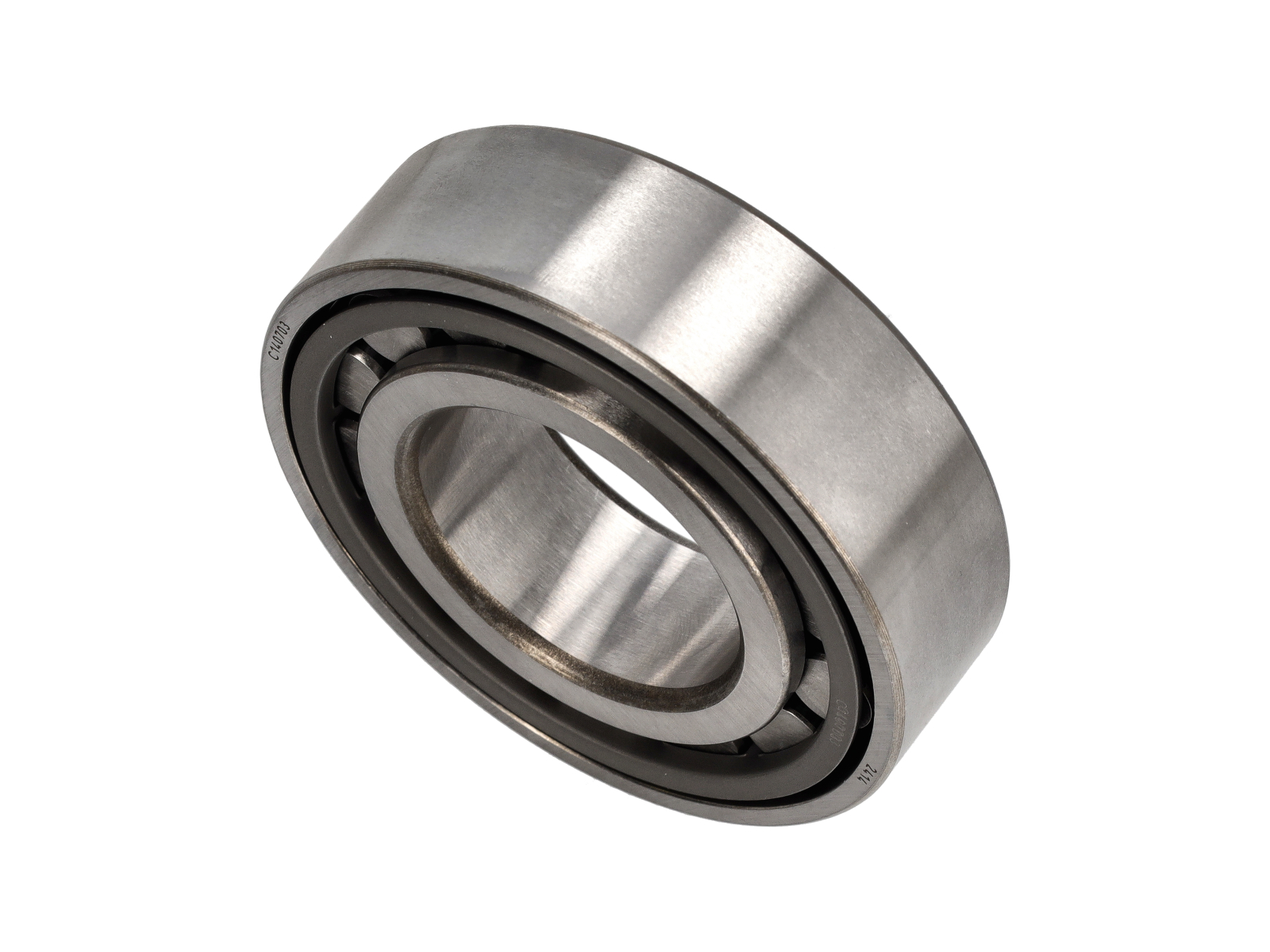
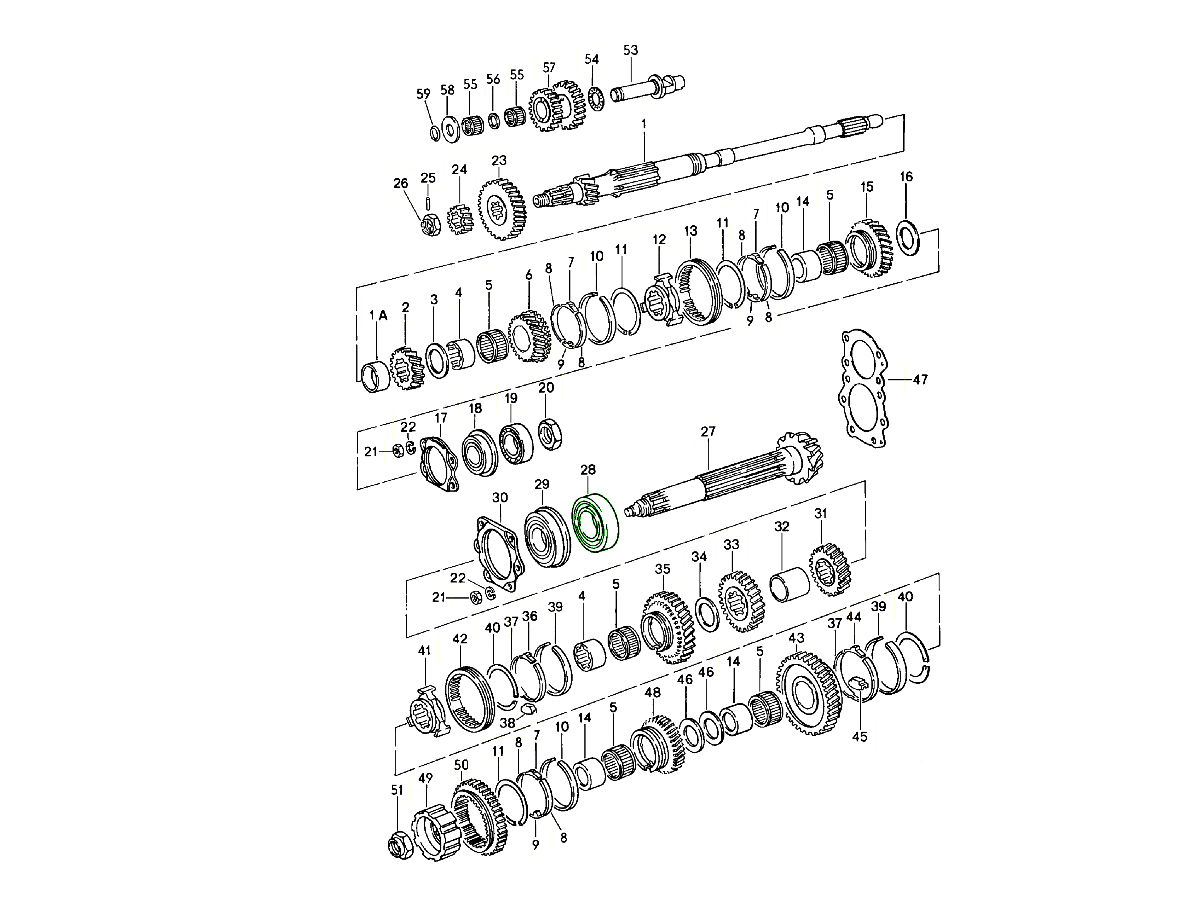
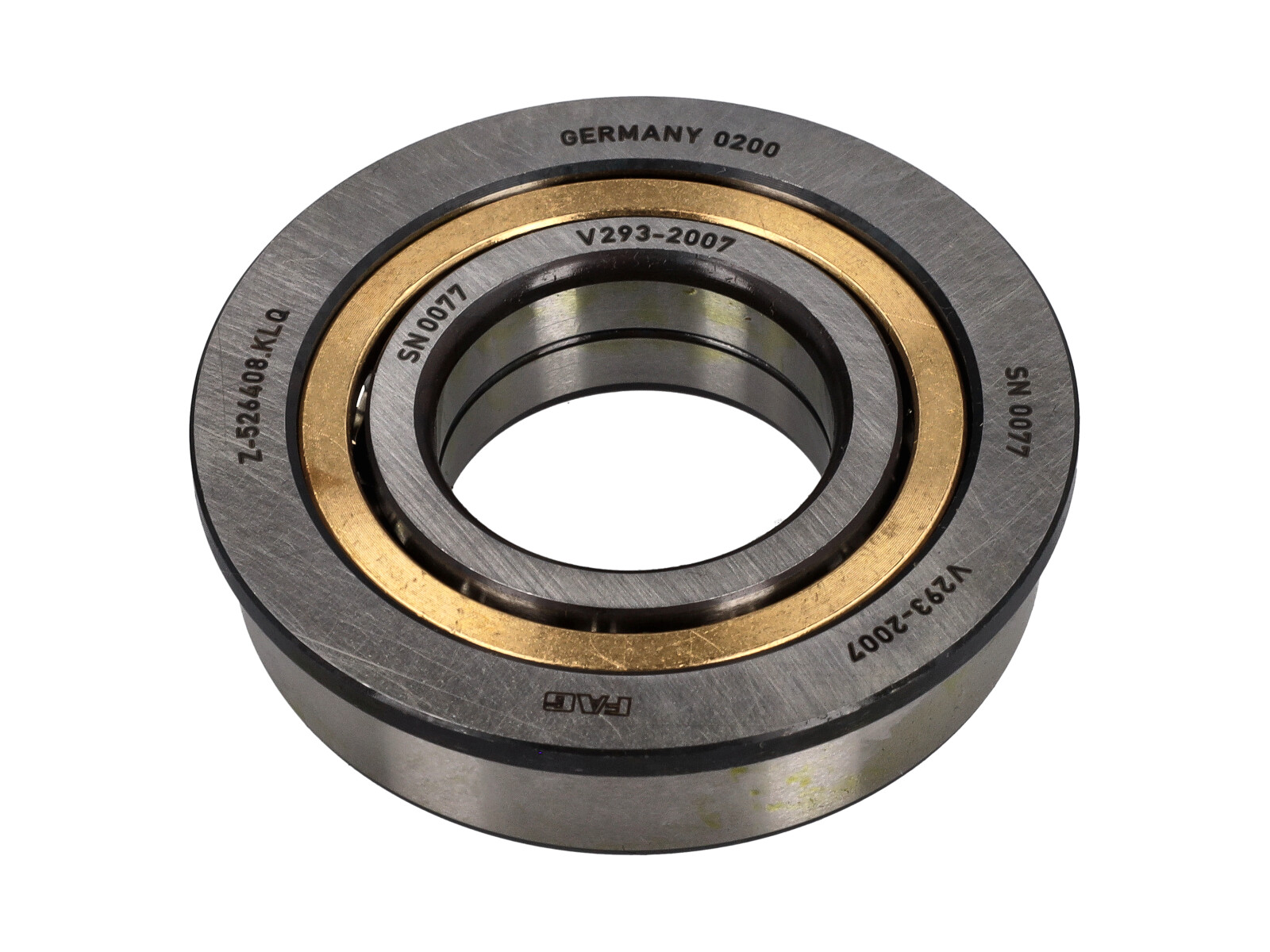
The OE Match Flywheel-End Shaft Bearing (Pinion Bearing) for 915 Transmission (99911014601/1) is a high-quality replacement transmission bearing designed to support and accurately locate the pinion shaft within the Porsche 915 gearbox. Manufactured to OE specifications for fit, precision and durability, this bearing plays a critical role in maintaining proper shaft alignment, smooth gear operation and efficient power transfer throughout the transmission.
Fits:
- Porsche 911 1974-1977 2.7L / 1976-77 3.0 Carrera
- Porsche 911 1978-1983 3.0L / SC
- Porsche 911 1984-1986 3.2L
Diagram Ref No 28
Constructed from premium-grade bearing steel and engineered to withstand high rotational loads, torque forces and continuous gearbox operation, the flywheel-end shaft bearing helps minimise friction while supporting the pinion shaft under demanding driving conditions. Correct bearing performance is essential for preserving gearbox reliability, shift quality and transmission longevity.
What This Product Does:
- Supports the pinion shaft within the 915 transmission.
- Maintains precise shaft alignment during operation.
- Reduces friction between rotating gearbox components.
- Helps ensure smooth gear engagement and operation.
- Supports efficient power transfer through the transmission.
- Minimises wear on gears, shafts and related components.
- Contributes to overall gearbox performance and durability.
Symptoms Of Wear Or Failure:
- Whining, humming or rumbling noises from the transmission.
- Increased gearbox vibration.
- Excessive shaft movement or internal transmission play.
- Rough or noisy operation while driving.
- Difficulty maintaining smooth gear engagement.
- Metal particles found in gearbox oil.
- Premature wear of gears and associated transmission components.
- Increased transmission operating temperatures.
- Severe gearbox damage if bearing failure progresses.
Why Replacement Matters:
- The flywheel-end shaft bearing operates under constant rotational loads and is subjected to significant torque forces, heat and vibration throughout its service life. Over time, bearing surfaces can wear, lubrication can deteriorate and internal clearances can increase, reducing the bearing's ability to support the pinion shaft accurately.
- A worn bearing can allow excessive shaft movement, affecting gear mesh accuracy and placing additional stress on gears, synchronisers and other internal transmission components. If left unresolved, bearing failure can lead to accelerated gearbox wear, increased noise and potentially extensive transmission damage requiring a full rebuild.
- Replacing a worn flywheel-end shaft bearing restores correct shaft support, improves gearbox smoothness and helps protect valuable transmission components from premature wear. An OE Match replacement provides factory-style fitment, precision manufacturing and dependable long-term durability, ensuring reliable performance and helping preserve the operation of your Porsche 915 transmission.
Related reference numbers
Related, superseded, cross reference or alternative numbers for comparison.
99911014601
The product you are viewing cross references to these numbers
- Porsche 911 1974-1977 2.7L / 1976-77 3.0 Carrera
- Porsche 911 1978-1983 3.0L / SC
- Porsche 911 1984-1986 3.2L
Shop Securely
12 Month Warranty
Worldwide Delivery
Express Delivery
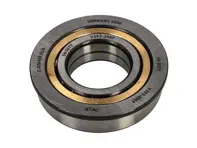
The OE Match Four Point Bearing is a high-quality precision-engineered bearing designed to support both radial and axial loads within critical Porsche mechanical assemblies. Manufactured to OE specifications for fit, performance and durability, this four-point contact bearing is designed to provide smooth rotational movement while maintaining accurate component alignment under varying operating conditions.
Fits:
- Porsche 911 1974-1977 2.7L / 1976-77 3.0 Carrera
- Porsche 911 1978-1983 3.0L / SC
- Porsche 911 1984-1986 3.2L
Diagram Ref No 18
Featuring a specialised internal design that allows load distribution across four contact points, this bearing can accommodate forces acting in multiple directions while reducing friction and wear. Constructed from high-grade bearing steel and engineered for long service life, it plays a vital role in maintaining the reliability and efficiency of the components in which it is installed.
What This Product Does:
- Supports rotating components under radial and axial loads.
- Maintains precise alignment within mechanical assemblies.
- Reduces friction between moving parts.
- Distributes loads evenly across multiple contact points.
- Allows smooth and efficient rotational movement.
- Minimises wear on associated components.
- Contributes to reliable operation and long-term durability.
Symptoms Of Wear Or Failure:
- Grinding, rumbling or humming noises during operation.
- Excessive vibration from the affected assembly.
- Increased mechanical resistance or rough movement.
- Component misalignment or excessive play.
- Premature wear of surrounding components.
- Overheating caused by increased friction.
- Reduced performance of the supported assembly.
- Metal particles or bearing debris found during inspection.
- Complete bearing seizure in severe failure cases.
Why Replacement Matters:
- Bearings are subjected to constant rotational forces, load changes, vibration and environmental contamination throughout their service life. Over time, wear of the bearing races, rolling elements or cage assembly can reduce bearing performance and compromise component alignment.
- A failing bearing can increase friction, generate excessive heat and place additional stress on surrounding mechanical components. If left unresolved, bearing failure can result in significant damage to shafts, housings and related assemblies, leading to costly repairs and unexpected downtime.
- Replacing a worn four point bearing restores smooth operation, maintains correct load support and helps protect associated components from premature wear. An OE Match replacement provides factory-style fitment, precision manufacturing and dependable long-term durability, ensuring reliable performance and maintaining the engineering standards expected of your Porsche.
Related reference numbers
Related, superseded, cross reference or alternative numbers for comparison.
99905203000
The product you are viewing cross references to these numbers
- Porsche 911 1974-1977 2.7L / 1976-77 3.0 Carrera
- Porsche 911 1978-1983 3.0L / SC
- Porsche 911 1984-1986 3.2L
Shop Securely
12 Month Warranty
Worldwide Delivery

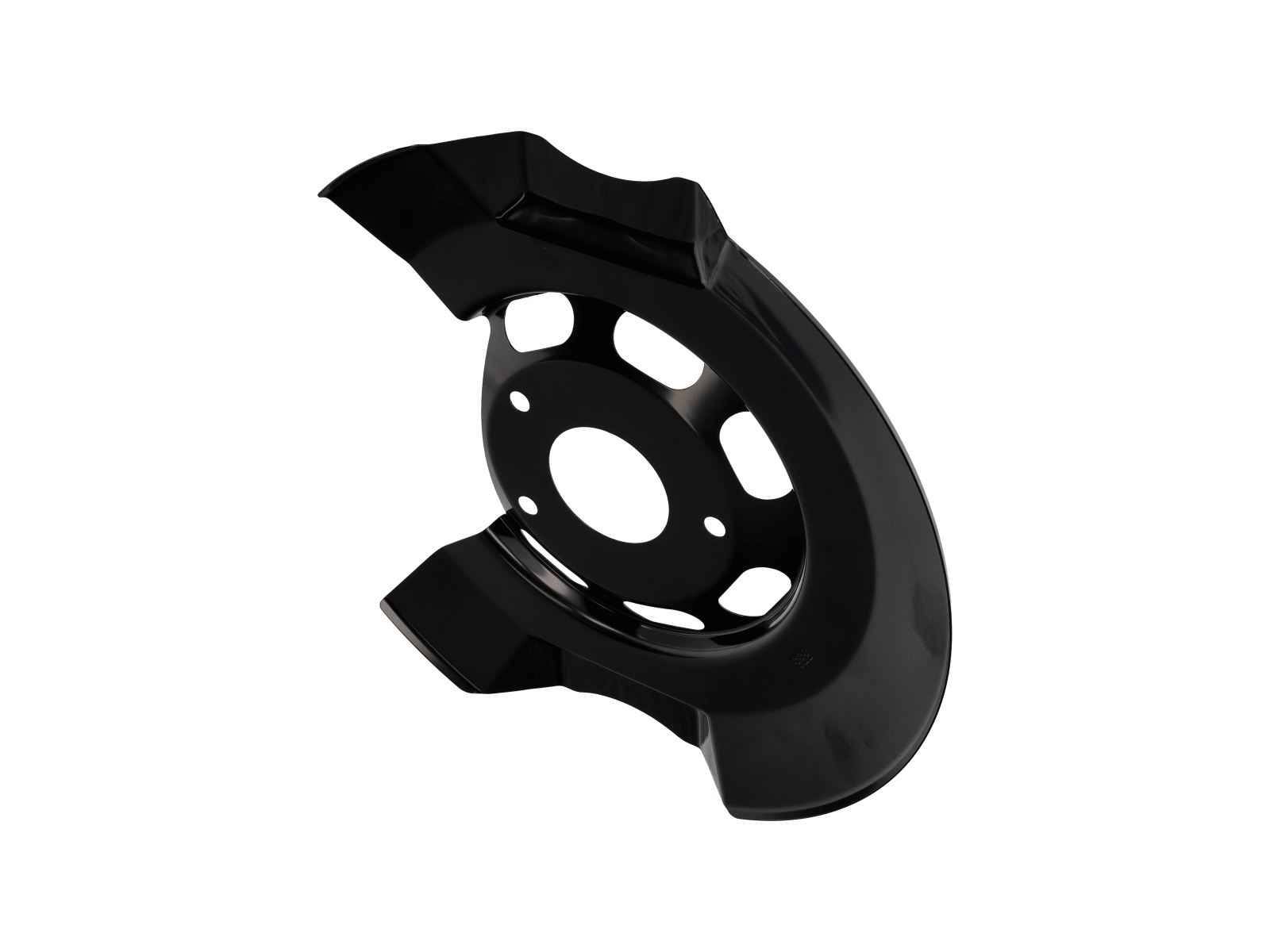
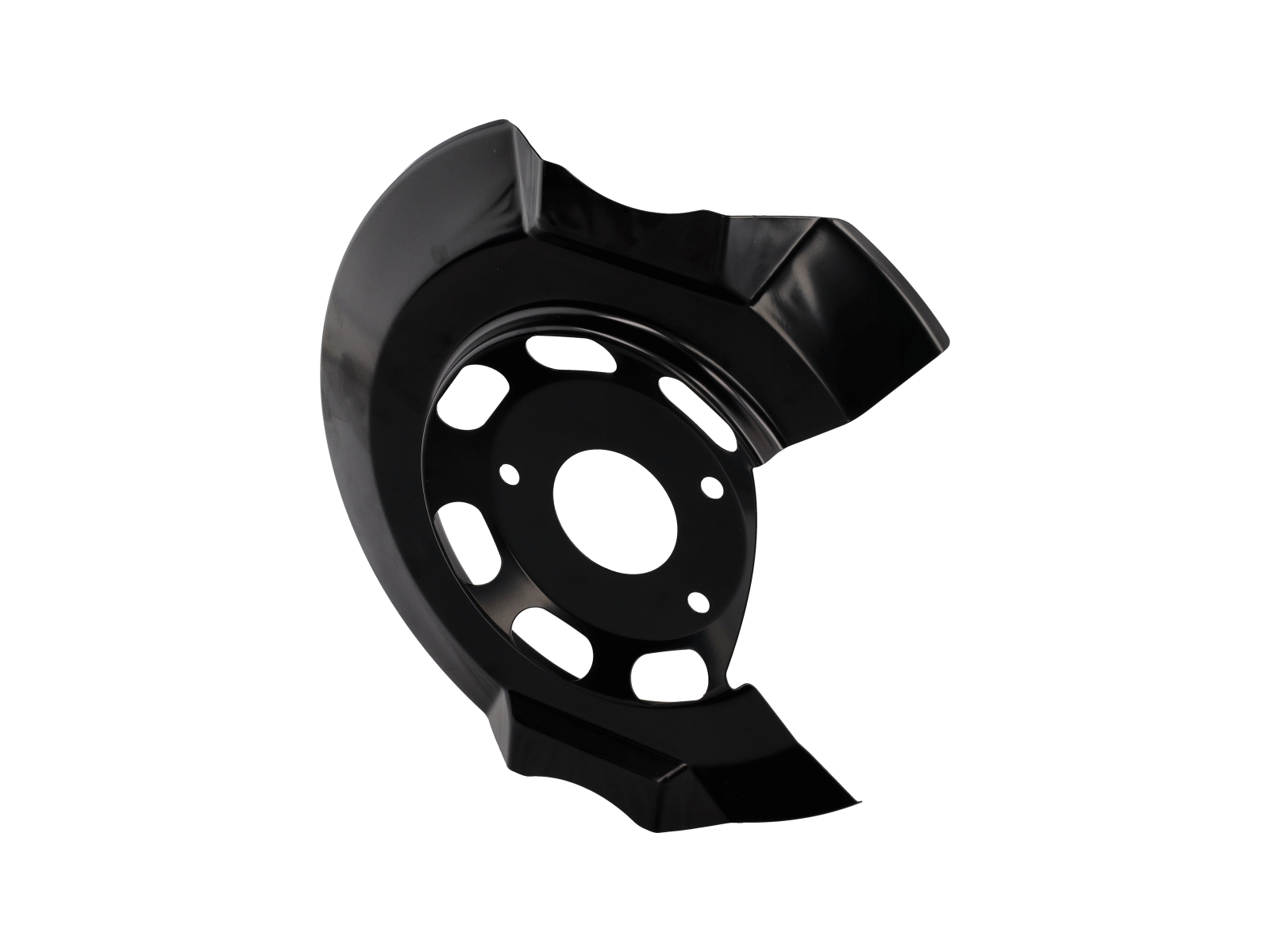
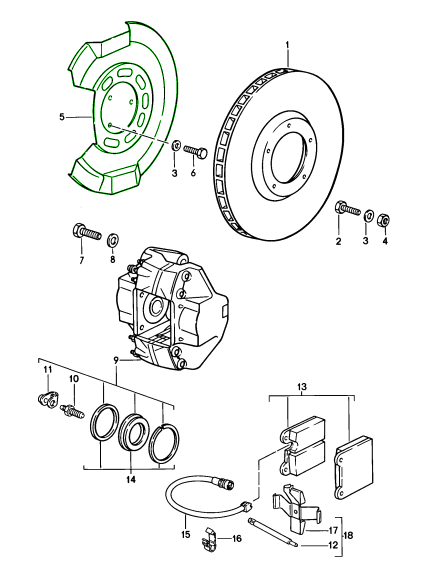
Front Brake Disc Backing Plate - fits Left or Right
Sold each - 2 required per car
Restore proper brake protection and factory-correct
appearance with this OE Match Front Brake Disc Backing Plate.
This component forms an important part of the
braking system by protecting the brake disc assembly from road debris while
helping to manage airflow around the brake components.
Fits:
- Porsche 911 1968-1973 2.2L / 2.4L / 2.7L RS LWB (F)
- Porsche 911 1974-1977 2.7L / 1976-77 3.0 Carrera
- Porsche 911 1978-1983 3.0L / SC
- Porsche 911 1984-1986 3.2L
- Porsche 911 1987-1989 3.2L G50
- Porsche 911 1975-1977 3.0L Turbo (930)
- Porsche 914 (1970-1976)
Often referred to as a brake dust shield or brake disc splash guard, the backing plate sits behind the brake disc and provides a protective barrier between the braking system and contaminants thrown up from the road. It also helps guide cooling airflow around the brake assembly, contributing to consistent braking performance.
As these plates are mounted underneath the vehicle, they are frequently exposed to moisture, road salt, stone impacts and corrosion. Replacing damaged or rusted backing plates helps maintain brake system protection while restoring the appearance of the suspension and braking assembly.
What Does a Brake Disc Backing Plate Do?
The brake disc backing plate performs several important functions within the braking system.
Its primary roles include:
- Protecting the brake disc from road debris
- Shielding brake components from dirt and water
- Helping manage brake cooling airflow
- Reducing contamination around the brake assembly
- Protecting wheel bearing components
- Supporting long-term brake system reliability
- Maintaining factory brake system design
Although often overlooked, the backing plate contributes to the overall durability and effectiveness of the braking system.
Why Do Brake Disc Backing Plates Fail?
Brake backing plates are constantly exposed to harsh operating conditions beneath the vehicle.
Common causes of failure include:
- Corrosion caused by moisture and road salt
- Stone and debris impact damage
- Accident or kerb strike damage
- Age-related deterioration
- Metal fatigue
- Improper handling during brake servicing
- Long-term environmental exposure
Over time, corrosion can weaken the plate, causing distortion, cracking or complete failure.
When Should a Brake Disc Backing Plate Be Replaced?
Brake backing plates should be inspected whenever brake discs or wheel bearings are serviced.
Common signs replacement is required include:
- Visible rust or corrosion
- Cracked or damaged plate edges
- Bent or distorted backing plates
- Contact between the plate and brake disc
- Excessive brake dust contamination
- Missing sections caused by corrosion
- Restoration or refurbishment projects
- Suspension rebuild work
If the backing plate begins rubbing against the brake disc, it should be replaced immediately to prevent noise and potential damage.
Why Replacement Matters
A damaged brake backing plate can compromise protection of the braking system and detract from the quality of a restoration.
Benefits of replacement include:
- Improved brake component protection
- Reduced contamination from road debris
- Correct brake cooling airflow management
- Improved reliability
- Restoration of factory appearance
- Prevention of brake disc contact issues
- Enhanced long-term durability
- Ideal for restoration and maintenance projects
For classic Porsche models, replacing worn backing plates helps preserve both function and originality.
Related reference numbers
Related, superseded, cross reference or alternative numbers for comparison.
90135180117
The product you are viewing cross references to these numbers
- Porsche 911 1968-1973 2.2L / 2.4L / 2.7L RS LWB (F)
- Porsche 911 1974-1977 2.7L / 1976-77 3.0 Carrera
- Porsche 911 1978-1983 3.0L / SC
- Porsche 911 1984-1986 3.2L
- Porsche 911 1987-1989 3.2L G50
- Porsche 911 1975-1977 3.0L Turbo (930)
- Porsche 914 (1970-1976)
Shop Securely
12 Month Warranty
Worldwide Delivery
Express Delivery

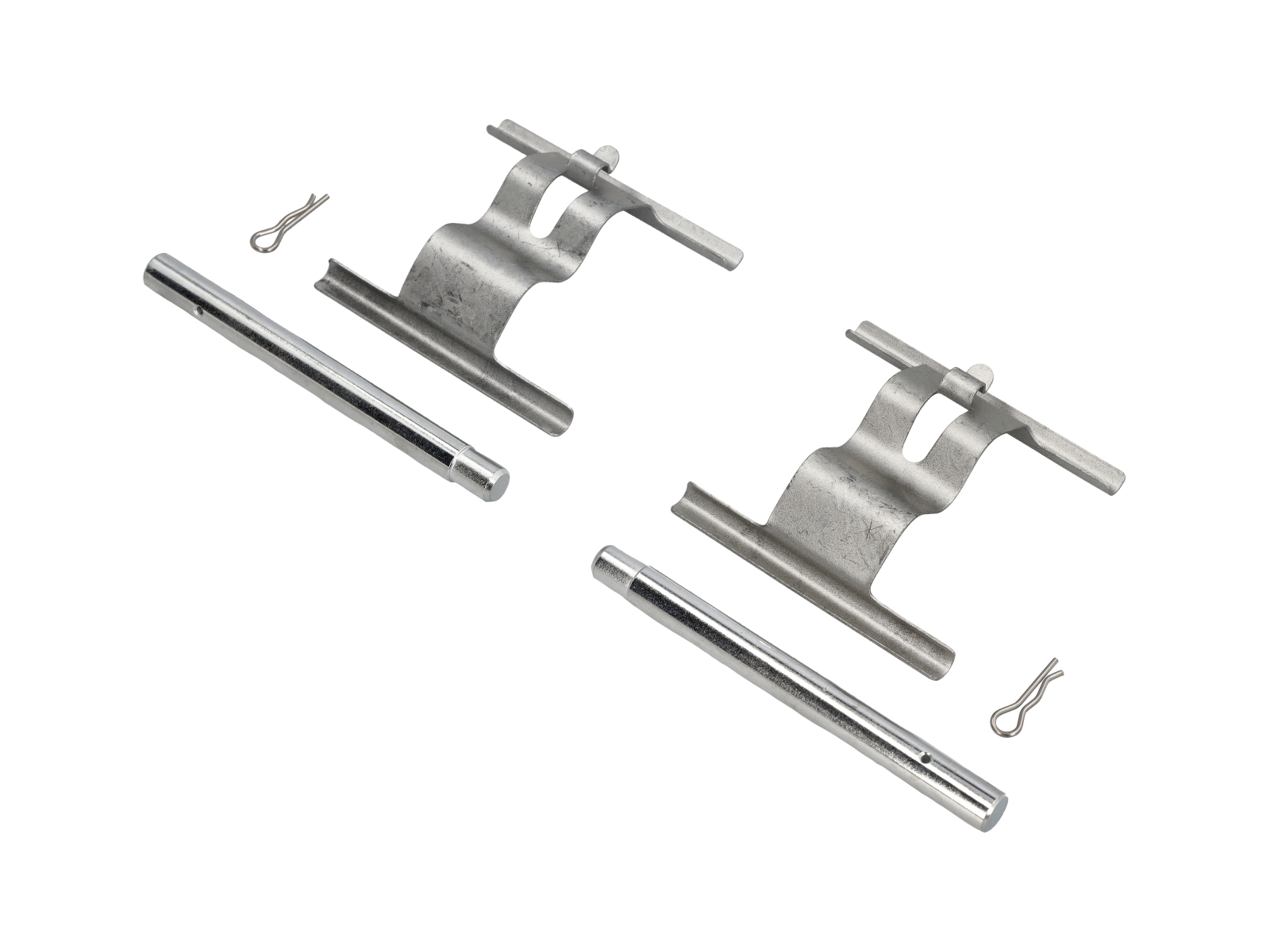
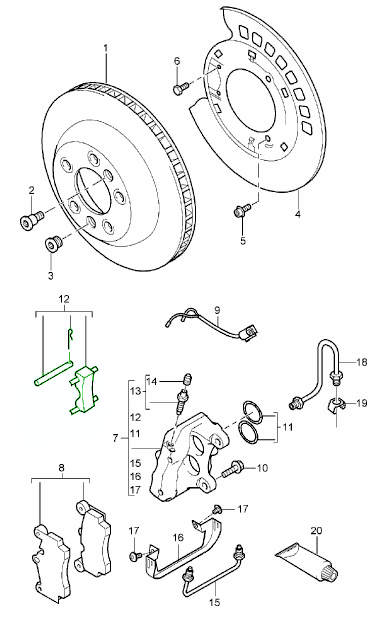
Brake Pad Pin Kit - Set
of 2 for both calipers.
Length of
spring clip is 21.78mm
Maintain safe and secure brake pad retention with this OE
Match Brake Pad Pin Kit. Designed for various Porsche 987 Boxster,
987 Cayman, 997, 955 Cayenne and 958 Cayenne models, this kit contains the
essential hardware used to secure the brake pads within the caliper assembly.

- Porsche Boxster 987 S 3.2/3.4L 2005-08/08
- Porsche Boxster 987 MKII 2.9L 2009-12
- Porsche Boxster S 987 MKII 3.4L 2009-12
- Porsche 997 MK1 Carrera 2 3.6L 2005-08
- Porsche 997 MK1 Carrera 4 3.6L 2005-08
- Porsche Cayman S 3.4L 987C 2005-08
- Porsche Cayman 2.9L 987C MKII 2009-12
- Porsche Cayman S / R 3.4L 987C MKII 2009-12

- Porsche 997 MK1 Carrera 2S 3.8L 2005-08
- Porsche 997 MK1 Carrera 4S 3.8L 2005-08
- Porsche 997 MKII Carrera C2S 3.8L 2009-12
- Porsche 997 MKII Carrera C4S 3.8L 2009-12
- Porsche 955 Cayenne 3.2L V6 2003-06
- Porsche 955 Cayenne S 4.5L V8 2003-06
- Porsche 955 Cayenne Turbo 4.5L 2003-06
- Porsche 955 Cayenne Turbo S 4.5L 2006>>
- Porsche 957 Cayenne 3.6L 2007-10
- Porsche 957 Cayenne S / GTS 4.8L 2007-10
- Porsche 957 Cayenne Turbo / Turbo S 4.8L 2007-10
Diagram ref no 12
Brake pad retaining pins play a critical role in the braking system by holding the brake pads firmly in position while allowing correct movement during braking. Together with the anti-rattle spring, the pins help prevent unwanted pad movement, vibration and brake noise while ensuring consistent braking performance.
During routine brake servicing, these components are exposed to heat, moisture, corrosion and repeated removal. Replacing worn brake pad pins helps maintain braking reliability, improve pad retention and restore the braking system to factory standards.
What Does a Brake Pad Pin Kit Do?
The brake pad pin kit secures the brake pads within the brake caliper assembly.
Its primary functions include:
- Retaining the brake pads securely
- Supporting correct pad alignment
- Preventing excessive pad movement
- Reducing brake noise and vibration
- Maintaining consistent braking performance
- Supporting safe brake operation
- Assisting anti-rattle spring function
Without properly functioning retaining hardware, brake pad movement can increase, leading to noise, uneven wear and reduced braking refinement.
Why Do Brake Pad Pins Fail?
Brake hardware operates in one of the harshest environments on the vehicle, constantly exposed to heat cycles, moisture and road contamination.
Common causes of failure include:
- Corrosion and rust
- Heat-related deterioration
- Wear from repeated brake servicing
- Damage during brake pad replacement
- Excessive brake temperatures
- Road salt exposure
- Seized or distorted retaining pins
- Fatigue from long-term use
Over time, retaining pins can become worn, corroded or difficult to remove, making replacement during brake servicing highly recommended.
When Should a Brake Pad Pin Kit Be Replaced?
Brake pad retaining hardware should be inspected whenever brake pads are replaced.
Common signs replacement is required include:
- Corroded retaining pins
- Seized brake hardware
- Brake pad movement within the caliper
- Brake rattling noises
- Distorted or worn retaining pins
- Damaged anti-rattle spring hardware
- Difficult brake servicing due to corrosion
- Major brake system refurbishment
Many Porsche specialists recommend replacing retaining hardware whenever new brake pads are installed, particularly on performance vehicles.
Why Replacement Matters
Brake pad retaining hardware is critical to the safe operation of the braking system.
Benefits of replacement include:
- Improved brake pad retention
- Reduced brake noise
- Improved braking consistency
- Easier future brake servicing
- Enhanced braking safety
- Protection against hardware failure
- Improved brake system reliability
- Restoration of factory braking standards
For Porsche performance vehicles, maintaining all brake hardware components is just as important as replacing brake pads and discs.
Related reference numbers
Related, superseded, cross reference or alternative numbers for comparison.
95535296000
The product you are viewing cross references to these numbers
- Porsche Boxster 987 S 3.2/3.4L 2005-08/08
- Porsche Boxster 987 MKII 2.9L 2009-12
- Porsche Boxster S 987 MKII 3.4L 2009-12
- Porsche 997 MK1 Carrera 2 3.6L 2005-08
- Porsche 997 MK1 Carrera 2S 3.8L 2005-08
- Porsche 997 MK1 Carrera 4 3.6L 2005-08
- Porsche 997 MK1 Carrera 4S 3.8L 2005-08
- Porsche 997 MKII Carrera C2S 3.8L 2009-12
- Porsche 997 MKII Carrera C4S 3.8L 2009-12
- Porsche Cayman S 3.4L 987C 2005-08
- Porsche Cayman 2.9L 987C MKII 2009-12
- Porsche Cayman S / R 3.4L 987C MKII 2009-12
- Porsche 955 Cayenne 3.2L V6 2003-06
- Porsche 955 Cayenne S 4.5L V8 2003-06
- Porsche 955 Cayenne Turbo 4.5L 2003-06
- Porsche 955 Cayenne Turbo S 4.5L 2006>>
- Porsche 957 Cayenne 3.6L 2007-10
- Porsche 957 Cayenne S / GTS 4.8L 2007-10
- Porsche 957 Cayenne Turbo / Turbo S 4.8L 2007-10
Shop Securely
12 Month Warranty
Worldwide Delivery
Express Delivery

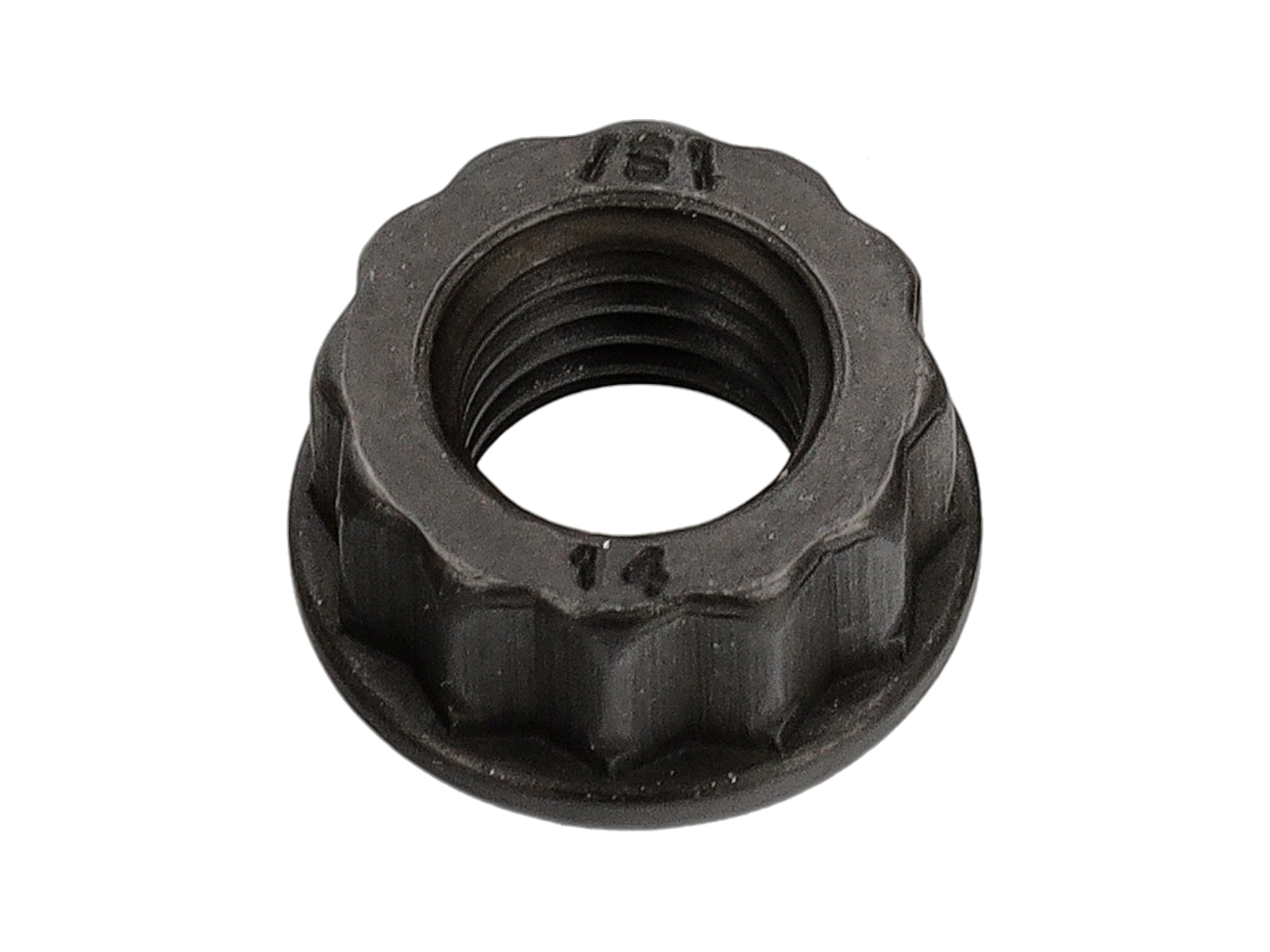
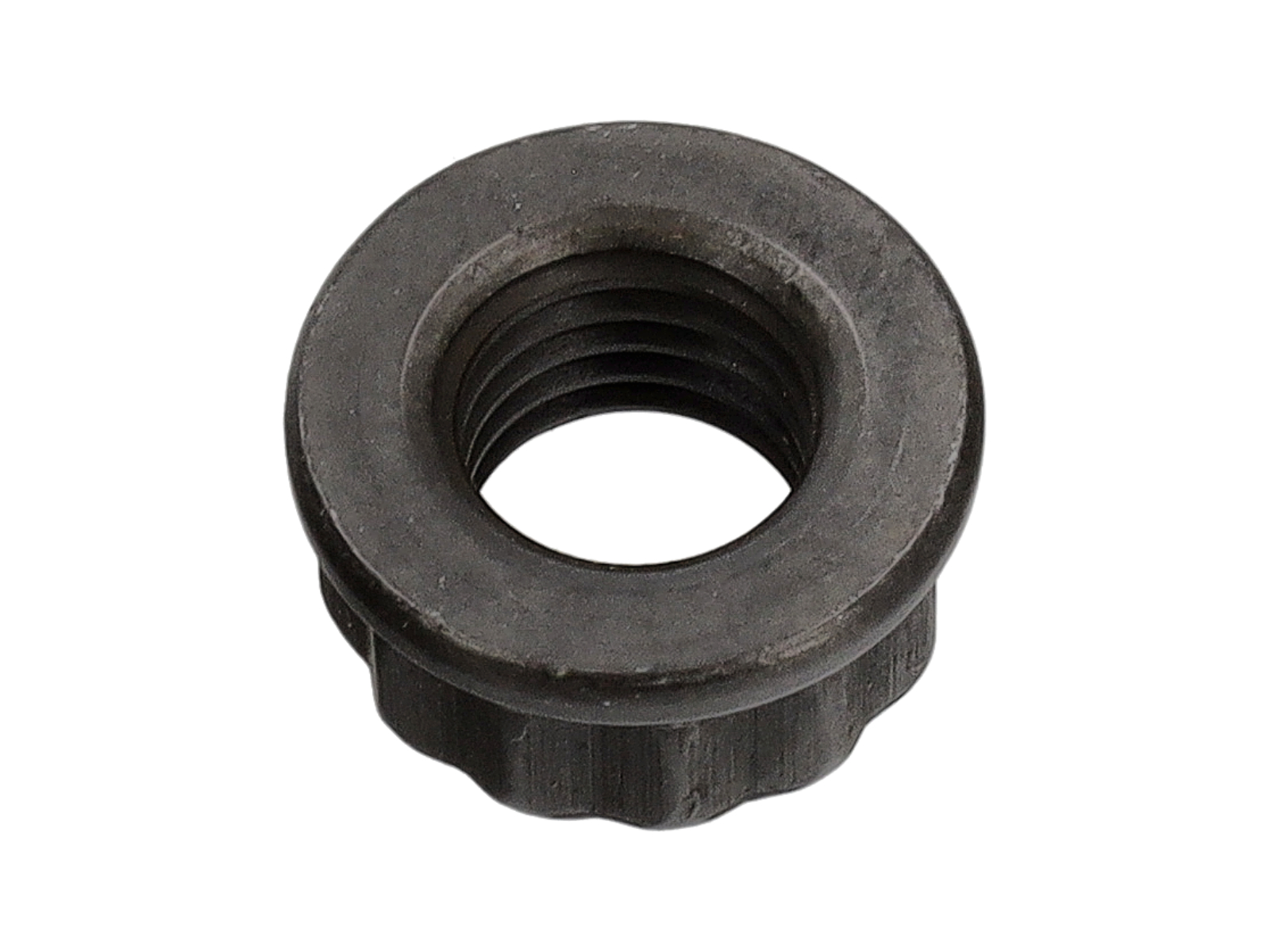
Con Rod Nut
Sold each - 12 required per car
The OE Match Con Rod Nut is a critical internal
engine fastener used to secure the connecting rod cap to the connecting rod
assembly. Suitable for various Porsche 911, 964, 993, 996 Turbo and 997 Turbo
engines, this precision-engineered component plays a vital role in maintaining
the structural integrity of the engine's rotating assembly.
Fits:
- Porsche 911 1984-1986 3.2L
- Porsche 911 1987-1989 3.2L G50
- Porsche 911 1978-1989 3.3L Turbo (930)
- Porsche 964 (911) C2 1989-93
- Porsche 964 (911) C4 1989-93
- Porsche 964 (911) RS 3.6L 1991-93
- Porsche 964 (911) RS 3.8L 1991-93
- Porsche 964 (911) TURBO 3.3L 1991-93
- Porsche 964 (911) TURBO 3.6L 1991-93
- Porsche 993 (911) C2 1994-97
- Porsche 993 (911) C4 1994-97
- Porsche 993 (911) RS 1994-97
- Porsche 993 (911) C2S 1994-97
- Porsche 993 (911) C4S 1994-97
- Porsche 993 (911) TURBO 1994-96
- Porsche 993 (911) GT2 1994-97
- Porsche 993 (911) TURBO S 1994-97
- Porsche 996 TURBO 2000-05
- Porsche 996 GT2 2001-05
- Porsche 997 MK1 TURBO 2007-09
- Porsche 997 MK1 GT2 2007-09
Diagram Ref No 11
The connecting rod assembly is subjected to enormous forces during engine operation, particularly at high RPM. The con rod nuts must maintain precise clamping force to ensure the connecting rod cap remains securely attached under extreme combustion and inertial loads. Even the slightest loss of clamping force can result in catastrophic engine failure.
For this reason, con rod nuts are considered a critical engine rebuild component and should always be replaced during engine overhauls, connecting rod servicing or performance engine builds.
What Does a Con Rod Nut Do?
The con rod nut secures the connecting rod cap to the connecting rod body, clamping around the crankshaft journal bearing.
Its functions include:
- Maintaining connecting rod cap security
- Preserving bearing crush and alignment
- Supporting crankshaft rotation
- Withstanding high engine loads
- Maintaining precise clamping force
- Supporting engine reliability
- Protecting internal engine components
The connecting rod assembly relies entirely on the integrity of its fastening hardware to survive the extreme loads generated during operation.
Why Do Con Rod Nuts Fail?
Con rod nuts are subjected to repeated tensile loads, heat cycles and vibration throughout their service life.
Common causes of failure include:
- Metal fatigue
- Repeated engine stress cycles
- Overstretching during previous installation
- Improper torque procedures
- High mileage wear
- Performance engine operation
- Corrosion during storage
- Reuse during multiple rebuilds
Many con rod nuts are designed as single-use fasteners and can lose their ability to maintain proper clamping force if reused.
When Should Con Rod Nuts Be Replaced?
Replacement is strongly recommended whenever the connecting rods are disassembled.
Typical situations include:
- Engine rebuilds
- Crankshaft replacement
- Connecting rod servicing
- Bearing replacement
- Performance engine upgrades
- Motorsport engine preparation
- Full engine restoration projects
- Preventative rebuild maintenance
As con rod nuts are relatively inexpensive compared to the cost of engine repairs, replacing them during rebuild work is considered essential best practice.
Why Replacement Matters
The con rod nut is one of the most critical fasteners within the entire engine.
Benefits of replacement include:
- Maintains correct clamping force
- Supports bearing integrity
- Reduces risk of engine failure
- Improves engine reliability
- Protects expensive internal components
- Essential for professional engine builds
- Supports high-performance applications
- Provides peace of mind during rebuilds
For air-cooled and turbocharged Porsche engines, correct connecting rod hardware is fundamental to long-term durability and performance.
Related reference numbers
Related, superseded, cross reference or alternative numbers for comparison.
99310317403
The product you are viewing cross references to these numbers
- Porsche 911 1984-1986 3.2L
- Porsche 911 1987-1989 3.2L G50
- Porsche 911 1978-1989 3.3L Turbo (930)
- Porsche 964 (911) C2 1989-93
- Porsche 964 (911) C4 1989-93
- Porsche 964 (911) RS 3.6L 1991-93
- Porsche 964 (911) RS 3.8L 1991-93
- Porsche 964 (911) TURBO 3.3L 1991-93
- Porsche 964 (911) TURBO 3.6L 1991-93
- Porsche 993 (911) C2 1994-97
- Porsche 993 (911) C4 1994-97
- Porsche 993 (911) RS 1994-97
- Porsche 993 (911) C2S 1994-97
- Porsche 993 (911) C4S 1994-97
- Porsche 993 (911) TURBO 1994-96
- Porsche 993 (911) GT2 1994-97
- Porsche 993 (911) TURBO S 1994-97
- Porsche 996 TURBO 2000-05
- Porsche 996 GT2 2001-05
- Porsche 997 MK1 TURBO 2007-09
- Porsche 997 MK1 GT2 2007-09
Shop Securely
12 Month Warranty
Worldwide Delivery
Express Delivery
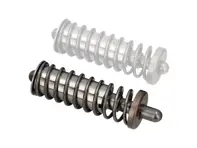
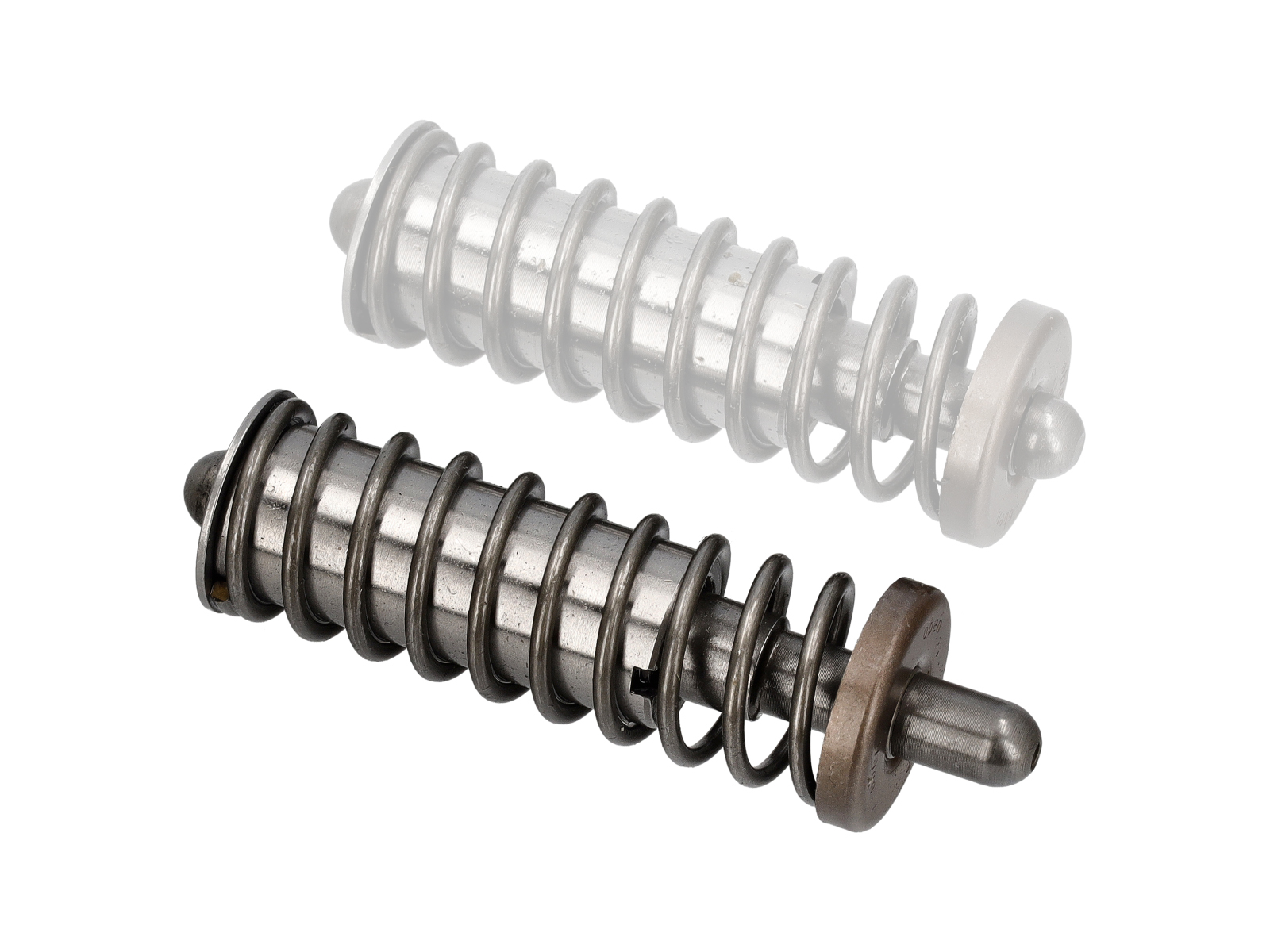
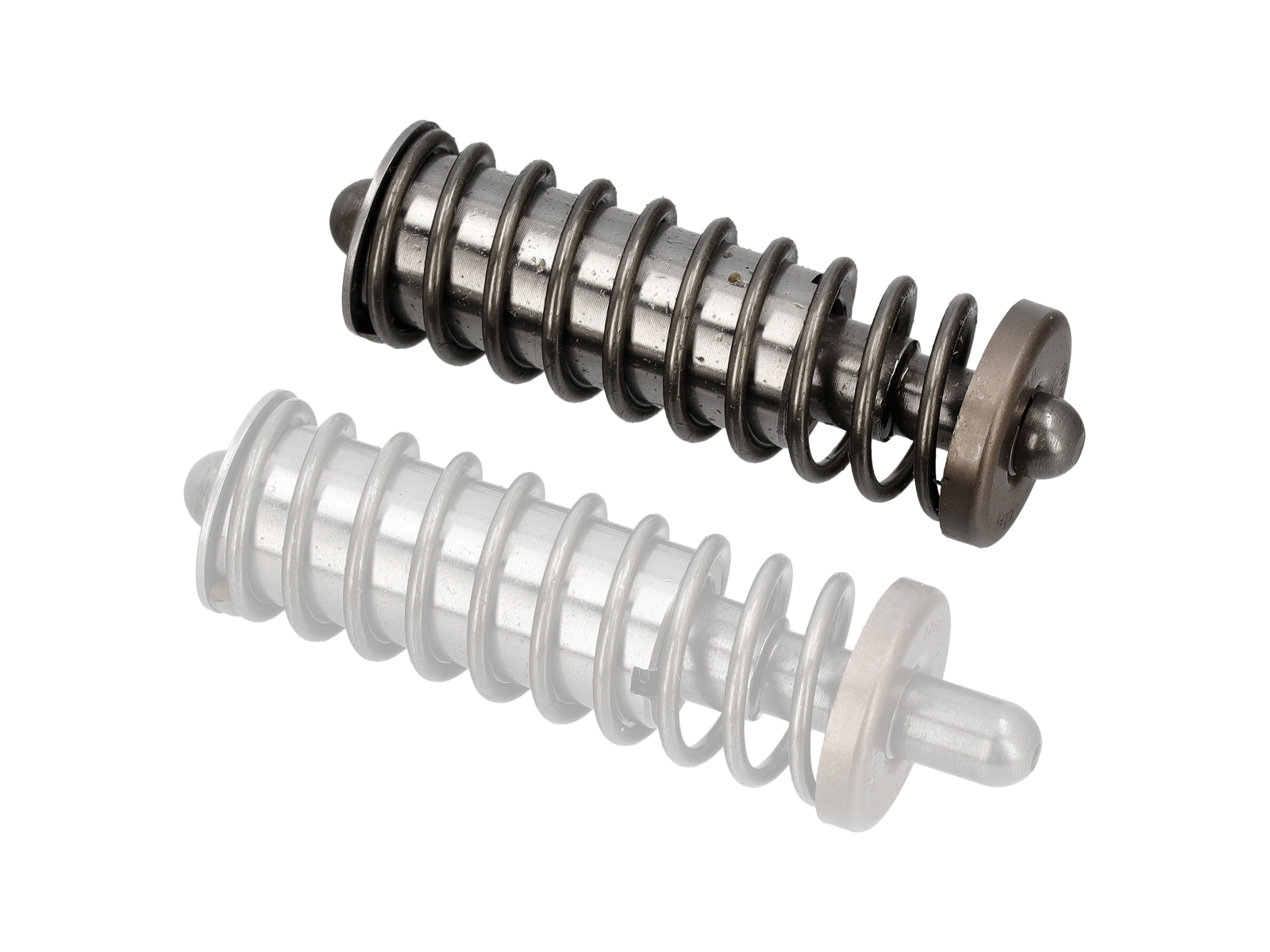
The OE Match timing chain adjuster (also known as a chain tensioner adjuster) is an engine timing component used in Porsche 964 and Porsche 993 models. These adjusters help maintain the correct tension in the engine’s timing chain system, ensuring accurate synchronization between the crankshaft and camshafts.
Fits:
Porsche 964 1989 - 1994
Porsche 964 Turbo 1993 - 1994 3.6L
Porsche 964 RS
Porsche 993 1994 - 1998
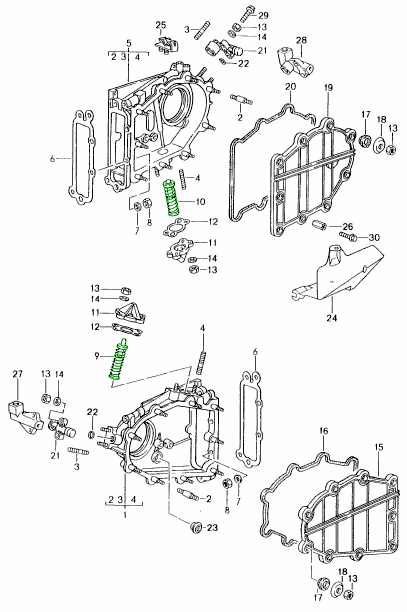
Diagram Ref no 9 and 10.
The OE Match versions correspond to Porsche reference numbers 96410507900 / 96410507901 (left side) and 96410508000 / 96410508001 (right side) and are designed as direct replacements for the original factory components.
The timing chain adjuster is part of the camshaft timing system used in air-cooled Porsche flat-six engines. The component works together with the timing chain tensioner and guide rails to keep the chain correctly tensioned as the engine operates.
Each engine uses separate left and right adjusters, depending on the cylinder bank.
The chain adjuster maintains the proper position and tension of the timing chain, preventing slack or vibration within the timing assembly. By keeping the chain properly tensioned, it helps ensure precise valve timing and smooth engine operation.
Replacing worn adjusters helps prevent timing chain noise, improves reliability and protects critical engine components from excessive wear.
Function
• Timing Chain Tension Control: Maintains proper tension in the camshaft timing chain
• Valve Timing Accuracy: Ensures correct synchronization between crankshaft and camshafts
• Engine Protection: Prevents chain slack, vibration and premature wear
• Smooth Operation: Helps eliminate chain rattle and timing instability
Timing components are constantly exposed to engine heat, oil pressure and mechanical load. Over time adjusters can wear or lose precision, leading to timing chain noise, unstable valve timing or reduced engine performance. Replacing worn chain adjusters ensures proper tensioning of the timing chain and helps protect the engine’s internal components.
Consider replacing the timing chain adjuster when:
• Timing chain rattle or knocking noise appears
• Performing timing chain or tensioner replacement
• During engine rebuild or top-end service
• High-mileage engines with original timing components
Related reference numbers
Related, superseded, cross reference or alternative numbers for comparison.
9641050
The product you are viewing cross references to these numbers
- Porsche 964 (911) C2 1989-93
- Porsche 964 (911) C4 1989-93
- Porsche 964 (911) RS 3.6L 1991-93
- Porsche 964 (911) RS 3.8L 1991-93
- Porsche 964 (911) TURBO 3.6L 1991-93
- Porsche 993 (911) C2 1994-97
- Porsche 993 (911) C4 1994-97
- Porsche 993 (911) RS 1994-97
- Porsche 993 (911) C2S 1994-97
- Porsche 993 (911) C4S 1994-97
- Porsche 993 (911) TURBO 1994-96
- Porsche 993 (911) GT2 1994-97
- Porsche 993 (911) TURBO S 1994-97
Shop Securely
12 Month Warranty
Worldwide Delivery
Express Delivery
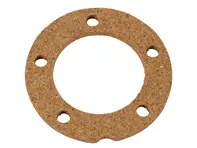
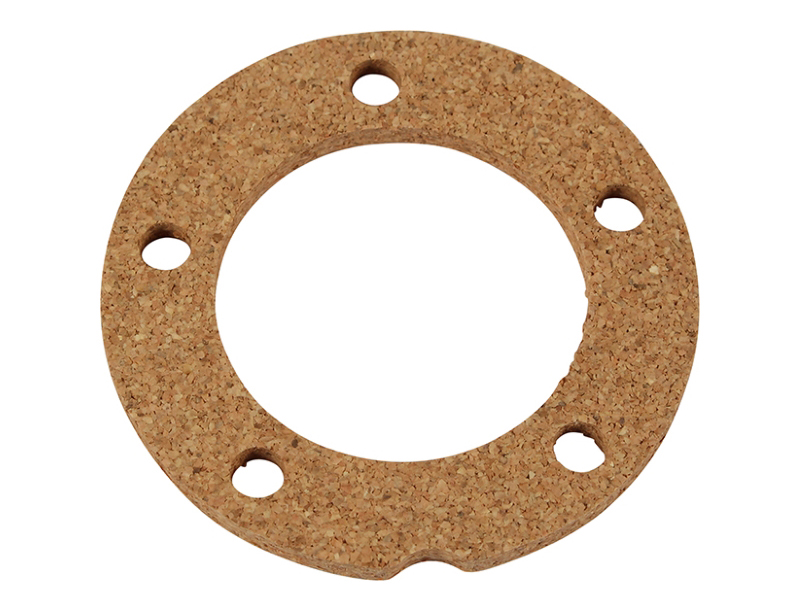
Oil Level Sender Unit Cork Gasket
Prevent oil leaks and maintain the integrity of your Porsche
dry sump lubrication system with this OE Match Oil Level Sender Unit Cork
Gasket. Designed for Porsche 911 models from 1965 to 1989, this
gasket provides the critical seal between the oil level sender unit and the
external oil tank.
Fits:
- Porsche 911 1965-1968 2.0L / 912 SWB (F)
- Porsche 911 1968-1973 2.2L / 2.4L / 2.7L RS LWB (F)
- Porsche 911 1974-1977 2.7L / 1976-77 3.0 Carrera
- Porsche 911 1978-1983 3.0L / SC
- Porsche 911 1984-1986 3.2L
- Porsche 911 1987-1989 3.2L G50
- Porsche 911 1975-1977 3.0L Turbo (930)
- Porsche 911 1978-1989 3.3L Turbo (930)
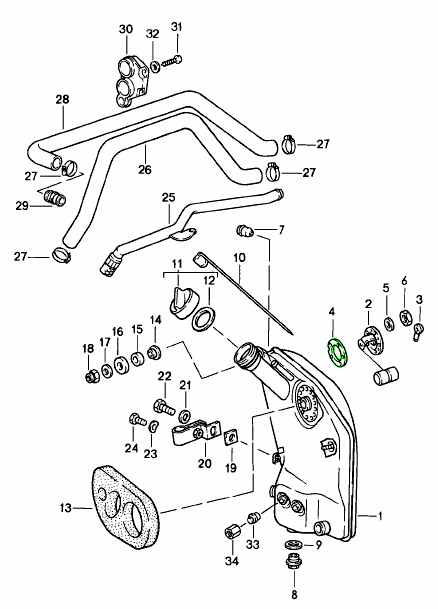
Diagram Ref No 4
The oil level sender unit is responsible for monitoring the oil level within the tank and transmitting this information to the dashboard oil level gauge. The cork gasket creates a leak-free seal around the sender flange, preventing oil seepage while maintaining accurate oil level monitoring.
Although small and inexpensive, this gasket plays an important role in keeping the oil system properly sealed. During maintenance, sender replacement or oil tank restoration work, fitting a new gasket is highly recommended to prevent leaks and ensure reliable operation.
What Does an Oil Level Sender Unit Cork Gasket Do?
The gasket sits between the oil level sender unit and the oil tank mounting surface.
Its primary functions include:
- Creating a leak-proof seal
- Preventing oil seepage around the sender unit
- Maintaining oil tank integrity
- Supporting accurate oil level monitoring
- Preventing contamination from entering the oil tank
- Protecting surrounding engine bay components from oil leaks
A properly sealed sender unit helps maintain a clean engine bay and accurate oil system operation.
Why Do Oil Level Sender Gaskets Fail?
Cork gaskets naturally compress over time and are constantly exposed to oil, heat and vibration.
Common causes of failure include:
- Age-related hardening
- Compression set
- Shrinkage over time
- Heat cycling
- Oil saturation
- Improper installation
- Damage during sender removal
- Long-term storage deterioration
As the gasket loses elasticity, oil can begin to seep around the sender mounting flange.
When Should the Gasket Be Replaced?
The gasket should always be replaced whenever the oil level sender unit is removed.
Common signs of failure include:
- Oil leaks around the oil tank sender unit
- Oil residue on the oil tank
- Oil staining in the engine bay
- Perished or brittle gasket material
- Sender unit removal during servicing
- Oil tank refurbishment projects
- Oil level sender replacement
Replacing the gasket during routine maintenance is inexpensive insurance against future oil leaks.
Why Replacement Matters
A leaking oil sender gasket may appear minor but can lead to persistent oil leaks and unnecessary mess within the engine bay.
Benefits of replacement include:
- Prevents oil leaks
- Maintains proper oil tank sealing
- Protects engine bay components
- Supports accurate oil level monitoring
- Improves reliability
- Reduces maintenance clean-up
- Ideal for restoration projects
- Restores factory sealing performance
For classic Porsche 911 models, maintaining the dry sump oil system is essential for both reliability and originality.
Related reference numbers
Related, superseded, cross reference or alternative numbers for comparison.
91420189100
The product you are viewing cross references to these numbers
- Porsche 911 1965-1968 2.0L / 912 SWB (F)
- Porsche 911 1968-1973 2.2L / 2.4L / 2.7L RS LWB (F)
- Porsche 911 1974-1977 2.7L / 1976-77 3.0 Carrera
- Porsche 911 1978-1983 3.0L / SC
- Porsche 911 1984-1986 3.2L
- Porsche 911 1987-1989 3.2L G50
- Porsche 911 1975-1977 3.0L Turbo (930)
- Porsche 911 1978-1989 3.3L Turbo (930)
Shop Securely
12 Month Warranty
Worldwide Delivery
Express Delivery
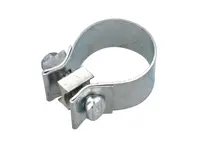
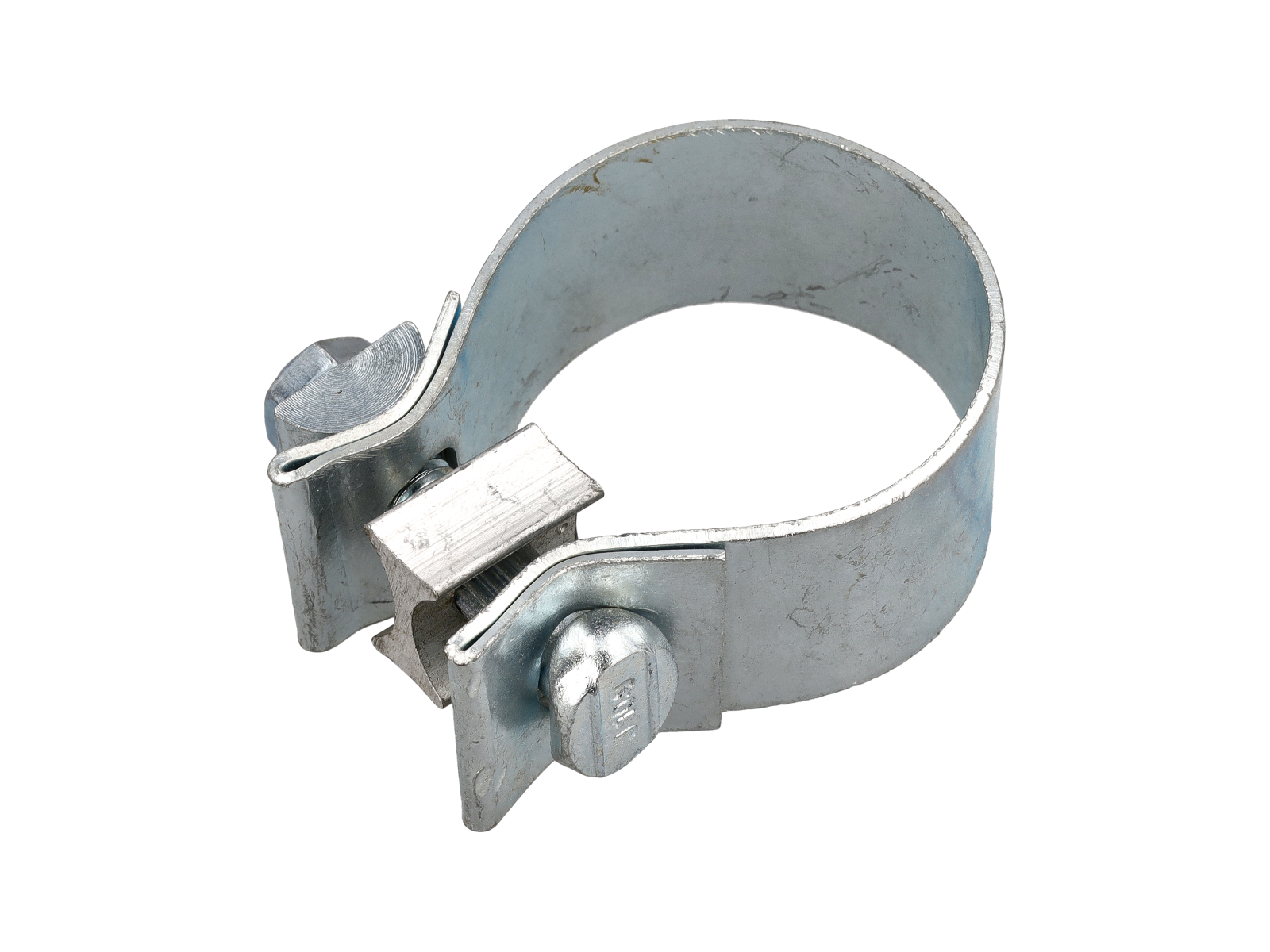
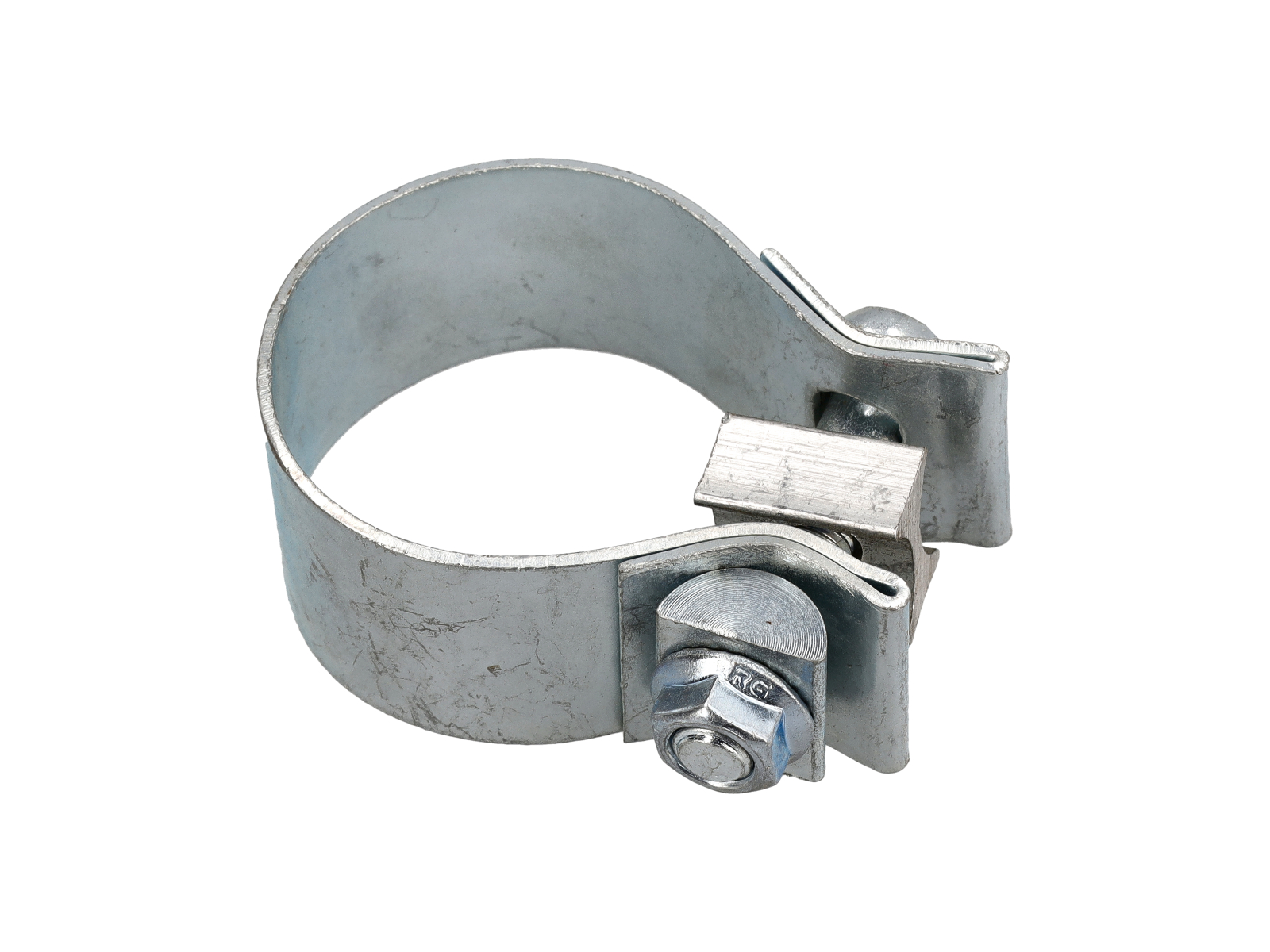
OE Match exhaust U-tube clamp used to secure the exhaust connecting pipe at the U-bend (U-tube) on Porsche 986 Boxster applications.
Sold each, 2 required per vehicle.
Fits:
Porsche 986 Boxster 2.5L / 2.7L / 3.2L 1997 - 2004
Diagram ref no 13
It locks the exhaust joint together at the connecting pipe/U-bend interface, maintaining alignment and helping prevent exhaust leaks, vibration, and movement under heat expansion. A fresh clamp is especially important after exhaust removal, where old clamps often seize or deform and can’t be reused reliably.
Function:
• Provides secure clamping force at the U-tube/connecting pipe joint
• Helps maintain a tight, leak-resistant seal under heat cycling
• Supports proper exhaust alignment to reduce rattles and stress on joints
Exhaust clamps live in a harsh environment and commonly rust, seize, and become impossible to loosen without damage. Replacing the clamp during exhaust work helps ensure the joint reseals properly, avoids leaks and rattles, and prevents wasted time fighting corroded hardware.
When to replace:
• When removing/refitting the U-bend or connecting pipe
• If the clamp is corroded, seized, stretched, or deformed
• If you have exhaust blowing/leak noise at the joint
• If bolts/threads are damaged or won’t torque correctly
Related reference numbers
Related, superseded, cross reference or alternative numbers for comparison.
99611120901
The product you are viewing cross references to these numbers
- Porsche Boxster 986 2.5L 1997-99
- Porsche Boxster 986 2.7L 1999-02
- Porsche Boxster S 986 3.2L 1999-02
- Porsche Boxster 986 2.7L 2003-04
- Porsche Boxster S 986 3.2L 2003-04
Shop Securely
12 Month Warranty
Worldwide Delivery
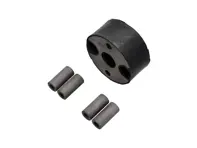
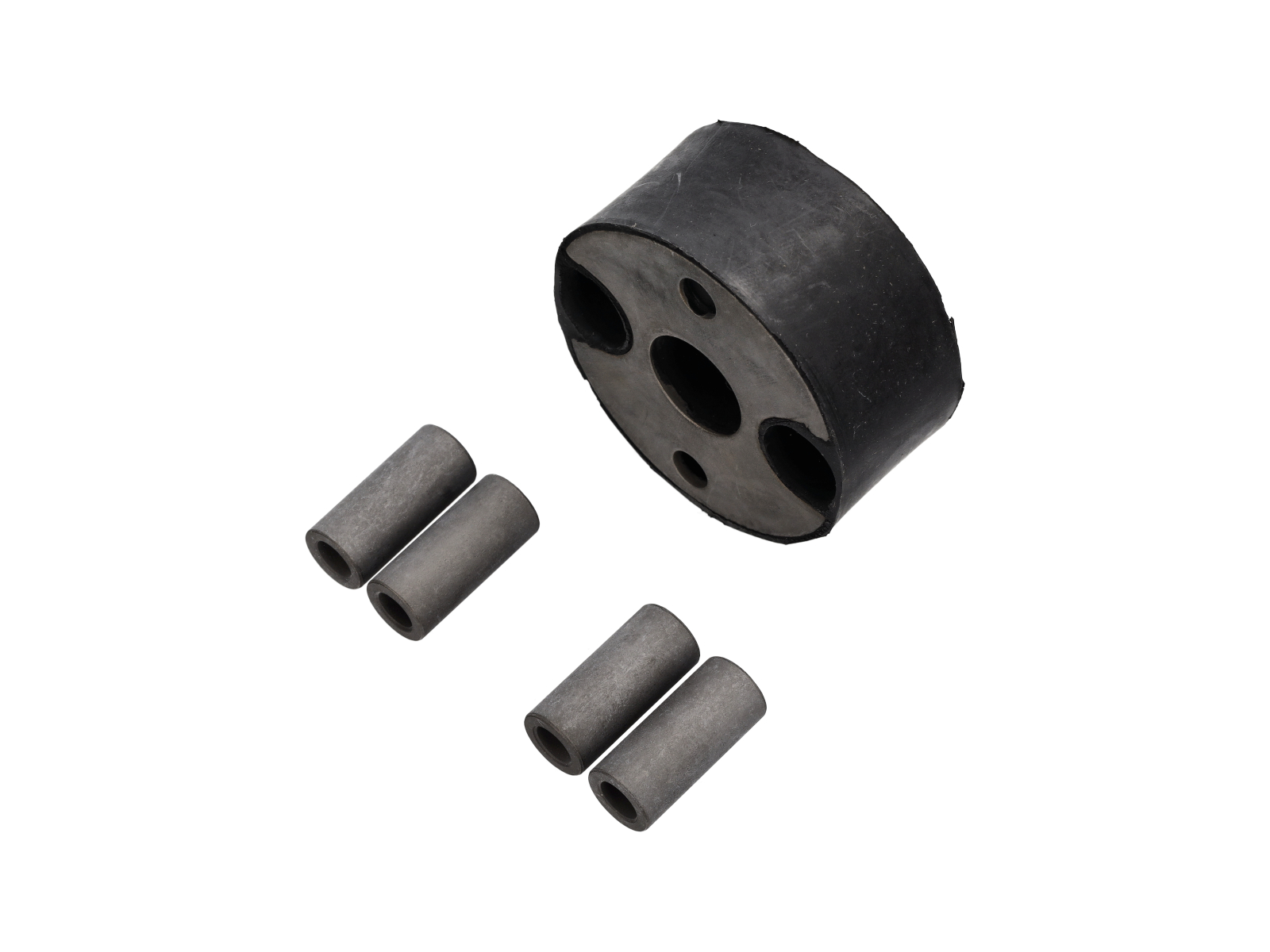
Steering Rack Rubber Coupling
Restore the precision and confidence of your Porsche
steering system with this OE Match Steering Rack Rubber Coupling.
Designed for Porsche 911, Porsche 912 and Porsche 914 models, this critical
steering component connects the steering column to the steering rack while
helping to absorb vibration, reduce shock loads and maintain smooth steering
operation.
Fits:
- Porsche 911 1965-1968 2.0L / 912 SWB (F)
- Porsche 911 1968-1973 2.2L / 2.4L / 2.7L RS LWB (F)
- Porsche 911 1974-1977 2.7L / 1976-77 3.0 Carrera
- Porsche 911 1978-1983 3.0L / SC
- Porsche 911 1984-1986 3.2L
- Porsche 911 1987-1989 3.2L G50
- Porsche 911 1975-1977 3.0L Turbo (930)
- Porsche 911 1978-1989 3.3L Turbo (930)
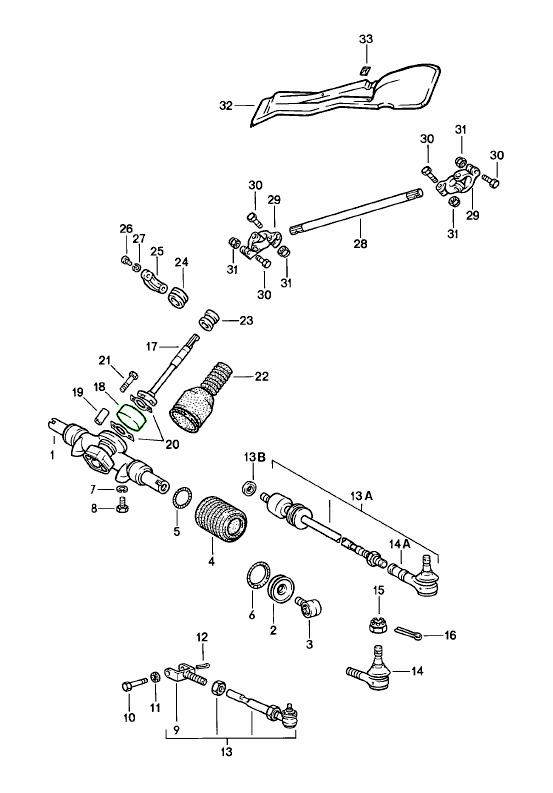
Diagram ref no 18
Often referred to as a steering coupler, steering flex disc or steering rubber coupling, this component provides a flexible connection within the steering system. It allows steering inputs to be transmitted accurately while isolating the steering wheel from road shocks and vibration.
As the coupling ages, the rubber material can deteriorate, crack or develop excessive play. Replacing a worn steering rack coupling helps restore steering accuracy, improve driver confidence and maintain the direct steering feel that classic Porsche models are renowned for.
What Does a Steering Rack Rubber Coupling Do?
The steering rack rubber coupling connects the steering shaft to the steering rack assembly.
Its primary functions include:
- Transferring steering input to the steering rack
- Absorbing road vibration
- Reducing steering shock loads
- Isolating unwanted steering feedback
- Supporting smooth steering operation
- Maintaining steering precision
- Improving driver comfort
The coupling plays an important role in balancing steering feel with mechanical protection.
Why Do Steering Rack Rubber Couplings Fail?
Over time, the coupling is subjected to constant steering movement, environmental exposure and age-related deterioration.
Common causes of failure include:
- Rubber ageing and hardening
- Cracking and splitting
- Heat exposure
- Oil contamination
- General wear and fatigue
- Moisture and environmental damage
- High mileage use
- Long-term storage deterioration
As the rubber deteriorates, the coupling can develop excessive movement which directly affects steering precision.
When Should a Steering Rack Rubber Coupling Be Replaced?
The coupling should be inspected whenever steering work is carried out or if steering performance begins to deteriorate.
Common symptoms include:
- Excessive steering play
- Loose steering feel
- Delayed steering response
- Steering wheel vibration
- Clunking noises during steering inputs
- Cracked or perished rubber
- Visible deterioration of the coupling
- Reduced steering precision
Any visible cracking or excessive movement is a clear indication that replacement is required.
Why Replacement Matters
A worn steering coupling can significantly affect steering accuracy and driving confidence.
Benefits of replacement include:
- Improved steering precision
- Reduced steering play
- Better steering response
- Improved driver confidence
- Reduced vibration transfer
- Enhanced steering feel
- Improved vehicle safety
- Preservation of factory steering characteristics
For classic Porsche models, maintaining steering system integrity is essential to preserving the driving experience Porsche originally intended.
Related reference numbers
Related, superseded, cross reference or alternative numbers for comparison.
90134720102
The product you are viewing cross references to these numbers
- Porsche 911 1965-1968 2.0L / 912 SWB (F)
- Porsche 911 1968-1973 2.2L / 2.4L / 2.7L RS LWB (F)
- Porsche 911 1974-1977 2.7L / 1976-77 3.0 Carrera
- Porsche 911 1978-1983 3.0L / SC
- Porsche 911 1984-1986 3.2L
- Porsche 911 1987-1989 3.2L G50
- Porsche 911 1975-1977 3.0L Turbo (930)
- Porsche 911 1978-1989 3.3L Turbo (930)
Shop Securely
12 Month Warranty
Worldwide Delivery
Express Delivery











Fits - Left or Right
Fits:
Porsche 930 3.0L / 3.3L 1975-89
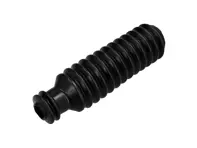
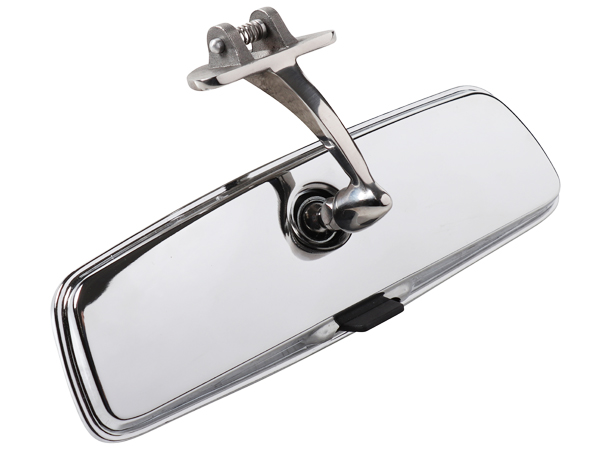
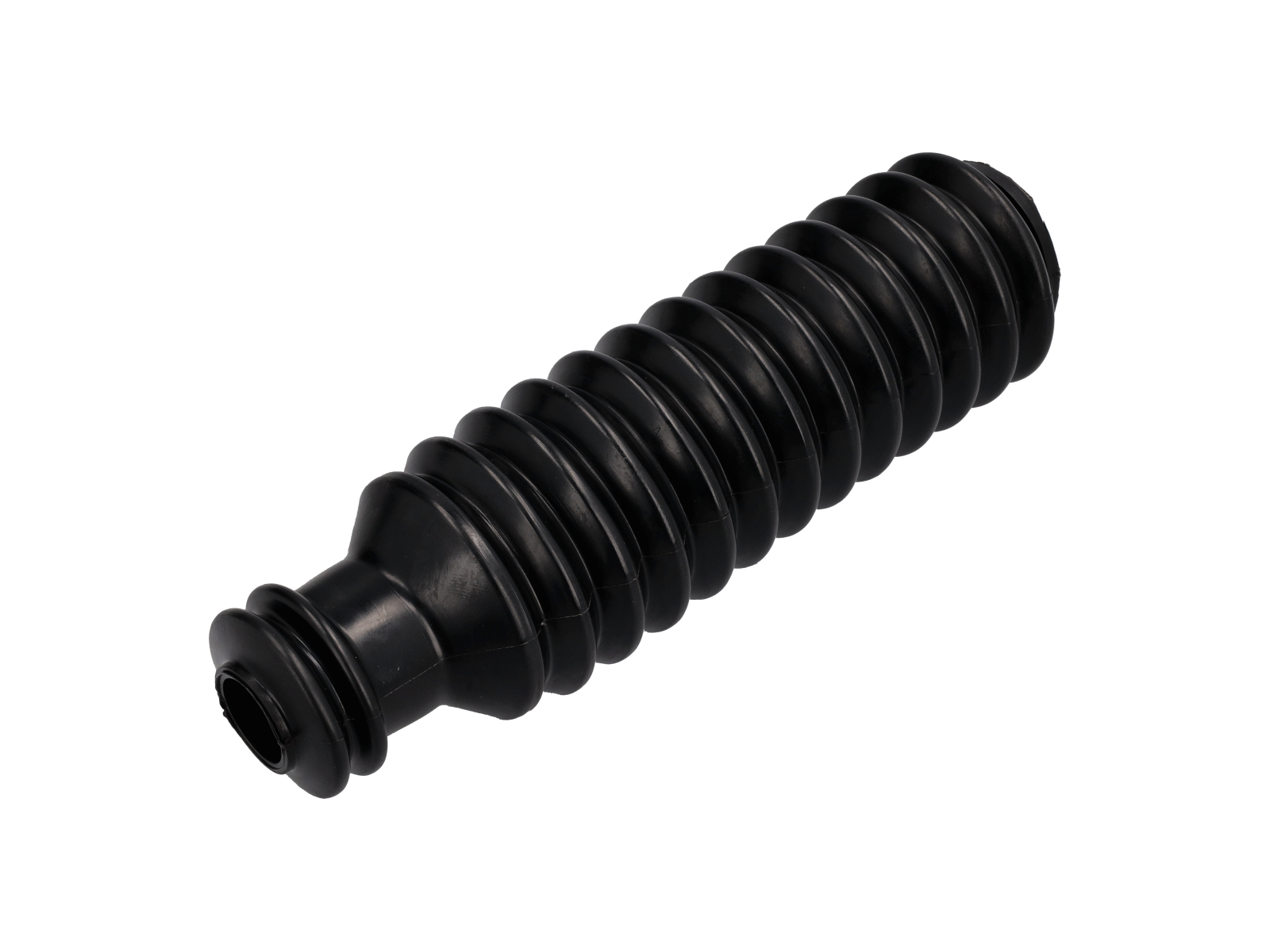
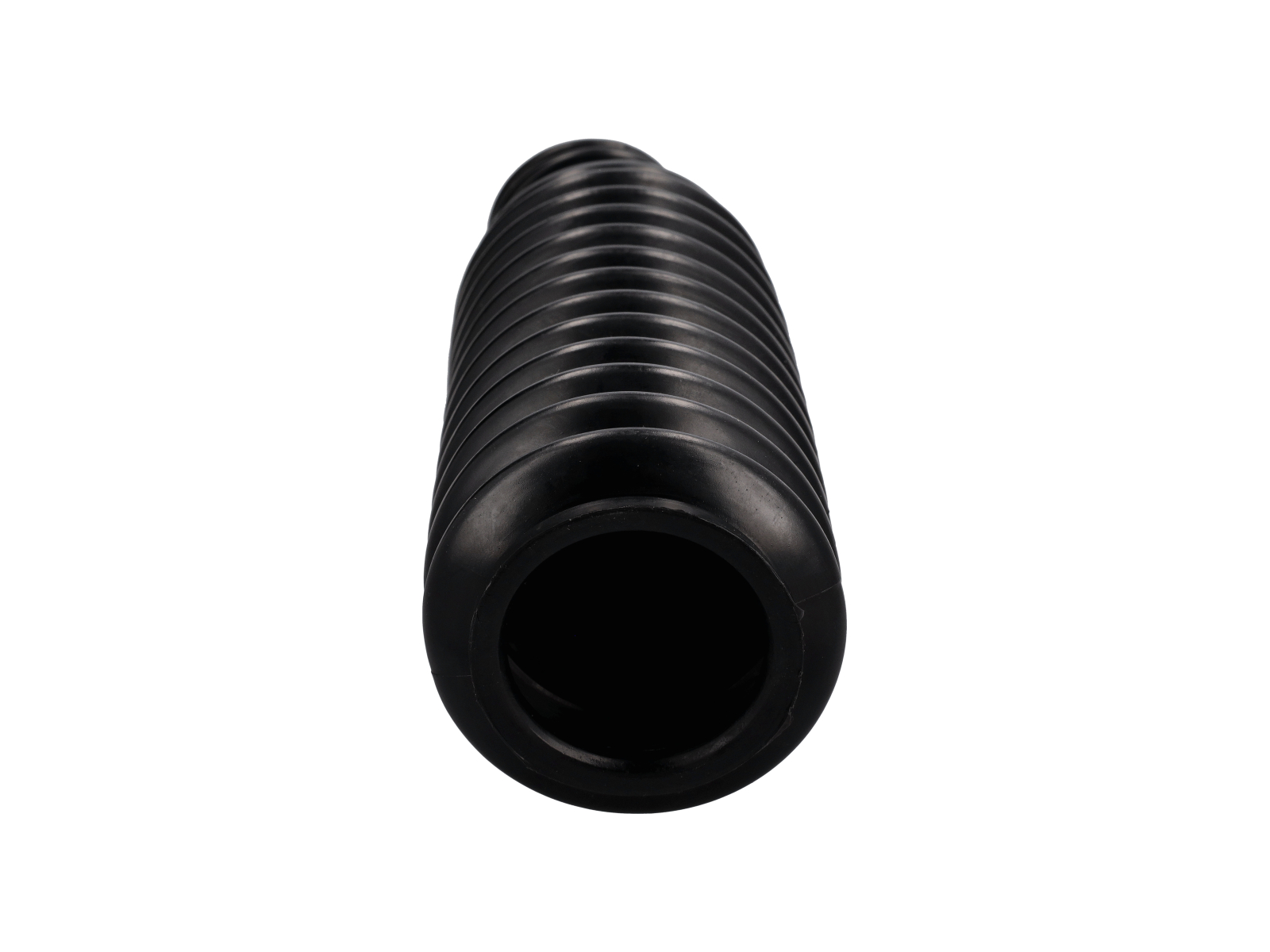
A damaged or split steering rack gaiter can allow contaminants to enter the steering rack assembly, potentially leading to premature wear and steering issues. Replacing worn gaiters helps maintain steering system integrity and prolong the life of the rack and pinion assembly. This OE Match steering rack boot is suitable for classic Porsche 911 and 930 models and is manufactured from durable rubber compounds designed to withstand heat, road conditions and long-term use. It replaces Porsche part number 93034719102 and supersedes 93034719101.
Features:
- OE Match quality replacement part
- Replaces Porsche part number 93034719102
- Supersedes 93034719101
- Protects steering rack from dirt and moisture
- Durable rubber construction
- Direct-fit replacement
- Helps extend steering rack service life
- Suitable for left or right side applications where applicable
- Designed to OE specifications for reliable fitment and performance
Related reference numbers
Related, superseded, cross reference or alternative numbers for comparison.
93034719102
The product you are viewing cross references to these numbers
- Porsche 911 1975-1977 3.0L Turbo (930)
- Porsche 911 1978-1989 3.3L Turbo (930)
Shop Securely
12 Month Warranty
Worldwide Delivery
Express Delivery


Monday-Friday: 8.30am - 5.30pm (GMT)
Saturday: Closed
Sunday: Closed