





Enter your VAT number here and click Verify:
Your details have been verified. VAT number registered to:
,
.
Your order will now be zero rated for VAT purposes. We reserve the right to verify these details after your order request has been made and reinstate VAT if required.
Your VAT details were not recognised or were invalid. Your VAT number must be matched to your Billing Country as specified above. This is currently specified as . You do not need to enter the country code part of your VAT number as this has already been selected in your billing address details above.
The VAT number checking service is currently offline. Please supply your VAT details within the comments or special instructions field below and we will apply a VAT discount after placing your order request.
OE Match

OE Match for Porsche
OE Match is a brand that provides a wide range of Porsche components, from gaskets to suspension hardware, engine parts, and interior trim. Over 6,700 individual part numbers, and over 11,800 OE cross-references catalogued, and are constantly developing new lines.OE Match has over 100 new products currently in the engineering phase, which will be quality-controlled and added to their catalog. The mission is to keep all Porsche vehicles on the road by offering a vast selection of parts that can address various problems across different Porsche generations
A Quick Look at OE Match
OE Match information on this page is based on details supplied by the manufacturer or distributor, plus any OE references provided with the parts.
Choosing the Right Fit for Your Porsche
Where OE Match is listed for Porsche, use the supplied model coverage and OE references to confirm suitability. Check details that commonly affect fitment such as model year, side/position, and connector type where relevant.
- Often chosen when owners want OE-equivalent quality with sensible running costs, especially for routine service and wear items.
- Typical reasons to replace include restoring reliability, addressing age-related wear, or refreshing multiple components during larger repair work.
- Common defects from incorrect application include noise, premature wear, leaks, or fitment quirks if the wrong variant is selected or fitted with old seals/hardware.
- Watch for symptoms such as unusual noises, early wear, or repeat failures after recent work, which can indicate mismatched parts or supporting items left worn.
- Always cross-check OEM part numbers, read model-year notes, and verify compatibility before ordering.
- For safety-critical components, confirm specification and fitment carefully and have installation checked by a competent technician.
Browse by Category
If you already know the area you are working on, start with the category and then filter by Porsche model. Where real-world symptoms and typical reasons to replace are provided, use them to keep the wording grounded.
Brakes — Brake components are renewed to restore stopping performance, address wear or upgrade a Porsche for fast road or track use. Common symptoms include vibration under braking, longer stopping distances, squealing, pulling to one side, warning lights and visible wear to discs and pads.
Brake Pad Wear Sensors — Brake pad wear sensors are replaced when pads are renewed or when warning lights indicate a broken or worn sensor. Symptoms include brake wear warnings even with new pads, damaged sensor cables, or broken clips around the caliper area.
Engine Electrical — Engine electrical parts are changed when there are starting, charging, ignition, or sensor-related faults that affect drivability and reliability, such as intermittent no-start, misfires, rough idle, poor charging, warning lights or heat-soak failures.
Service Parts — Service parts are replaced as routine maintenance to keep the engine and systems reliable, efficient, and protected, often resolving hard starting, rough idle, poor fuel economy and warning lights caused by clogged filters or worn ignition components.
Service Kits — Service kits bundle key service components to simplify maintenance and set the car back to a known baseline, especially useful when catching up on overdue servicing or dealing with general sluggish running, inconsistent idle and reduced performance.
- For brake parts, confirm whether items are OE-equivalent replacements or performance upgrades and check if new fitting kits and sensors are required.
- On service items and kits, match the kit to your exact Porsche model, engine and year, and review what is included so you can add any extra “while you are there” parts.
Explore OE Match at Design911
View the current OE Match range for Porsche at Design911, then filter by model and category to narrow down to the right parts.


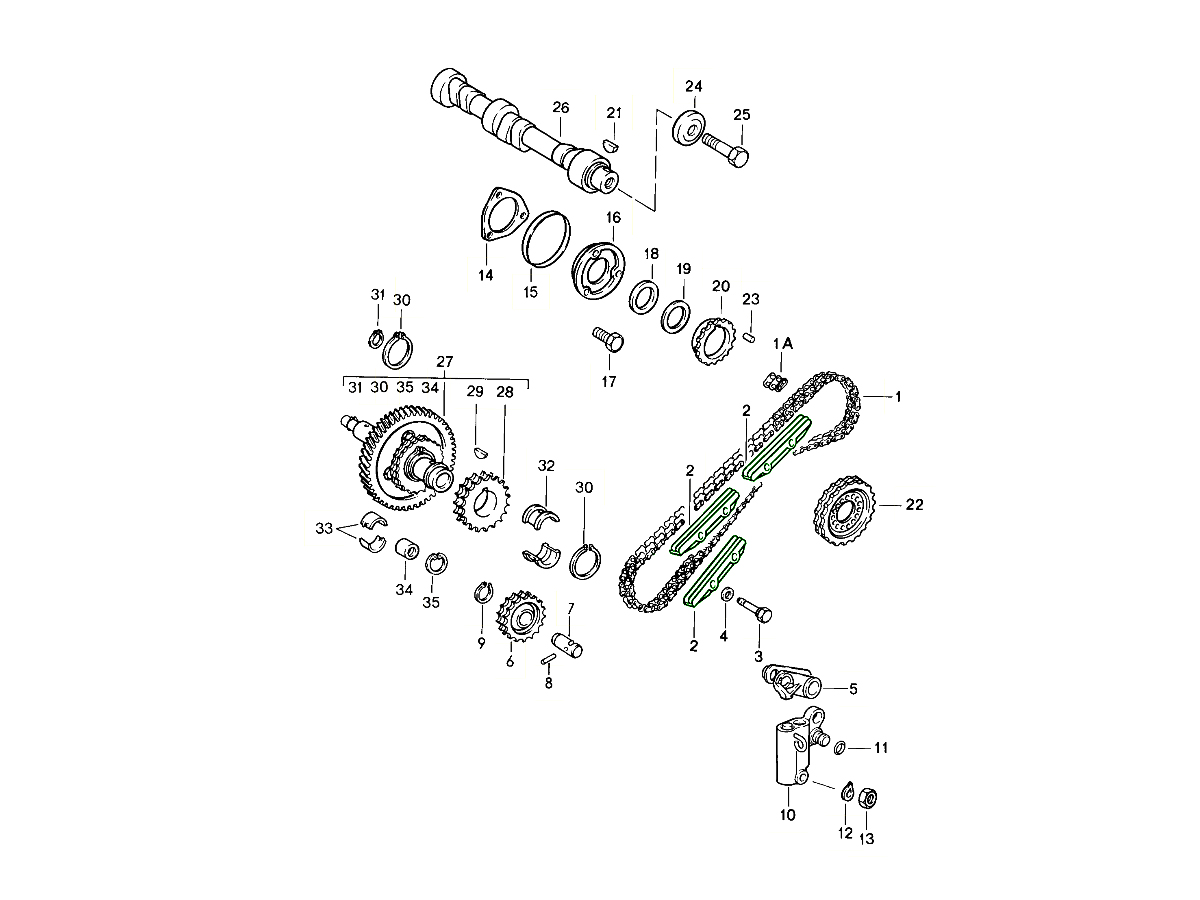
This guide rail maintains correct chain alignment, reduces wear on the timing chain and sprockets, and helps ensure accurate cam-shaft to crank-shaft timing over the life of the engine. Manufactured to match the original Porsche geometry, this rail provides direct-fit installation and restores proper chain path, quiet operation and long service life.
Sold each, 5 required per car.
Fits:
Porsche 911 1966 - 1989
Diagram ref no 2
• Position: Timing gearcase — the guide rail that supports/locates the front timing chain (or chains), depending on engine version.
• Function: Guides the timing chain to prevent excessive slack, misalignment or premature wear; supports longevity and accurate timing performance.
The timing chain guide rail is a critical component in the timing system of air-cooled Porsche engines: if the guide is worn, cracked, warped or missing, it can cause chain vibration, accelerated wear of the chain/sprockets, timing errors, noise or even catastrophic engine damage. Replacing it with a proper rail ensures correct chain path, quieter operation and long-term reliability.
When and why to replace:
• Timing chain slap or rattle is audible at startup or under load
• Visible wear on the existing guide rail (grooving, cracking, deformation)
• During engine rebuild or timing chain service when the covers are already open
• High-mileage or track-used engines where timing-system components have extended service life.
Related reference numbers
Related, superseded, cross reference or alternative numbers for comparison.
91110522207
The product you are viewing cross references to these numbers
- Porsche 911 1965-1968 2.0L / 912 SWB (F)
- Porsche 911 1968-1973 2.2L / 2.4L / 2.7L RS LWB (F)
- Porsche 911 1974-1977 2.7L / 1976-77 3.0 Carrera
- Porsche 911 1978-1983 3.0L / SC
- Porsche 911 1984-1986 3.2L
- Porsche 911 1987-1989 3.2L G50
- Porsche 911 1975-1977 3.0L Turbo (930)
- Porsche 911 1978-1989 3.3L Turbo (930)
 Shop Securely
 12 Month Warranty
 Worldwide Delivery
 Express Delivery

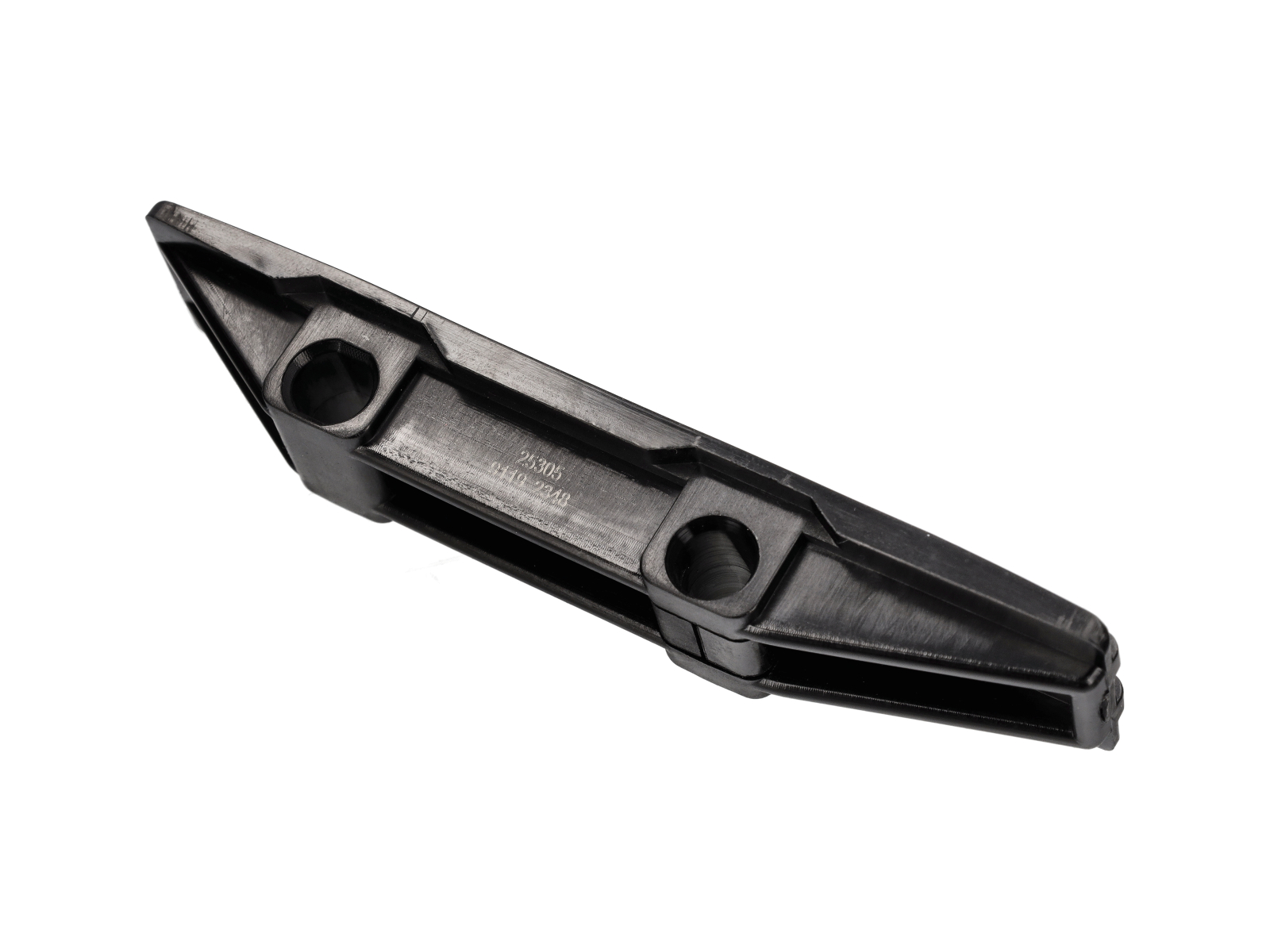
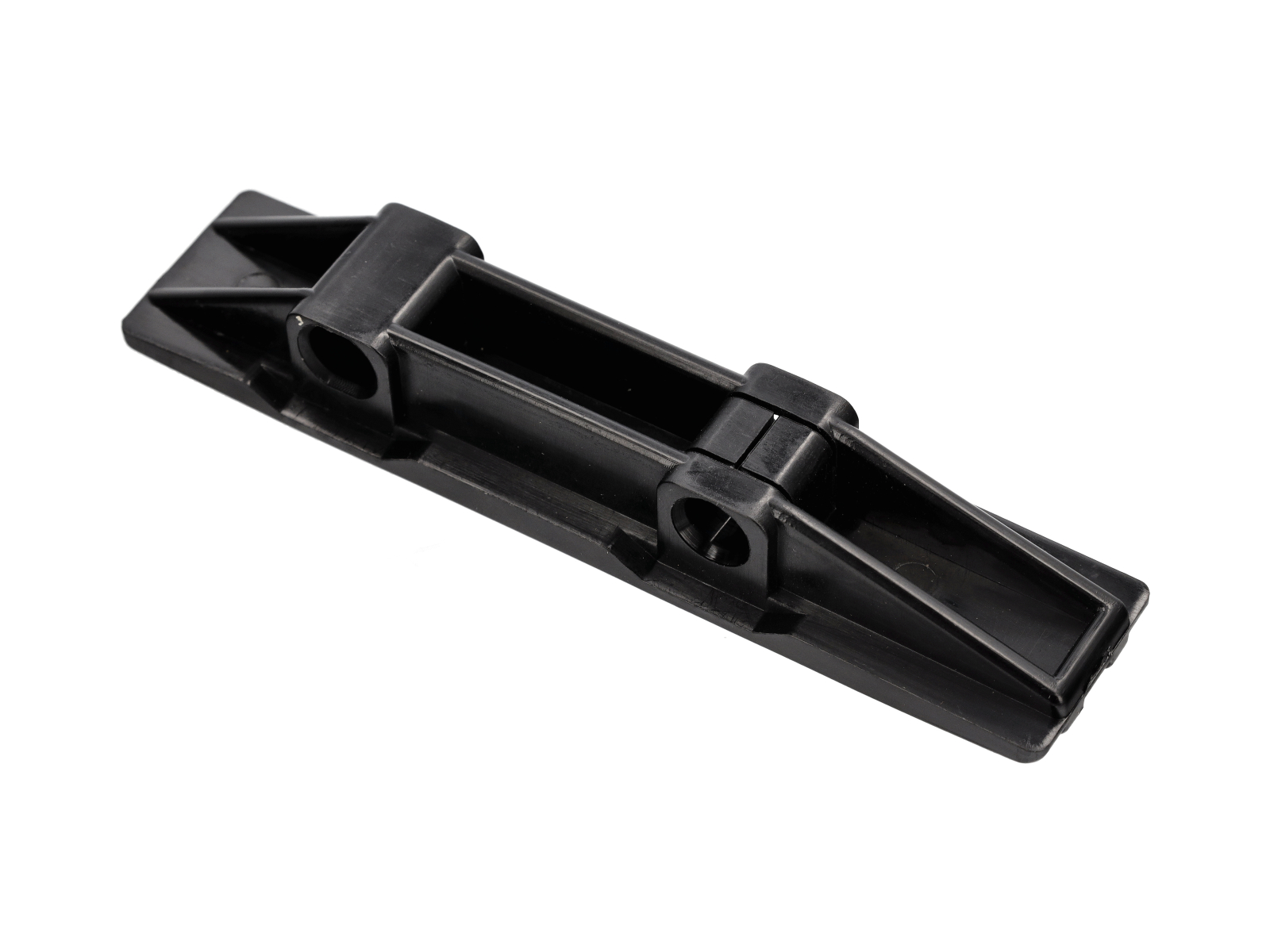
The OE Match Brown Chain Guide Rail is a high-quality replacement timing chain guide designed for Porsche engines. This essential component provides a smooth, low-friction running surface for the timing chain, helping to maintain correct chain alignment and tension while reducing wear within the engine timing system.
Fits:
- Porsche 911 1965-1968 2.0L / 912 SWB (F)
- Porsche 911 1968-1973 2.2L / 2.4L / 2.7L RS LWB (F)
- Porsche 911 1974-1977 2.7L / 1976-77 3.0 Carrera
- Porsche 911 1978-1983 3.0L / SC
- Porsche 911 1984-1986 3.2L
- Porsche 911 1987-1989 3.2L G50
- Porsche 911 1975-1977 3.0L Turbo (930)
- Porsche 911 1978-1989 3.3L Turbo (930)
Manufactured from durable wear-resistant material and engineered to OE specifications, this brown chain guide rail is designed to withstand constant contact with the timing chain under high temperatures and demanding operating conditions. It is an important service item during engine rebuilds, timing chain maintenance or timing system overhauls.
What This Product Does:
- Guides and supports the engine timing chain during operation.
- Maintains correct timing chain alignment.
- Helps reduce chain vibration and movement.
- Provides a low-friction wear surface for the chain.
- Supports accurate camshaft and crankshaft timing.
- Contributes to smooth engine operation and long-term reliability.
Symptoms Of Wear Or Failure:
- Timing chain rattling or excessive chain noise.
- Increased engine mechanical noise during start-up.
- Visible wear grooves or scoring on the guide surface.
- Cracked, chipped or broken guide material.
- Excessive timing chain movement.
- Accelerated timing chain wear.
- Inconsistent timing system operation.
- Plastic debris or guide material found during servicing.
Why Replacement Matters:
- Chain guide rails operate under constant load as the timing chain moves at high speed throughout the engine's operating range. Over time, the guide material can wear, harden, crack or become brittle due to heat cycles, oil exposure and age.
- A worn chain guide rail can allow excessive chain movement, increasing stress on the timing chain, sprockets and tensioners. If guide deterioration becomes severe, fragments may break away, potentially leading to accelerated timing system wear and costly engine repairs.
Related reference numbers
Related, superseded, cross reference or alternative numbers for comparison.
91110522205
The product you are viewing cross references to these numbers
- Porsche 911 1965-1968 2.0L / 912 SWB (F)
- Porsche 911 1968-1973 2.2L / 2.4L / 2.7L RS LWB (F)
- Porsche 911 1974-1977 2.7L / 1976-77 3.0 Carrera
- Porsche 911 1978-1983 3.0L / SC
- Porsche 911 1984-1986 3.2L
- Porsche 911 1987-1989 3.2L G50
- Porsche 911 1975-1977 3.0L Turbo (930)
- Porsche 911 1978-1989 3.3L Turbo (930)
Shop Securely
12 Month Warranty
Worldwide Delivery
Express Delivery

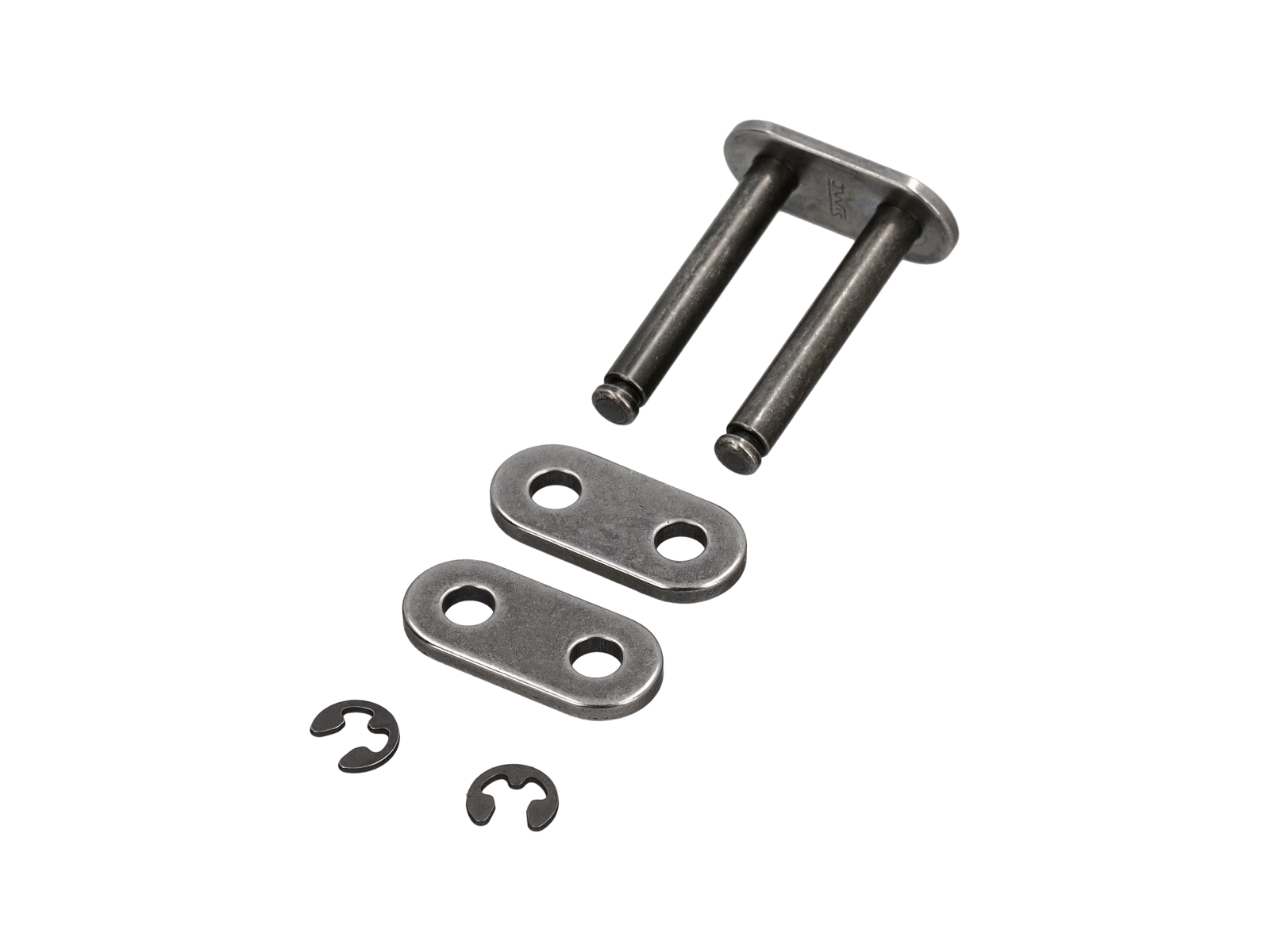
The OE Match Timing Chain Split Link is a precision-engineered replacement connecting link designed for Porsche timing chain systems. This small but essential component joins the ends of the timing chain, allowing secure installation and reliable operation of the engine's valve timing mechanism.
Fits:
- Porsche 911 1965-1968 2.0L / 912 SWB (F)
- Porsche 911 1968-1973 2.2L / 2.4L / 2.7L RS LWB (F)
- Porsche 911 1974-1977 2.7L / 1976-77 3.0 Carrera
- Porsche 911 1978-1983 3.0L / SC
- Porsche 911 1984-1986 3.2L
- Porsche 911 1987-1989 3.2L G50
- Porsche 911 1975-1977 3.0L Turbo (930)
- Porsche 911 1978-1989 3.3L Turbo (930)
- Porsche 964 (911) C2 1989-93
- Porsche 964 (911) C4 1989-93
- Porsche 964 (911) RS 3.6L 1991-93
- Porsche 964 (911) RS 3.8L 1991-93
- Porsche 964 (911) TURBO 3.3L 1991-93
- Porsche 964 (911) TURBO 3.6L 1991-93
Manufactured to OE specifications for strength, fit and durability, the split link is designed to withstand the constant loads, temperatures and operating conditions found within the timing chain assembly. It provides a secure connection that helps maintain accurate timing chain operation and overall engine reliability.
What This Product Does:
- Connects and secures the ends of the engine timing chain.
- Allows installation or repair of the timing chain assembly.
- Maintains continuous timing chain operation.
- Supports accurate camshaft and crankshaft synchronisation.
- Helps ensure precise valve timing throughout the engine's operating range.
- Contributes to smooth engine performance and reliability.
Symptoms Of Wear Or Failure:
- Timing chain noise or rattling.
- Excessive timing chain slack.
- Visible wear or damage to the link components.
- Accelerated timing chain wear.
- Inconsistent engine timing.
- Reduced engine performance.
- Difficulty maintaining proper chain tension.
- Potential timing chain failure in severe cases.
Why Replacement Matters:
- The timing chain system is one of the most critical components within the engine, controlling the relationship between the crankshaft and camshafts. Although small, the split link plays a vital role in maintaining the integrity of the entire timing chain assembly.
- Over time, wear, corrosion, fatigue or damage during servicing can compromise the strength of the split link. A weakened or damaged link may accelerate chain wear or increase the risk of timing chain failure. Because timing-related failures can result in significant engine damage and costly repairs, replacing worn timing chain components during maintenance or engine rebuilds is highly recommended.
Related reference numbers
Related, superseded, cross reference or alternative numbers for comparison.
911327339990
The product you are viewing cross references to these numbers
- Porsche 911 1965-1968 2.0L / 912 SWB (F)
- Porsche 911 1968-1973 2.2L / 2.4L / 2.7L RS LWB (F)
- Porsche 911 1974-1977 2.7L / 1976-77 3.0 Carrera
- Porsche 911 1978-1983 3.0L / SC
- Porsche 911 1984-1986 3.2L
- Porsche 911 1987-1989 3.2L G50
- Porsche 911 1975-1977 3.0L Turbo (930)
- Porsche 911 1978-1989 3.3L Turbo (930)
- Porsche 964 (911) C2 1989-93
- Porsche 964 (911) C4 1989-93
- Porsche 964 (911) RS 3.6L 1991-93
- Porsche 964 (911) RS 3.8L 1991-93
- Porsche 964 (911) TURBO 3.3L 1991-93
- Porsche 964 (911) TURBO 3.6L 1991-93
Shop Securely
12 Month Warranty
Worldwide Delivery
Express Delivery

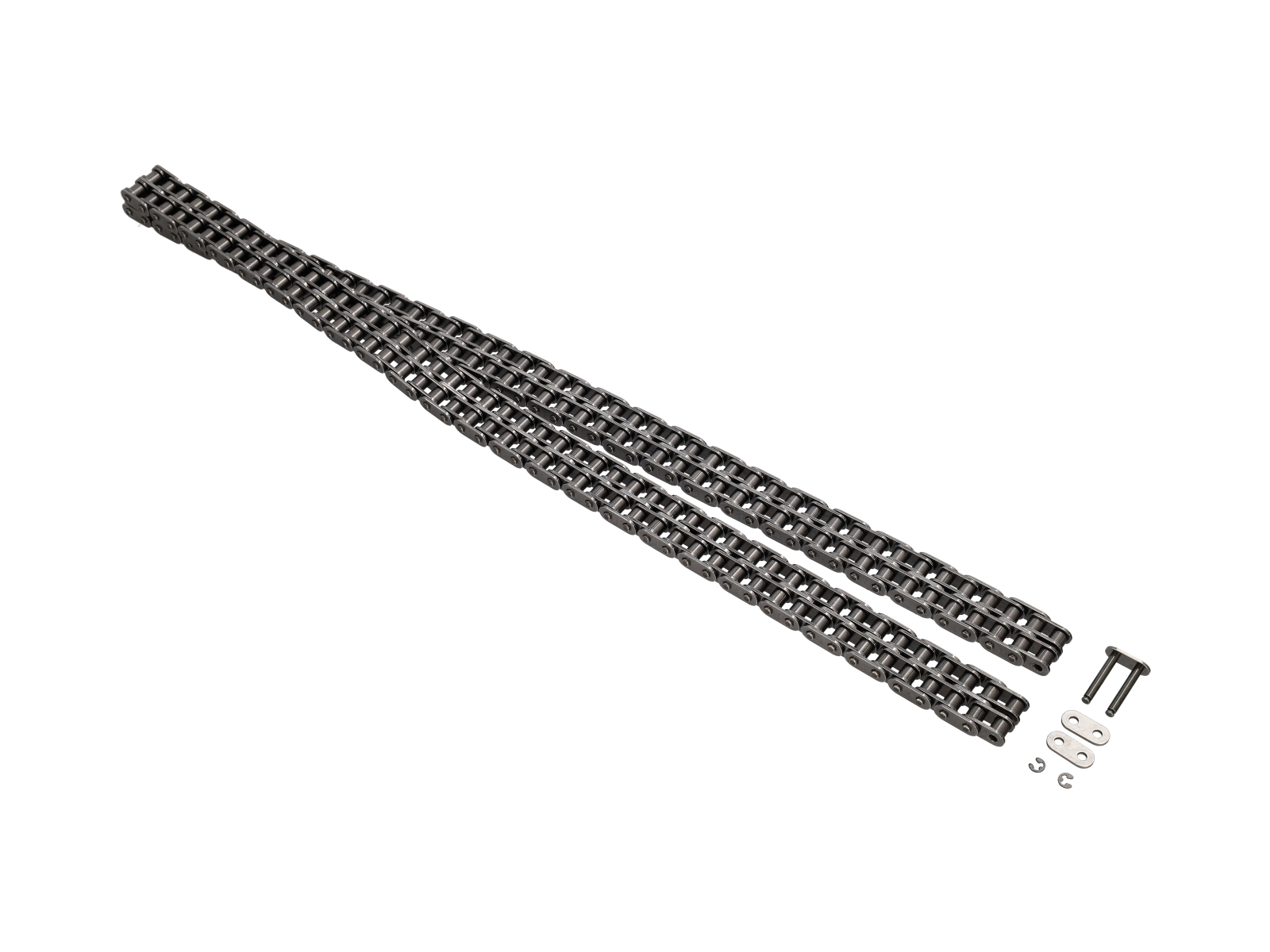
Chain Type: Duplex,
Timing Chain Size: D67ZN
No. of chain links: 98
Fits:
Porsche 911 1965 - 1989
Porsche 964 1991 - 1993
TIP! If you detect a chain clap or rattling noise in the engine, your timing chain may be worn or stretched and needs replacing. Each car has two.
This OE Match camshaft timing chain is a replacement split-type timing chain for air-cooled Porsche 911 engines. It is designed to match the original-style fit and function, helping maintain correct camshaft timing and reliable valve train operation.
The camshaft timing chain links the crankshaft drive to the camshaft drive system, ensuring that the camshafts rotate in precise timing with the engine crankshaft. This correct timing allows the engine valves to open and close at the right moment for smooth running, correct combustion, and dependable engine performance.
Functions
• Drives the camshaft timing system
• Helps keep crankshaft and camshaft timing synchronised
• Supports correct valve opening and closing timing
• Helps maintain smooth engine running and performance
• Provides a split-type design for easier installation during service
• Replaces stretched, worn, noisy, or damaged timing chains
• OE Match replacement for engine rebuilds and timing chain repairs
Why Replace This Part?
Camshaft timing chains are subject to constant load, heat, oil exposure, and high-speed operation. Over time, the chain can stretch, wear, become noisy, or affect accurate cam timing. A worn timing chain may cause rattling noises, poor running, incorrect valve timing, or reduced engine performance. Replacing the chain during engine service or rebuild helps restore timing accuracy and long-term reliability.
When to Replace This Part
• The timing chain is stretched, worn, noisy, or damaged
• There is rattling from the cam chain housing area
• Camshaft timing is being reset or corrected
• The engine is being rebuilt or overhauled
• Chain ramps, sprockets, or tensioners are being replaced
• The timing chain covers or camshaft housings have been removed
• As preventative replacement during major engine service.
Where it fits on the car
This timing chain fits inside the engine timing chain housing, forming part of the camshaft drive system. It runs between the crankshaft-driven intermediate shaft sprocket and the camshaft sprocket assembly, depending on the engine layout.
Related reference numbers
Related, superseded, cross reference or alternative numbers for comparison.
91110552951
The product you are viewing cross references to these numbers
- Porsche 911 1965-1968 2.0L / 912 SWB (F)
- Porsche 911 1968-1973 2.2L / 2.4L / 2.7L RS LWB (F)
- Porsche 911 1974-1977 2.7L / 1976-77 3.0 Carrera
- Porsche 911 1978-1983 3.0L / SC
- Porsche 911 1984-1986 3.2L
- Porsche 911 1987-1989 3.2L G50
- Porsche 911 1975-1977 3.0L Turbo (930)
- Porsche 911 1978-1989 3.3L Turbo (930)
- Porsche 964 (911) C2 1989-93
- Porsche 964 (911) C4 1989-93
- Porsche 964 (911) RS 3.6L 1991-93
- Porsche 964 (911) RS 3.8L 1991-93
- Porsche 964 (911) TURBO 3.3L 1991-93
- Porsche 964 (911) TURBO 3.6L 1991-93
Shop Securely
12 Month Warranty
Worldwide Delivery
Express Delivery
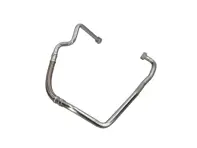
Oil Pipe – Oil Filter Housing to Crankcase
The Porsche 964 Oil Pipe connects the oil filter
housing to the engine crankcase and forms an essential part of the Porsche 964
dry-sump lubrication system. This oil line allows filtered engine oil to be
transferred efficiently into the crankcase, ensuring critical internal engine
components receive the lubrication required for smooth operation, temperature
control, and long-term reliability.
Fits:
- Porsche 964 (911) C2 1989-93
- Porsche 964 (911) C4 1989-93
- Porsche 964 (911) RS 3.6L 1991-93
- Porsche 964 (911) RS 3.8L 1991-93
Diagram Ref No 54
On the Porsche 964, maintaining proper oil circulation is vital. The dry-sump lubrication system relies on a network of precisely engineered oil pipes to move oil throughout the engine, filtration system, oil tank, and cooling circuit. A damaged, leaking, or corroded oil pipe can compromise oil flow, reduce oil pressure, and potentially expose the engine to severe wear or damage.
Whether you are carrying out preventative maintenance, restoring a classic Porsche 964, or rebuilding an engine, replacing ageing oil system components helps preserve engine performance and reliability.
What Does This Oil Pipe Do?
The oil filter housing to crankcase pipe transfers filtered oil directly into the engine lubrication circuit after it has passed through the oil filter assembly.
Its functions include:
- Delivering filtered oil to the crankcase
- Maintaining continuous lubrication throughout the engine
- Supporting stable oil pressure
- Assisting proper operation of the dry-sump lubrication system
- Helping protect bearings, pistons, camshafts, and other critical components
- Supporting engine cooling through effective oil circulation
Without reliable oil flow through this pipe, engine lubrication efficiency can be significantly affected.
Why Does This Oil Pipe Fail?
The oil pipe is exposed to constant heat cycles, oil pressure, engine vibration, and environmental contaminants. Over time, these conditions can contribute to deterioration.
Common causes of failure include:
- Corrosion of metal pipe sections
- Age-related material fatigue
- Damage from road debris
- Cracked or weakened connections
- Oil leaks at joints or fittings
- Vibration-related stress fractures
- Damage during engine or oil system repairs
- Seized fittings caused by corrosion
As Porsche 964 models continue to age, original oil lines are increasingly susceptible to wear and deterioration.
Common Symptoms of a Failing Oil Pipe
Signs that the oil filter housing to crankcase pipe may
require replacement include:
- Visible oil leaks
- Oil residue around pipe connections
- Corrosion or rust on pipe surfaces
- Oil smells from the engine bay
- Damaged or crushed pipe sections
- Difficulty maintaining proper oil pressure
- Seized or damaged fittings during servicing
Because this component carries pressurised engine oil, any leak should be addressed immediately to avoid potential engine damage.
When Should You Replace It?
Replacement is recommended when:
- Oil leaks become visible
- Corrosion is identified during inspection
- Pipework becomes damaged or restricted
- During engine rebuilds
- During oil system refurbishment
- While replacing oil filter housing components
- As
preventoative maintenance on ageing vehicles
- During full restoration projectsil pipes
Replacing ageing before failure helps maintain oil pressure, improve reliability, and protect valuable engine components from unnecessary wear.
Related reference numbers
Related, superseded, cross reference or alternative numbers for comparison.
96420725216
The product you are viewing cross references to these numbers
- Porsche 964 (911) C2 1989-93
- Porsche 964 (911) C4 1989-93
- Porsche 964 (911) RS 3.6L 1991-93
- Porsche 964 (911) RS 3.8L 1991-93
Shop Securely
12 Month Warranty
Worldwide Delivery
Express Delivery
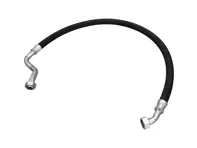
Oil Pipe – Thermostat to Oil Filter
The Porsche 964 Oil Pipe from the thermostat to the oil
filter is a critical component within the engine's lubrication and oil cooling
system. Designed specifically for Porsche 964 models produced between 1989 and
1994, this oil line transfers engine oil between the thermostat assembly and
the oil filter housing, ensuring continuous oil circulation and filtration
before oil is distributed throughout the engine.
Fits:
- Porsche 964 (911) C2 1989-93
- Porsche 964 (911) C4 1989-93
- Porsche 964 (911) RS 3.6L 1991-93
- Porsche 964 (911) RS 3.8L 1991-93
Diagram Ref No 46
The Porsche 964 relies on a sophisticated dry-sump lubrication system that not only lubricates critical engine components but also assists in engine cooling. This oil pipe plays an important role in maintaining correct oil flow, pressure, and filtration efficiency, helping to protect the engine under both normal driving and high-performance conditions.
Whether you are restoring a Porsche 964, rebuilding an engine, or repairing a leaking oil system, replacing ageing oil pipes is essential for maintaining reliability and preventing costly engine damage.
What Does This Oil Pipe Do?
The thermostat-to-oil-filter pipe forms part of the engine's oil circulation circuit.
Its primary functions include:
- Transporting oil between the thermostat and oil filter housing
- Maintaining uninterrupted oil flow through the lubrication system
- Ensuring oil passes through filtration before recirculation
- Supporting stable oil pressure throughout the engine
- Assisting the operation of the Porsche dry-sump oil system
- Helping maintain proper engine cooling and lubrication
Without a properly functioning oil pipe, oil flow can be compromised, placing the engine at risk of lubrication issues and overheating.
Why Does This Oil Pipe Fail?
The oil pipe operates in a demanding environment where it is constantly exposed to heat cycles, oil pressure, vibration, road contamination, and age-related deterioration.
Common causes of failure include:
- Corrosion of metal pipe sections
- External damage from road debris
- Fatigue from vibration and engine movement
- Deterioration of sealing surfaces
- Cracked or weakened pipe connections
- Oil contamination and sludge build-up
- Damage during previous repairs or engine removal work
- Age-related wear on original factory-installed lines
As the vehicle ages, corrosion and fatigue become increasingly common, particularly on original oil system components.
Common Symptoms of a Failing Oil Pipe
Signs that the thermostat-to-oil-filter pipe may require
replacement include:
- Visible oil leaks
- Oil residue around the pipe or fittings
- Corrosion on exposed metal sections
- Reduced oil pressure
- Oil smells from the engine bay
- Damaged or crushed pipework
- Difficulty removing seized fittings during servicing
Because the oil system is vital to engine protection, even small leaks should be addressed promptly.
When Should You Replace It?
Replacement is recommended when:
- Oil leaks are present
- Corrosion becomes visible
- Pipe fittings become damaged or seized
- During engine rebuilds
- During oil thermostat replacement
- During major oil system refurbishment
- As part of preventative maintenance on ageing vehicles
- During restoration projects where long-term reliability is a priority
Replacing ageing oil lines before failure helps prevent oil loss, lubrication issues, and expensive engine repairs.
Related reference numbers
Related, superseded, cross reference or alternative numbers for comparison.
96420725414
The product you are viewing cross references to these numbers
- Porsche 964 (911) C2 1989-93
- Porsche 964 (911) C4 1989-93
- Porsche 964 (911) RS 3.6L 1991-93
- Porsche 964 (911) RS 3.8L 1991-93
Shop Securely
12 Month Warranty
Worldwide Delivery
Express Delivery
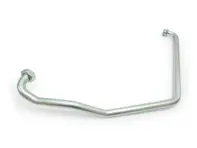
The OE Match Oil Pipe Tank to Engine is a high-quality replacement oil line designed to connect the external oil tank to the engine within Porsche's dry sump lubrication system. This critical oil pipe ensures a continuous supply of engine oil is delivered from the oil reservoir to the engine, supporting lubrication, cooling and overall engine performance.
Fits:
- Porsche 911 1978-1983 3.0L / SC
Diagram Ref No 20
Manufactured to OE specifications for fit, function and durability, this replacement oil pipe is engineered to withstand high oil temperatures, pressure fluctuations and demanding operating conditions. It is the ideal solution for replacing corroded, damaged or leaking original oil lines and restoring the integrity of the vehicle's lubrication system.
What This Product Does:
- Transfers engine oil from the external oil tank to the engine.
- Forms an essential part of the Porsche dry sump lubrication system.
- Maintains a constant supply of oil to critical engine components.
- Supports engine cooling through effective oil circulation.
- Helps maintain correct oil pressure throughout the lubrication system.
- Protects internal engine parts from excessive wear and friction.
Symptoms Of Wear Or Failure:
- Visible oil leaks beneath the vehicle.
- Oil seepage around pipe connections or fittings.
- Corrosion or rust on metal sections of the oil line.
- Cracked, damaged or deteriorated hose sections.
- Low engine oil levels caused by oil loss.
- Oil pressure warning lights or fluctuating oil pressure readings.
- Burning oil smells from leaking oil contacting hot engine components.
- Oil contamination around the engine bay or underbody.
Why Replacement Matters:
- Oil pipes are exposed to continuous heat, vibration, road debris, moisture and pressure changes throughout their service life. Over time, corrosion, fatigue and deterioration can compromise the pipe's ability to safely transport oil between the tank and engine.
- A leaking or restricted oil pipe can reduce oil flow, affect oil pressure and increase the risk of oil starvation. If left unresolved, this can result in accelerated engine wear, overheating and potentially severe engine damage. Replacing a worn oil pipe helps maintain proper lubrication, supports reliable engine operation and protects critical internal components from costly repairs.
Related reference numbers
Related, superseded, cross reference or alternative numbers for comparison.
93010774111
The product you are viewing cross references to these numbers
- Porsche 911 1978-1983 3.0L / SC
Shop Securely
12 Month Warranty
Worldwide Delivery
Express Delivery
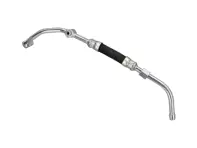
The OE Match Left Hand Cam Line for Cars with Upgraded Chain Tensioners is a high-quality replacement oil feed line designed specifically for the left-hand side of Porsche engines equipped with pressure-fed hydraulic chain tensioner upgrades. This vital oil line delivers pressurised engine oil directly to the left-hand chain tensioner, ensuring consistent chain tension and reliable valve timing performance.
Fits:
- Porsche 911 1974-1977 2.7L / 1976-77 3.0 Carrera
- Porsche 911 1978-1983 3.0L / SC
- Porsche 911 1984-1986 3.2L
- Porsche 911 1987-1989 3.2L G50
- Porsche 911 1975-1977 3.0L Turbo (930)
- Porsche 911 1978-1989 3.3L Turbo (930)
Diagram Ref No 1
Manufactured to OE specifications, this replacement cam line offers precise fitment, durability and dependable oil delivery under demanding engine operating conditions. It is an essential component for maintaining the effectiveness of the upgraded chain tensioner system commonly fitted to classic Porsche 911 models.
What This Product Does:
- Supplies pressurised engine oil to the left-hand hydraulic chain tensioner.
- Maintains correct timing chain tension throughout the engine's operating range.
- Supports accurate valve timing and engine efficiency.
- Helps reduce timing chain vibration and movement.
- Forms part of the upgraded pressure-fed chain tensioner system.
- Contributes to the long-term reliability of the engine timing assembly.
Symptoms Of Wear Or Failure:
- Oil leaks around the left-hand cam housing or timing chain cover.
- Oil seepage from unions, fittings or pipe connections.
- Corrosion, cracking or physical damage to the oil line.
- Reduced oil flow to the hydraulic chain tensioner.
- Timing chain rattle, particularly during start-up.
- Increased engine mechanical noise.
- Oil contamination around surrounding engine components.
- Premature wear of timing chain tensioner components.
Why Replacement Matters:
- The left-hand cam line operates in a high-temperature, high-vibration environment and is subjected to constant oil pressure. Over time, ageing, corrosion and fatigue can weaken the line or its fittings, resulting in oil leaks or restricted oil flow.
- A failing cam line can reduce the effectiveness of the hydraulic chain tensioner, potentially allowing excessive timing chain movement and accelerated wear of critical engine components. In severe cases, inadequate tensioner operation may affect engine timing accuracy and reliability.
- Replacing a worn or damaged left-hand cam line helps maintain proper oil delivery to the chain tensioner system, reduces the risk of oil leaks and supports reliable engine timing performance. An OE Match replacement restores the integrity of the lubrication circuit and helps protect valuable Porsche engine components from unnecessary wear.
Related reference numbers
Related, superseded, cross reference or alternative numbers for comparison.
9301073471Y
The product you are viewing cross references to these numbers
- Porsche 911 1974-1977 2.7L / 1976-77 3.0 Carrera
- Porsche 911 1978-1983 3.0L / SC
- Porsche 911 1984-1986 3.2L
- Porsche 911 1987-1989 3.2L G50
- Porsche 911 1975-1977 3.0L Turbo (930)
- Porsche 911 1978-1989 3.3L Turbo (930)
Shop Securely
12 Month Warranty
Worldwide Delivery
Express Delivery
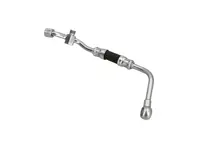
The OE Match Cam Line for Cars with Upgraded Chain Tensioners is a high-quality replacement oil feed line designed for Porsche engines fitted with pressure-fed hydraulic chain tensioner upgrades. This critical component delivers engine oil to the chain tensioners, enabling them to maintain correct timing chain tension and ensuring reliable valve timing operation.
PLEASE NOTE: When Ordering This Pipe Also Order 93010734818/1 (Diagram Ref No 15) Which Is The Extension.
Fits:
Diagram Ref No 14
Manufactured to OE specifications for fit, function and durability, this cam oil line is engineered to withstand high oil pressures, engine temperatures and vibration. It is an essential component for maintaining the performance and reliability of upgraded timing chain tensioner systems found on many classic Porsche 911 models.
What This Product Does:
- Supplies pressurised engine oil to hydraulic chain tensioners.
- Helps maintain correct timing chain tension at all engine speeds.
- Supports accurate valve timing and engine performance.
- Reduces timing chain movement and associated wear.
- Forms a vital part of the upgraded pressure-fed chain tensioner system.
- Helps improve engine reliability and longevity.
Symptoms Of Wear Or Failure:
- Visible oil leaks around the cam housing or timing chain covers.
- Oil seepage from pipe unions or fittings.
- Cracked, corroded or damaged oil line sections.
- Reduced oil supply to chain tensioners.
- Timing chain rattling or excessive chain noise.
- Increased engine mechanical noise during start-up.
- Oil pressure loss within the tensioner circuit.
- Premature wear of timing chain and tensioner components.
Why Replacement Matters:
- The cam oil line operates in a high-temperature environment and is continuously exposed to engine vibration, oil pressure fluctuations and age-related deterioration. Over time, corrosion, fatigue or damaged fittings can lead to oil leaks or reduced oil flow to the chain tensioners.
- A failing oil feed line can compromise the operation of the hydraulic chain tensioners, potentially allowing excessive timing chain movement. If left unchecked, this can accelerate wear of the timing chain system and may affect engine timing accuracy. Replacing a worn or damaged cam line helps maintain proper oil delivery, supports reliable chain tensioner operation and protects critical engine timing components from unnecessary wear and potential failure.
Related reference numbers
Related, superseded, cross reference or alternative numbers for comparison.
93010734817
The product you are viewing cross references to these numbers
- Porsche 911 1978-1983 3.0L / SC
- Porsche 911 1984-1986 3.2L
- Porsche 911 1987-1989 3.2L G50
- Porsche 911 1975-1977 3.0L Turbo (930)
- Porsche 911 1978-1989 3.3L Turbo (930)
Shop Securely
12 Month Warranty
Worldwide Delivery
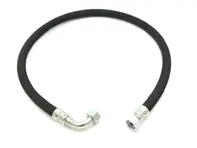
The OE Match Oil Pipe Tank to Engine, 125cm is a high-quality replacement oil line designed for classic Porsche dry sump lubrication systems. This vital oil pipe connects the external oil tank to the engine, ensuring a continuous supply of oil for lubrication, cooling and engine protection.
Fits:
- Porsche 911 1965-1968 2.0L / 912 SWB (F)
- Porsche 911 1968-1973 2.2L / 2.4L / 2.7L RS LWB (F)
Diagram Ref No 17
Manufactured to OE specifications for fit, function and durability, this 125cm oil pipe is engineered to withstand the high temperatures, pressures and demanding operating conditions associated with air-cooled Porsche engines. It is an ideal replacement for ageing, corroded or leaking original oil lines, helping to maintain the integrity and performance of the lubrication system.
What This Product Does:
- Transfers engine oil from the external oil tank to the engine.
- Forms a critical part of the Porsche dry sump lubrication system.
- Maintains a constant supply of oil to vital engine components.
- Supports effective engine cooling through oil circulation.
- Helps ensure proper oil pressure and lubrication performance.
- Protects internal engine components from excessive wear.
Symptoms Of Wear Or Failure:
- Visible oil leaks beneath the vehicle.
- Oil seepage around pipe connections or fittings.
- Corrosion or rust on metal sections of the pipe.
- Cracked, perished or deteriorated hose sections.
- Low engine oil levels due to leakage.
- Oil pressure fluctuations or warning lights.
- Burning oil smells from leaking oil contacting hot components.
- Excessive oil contamination around the engine bay or underbody.
Why Replacement Matters:
- Oil pipes are subjected to continuous exposure to hot engine oil, road debris, vibration, moisture and temperature fluctuations. Over time, corrosion, internal deterioration and physical damage can compromise the pipe's ability to safely transport oil throughout the lubrication system.
- A leaking or restricted oil pipe can reduce oil pressure, cause oil starvation and increase engine operating temperatures, potentially leading to costly engine damage. Replacing a worn or ageing oil pipe helps maintain correct oil flow, protects critical engine components and ensures the lubrication system continues to operate efficiently. An OE Match replacement restores reliability, preserves engine performance and helps safeguard the longevity of your Porsche engine.
Related reference numbers
Related, superseded, cross reference or alternative numbers for comparison.
9011073311Y
The product you are viewing cross references to these numbers
- Porsche 911 1965-1968 2.0L / 912 SWB (F)
- Porsche 911 1968-1973 2.2L / 2.4L / 2.7L RS LWB (F)
Shop Securely
12 Month Warranty
Worldwide Delivery
Express Delivery

The OE Match S Hose Oil Cooler to Tank is a high-quality replacement hose designed to connect the engine oil cooler system to the oil tank in classic Porsche applications. Commonly referred to as the "S Hose" due to its distinctive shape, this component plays a critical role in the dry sump lubrication system by allowing oil to flow efficiently between the oil tank and engine cooling circuit.
Fits:
- Porsche 911 1978-1983 3.0L / SC
- Porsche 911 1984-1986 3.2L
- Porsche 911 1987-1989 3.2L G50
Diagram Ref No 22
Manufactured from durable, oil-resistant rubber and engineered to OE specifications, this replacement hose provides reliable sealing, correct fitment and long-lasting performance. It is an essential component for maintaining proper oil circulation and protecting the engine from lubrication-related issues.
What This Product Does:
- Connects the oil tank to the engine oil cooler system.
- Allows the transfer of engine oil throughout the dry sump lubrication system.
- Maintains proper oil circulation and cooling efficiency.
- Helps regulate engine operating temperatures.
- Ensures a consistent supply of oil to critical engine components.
- Supports overall engine lubrication and longevity.
Symptoms Of Wear Or Failure:
- Oil leaks beneath the vehicle or around hose connections.
- Cracked, split or perished rubber.
- Soft, swollen or deteriorated hose material.
- Oil seepage around the hose body.
- Low engine oil levels due to leakage.
- Burning oil smells from oil contacting hot engine components.
- Reduced oil system efficiency.
- Visible ageing, hardening or deformation of the hose.
Why Replacement Matters:
- The S Hose is constantly exposed to hot engine oil, pressure fluctuations, engine vibration and age-related deterioration. Over time, the rubber can harden, crack or weaken, increasing the risk of sudden oil loss. Because this hose carries a significant volume of engine oil, failure can result in rapid oil leakage that may lead to severe engine damage if not addressed immediately.
- Replacing a worn or ageing S Hose helps maintain proper oil circulation, prevents potentially catastrophic oil leaks and protects vital engine components from lubrication failure. An OE Match replacement restores the integrity of the oil system and helps ensure reliable performance from your Porsche's dry sump engine.
Related reference numbers
Related, superseded, cross reference or alternative numbers for comparison.
91110723300
The product you are viewing cross references to these numbers
- Porsche 911 1978-1983 3.0L / SC
- Porsche 911 1984-1986 3.2L
- Porsche 911 1987-1989 3.2L G50
Shop Securely
12 Month Warranty
Worldwide Delivery
Express Delivery

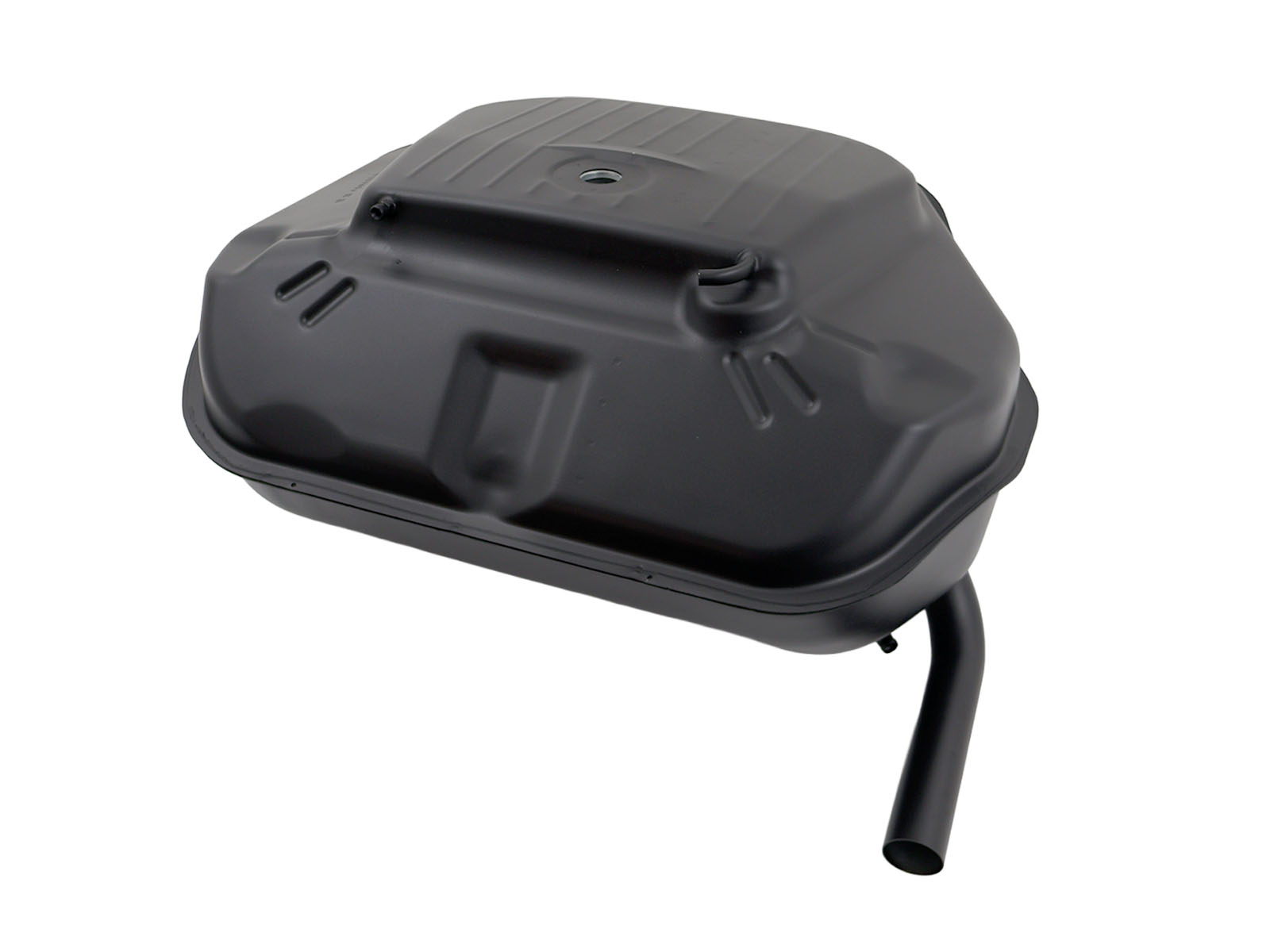
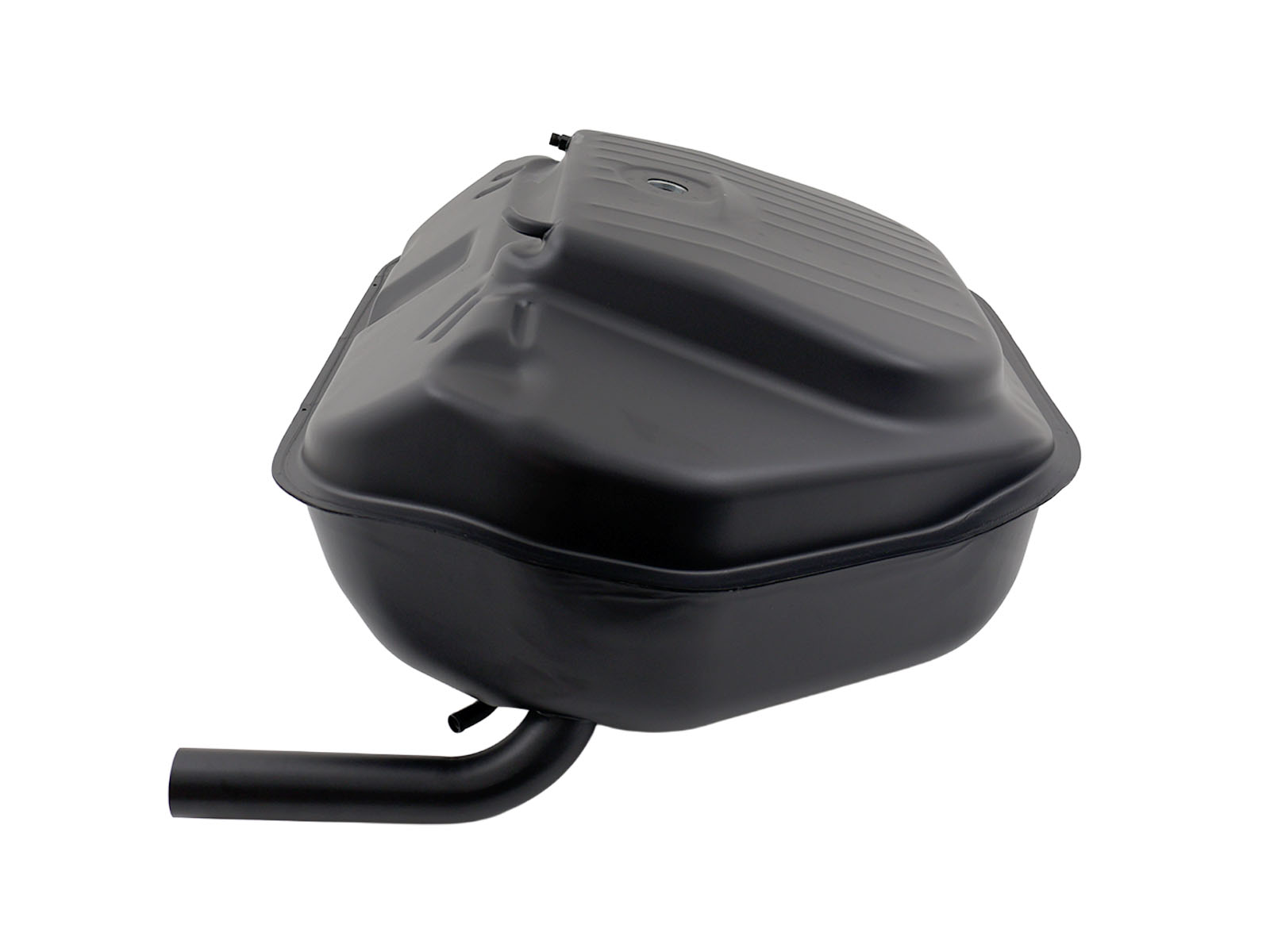
The OE Match 85 Litre Fuel Tank / Petrol Tank is a high-quality replacement fuel tank manufactured to replicate the fit, function and capacity of the original Porsche component. Designed to safely store and supply fuel to the engine, this tank provides dependable performance while maintaining factory-correct specifications for classic Porsche applications.
Fits:
- Porsche 911 1974-1977 2.7L / 1976-77 3.0 Carrera
- Porsche 911 1978-1983 3.0L / SC
- Porsche 911 1984-1986 3.2L
- Porsche 911 1987-1989 3.2L G50
- Porsche 911 1975-1977 3.0L Turbo (930)
- Porsche 911 1978-1989 3.3L Turbo (930)
Diagram Ref No 1
Constructed from durable materials and engineered to OE standards, this 85-litre fuel tank is ideal for replacing corroded, damaged or leaking original tanks. Whether undertaking a restoration or carrying out preventative maintenance, this OE Match replacement helps ensure a reliable fuel supply and long-term vehicle safety.
What This Product Does:
- Stores up to 85 litres of fuel safely and securely.
- Supplies fuel to the engine through the vehicle's fuel delivery system.
- Maintains consistent fuel flow for optimum engine performance.
- Prevents fuel contamination when used with a properly maintained fuel system.
- Restores original fuel storage capacity and reliability.
Symptoms Of Wear Or Failure:
- Fuel leaks beneath the vehicle.
- Strong petrol smells around the vehicle.
- Visible rust, corrosion or deterioration on the tank exterior.
- Fuel contamination from rust particles or sediment.
- Reduced fuel system performance.
- Difficulty passing vehicle safety inspections.
- Damp patches, staining or fuel seepage around seams and fittings.
- Premature wear of fuel pumps, filters or injectors caused by contamination.
Why Replacement Matters:
- Fuel tanks are exposed to moisture, road debris, temperature changes and fuel contaminants throughout their service life. Over time, corrosion can develop internally and externally, weakening the tank structure and increasing the risk of leaks. A damaged fuel tank can create safety hazards, reduce vehicle reliability and introduce contaminants into the fuel system.
- Replacing a worn or corroded fuel tank helps maintain safe fuel storage, protects critical fuel system components and restores dependable vehicle operation. An OE Match replacement ensures correct fitment, original fuel capacity and reliable performance for your Porsche.
Related reference numbers
Related, superseded, cross reference or alternative numbers for comparison.
93020101005
The product you are viewing cross references to these numbers
- Porsche 911 1974-1977 2.7L / 1976-77 3.0 Carrera
- Porsche 911 1978-1983 3.0L / SC
- Porsche 911 1984-1986 3.2L
- Porsche 911 1987-1989 3.2L G50
- Porsche 911 1975-1977 3.0L Turbo (930)
- Porsche 911 1978-1989 3.3L Turbo (930)
Shop Securely
12 Month Warranty
Worldwide Delivery
 Free delivery
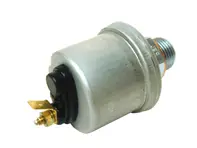
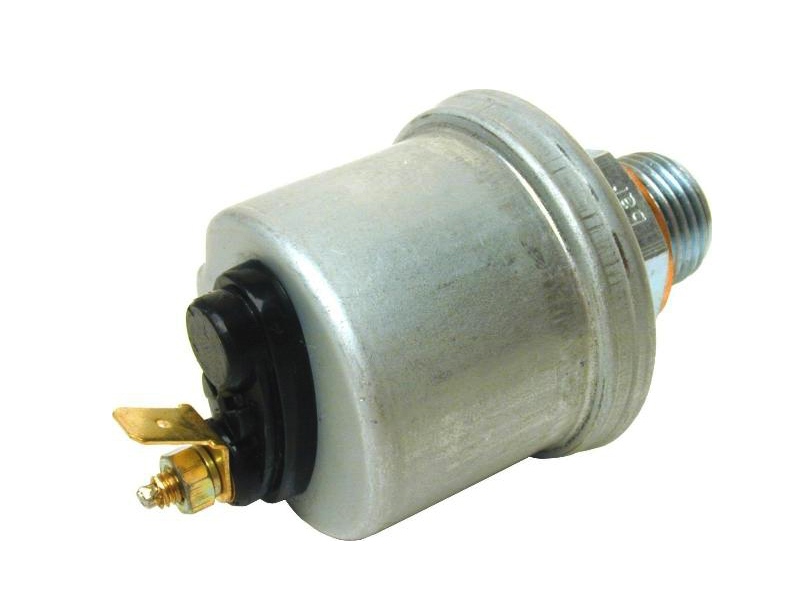
Oil Pressure Sender Unit
The Oil Pressure Sender Unit is a critical engine monitoring
component fitted to the Porsche 911 SC from 1978 to 1983. Designed to
continuously monitor engine oil pressure and transmit accurate readings to the
dashboard gauge, this sender unit allows drivers to keep track of one of the
most important indicators of engine health.
Fits:
- Porsche 911 1978-1983 3.0L / SC
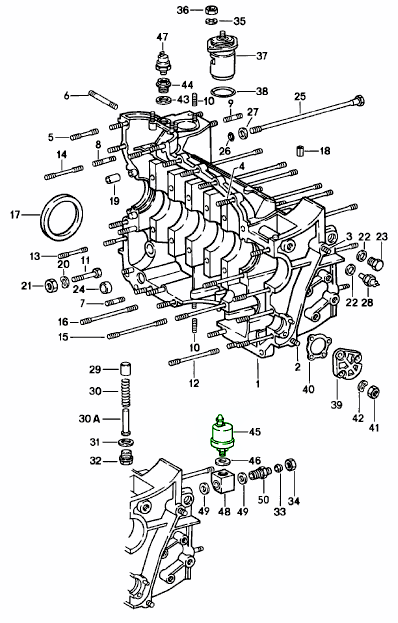
Diagram ref no 45
On air-cooled Porsche engines, maintaining correct oil pressure is essential for lubrication, cooling, and long-term engine protection. The oil pressure sender unit converts oil pressure into an electrical signal that is displayed on the instrument cluster, providing real-time feedback on the condition of the lubrication system.
A faulty sender unit can result in inaccurate readings, fluctuating gauge behaviour, or complete loss of oil pressure indication, making replacement an important part of preventative maintenance and engine reliability.
What Does the Oil Pressure Sender Unit Do?
The oil pressure sender measures the pressure generated within the engine's lubrication system and sends a corresponding electrical signal to the oil pressure gauge.
This enables the driver to:
- Monitor engine oil pressure in real time
- Identify lubrication issues before serious damage occurs
- Detect low oil pressure conditions
- Verify correct oil circulation throughout the engine
- Monitor engine health during normal driving and performance use
Because the Porsche 911 SC uses an air-cooled engine with a sophisticated dry-sump lubrication system, accurate oil pressure readings are particularly important for protecting valuable engine components.
Why Does the Oil Pressure Sender Unit Fail?
Oil pressure sender units operate in a harsh environment exposed to heat, vibration, oil contamination, and age-related deterioration.
Common causes of failure include:
- Internal electrical wear
- Diaphragm deterioration
- Oil contamination inside the sender
- Corrosion of electrical terminals
- Heat-related degradation
- Vibration damage Internal sealing failure causing oil leaks
- Age-related sensor inaccuracy
As the sender ages, readings may become erratic, inaccurate, or completely non-functional.
Common Symptoms of a Faulty Oil Pressure Sender
A failing oil pressure sender unit may cause:
- Oil pressure gauge fluctuating unexpectedly
- Incorrect oil pressure readings
- Gauge reading permanently high or low
- Intermittent gauge operation
- No oil pressure indication at all
- Oil leakage from the sender body
- Dashboard oil pressure concerns despite normal engine operation
In many cases, the sender unit itself is the source of the problem rather than the engine's oil pressure system.
When Should You Replace It?
Replacement is recommended when:
- Oil pressure readings become unreliable
- The gauge behaves erratically
- The sender develops an oil leak
- During engine restoration work
- When replacing ageing engine sensors
- As part of preventative maintenance on high-mileage vehicles
- During diagnosis of oil pressure-related dashboard faults
Replacing a faulty sender restores confidence in your oil pressure monitoring system and helps ensure that genuine lubrication issues can be identified quickly.
Related reference numbers
Related, superseded, cross reference or alternative numbers for comparison.
91160611103
The product you are viewing cross references to these numbers
- Porsche 911 1974-1977 2.7L / 1976-77 3.0 Carrera
- Porsche 911 1978-1983 3.0L / SC
Shop Securely
12 Month Warranty
Worldwide Delivery
Express Delivery
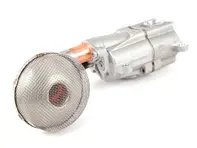
Oil Pump
The Porsche 911 & 911 turbo Oil Pump is one
of the most critical components within the engine's dry-sump lubrication
system. Responsible for circulating oil throughout the engine, the oil pump
ensures that vital moving components receive a continuous supply of lubricating
oil, helping to minimise friction, control temperatures, and protect against
premature engine wear.
Fits:
- Porsche 911 1974-1977 2.7L
- Porsche 911 1976-77 3.0 Carrera*
- Porsche 911 1978-1983 3.0L / SC
- Porsche 911 1984-1986 3.2L
- Porsche 911 1987-1989 3.2L G50
- Porsche 911 1975-1977 3.0L Turbo (930)*
*Requires extra part No. 93010190200 Lid
Diagram Ref No 1
Unlike conventional wet-sump systems, Porsche's legendary dry-sump design relies heavily on the oil pump to both supply pressurised oil to the engine and scavenge oil back to the external oil tank. This constant circulation is essential for maintaining stable oil pressure under all driving conditions, particularly in high-performance and turbocharged applications.
Whether you're rebuilding an engine, restoring a classic Porsche, or replacing worn internal components, the 91110700805 oil pump plays a crucial role in maintaining engine reliability and long-term performance.
What Does the Oil Pump Do?
The oil pump is the heart of the Porsche lubrication system.
It draws oil from the oil tank and distributes it under pressure to critical
engine components including:
- Crankshaft bearings
- Connecting rod bearings
- Camshafts and valve train components
- Pistons and cylinders
- Timing chains and associated components
- Turbocharger lubrication systems (where applicable)
The pump also scavenges used oil from the engine and returns it to the oil tank, ensuring continuous circulation throughout the dry-sump system.
A correctly functioning oil pump helps:
- Maintain stable oil pressure
- Reduce internal engine wear
- Support effective engine cooling
- Ensure reliable lubrication under high-performance driving
- Protect expensive engine components from damage
Why Does an Oil Pump Fail?
Although Porsche oil pumps are engineered for durability, wear can occur over time, especially in high-mileage engines or engines that have experienced poor maintenance.
Common causes of oil pump failure include:
- Internal gear wear
- Contamination from debris or metal particles
- Oil starvation events
- Poor maintenance history
- Engine overheating
- Excessive bearing material circulating through the oil system
- Damage following engine failure
- Wear to internal clearances reducing oil pressure
As oil pumps age, efficiency can decline, leading to reduced oil pressure and compromised lubrication performance.
When Should You Replace It?
Replacement should be considered whenever there are signs of oil pressure issues, excessive internal wear, or during major engine rebuild work.
Typical replacement scenarios include:
- Full engine rebuilds
- Low oil pressure diagnosis
- Internal engine failure repairs
- High-mileage engine restorations
- Excessive wear found during engine inspection
- Metal contamination within the lubrication system
- Preventative replacement during performance engine builds
Because oil pump failure can lead to catastrophic engine damage, replacing a worn unit during rebuild work is often considered inexpensive insurance compared to the cost of a complete engine failure.
Related reference numbers
Related, superseded, cross reference or alternative numbers for comparison.
91110700805
The product you are viewing cross references to these numbers
- Porsche 911 1974-1977 2.7L / 1976-77 3.0 Carrera
- Porsche 911 1978-1983 3.0L / SC
- Porsche 911 1984-1986 3.2L
- Porsche 911 1987-1989 3.2L G50
- Porsche 911 1975-1977 3.0L Turbo (930)
Shop Securely
12 Month Warranty
Worldwide Delivery
Free delivery
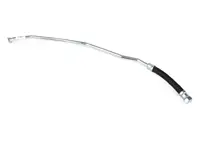
Oil Pipe – Engine to Oil Thermostat
The Porsche 911 Oil Pipe connects the engine oil
system to the oil thermostat, allowing engine oil to flow correctly through the
external oil cooling circuit. This pipe is an important part of the Porsche 911
dry-sump lubrication system, helping route hot engine oil towards the
thermostat before it is directed to the front oil cooler when required.
Fits:
- Porsche 911 1984-1986 3.2L
- Porsche 911 1987-1989 3.2L G50
Diagram Ref No 9
On air-cooled Porsche 911 models, correct oil circulation is essential for engine temperature control, lubrication, and long-term reliability. A damaged, corroded, restricted, or leaking oil pipe can reduce oil flow efficiency, cause oil loss, and compromise the cooling performance of the engine oil system.
This replacement oil pipe is ideal for Porsche 911 maintenance, restoration, engine rebuilds, and oil cooling system repairs.
What Does This Oil Pipe Do?
The oil pipe transfers oil from the engine towards the oil thermostat. The thermostat regulates whether oil is sent through the external oil cooler circuit, depending on operating temperature. When the engine oil reaches the correct temperature, the thermostat opens and allows oil to circulate through the cooler system, helping maintain stable engine temperatures.
A properly functioning oil pipe helps:
- Maintain correct oil flow from the engine to the thermostat
- Support efficient oil temperature regulation
- Protect the engine from overheating
- Preserve lubrication performance
- Keep the Porsche 911 dry-sump oil system operating as intended
Why Does This Oil Pipe Fail?
Porsche 911 oil pipes are exposed to heat, road debris, moisture, vibration, and oil system pressure. Over time, these conditions can cause deterioration, especially on older air-cooled models.
Common reasons for failure include:
- Corrosion on exposed metal pipe sections
- Damage from road debris or impact
- Cracked or weakened joints
- Oil leaks from ageing connections
- Seized or damaged fittings during removal
- Internal restriction caused by debris or old oil deposits
- Previous poor repairs or incorrect installation
Because these oil pipes are part of a high-temperature, high-use lubrication system, even minor leaks or restrictions should be treated seriously.
When Should You Replace It?
Replace the oil pipe if you notice visible corrosion, oil leaks, damaged pipework, crushed sections, poor fitting condition, or oil residue around the thermostat or engine connections.
Replacement is also recommended during:
- Engine removal or rebuild work
- Oil thermostat replacement
- External oil cooler system refurbishment
- Full restoration projects
- Preventative maintenance on ageing oil lines
- Repair of leaking or seized oil pipe fittings
Replacing the pipe before complete failure helps prevent oil loss, poor cooling performance, and potential engine damage.
Related reference numbers
Related, superseded, cross reference or alternative numbers for comparison.
93010774315
The product you are viewing cross references to these numbers
- Porsche 911 1984-1986 3.2L
- Porsche 911 1987-1989 3.2L G50
Shop Securely
12 Month Warranty
Worldwide Delivery
Express Delivery
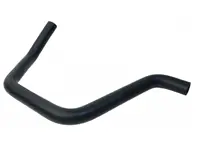



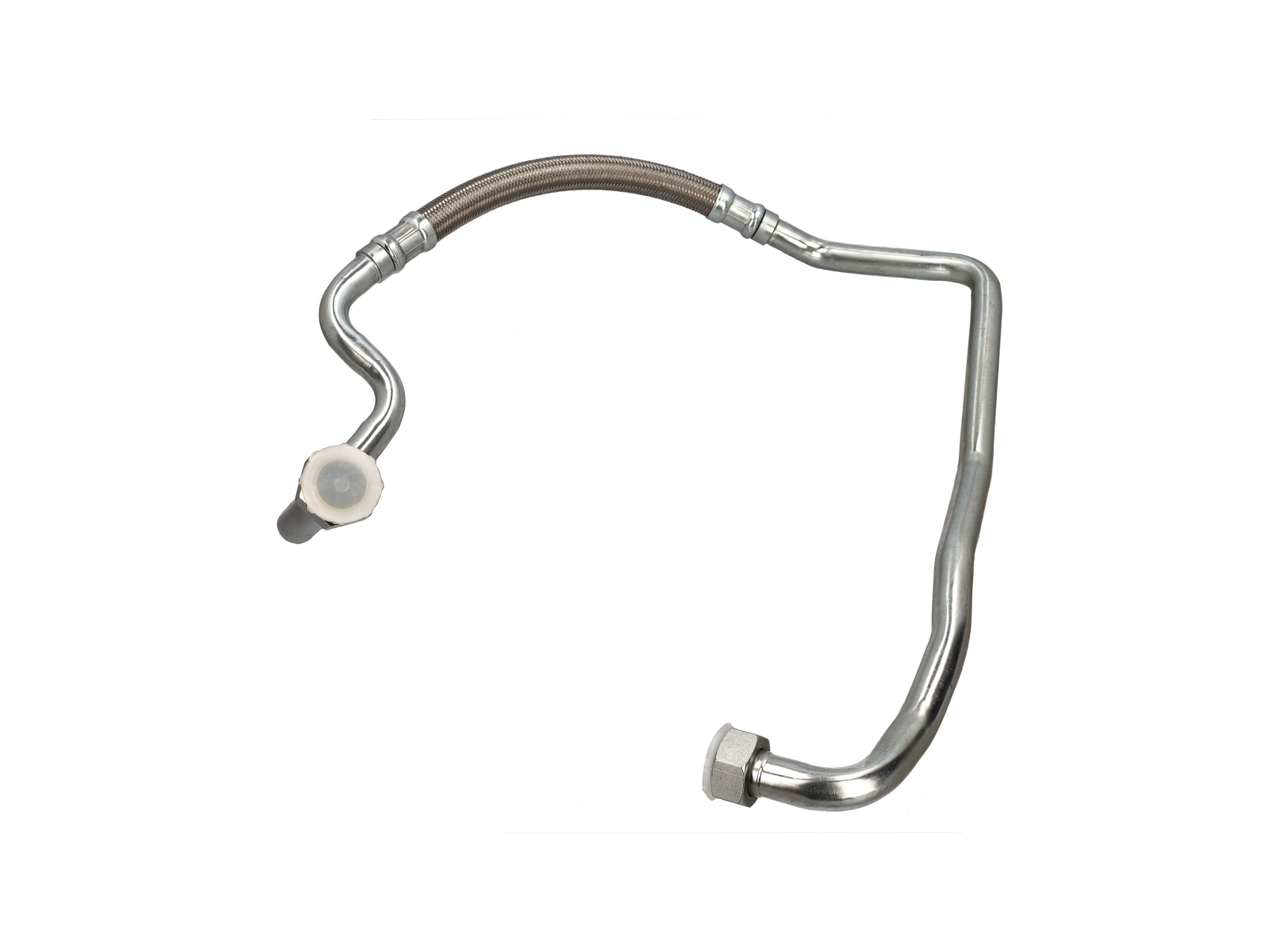

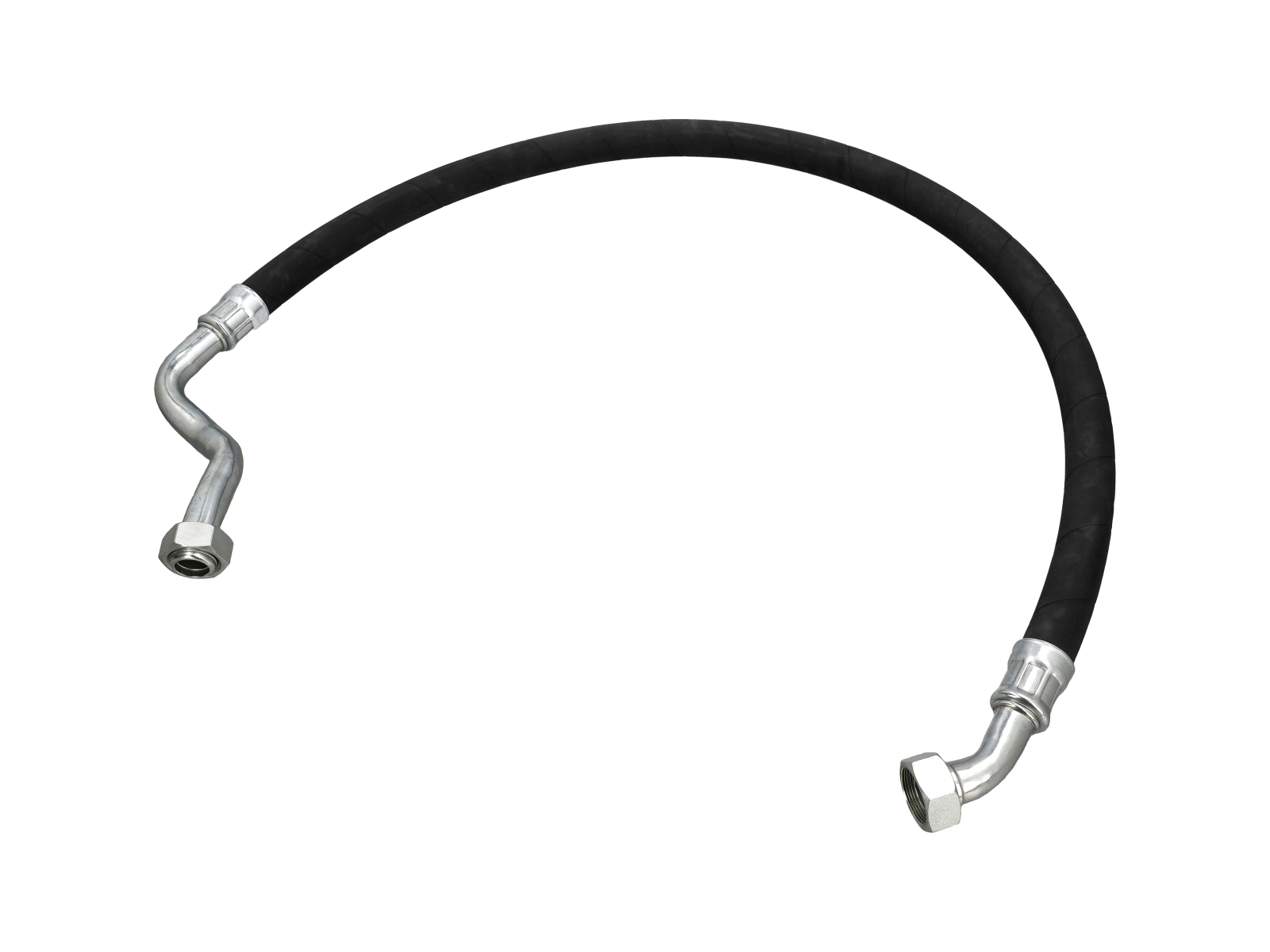

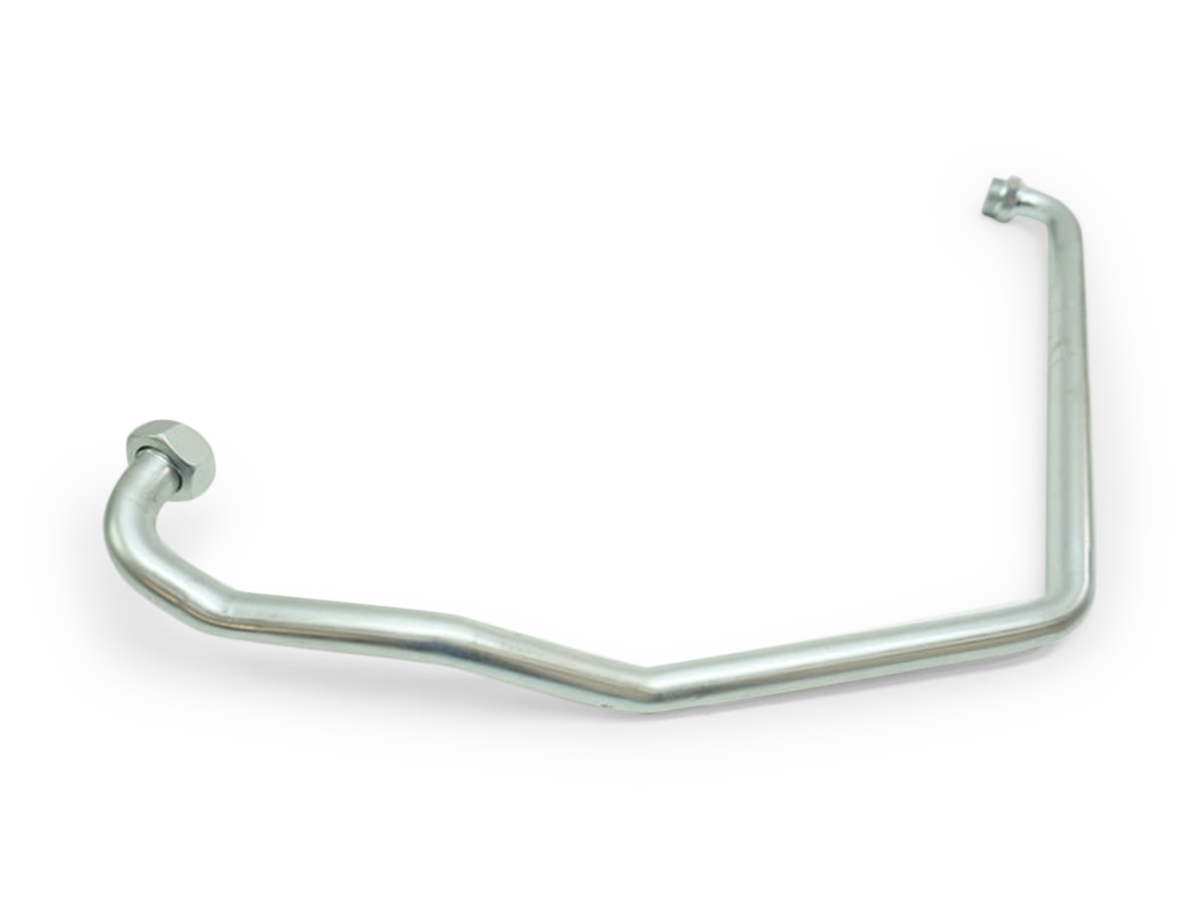

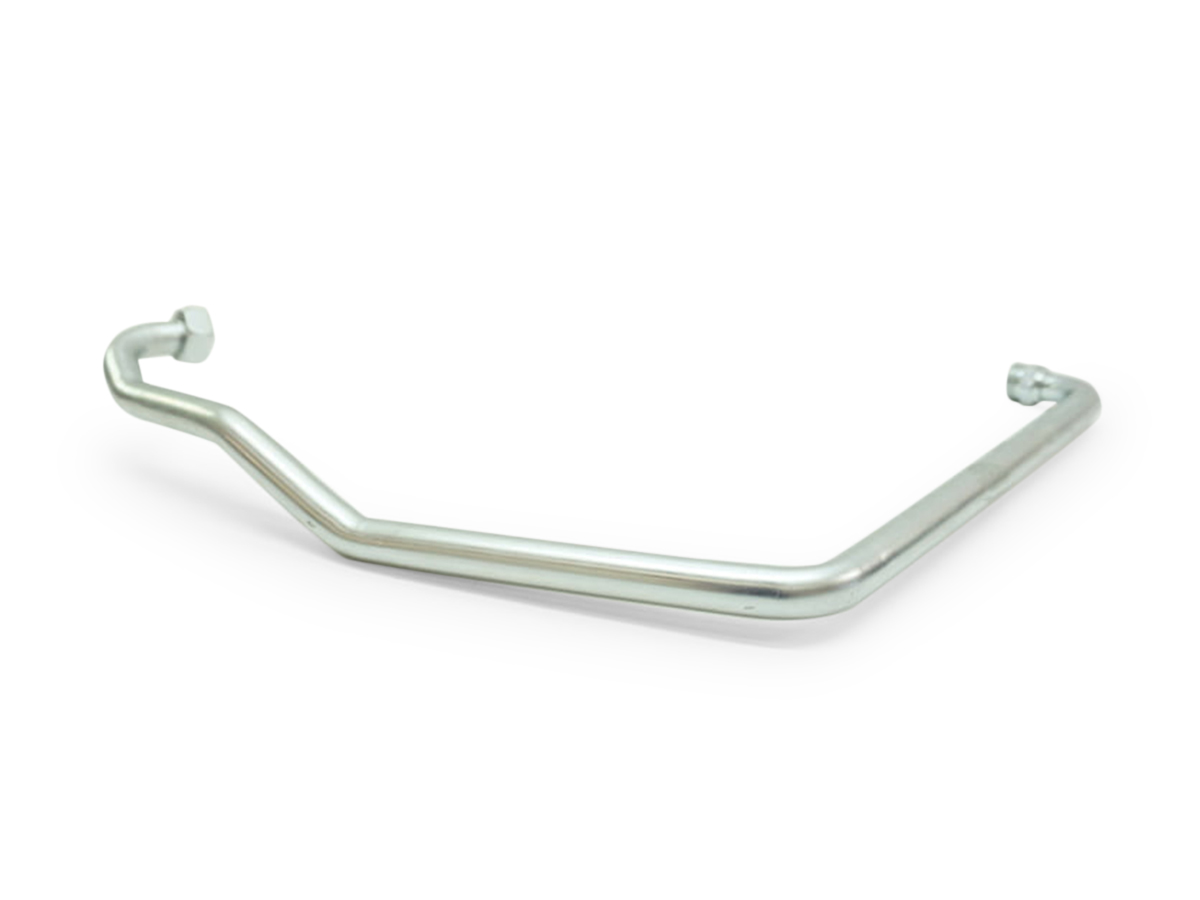
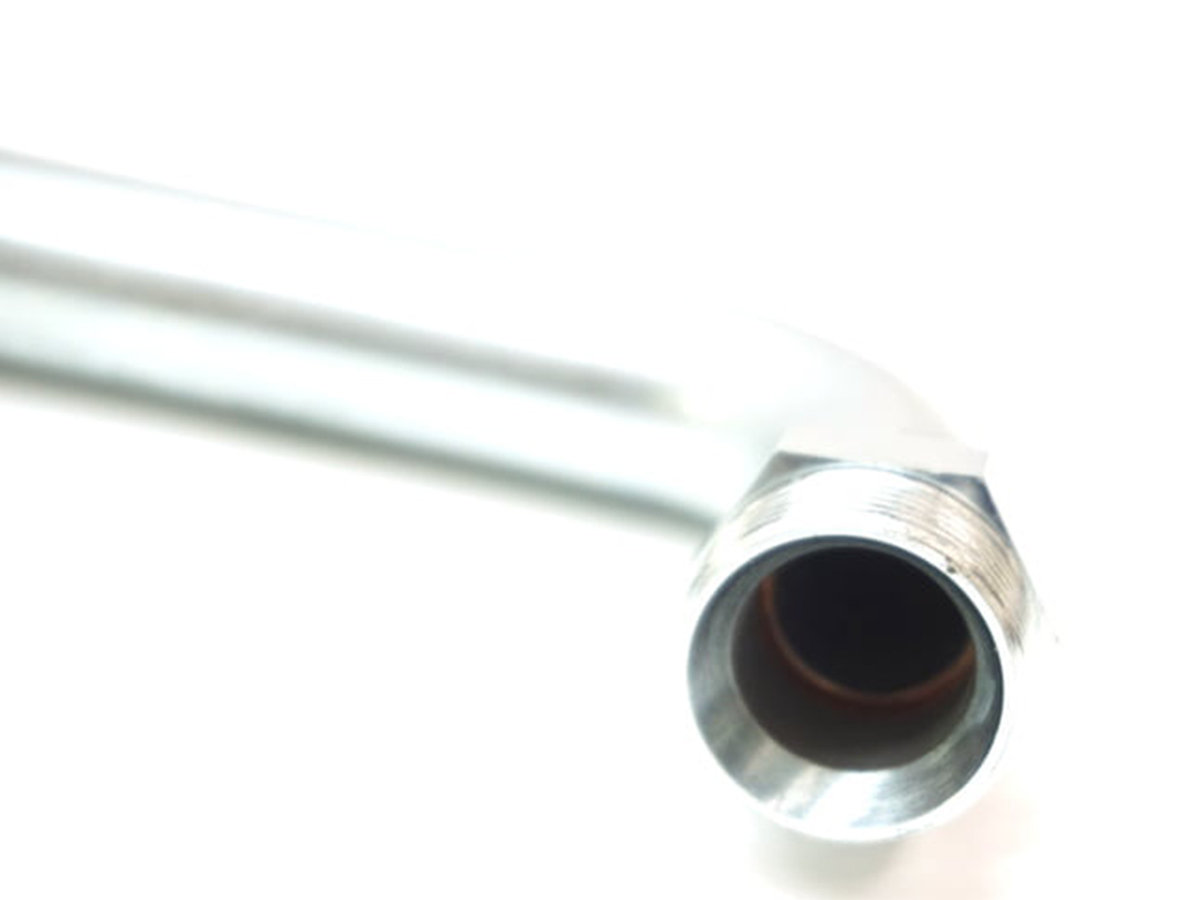
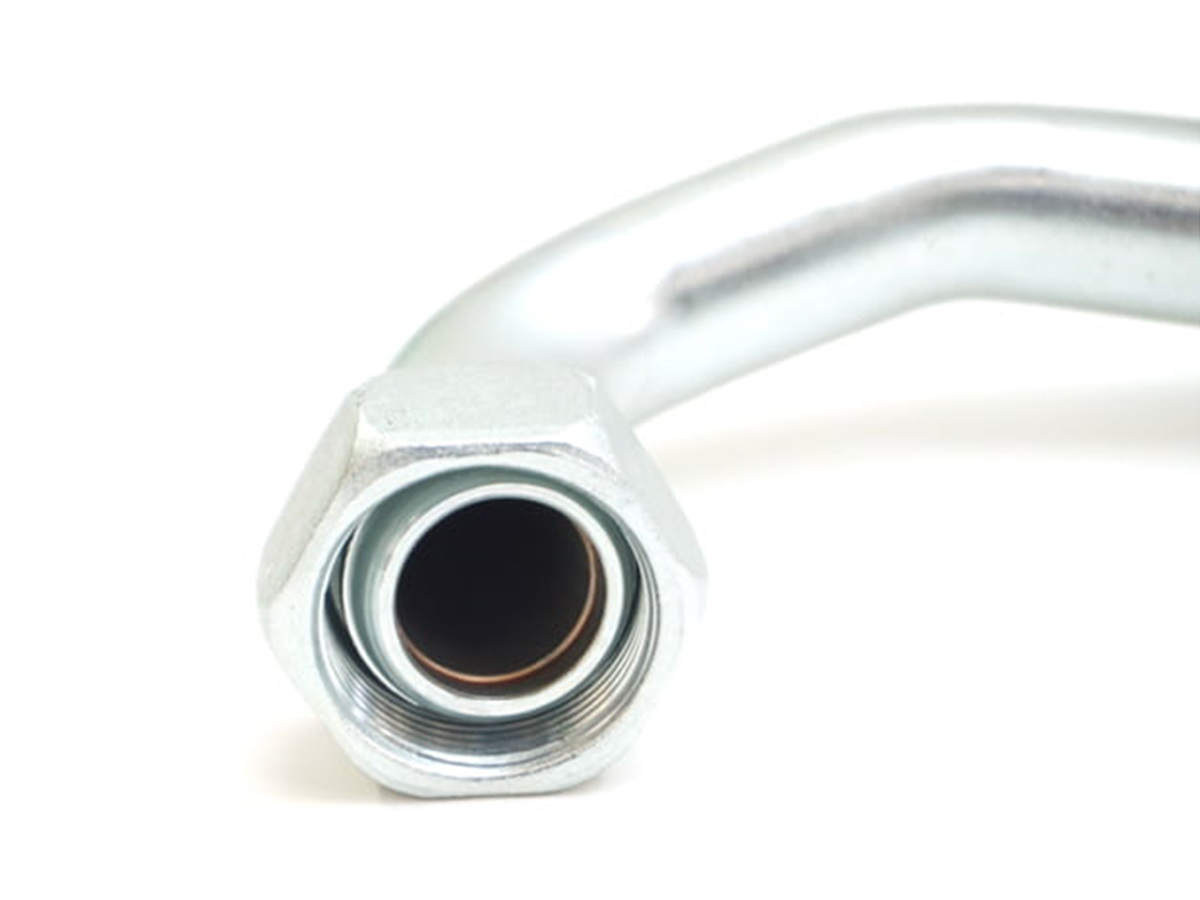
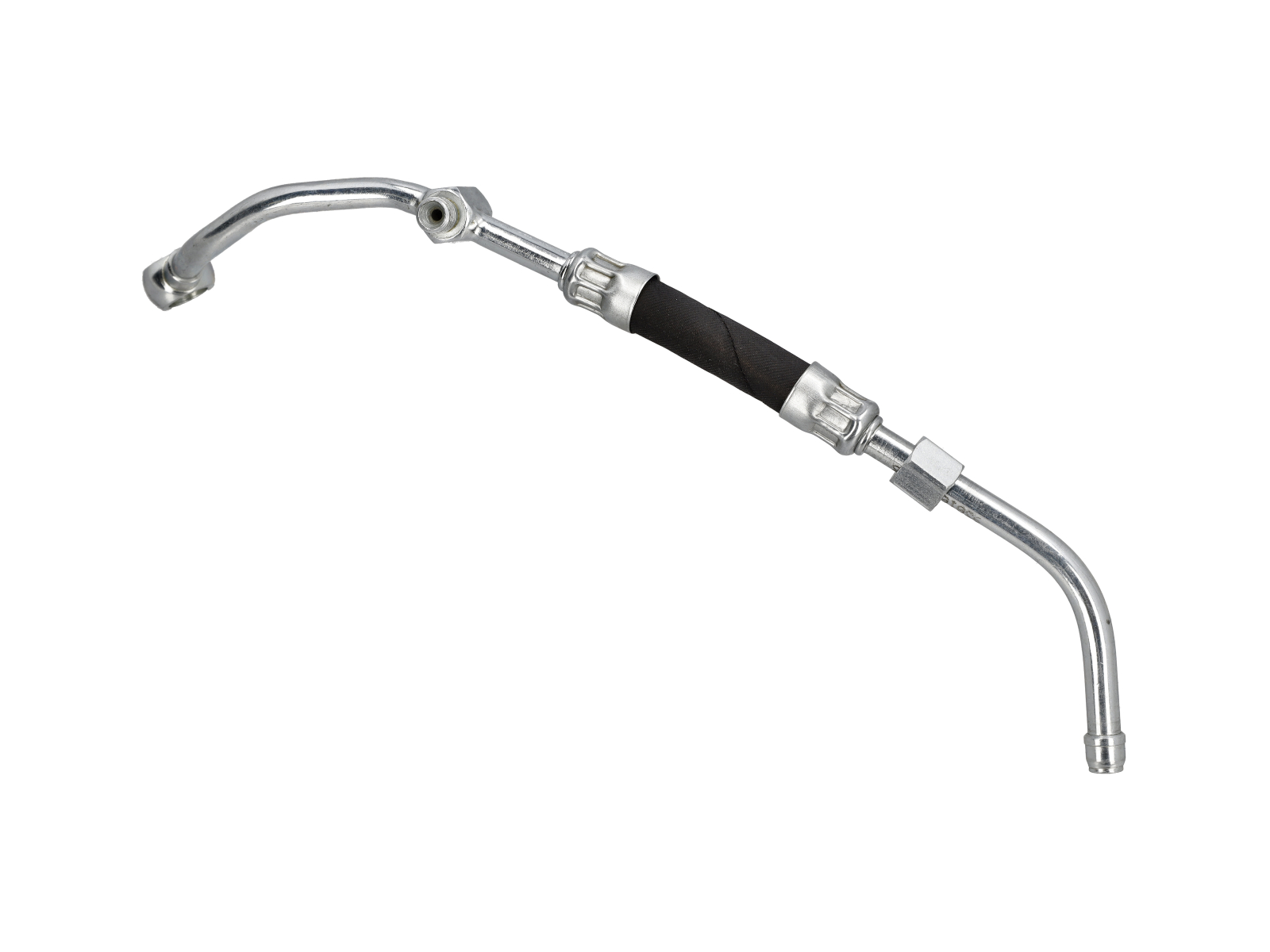

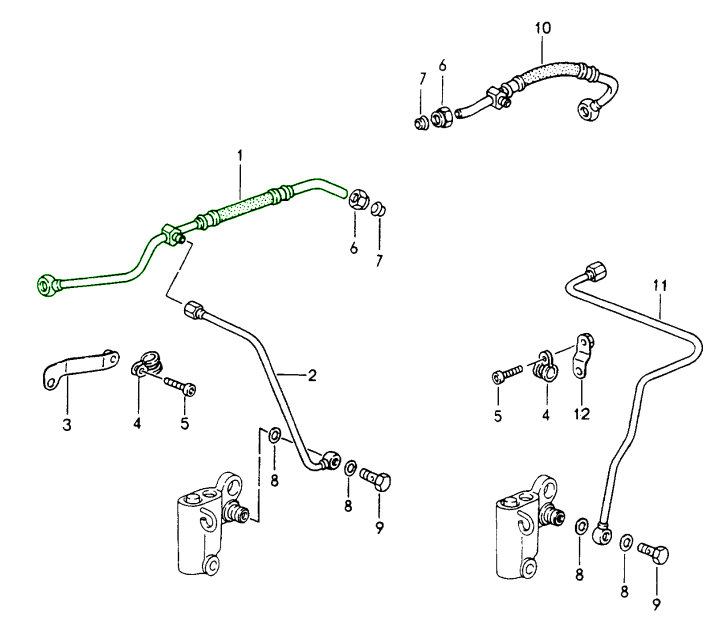
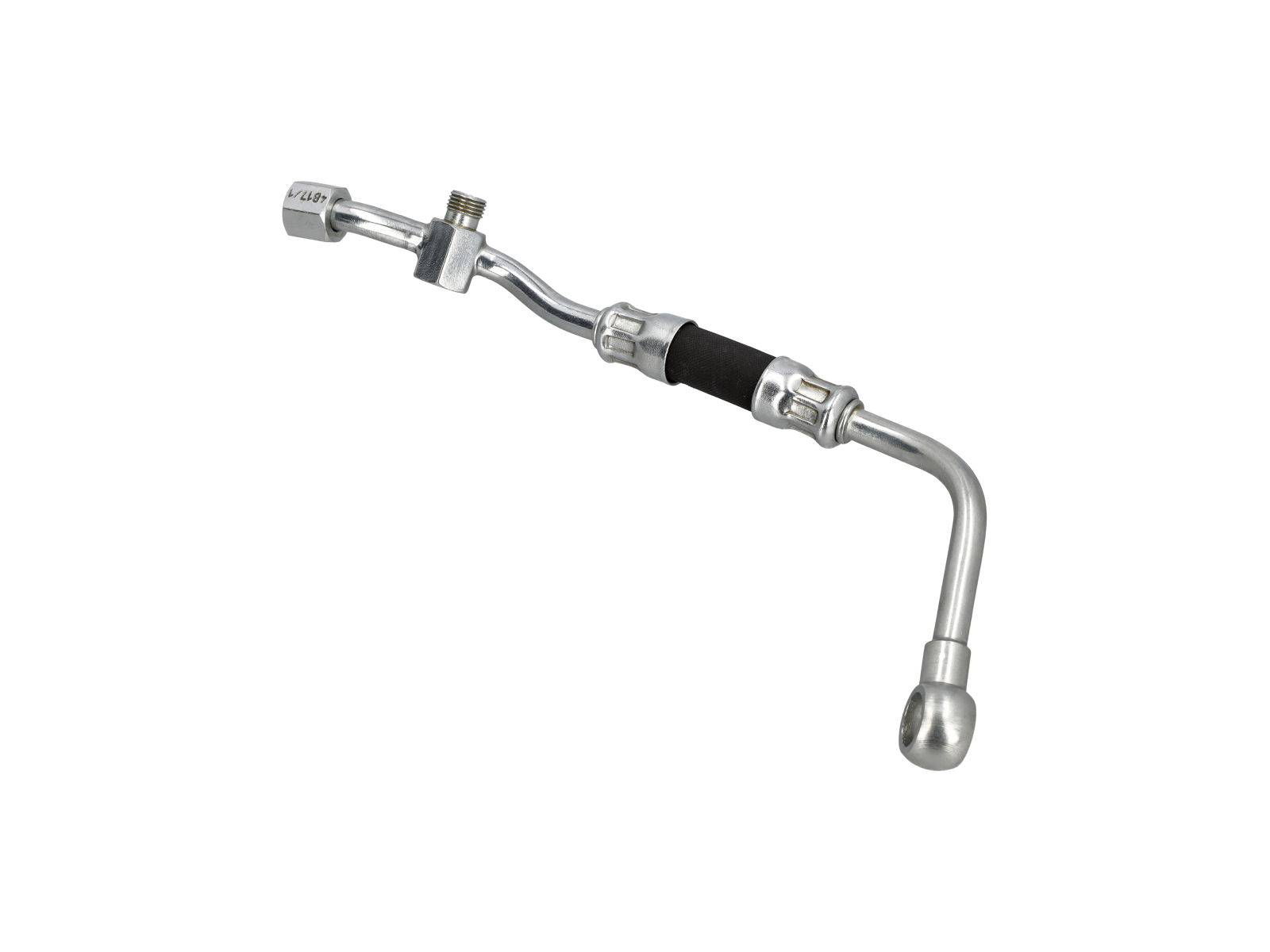
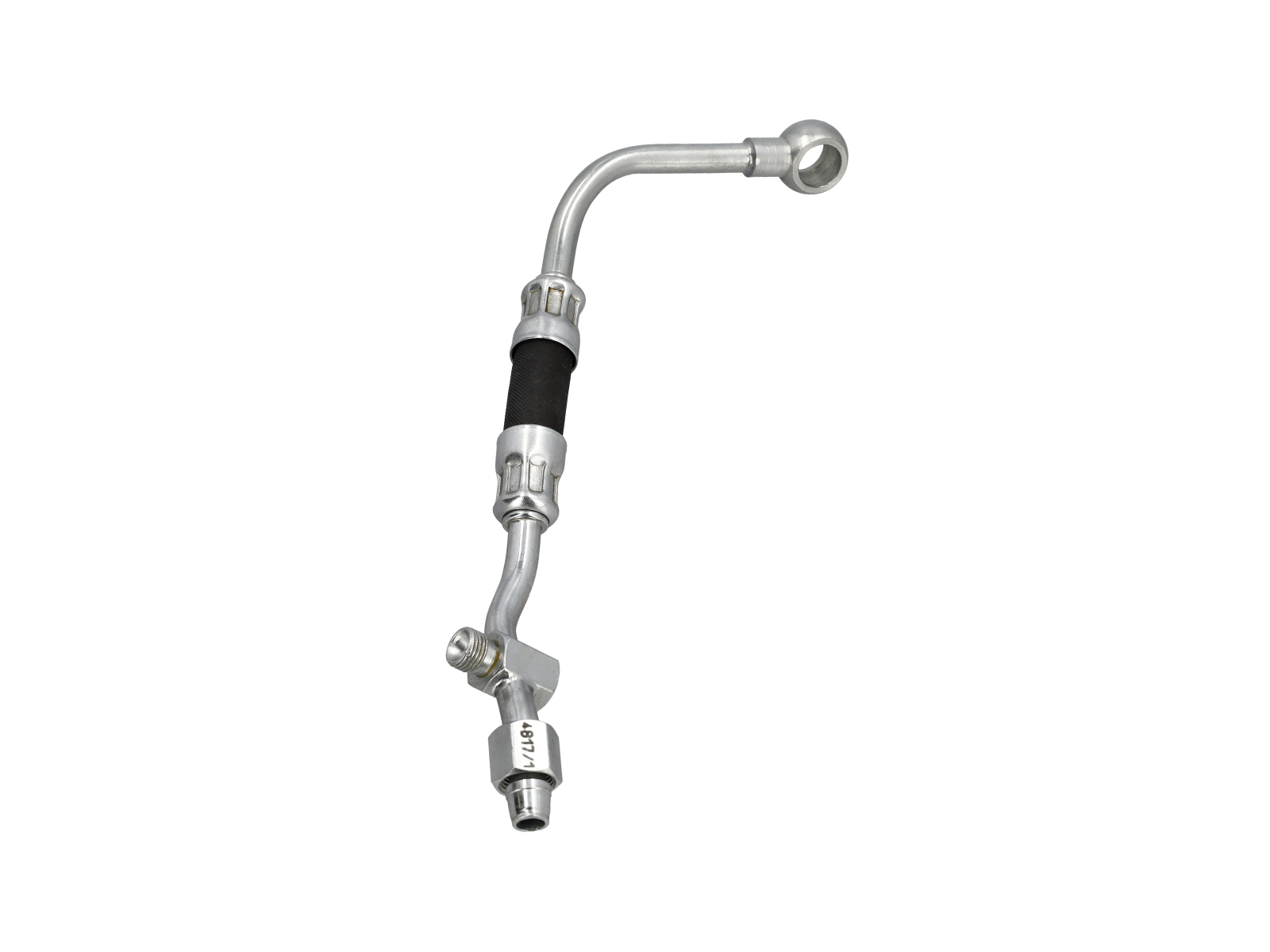
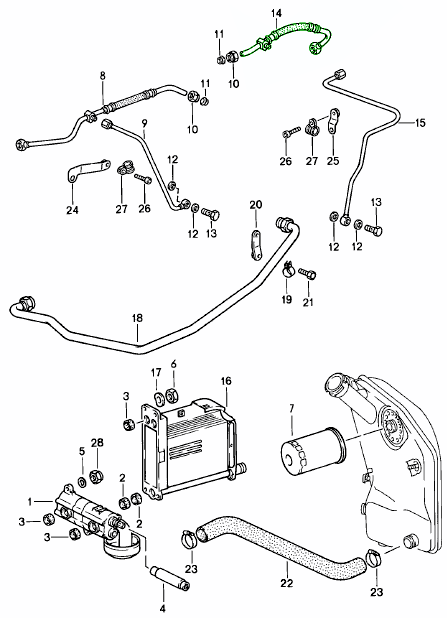



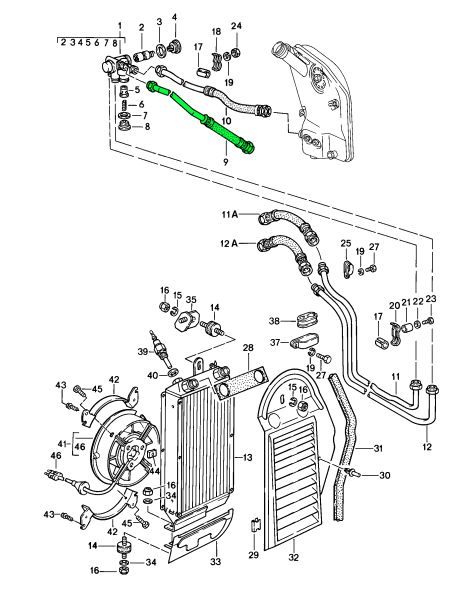
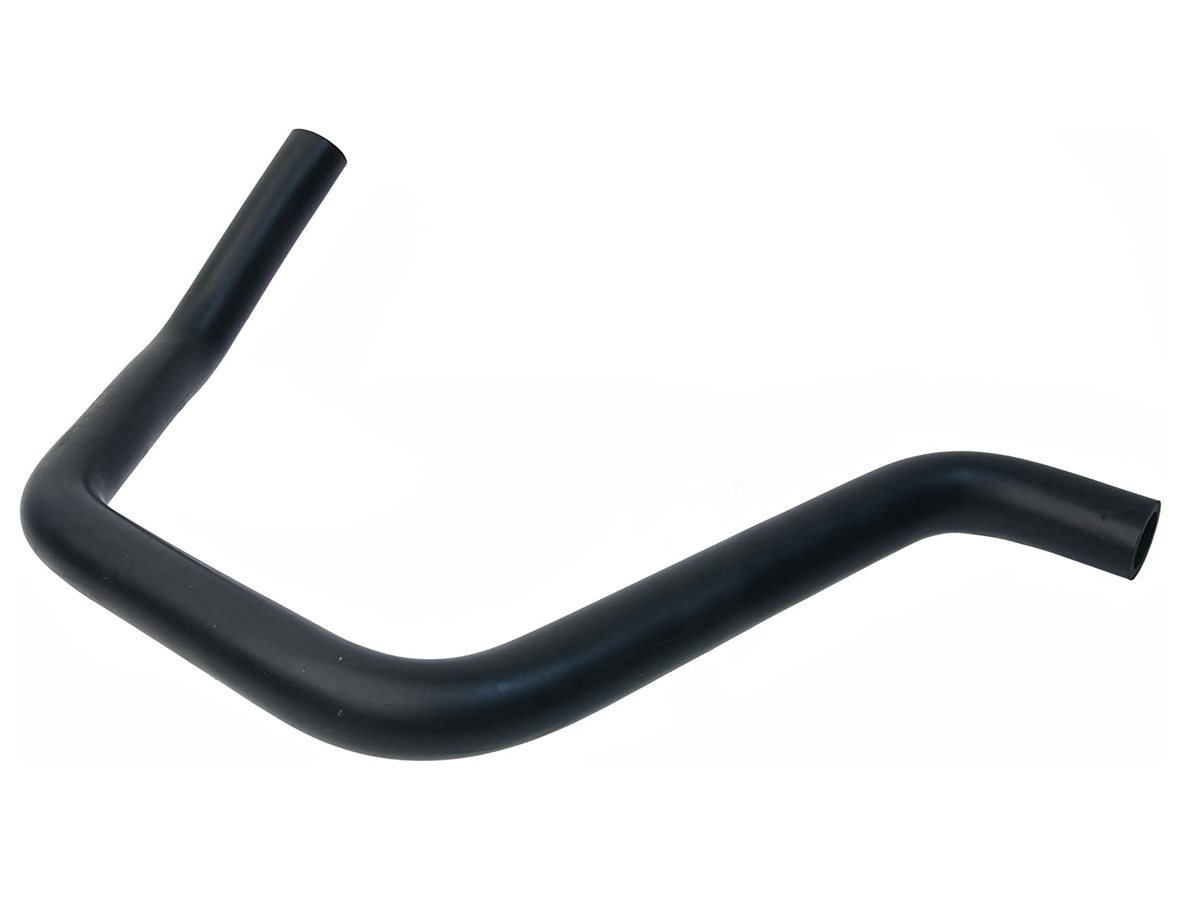
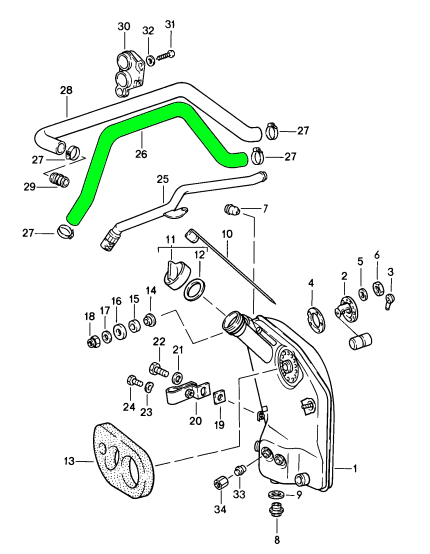
Oil Breather Hose
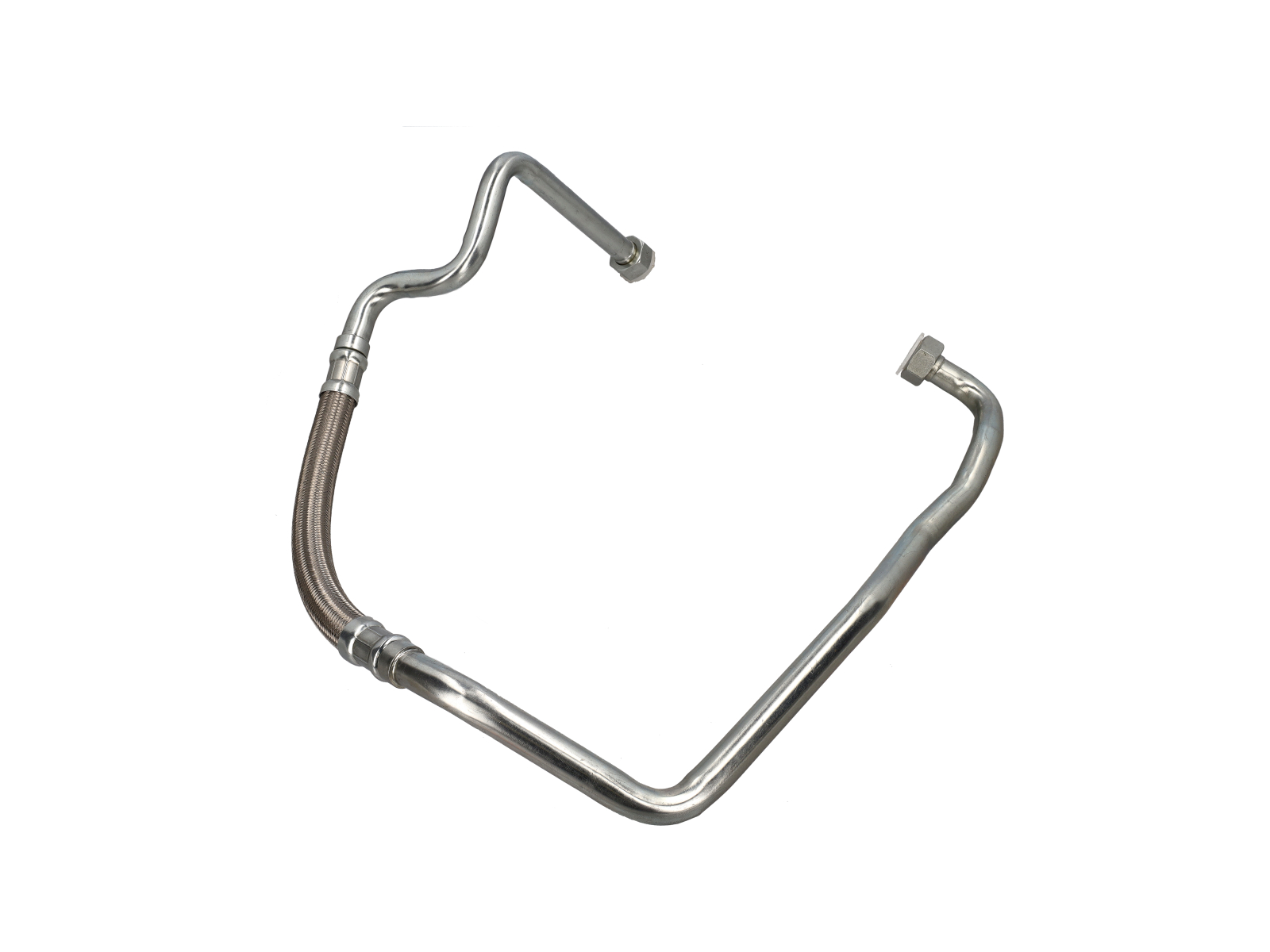
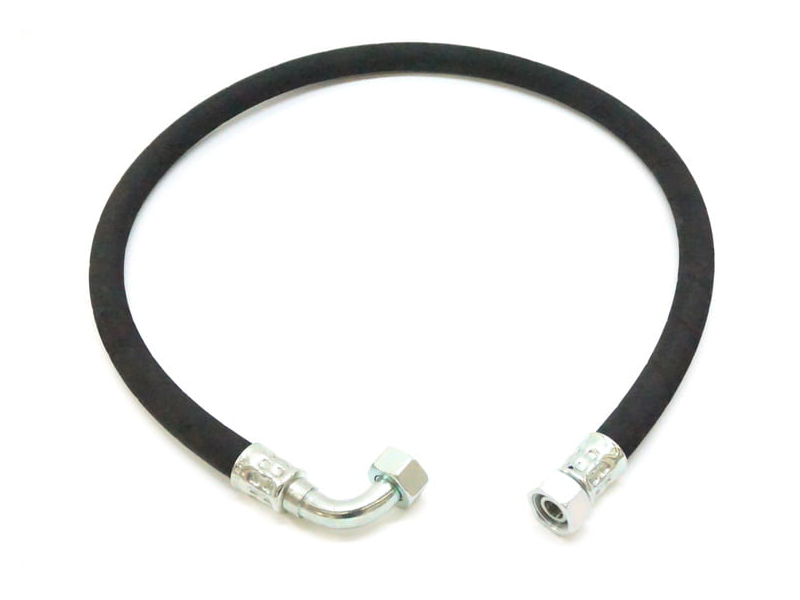
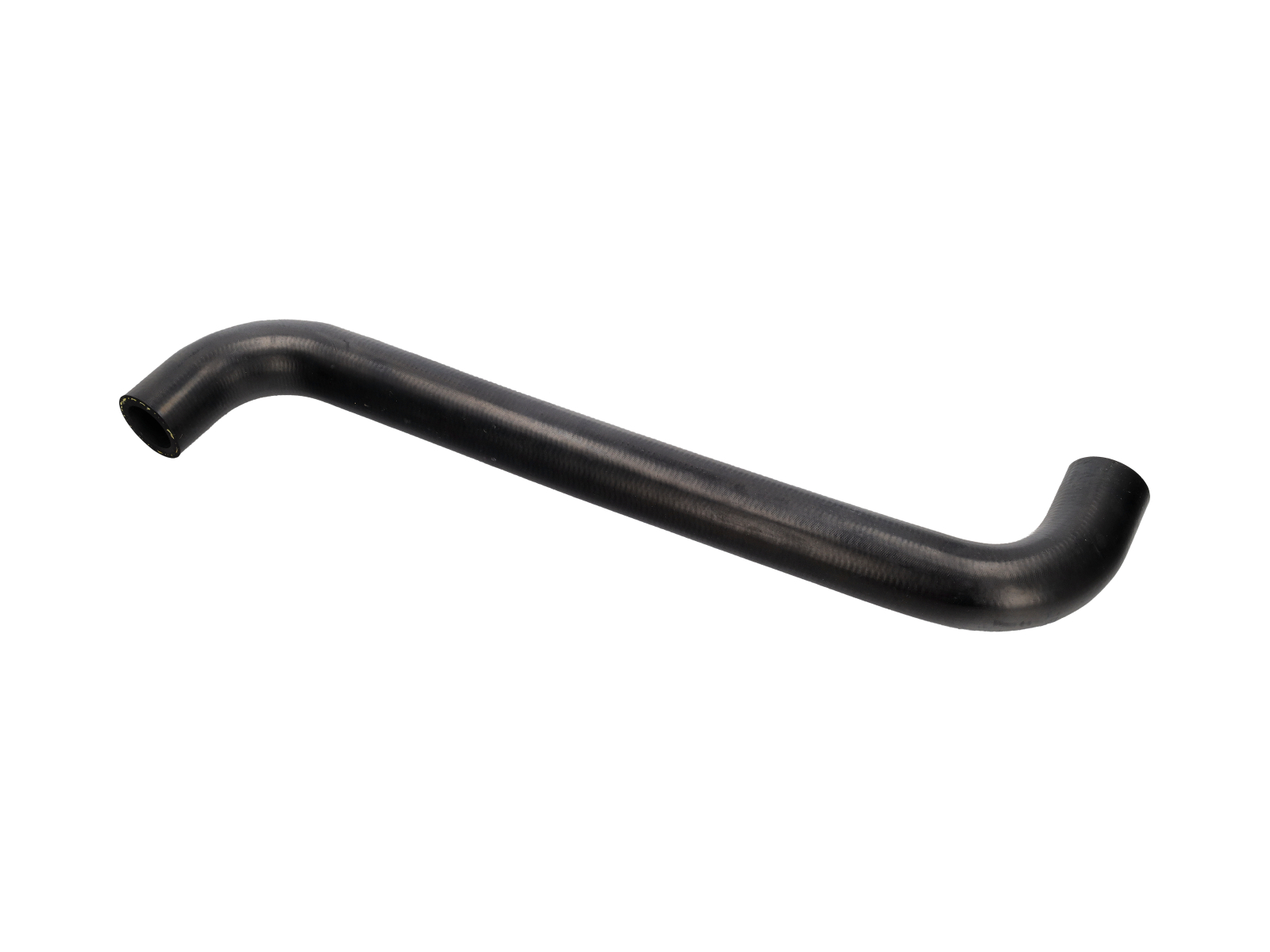
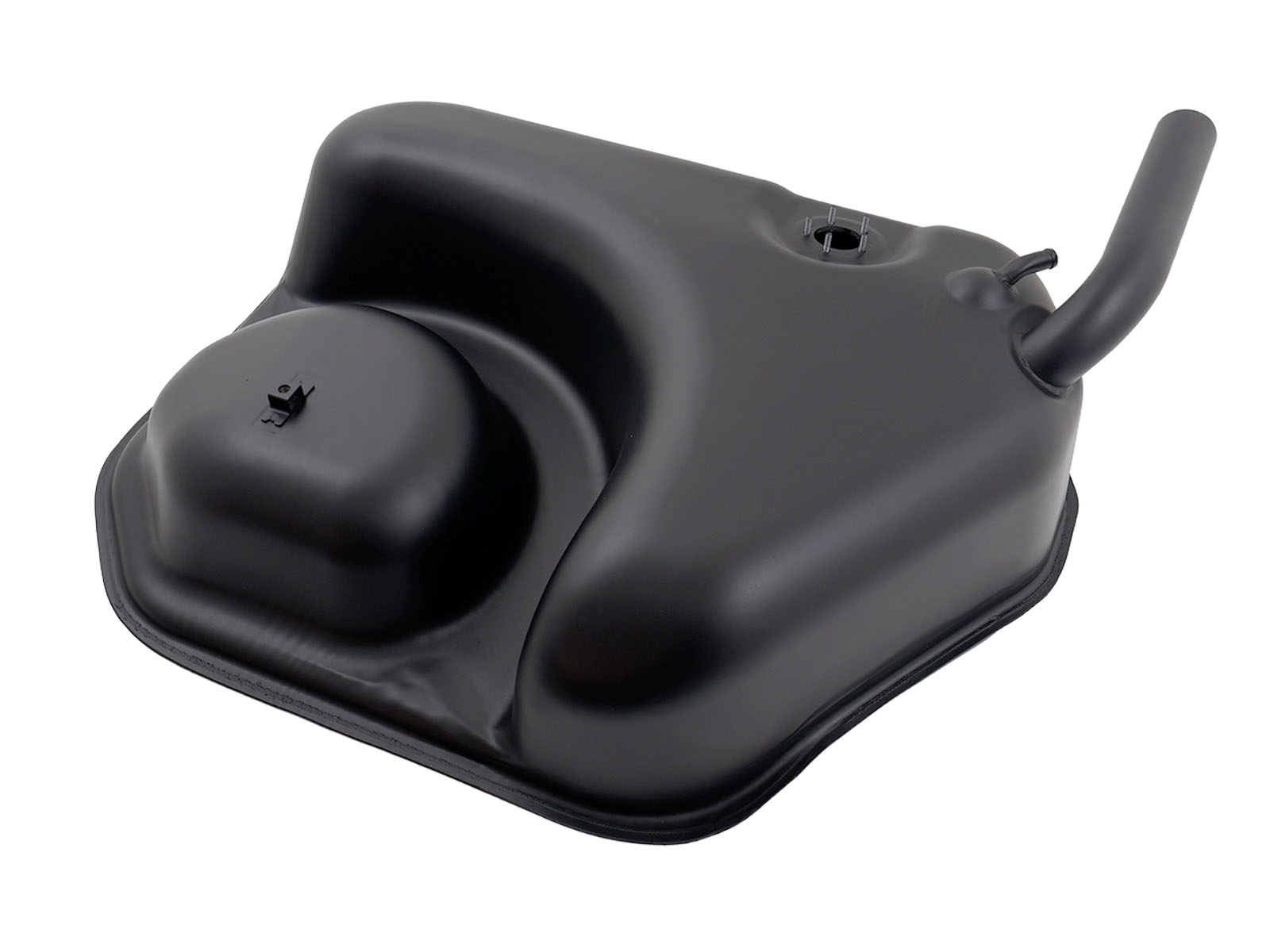
The Porsche 911 Oil Breather Hose is a vital
component of the engine's crankcase ventilation system, helping to regulate
internal engine pressure and safely route oil vapours through the breather
circuit. Manufactured to meet Porsche specifications, this replacement hose
ensures reliable operation while supporting engine efficiency and longevity.
Fits:
- Porsche 911 1984-1986 3.2L
- Porsche 911 1987-1989 3.2L G50
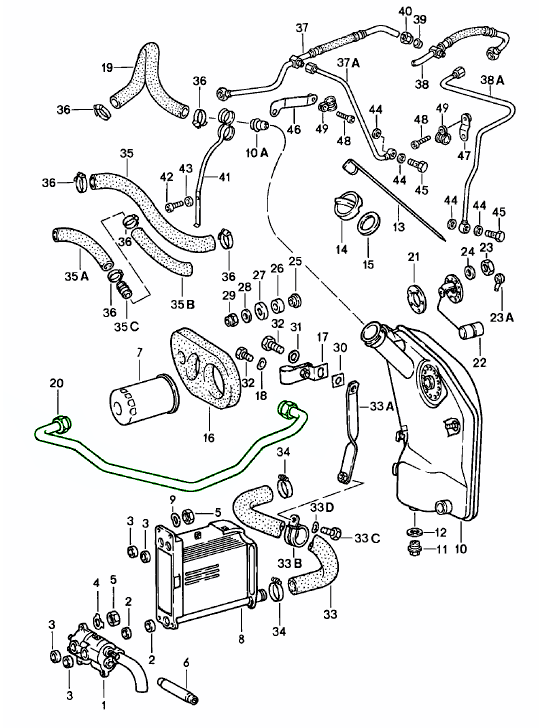
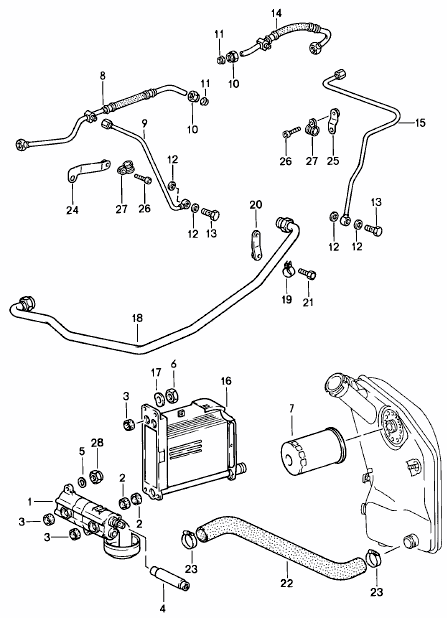
Diagram ref no 26
Over time, breather hoses can deteriorate due to continuous exposure to heat, oil residue, and engine bay contaminants. Cracks, splits, or hardened rubber can lead to vacuum leaks, oil mist escape, poor idle quality, and reduced engine performance. Replacing worn breather hoses with the correct specification part helps maintain optimal engine operation and prevents avoidable maintenance issues.
Whether you are carrying out preventative maintenance, an engine rebuild, or a full Porsche restoration, the 93020738601 oil breather hose provides the correct fitment and dependable performance expected from a quality Porsche replacement component.
Product Features
- Direct replacement for Porsche part number 93020738601
- Supports correct crankcase ventilation system operation
- Helps maintain proper engine pressure regulation
- Resistant to oil vapours, engine heat, and ageing
- Precision fit for straightforward installation
- Suitable for Porsche 911 maintenance and restoration projects
Benefits of Replacing Your Breather Hose
A damaged or ageing oil breather hose can negatively affect engine performance by allowing vacuum leaks and disrupting airflow within the crankcase ventilation system. Installing a new breather hose helps maintain engine efficiency, reduces the risk of oil leaks, and supports long-term reliability.
Porsche 911 Oil Breather Hoses & Crankcase Ventilation Components
Design911 offers a comprehensive range of Porsche 911 oil breather hoses, crankcase ventilation components, engine vent pipes, air-oil separator hoses, vacuum hoses, and genuine Porsche replacement parts for classic and modern Porsche 911 models.
The crankcase ventilation system plays a crucial role in maintaining engine health by managing internal pressure and recirculating oil vapours. Worn or damaged breather components can contribute to oil leaks, rough running, poor emissions performance, and reduced engine efficiency.
Related reference numbers
Related, superseded, cross reference or alternative numbers for comparison.
93020738601
The product you are viewing cross references to these numbers
- Porsche 911 1984-1986 3.2L
- Porsche 911 1987-1989 3.2L G50
Shop Securely
12 Month Warranty
Worldwide Delivery
Express Delivery


Monday-Friday: 8.30am - 5.30pm (GMT)
Saturday: Closed
Sunday: Closed