





Enter your VAT number here and click Verify:
Your details have been verified. VAT number registered to:
,
.
Your order will now be zero rated for VAT purposes. We reserve the right to verify these details after your order request has been made and reinstate VAT if required.
Your VAT details were not recognised or were invalid. Your VAT number must be matched to your Billing Country as specified above. This is currently specified as . You do not need to enter the country code part of your VAT number as this has already been selected in your billing address details above.
The VAT number checking service is currently offline. Please supply your VAT details within the comments or special instructions field below and we will apply a VAT discount after placing your order request.

- Accessories
- Brakes
- Chassis / Bodywork
- Clothing & Gifts
- Electrical & Relays
- Engine Cooling
- Engine Electrical
- Engine Rebuild Parts
- Engine Tuning
- Exhausts
- Exterior Styling / Spoilers
- Gearbox / Transmission
- Heating / Air Conditioning
- Hydraulics
- Incar / Multimedia
- Interior & Accessories
- Lighting
- Mats & Carpets
- Motorsport and Off-Road
- Parts for Other Cars
- Pedal Cluster
- Rubber Seals
- Seats & Seat Belts
- Service Parts
- Special Offer Parts
- Steering Parts
- Suspension & Axle
- Suspension Upgrades
- Tyres
- Wheel Accessories
- Wheels
OE Match

OE Match for Porsche
OE Match is a brand that provides a wide range of Porsche components, from gaskets to suspension hardware, engine parts, and interior trim. Over 6,700 individual part numbers, and over 11,800 OE cross-references catalogued, and are constantly developing new lines.OE Match has over 100 new products currently in the engineering phase, which will be quality-controlled and added to their catalog. The mission is to keep all Porsche vehicles on the road by offering a vast selection of parts that can address various problems across different Porsche generations
A Quick Look at OE Match
OE Match information on this page is based on details supplied by the manufacturer or distributor, plus any OE references provided with the parts.
Choosing the Right Fit for Your Porsche
Where OE Match is listed for Porsche, use the supplied model coverage and OE references to confirm suitability. Check details that commonly affect fitment such as model year, side/position, and connector type where relevant.
- Often chosen when owners want OE-equivalent quality with sensible running costs, especially for routine service and wear items.
- Typical reasons to replace include restoring reliability, addressing age-related wear, or refreshing multiple components during larger repair work.
- Common defects from incorrect application include noise, premature wear, leaks, or fitment quirks if the wrong variant is selected or fitted with old seals/hardware.
- Watch for symptoms such as unusual noises, early wear, or repeat failures after recent work, which can indicate mismatched parts or supporting items left worn.
- Always cross-check OEM part numbers, read model-year notes, and verify compatibility before ordering.
- For safety-critical components, confirm specification and fitment carefully and have installation checked by a competent technician.
Browse by Category
If you already know the area you are working on, start with the category and then filter by Porsche model. Where real-world symptoms and typical reasons to replace are provided, use them to keep the wording grounded.
Brakes — Brake components are renewed to restore stopping performance, address wear or upgrade a Porsche for fast road or track use. Common symptoms include vibration under braking, longer stopping distances, squealing, pulling to one side, warning lights and visible wear to discs and pads.
Brake Pad Wear Sensors — Brake pad wear sensors are replaced when pads are renewed or when warning lights indicate a broken or worn sensor. Symptoms include brake wear warnings even with new pads, damaged sensor cables, or broken clips around the caliper area.
Engine Electrical — Engine electrical parts are changed when there are starting, charging, ignition, or sensor-related faults that affect drivability and reliability, such as intermittent no-start, misfires, rough idle, poor charging, warning lights or heat-soak failures.
Service Parts — Service parts are replaced as routine maintenance to keep the engine and systems reliable, efficient, and protected, often resolving hard starting, rough idle, poor fuel economy and warning lights caused by clogged filters or worn ignition components.
Service Kits — Service kits bundle key service components to simplify maintenance and set the car back to a known baseline, especially useful when catching up on overdue servicing or dealing with general sluggish running, inconsistent idle and reduced performance.
- For brake parts, confirm whether items are OE-equivalent replacements or performance upgrades and check if new fitting kits and sensors are required.
- On service items and kits, match the kit to your exact Porsche model, engine and year, and review what is included so you can add any extra “while you are there” parts.
Explore OE Match at Design911
View the current OE Match range for Porsche at Design911, then filter by model and category to narrow down to the right parts.
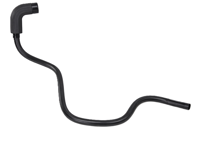

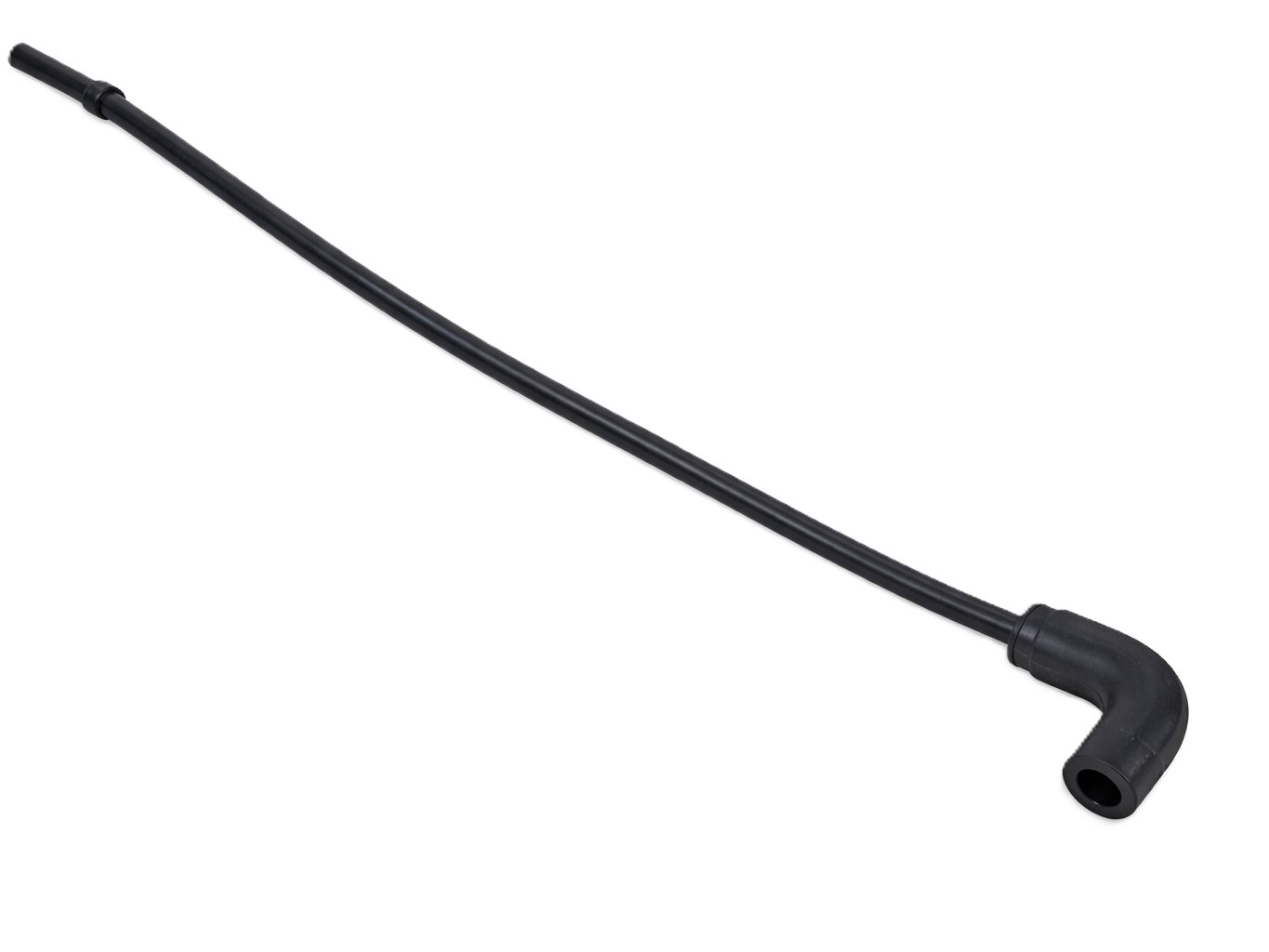
Maintain proper engine vacuum function and system performance with the Vacuum Hose. This OE MATCH hose is designed to transfer vacuum pressure between engine components, supporting correct operation of vacuum-controlled systems such as emissions controls, intake functions, and various engine management components.
Fits:
- Porsche 958 Cayenne S V6 3.0L Hybrid (380Hp) 2010-17
- Porsche 970.1 Panamera S Hybrid V6 3.0L 2011-13
- Porsche 970.2 Panamera S E-Hybrid V6 3.0L (416Hp) 2014-16
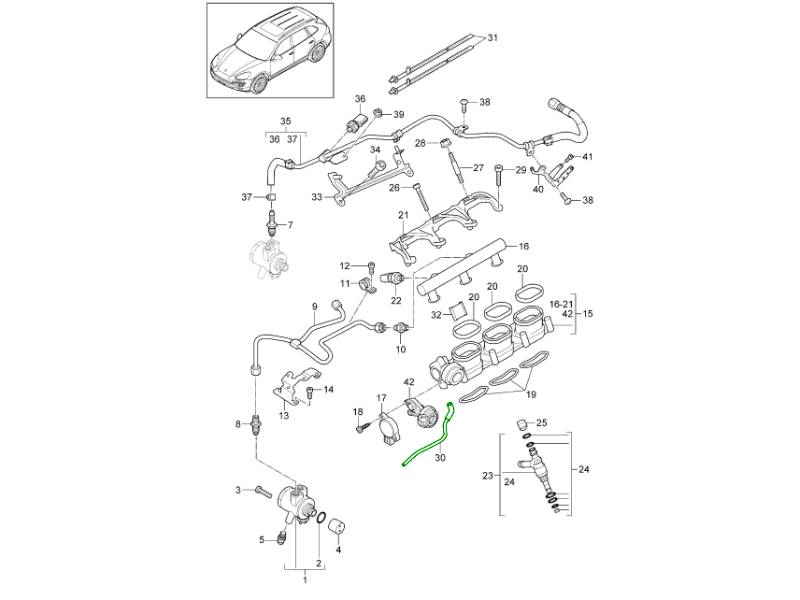
Diagram Ref No 30
What This Product Does:
- Carries vacuum pressure from the intake system to connected components
- Supports proper operation of emissions and engine control systems
- Assists in regulating airflow and system actuation
- Helps maintain smooth engine performance and efficiency
- Prevents vacuum leaks that can affect drivability
Symptoms Of Wear Or Failure:
- Check engine light (vacuum leak-related fault codes)
- Rough idle or unstable engine RPM
- Hesitation or loss of power during acceleration
- Poor fuel economy
- Engine misfires
- Whistling or hissing sound from the engine bay
- Hard starting or extended cranking
- Vacuum-controlled components not working properly
- Cracked, brittle, or collapsed hose material
- Loose or leaking hose connections
Why Replacement Matters:
- Replacing a worn vacuum hose is important because it ensures proper vacuum pressure is delivered to critical engine systems. Over time, heat and engine bay conditions can cause the hose to crack, harden, or leak.
- If a vacuum leak develops, it can lead to rough idle, poor fuel economy, reduced engine performance, and trigger check engine lights. In some cases, vacuum-controlled components may stop functioning correctly.
- Installing a new vacuum hose helps restore proper engine operation, maintain efficiency, prevent drivability issues, and support long-term system reliability.
Related reference numbers
Related, superseded, cross reference or alternative numbers for comparison.
95811079
The product you are viewing cross references to these numbers
- Porsche 958 Cayenne S V6 3.0L Hybrid (380Hp) 2010-17
- Porsche 970.1 Panamera S Hybrid V6 3.0L 2011-13
- Porsche 970.2 Panamera S E-Hybrid V6 3.0L (416Hp) 2014-16
 Shop Securely
 12 Month Warranty
 Worldwide Delivery
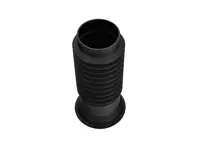
Sold each - 2 required per car
Fits:
Porsche 991.1 Carrera 2014-16
with Standard chassis (option code: 029)
with PASM w/o lowering (option code: 477)
Porsche 991.2 Carrera 2017-19
with option code: 352 - Electronic damper control for PASM and PDCC
with option code: 475 - PASM electronic damper control
with option code: 477 - PASM w/o lowering
Porsche 991 Turbo 2014-20
with option code: 352 - Electronic damper control for PASM and PDCC
with option code: 475 - PASM electronic damper control
Porsche 992.1 Carrera 2019 - 2024
Porsche 992 Turbo 2020 - 2024
with option code: 1BH - Suspension/shock absorption, Standard 2
Porsche 992 DAKAR
with option code: 1BM - Standard suspension/shock absorption
with option code: 2UM - Chassis with increased ride height 2
Porsche 992.2 - 2024>>
Porsche 992.2 Turbo - 2024>>
with option code: 1BH - Suspension/shock absorption, Standard 2
Diagram ref no 6
Related reference numbers
Related, superseded, cross reference or alternative numbers for comparison.
9P1512137
The product you are viewing cross references to these numbers

- Porsche 991.1 Carrera C2 3.4L (350 Bhp) 2012-16
- Porsche 991.1 Carrera C2S / GTS 3.8L (400/430 Bhp) 2012-16
- Porsche 991.1 Carrera C4 3.4L (350 Bhp) 2012-16
- Porsche 991.1 Carrera C4S / GTS 3.8L (400/430 Bhp) 2012-16
- Porsche 991.1 Turbo 3.8L (520 Bhp) 2014-16
- Porsche 991.1 Turbo S 3.8L (560 Bhp) 2014-16
- Porsche 991.2 Carrera 2 3.0L (370 Bhp) 2016-19
- Porsche 991.2 Carrera 2S / GTS 3.0L (420/450 Bhp) 2016-19
- Porsche 991.2 Carrera 4 3.0L (370 Bhp) 2016-19
- Porsche 991.2 Carrera 4S / GTS 3.0L (420/450 Bhp) 2016-19
- Porsche 991.2 Cabriolet 2 3.0L (370 Bhp) 2016-19
- Porsche 991.2 Cabriolet 2S / GTS 3.0L (420/450 Bhp) 2016-19
- Porsche 991.2 Cabriolet 4 3.0L (370 Bhp) 2016-19
- Porsche 991.2 Cabriolet 4S / GTS 3.0L (420/450 Bhp) 2016-19
- Porsche 991.2 Targa 4 3.0L (370 Bhp) 2016-19
- Porsche 991.2 Targa 4S / GTS 3.0L (420/450 Bhp) 2016-19
- Porsche 991.2 Turbo Coupe 3.8L (540 Bhp) 2016-19
- Porsche 991.2 Turbo S Coupe 3.8L (580 Bhp) 2016-19
- Porsche 991.2 Turbo Cabriolet 3.8L (540 Bhp) 2016-19
- Porsche 991.2 Turbo S Cabriolet 3.8L (580 Bhp) 2016-19
- Porsche 992.1 Carrera 2 3.0L 2019-24
- Porsche 992.1 Carrera 4 3.0L 2019-24
- Porsche 992.1 Carrera 2 Cabriolet 3.0L 2019-24
- Porsche 992.1 Carrera 4 Cabriolet 3.0L 2019-24
- Porsche 992.1 Carrera 2S / GTS 3.0L 2019-24
- Porsche 992.1 Carrera 4S / GTS 3.0L 2019-24
- Porsche 992.1 Carrera 2S / GTS Cabriolet 3.0L 2019-24
- Porsche 992.1 Carrera 4S / GTS Cabriolet 3.0L 2019-24
- Porsche 992.1 Targa 4 3.0L 2020-24
- Porsche 992.1 Targa 4S / GTS 3.0L 2020-24
- Porsche 992.1 Turbo 3.8L 2020-24
- Porsche 992.1 Turbo S 3.8L 2020-24
- Porsche 992.1 Turbo Cabriolet 3.8L 2020-24
- Porsche 992.1 Turbo S Cabriolet 3.8L 2020-24
- Porsche 992.1 (911) Dakar 3.0L 2023-24
- Porsche 992.2 Carrera 2 3.0L 2024>>
- Porsche 992.2 Carrera 2 GTS 3.6L 2024>>
- Porsche 992.2 Carrera 4 GTS 3.6L 2024>>
- Porsche 992.2 Carrera 2 3.0L Cabriolet 2024>>
- Porsche 992.2 Carrera 2 GTS 3.6L Cabriolet 2024>>
- Porsche 992.2 Carrera 4 GTS 3.6L Cabriolet 2024>>
- Porsche 992.2 Targa 4 GTS 3.6L 2024>>
- Porsche 992.2 Turbo 3.6L 2024>>
Shop Securely
12 Month Warranty
Worldwide Delivery
 Express Delivery
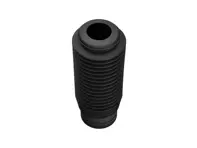
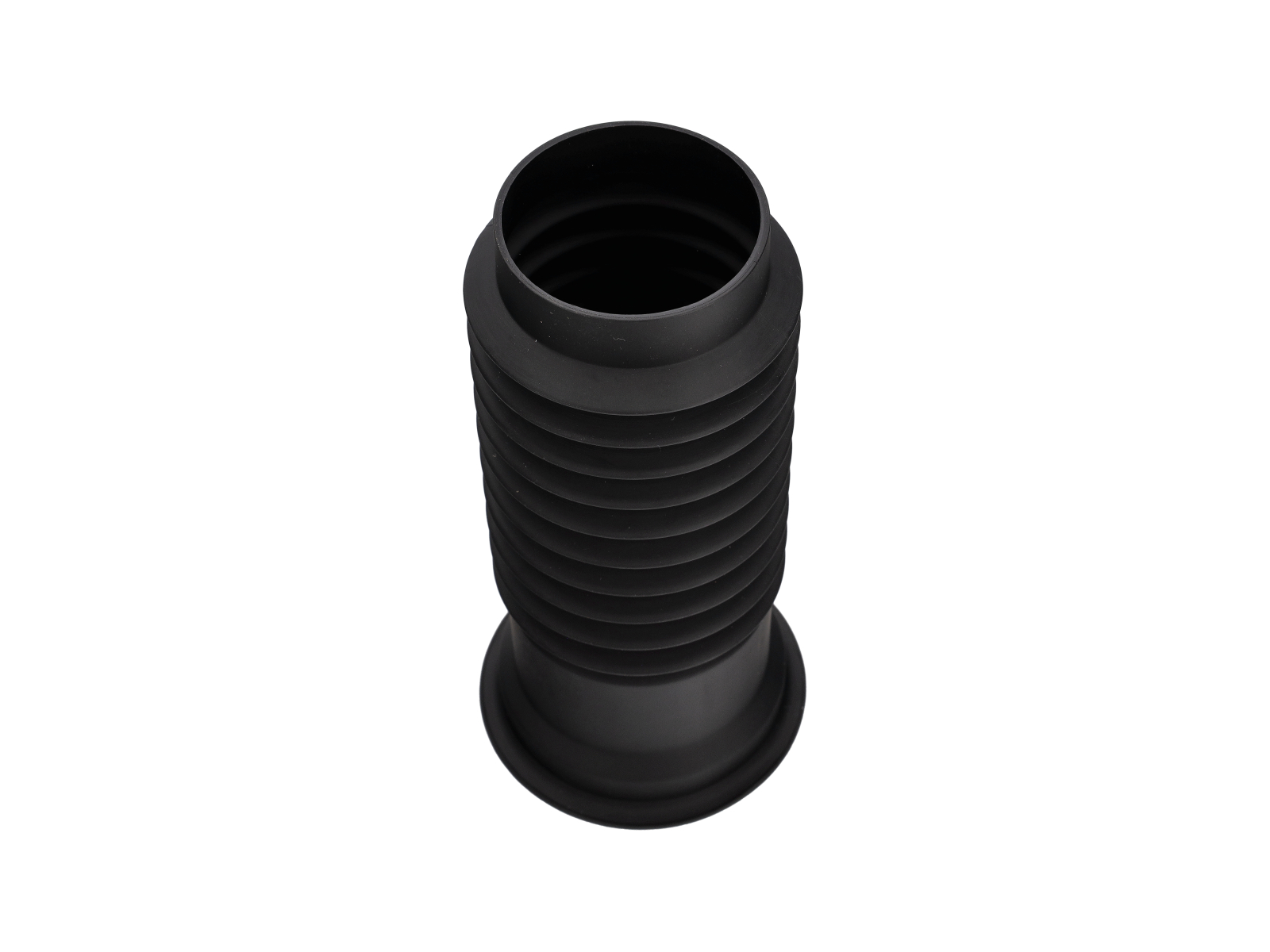
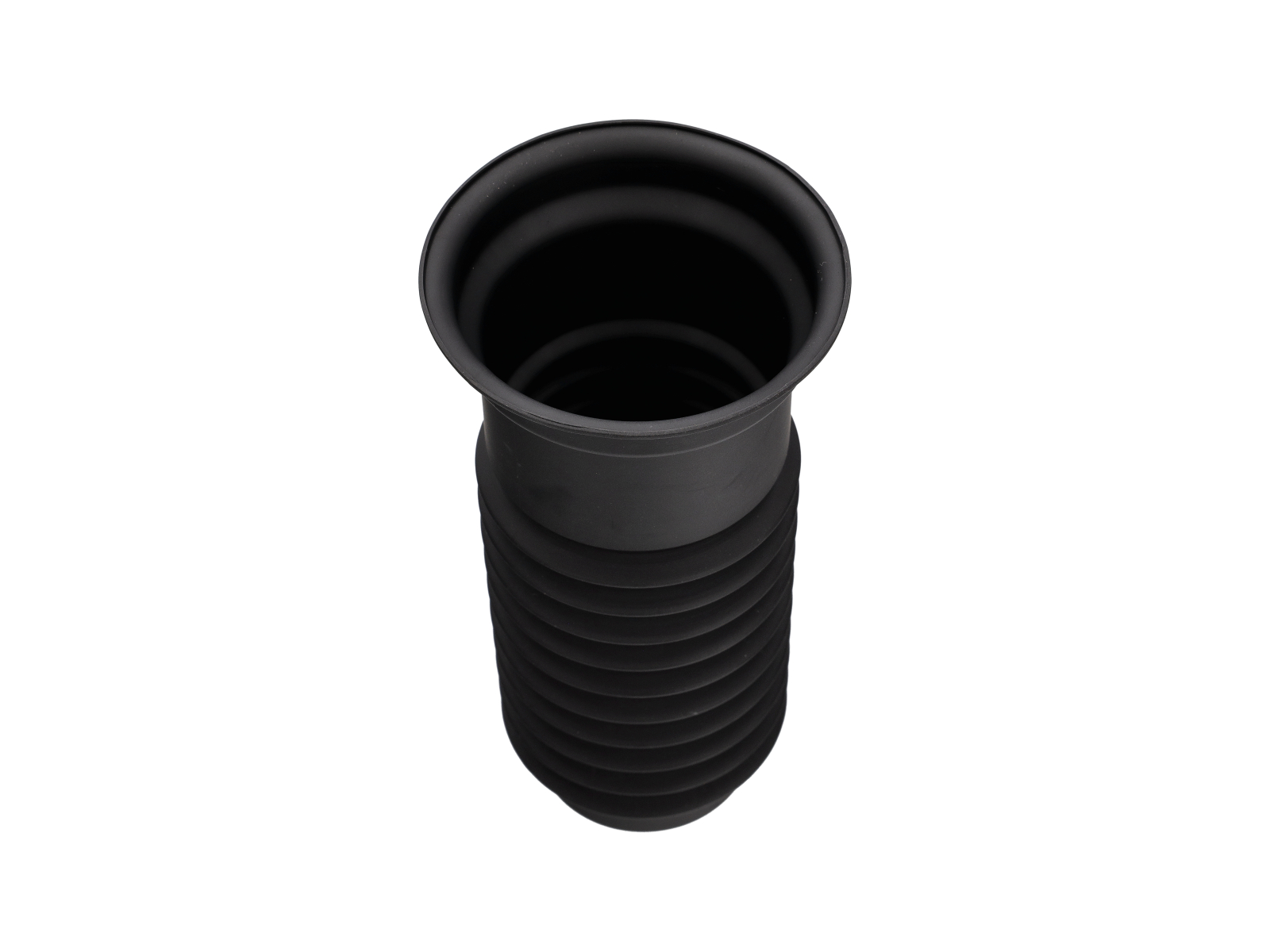
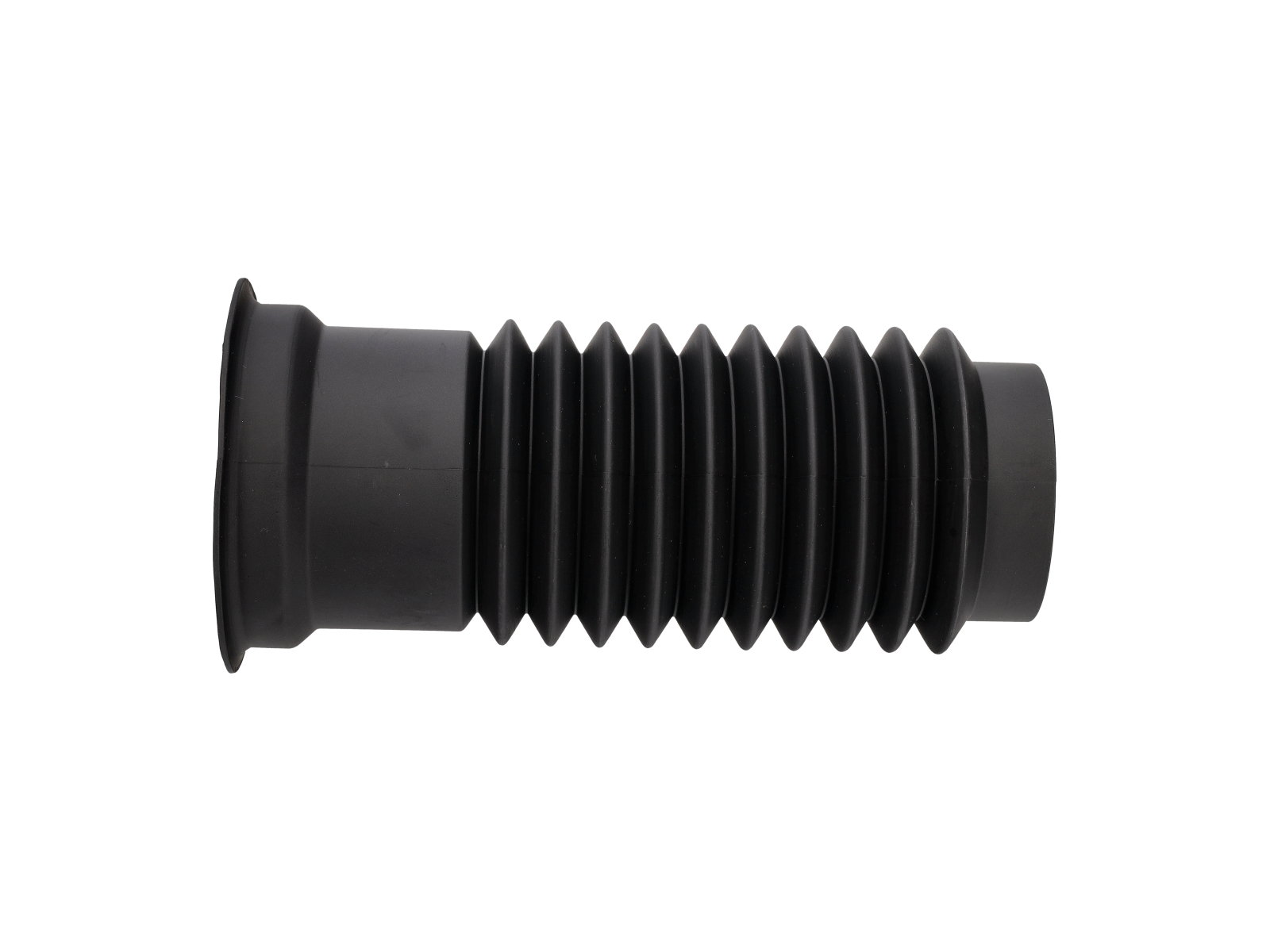
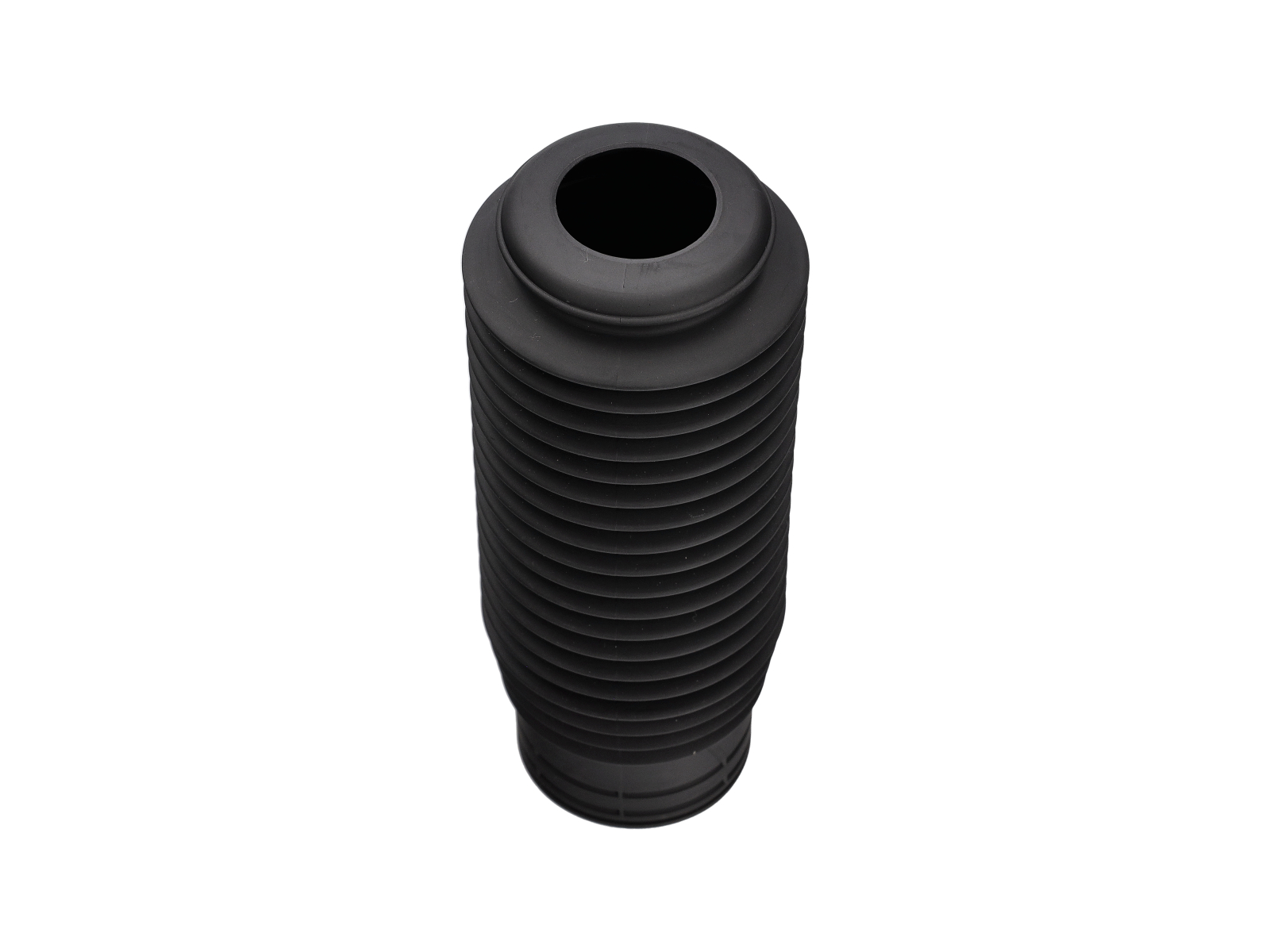
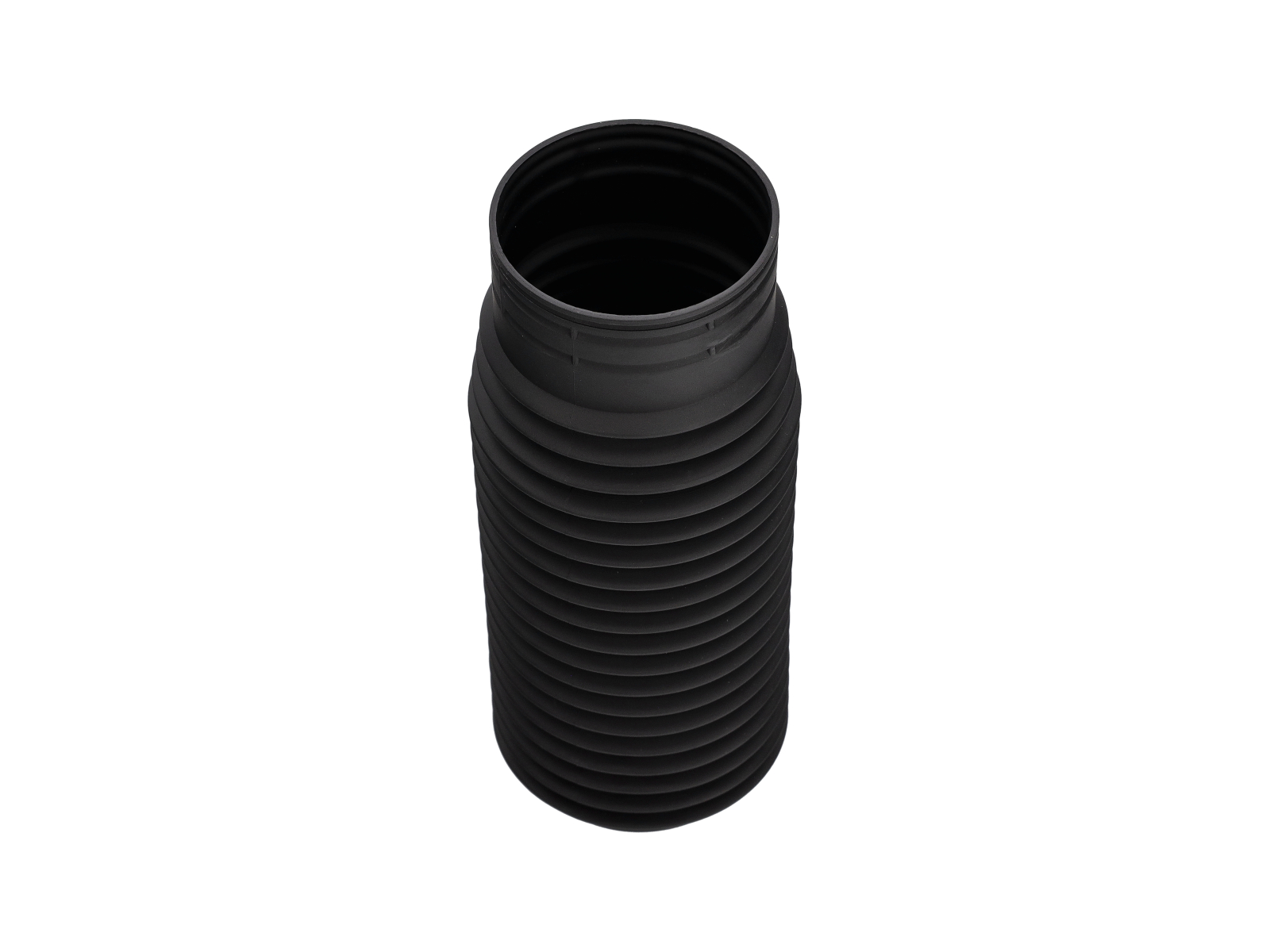
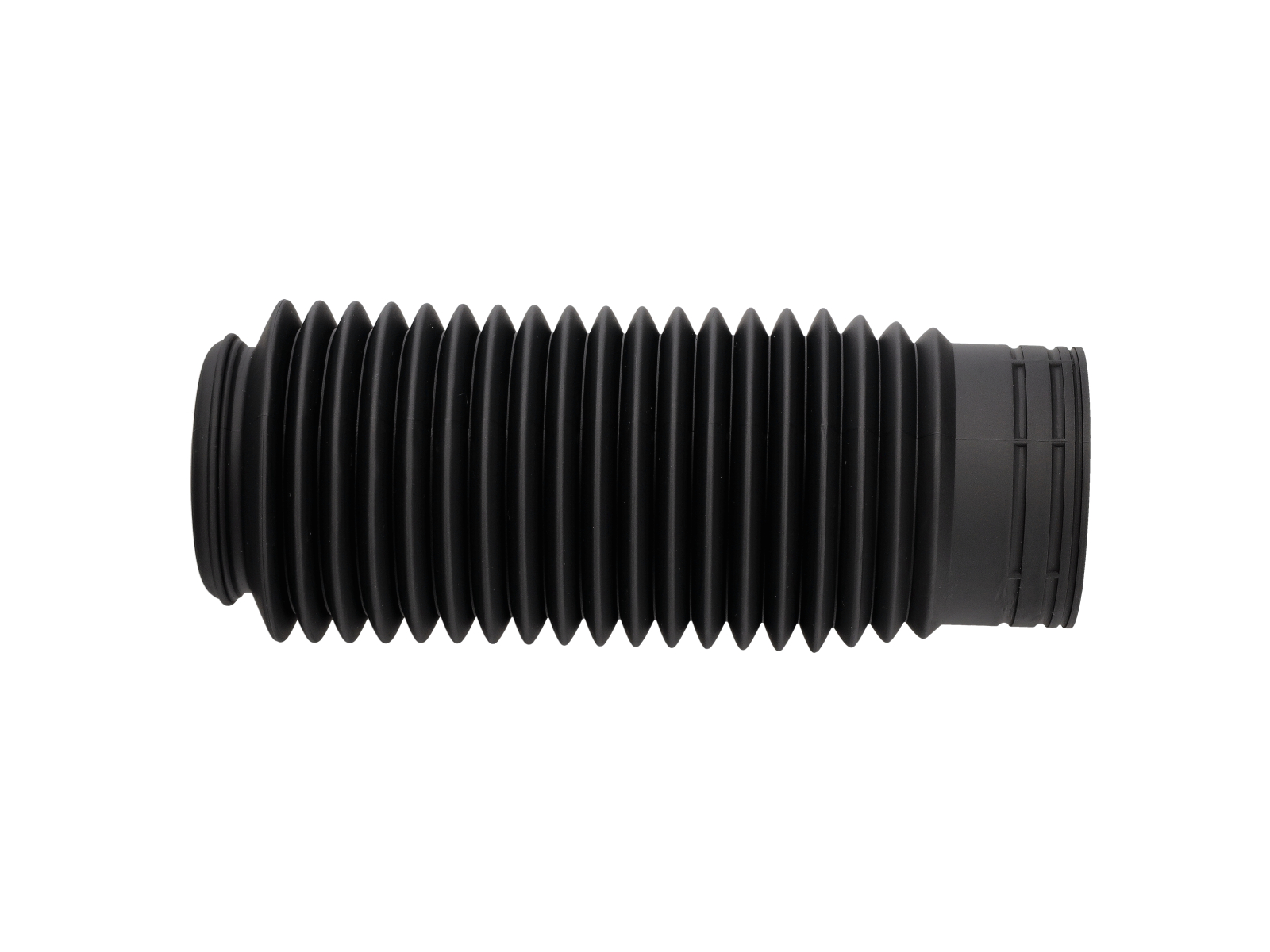
OE Match protective dust boot designed to shield the front shock absorber piston rod from dirt, debris, moisture, and road contamination.
Sold individually, 2 required per vehicle
Fits:
Porsche 981 Boxster 2012 - 2016
Porsche 981C Cayman 2014 - 2016
Porsche 981 Spyder 2016 Cars with PR:X73 Sport chassis
Porsche 982 Boxster 2017 - 2021 Cars with PASM / Sport suspension
Porsche 982C Cayman 2017 - 2021 Cars with PASM / Sport suspension
Porsche 991.1 Carrera 2012 - 2016 Cars with PASM / Sport suspension
Porsche 991.1 Turbo 2014 - 2016
Porsche 991.2 Carrera 2017 - 2016
Porsche 991.2 Turbo 2017 - 2020
Porsche 992.1 Carrera 2019 - 2024
Porsche 992.1 Turbo 2020 - 2022
Porsche 992.2 Carrera 2024>>
Porsche 992.2 Turbo 2024>>
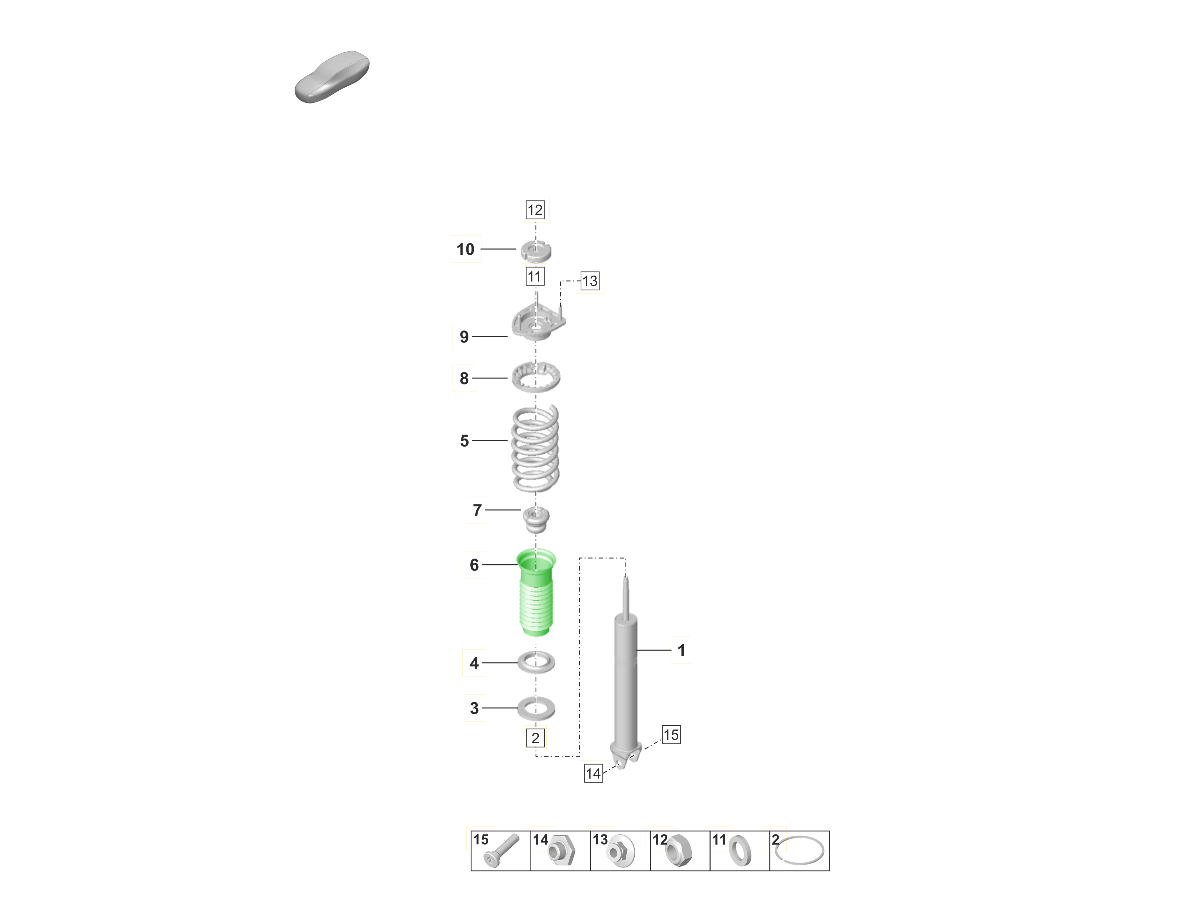
Diagram ref no 6
The front suspension on Porsche 981, 982, 991, and 992 models is engineered for precision handling and performance. The shock absorber piston rod must remain clean and free from contamination to function correctly. The bellow cover (dust boot) surrounds and protects the exposed section of the damper shaft during suspension movement.
Over time, the original rubber or elastomer bellows can crack, split, or deteriorate due to:
• Heat cycling
• Road salt exposure
• Debris impact
• Natural rubber ageing
A damaged bellow allows dirt and moisture to reach the damper shaft seal, potentially leading to premature shock absorber wear or oil leakage.
This OE Match bellow cover is manufactured to OE-equivalent material specifications for durability and flexibility. It installs directly onto the factory shock absorber assembly and is ideal when replacing dampers, servicing suspension components, or restoring worn protective boots.
Related reference numbers
Related, superseded, cross reference or alternative numbers for comparison.
9P1412137A
The product you are viewing cross references to these numbers
- Porsche Boxster 981 2.7L 2012-16
- Porsche Boxster 981 S / GTS 3.4L 2012-16
- Porsche Boxster 981 Spyder 3.8L 2016
- Porsche Boxster 718 2.0L Manual (300 Bhp) 2017>>
- Porsche Boxster 718 2.0L PDK (300 Bhp) 2017>>
- Porsche Boxster S 718 2.5L Manual (350 Bhp) 05/2017>>
- Porsche Boxster S 718 2.5L PDK (350 Bhp) 05/2017>>
- Porsche Boxster T 718 2.0L Manual (300 Bhp) 01/2019>>
- Porsche Boxster T 718 2.0L PDK (300 Bhp) 01/2019>>
- Porsche Boxster GTS 718 2.5L Manual (365 Bhp) 05/2017>>
- Porsche Boxster GTS 718 2.5L PDK (365 Bhp) 05/2017>>
- Porsche Boxster GTS 718 4.0L Manual (400 Bhp) 01/2019>>
- Porsche Boxster GTS 718 4.0L PDK (400 Bhp) 01/2019>>
- Porsche 991.1 Carrera C2 3.4L (350 Bhp) 2012-16
- Porsche 991.1 Carrera C2S / GTS 3.8L (400/430 Bhp) 2012-16
- Porsche 991.1 Carrera C4 3.4L (350 Bhp) 2012-16
- Porsche 991.1 Carrera C4S / GTS 3.8L (400/430 Bhp) 2012-16
- Porsche 991.1 Turbo 3.8L (520 Bhp) 2014-16
- Porsche 991.1 Turbo S 3.8L (560 Bhp) 2014-16
- Porsche 991.2 Carrera 2 3.0L (370 Bhp) 2016-19
- Porsche 991.2 Carrera 2S / GTS 3.0L (420/450 Bhp) 2016-19
- Porsche 991.2 Carrera 4 3.0L (370 Bhp) 2016-19
- Porsche 991.2 Carrera 4S / GTS 3.0L (420/450 Bhp) 2016-19
- Porsche 991.2 Cabriolet 2 3.0L (370 Bhp) 2016-19
- Porsche 991.2 Cabriolet 2S / GTS 3.0L (420/450 Bhp) 2016-19
- Porsche 991.2 Cabriolet 4 3.0L (370 Bhp) 2016-19
- Porsche 991.2 Cabriolet 4S / GTS 3.0L (420/450 Bhp) 2016-19
- Porsche 991.2 Targa 4 3.0L (370 Bhp) 2016-19
- Porsche 991.2 Targa 4S / GTS 3.0L (420/450 Bhp) 2016-19
- Porsche 991.2 Turbo Coupe 3.8L (540 Bhp) 2016-19
- Porsche 991.2 Turbo S Coupe 3.8L (580 Bhp) 2016-19
- Porsche 991.2 Turbo Cabriolet 3.8L (540 Bhp) 2016-19
- Porsche 991.2 Turbo S Cabriolet 3.8L (580 Bhp) 2016-19
- Porsche 992.1 Carrera 2 3.0L 2019-24
- Porsche 992.1 Carrera 4 3.0L 2019-24
- Porsche 992.1 Carrera 2 Cabriolet 3.0L 2019-24
- Porsche 992.1 Carrera 4 Cabriolet 3.0L 2019-24
- Porsche 992.1 Carrera 2S / GTS 3.0L 2019-24
- Porsche 992.1 Carrera 4S / GTS 3.0L 2019-24
- Porsche 992.1 Carrera 2S / GTS Cabriolet 3.0L 2019-24
- Porsche 992.1 Carrera 4S / GTS Cabriolet 3.0L 2019-24
- Porsche 992.1 Targa 4 3.0L 2020-24
- Porsche 992.1 Targa 4S / GTS 3.0L 2020-24
- Porsche 992.1 Speedster 4.0L 2019-24
- Porsche 992.1 Turbo 3.8L 2020-24
- Porsche 992.1 Turbo S 3.8L 2020-24
- Porsche 992.1 Turbo Cabriolet 3.8L 2020-24
- Porsche 992.1 Turbo S Cabriolet 3.8L 2020-24
- Porsche 992.2 Carrera 2 3.0L 2024>>
- Porsche 992.2 Carrera 2 GTS 3.6L 2024>>
- Porsche 992.2 Carrera 4 GTS 3.6L 2024>>
- Porsche 992.2 Carrera 2 3.0L Cabriolet 2024>>
- Porsche 992.2 Carrera 2 GTS 3.6L Cabriolet 2024>>
- Porsche 992.2 Carrera 4 GTS 3.6L Cabriolet 2024>>
- Porsche 992.2 Targa 4 GTS 3.6L 2024>>
- Porsche 992.2 Turbo 3.6L 2024>>
- Porsche Cayman 2.7L 981 2013-16
- Porsche Cayman S / GTS 3.4L 981 2013-16
- Porsche Cayman 718 2.0L Manual (300 Bhp)
- Porsche Cayman 718 2.0L PDK (300 Bhp)
- Porsche Cayman S 718 2.5L Manual (350 Bhp)
- Porsche Cayman S 718 2.5L PDK (350 Bhp)
- Porsche Cayman T 718 2.0L Manual (300 Bhp)
- Porsche Cayman T 718 2.0L PDK (300 Bhp)
- Porsche Cayman GTS 718 2.5L Manual (365 Bhp)
- Porsche Cayman GTS 718 2.5L PDK (365 Bhp)
- Porsche Cayman GTS 718 4.0L Manual (400 Bhp)
- Porsche Cayman GTS 718 4.0L PDK (400 Bhp)
Shop Securely
12 Month Warranty
Worldwide Delivery
Express Delivery
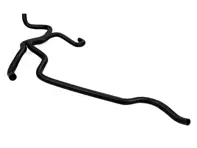
Maintain proper engine cooling and system efficiency with the Coolant Hose. This OE MATCH hose is designed to transfer coolant between key cooling system components, supporting consistent circulation and reliable temperature regulation.
Fits:
- Porsche 958 Cayenne V6 3.6L Petrol (300Hp) 2013-17
- Porsche 958 Cayenne V6 3.0L Diesel (245Hp) 2013-17
- Porsche 958 Cayenne S V6 3.0L Hybrid (380Hp) 2013-14
Diagram Ref No 17
What This Product Does:
- Carries coolant between cooling system components
- Maintains steady coolant flow through the engine circuit
- Supports efficient heat dissipation via the radiator
- Helps stabilize engine operating temperature
- Prevents overheating by ensuring continuous coolant movement
Symptoms Of Wear Or Failure:
- Coolant leaks under the vehicle or in the engine bay
- Low coolant warning light
- Frequent coolant top-offs
- Engine overheating or rising temperature gauge
- Sweet coolant smell from the engine compartment
- Steam from under the hood in severe cases
- Cracks, splits, or dry rot on the hose surface
- Bulging or swelling from internal weakening
- Soft, spongy, or brittle hose texture
- Coolant residue or dampness around hose clamps or fittings
- Replacing a worn coolant hose is important because it ensures proper coolant circulation and stable engine temperature control. Over time, heat, pressure, and coolant exposure can cause the hose to weaken, crack, or leak.
- If the hose fails, coolant loss can quickly lead to engine overheating and potentially serious engine damage. Even minor leaks can reduce cooling efficiency and place extra strain on the cooling system.
- Installing a new coolant hose helps prevent leaks, restore reliable coolant flow, and protect the engine from costly overheating-related repairs.
Related reference numbers
Related, superseded, cross reference or alternative numbers for comparison.
95810650910
The product you are viewing cross references to these numbers
- Porsche 958 Cayenne V6 3.6L Petrol (300Hp) 2010-17
- Porsche 958 Cayenne V6 3.0L Diesel (245Hp) 2010-17
- Porsche 958 Cayenne S V6 3.0L Hybrid (380Hp) 2010-17
Shop Securely
12 Month Warranty
Worldwide Delivery
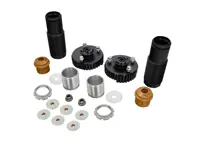
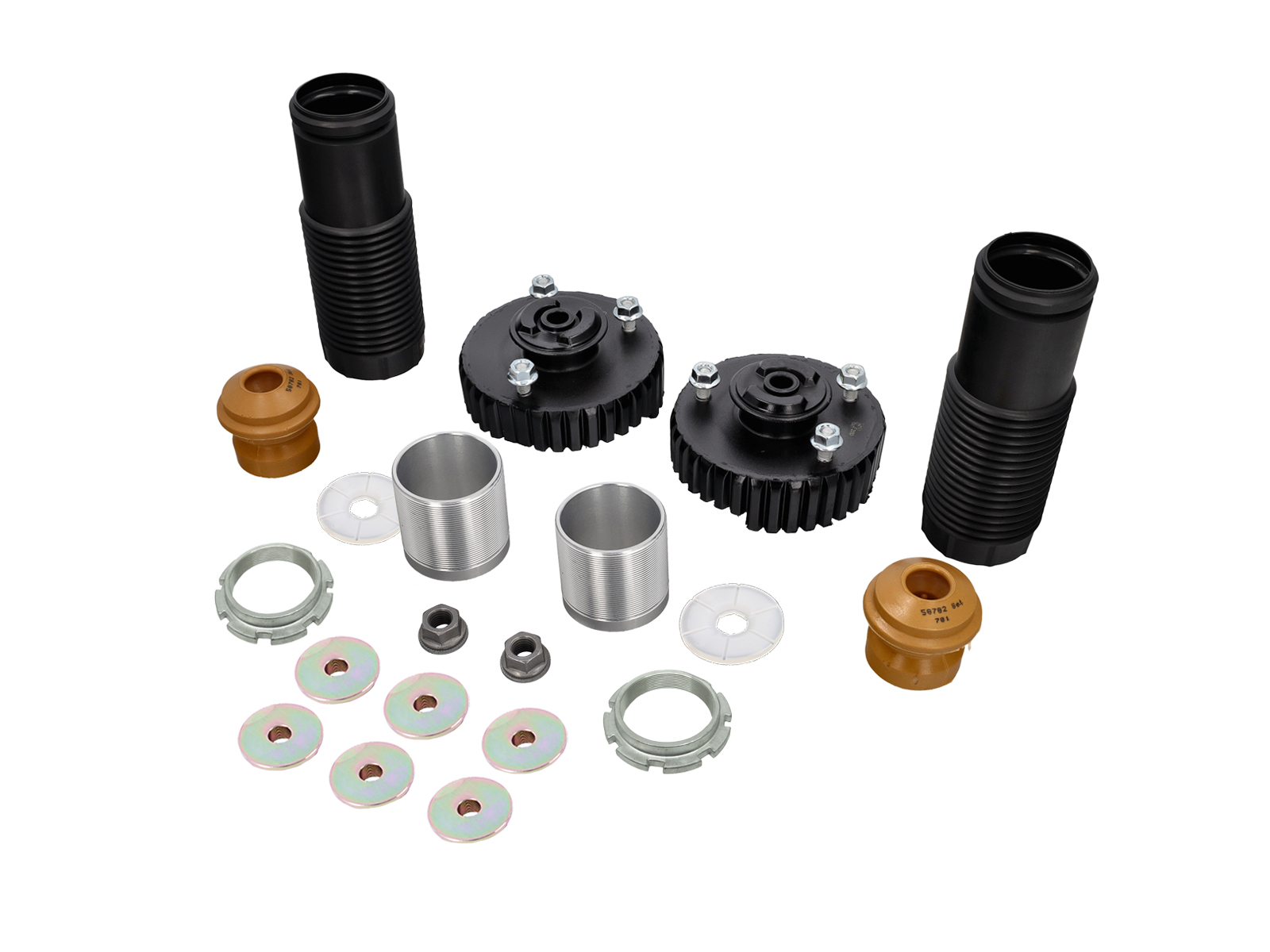
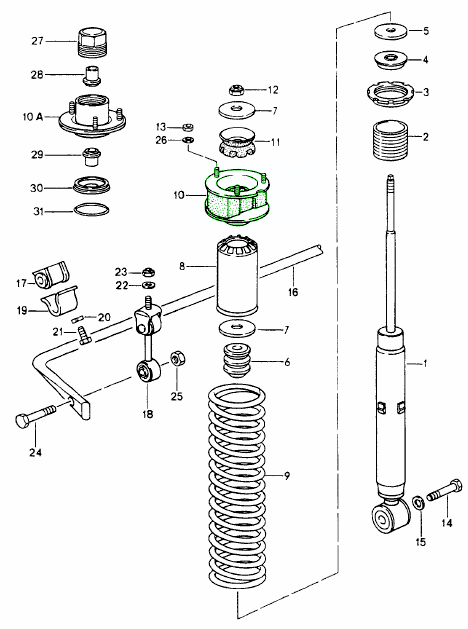
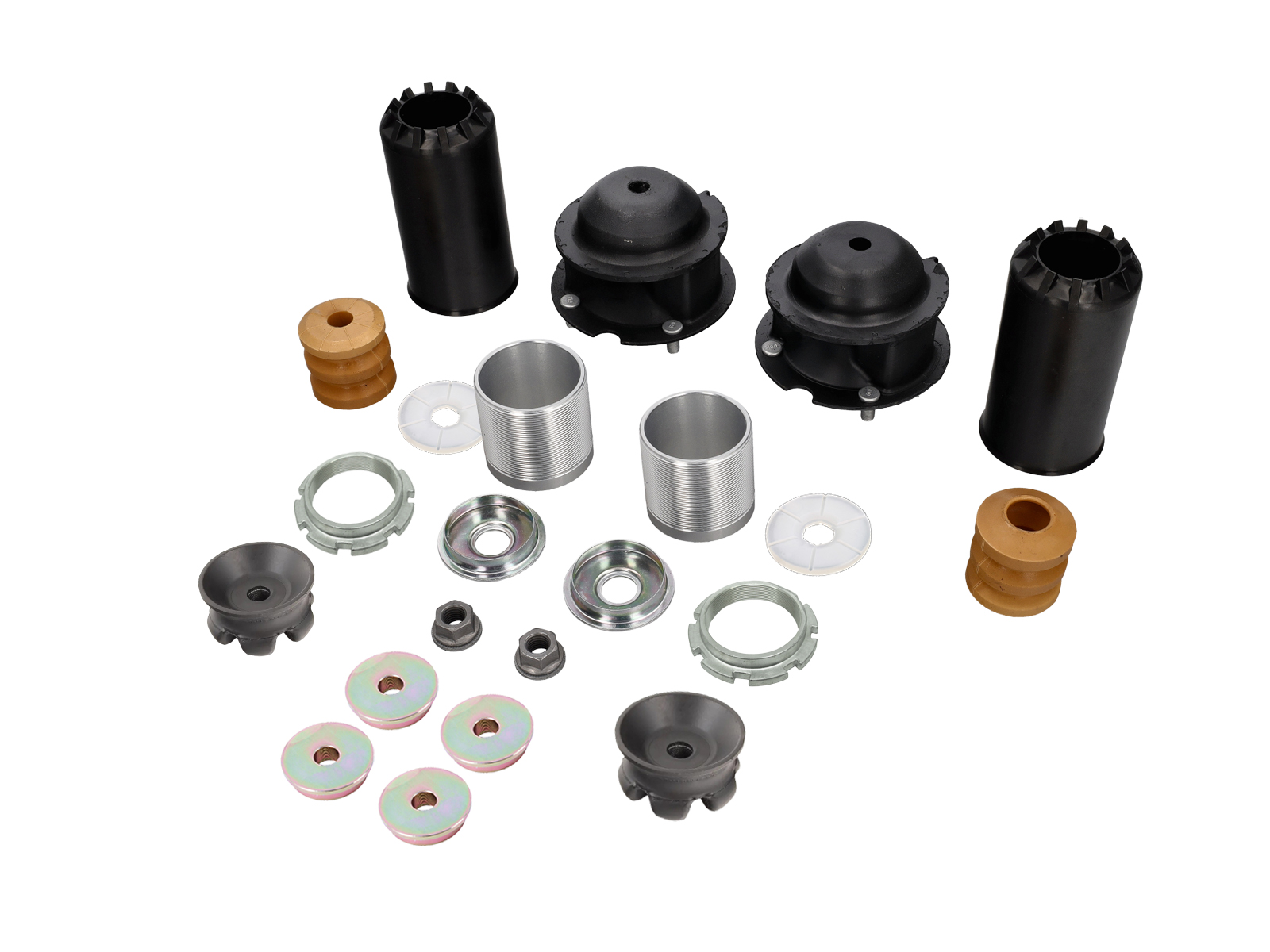
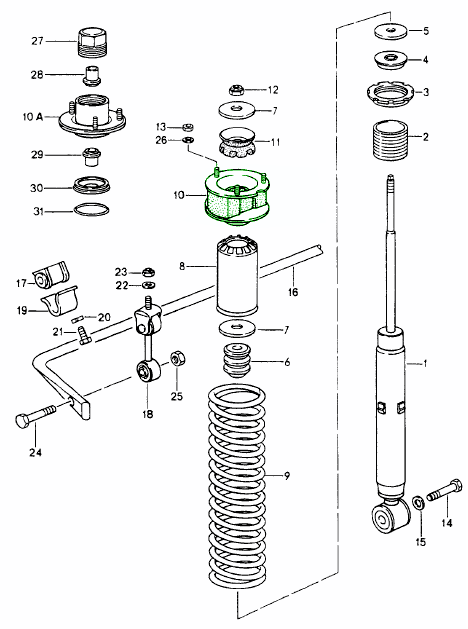
Shock absorber rear strut mounting kit for Porsche 964 models 1991 onwards, supplying the components needed to mount the rear damper correctly on the chassis.
Kit Includes:
2 x Shock absorber strut mounting, rear 96433305900
2 x Hexagon nut 99908462101
6 x Shock Absorber Washer. 96433310700
2 x Shock absorber bump stops 96433310500
2 x Shock absorber dust covers 96433310600
2 x Washer 91133351100
2 x Shock absorber adjusting nut 96433351303
2 x Shock absorber threaded sleeve 96433351100
What This Product Does This kit provides the rear upper mounting interface between the shock absorber and the body, helping to locate the damper securely and support the suspension loads at the back of the car. Correct mounts assist with consistent geometry and can help reduce unwanted noise from the rear suspension area.
Functions
- Supports the rear shock absorber at the upper mounting point
- Helps maintain intended rear suspension alignment
- Contributes to reducing knocks, rattles and vibration from worn mounts
- Provides a bearing interface to allow suspension movement where applicable
Symptoms of Fault
- Knocking or clunking noises from the rear over bumps
- Vague or unsettled feel from the rear of the car
- Rattles linked to loose or perished rear mounting hardware
- Visible deterioration or cracking of the rear top mount
- Premature wear or damage to rear dampers from poor mounting support
Why Replacement Matters Rear strut mounts on Porsche 964 models carry significant load and are exposed to constant movement and vibration. Over time, rubber components can harden or crack and bearings or hardware can wear, leading to noise and inconsistent damper control. Renewing rear mounts and related hardware when fitting new dampers, or when noise and play are found, supports accurate geometry and can help avoid repeat labour later. Using an OE-equivalent kit tailored to Porsche applications assists with correct fitment when refreshing ageing suspension.
Fits
- Porsche 964 (911) (1989–1994)
- Porsche 964 (911) C2 1989–93
- Porsche 964 (911) C4 1989–93
- Porsche 964 (911) Turbo 3.3L 1991–93
- Porsche 964 (911) Turbo 3.6L 1991–93
FAQs
- Q: Should rear strut mounts be replaced with new rear dampers?
A: They are often renewed at the same time, especially if original or showing signs of wear, to avoid reusing tired mounts. - Q: Could rear knocking be caused by parts other than the damper?
A: Yes, rear top mounts, drop links and bushes are common sources of knocking and should be inspected alongside the dampers. - Q: Any practical tip when fitting a kit like this?
A: Compare the kit contents with the Porsche parts diagram and your existing hardware before starting work so you know what is included and what may still be required.
Related reference numbers
Related, superseded, cross reference or alternative numbers for comparison.
96433305900
The product you are viewing cross references to these numbers
- Porsche 964 (911) C2 1989-93
- Porsche 964 (911) C4 1989-93
- Porsche 964 (911) TURBO 3.3L 1991-93
- Porsche 964 (911) TURBO 3.6L 1991-93
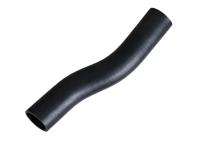
Maintain proper engine cooling performance with the Coolant Hose. This OE MATCH hose is designed to transfer coolant between key components of the engine cooling system, ensuring consistent circulation and effective heat management.
Fits:
- Porsche 958 Cayenne V6 3.6L Petrol (300Hp) 2010-17
- Porsche 958 Cayenne V6 3.0L Diesel (245Hp) 2010-17
Diagram Ref No 13
What This Product Does:
- Transfers coolant between cooling system components
- Maintains continuous coolant flow through the engine circuit
- Supports efficient heat dissipation via the radiator
- Helps stabilize engine operating temperature
- Prevents overheating by ensuring steady coolant movement
Symptoms Of Wear Or Failure:
- Coolant leaks under the vehicle or in the engine bay
- Low coolant warning light
- Frequent coolant top-offs
- Engine overheating or rising temperature gauge
- Sweet coolant smell from the engine compartment
- Steam from under the hood in severe cases
- Cracks, splits, or dry rot on the hose surface
- Bulging or swelling from internal weakening
- Soft, spongy, or brittle hose texture
- Coolant residue or dampness around hose fittings or clamps
- Replacing a worn coolant hose is essential for maintaining proper coolant circulation and stable engine temperatures. Over time, heat, pressure, and constant exposure to coolant can cause the hose to crack, weaken, or leak.
- If the hose fails, coolant loss can quickly lead to overheating and potentially serious engine damage. Even minor leaks can reduce cooling efficiency and increase strain on the entire cooling system.
- Installing a new coolant hose helps prevent leaks, restore reliable coolant flow, and protect the engine from costly overheating-related repairs.
Related reference numbers
Related, superseded, cross reference or alternative numbers for comparison.
95810632200
The product you are viewing cross references to these numbers
- Porsche 958 Cayenne V6 3.6L Petrol (300Hp) 2010-17
- Porsche 958 Cayenne V6 3.0L Diesel (245Hp) 2010-17
Shop Securely
12 Month Warranty
Worldwide Delivery
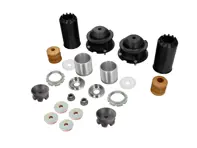
Shock absorber rear strut mounting kit for Porsche 964 models up to 1990, This kit is to support correct rear damper mounting on 964 (911) variants.
What This Product Does This kit provides key rear shock absorber mounting components so the damper is correctly located, helping to control noise, vibration and harsh impacts and reducing the risk of premature rear damper wear.
Kit Includes:
2 x Shock absorber strut mounting.(96433306404)
2 x Hexagon nut (99908462101)
4 x thrust ring (96433351701)
2 x Shock Absorber Top Mount Rubber Insert (96433306903)
2 x Shock absorber bump stops (92833351810)
2 x Shock absorber dust covers (96433350201)
2 x Washer (91133351100)
2 x Shock Absorber Supporting Cover (92833355100)
2 x Shock absorber adjusting nut.(96433351303)
Functions
- Securely mounts the rear shock absorber to the body and suspension
- Helps control impact loads and damper movement
- Supports correct operation of the rear suspension
- Assists in reducing knocks and rattles from the rear damper area
Symptoms of Fault
- Knocking or rattling noises from the rear suspension area
- Harsh impacts over bumps from failed or missing bump stops or mounts
- Vague or unsettled feel from the rear of the car
- Visible damage, perishing or play in rear shock mounts or related hardware
- Signs of premature rear damper wear or movement at the mount points
Why Replacement Matters
Rear shock absorber mounting parts are often renewed when fitting new dampers to avoid reusing worn mounts, bushes or hardware that can introduce noise or poor damper control. Using an OE Match kit allows you to replace multiple related parts together so components are matched to each other and to the intended Porsche specification, helping maintain consistent behaviour from the rear suspension as the car ages.
Fits
- Porsche 964 (911) (1989–1994)
- Porsche 964 (911) C2 1989–93
- Porsche 964 (911) C4 1989–93
FAQs
- Q: Is this type of kit vehicle-specific?
A: Kits like this are generally specified for particular Porsche models and years, so always confirm coverage for your 964 (model year and variant) before use. - Q: Does a kit normally include all one-time-use hardware?
A: Not in every case. Check the listed or supplied contents to see whether bolts, clips and other hardware are included or need to be sourced separately. - Q: Any fitting tip for suspension kits?
A: Compare the kit contents with the relevant Porsche PET diagram and your job list so you understand exactly which mounts and fixings are covered and what else you may want to renew while access is available.
Related reference numbers
Related, superseded, cross reference or alternative numbers for comparison.
96433306404
The product you are viewing cross references to these numbers
- Porsche 964 (911) C2 1989-93
- Porsche 964 (911) C4 1989-93
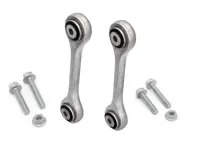
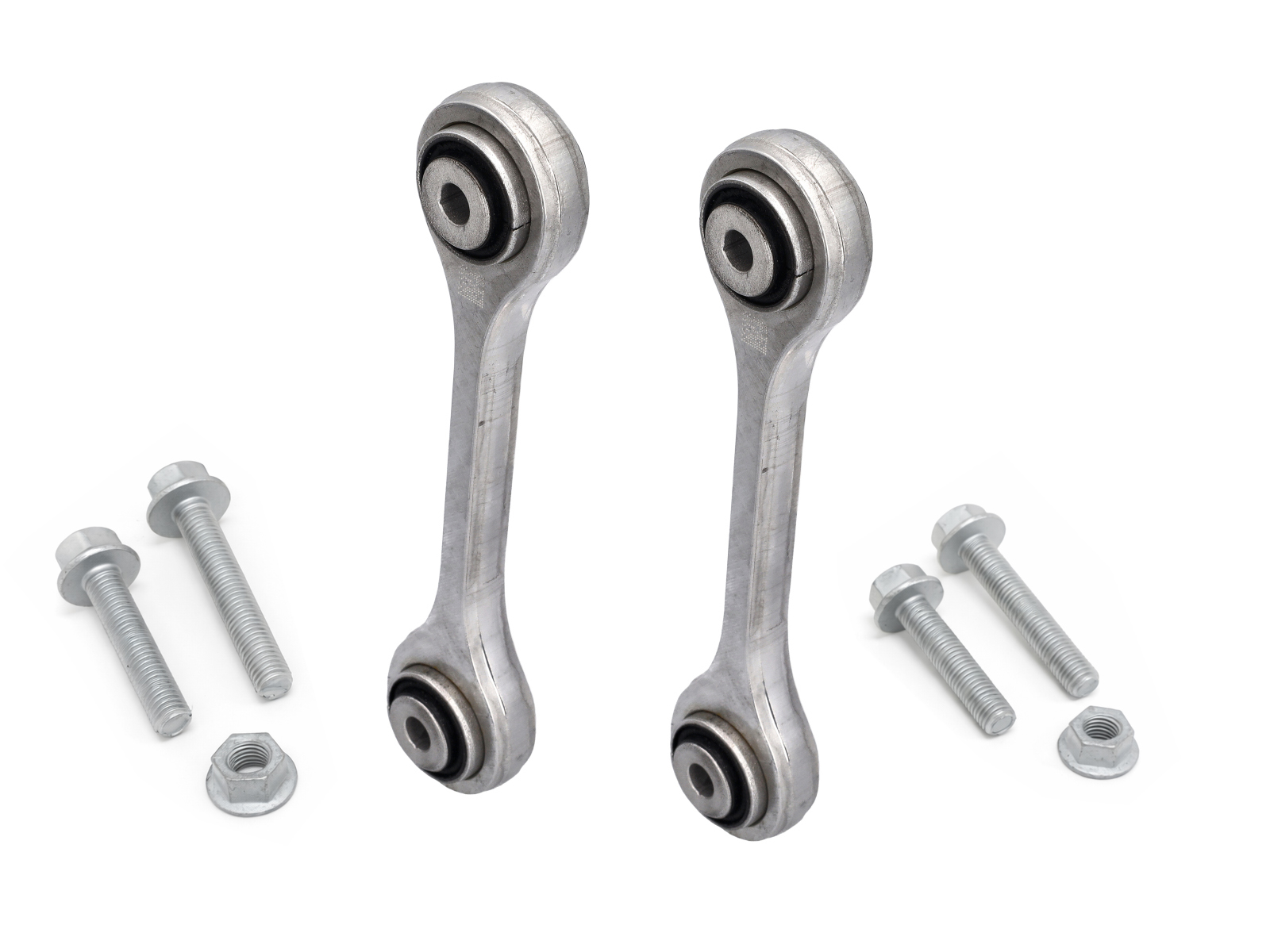
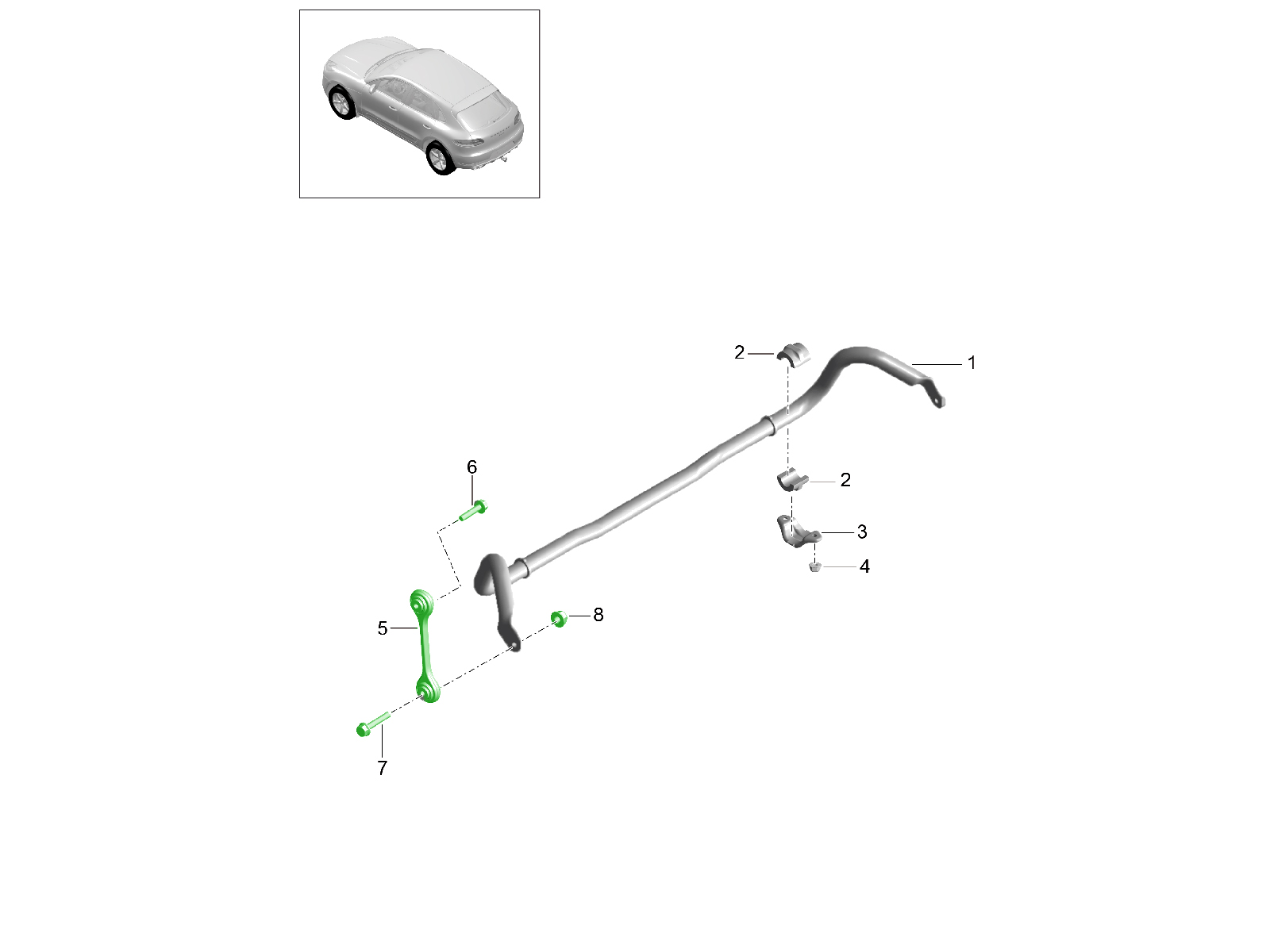
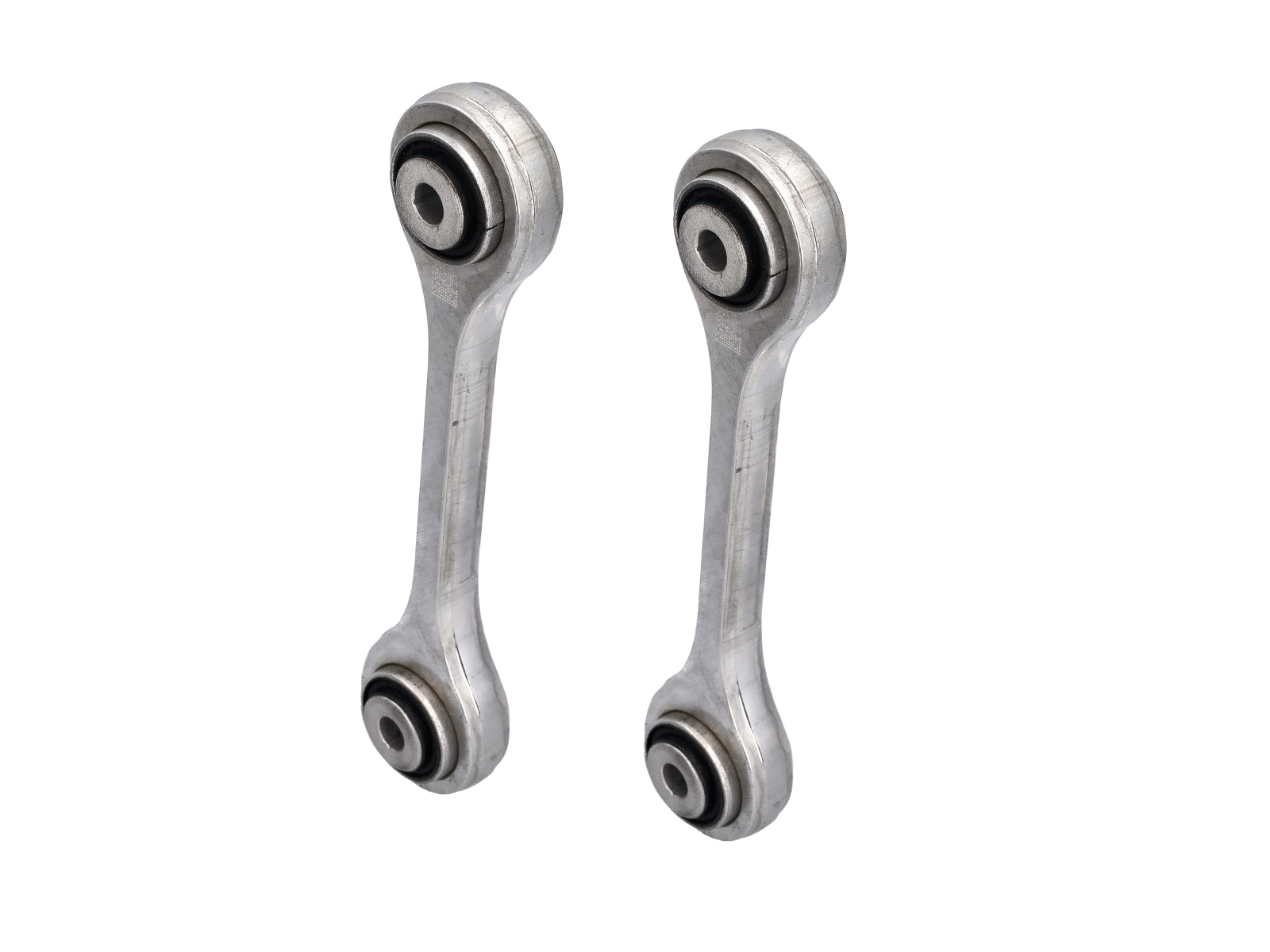
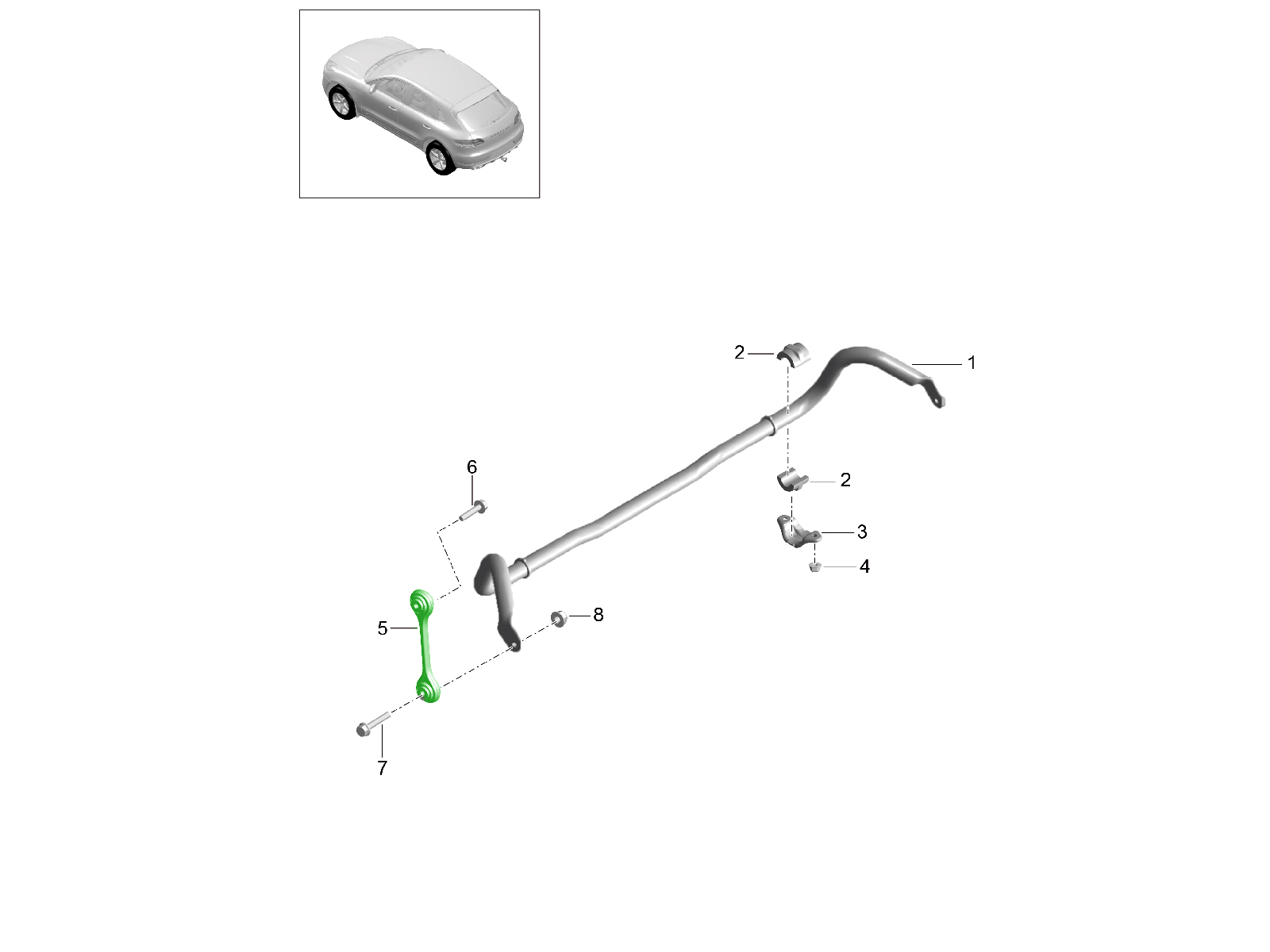
This OE Match Set of 2 Front Anti-Roll Bar Drop Links includes both left and right stabiliser links, supplied together with genuine Porsche mounting bolts and nuts for correct and secure installation. Designed for Porsche Macan (95B) models, this complete kit restores front stabiliser bar function with factory-correct hardware.
SET OF 2, drop links and hardware
Fits:
Porsche 95B.1 Macan 2014 - 2018
Diagram ref no. 5, 6, 7 and 8
The anti-roll (stabiliser) bar system plays a vital role in maintaining vehicle balance and reducing body roll during cornering. The drop links connect the stabiliser bar to the suspension strut or control arm, transmitting roll forces and ensuring consistent chassis control.
Over time, drop link ball joints can wear due to constant articulation, road impact, and environmental exposure.
This often results in:
• Knocking or clunking noises over bumps
• Increased body lean
• Reduced steering precision
• Uneven stabiliser bar loading
Replacing both drop links together ensures balanced suspension response and restores proper roll control.
This kit includes:
• 2× OE Match Front Drop Links (OE ref no PAB411317B)
• Genuine Porsche Bolts and Nuts (factory-spec mounting hardware)
Using genuine hardware ensures proper torque retention, thread compatibility, and long-term installation security - especially important on high-load suspension components. Each OE Match drop link is manufactured to match original Porsche geometry, thread pitch, and articulation range for direct bolt-on fitment without modification.
Related reference numbers
Related, superseded, cross reference or alternative numbers for comparison.
DROPLINKKIT.95B-1.OEM
The product you are viewing cross references to these numbers
- Porsche 95B.1 Macan Petrol 2.0L (237Bhp) 2014-18
- Porsche 95B.1 Macan S Petrol 3.0L V6 (340Bhp) 2014-18
- Porsche 95B.1 Macan S Diesel 3.0L V6 (258Bhp) 2014-18
- Porsche 95B.1 Macan GTS Petrol 3.0L V6 (360Bhp) 2014-18
- Porsche 95B.1 Macan Turbo 3.6L V6 (400Bhp) 2014-18
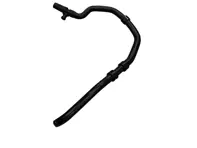
Ensure dependable engine cooling performance with the Coolant Hose. This OE MATCH hose is engineered to transfer coolant between essential components of the engine cooling system, maintaining proper circulation and temperature regulation.
Fits:
- Porsche 958 Cayenne V6 3.6L Petrol (300Hp) 2010-17
- Porsche 958 Cayenne V6 3.0L Diesel (245Hp) 2010-17
Diagram Ref No 14
What This Product Does:
- Carries coolant between key cooling system components
- Maintains continuous coolant flow throughout the engine circuit
- Supports efficient heat dissipation via the radiator
- Helps stabilize engine operating temperature
- Prevents overheating by ensuring proper coolant movement
Symptoms Of Wear Or Failure:
- Coolant leaks under the vehicle or within the engine bay
- Low coolant warning light
- Frequent coolant top-offs
- Engine overheating or rising temperature gauge
- Sweet coolant smell from the engine compartment
- Steam from under the hood in severe cases
- Cracks, splits, or surface deterioration on the hose
- Bulging or swelling due to internal weakening
- Soft, spongy, or brittle hose texture
- Coolant residue or dampness around hose fittings or clamps
- Replacing a worn coolant hose is essential to maintaining proper coolant circulation and preventing engine overheating. Over time, heat, pressure, and exposure to coolant can cause the hose to crack, weaken, or leak.
- If the hose fails, coolant loss can occur quickly, leading to overheating and potentially severe engine damage. Even small leaks can reduce cooling efficiency and place added strain on the entire cooling system.
- Installing a new coolant hose helps restore reliable coolant flow, prevent leaks, and protect the engine from costly overheating-related repairs.
Related reference numbers
Related, superseded, cross reference or alternative numbers for comparison.
95810635111
The product you are viewing cross references to these numbers
- Porsche 958 Cayenne V6 3.6L Petrol (300Hp) 2010-17
- Porsche 958 Cayenne V6 3.0L Diesel (245Hp) 2010-17
Shop Securely
12 Month Warranty
Worldwide Delivery

This OE Match Set of 2 Front Anti-Roll Bar Drop Links includes both left and right stabiliser links for the front suspension of Porsche Macan (95B) and Porsche Cayenne (9YA) models. Designed to match original Porsche specifications for fit, strength, and durability, this pair restores proper stabiliser bar function and balanced suspension performance.
SET OF 2
Fits:
Porsche 95B.1 Macan 2014 - 2018
Porsche 95B.2 Macan 2019>> - For cars with Standard suspension
Porsche 9YA.1 Cayenne 2018 - 2023 - For cars with Standard spring suspension
Porsche 9YA.2 Cayenne 2024>> - For cars with Standard spring suspension
Diagram ref no. 5
The front anti-roll (stabiliser) bar plays a critical role in controlling body roll during cornering. The drop links connect the stabiliser bar to the suspension assembly, transferring forces that help keep the vehicle stable and composed.
Over time, drop links can wear internally at the ball joints or bushings due to constant movement, vibration, and road exposure. Symptoms of wear often include clunking noises over bumps, vague steering response, and increased body lean.
Replacing both sides together ensures:
• Even suspension performance
• Balanced stabiliser bar loading
• Elimination of noise from worn joints
• Restored steering precision and handling stability
Each OE Match drop link is manufactured to match original geometry, thread pitch, joint articulation, and load capacity, ensuring direct installation into factory mounting points without modification.
Related reference numbers
Related, superseded, cross reference or alternative numbers for comparison.
PAB411317B
The product you are viewing cross references to these numbers
- Porsche 9YA Cayenne V6 3.0L Petrol (340Hp) 2018-23
- Porsche 9YA Cayenne Coupe V6 3.0L Petrol (340Hp) 2019-23
- Porsche 9YA Cayenne E-Hybrid V6 3.0L V6 (340Hp) 2018-23
- Porsche 9YA Cayenne Coupe E-Hybrid V6 3.0L (340Hp) 2020-23
- Porsche 9YA Cayenne S V6 2.9L Petrol (440Hp) 2018-23
- Porsche 9YA Cayenne Coupe S V6 2.9L Petrol (440Hp) 2019-23
- Porsche 9YA Cayenne Turbo V8 4.0L Petrol (550Hp) 2020-23
- Porsche 9YA Cayenne Coupe Turbo V8 4.0L Petrol (550Hp) 2019-23
- Porsche 9YA Cayenne Turbo S E-Hybrid V8 4.0L (550Hp) 2019-23
- Porsche 9YA Cayenne Coupe Turbo S E-Hybrid V8 4.0L (550Hp) 2020-23
- Porsche 9YA.2 Cayenne V6 3.0L Petrol (353Hp) 2023>>
- Porsche 9YA.2 Cayenne Coupe V6 3.0L (353Hp) 2023>>
- Porsche 9YA.2 Cayenne E-Hybrid V6 3.0L (470Hp) 2023>>
- Porsche 9YA.2 Cayenne E-Hybrid Coupe V6 3.0L (470Hp) 2023>>
- Porsche 9YA.2 Cayenne S V8 4.0L Petrol (474Hp) 2023>>
- Porsche 9YA.2 Cayenne S Coupe V8 4.0L (474Hp) 2023>>
- Porsche 9YA.2 Cayenne S E-Hybrid V6 3.0L (519Hp) 2023>>
- Porsche 9YA.2 Cayenne S E-Hybrid Coupe V6 3.0L (519Hp) 2023>>
- Porsche 9YA.2 Cayenne Turbo E-Hybrid V8 4.0L (739Hp) 2023>>
- Porsche 9YA.2 Cayenne Turbo E-Hybrid Coupe V8 4.0L (739Hp) 2023>>
- Porsche 95B.1 Macan Petrol 2.0L (237Bhp) 2014-18
- Porsche 95B.1 Macan S Petrol 3.0L V6 (340Bhp) 2014-18
- Porsche 95B.1 Macan S Diesel 3.0L V6 (258Bhp) 2014-18
- Porsche 95B.1 Macan GTS Petrol 3.0L V6 (360Bhp) 2014-18
- Porsche 95B.1 Macan Turbo 3.6L V6 (400Bhp) 2014-18
- Porsche 95B.2 Macan Petrol 2.0L (245Bhp) 2019-21
- Porsche 95B.2 Macan S Petrol 3.0L V6 (354Bhp) 2019-21
- Porsche 95B.2 Macan GTS Petrol 2.9L V6 (380Bhp) 2019-21
- Porsche 95B.2 Macan Turbo 2.9L V6 (440Bhp) 2019-21
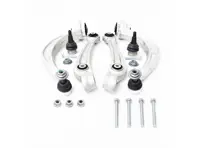
Front suspension control arm and bolts kit (6 pieces) by OE Match for Porsche Macan 95B models, supplying key hardware to support correct front arm fitment across MK1, MK2 and MK3 variants.
What This Product Does This kit provides a replacement front suspension control arm together with matching bolts, allowing the arm to be mounted securely to the Macan’s front axle. Renewing the arm and hardware helps maintain accurate suspension geometry and consistent steering behaviour when original components are worn or have been removed.
Functions
- Locates the front wheel hub relative to the chassis via the control arm
- Helps maintain front suspension alignment and geometry under load
- Provides secure fastening points using new bolts for the control arm
- Supports stable steering feel and predictable response
- Assists in reducing unwanted movement from aged or stretched fixings
Symptoms of Fault
- Knocking or clunking noises from the front over bumps
- Vague or wandering steering feel
- Creaks or groans when manoeuvring at low speed
- Uneven or accelerated front tyre wear
- Visible play or deterioration in the control arm or its fixings
Why Replacement Matters
Front suspension and axle components on the Macan are subject to significant load and gradual wear, especially at the control arms, bushes and mounting hardware. Refreshing the arm and associated bolts in one operation helps restore consistent geometry, supports proper alignment settings and can reduce the risk of repeat work caused by reusing one-time-use fixings. Using OE-equivalent hardware from OE Match is a typical approach when owners want to keep running costs sensible while retaining fit and function in line with original specification.
Fits
- Macan (95B) MK1 (2014–2018)
- 95B.1 Macan Petrol 2.0L (237Bhp) 2014–18
- 95B.1 Macan S Petrol 3.0L V6 (340Bhp) 2014–18
- 95B.1 Macan S Diesel 3.0L V6 (258Bhp) 2014–18
- 95B.1 Macan GTS Petrol 3.0L V6 (360Bhp) 2014–18
- 95B.1 Macan Turbo 3.6L V6 (400Bhp) 2014–18
- Macan (95B) MK2 2019–2021
- 95B.2 Macan Petrol 2.0L (245Bhp) 2019–21
- 95B.2 Macan S Petrol 3.0L V6 (354Bhp) 2019–21
- 95B.2 Macan GTS Petrol 2.9L V6 (380Bhp) 2019–21
- 95B.2 Macan Turbo 2.9L V6 (440Bhp) 2019–21
- Macan (95B) MK3 2022>>
- 95B.3 Macan Petrol 2.0L (265Bhp) 2022>>
- 95B.3 Macan T Petrol 2.0L (265Bhp) 2022>>
- 95B.3 Macan S Petrol 2.9L V6 (380Bhp) 2022>>
- 95B.3 Macan GTS Petrol 2.9L V6 (440Bhp) 2022>>
FAQs
- Are kits vehicle-specific? Often yes; check Macan model year, engine and any notes before installation.
- Do kits include all one-time-use hardware? Contents vary, so compare what is supplied to the job you are carrying out.
Related reference numbers
Related, superseded, cross reference or alternative numbers for comparison.
CONTROLARM.95B
The product you are viewing cross references to these numbers
- Porsche 95B.1 Macan Petrol 2.0L (237Bhp) 2014-18
- Porsche 95B.1 Macan S Petrol 3.0L V6 (340Bhp) 2014-18
- Porsche 95B.1 Macan S Diesel 3.0L V6 (258Bhp) 2014-18
- Porsche 95B.1 Macan GTS Petrol 3.0L V6 (360Bhp) 2014-18
- Porsche 95B.1 Macan Turbo 3.6L V6 (400Bhp) 2014-18
- Porsche 95B.2 Macan Petrol 2.0L (245Bhp) 2019-21
- Porsche 95B.2 Macan S Petrol 3.0L V6 (354Bhp) 2019-21
- Porsche 95B.2 Macan GTS Petrol 2.9L V6 (380Bhp) 2019-21
- Porsche 95B.2 Macan Turbo 2.9L V6 (440Bhp) 2019-21
- Porsche 95B.3 Macan Petrol 2.0L (265Bhp) 2022>>
- Porsche 95B.3 Macan T Petrol 2.0L (265Bhp) 2022>>
- Porsche 95B.3 Macan S Petrol 2.9L V6 (380Bhp) 2022>>
- Porsche 95B.3 Macan GTS Petrol 2.9L V6 (440Bhp) 2022>>
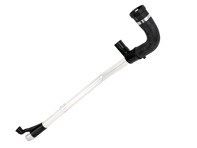
Maintain efficient engine cooling with the Radiator Coolant Hose, Lower. This OE MATCH lower radiator hose is designed to return cooled coolant from the radiator back to the engine, ensuring continuous circulation and stable operating temperatures.
Fits:
- Porsche 958 Cayenne V6 3.6L Petrol (300Hp) 2010-17
Diagram Ref No 14
What This Product Does:
- Carries cooled coolant from the radiator to the engine
- Maintains continuous coolant circulation
- Supports proper heat exchange within the cooling system
- Helps regulate engine operating temperature
- Prevents overheating by ensuring steady coolant flow
Symptoms Of Wear Or Failure:
- Coolant leaks under the vehicle or near the radiator
- Low coolant warning light
- Frequent coolant top-offs
- Engine overheating or fluctuating temperature gauge
- Sweet coolant smell from the engine bay
- Steam from under the hood in severe cases
- Cracks, splits, or surface deterioration on the hose
- Bulging or swelling indicating internal weakening
- Soft, spongy, or brittle hose texture
- Coolant residue or dampness around hose clamps or fittings
- Replacing a worn lower radiator coolant hose is important because it ensures cooled coolant can properly return from the radiator to the engine. Over time, heat, pressure, and coolant exposure can cause the hose to weaken, crack, or leak.
- If the hose fails, coolant loss and reduced circulation can quickly lead to engine overheating, which may result in serious engine damage and costly repairs. Even minor leaks can lower coolant levels and reduce overall cooling efficiency.
- Installing a new lower radiator hose helps prevent leaks, restore proper coolant flow, and protect the engine by maintaining reliable cooling system performance.
Related reference numbers
Related, superseded, cross reference or alternative numbers for comparison.
95810640211
The product you are viewing cross references to these numbers
- Porsche 958 Cayenne V6 3.6L Petrol (300Hp) 2010-17
Shop Securely
12 Month Warranty
Worldwide Delivery
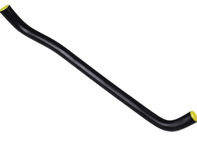
Maintain proper engine cooling and temperature control with the Water Coolant Hose. This OE MATCH hose is designed to carry coolant between key cooling system components, ensuring consistent circulation and efficient heat transfer.
Fits:
- Porsche 958 Cayenne V6 3.6L Petrol (300Hp) 2010-17
- Porsche 958 Cayenne V6 3.0L Diesel (245Hp) 2010-17
Diagram Ref No 7
What This Product Does:
- Carries coolant between key cooling system components
- Maintains steady coolant flow throughout the engine circuit
- Helps dissipate heat to prevent overheating
- Supports stable engine operating temperatures
- Ensures efficient cooling system performance
Symptoms Of Wear Or Failure:
- Coolant leaks under the vehicle or within the engine bay
- Low coolant warning light
- Frequent coolant top-offs
- Engine overheating or rising temperature gauge
- Sweet coolant smell from the engine compartment
- Steam from under the hood in severe cases
- Cracks, splits, or dry rot on the hose surface
- Bulging or swelling from internal weakening
- Soft, spongy, or brittle hose texture
- Coolant residue or dampness around hose fittings and clamps
- Replacing a worn water coolant hose is essential to maintaining proper coolant circulation and engine temperature control. Over time, exposure to heat, pressure, and coolant can cause the hose to crack, weaken, or leak.
- If the hose fails, coolant loss can quickly lead to overheating and potentially serious engine damage. Even small leaks can reduce cooling efficiency and increase strain on other cooling system components.
- Installing a new hose helps prevent leaks, restore reliable coolant flow, and protect the engine from costly overheating-related repairs, ensuring long-term performance and reliability.
Related reference numbers
Related, superseded, cross reference or alternative numbers for comparison.
95810625110
The product you are viewing cross references to these numbers
- Porsche 958 Cayenne V6 3.6L Petrol (300Hp) 2010-17
- Porsche 958 Cayenne V6 3.0L Diesel (245Hp) 2010-17
Shop Securely
12 Month Warranty
Worldwide Delivery
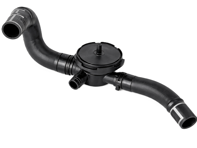
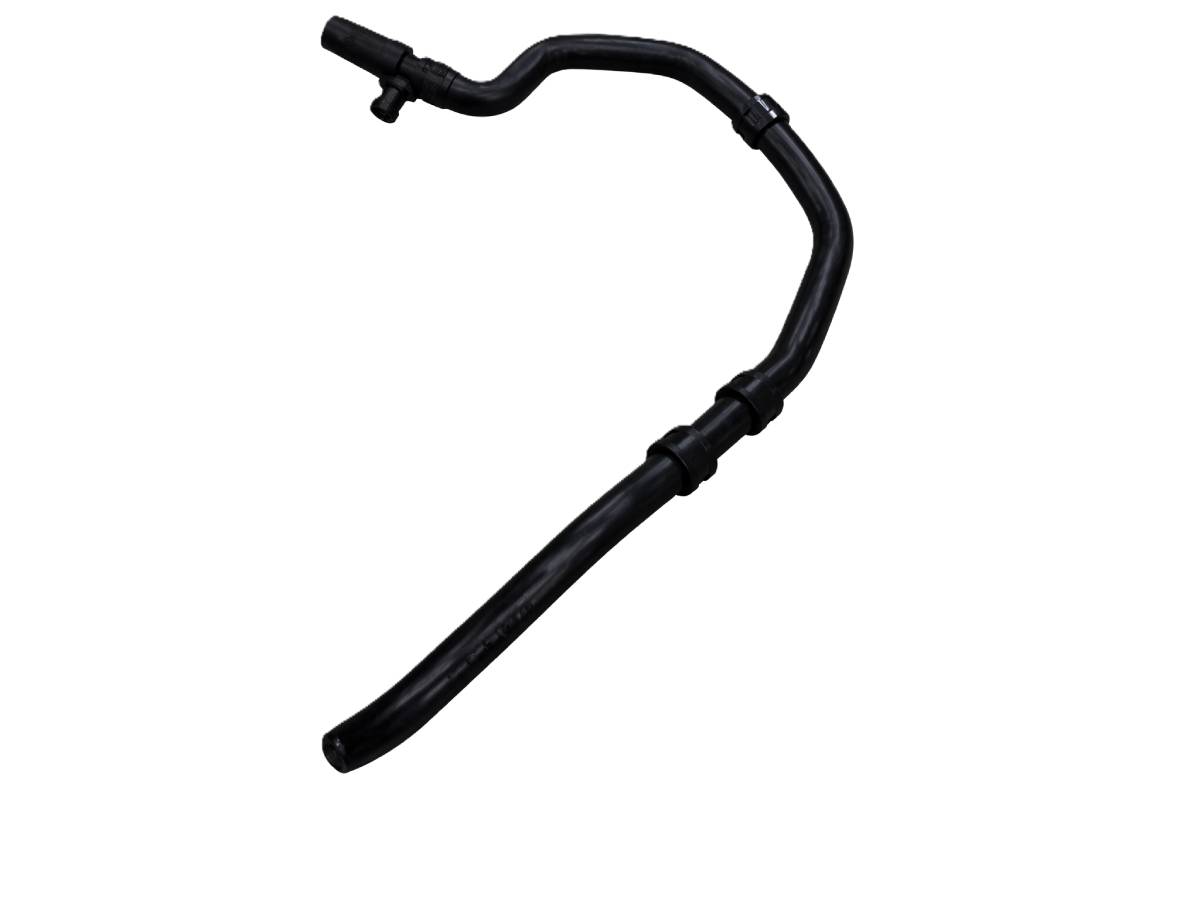
Maintain precise coolant flow and system control with the Coolant Hose with Vacuum Valve. This OE MATCH assembly combines a coolant hose with an integrated vacuum-controlled valve, allowing regulated coolant circulation within the engine cooling system.
Fits:
- Porsche 958 Cayenne S V6 3.0L Hybrid (380Hp) 2010-17
Diagram Ref No 10
What This Product Does:
- Carries coolant between cooling system components
- Uses a vacuum valve to control coolant routing or flow
- Helps maintain stable engine operating temperature
- Improves cooling system efficiency based on engine conditions
- Supports proper heat management and prevents overheating
Symptoms Of Wear Or Failure:
- Coolant leaks near the hose or valve assembly
- Low coolant warning light
- Frequent coolant top-offs
- Engine overheating or rising temperature gauge
- Coolant residue or dampness around valve connections
- Sweet coolant smell from the engine bay
- Cracked, swollen, or brittle hose material
- Valve not opening/closing properly, affecting coolant circulation
- Erratic engine temperature changes
- Poor heating or cooling system performance
- Vacuum-related fault codes / check engine light (in some cases)
- Replacing a worn coolant hose with an integrated vacuum valve is important because it affects both coolant circulation and the system’s ability to regulate engine temperature. Over time, the hose can crack or leak, and the vacuum valve may fail, stick, or stop responding correctly.
- If this part fails, coolant flow may be restricted or misrouted, which can lead to overheating, unstable temperature control, and reduced cooling system efficiency. Coolant leaks can also cause rapid coolant loss and serious engine damage if left unaddressed.
- Installing a new hose and valve assembly helps restore proper coolant routing, prevent leaks, maintain stable operating temperatures, and protect the engine for long-term reliability.
Related reference numbers
Related, superseded, cross reference or alternative numbers for comparison.
95810637402
The product you are viewing cross references to these numbers
- Porsche 958 Cayenne S V6 3.0L Hybrid (380Hp) 2010-17
Shop Securely
12 Month Warranty
Worldwide Delivery
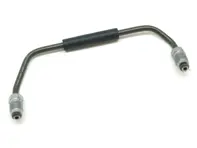

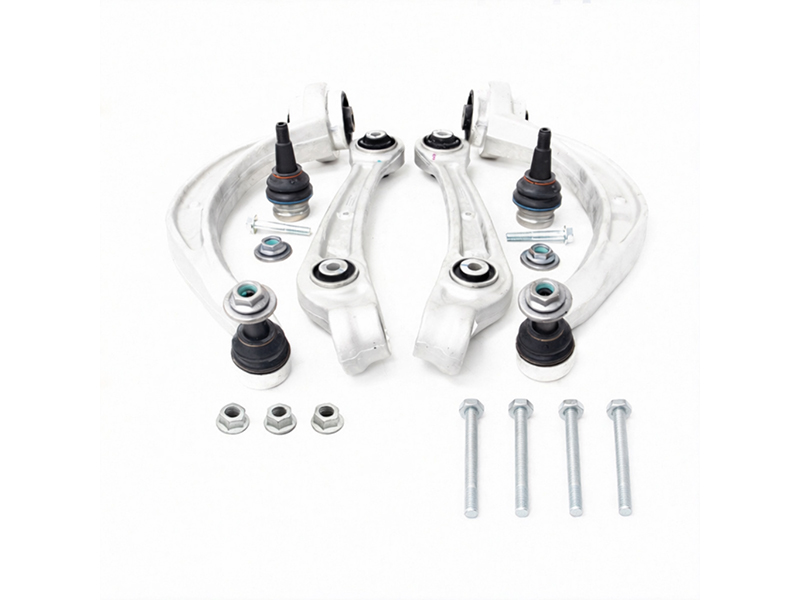
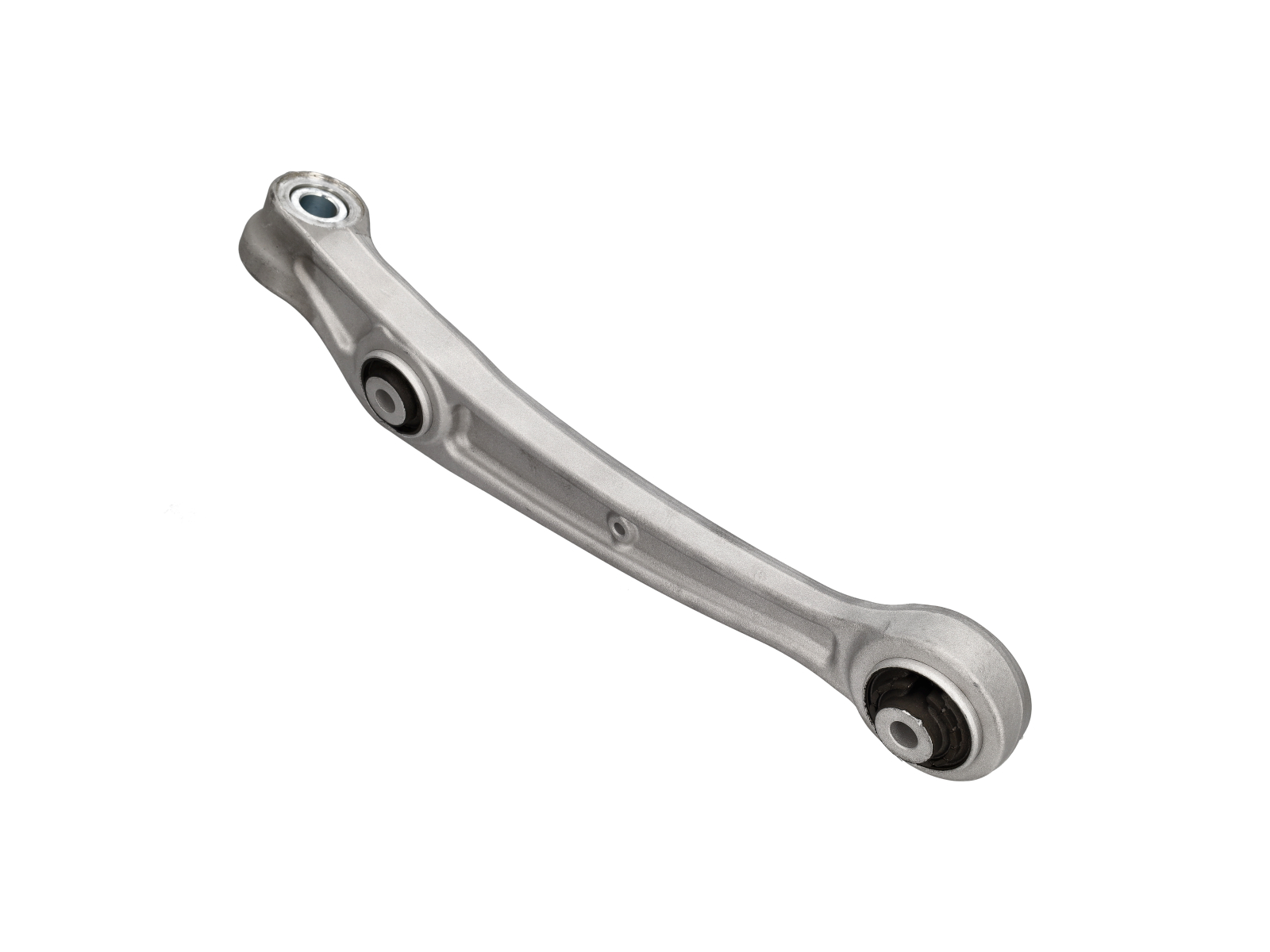
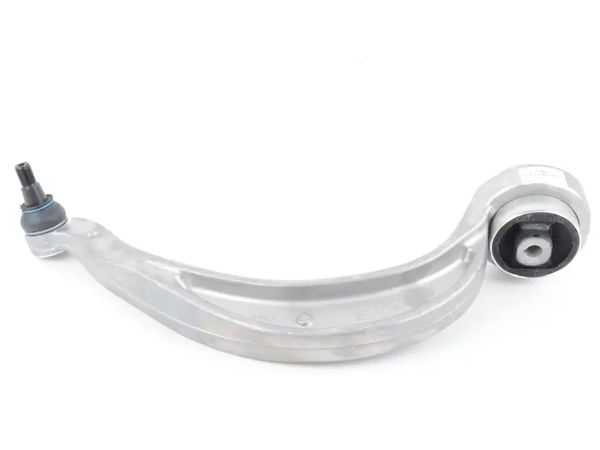
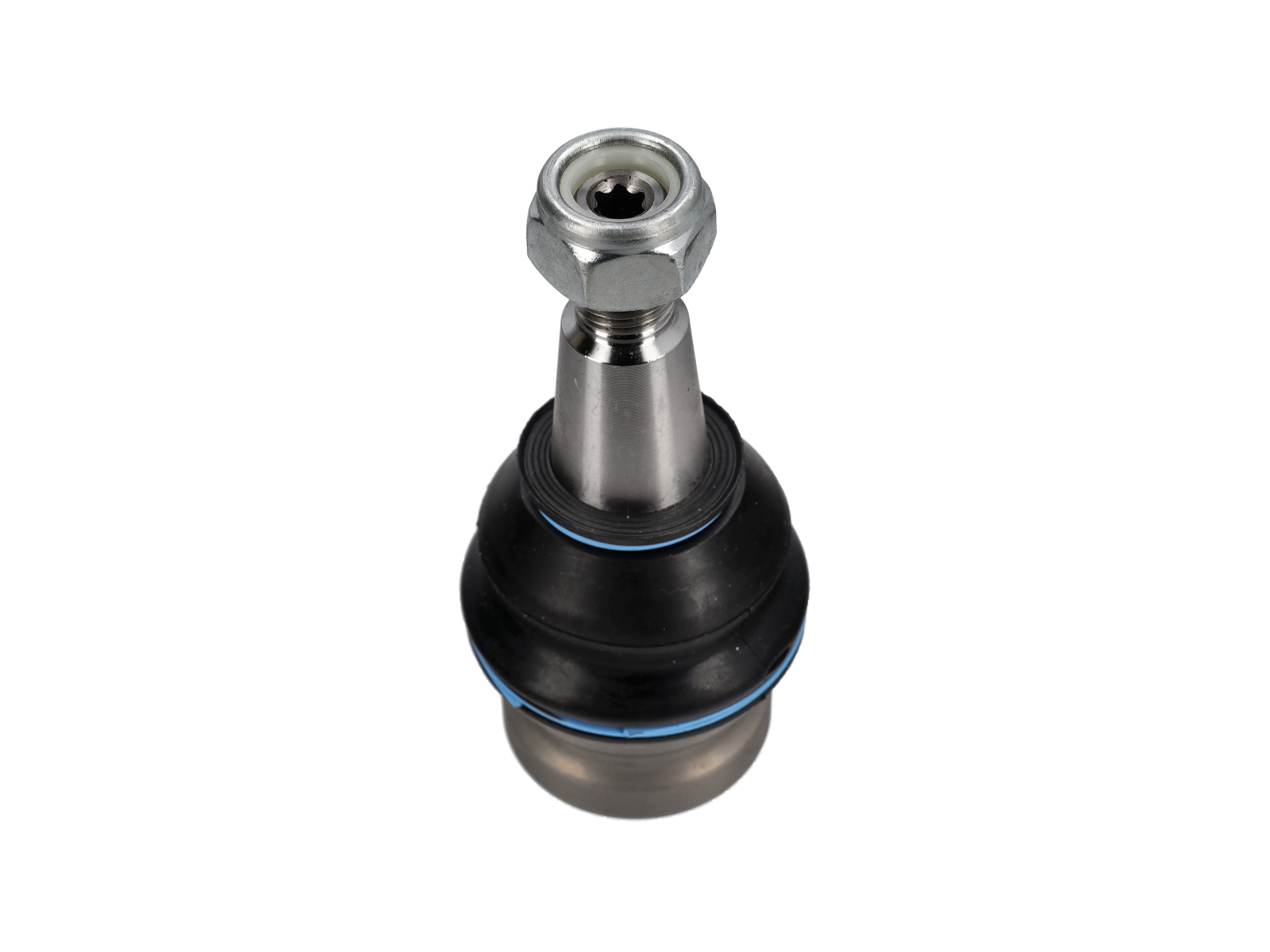
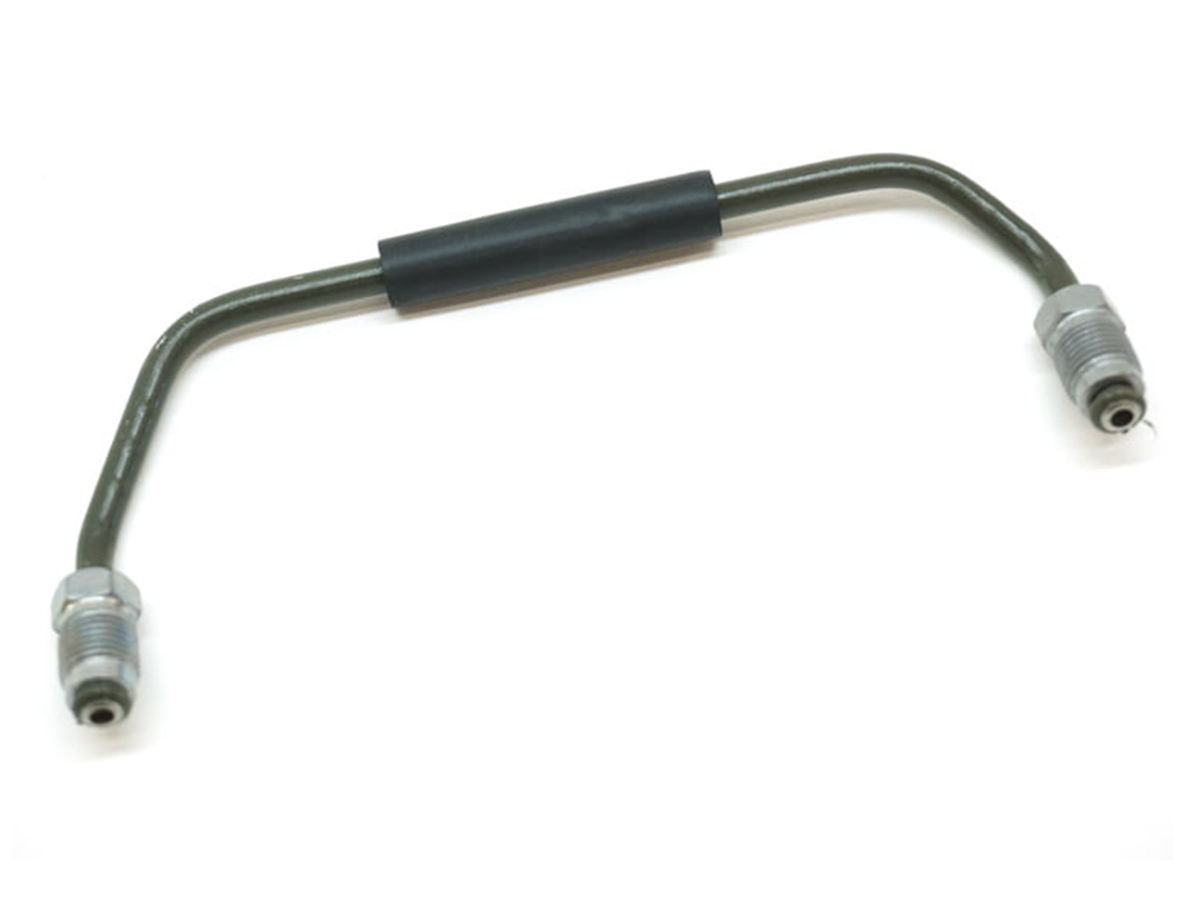
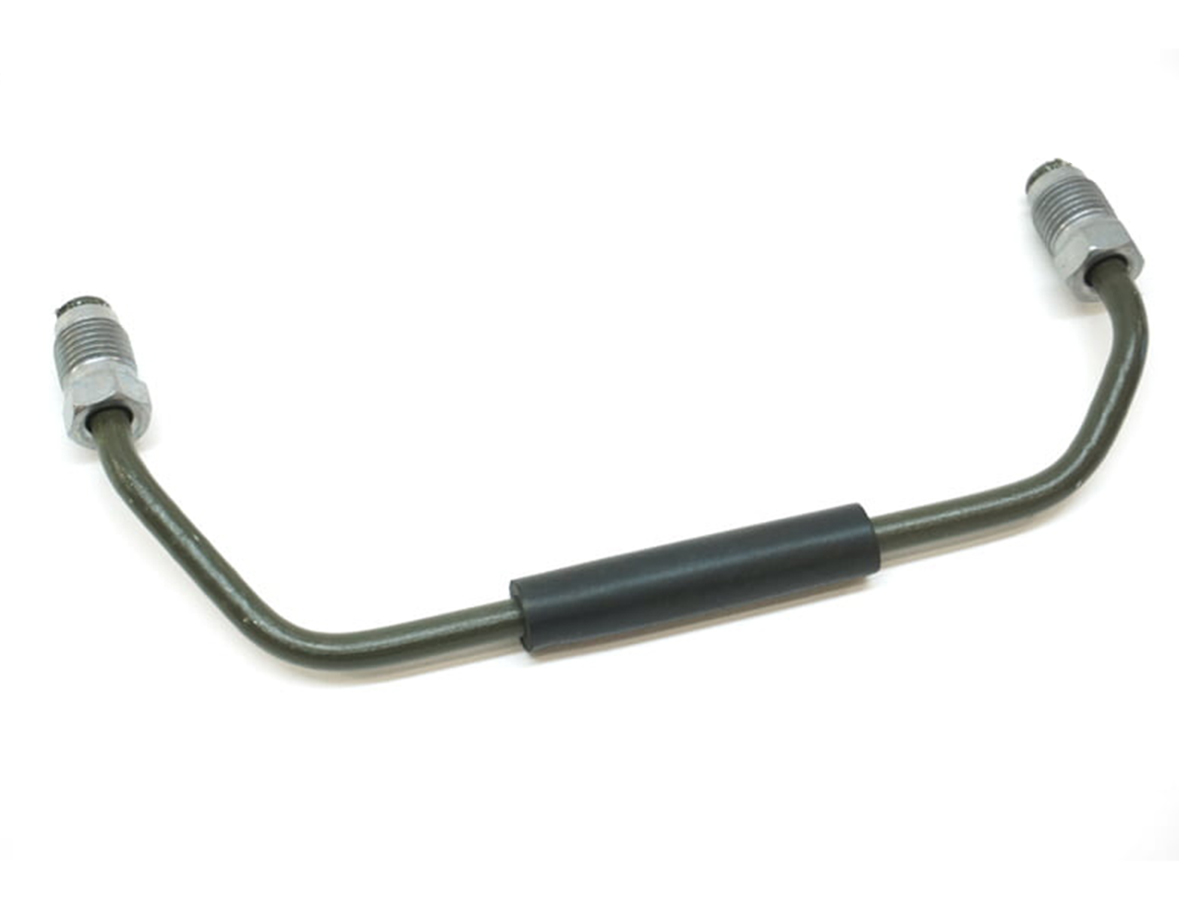
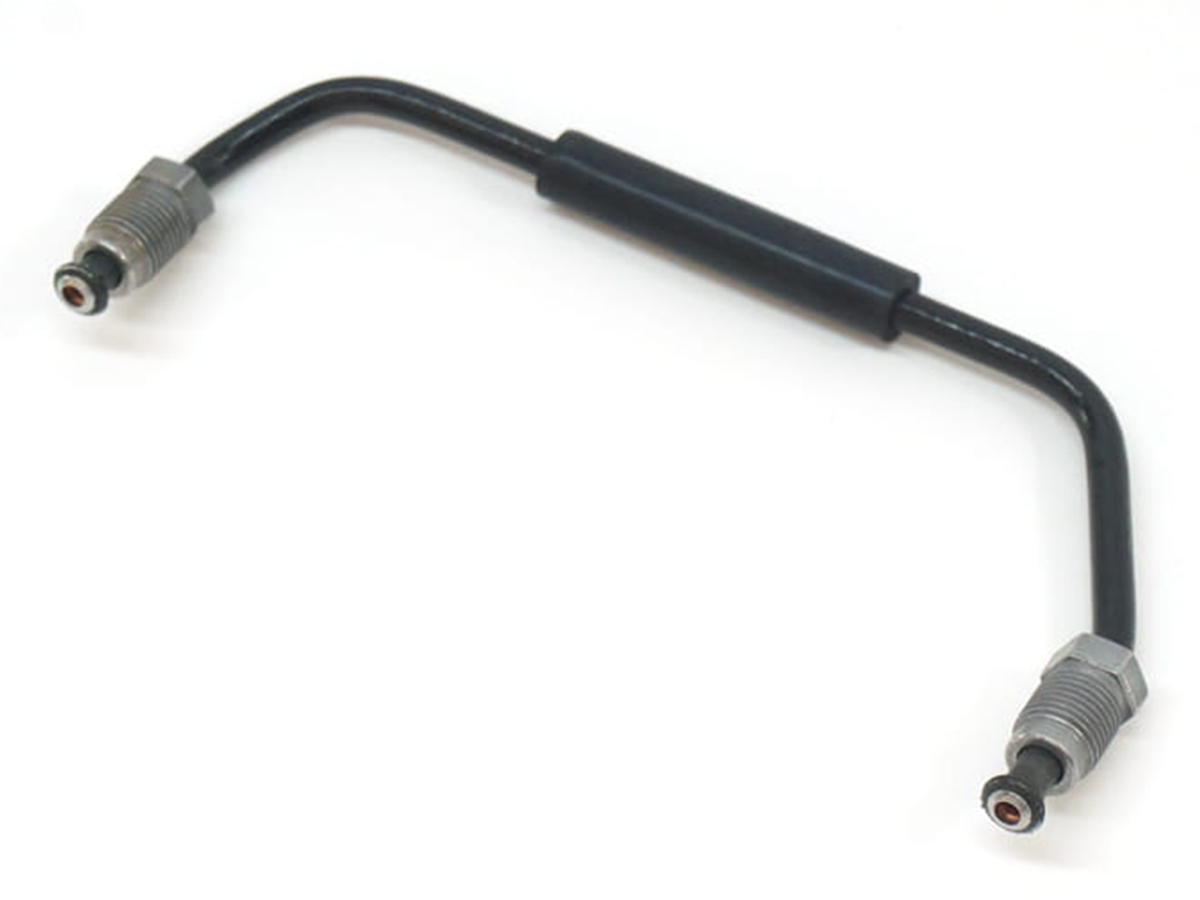
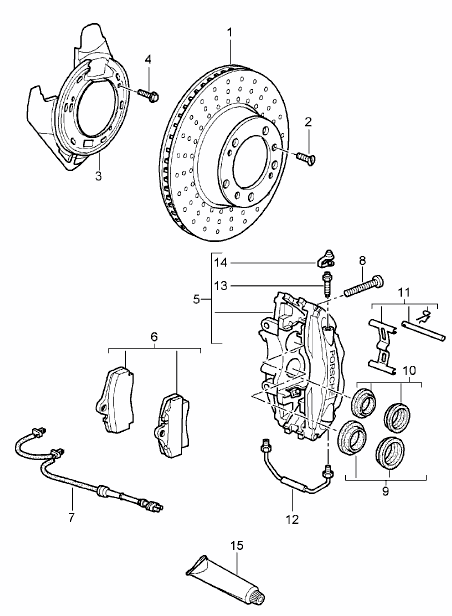
Porsche 986 Boxster S 3.2L 1999 - 2005 (FRONT)
Porsche 987.1 Boxster S 2005 - 2008 (FRONT)
Porsche 987C.1 Cayman S 2005 - 2008 (not PCCB brake) (FRONT)
Porsche 987C.2 Cayman / Cayman S 2009 - 2012 (FRONT)
Porsche 996 C2 / C4 1998 - 2004
Diagram ref no 12
Related reference numbers
Related, superseded, cross reference or alternative numbers for comparison.
99635196
The product you are viewing cross references to these numbers
- Porsche Boxster S 986 3.2L 1999-02
- Porsche Boxster S 986 3.2L 2003-04
- Porsche Boxster 987 S 3.2/3.4L 2005-08/08
- Porsche 996 C2 3.4L 1997-08/01
- Porsche 996 C4 3.4L 1997-08/01
- Porsche 996 C2 3.6L 09/01-2005
- Porsche 996 C4 3.6L 09/01-2005
- Porsche Cayman S 3.4L 987C 2005-08
- Porsche Cayman 2.9L 987C MKII 2009-12
- Porsche Cayman S / R 3.4L 987C MKII 2009-12
Shop Securely
12 Month Warranty
Worldwide Delivery
Express Delivery

.jpg)
.jpg)


.jpg)
.jpg)
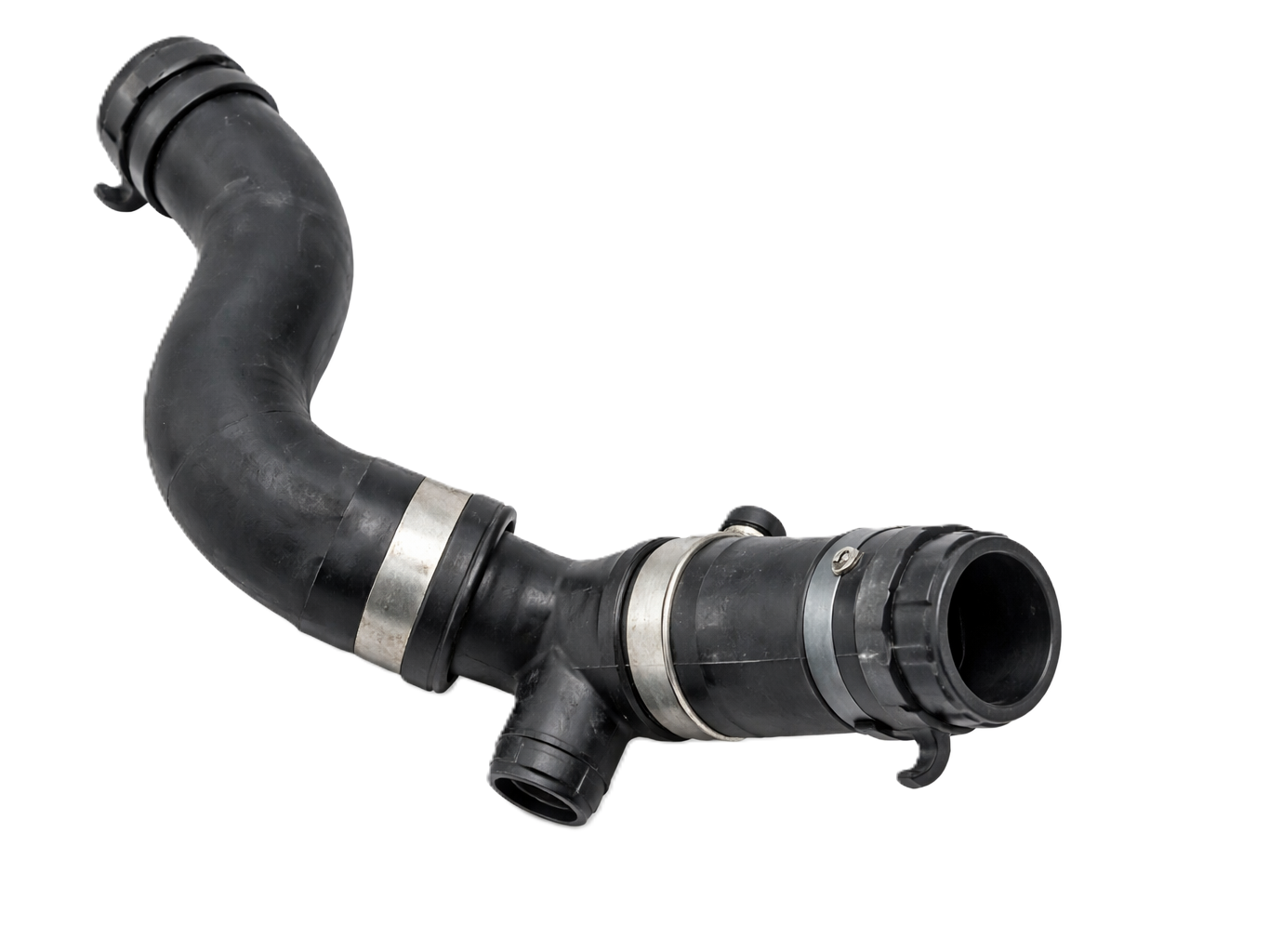
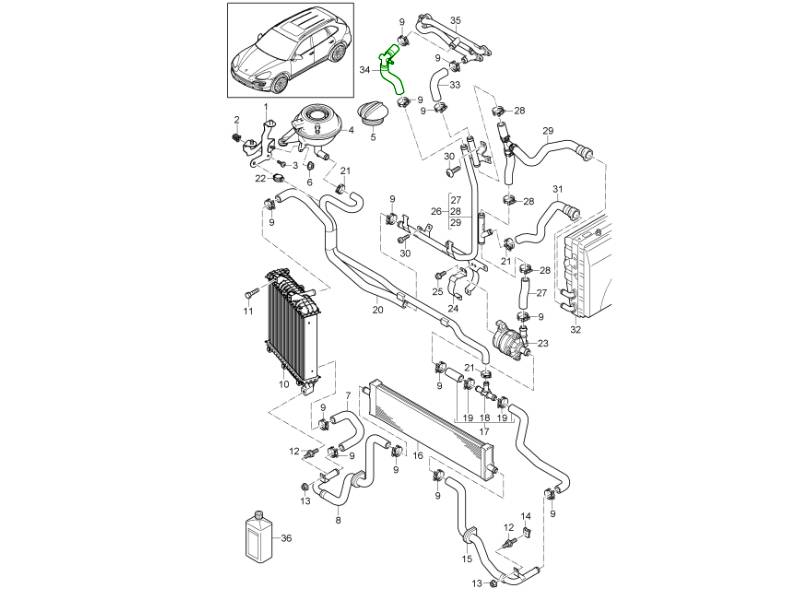
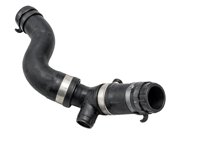
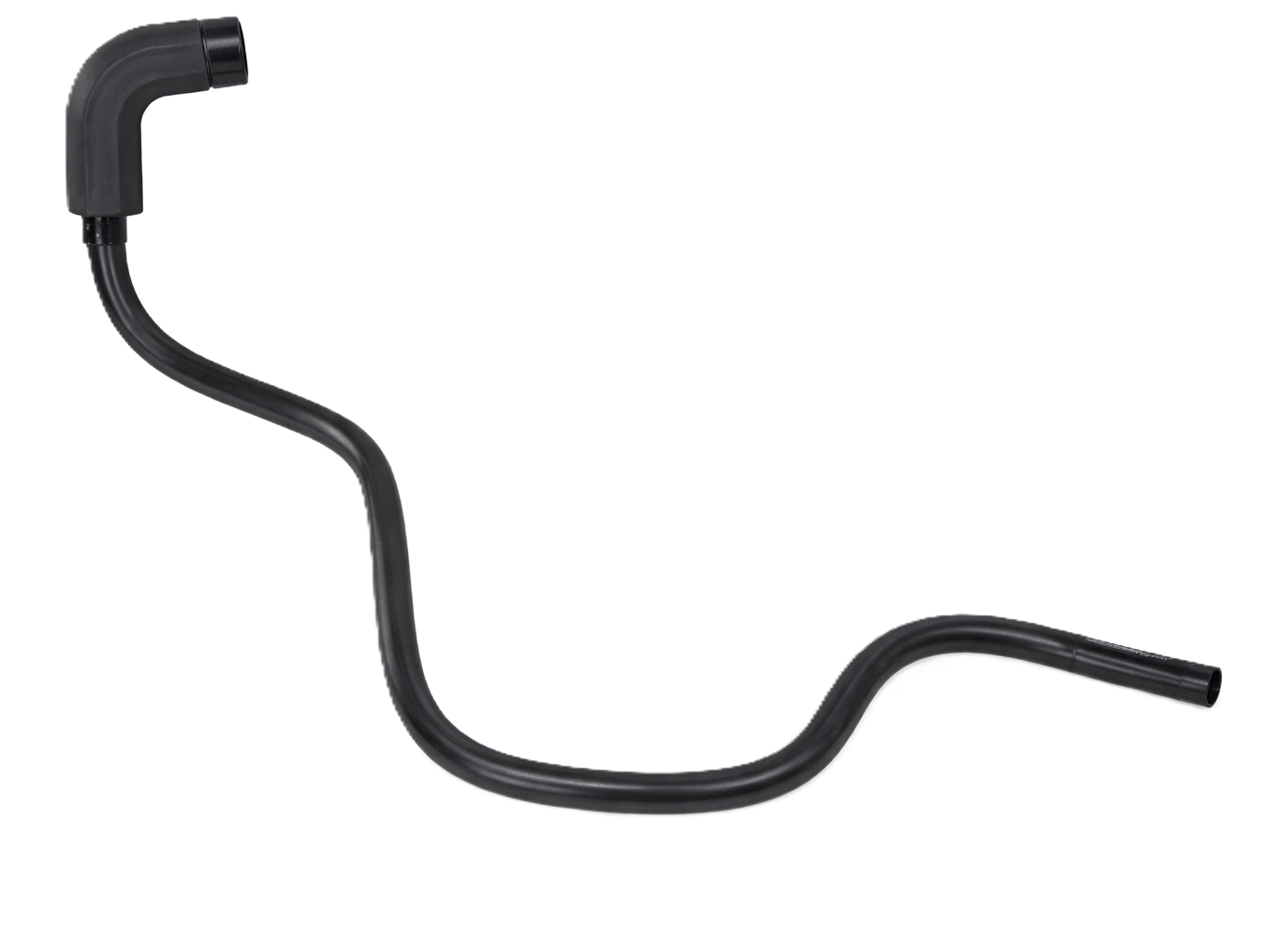
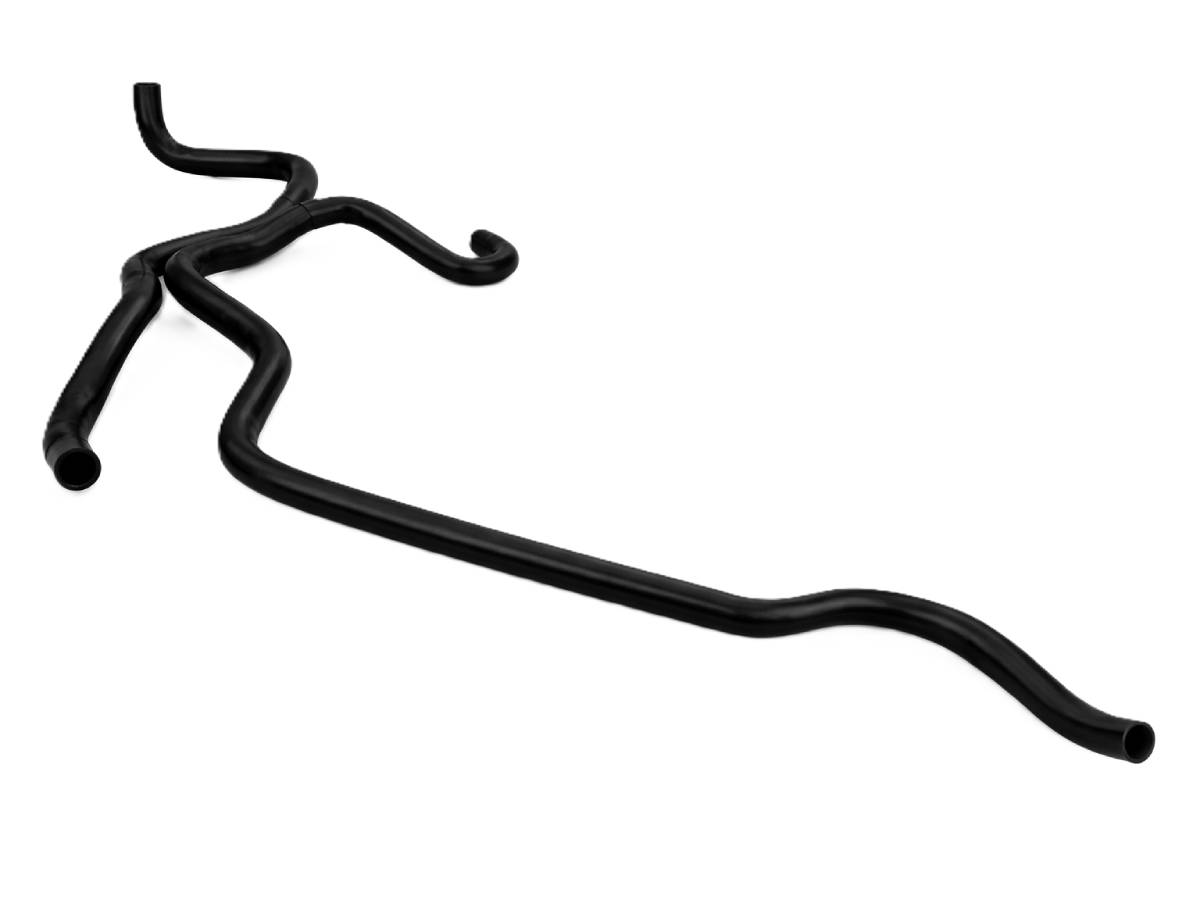
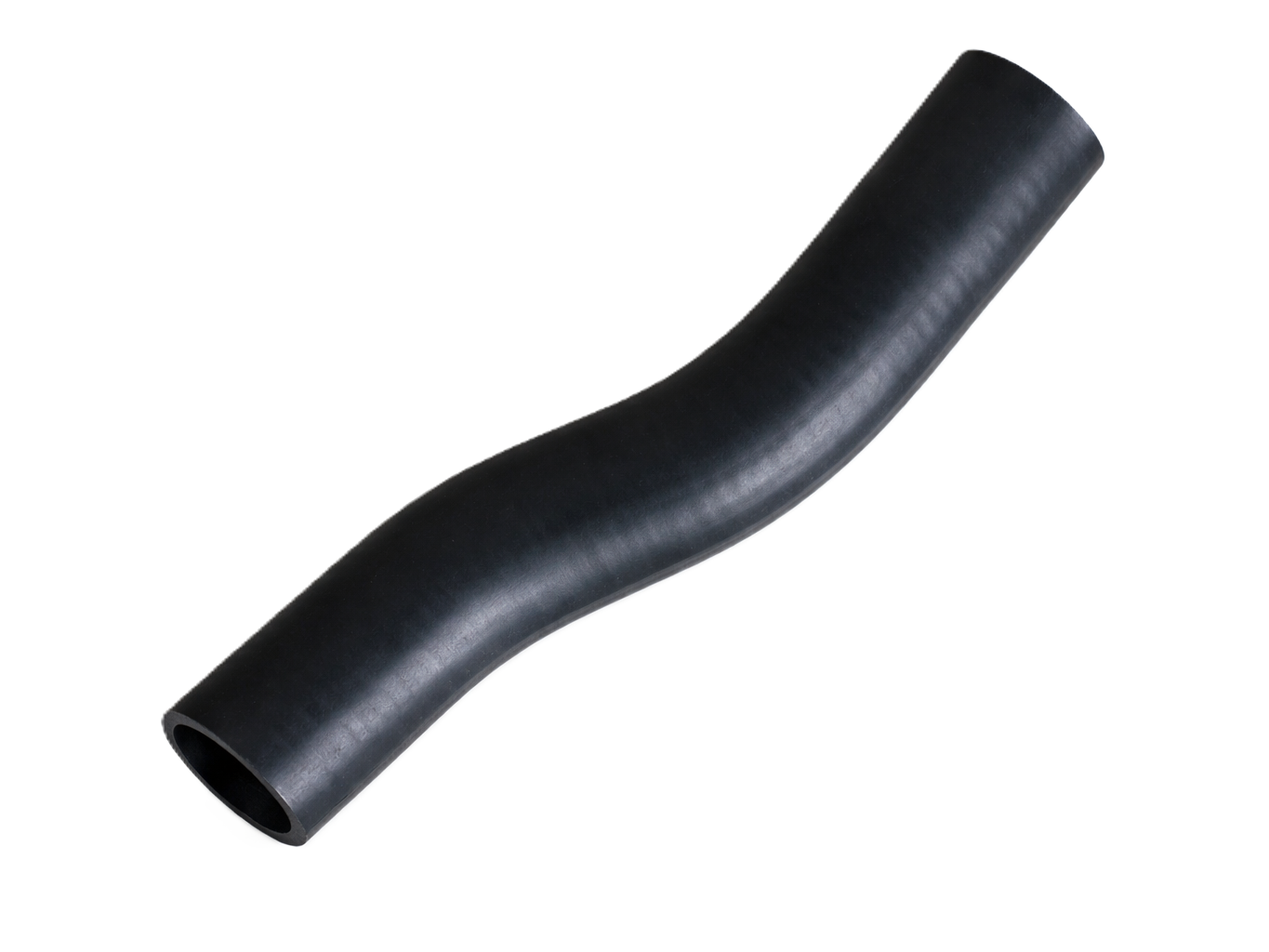
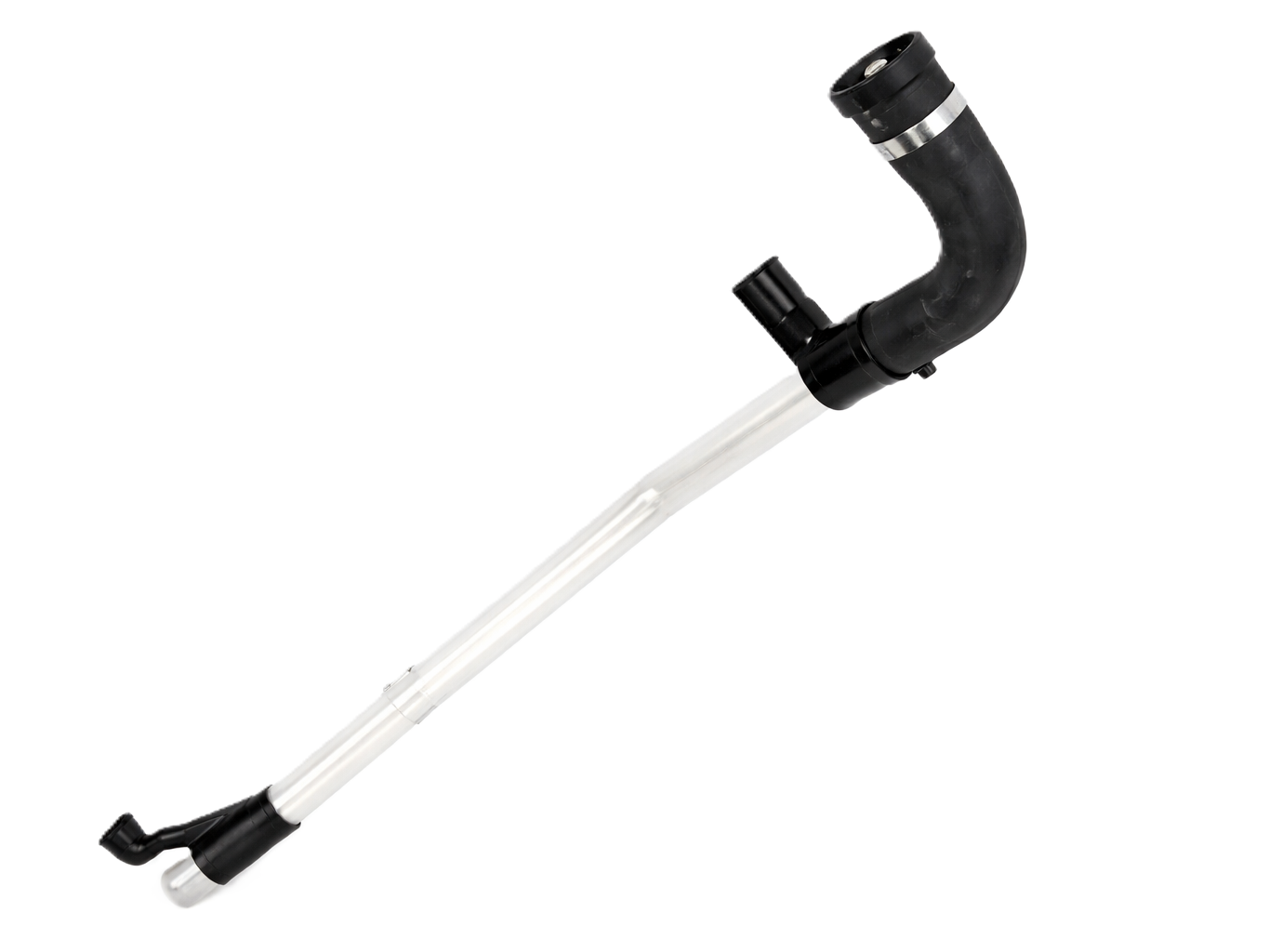
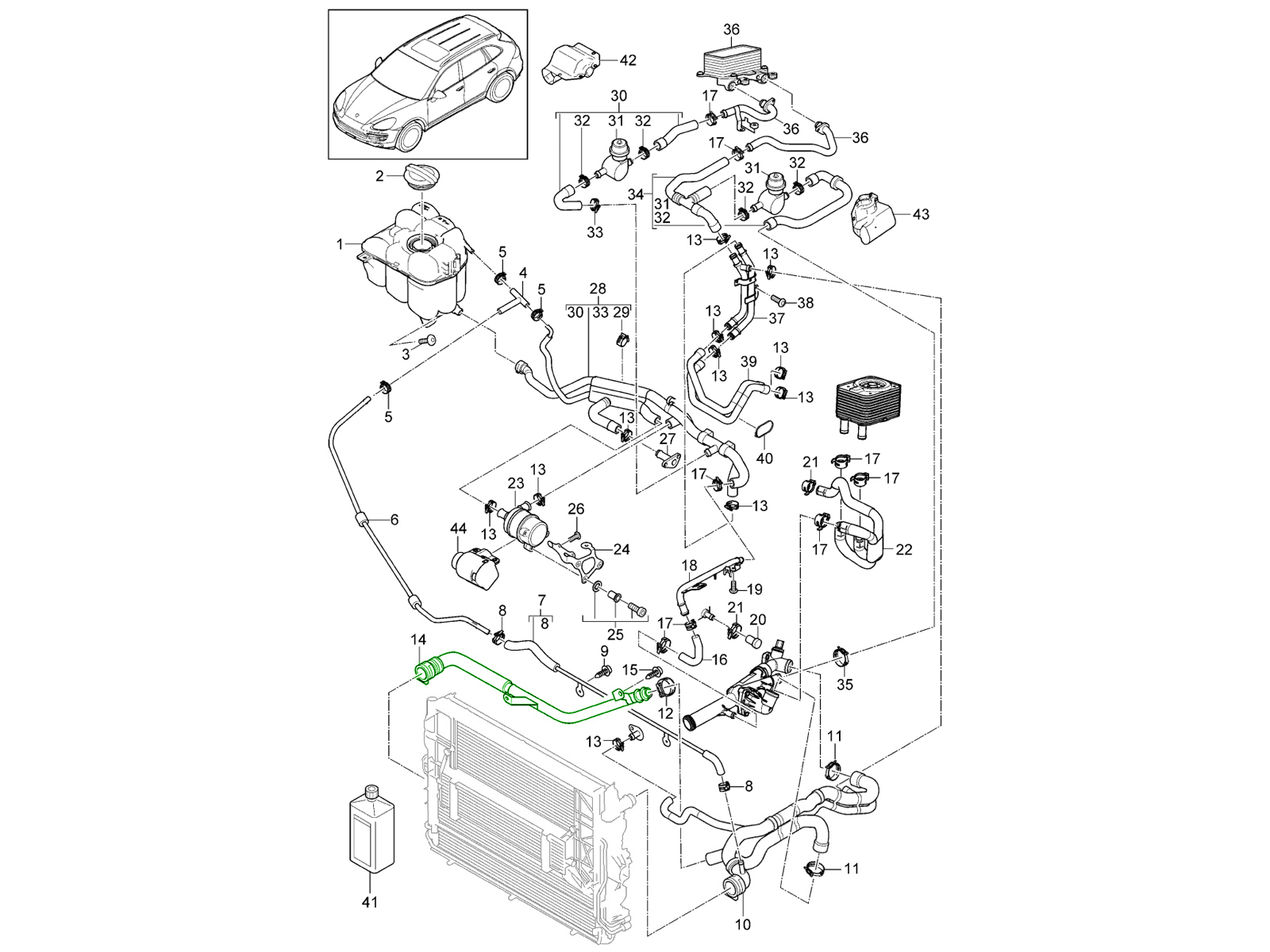
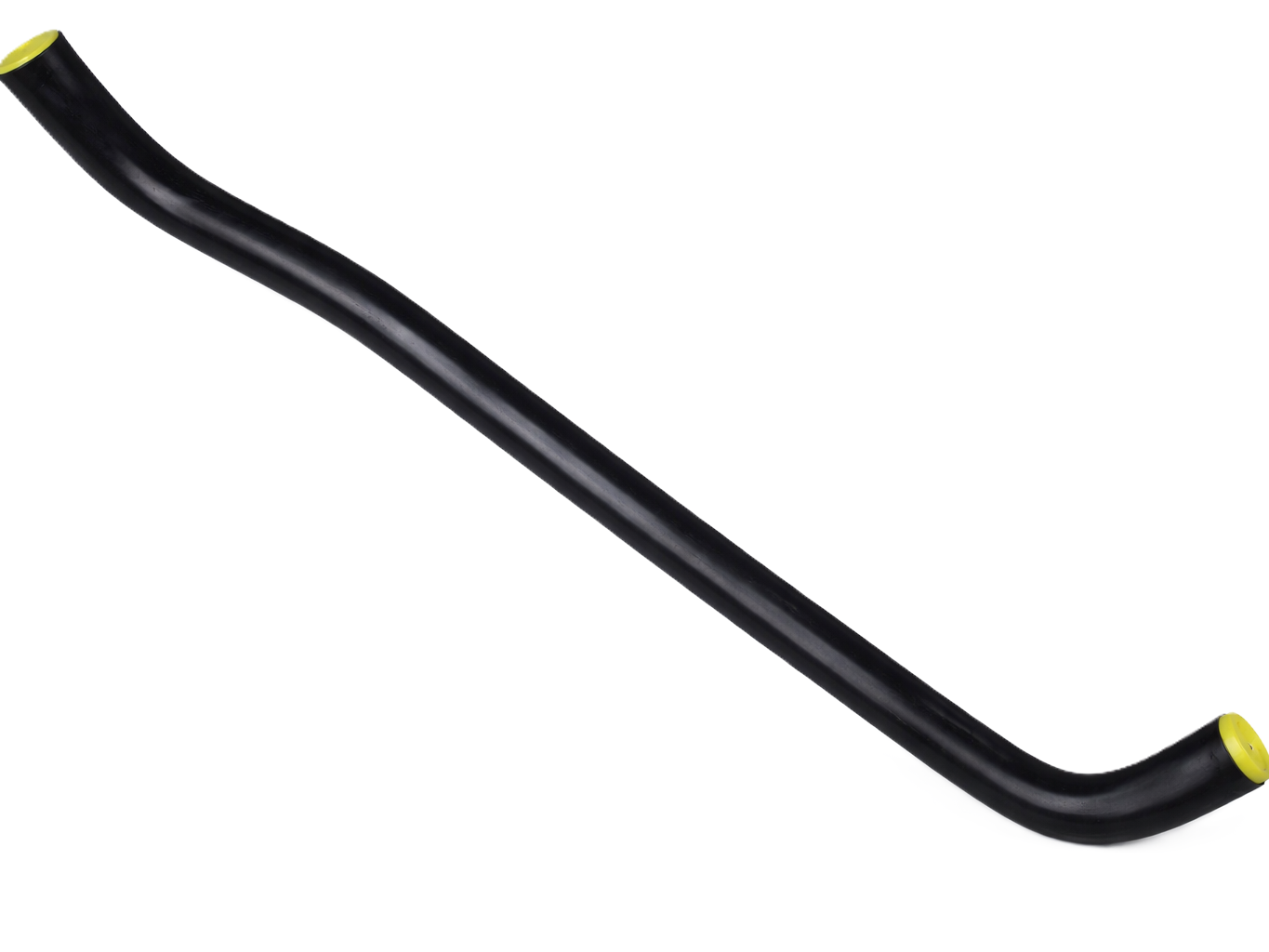
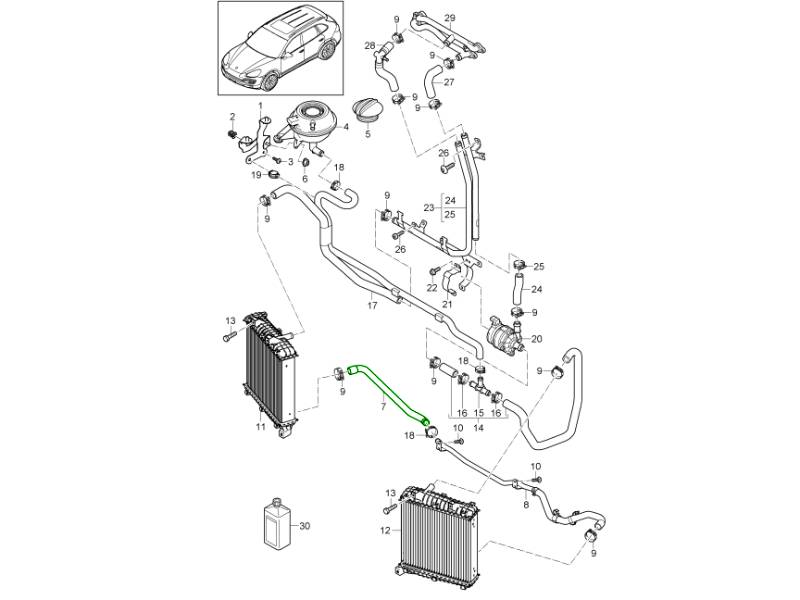
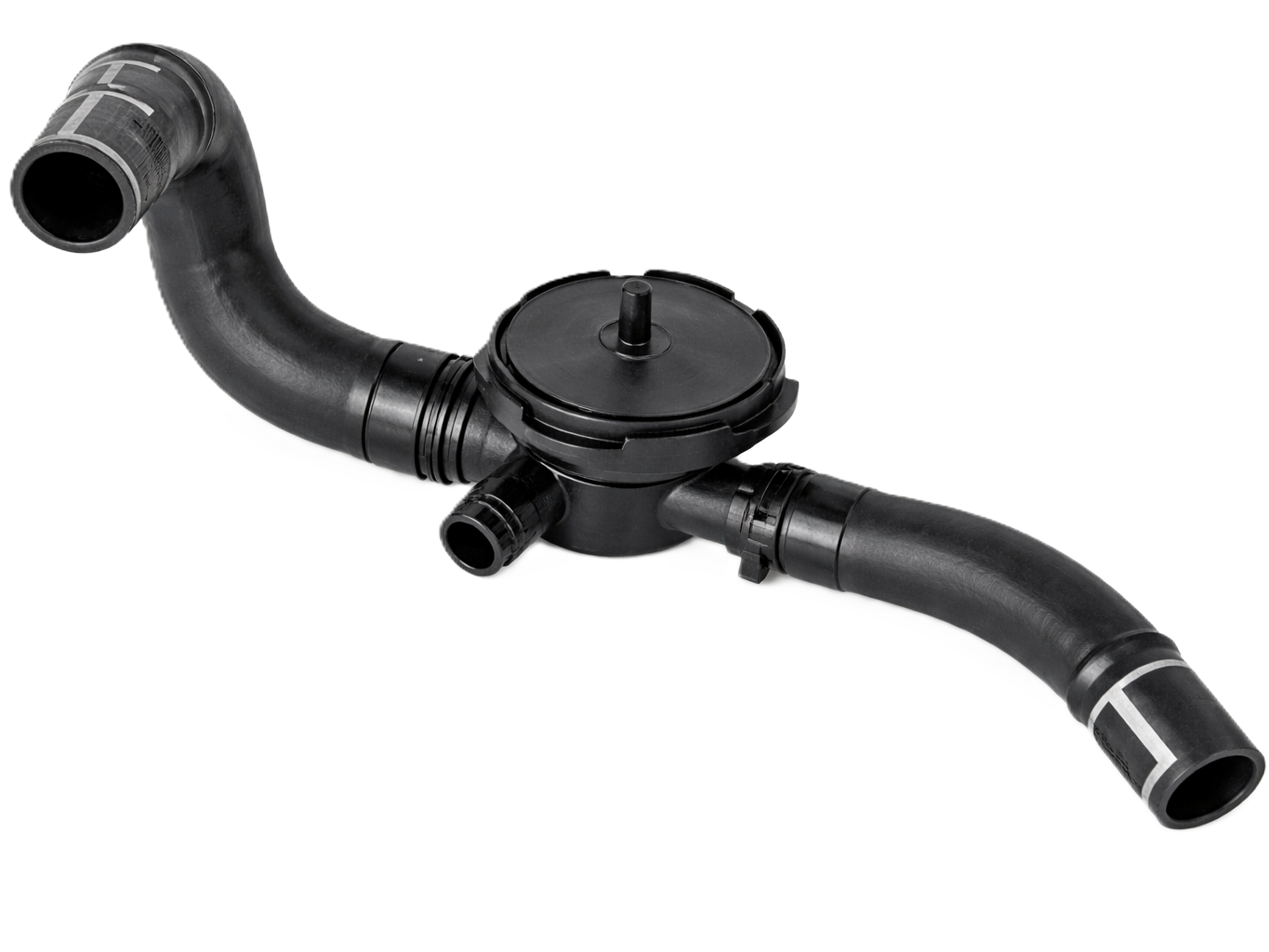
Maintain reliable engine cooling performance with the Coolant Hose. This OE MATCH hose is designed to transfer coolant between essential cooling system components, ensuring consistent circulation and effective heat dissipation.
Fits:
- Porsche 958 Cayenne V6 3.6L Petrol (300Hp) 2010-17
- Porsche 958 Cayenne V6 3.0L Diesel (245Hp) 2010-17
- Porsche 958 Cayenne S V6 3.0L Hybrid (380Hp) 2010-17
Diagram Ref No 34
What This Product Does:
- Carries coolant between cooling system components
- Maintains steady coolant flow through the engine circuit
- Helps dissipate engine heat through the radiator system
- Prevents overheating by supporting proper temperature regulation
- Ensures efficient cooling system performance
Symptoms Of Wear Or Failure:
- Coolant leaks under the vehicle or within the engine bay
- Low coolant warning light
- Frequent coolant top-offs
- Engine overheating or rising temperature gauge
- Sweet coolant smell from the engine compartment
- Steam from under the hood in severe cases
- Cracks, splits, or dry rot on the hose surface
- Bulging or swelling from internal weakening
- Soft, spongy, or brittle hose texture
- Coolant residue or dampness around hose clamps or fittings
- Replacing a worn coolant hose is important because it ensures proper coolant circulation and stable engine temperature control. Over time, heat and pressure can cause the hose to weaken, crack, or leak.
- If the hose fails, coolant loss can lead to engine overheating and potentially severe engine damage. Even minor leaks can reduce cooling efficiency and place extra strain on the entire cooling system.
- Installing a new coolant hose helps prevent leaks, restores reliable coolant flow, and protects the engine from costly overheating-related repairs.
Related reference numbers
Related, superseded, cross reference or alternative numbers for comparison.
95810610500
The product you are viewing cross references to these numbers
- Porsche 958 Cayenne V6 3.6L Petrol (300Hp) 2010-17
- Porsche 958 Cayenne V6 3.0L Diesel (245Hp) 2010-17
- Porsche 958 Cayenne S V6 3.0L Hybrid (380Hp) 2010-17
Shop Securely
12 Month Warranty
Worldwide Delivery

Monday-Friday: 8.30am - 5.30pm (GMT)
Saturday: Closed
Sunday: Closed