





Enter your VAT number here and click Verify:
Your details have been verified. VAT number registered to:
,
.
Your order will now be zero rated for VAT purposes. We reserve the right to verify these details after your order request has been made and reinstate VAT if required.
Your VAT details were not recognised or were invalid. Your VAT number must be matched to your Billing Country as specified above. This is currently specified as . You do not need to enter the country code part of your VAT number as this has already been selected in your billing address details above.
The VAT number checking service is currently offline. Please supply your VAT details within the comments or special instructions field below and we will apply a VAT discount after placing your order request.
OE Match

OE Match for Porsche
OE Match is a brand that provides a wide range of Porsche components, from gaskets to suspension hardware, engine parts, and interior trim. Over 6,700 individual part numbers, and over 11,800 OE cross-references catalogued, and are constantly developing new lines.OE Match has over 100 new products currently in the engineering phase, which will be quality-controlled and added to their catalog. The mission is to keep all Porsche vehicles on the road by offering a vast selection of parts that can address various problems across different Porsche generations
A Quick Look at OE Match
OE Match information on this page is based on details supplied by the manufacturer or distributor, plus any OE references provided with the parts.
Choosing the Right Fit for Your Porsche
Where OE Match is listed for Porsche, use the supplied model coverage and OE references to confirm suitability. Check details that commonly affect fitment such as model year, side/position, and connector type where relevant.
- Often chosen when owners want OE-equivalent quality with sensible running costs, especially for routine service and wear items.
- Typical reasons to replace include restoring reliability, addressing age-related wear, or refreshing multiple components during larger repair work.
- Common defects from incorrect application include noise, premature wear, leaks, or fitment quirks if the wrong variant is selected or fitted with old seals/hardware.
- Watch for symptoms such as unusual noises, early wear, or repeat failures after recent work, which can indicate mismatched parts or supporting items left worn.
- Always cross-check OEM part numbers, read model-year notes, and verify compatibility before ordering.
- For safety-critical components, confirm specification and fitment carefully and have installation checked by a competent technician.
Browse by Category
If you already know the area you are working on, start with the category and then filter by Porsche model. Where real-world symptoms and typical reasons to replace are provided, use them to keep the wording grounded.
Brakes — Brake components are renewed to restore stopping performance, address wear or upgrade a Porsche for fast road or track use. Common symptoms include vibration under braking, longer stopping distances, squealing, pulling to one side, warning lights and visible wear to discs and pads.
Brake Pad Wear Sensors — Brake pad wear sensors are replaced when pads are renewed or when warning lights indicate a broken or worn sensor. Symptoms include brake wear warnings even with new pads, damaged sensor cables, or broken clips around the caliper area.
Engine Electrical — Engine electrical parts are changed when there are starting, charging, ignition, or sensor-related faults that affect drivability and reliability, such as intermittent no-start, misfires, rough idle, poor charging, warning lights or heat-soak failures.
Service Parts — Service parts are replaced as routine maintenance to keep the engine and systems reliable, efficient, and protected, often resolving hard starting, rough idle, poor fuel economy and warning lights caused by clogged filters or worn ignition components.
Service Kits — Service kits bundle key service components to simplify maintenance and set the car back to a known baseline, especially useful when catching up on overdue servicing or dealing with general sluggish running, inconsistent idle and reduced performance.
- For brake parts, confirm whether items are OE-equivalent replacements or performance upgrades and check if new fitting kits and sensors are required.
- On service items and kits, match the kit to your exact Porsche model, engine and year, and review what is included so you can add any extra “while you are there” parts.
Explore OE Match at Design911
View the current OE Match range for Porsche at Design911, then filter by model and category to narrow down to the right parts.
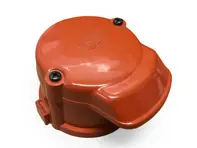

Maintain reliable ignition performance with this OE Match Distributor Cap. Produced to OE-style specifications, this distributor cap is designed to distribute high-voltage current from the ignition coil to each spark plug via the distributor rotor, ensuring accurate ignition timing and consistent engine performance. Manufactured from high-quality heat-resistant insulating materials with precision-engineered brass or copper contacts, it offers excellent electrical conductivity, durability, and an accurate fit for Porsche maintenance, repairs, and restoration projects.
Fits:
- Porsche 356 1950-55
The distributor cap is a critical component of the ignition system, protecting the internal contacts while directing ignition voltage to each cylinder in the correct firing order. Over time, heat, moisture, carbon tracking, corrosion, and normal electrical wear can reduce its effectiveness, resulting in ignition faults and poor engine performance. Replacing a worn distributor cap restores dependable spark distribution and helps maintain smooth, reliable engine operation.
What This Product Does:
- Distributes ignition voltage from the coil to each spark plug.
- Maintains the correct firing order for the engine.
- Protects the ignition contacts from dirt and moisture.
- Supports smooth engine starting and operation.
- Helps maintain efficient combustion and engine performance.
- Replaces worn, cracked, or corroded distributor caps.
- Provides an OE-style fit for straightforward installation.
Symptoms Of Wear Or Failure:
- Difficulty starting the engine.
- Engine misfires or rough running.
- Poor acceleration or hesitation.
- Cracked or damaged distributor cap housing.
- Corroded or worn internal contacts.
- Carbon tracking inside the distributor cap.
- Moisture contamination causing ignition faults.
- Reduced fuel economy due to inconsistent ignition.
Why Replacement Matters:
- The distributor cap plays a vital role in delivering ignition voltage to the correct cylinder at precisely the right time. As the cap ages, internal contacts wear and the insulating material can develop cracks or carbon tracking, leading to weak or inconsistent spark delivery. This can result in poor starting, reduced engine performance, increased fuel consumption, and higher emissions.
- Replacing a worn distributor cap restores reliable ignition performance, ensuring accurate spark distribution, smoother engine operation, and dependable starting. Manufactured as a direct replacement and produced to OE-style specifications, this OE Match Distributor Cap provides reliable fit, performance, and durability for Porsche maintenance, repairs, and restoration projects.
Related reference numbers
Related, superseded, cross reference or alternative numbers for comparison.
36960290100
The product you are viewing cross references to these numbers
- Porsche 356 1950-55
 Shop Securely
 12 Month Warranty
 Worldwide Delivery
 Express Delivery
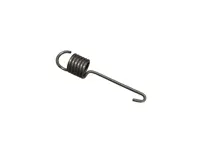
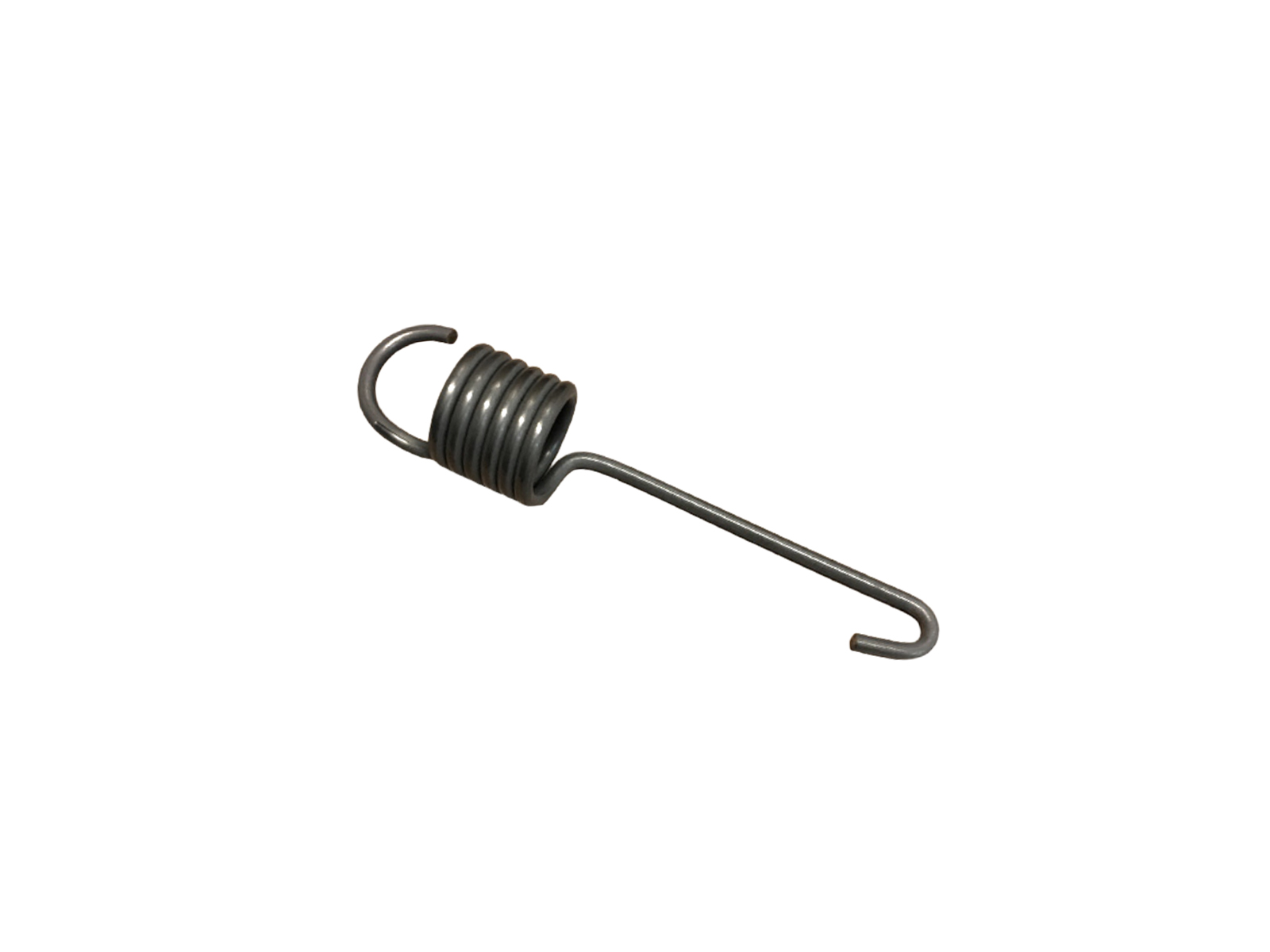
Restore smooth and dependable clutch pedal operation with this OE Match Clutch Pedal Spring. Designed for compatible Porsche applications, this spring forms part of the clutch pedal mechanism and helps provide the correct pedal movement, return action and operating feel.
Fits:Porsche 911 / 912 1974-77
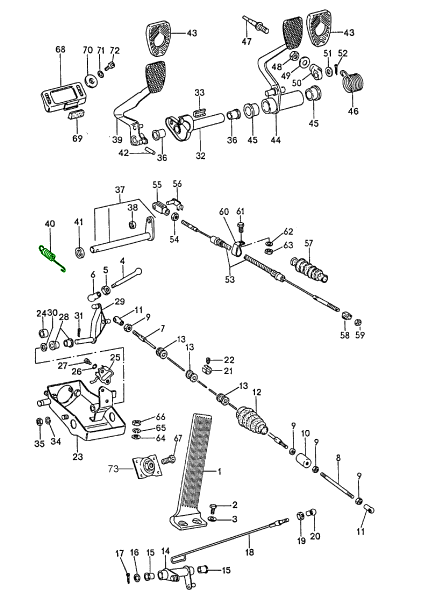
Diagram Ref No 40
The clutch pedal is operated repeatedly during normal driving, and its associated spring is continually subjected to compression or tension cycles. The spring assists the pedal mechanism as designed, helping it return correctly after clutch operation and maintaining controlled movement throughout the pedal's travel.
What This Product Does:
- Forms part of the clutch pedal operating mechanism.
- Assists correct clutch pedal movement.
- Helps the pedal return to its normal position after operation.
- Provides the intended spring force within the pedal mechanism.
- Helps maintain consistent clutch pedal feel.
- Reduces unwanted free movement where associated with a weakened spring.
- Supports smooth operation of the clutch pedal assembly.
- Works alongside the pedal linkage and clutch operating components.
- Replaces a stretched, weakened, corroded or broken spring.
- Provides an OE-style replacement for compatible Porsche applications.
Symptoms Of Wear Or Failure:
- The clutch pedal does not return correctly.
- Slow or inconsistent pedal return.
- The pedal remains partially depressed after use.
- Clutch pedal feel has become noticeably different.
- Excessive looseness or unwanted pedal movement.
- Reduced spring resistance through the pedal mechanism.
- Squeaking, clicking or other noises around the pedal assembly.
- Visible corrosion on the spring. A stretched or distorted spring.
- Broken spring coils or attachment points.
- The spring has become detached.
- Damage discovered during pedal box or clutch linkage servicing.
Why Replacement Matters:
- Correct clutch pedal movement is important for smooth and predictable clutch operation. A weakened or damaged spring can change the way the pedal moves and returns, making clutch operation less consistent.
- If the spring no longer provides the intended assistance, the pedal may return slowly or fail to reach its correct resting position. This can make the clutch system feel unusual and may interfere with correct operation of associated pedal or linkage components.
- A broken spring can also leave loose pieces within the pedal assembly, potentially causing noise or interfering with nearby moving components.
- Continued use with an incorrectly returning pedal may place unnecessary strain on parts of the clutch operating mechanism. Addressing the problem promptly also provides an opportunity to inspect pedal bushes, pivots and linkage components that may have developed wear at the same time.
Related reference numbers
Related, superseded, cross reference or alternative numbers for comparison.
91142330505
The product you are viewing cross references to these numbers
- Porsche 911 1974-1977 2.7L / 1976-77 3.0 Carrera
- Porsche 911 1975-1977 3.0L Turbo (930)
Shop Securely
12 Month Warranty
Worldwide Delivery
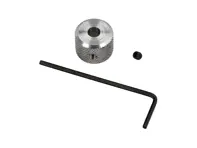
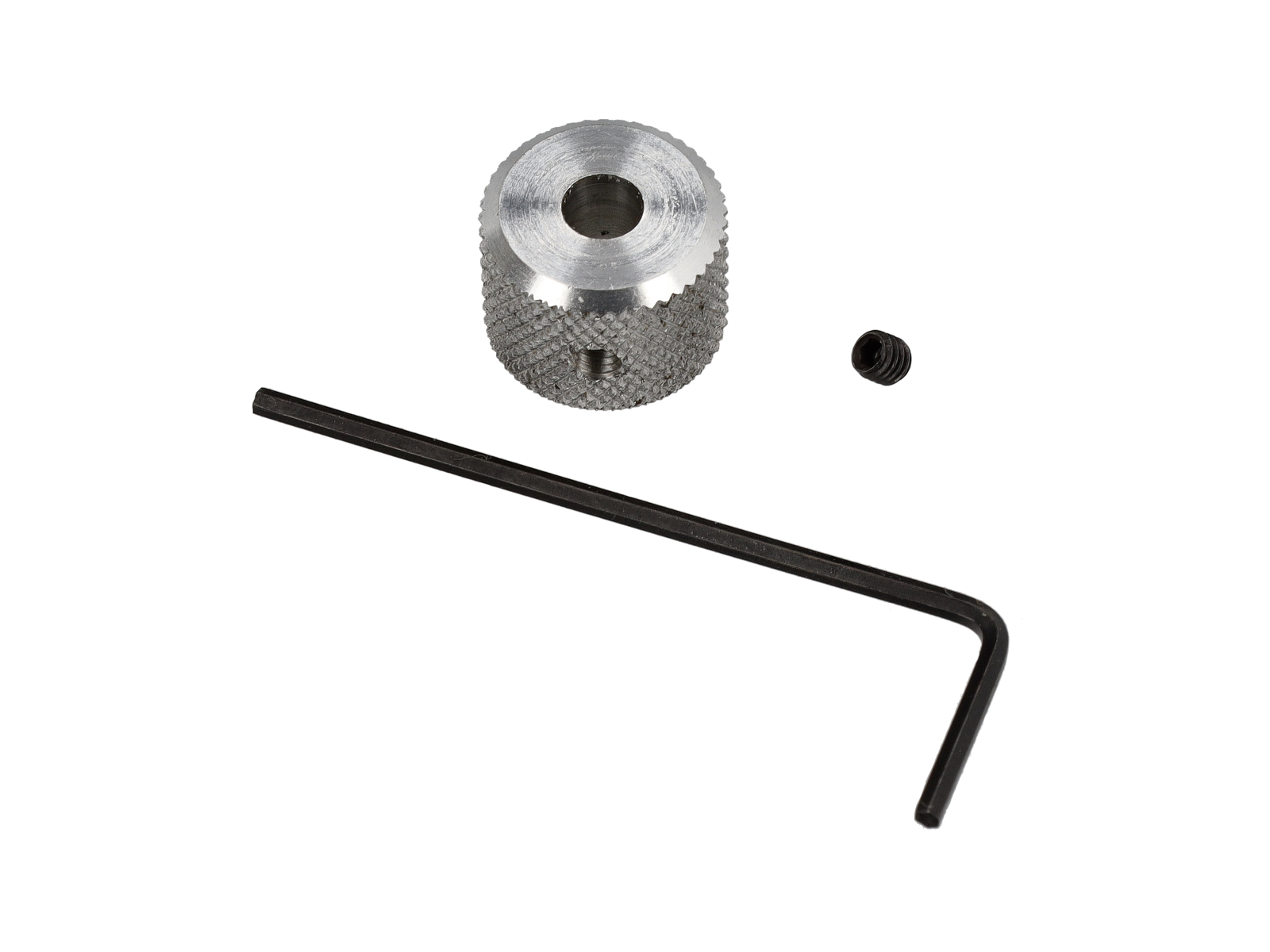
The OE Match speedometer reset knob is a replacement interior control used to reset the trip odometer on the speedometer in classic Porsche 911 models from 1965 to 1977. This small dashboard component allows the driver to manually reset the trip counter to zero for tracking distance during journeys. Please note Original Porsche part is no longer available.
Sold individually
Fits:
Porsche 911 1965 - 1977
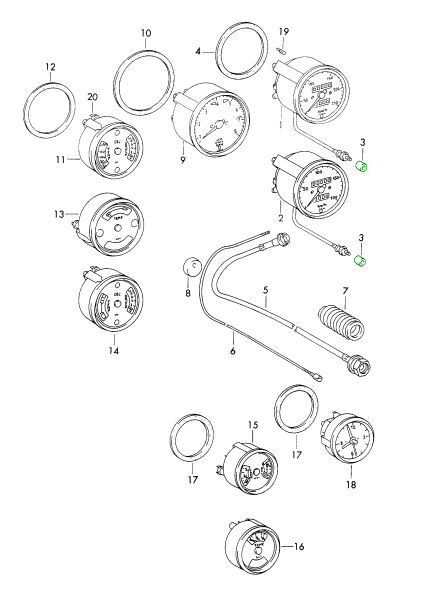
Diagram ref no 3
The speedometer reset knob is a small knurled adjustment knob located on or near the speedometer gauge in early Porsche 911 dashboards. It connects to the trip odometer mechanism and allows the driver to manually reset the distance counter.
The OE Match Speedometer reset knob is designed to replicate the original Porsche component in appearance, size and fitment. It is particularly useful because the original Porsche part is no longer available, making OE-style replacements an important solution for maintenance and restoration of classic models.
The knob allows the driver to reset the trip odometer (day trip counter) to zero. This feature helps drivers track individual journey distances, fuel consumption or maintenance intervals.
Replacing a worn or missing reset knob restores full functionality to the instrument cluster and ensures the trip counter can be operated easily and reliably.
Function
• Trip Odometer Reset: Allows manual reset of the speedometer trip counter
• Instrument Control: Connects to the internal odometer reset mechanism
• Driver Convenience: Enables tracking of trip distance and mileage
• Restoration Fit: OE-style design maintains authentic interior appearance
Over time the small reset knob can become worn, cracked or lost during instrument servicing. Without the knob, the trip odometer cannot be reset easily. Installing a new OE Match replacement restores full functionality of the speedometer system and preserves the authentic interior appearance of classic Porsche models.
Consider replacing the reset knob if you notice:
• Missing or broken speedometer reset knob
• Difficulty resetting the trip odometer
• Worn or damaged instrument control
• During dashboard or instrument cluster restoration
Related reference numbers
Related, superseded, cross reference or alternative numbers for comparison.
90174119122
The product you are viewing cross references to these numbers
- Porsche 911 1965-1968 2.0L / 912 SWB (F)
- Porsche 911 1968-1973 2.2L / 2.4L / 2.7L RS LWB (F)
- Porsche 911 1974-1977 2.7L / 1976-77 3.0 Carrera
Shop Securely
12 Month Warranty
Worldwide Delivery
Express Delivery
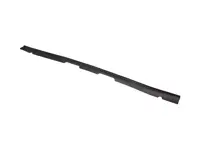
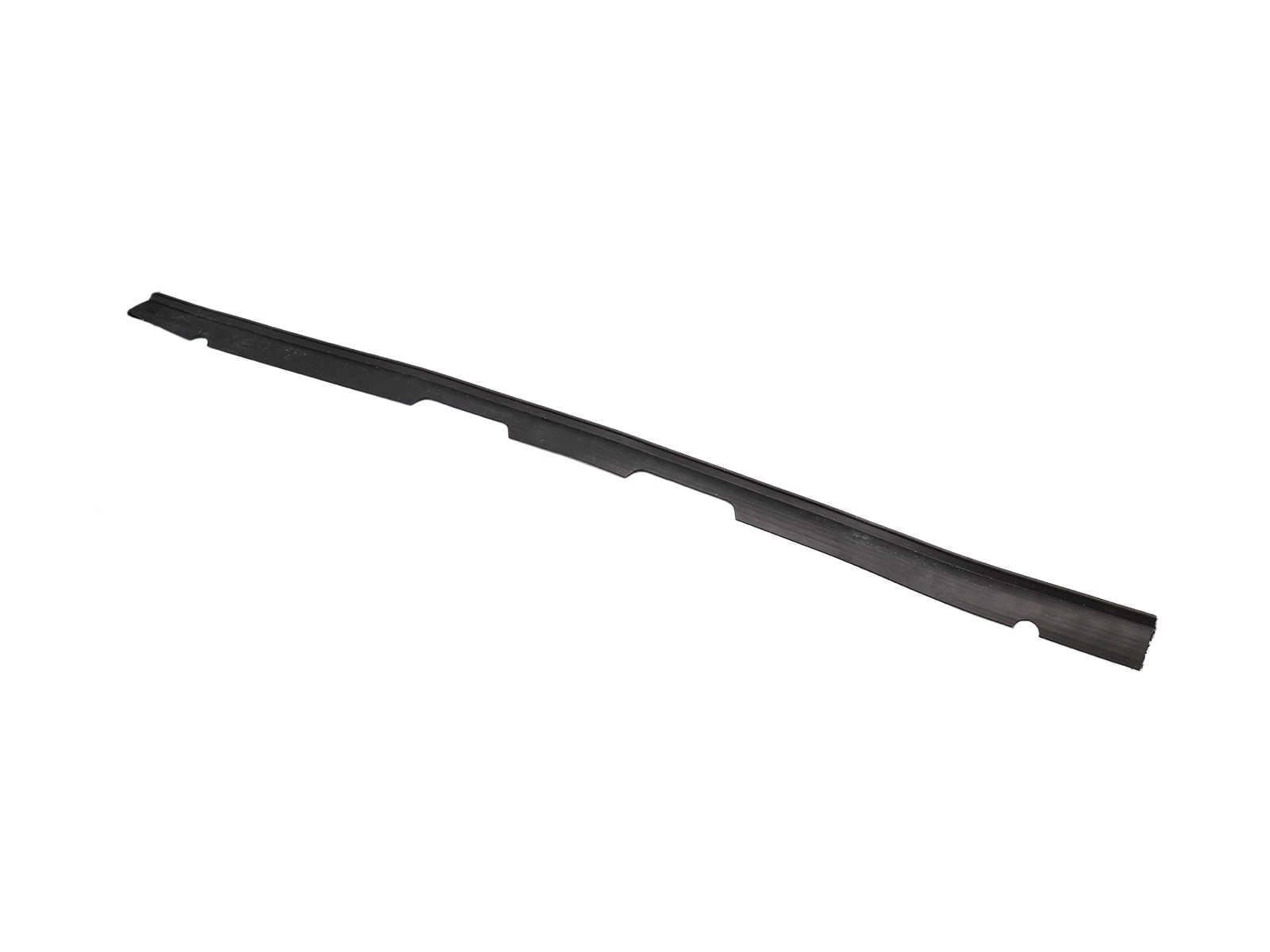
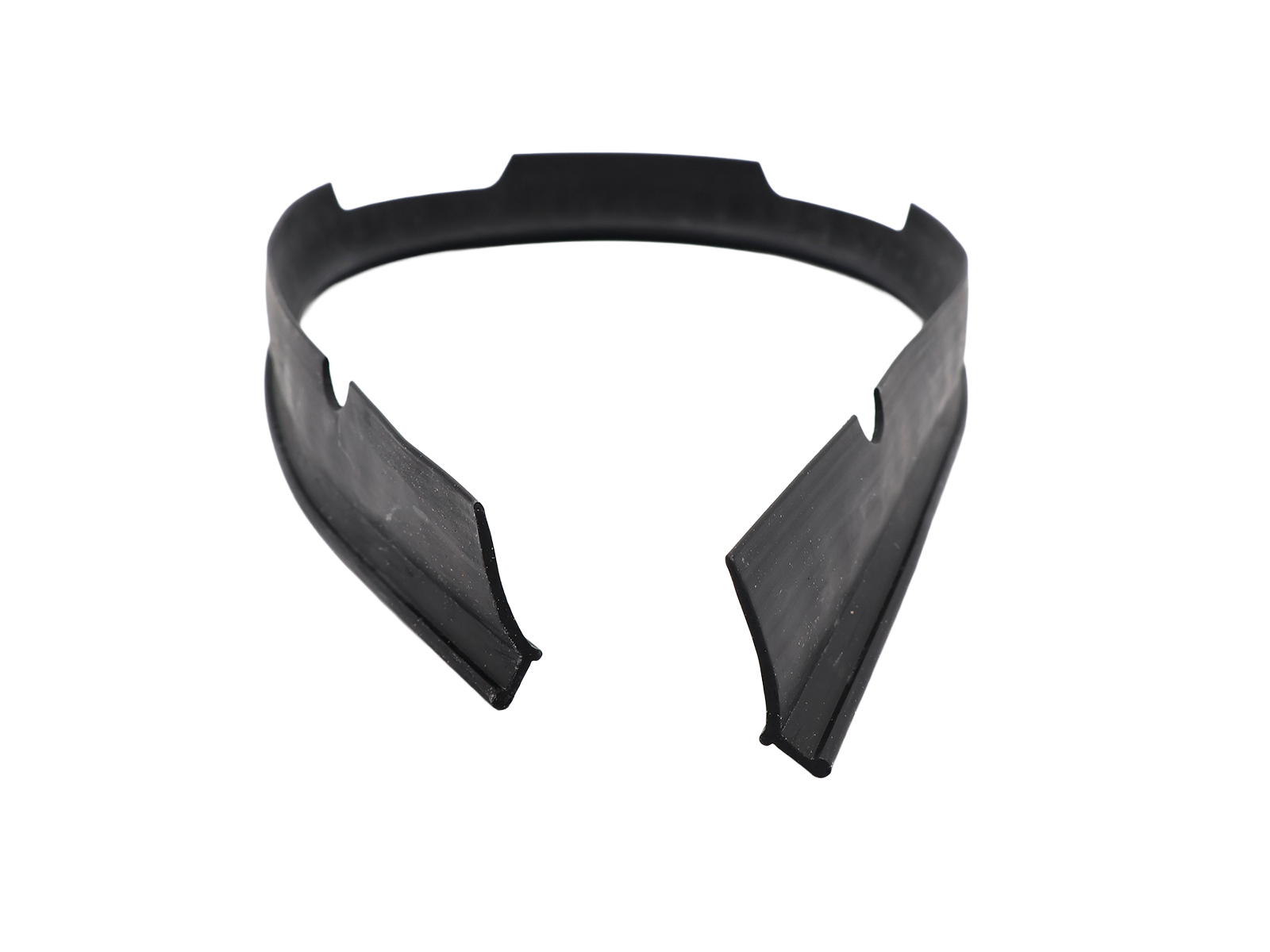
Restore a secure, properly cushioned seal between the engine lid and surrounding bodywork with this OE Match Engine Lid to Body Seal. Designed for compatible classic Porsche applications, this seal fits around the engine lid opening and provides a flexible barrier between the closing panel and the vehicle body.
Fits:
Porsche 911 1965-73
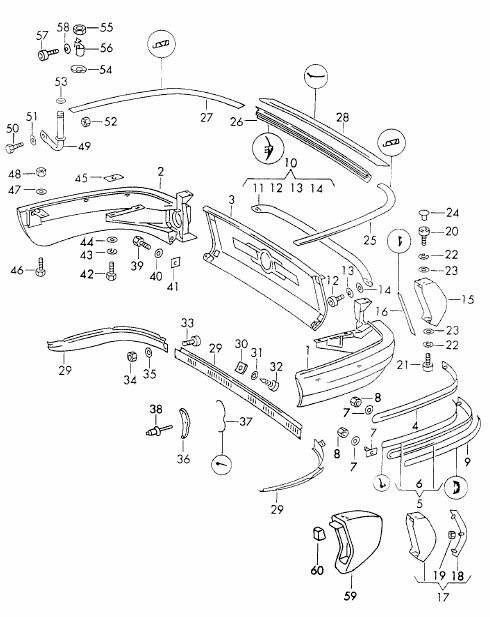
Diagram Ref No 28
The engine lid seal performs several important functions. It helps prevent water, dirt and road contamination from entering around the lid opening, while also cushioning contact between adjoining panels. When correctly fitted, it contributes to a clean, properly finished engine compartment and helps minimise unwanted vibration and rattling.
What This Product Does:
- Seals the gap between the engine lid and surrounding bodywork.
- Helps prevent water entering around the engine lid opening.
- Reduces dirt, dust and debris entering through panel gaps.
- Provides cushioning between the engine lid and body.
- Helps reduce unwanted vibration and rattling.
- Supports correct seating of the engine lid when closed.
- Helps protect surrounding painted surfaces from unnecessary contact.
- Contributes to a clean and properly finished engine compartment.
- Replaces a hardened, cracked, flattened, shrunken or missing seal.
- Restores an OE-style appearance for compatible classic Porsche applications.
Symptoms Of Wear Or Failure:
- Visible cracks or splits in the rubber.
- Rubber that has become hard or brittle.
- Flattened areas that no longer recover after compression.
- Shrinkage creating gaps around the engine lid opening.
- Sections of the seal pulling away from the body.
- Torn or missing sections.
- Water entering around the engine lid.
- Excessive dirt or debris entering the engine compartment.
- Increased rattling or vibration from the engine lid.
- The lid contacting surrounding bodywork.
- Deterioration or discolouration affecting the vehicle's appearance.
- A damaged seal discovered during bodywork or engine compartment restoration.
Why Replacement Matters:
- The engine lid seal must remain flexible to conform to the shape of the lid and body aperture. Once the rubber becomes hard, compressed or damaged, gaps can develop that reduce its ability to provide effective protection.
- Water entering through these gaps can contribute to corrosion and deterioration of surrounding metalwork, fittings and components. Dirt and debris can also accumulate within the engine compartment, making maintenance more difficult and affecting the appearance of a restored vehicle.
- The seal also acts as a cushion when the engine lid is closed. A deteriorated or missing seal may allow excessive panel movement, contributing to rattles and potentially allowing painted surfaces to contact one another.
- On a classic Porsche, rubber seals are also important visual finishing components. Fresh, correctly fitted sealing rubber provides a much cleaner appearance than an old seal that has cracked, shrunk or become distorted.
Related reference numbers
Related, superseded, cross reference or alternative numbers for comparison.
90151290100
The product you are viewing cross references to these numbers
- Porsche 911 1965-1968 2.0L / 912 SWB (F)
- Porsche 911 1968-1973 2.2L / 2.4L / 2.7L RS LWB (F)
Shop Securely
12 Month Warranty
Worldwide Delivery
Express Delivery
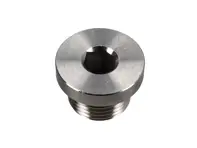
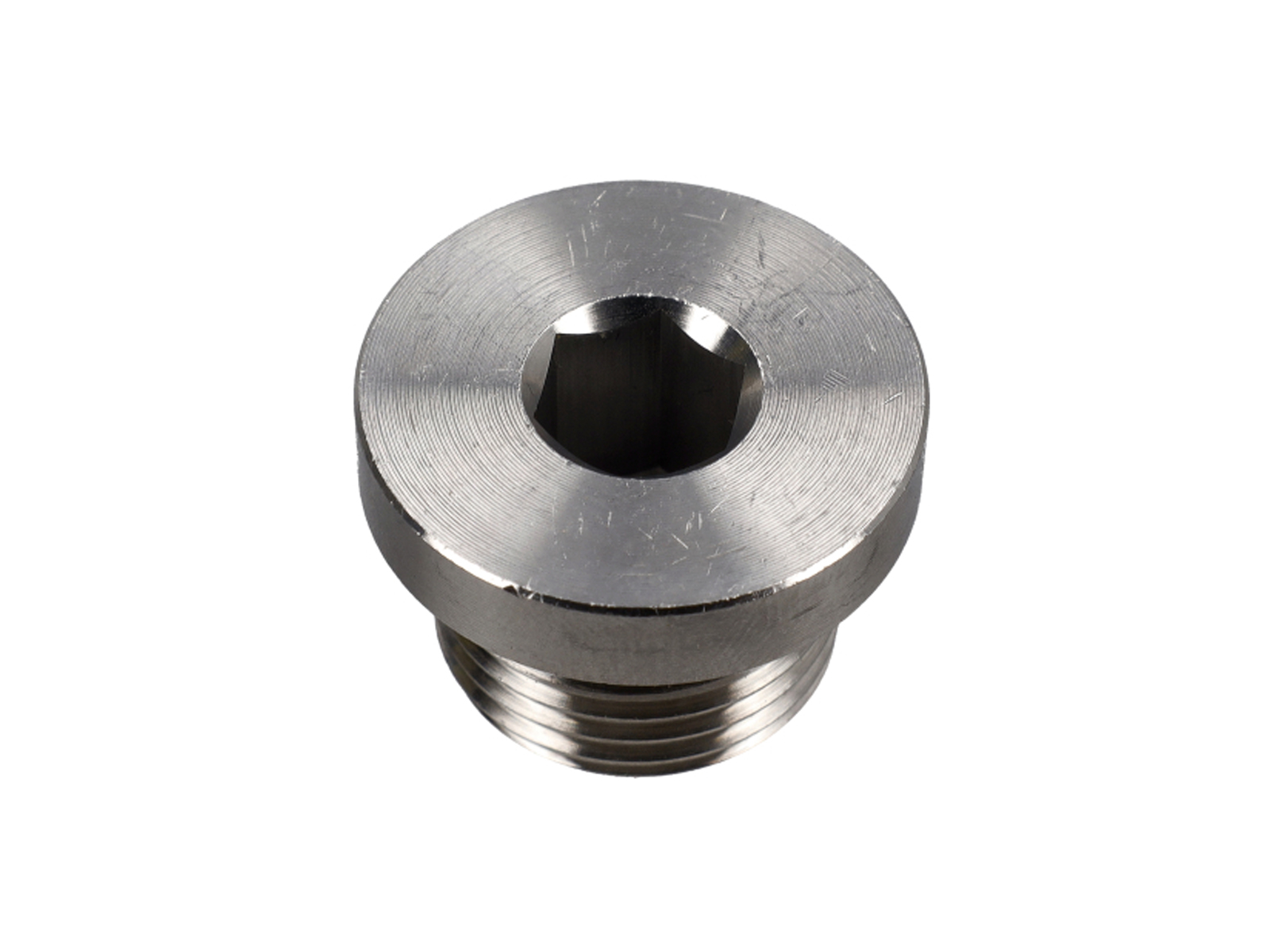
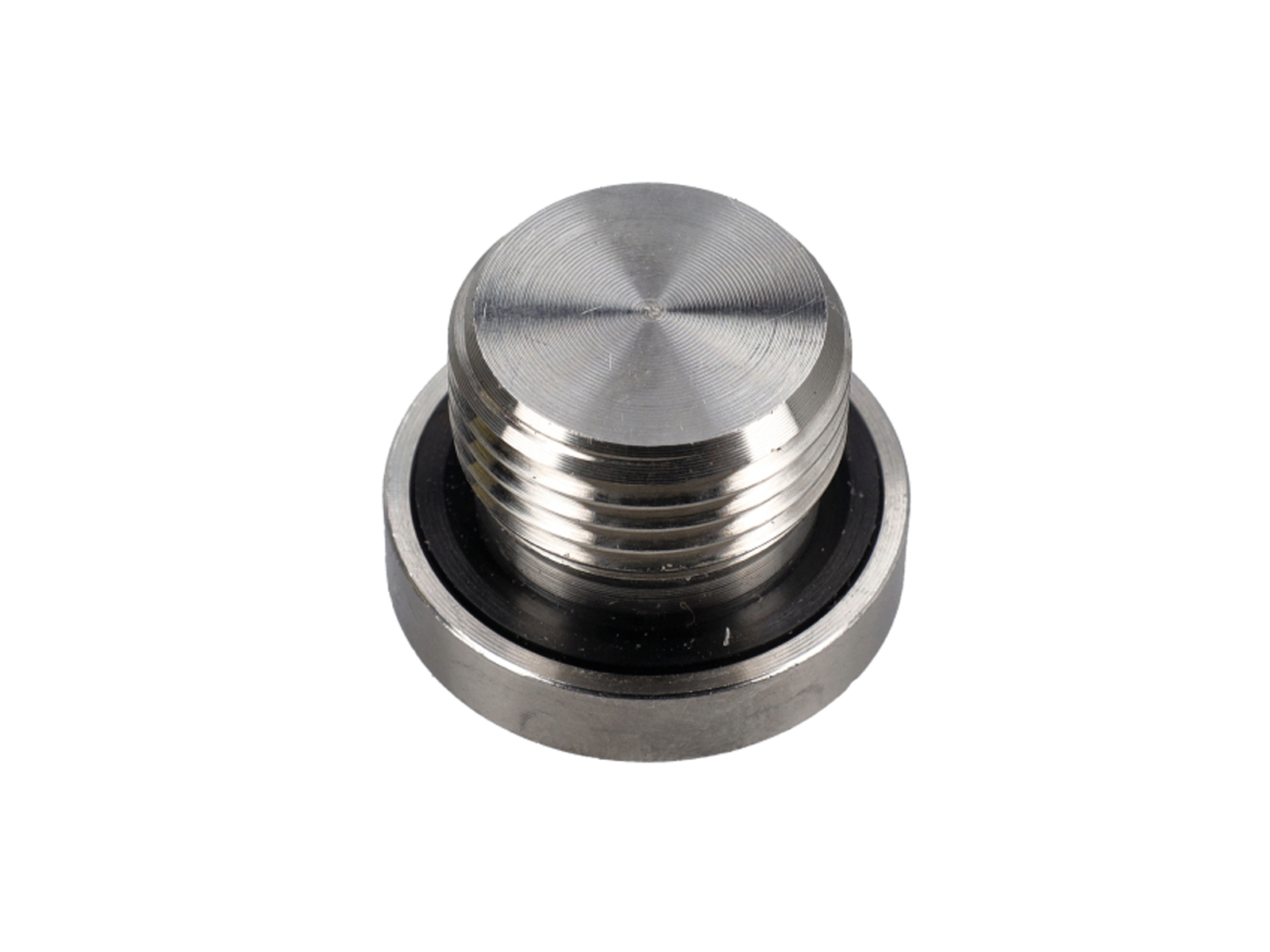
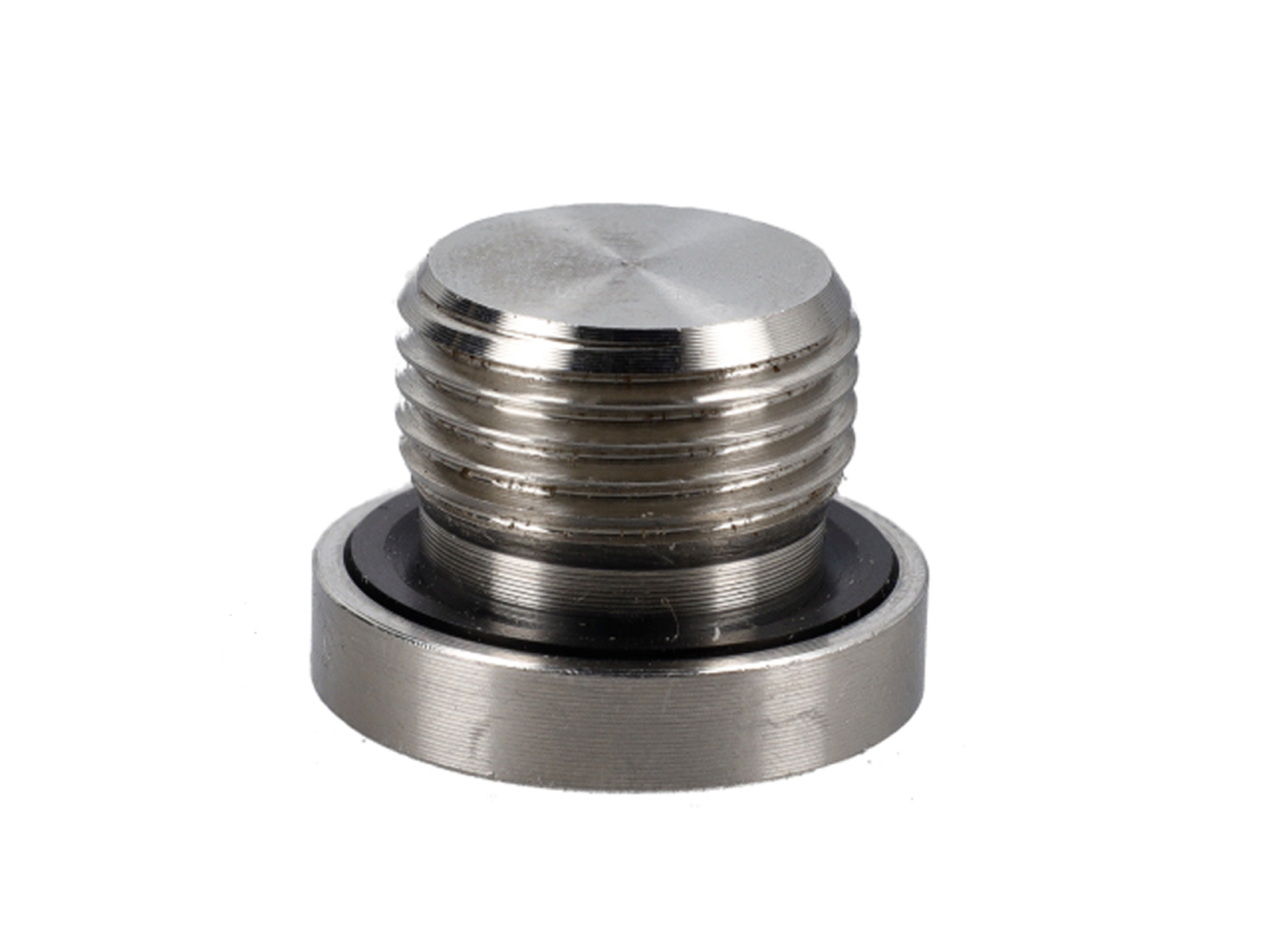
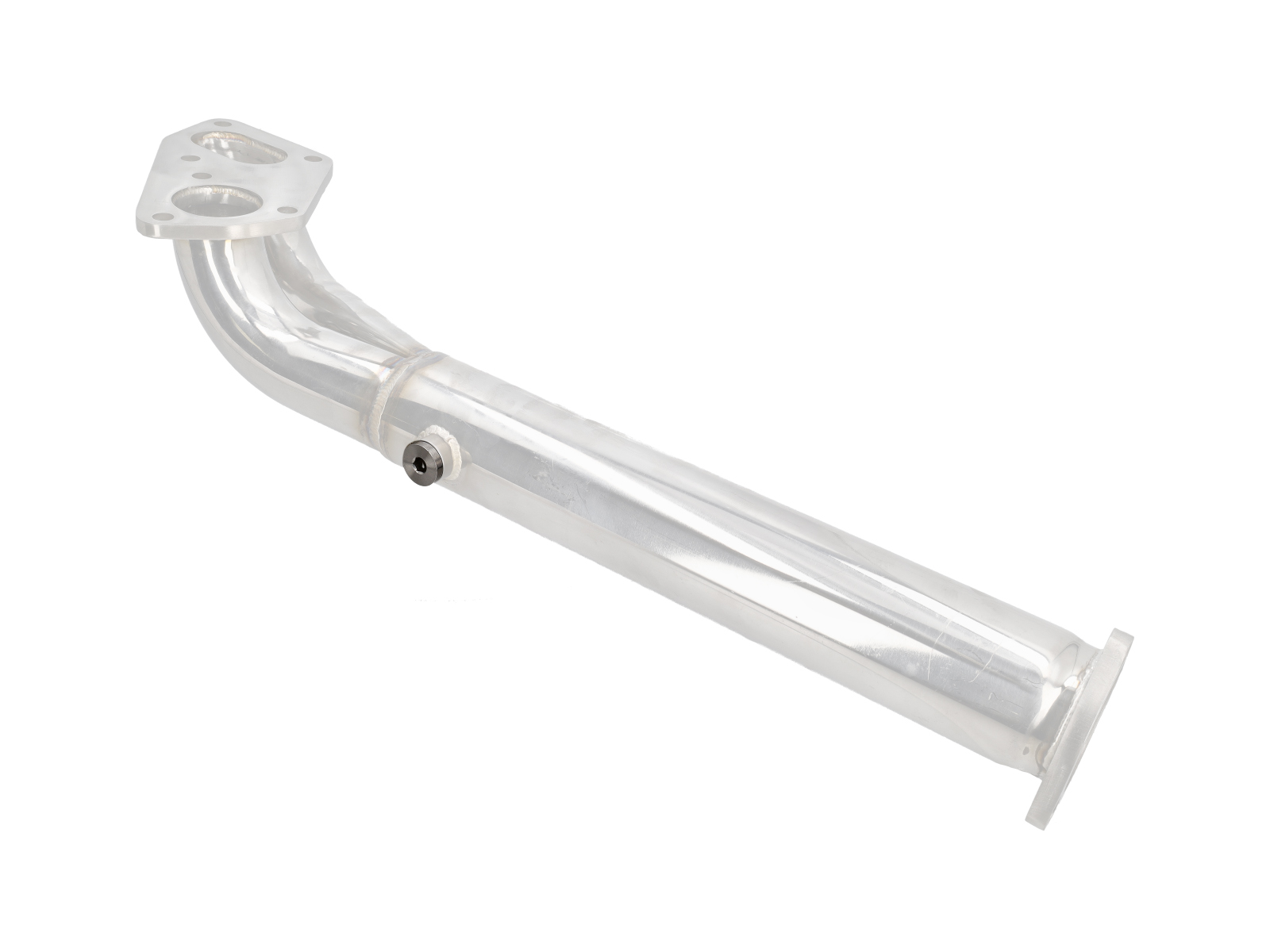
Securely seal an unused oxygen sensor port with this OE Match Blanking Plug for Oxygen Sensor Hole. Designed for compatible exhaust applications, this plug is used when an oxygen (lambda) sensor mounting hole is present but a sensor is not required for the particular vehicle, exhaust configuration, testing setup or application.
M 18 x 1,5 x 18
23mm in length
Oxygen sensor ports are threaded openings in the exhaust system that normally accommodate a lambda sensor. When the port is not being used, it must be properly sealed. Leaving the opening exposed can allow hot exhaust gases to escape and may permit moisture and contamination to enter the exhaust system.
What This Product Does:
- Seals an unused oxygen or lambda sensor mounting hole.
- Prevents exhaust gases escaping through an unused sensor port.
- Helps maintain the integrity of the exhaust system.
- Protects the threaded sensor opening from dirt and contamination.
- Helps reduce moisture entering through an unused port.
- Allows an exhaust component with an oxygen sensor boss to be used where a sensor is not required.
- Provides a removable solution if an oxygen sensor is required later.
- Replaces a missing, damaged or corroded blanking plug.
- Provides an OE-style solution for compatible exhaust applications.
Symptoms Of Wear Or Failure:
- Exhaust gases leaking around the plug.
- A ticking or blowing noise from the oxygen sensor port.
- Black soot deposits around the plug or threaded opening.
- A strong exhaust smell near the affected area.
- The plug has become loose.
- Visible corrosion or deterioration.
- Damaged or stripped plug threads.
- A plug that can no longer be securely tightened.
- The original blanking plug is missing.
- An oxygen sensor has been removed and the port remains open.
- Heat or exhaust staining around the sensor boss.
Why Replacement Matters:
- An unused oxygen sensor hole should never be left open during normal engine operation. Exhaust gases are extremely hot and can escape through the opening at high velocity, potentially damaging nearby components and creating excessive noise.
- An exhaust leak can also affect the correct operation of the exhaust system. Depending on the location of the unused port and the vehicle's configuration, unwanted air entering the exhaust may also interfere with exhaust-gas measurements or diagnostic testing.
- The threaded sensor boss itself can deteriorate if left exposed. Dirt, moisture and corrosion may damage the threads, making installation of a future oxygen sensor more difficult or requiring repair of the sensor mounting point.
- A loose or damaged plug can produce similar problems. Soot deposits around the port are often an indication that combustion gases are escaping past the sealing surface or threads.
Related reference numbers
Related, superseded, cross reference or alternative numbers for comparison.
333660211
The product you are viewing cross references to these numbers
- Porsche 911 1974-1977 2.7L / 1976-77 3.0 Carrera
- Porsche 911 1978-1983 3.0L / SC
- Porsche 911 1984-1986 3.2L
- Porsche 911 1987-1989 3.2L G50
Shop Securely
12 Month Warranty
Worldwide Delivery
Express Delivery
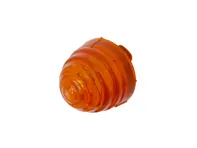
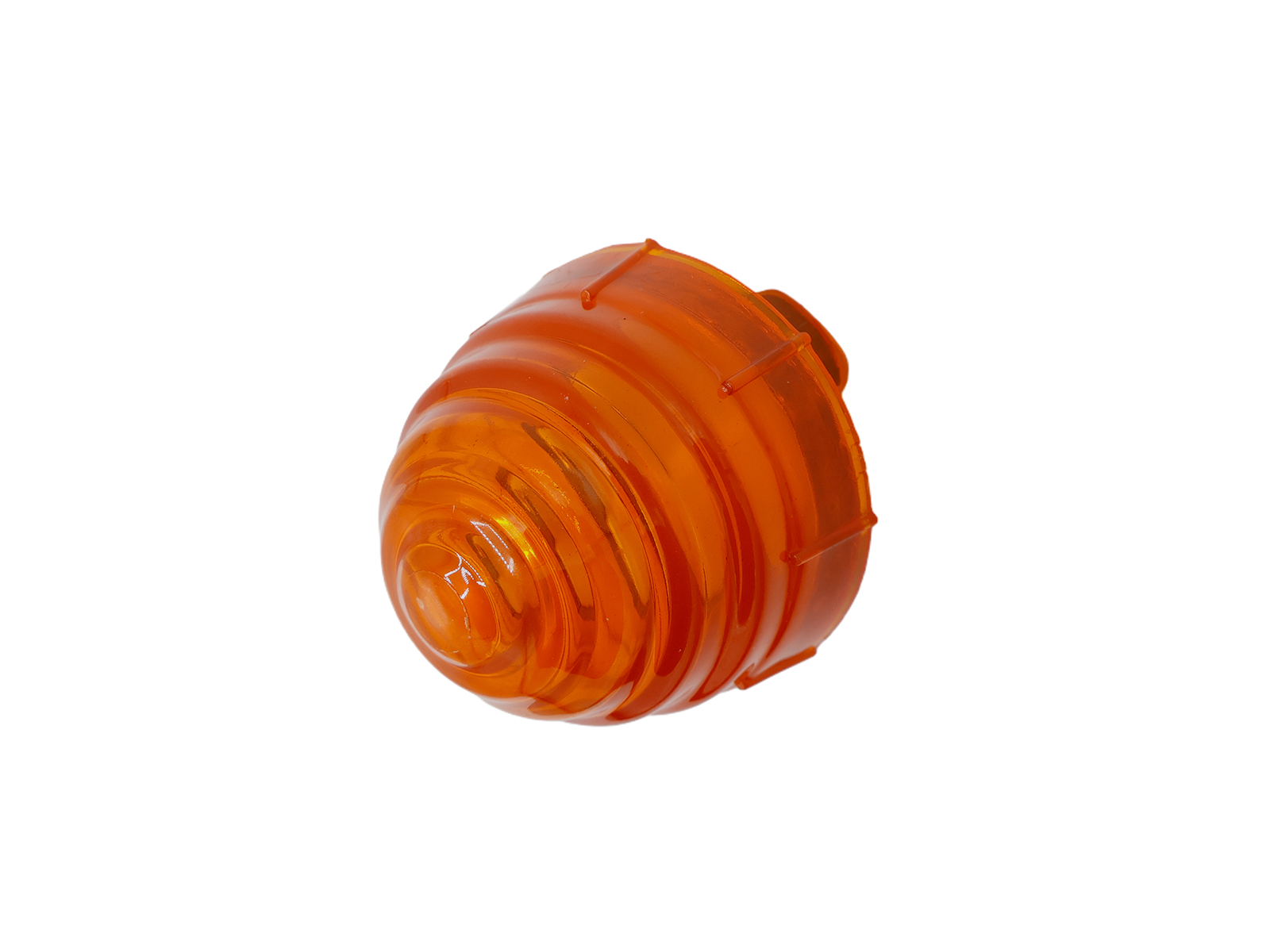
Restore the appearance and visibility of the front indicator with this OE Match Front Turn Signal Lens. Featuring a round design with a yellow/amber finish, this replacement lens is intended for compatible classic vehicle applications where the original indicator lens has become cracked, faded, damaged or missing.
Fits:Porsche 356 B/C 1.6 01/59-12/65
Diagram Ref No 21
The turn signal lens covers the front indicator lamp and allows its light to remain clearly visible when signalling a change of direction. It also helps protect the bulb, reflector and internal lamp components from dirt, moisture and road contamination.
What This Product Does:
- Covers the front indicator lamp assembly.
- Provides a yellow/amber indicator appearance.
- Allows the turn signal to remain visible to other road users.
- Helps communicate intended changes of direction.
- Protects the indicator bulb and internal lamp components.
- Helps reduce exposure to dirt, moisture and road contamination.
- Features a period-style round design.
- Replaces a cracked, faded, broken or missing indicator lens.
- Helps restore a clean and original-style front-end appearance.
- Is suitable for compatible classic vehicle restoration applications.
- Is supplied as a non-E-type-certified component.
Symptoms Of Wear Or Failure:
- Cracks or splits in the lens.
- A completely broken or missing lens.
- Chips caused by stone impacts.
- Significant fading or discolouration.
- Clouding or deterioration of the lens material.
- Reduced visibility of the indicator light.
- Moisture or dirt entering the lamp assembly.
- Loose or damaged mounting points.
- The lens no longer fitting securely.
- Visible deterioration affecting the vehicle's appearance.
- Damage discovered during restoration of the lighting system.
Why Replacement Matters:
- Front indicators are important signalling devices that allow other road users to recognise when the driver intends to turn or change direction. A severely faded, damaged or missing lens may reduce the clarity and visibility of the signal.
- A cracked lens can also allow water, dust and road contamination into the lamp assembly. Moisture can contribute to corrosion of bulb contacts, electrical terminals and reflector surfaces, potentially causing intermittent or complete indicator failure.
- If the lens is loose or damaged, continued vibration may cause further deterioration or result in the lens becoming detached from the vehicle.
- For a classic vehicle restoration, indicator lenses are also prominent exterior details. Replacing a faded, cracked or unsuitable lens can significantly improve the appearance of the front lighting installation and help restore a period-correct look.
Related reference numbers
Related, superseded, cross reference or alternative numbers for comparison.
64463141106
The product you are viewing cross references to these numbers
- Porsche 356B 1959-63
- Porsche 356C 1963-65
Shop Securely
12 Month Warranty
Worldwide Delivery
Express Delivery
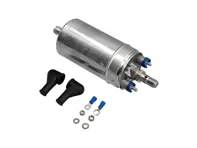
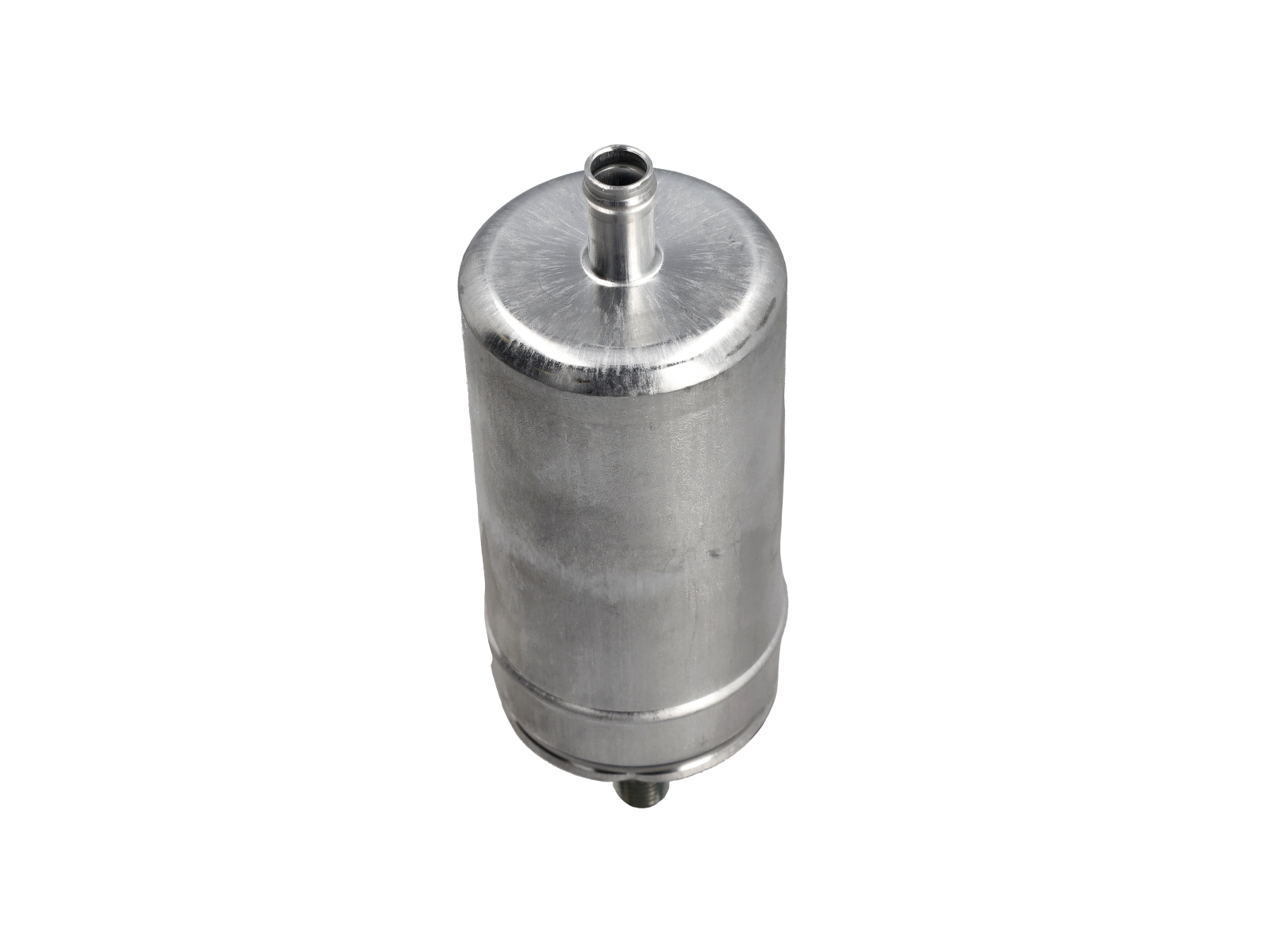
Restore dependable fuel delivery and consistent engine operation with this OE Match Fuel Pump. Designed for compatible Porsche applications, the fuel pump is a critical part of the vehicle's fuel system, supplying fuel from the tank toward the engine at the flow and pressure required for correct operation.
Fits:Porsche 911 3.0L 1980 - 83
Porsche 924 2.0L 1981 >
Porsche 928 4.7L 1981 -83 (M28.11 / M28.12 Engines)
Porsche 911 Turbo 1980 - 89 (front)
Porsche 965 Turbo 3.3 / 3.6 (front)
The engine relies on a continuous and stable fuel supply during starting, idling, acceleration and higher-load driving. If the pump can no longer deliver the required amount of fuel, the engine may become difficult to start, hesitate under acceleration, lose power or stop running altogether.
What This Product Does:
- Transfers fuel from the fuel tank toward the engine.
- Provides the fuel flow required for normal engine operation.
- Helps maintain the required fuel-system pressure for the intended application.
- Supports reliable cold and warm starting.
- Provides fuel during idle, cruising and acceleration.
- Helps maintain consistent engine performance as fuel demand increases.
- Supports correct operation of the vehicle's fuel delivery system.
- Helps prevent fuel starvation caused by inadequate pump output.
- Replaces a worn, damaged, noisy or failed fuel pump.
- Provides an OE-style replacement for compatible Porsche applications.
Symptoms Of Wear Or Failure:
- Difficulty starting the engine.
- Extended cranking before the engine starts.
- Engine failing to start despite fuel being present.
- Intermittent starting problems.
- Engine hesitation during acceleration.
- Loss of power under load.
- Poor performance at higher engine speeds.
- Engine cutting out unexpectedly.
- Intermittent stalling.
- Fuel starvation symptoms.
- Unusual buzzing, whining or other noises from the fuel pump.
- Fuel pressure or flow below specification.
- Intermittent pump operation.
- Visible fuel leakage around the pump or connections.
- Electrical testing confirming that the pump is receiving the correct supply but is not operating properly.
Why Replacement Matters:
- The engine cannot operate correctly without a reliable fuel supply. A weakening fuel pump may provide enough fuel for starting or low-speed operation but struggle to meet demand during acceleration or higher engine loads.
- Insufficient fuel delivery can cause hesitation, poor acceleration, loss of power and stalling. Intermittent pump failure can be particularly troublesome because the vehicle may operate normally at times before unexpectedly cutting out or refusing to restart.
- A complete fuel pump failure can leave the vehicle unable to start or run, potentially resulting in an unexpected breakdown.
- Fuel leakage is even more important to address immediately. Petrol is highly flammable, and any leakage around the pump, hoses or connections can create a serious fire hazard.
Related reference numbers
Related, superseded, cross reference or alternative numbers for comparison.
91160810203
The product you are viewing cross references to these numbers
- Porsche 911 1978-1983 3.0L / SC
- Porsche 911 1978-1989 3.3L Turbo (930)
- Porsche 924 2.0L 1980-85
- Porsche 928 4.5L 1978-82
- Porsche 928S 4.7L 1981-83
- Porsche 928S2 4.7L 1984-86
Shop Securely
12 Month Warranty
Worldwide Delivery
Express Delivery
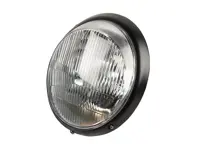
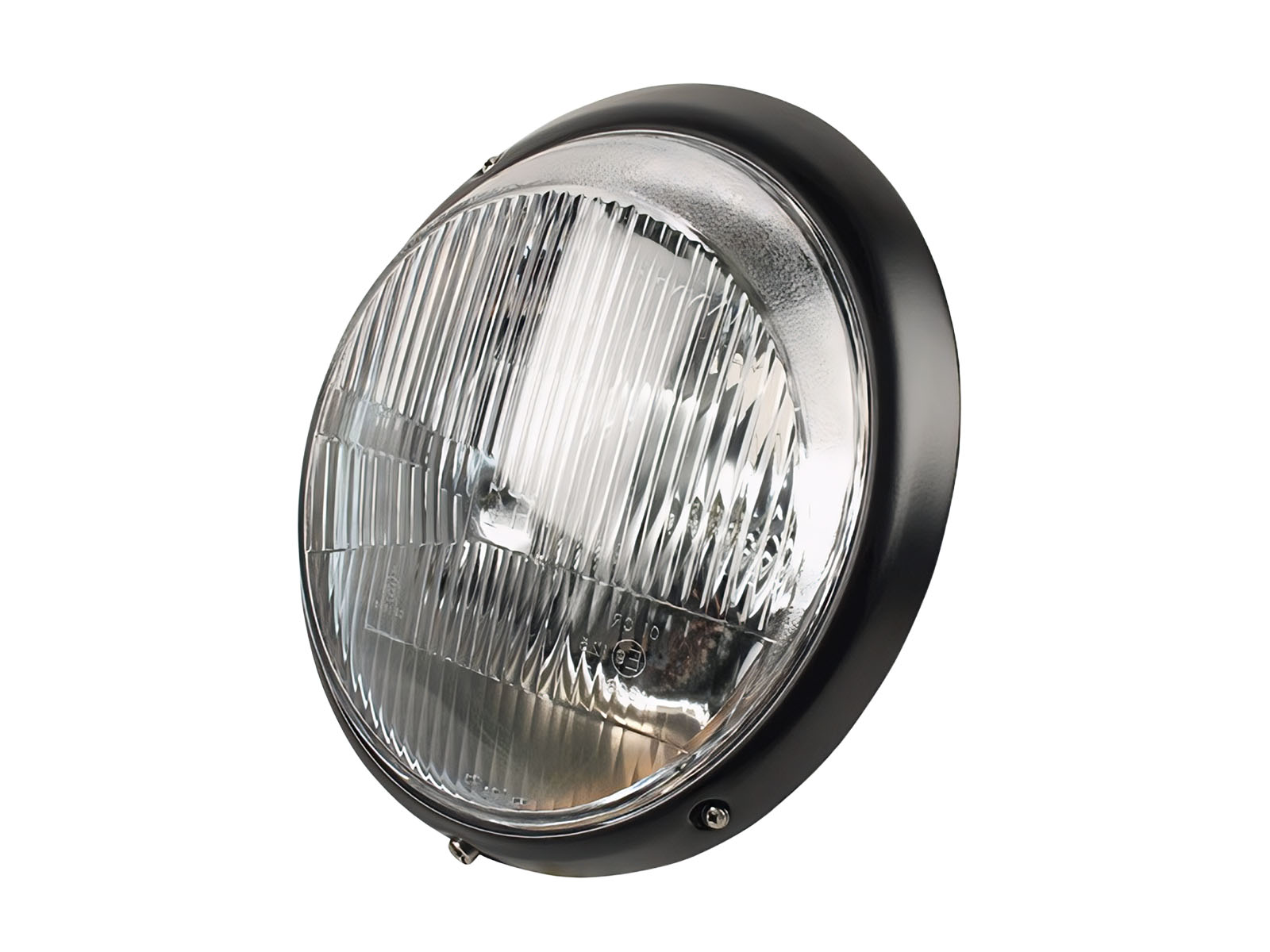
Restore dependable forward lighting and the correct period-style appearance with this OE Match Headlamp with Black Rim. Designed for compatible left-hand-drive (LHD) cars, this headlamp is the non-levelling type and features a distinctive black outer rim.
Bulb type: H4 (bulbs not supplied)Fits:
Porsche 911 1969-86
The headlamp is a critical part of the vehicle's lighting system, illuminating the road ahead during darkness and poor visibility while helping make the vehicle more visible to other road users. Correct beam pattern, alignment and secure mounting are essential for effective nighttime driving.
What This Product Does:
- Provides forward illumination during nighttime driving.
- Improves visibility in dark and low-light conditions.
- Helps make the vehicle visible to other road users.
- Provides the appropriate headlamp configuration for compatible LHD vehicles.
- Features a black rim for the correct exterior appearance.
- Uses a non-levelling configuration for applicable vehicles.
- Supports correct dipped and main-beam operation when fitted with the appropriate lighting components.
- Allows the beam to be correctly aimed during installation.
- Replaces a damaged, corroded or deteriorated headlamp assembly.
- Helps restore the vehicle's original-style front-end appearance.
- Provides an OE-style replacement for compatible applications.
Symptoms Of Wear Or Failure:
- Cracked, chipped or broken headlamp glass or lens.
- Poor or noticeably reduced light output.
- Clouding or deterioration affecting illumination.
- Moisture or persistent condensation inside the headlamp.
- Corrosion within the reflector or housing.
- A dull or damaged reflector surface.
- Damaged or seized beam adjustment mechanisms.
- Headlamp beam that cannot be correctly aligned.
- Loose or damaged mounting points.
- Headlamp movement or vibration while driving.
- Damage to the black rim or surrounding assembly.
- Accident or stone-impact damage.
- Electrical connections or internal components damaged beyond practical repair.
- An incorrect headlamp type fitted during a previous repair or restoration.
Why Replacement Matters:
- Effective headlamps are essential for safe nighttime driving. Reduced light output limits the driver's ability to identify bends, road markings, pedestrians, obstacles and other hazards early enough to react safely.
- A damaged lens or housing can allow moisture into the headlamp. Continued moisture exposure may deteriorate the reflector, electrical contacts and other internal components, progressively reducing lighting performance.
- Correct beam alignment is equally important. A headlamp that cannot be properly adjusted may provide inadequate road illumination or create excessive glare for oncoming drivers.
- Using the correct LHD headlamp specification is particularly important because headlamp beam patterns are designed around the vehicle's intended traffic environment. An unsuitable headlamp configuration may produce an incorrect beam pattern and could fail to meet applicable roadworthiness requirements.
- For classic vehicle restoration, the headlamp also has a major visual impact. The black rim contributes to the intended front-end appearance, making the correct assembly important for both function and presentation.
Related reference numbers
Related, superseded, cross reference or alternative numbers for comparison.
91163111302
The product you are viewing cross references to these numbers
- Porsche 911 1965-1968 2.0L / 912 SWB (F)
- Porsche 911 1968-1973 2.2L / 2.4L / 2.7L RS LWB (F)
- Porsche 911 1974-1977 2.7L / 1976-77 3.0 Carrera
- Porsche 911 1978-1983 3.0L / SC
- Porsche 911 1984-1986 3.2L
- Porsche 911 1987-1989 3.2L G50
- Porsche 911 1975-1977 3.0L Turbo (930)
- Porsche 911 1978-1989 3.3L Turbo (930)
- Porsche 964 (911) C2 1989-93
- Porsche 964 (911) C4 1989-93
- Porsche 964 (911) RS 3.6L 1991-93
- Porsche 964 (911) RS 3.8L 1991-93
- Porsche 964 (911) TURBO 3.3L 1991-93
- Porsche 964 (911) TURBO 3.6L 1991-93
Shop Securely
12 Month Warranty
Worldwide Delivery
Express Delivery
 Free delivery
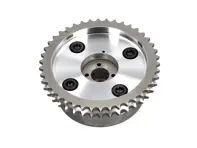
Sold each - 2 required per car.
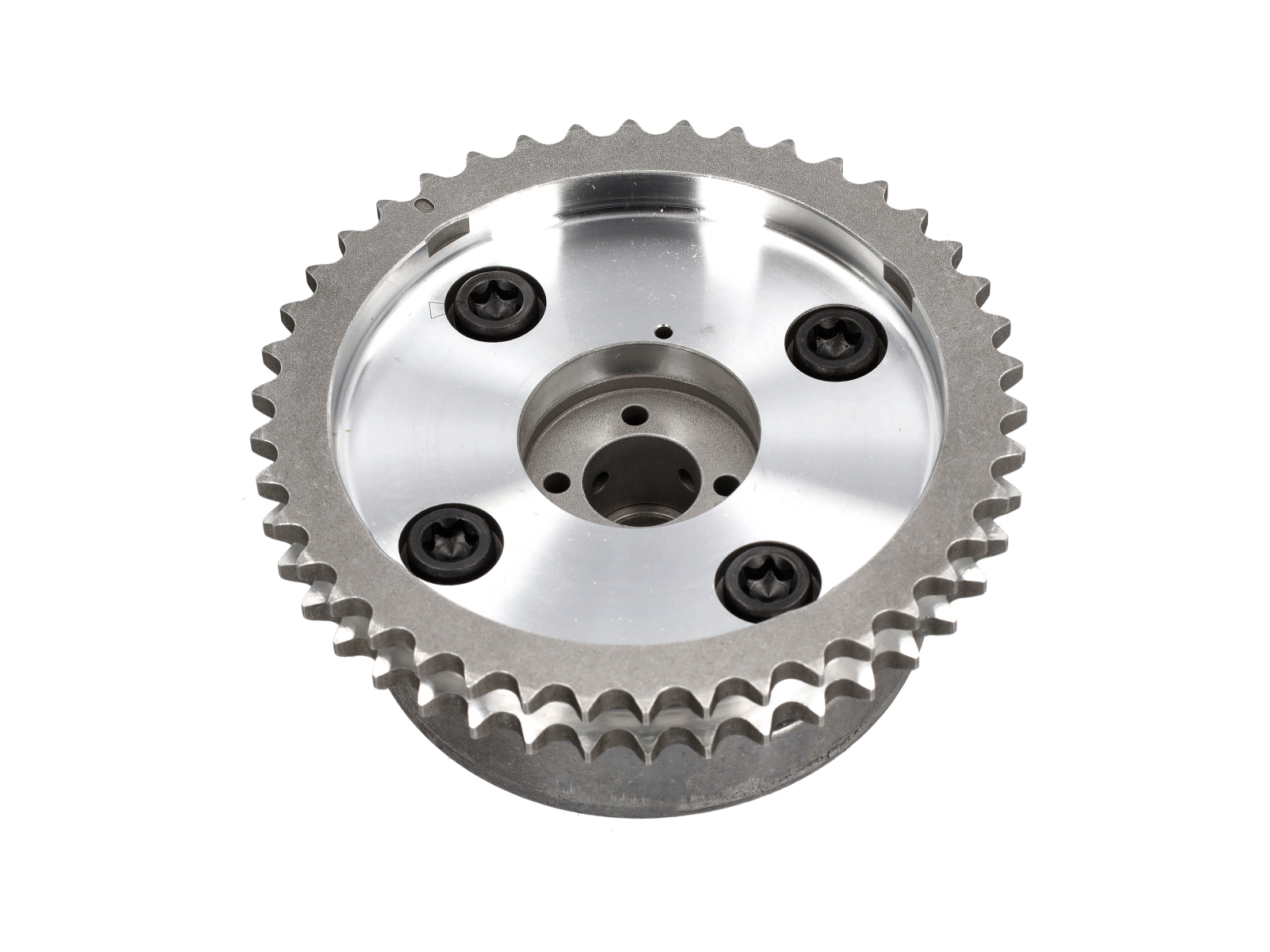
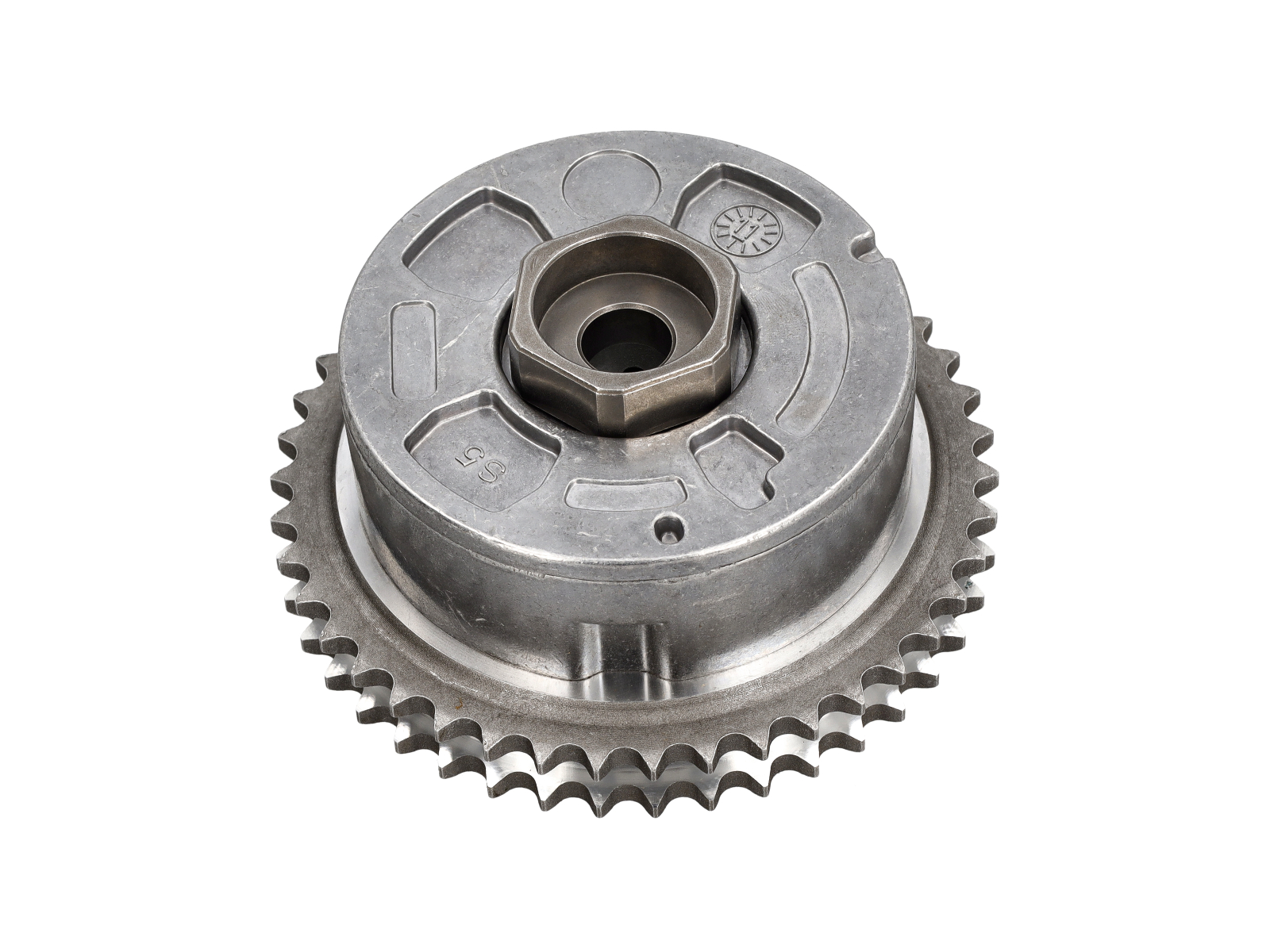
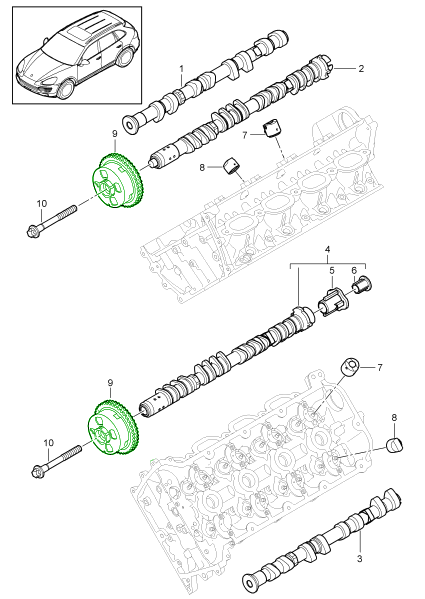
Restore accurate variable valve timing and dependable engine performance with this OE Match Camshaft Adjuster. Designed for compatible Porsche engine applications, the camshaft adjuster forms part of the engine's variable valve timing system and changes camshaft position relative to the crankshaft according to operating conditions.
Fits:
Porsche 958 4.8L Cayenne S 2011-14
Porsche 958 4.8L Cayenne GTS 2013-14
Porsche 958 4.8L Cayenne TURBO 2011-18
Porsche 970 3.6L Panamera 2010-16
Porsche 970 4.8L Panamera S 2010-13
Porsche 970 4.8L Panamera GTS 2013-16
Porsche 970 4.8L Panamera TURBO 2010-16
Diagram Ref No 9
Modern engines can alter camshaft timing to optimise valve operation at different engine speeds and loads. The camshaft adjuster responds to the engine management system and associated oil-pressure control, advancing or retarding camshaft timing as required. This helps the engine balance low-speed torque, higher-speed performance, efficiency and emissions.
What This Product Does:
- Forms part of the engine's variable valve timing system.
- Adjusts camshaft position relative to the crankshaft.
- Advances or retards valve timing according to engine operating conditions.
- Works with the engine management and oil-control systems.
- Helps optimise valve timing across different engine speeds and loads.
- Supports strong and consistent engine performance.
- Helps improve low-speed response and higher-speed efficiency.
- Contributes to smooth engine operation and efficient combustion.
- Helps the engine maintain the commanded camshaft timing.
- Replaces a worn, sticking, damaged or malfunctioning camshaft adjuster.
- Provides an OE-style replacement for compatible Porsche engine applications.
Symptoms Of Wear Or Failure:
- Check engine or engine-management warning light.
- Camshaft timing or correlation fault codes.
- Rattling or abnormal mechanical noise from the timing system.
- Noise particularly noticeable during engine start-up.
- Rough or unstable idle.
- Engine misfires.
- Hesitation or poor throttle response.
- Reduced engine power.
- Inconsistent power delivery.
- Increased fuel consumption.
- Difficulty starting the engine.
- Engine running differently at particular speeds or loads.
- Actual camshaft position failing to match the commanded position during diagnostic testing.
- Excessive play, sticking or physical damage discovered during timing-system inspection.
Why Replacement Matters:
- Accurate camshaft timing is essential for correct valve operation. The camshaft adjuster allows the engine to alter this timing dynamically rather than relying on one fixed setting for every operating condition.
- If the adjuster sticks or develops excessive wear, the camshaft may remain too far advanced or retarded. This can affect cylinder filling, combustion and exhaust flow, resulting in reduced performance, rough running and increased fuel consumption.
- A mechanically worn adjuster may also generate rattling or knocking noises. Continued operation with a timing-system fault can place additional stress on related components and may contribute to more extensive timing-system deterioration.
- In engines where piston-to-valve clearance is limited, serious mechanical timing errors can potentially result in internal engine damage. For this reason, persistent timing faults or abnormal timing-system noises should not be ignored.
- Replacing a defective component with this OE Match Camshaft Adjuster helps restore accurate variable valve timing, consistent engine response and dependable operation of the associated timing system.
Related reference numbers
Related, superseded, cross reference or alternative numbers for comparison.
94810505123
The product you are viewing cross references to these numbers
- Porsche 958 Cayenne S V8 4.8L Petrol (400Hp) 2010-17
- Porsche 958 Cayenne GTS V8 4.8L Petrol (400Hp) 2010-17
- Porsche 958 Cayenne Turbo V8 4.8L Petrol (500Hp) 2010-17
- Porsche 958 Cayenne Turbo S V8 4.8L Petrol (550Hp) 2010-17
- Porsche 970.1 Panamera V6 3.6L 2WD 2009-13
- Porsche 970.1 Panamera 4 V6 3.6L 4WD 2009-13
- Porsche 970.1 Panamera S V8 4.8L 2009-13
- Porsche 970.1 Panamera 4S V8 4.8L 2009-13
- Porsche 970.1 Panamera GTS V8 4.8L 2011-13
- Porsche 970.1 Panamera Turbo V8 4.8L 2009-13
- Porsche 970.1 Panamera Turbo S V8 4.8L 2009-13
- Porsche 970.2 Panamera V6 3.6L 2WD (310Hp) 2014-16
- Porsche 970.2 Panamera 4 V6 3.6L 4WD (310Hp) 2014-16
- Porsche 970.2 Panamera GTS V8 4.8L 4WD (440Hp) 2014-16
- Porsche 970.2 Panamera Turbo V8 4.8L (520Hp) 2014-16
- Porsche 970.2 Panamera Turbo V8 Executive 2014-16
- Porsche 970.2 Panamera Turbo S V8 4.8L 2014-16
Shop Securely
12 Month Warranty
Worldwide Delivery
Free delivery
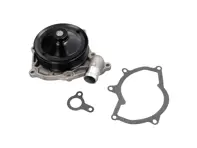
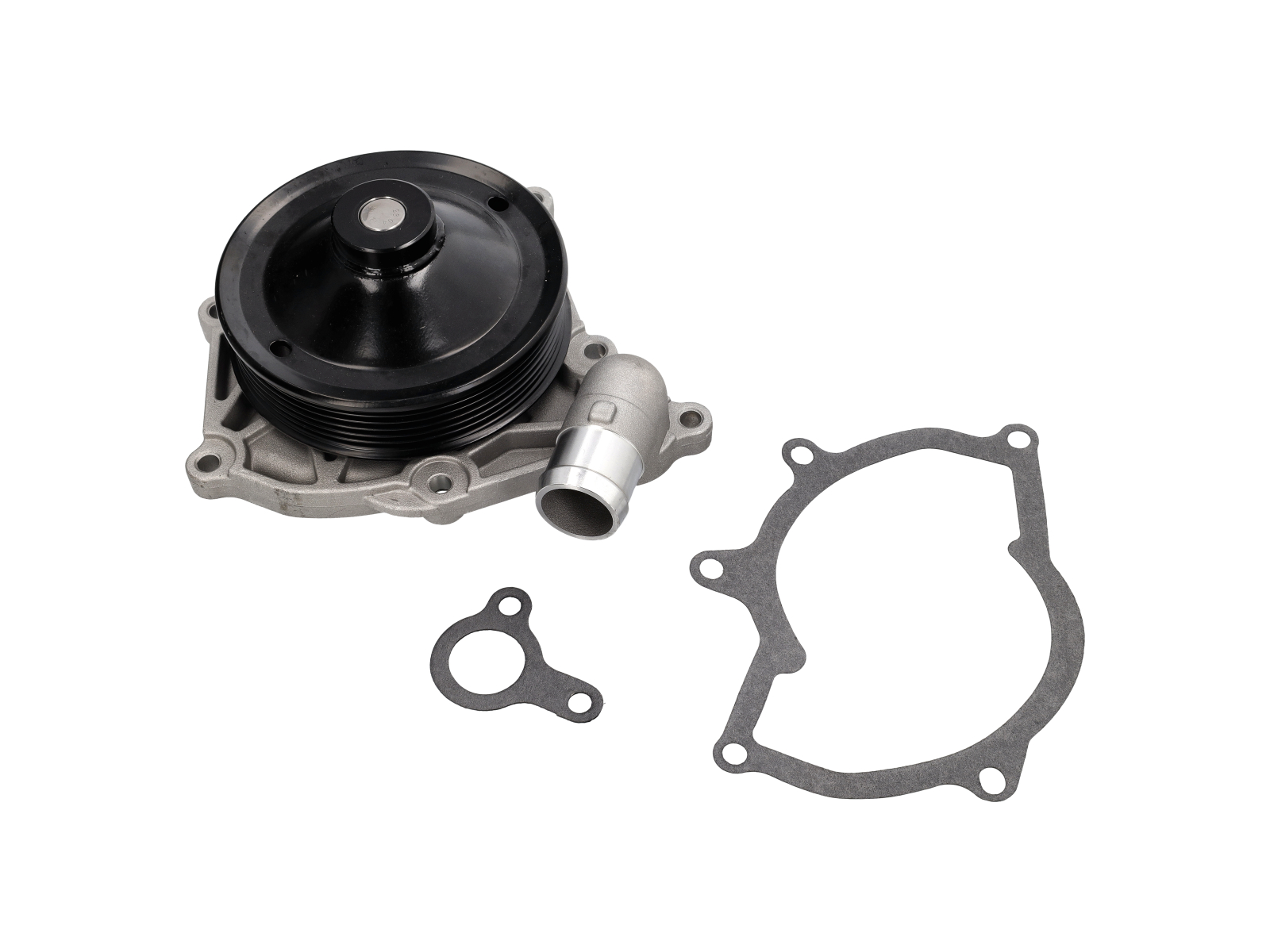
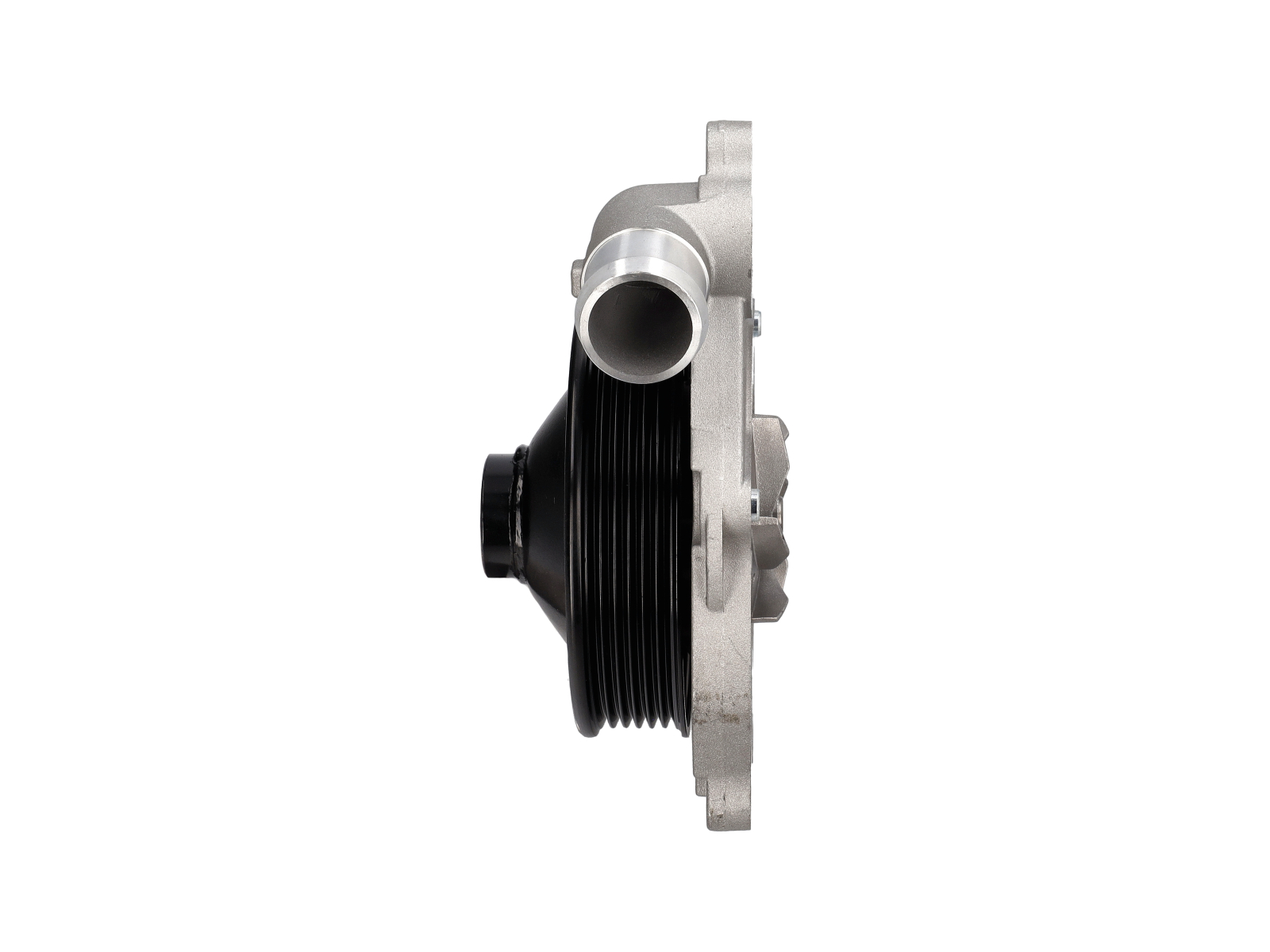
The water pump product code 996 106 011 57, is also known as a coolant water pump supplied with gasket, ensuring seal integrity. Porsche specialist typically recommended this is checked or replaced every 60,000 miles or 4–5 years, whichever comes first, as part of routine maintenance to prevent sudden failure. It’s best practice to replace the thermostat, gaskets, and serpentine belt at the same time for a comprehensive cooling system refresh. Our kits bundle all these components.
Fits:
Porsche 996 Carrera C2/C4 (1997–2001 3.4L; 2002–2005 3.6L)
Porsche Boxster 986 (all models, 2.5L, 2.7L , 3.2S, 1997–2004)
Common issues & symptoms:
• Overheating & Rapid Deterioration: If the pump fully fails, coolant circulation stops, leading to overheating—which can cause serious engine damage.
• Strange Noises: Squealing, creaking, or grinding noises can indicate bearing failure or internal damage within the pump.
• Coolant Leaks: A failing or worn water pump may begin leaking coolant, often noticeable as puddles beneath the rear of the vehicle or in the engine bay.
• Accessory Belt Problems: A failed pump can throw off the serpentine drive belt, potentially causing accessory drive issues.
• Maintenance Insights Proactive Replacement: Given the catastrophic failure risk and potentially swift progression from minor to major leaks, many enthusiasts and mechanics recommend replacing the water pump pre-emptively at the 60,000-mile interval.
Related reference numbers
Related, superseded, cross reference or alternative numbers for comparison.
99610601157
The product you are viewing cross references to these numbers

- Porsche Boxster 986 2.5L 1997-99
- Porsche Boxster 986 2.7L 1999-02
- Porsche Boxster S 986 3.2L 1999-02
- Porsche Boxster 986 2.7L 2003-04
- Porsche Boxster S 986 3.2L 2003-04
- Porsche 996 C2 3.4L 1997-08/01
- Porsche 996 C4 3.4L 1997-08/01
- Porsche 996 C2 3.6L 09/01-2005
- Porsche 996 C4 3.6L 09/01-2005
- Porsche 996 C4S 3.6L 09/01-2005
Shop Securely
12 Month Warranty
Worldwide Delivery
Express Delivery

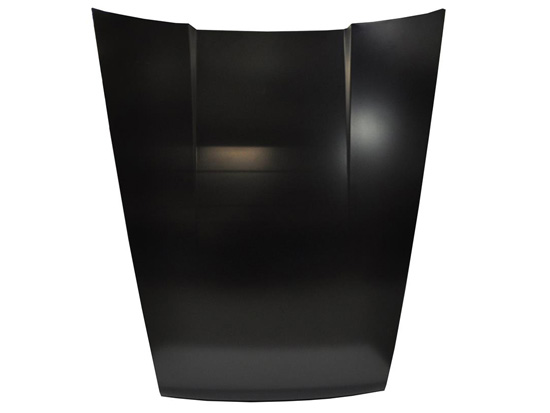
Restore the distinctive appearance and correct front body profile of an early Porsche 911 with this OE Match Reproduction Front Bonnet. Designed for compatible early Porsche 911 models using the long-bonnet configuration, this reproduction panel provides a replacement solution for an original bonnet that is corroded, damaged, distorted, previously repaired or missing.
Fits:
Porsche 911 1965-73
Material: Steel
The long bonnet is one of the defining exterior features of early Porsche 911 models. It forms the upper closure of the front luggage compartment and contributes significantly to the characteristic proportions, panel lines and appearance of the vehicle.
What This Product Does:
- Replaces the long-type bonnet on compatible early Porsche 911 models.
- Covers and protects the front luggage compartment.
- Restores the characteristic early 911 long-bonnet exterior profile.
- Provides the foundation for correct bonnet-to-wing and body panel gaps.
- Works with the appropriate hinges, latch, seals and associated hardware.
- Allows normal access to the front luggage compartment.
- Replaces a corroded, accident-damaged, distorted or missing bonnet.
- Provides a practical solution for body restoration projects.
- Helps return a modified or damaged vehicle to an early long-bonnet appearance.
- Is supplied as a reproduction replacement panel.
Symptoms Of Wear Or Failure:
- Significant corrosion or rust.
- Perforation caused by advanced corrosion.
- Accident or impact damage.
- Large dents, creases or distortion.
- Poor bonnet-to-body alignment.
- Uneven panel gaps that cannot be corrected through normal adjustment.
- Damage around the hinge mounting areas.
- Damage or deformation around the latch area.
- Previous repairs that have significantly distorted the panel.
- Cracking or deterioration around repaired sections.
- A bonnet that no longer opens or closes correctly due to panel damage.
- An incorrect bonnet fitted during a previous restoration or modification.
- A missing original bonnet during a restoration project.
Why Replacement Matters:
- The front bonnet is a major exterior body panel and has a significant influence on both the appearance and functionality of an early Porsche 911.
- Severe corrosion can weaken mounting, edge or latch areas and make permanent repair increasingly difficult. Likewise, badly distorted accident damage can prevent the bonnet from aligning correctly with the surrounding wings and body panels.
- Correct fit is especially important around the latch mechanism. A bonnet that does not latch securely or has damaged mounting areas requires immediate attention, as reliable bonnet retention is essential during vehicle operation.
- For restoration projects, panel shape and alignment are also fundamental to achieving a high-quality finished result. The long bonnet creates a prominent part of the early 911's characteristic front-end styling, so incorrect contours or inconsistent panel gaps can be particularly noticeable.
Related reference numbers
Related, superseded, cross reference or alternative numbers for comparison.
90151101024GRV
The product you are viewing cross references to these numbers
- Porsche 911 1965-1968 2.0L / 912 SWB (F)
- Porsche 911 1968-1973 2.2L / 2.4L / 2.7L RS LWB (F)
Shop Securely
12 Month Warranty
Worldwide Delivery
Express Delivery
Free delivery
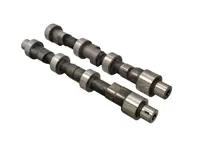

Fits:
Porsche 964 C4 / C4 1989-94
Porsche 964 C2 1990-94 TIPTRONIC
Porsche 964 Carrera RS 1992
Related reference numbers
Related, superseded, cross reference or alternative numbers for comparison.
CAMSHAFTKIT04
The product you are viewing cross references to these numbers

- Porsche 964 (911) C2 1989-93
- Porsche 964 (911) C4 1989-93
- Porsche 964 (911) RS 3.6L 1991-93
- Porsche 964 (911) RS 3.8L 1991-93
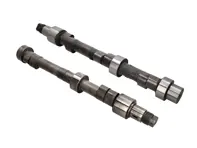
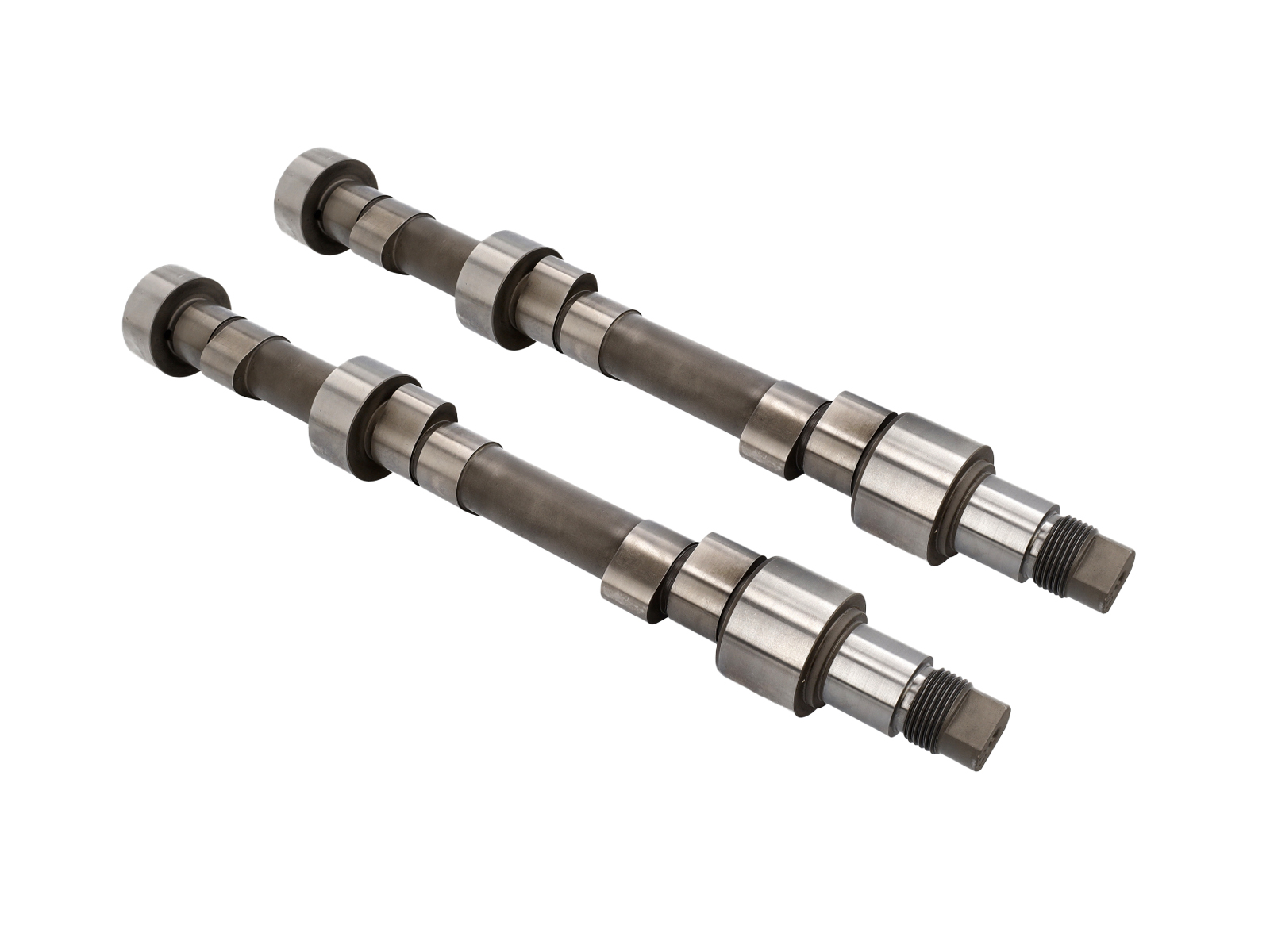
Restore accurate valve timing and correct operation of a mechanically fuel-injected engine with this OE Match Camshaft Set of 2. Designed for compatible engines equipped with a Mechanical Fuel Injection (MFI) pump, this matched two-camshaft set provides a replacement solution for engine rebuilds, restorations and repairs where the existing camshafts are worn, damaged or unsuitable.
Fits:
Porsche 911S 1965-73
Porsche 911 Carrera 2.7L 1974-77
Camshafts are precision internal engine components that control the opening and closing of the intake and exhaust valves. Their carefully engineered lobe profiles determine valve lift, duration and timing, directly influencing cylinder filling, exhaust gas evacuation, combustion efficiency, torque and engine performance.
What This Product Does:
- Includes 2 camshafts for the compatible engine application.
- Is designed for engines equipped with a mechanical fuel injection pump.
- Controls the opening and closing of the intake and exhaust valves.
- Maintains the required valve timing relative to crankshaft position.
- Determines valve lift through the cam lobe profiles.
- Determines how long the valves remain open.
- Works with the associated rocker arms and valve-train components.
- Supports correct operation of the engine alongside the MFI system.
- Helps provide efficient cylinder filling and exhaust gas evacuation.
- Supports smooth combustion and consistent engine performance.
- Influences power delivery, torque and throttle response.
- Replaces worn, damaged or unsuitable camshafts during an engine rebuild.
Symptoms Of Wear Or Failure:
- Ticking, tapping or abnormal valve-train noises.
- Reduced engine power.
- Poor or inconsistent throttle response.
- Rough or unstable idle.Engine misfires.
- Uneven performance between cylinders.
- Difficulty maintaining correct valve clearances.
- Repeated changes in valve adjustment.
- Reduced valve lift.
- Flattened or excessively worn camshaft lobes.
- Pitting, scoring or surface damage on the cam lobes.
- Excessive wear on rocker arms or other mating components.
- Abnormal camshaft journal wear.
- Metallic particles in the engine oil or oil filter.
- Visible camshaft damage during engine disassembly.
Why Replacement Matters:
- Camshaft condition directly affects the engine's ability to breathe correctly. As cam lobes wear, their effective shape changes, potentially reducing valve lift or altering the period for which a valve remains open.
- This can restrict the intake charge entering a cylinder or interfere with the efficient evacuation of exhaust gases. The resulting symptoms may include reduced power, poor throttle response, rough running and uneven cylinder performance.
- Correct camshaft specification is especially important with Mechanical Fuel Injection. The MFI system is mechanically coordinated with engine operation, so the camshafts must be appropriate for the engine and injection configuration. Incorrect valve timing or an unsuitable camshaft profile can compromise the intended relationship between airflow and fuel delivery.
- Camshaft wear can also damage associated valve-train components. Worn or pitted cam lobes may accelerate deterioration of rocker-arm contact surfaces, while damaged mating components can rapidly wear a replacement camshaft. Metal generated by this wear can circulate through the engine oil and potentially damage other internal components.
Related reference numbers
Related, superseded, cross reference or alternative numbers for comparison.
CAMSHAFTKIT03
The product you are viewing cross references to these numbers
- Porsche 911 1965-1968 2.0L / 912 SWB (F)
- Porsche 911 1968-1973 2.2L / 2.4L / 2.7L RS LWB (F)
- Porsche 911 1974-1977 2.7L / 1976-77 3.0 Carrera
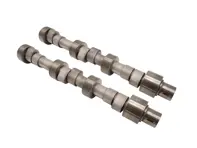
Fits:
Porsche 911 SC 3.0L 1978-83
Porsche 911 Carrera 3.2L 1984-89
Related reference numbers
Related, superseded, cross reference or alternative numbers for comparison.
CAMSHAFTKIT02
The product you are viewing cross references to these numbers
- Porsche 911 1978-1983 3.0L / SC
- Porsche 911 1984-1986 3.2L
- Porsche 911 1987-1989 3.2L G50
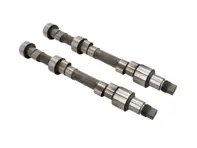
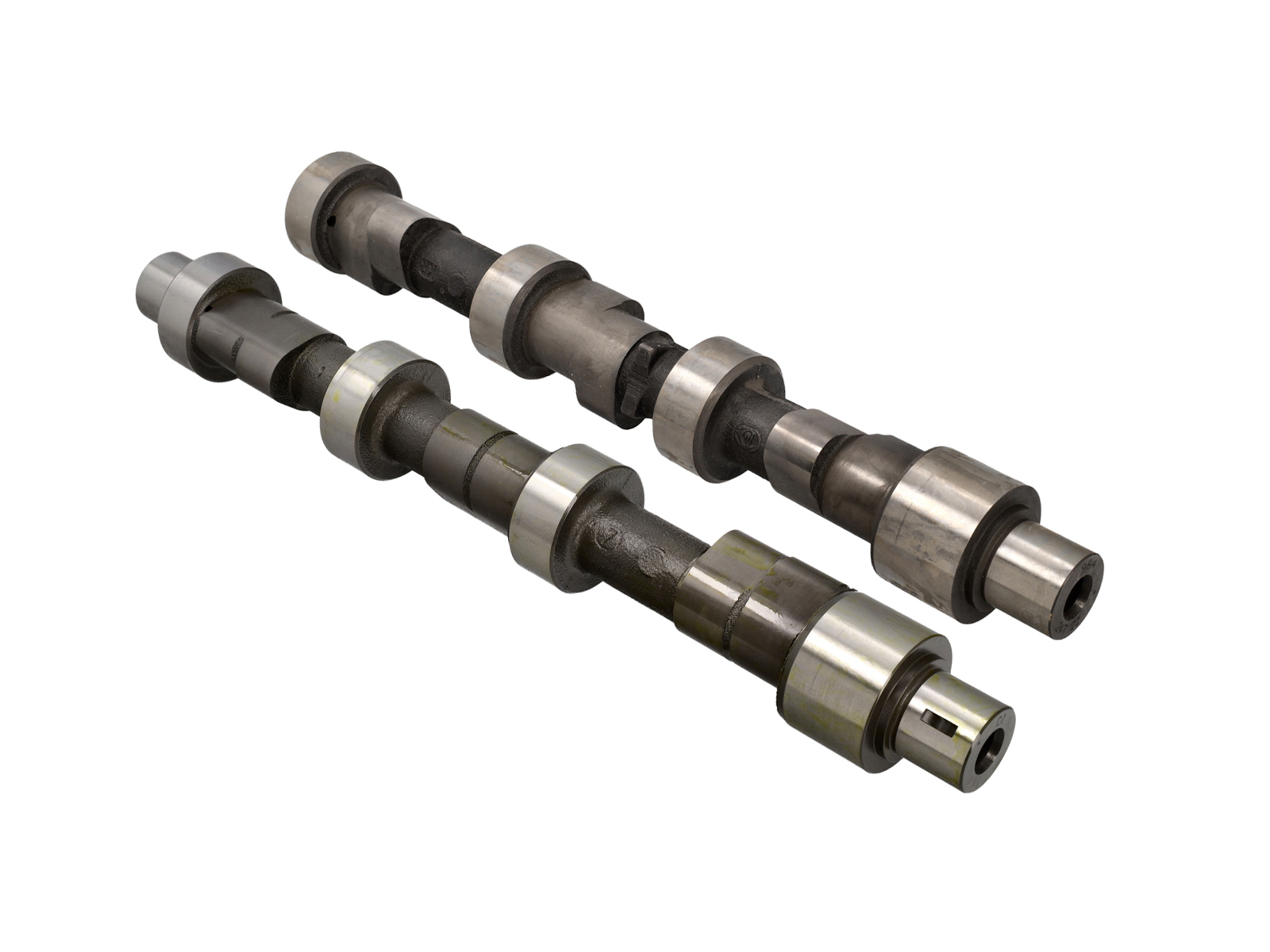
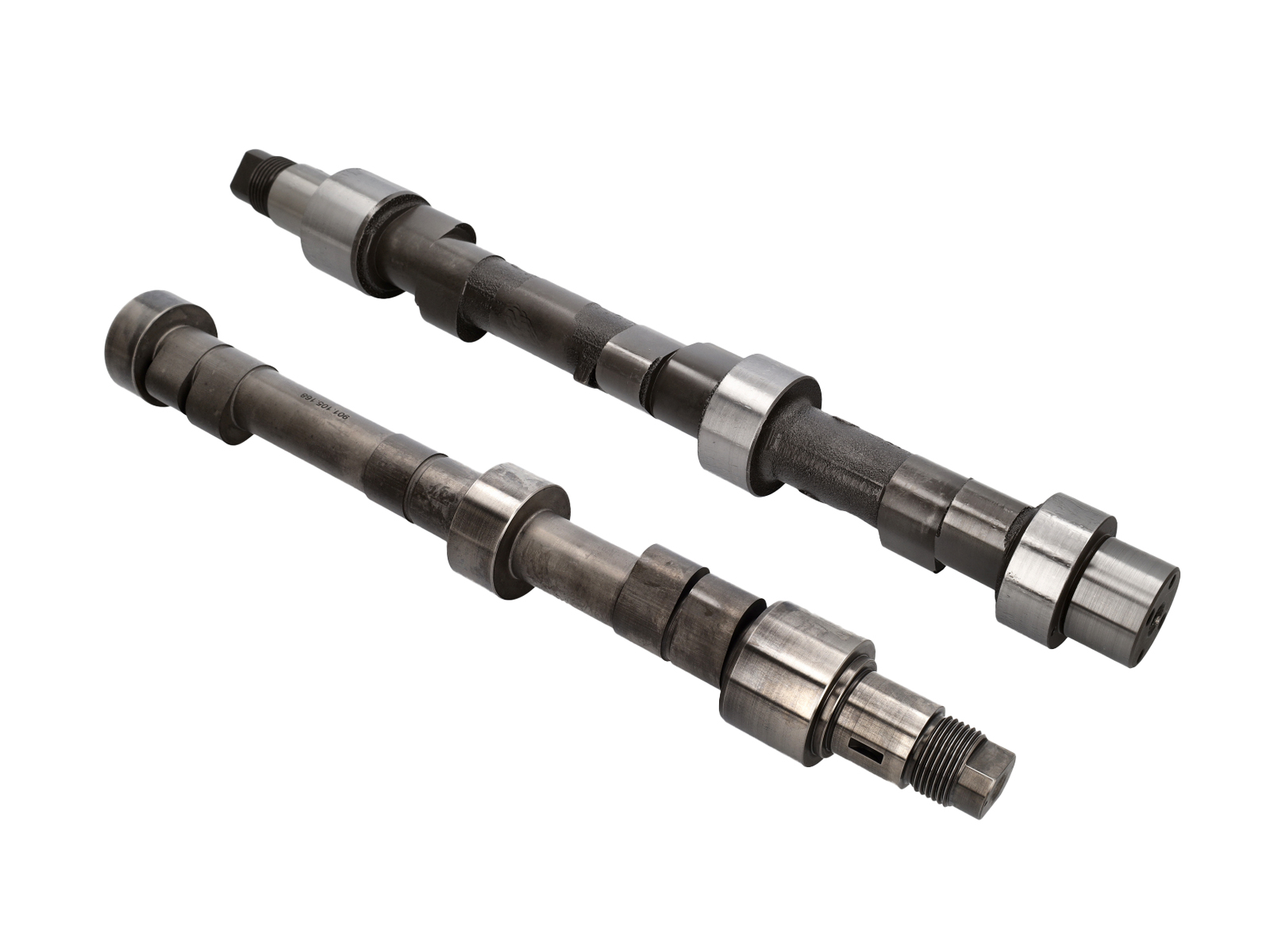
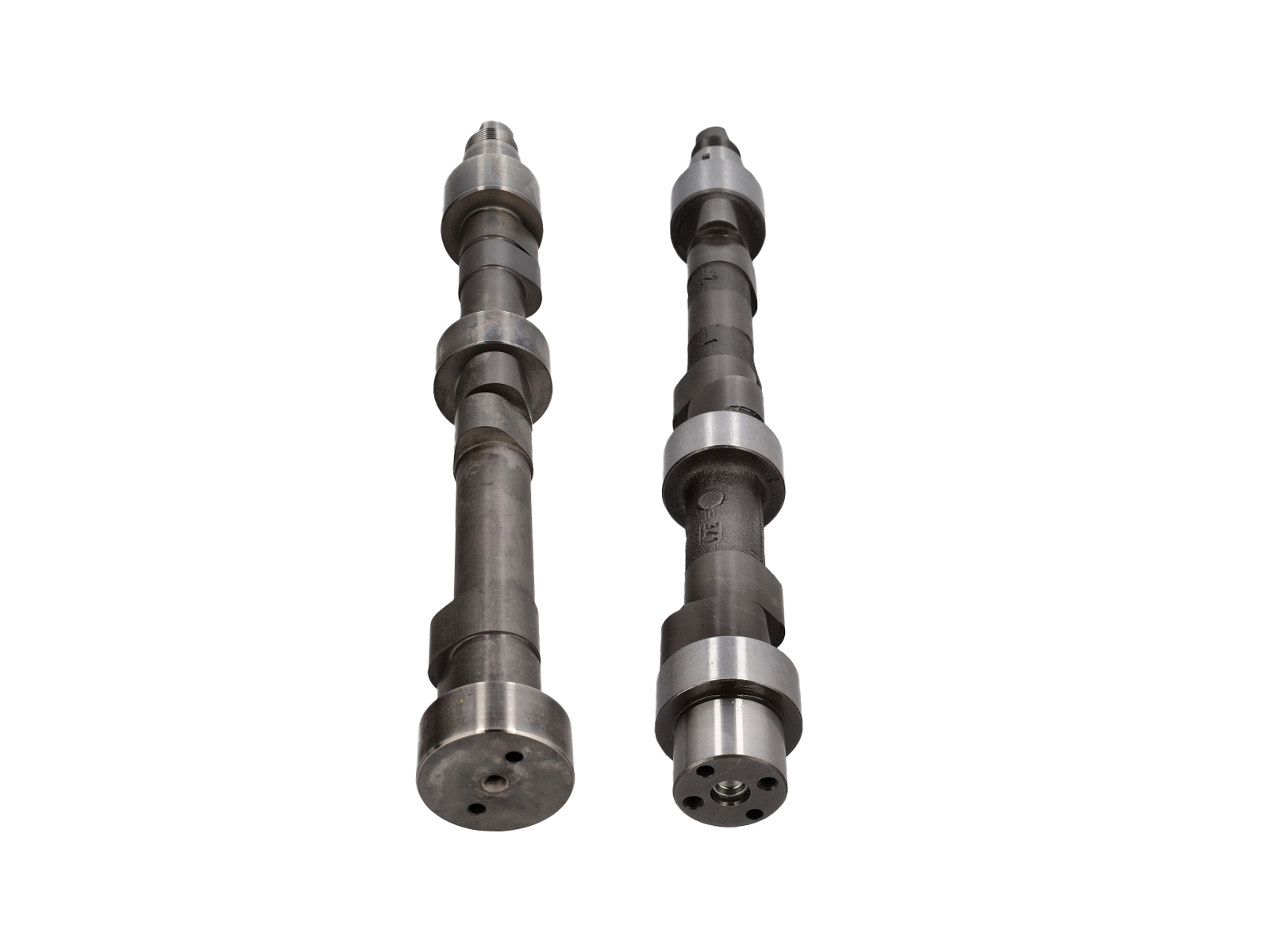
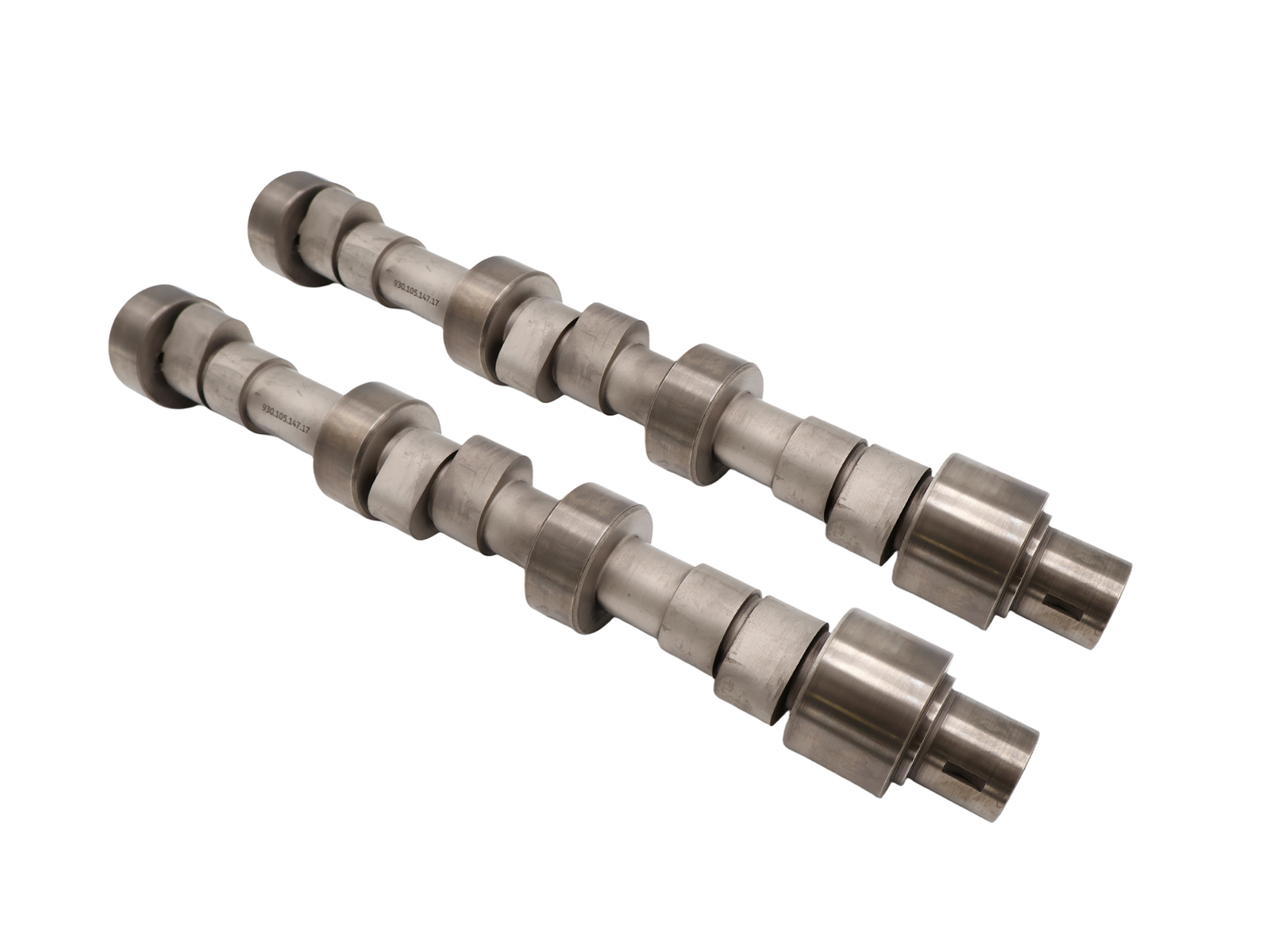
SET OF 2 Left & Right.
Restore accurate valve-train operation and dependable engine performance with this OE Match Camshaft Kit. Designed for compatible engine applications, this kit provides essential components for camshaft replacement or engine rebuilding, helping restore correct valve timing, valve lift and overall valve-train operation.
Fits:
Porsche 911 TU/T 1965-69
Porsche 911 T 1970>>
Porsche 911 T-V 1972>>
Porsche 914-6 1970-76
The camshaft is one of the engine's most important internal components. Its precisely shaped lobes control the movement of the intake and exhaust valves through the associated valve-train components. Camshaft profile determines critical characteristics including valve lift, duration and timing, all of which influence cylinder filling, exhaust gas evacuation, combustion efficiency and engine performance.
What This Product Does:
- Restore correct camshaft and valve-train operation.
- Control the opening and closing of the intake and exhaust valves.
- Maintain correct valve timing relative to crankshaft position.
- Provide the required valve lift and duration.
- Support efficient cylinder filling with the intake charge.
- Allow effective evacuation of exhaust gases.
- Maintain consistent valve operation across the engine.
- Support smooth combustion and dependable engine performance.
- Replace worn or damaged camshaft-related components.
- Provide a coordinated solution for compatible engine rebuilds and repairs.
- Restore valve-train functionality when correctly installed and timed.
Symptoms Of Wear Or Failure:
- Ticking, tapping or abnormal valve-train noise.
- Reduced engine power or acceleration.
- Poor throttle response.
- Rough or inconsistent idle.
- Engine misfires.
- Uneven performance between cylinders.
- Difficulty maintaining correct valve clearances.
- Repeated changes in valve adjustment.
- Reduced valve lift.
- Flattened or excessively worn cam lobes.
- Pitting or scoring on camshaft surfaces.
- Excessive wear of mating followers, lifters or rocker components.
- Metallic particles in the engine oil or oil filter.
- Abnormal camshaft journal wear.
- Visible valve-train damage during engine disassembly.
Why Replacement Matters:
- The camshaft directly controls the engine's valve movement. When a cam lobe becomes worn, its effective profile changes, potentially reducing how far or how long the corresponding valve opens.
- Reduced valve lift or incorrect effective duration can restrict the amount of air and fuel entering the cylinder or interfere with the removal of exhaust gases. The result may be reduced power, rough running, poor throttle response and inefficient combustion.
- Camshaft wear can also spread to associated valve-train components. A damaged cam lobe may accelerate wear of its mating follower, lifter or rocker component, while a damaged mating component can quickly deteriorate a replacement camshaft. Metallic debris produced by this wear can then circulate through the lubrication system and potentially damage other internal engine components.
Related reference numbers
Related, superseded, cross reference or alternative numbers for comparison.
CAMSHAFTKIT01
The product you are viewing cross references to these numbers
- Porsche 911 1965-1968 2.0L / 912 SWB (F)
- Porsche 911 1968-1973 2.2L / 2.4L / 2.7L RS LWB (F)
- Porsche 914 (1970-1976)
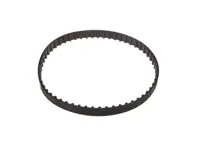
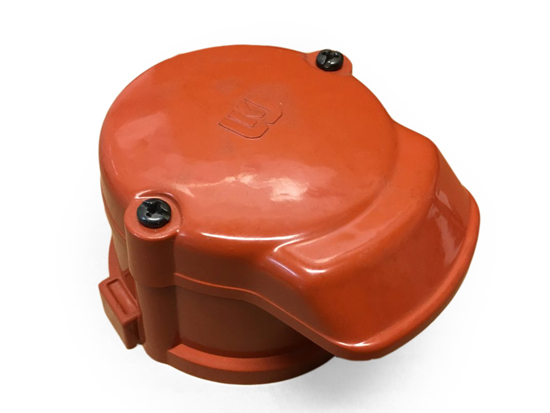

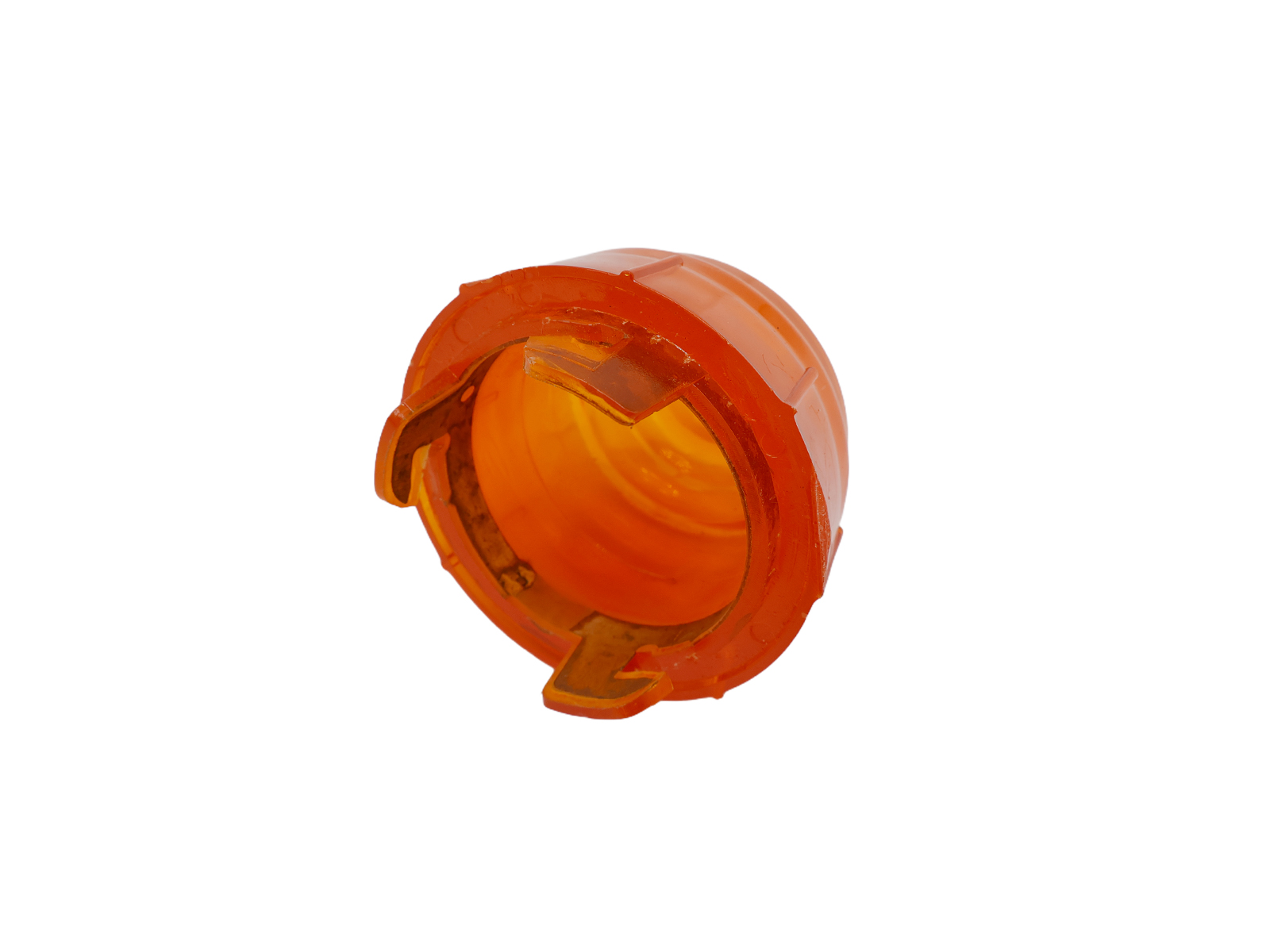
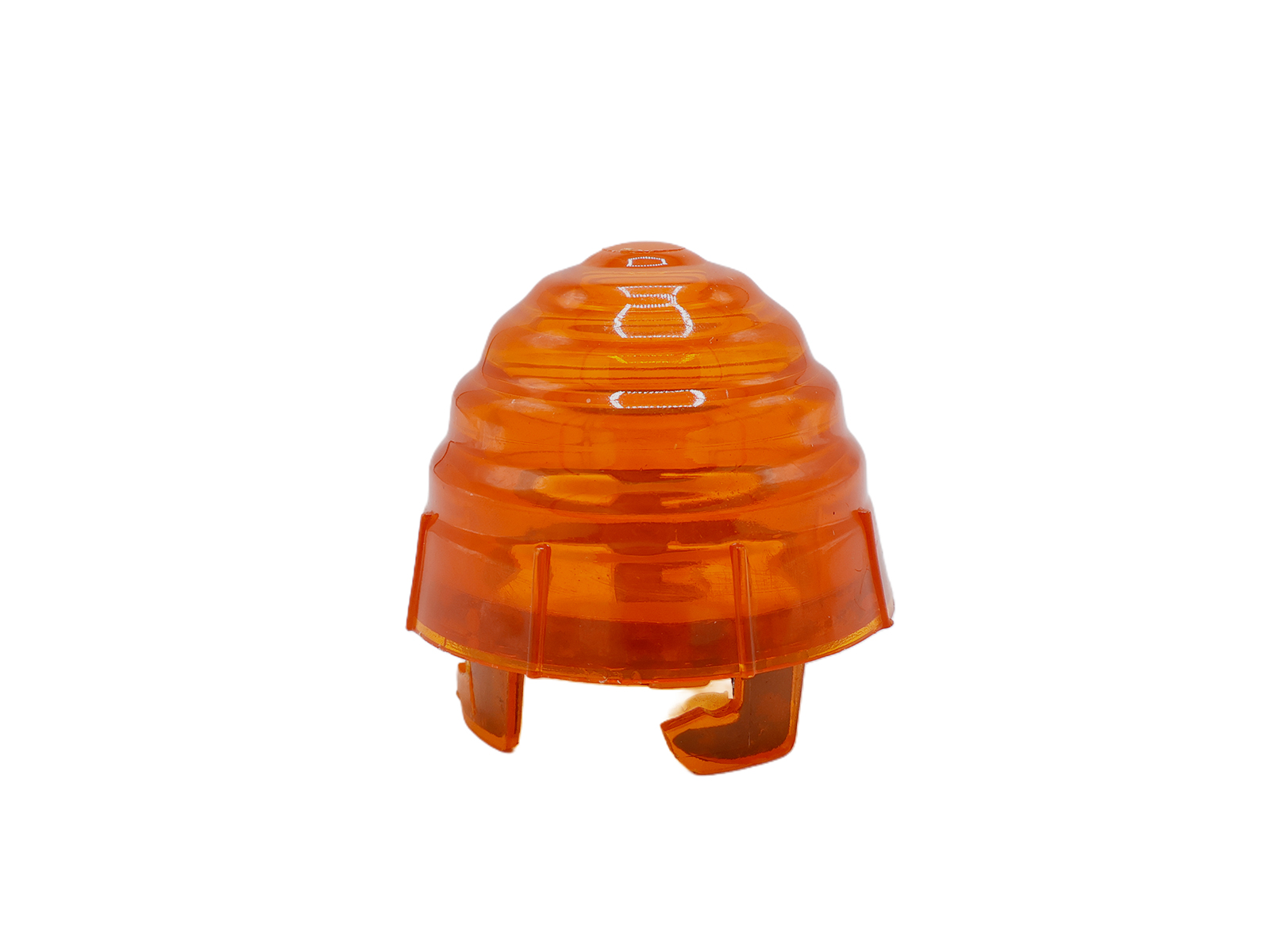

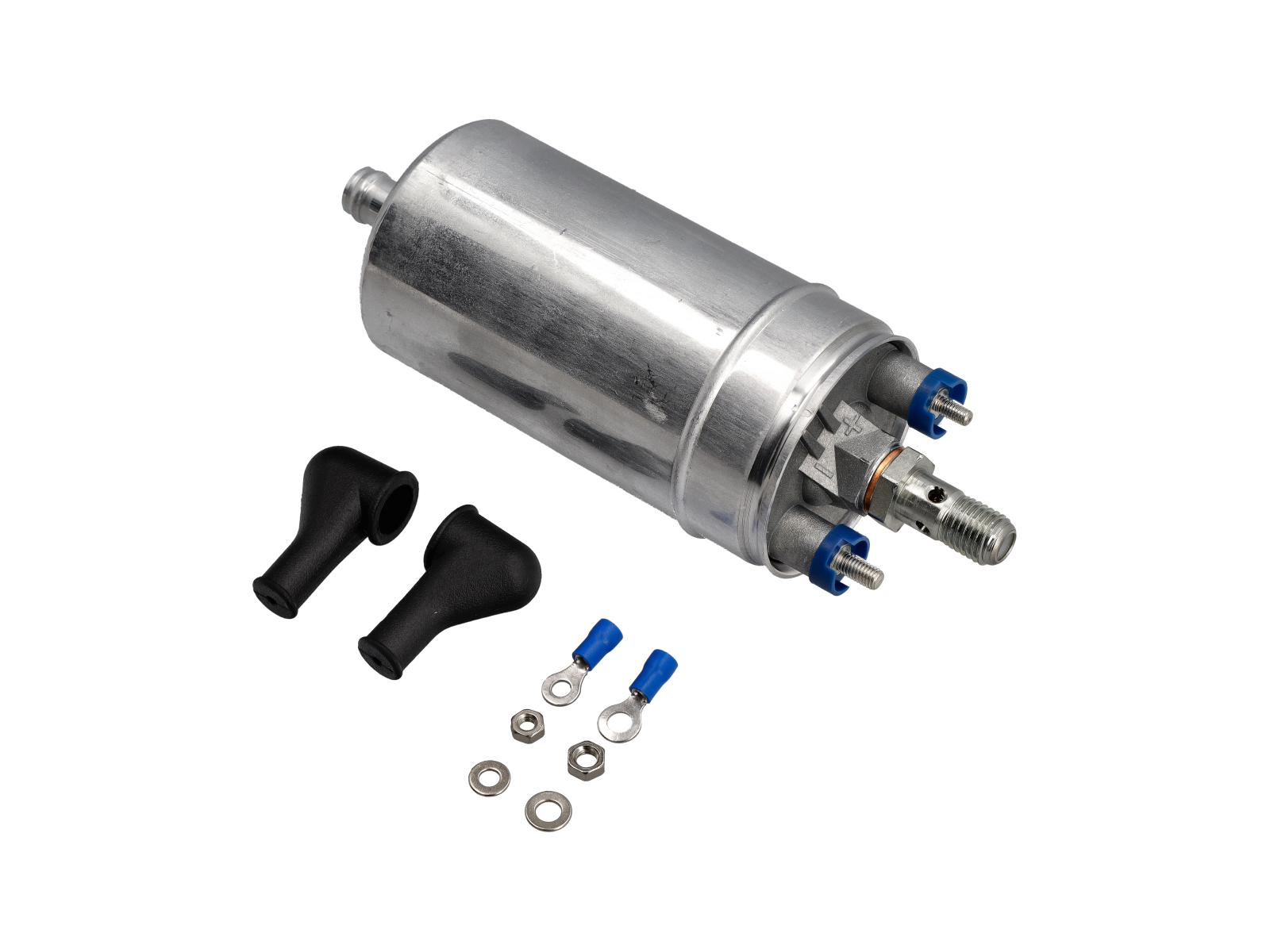
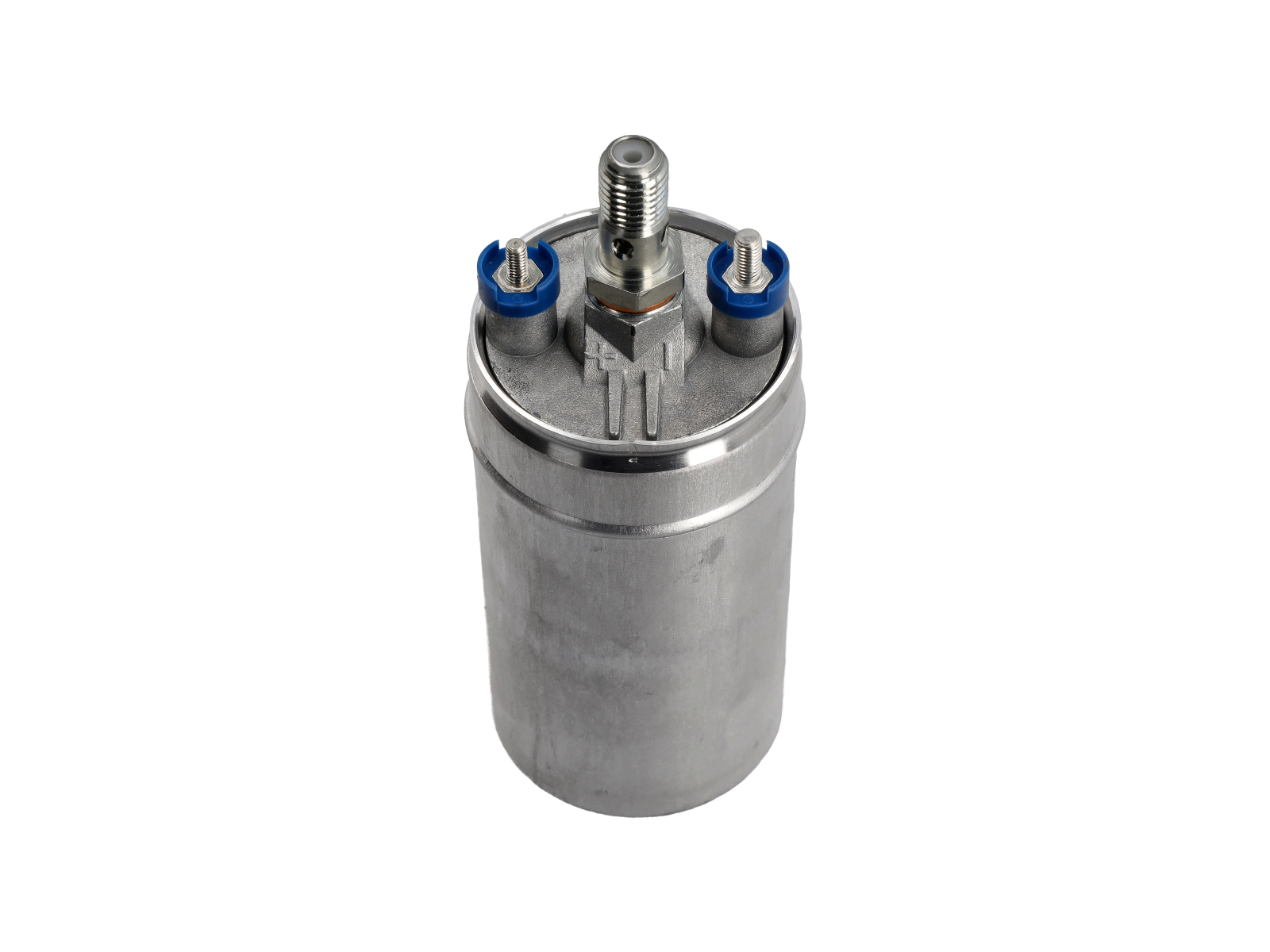

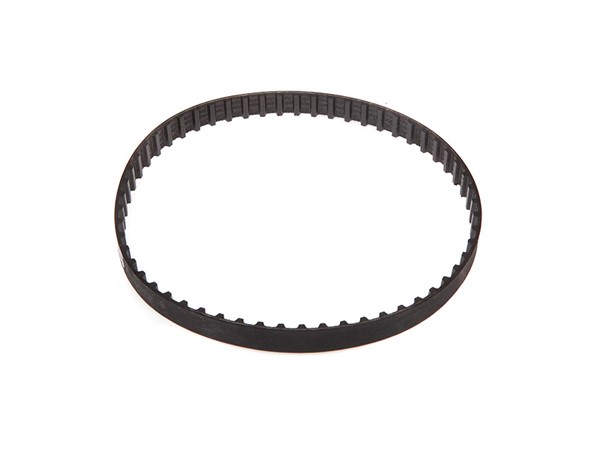
Restore reliable distributor drive operation and accurate ignition timing with this OE Match Distributor Drive Belt. Designed for compatible Porsche ignition applications, this belt forms part of the distributor drive mechanism and ensures that the associated distributor components rotate in the correct relationship to engine operation.
Fits:
Porsche 911 1978-89
The distributor plays a critical role in delivering ignition to the cylinders at precisely the right time. Where a drive belt is incorporated within the distributor assembly, the condition of that belt is essential to maintaining correct synchronisation. A worn, stretched, cracked or broken belt can disrupt distributor operation and lead to ignition timing problems, misfires or loss of correct ignition distribution.
What This Product Does:
- Forms part of the distributor's internal drive mechanism.
- Transfers rotational movement between associated distributor components.
- Maintains correct synchronisation within the distributor assembly.
- Supports accurate ignition distribution to the engine cylinders.
- Helps maintain correct ignition timing.
- Supports smooth and consistent engine operation.
- Helps prevent ignition irregularities caused by a deteriorated drive belt.
- Replaces a cracked, stretched, hardened, worn or broken distributor belt.
- Provides an OE-style replacement for compatible Porsche ignition systems.
- Is suitable for preventative maintenance during distributor rebuilding or servicing.
Symptoms Of Wear Or Failure:
- Engine misfires or irregular running.
- Rough or unstable idle.
- Reduced engine performance.
- Hesitation during acceleration.
- Poor throttle response.
- Difficulty starting the engine.
- Intermittent ignition problems.
- Incorrect or unstable ignition timing.
- Uneven ignition operation between cylinders.
- Visible cracks or deterioration in the belt.
- Missing or damaged belt teeth where applicable.
- Belt stretching, looseness or excessive wear.
- Hardened or brittle belt material.
- A completely broken distributor drive belt.
- Age-related deterioration discovered during distributor servicing.
Why Replacement Matters:
- Correct ignition timing is fundamental to engine performance. The spark must occur at the appropriate point in the combustion cycle, and the distributor drive mechanism must remain correctly synchronised for this to happen consistently.
- A worn or stretched distributor belt may introduce unwanted movement or incorrect synchronisation within the distributor. This can contribute to inconsistent ignition, rough running, reduced power and poor throttle response.
- More significantly, a belt that breaks can interrupt the intended operation of the distributor assembly. Depending on the ignition-system configuration, this may result in serious misfiring or loss of correct ignition to affected cylinders.
- Age is an important consideration with distributor drive belts. Rubber components can deteriorate even on vehicles covering relatively little mileage. Years of exposure to engine-bay temperatures can cause the belt material to harden, crack and lose flexibility, increasing the likelihood of failure.
Related reference numbers
Related, superseded, cross reference or alternative numbers for comparison.
93060213400
The product you are viewing cross references to these numbers
- Porsche 911 1978-1983 3.0L / SC
- Porsche 911 1984-1986 3.2L
- Porsche 911 1987-1989 3.2L G50
Shop Securely
12 Month Warranty
Worldwide Delivery


Monday-Friday: 8.30am - 5.30pm (GMT)
Saturday: Closed
Sunday: Closed